Project Report
| Nov 26, 2018
WCC Water project (Sierra Leone)
By Bernice Langley | WCC Water project (Sierra Leone)
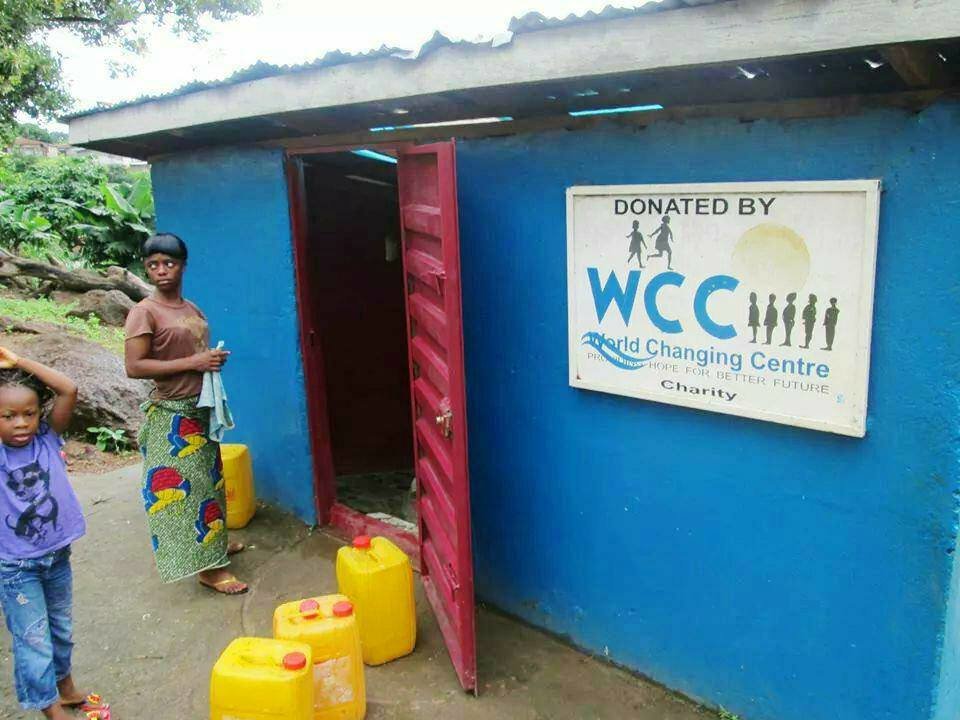
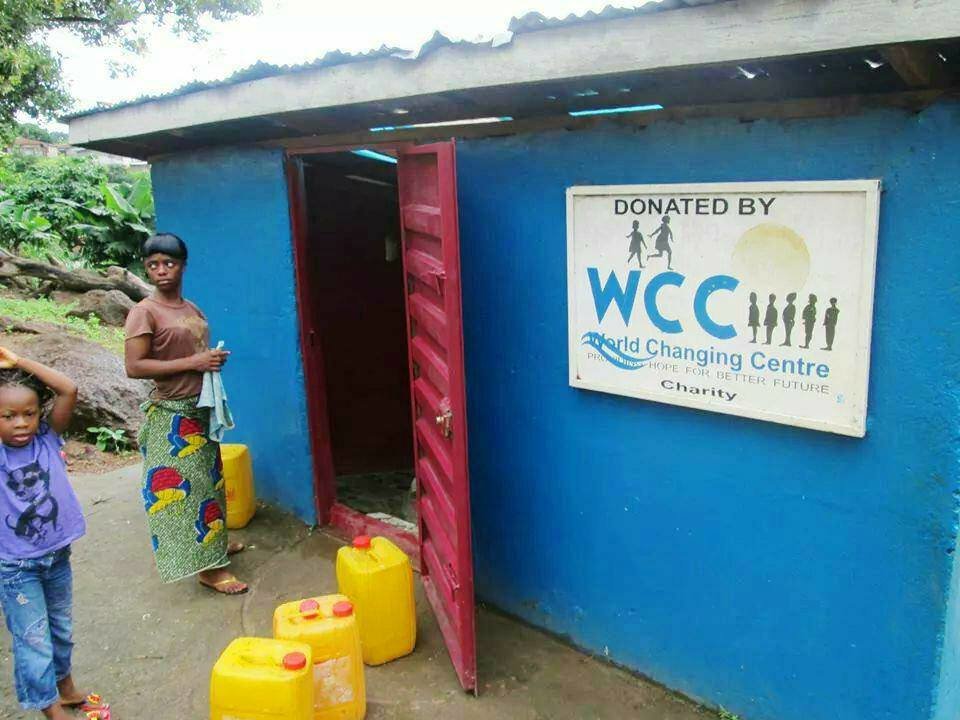
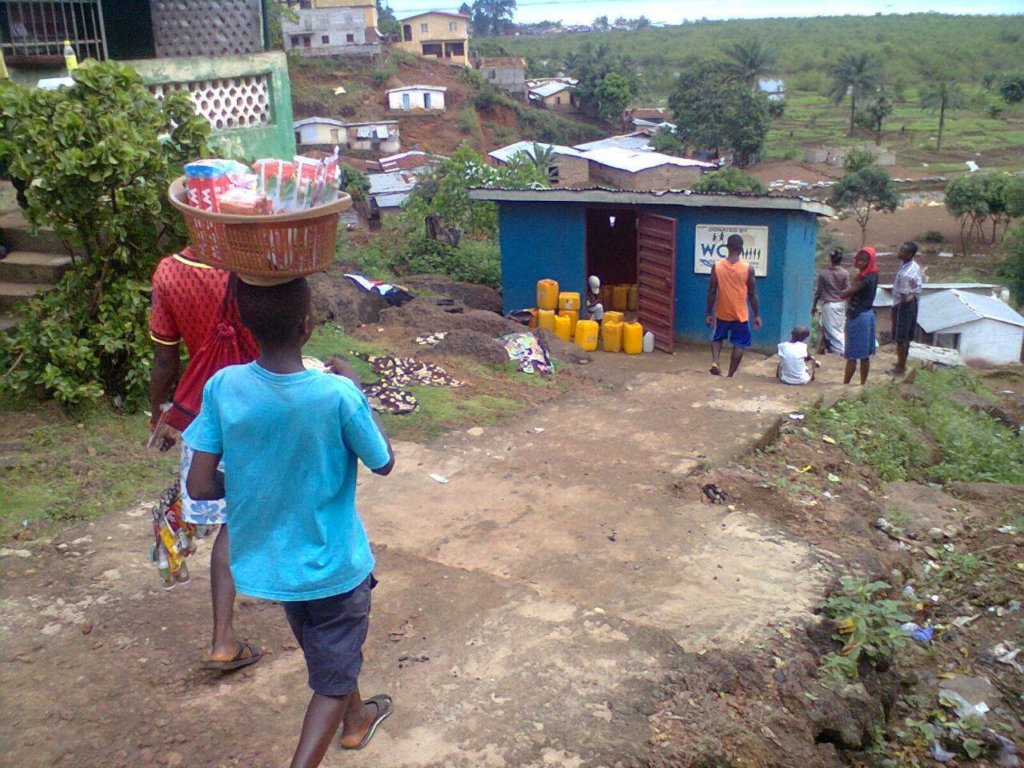
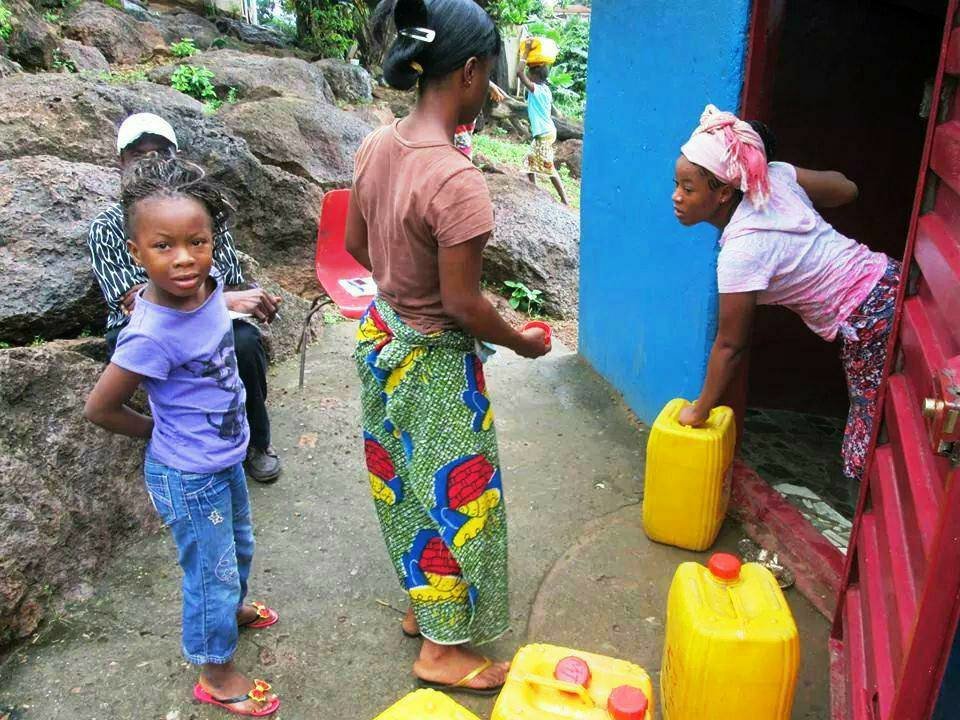
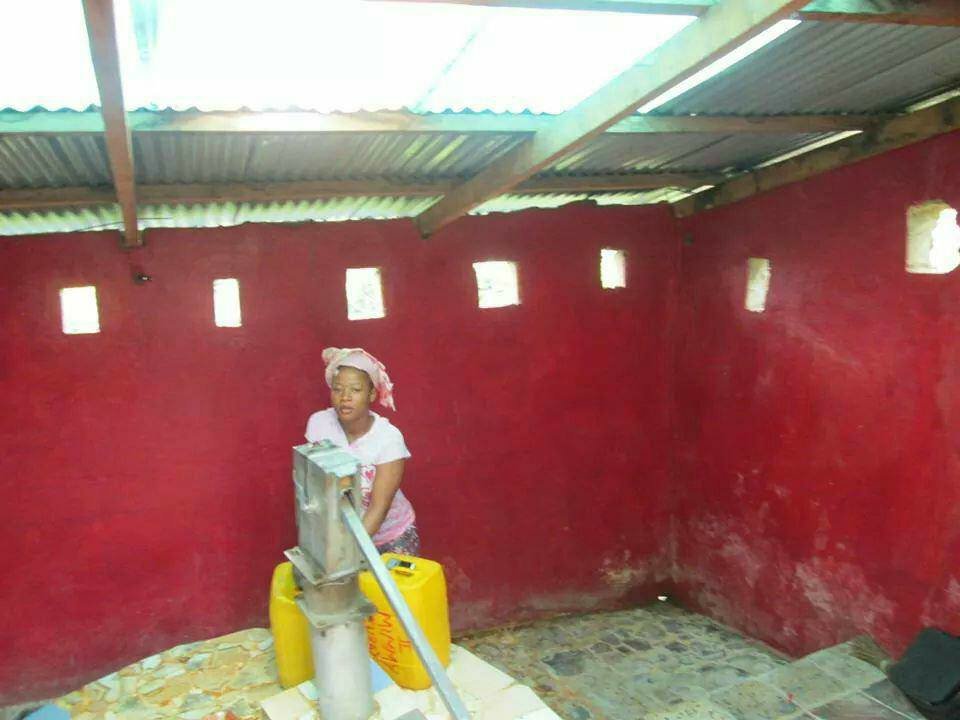
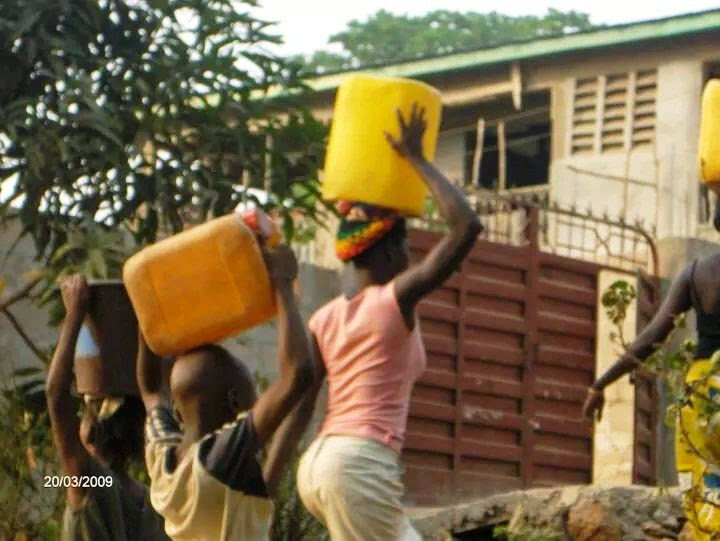
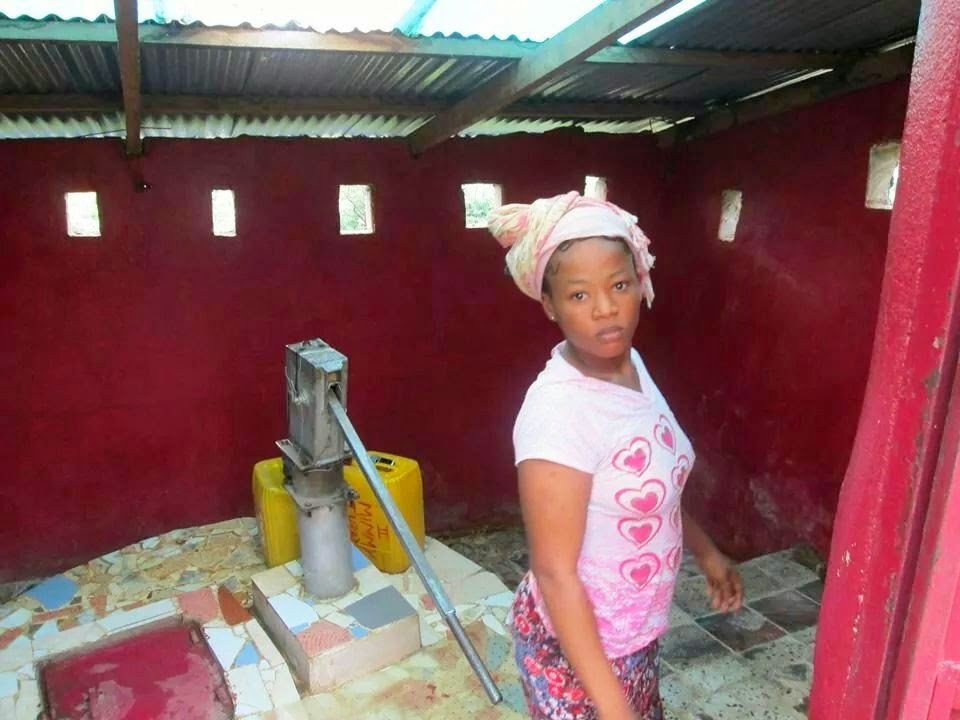
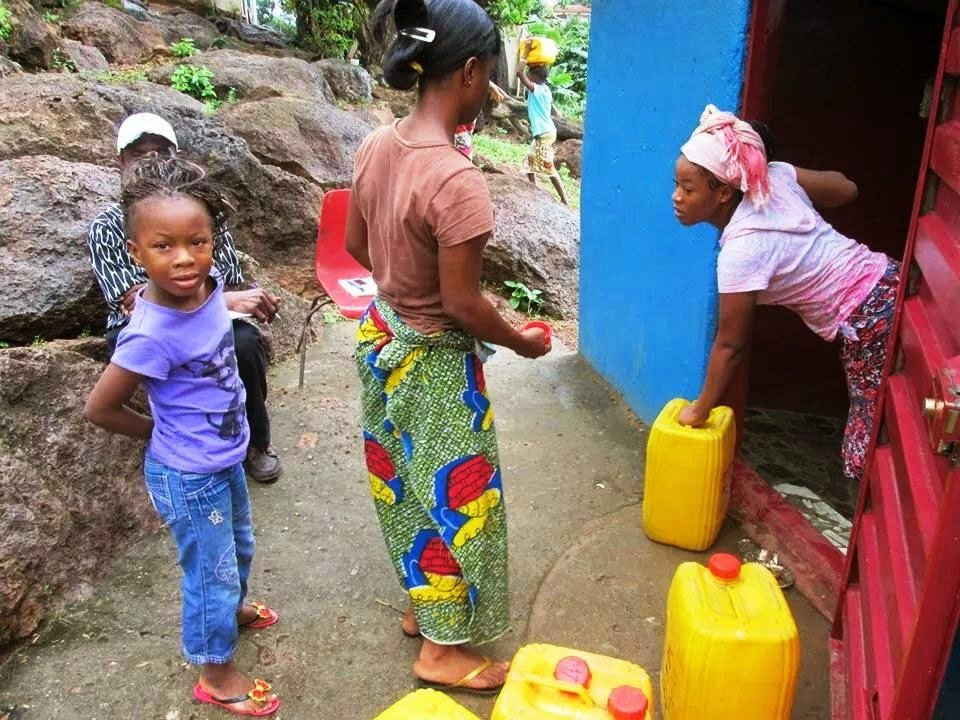
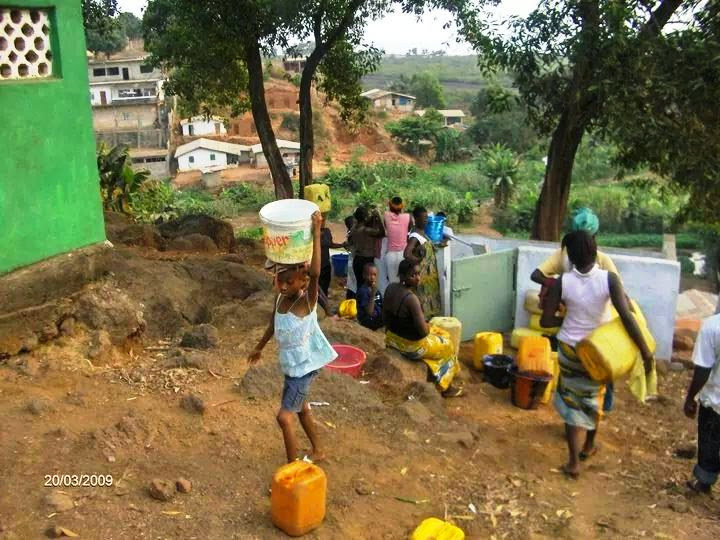
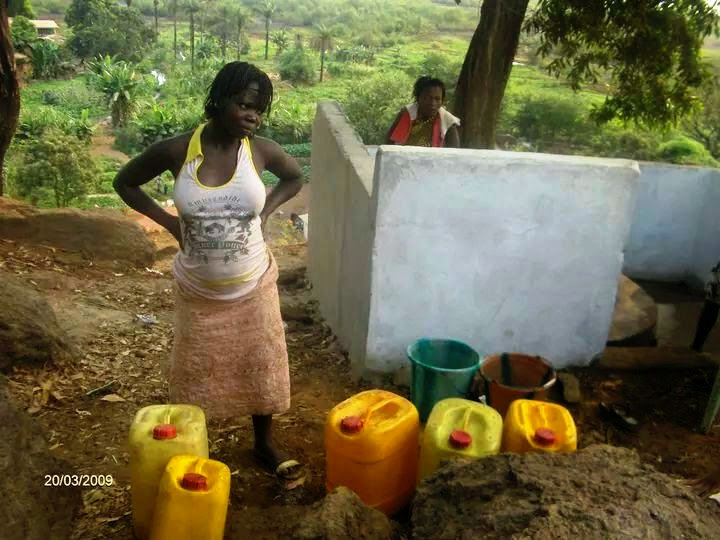
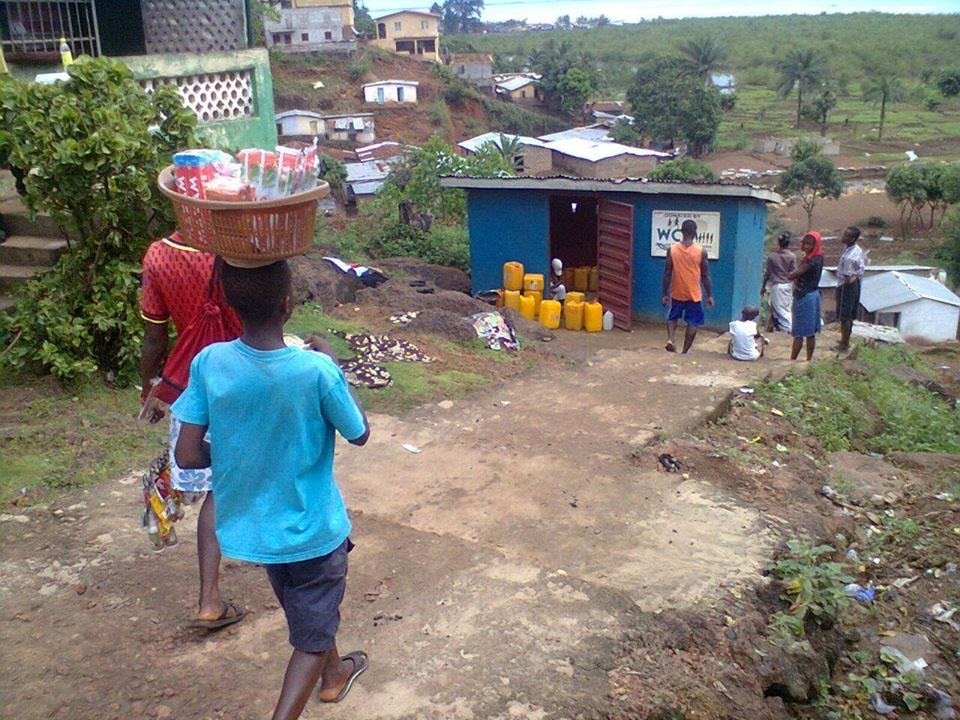
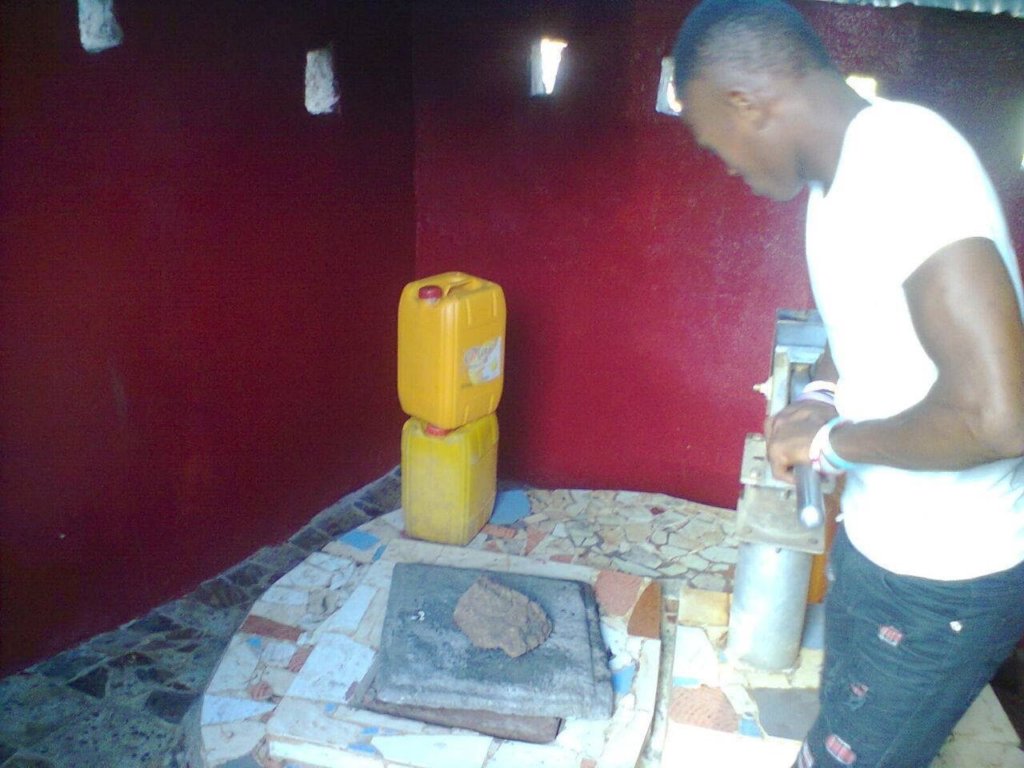
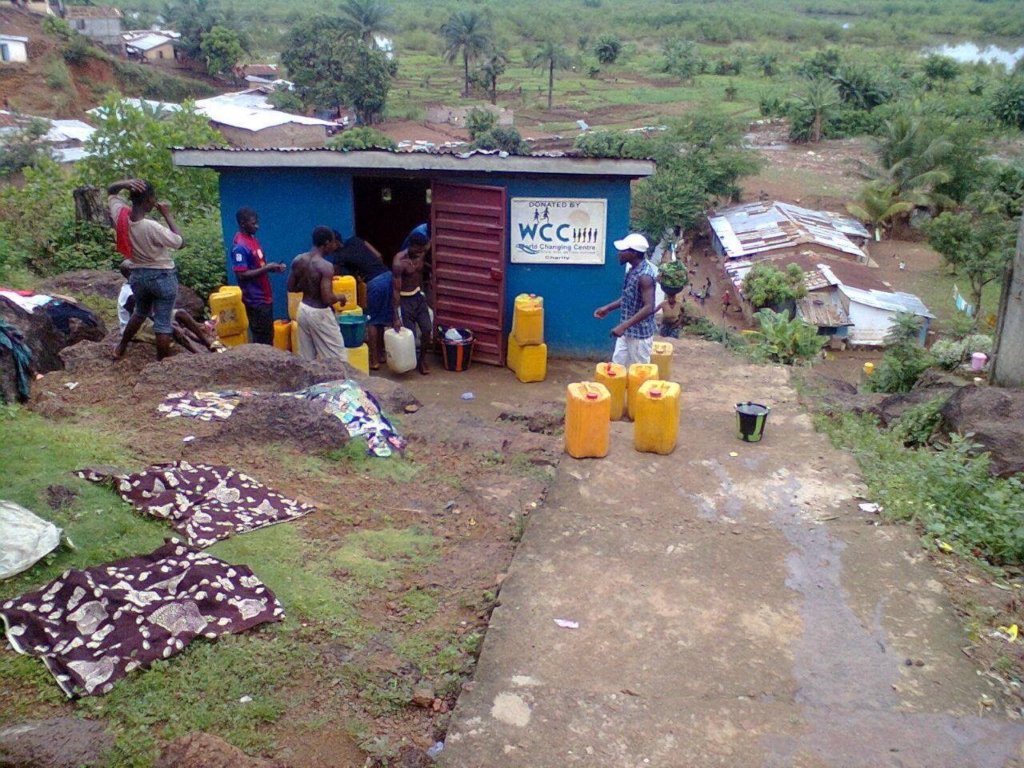
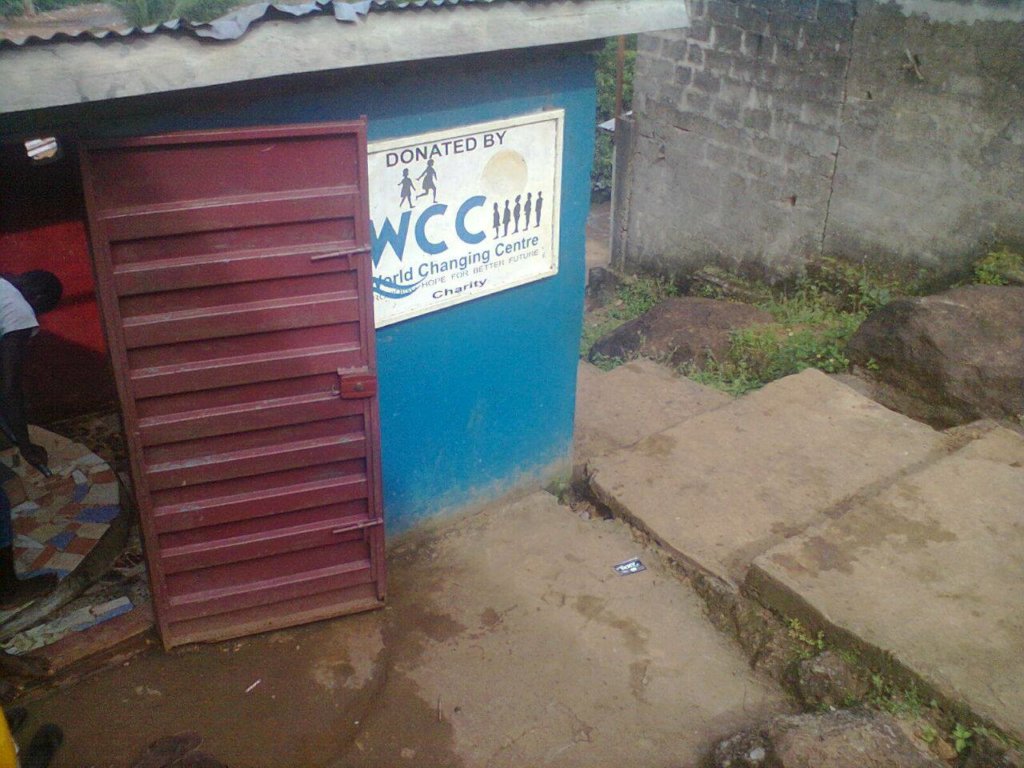
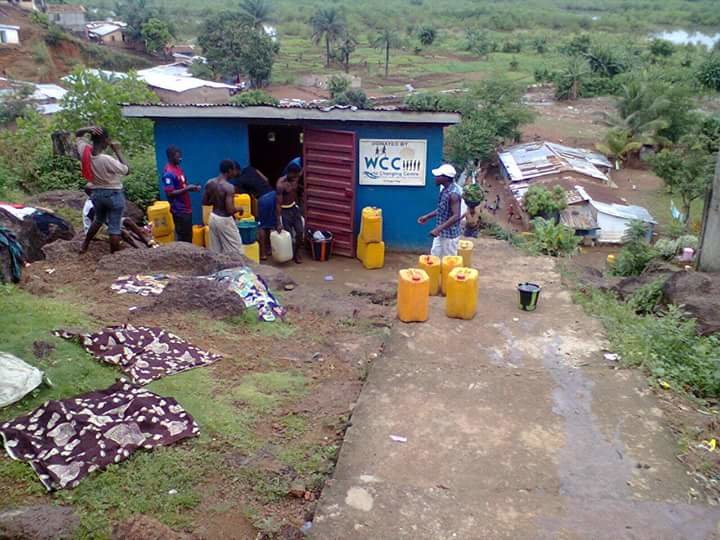
It is understood from interviewing 2000 families in Sierra Leone that 98% of population in Sierra Leone don’t have access to clean water and most of the children and young people defecate in open area, thus leading the residents and the children of the locality tothe poor living standards and vulnerable to contagious diseases such as cholera, malaria, tuberculosis etc respectively.WCC has recently repair their water in October 2018 and we can see the joy in our community. We have also started to build another well as more funding is required to meet our target (5 water wel) by the end of 2019. We are greatful for your continous suppport .
Links:
![Share on Twitter]()
![Share on Facebook]()
Aug 27, 2018
WCC water project (Sierra Leone
By Bernice Langley | WCC water project (Sierra Leone
![]()
The primary goal of the WCC water project is to provide clean drinking water to the drought-stricken places of Eastern, Freetown, Sierra Leone . The WCC water project provides safe drinking water to the poorest communities of Sierra Leone, thus breaking the vicious cycle of poverty, enhancing child health development and strengthening community partnerships. The water project aids in overcoming the water crisis and promotes the overall development of the people of Sierra Leone. Vital education pertaining to HIV/AIDS and other contagious diseases prevention is also imparted through messages that are easier for children to grasp.
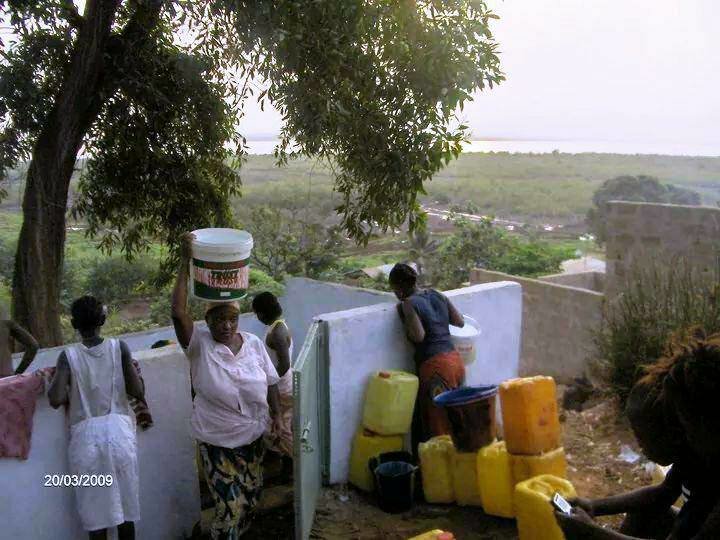
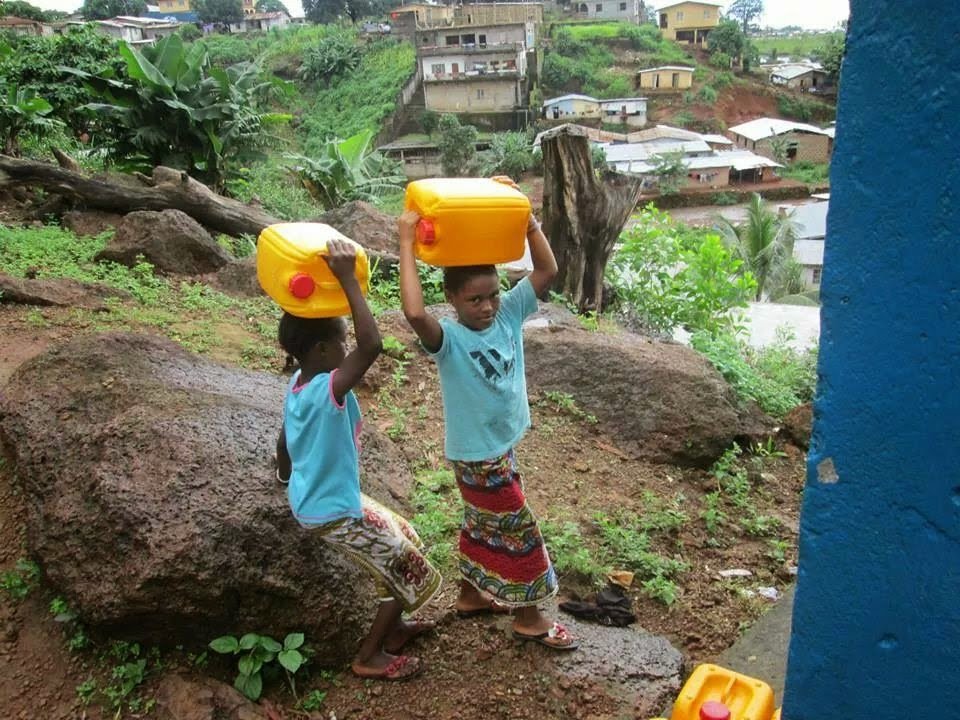
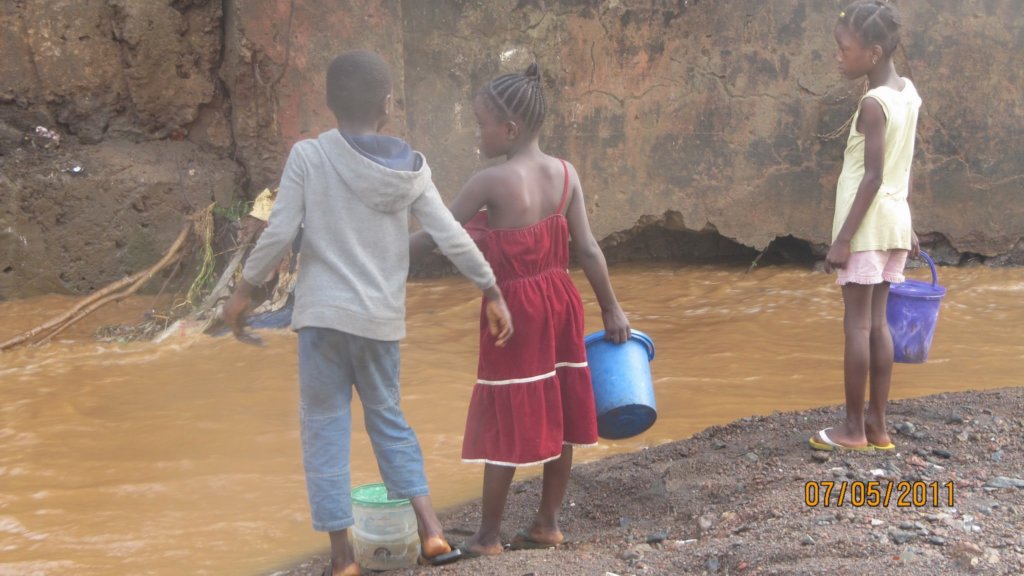
About half the population & less than 1/3rd of people in Sierra Leone and rural areas have access to safe drinking water and the young people have to walk 3 to 4 miles every day just to fetch water needed for their households.The water collected from the streams are contaminated with human faeces and are not safe for human consumption.WCC aims to construct an additional five (5) water wells in the community (Eastern), adding to the one thus totalling to six (6) water wells, to counter the poor water situation in the community. The water well construction work is currently undertaken by a developing agency (indiegroup) in Sierra Leone. Community self-help and fundraising have also contributed in meeting part of the costs in promoting effectiveness of service.By donating to this project, you can help Sierra Leone to become a vibrant and self-sufficient community that is less reliant on external aid in the long term."You, the donor, made this happen!" and thanks for being part of WCC possibilities.
Links:
![Share on Twitter]()
![Share on Facebook]()
May 29, 2018
WCC Football Team (Sierra Leone)
By Bernice Langley | WCC Football Team (Sierra Leone)
![WCC Water project]()
WCC Water project
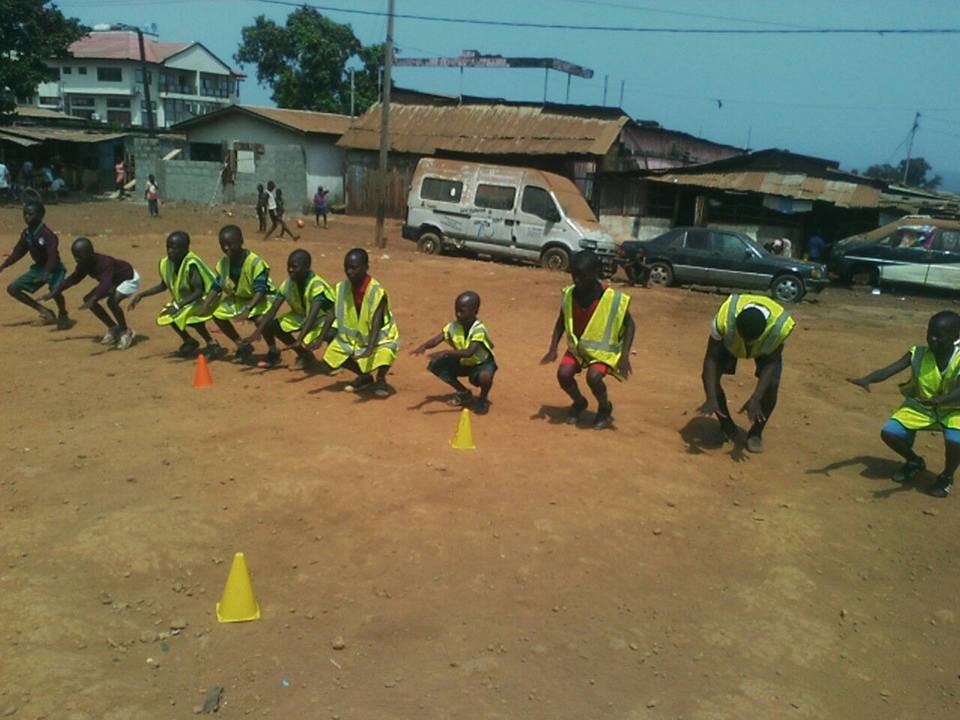
There’s a dearth of structured football sessions for the children and youth in Sierra Leone. Majority of these children are poor homeless orphans. Football activities can be used to bring communities together contributing to the re-building of trust and decrease crime and violence for reconciliation and re-integration of communities. Football activities are specially held for Ebola survivors or those affected by the impacts of Ebola.
Football has a natural place in education, whether the approach used is formal or informal. In schools, football and physical education is a key component of quality education and can be used to promote schooling among young people. Outside the classroom, a sport is a "school for life", teaching basic values and life skills vital for holistic development. The targets in this case are the kids, teenagers and the youths.
"Football for all" creates avenues for healthy living and active lifestyles. This preventative health approach will help to improve the health status of the communities. It provides sporting activities as an alternative to anti-social behavior. Football for all will target groups and areas, where there is a recurring pattern of crime and violence to preach peace in the name of football.
The project aims to provide infra-structures in order to offer football coaching which improves the children’s finesse in the game and team work, thereby making them competent enough to play at a competitive level. The project aims at reviewing their progress during coaching sessions and matches and keep a track of documentation via project reports. It involves asking parents or guardians of their communities how the project impacted the children’s lives, in terms of improved confidence and performance.
![]()
![Share on Twitter]()
![Share on Facebook]()