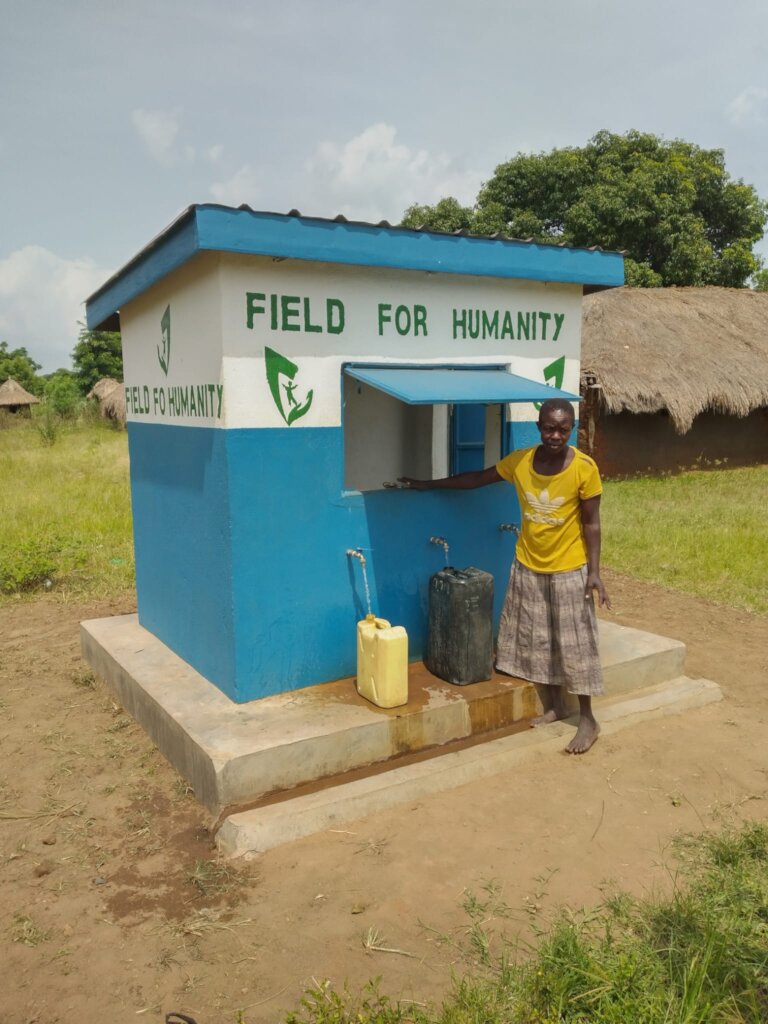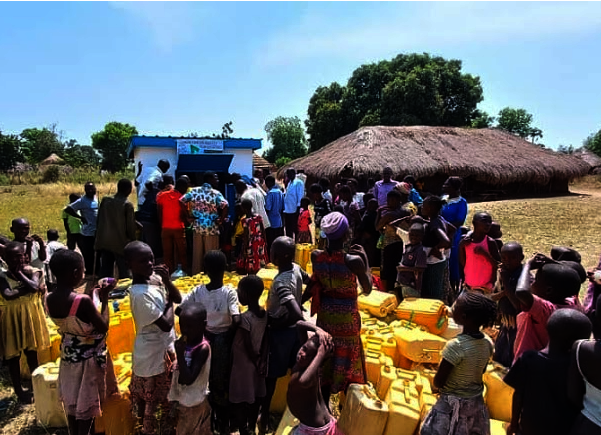
Uganda's water crisis is severe, with 60% of the population lacking access to clean water, leading to widespread reliance on contaminated sources like rivers and ponds. This project aims to install community water kiosks, distribute ceramic water filters, and provide Sato pans for latrine coverage, enhancing access to clean water and improving sanitation.
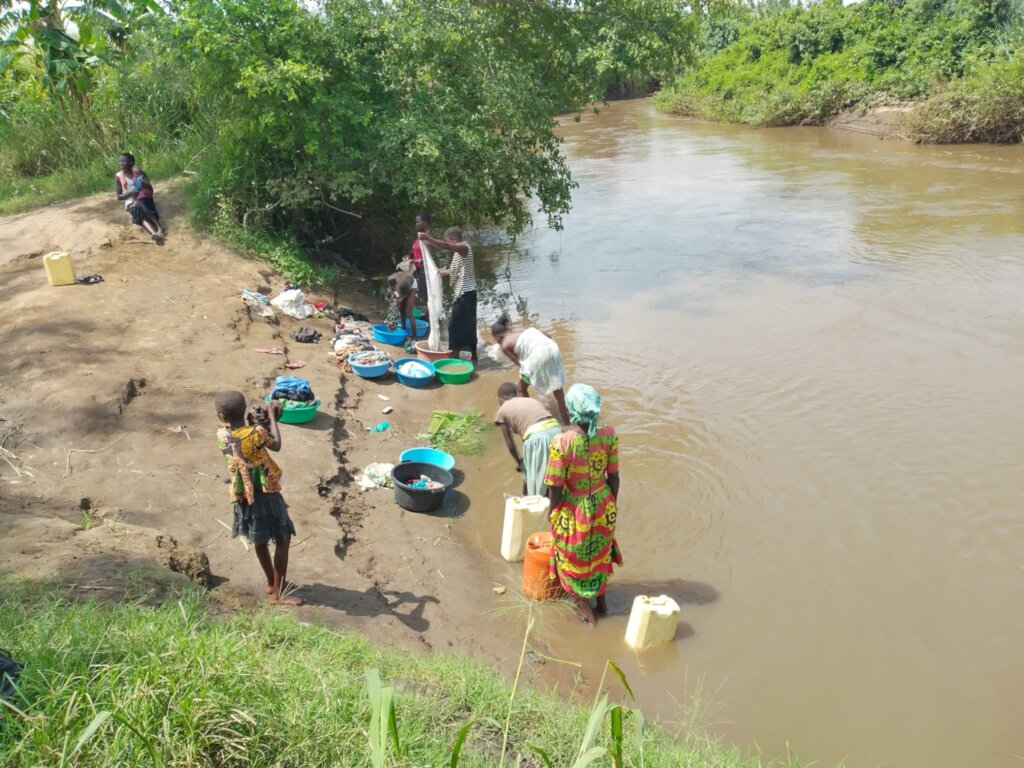
Uganda's rural areas face critical challenges in accessing clean and safe water. Current interventions have not sufficiently addressed the community's needs, with many boreholes producing unsafe water and distant wells being inaccessible due to cost and distance. Consequently, communities rely on contaminated water sources, resulting in high incidences of waterborne diseases such as diarrhea, cholera, dysentery, and typhoid, particularly affecting children and mothers.
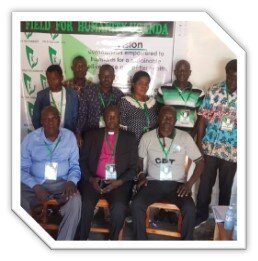
Field for Humanity's initiative focuses on establishing piped water kiosks within communities to ensure easy access to clean water, significantly reducing health risks. The project also involves distributing ceramic water filters and Sato pans to promote better sanitation practices. These efforts aim to create a sustainable and cost-effective solution to the water crisis, leveraging local leadership and community collaboration for lasting impact.
The project will provide safe and clean water to over 40 villages and 3,720 households and benefit over 22,000 individuals, both mothers and children, in the West Nile Districts. It will significantly reduce the prevalence of waterborne diseases and improve overall health outcomes. By enhancing access to clean water and promoting proper sanitation, the initiative will foster better hygiene practices, reduce disease burden, and contribute to the community's economic and social development.
This project has provided additional documentation in a PDF file (projdoc.pdf).



Support this important cause by creating a personalized fundraising page.
Start a Fundraiser