By Troy Smith | In-the-Field Traveler
Motorcycles have never really been my preferred mode of travel; never owned one, have never really driven one. At some point, that bad boy is going down, and I’d rather not be straddling it when it does.
Regardless, there I found myself, tearing up the streets of Lilongwe, Malawi, on the back of Menace Juma’s dirt bike. That’s right, Menace—probably the greatest name in the history of names.
We were dodging traffic and random pedestrians on the way to The Microloan Foundation’s offices, an organization that has been doing extensive work throughout the tiny country of Malawi.
Some of us are already familiar with the basic idea of microfinance. For those who are just now getting acquainted with this beast of a movement let me give you the super condensed version (which is all I really know, so no worries). Basically, microfinance organizations give individuals small loans that they then used towards creating small-businesses. The smallest bit of money can spur some really unbelievable development.
The Microloan Foundation, however, has narrowed down its focus—to women. It is becoming common knowledge throughout the non-profit, sandal wearing, and non-meat-eating community that development starts primarily with women--empower women, better the community.
The Microloan Foundation has chosen to focus solely on underprivileged women from the struggling communities of Malawi. From a society where all of the assets are often attributed to the man of the family, it is crucial to give some economic power to these tough Malawian women.
With their fleet of dirt bikes, the Microloan crew goes out to the villages and rural areas, searching for potential clients and those who are desperately in need. They consult with village Chiefs and Headmen, and determine who would benefit from such an opportunity. There are also women who come from miles and miles to various branch offices, hoping to secure loans of their own.
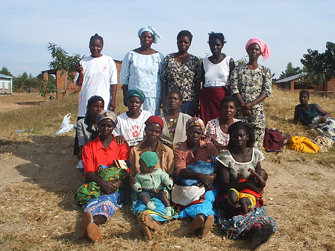
This organization, however, doesn’t just give women money and wish them the best of luck. These women, organized into groups of 17-20, are schooled in group dynamics, business management, and business methodology. The women are taught the inner workings of any good business and are given the tools to succeed.
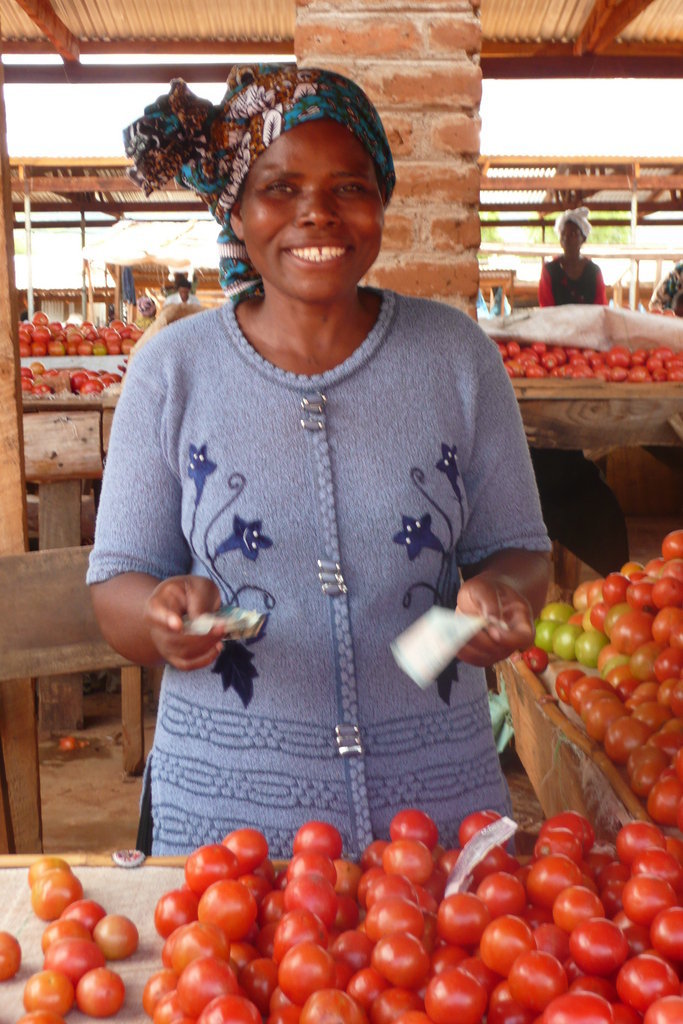
Patricia, a single mother from Area 23, has been able to start a small shop with the other members of her group. Selling groceries and plastics, these women have significantly improved their qualities of life.
Patricia, slowly working through the English, looked me in the eye and said, “I have no idea what I would be doing without The Microloan Foundation.”
Chirinde, with her group, sells secondhand clothes, and has actually found herself in possession of some disposable income.
“Microloan is doing so much good in Malawi. They have helped us rise up.”
Another success story is Jerita. Working through a translator, she told me her story of struggle.
“I wouldn’t have been able to manage without Microloan. I would have had no capital to work with. Thankfully, they came along and have had a huge impact in the community.”
Jerita and her group are doing fantastic, selling scones and baked goods, as well as raising goats.
The operation is expanding rapidly. There are now almost 67 groups working in the Lilongwe area, and a staggering 108 groups obtaining loans from the Karungu branch. Women are clearly hungry for economic development, and The Microloan Foundation is right there at their side.
During my tour of Africa, I have seen countless rural women struggling and pinching pennies simply to survive. Often overworked and underappreciated, it is time these women achieve some economic autonomy.
These women are ready, and only need the tools to get started.
“I think we are answering their call.”—Menace Juma, Lilongwe branch manager.
Troy Smith, a student at the University of North Carolina at Chapel Hill, is currently an In-the-Field traveler visiting GlobalGiving projects throughout Zambia, Malawi, and Tanzania. Follow his trip at http://troygivesglobal.tumblr.com/.
By Deniz Hassan | Project Leader
Project reports on GlobalGiving are posted directly to globalgiving.org by Project Leaders as they are completed, generally every 3-4 months. To protect the integrity of these documents, GlobalGiving does not alter them; therefore you may find some language or formatting issues.
If you donate to this project or have donated to this project, you can receive an email when this project posts a report. You can also subscribe for reports without donating.