By Simon Bradley | SOS Communications and Marketing Officer
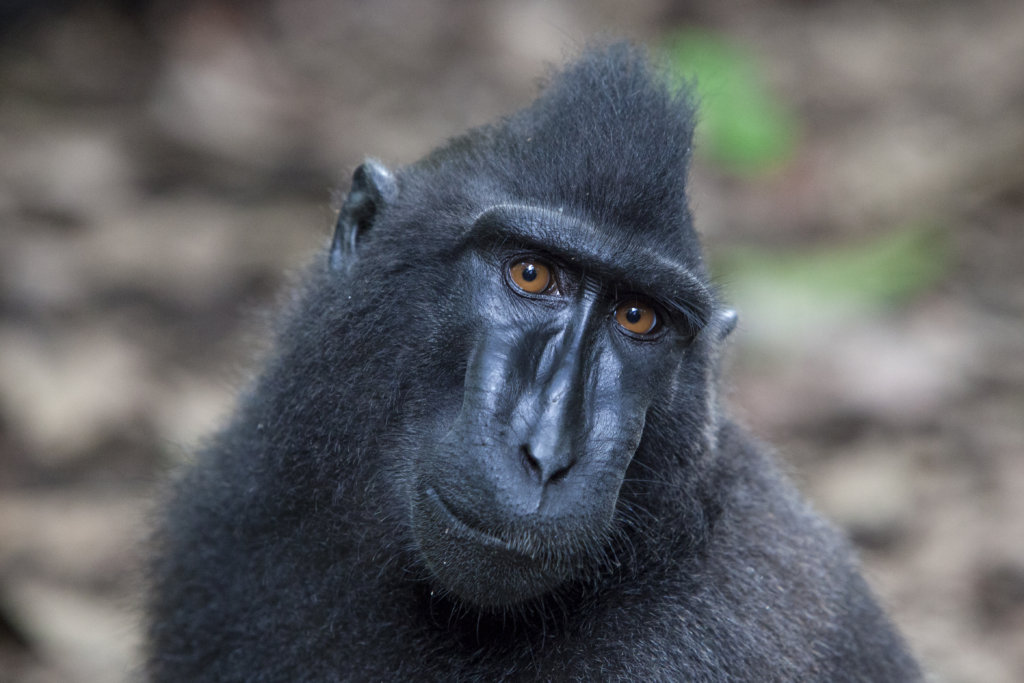
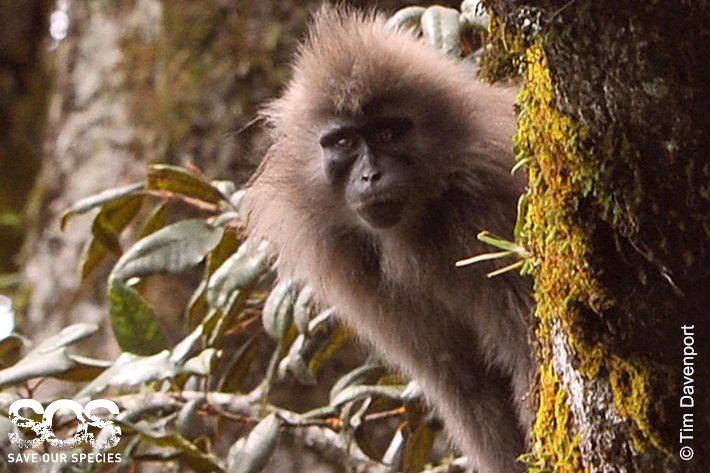
The poor, Critically Endangered Kipunji (Rungwecebus kipunji). So new to science, so close to extinction. And now, conservationists are encouraging locals to blast these monkeys with vuvuzelas!
But it is with good reason the trumpets, synonymous with the South African football World Cup of 2010, have been re-commissioned: to separate monkeys from local Tanzanian farmers’ crops – all with one cacophonous blast of the vuvuzela.
“We know that Kipunjis raid maize crops in farms that lie adjacent to the montane forests of MtRungwe”, explains SOS Grantee, Tim Davenport, WCS Tanzania Director. The Rungwe-Livingstone forest is home to the majority of the world’s remaining Kipunjis but is an area under increasing pressure from human encroachment.
Consequently, finding effective and sustainable solutions to move from conflict to coexistence is a priority. "When we heard about the vuvuzelas at the football games, we saw a potential answer to our problem".
In order to conserve the Kipunji, as well as to minimize damage to farmer’s crops, funding from SOS assisted the project team to conduct complementary activities:
1)Training and employing Seasonal Crop Protection officers (SCPOs) to patrol and monitor maize fields at most risk from crop raiding monkeys, while simultaneously
2) Exploring some anti-crop raiding mitigation methods that might be more effective than traditional guarding, chasing and shouting.
Crop-raiding most often occurs during the wet season between January and April. In retaliation for the damage and loss of crops and negative impact on livelihoods,farmers often set snare traps and used dogs to chase away,if not, kill individual monkeys.
From monitoring data of one Kipunji group, it was found that 10% of the group was killed in retaliation for crop raiding over a 2 year period.
As the Kipunji population is just over 1,000 individuals,this represented a significant threat to their species’ survival.
In the 2013 and 2014 wet seasons for example, the SCPOs were locally employed from the villages surrounding Mt.Rungwe.
In total eight SCPOs were deployed in 3 villages to patrol and monitor 45 ‘at risk’ maize fields i.e. those on the forest edge. They worked in pairs and followed a protocol for monitoring the fields and how to acton seeing monkeys on the forest edge.
As a deterrent measure, each team was given a vuvuzela to blow at a short distance from the monkeys as they were about to enter the field to raid maize. As a result of the SCPOs patrols, crop raiding was reduced to a minimum,if not to zero.
Once scared off by the sound of the vuvuzela – it is very loud - the Kipunjis would not return for at least a full day. They do not appear to get used to the sound - but it is a possibility down the line Tim accepts. “All animals learn eventually so you just have to try and keep ahead of the game”.
According to Tim, the project’s work always focuses on the inclusion and participation of the villagers whose lives are most dependent on,and thus also most impacted by, changes to the forest.
In improving mitigation methods to reduce this human-monkey conflict, we make significant steps to ensure the survival of a monkeyspecies that has an important influence on the ecology of the montane forests and therefore on those human communities surrounding them.
Links:
By Simon Bradley | Communications and Marketing Officer
By Simon Bradley | SOS Communications and Marketing Officer
Project reports on GlobalGiving are posted directly to globalgiving.org by Project Leaders as they are completed, generally every 3-4 months. To protect the integrity of these documents, GlobalGiving does not alter them; therefore you may find some language or formatting issues.
If you donate to this project or have donated to this project, you can receive an email when this project posts a report. You can also subscribe for reports without donating.