By Simon Bradley | SOS Communications and Marketing Officer
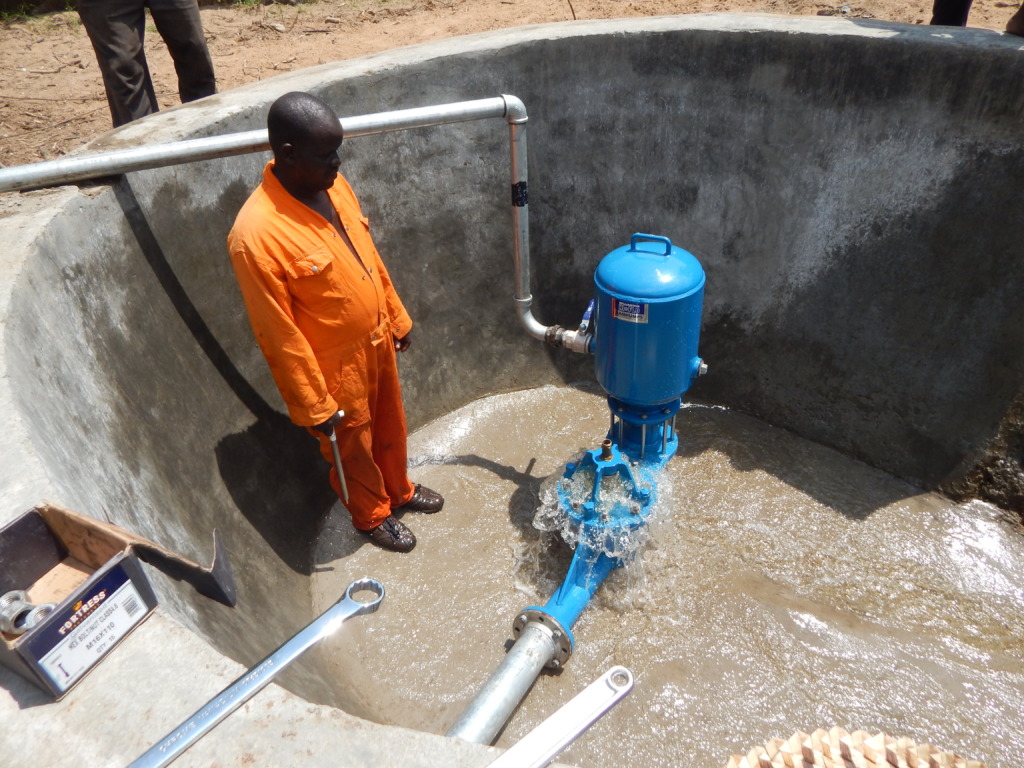
For the armchair species conservationist a recent Facebook update by SOS grantee PROTOS on their Save Our Cycads page should intrigue. “After two years of planning and determination, may I present to you Uganda's first, ultra-modern ram water-pump!” A feat of engineering and determination to design, transport and install. But one might easily ask, why and how was this “a win for people, a win for cows and a huge win for cycads”?
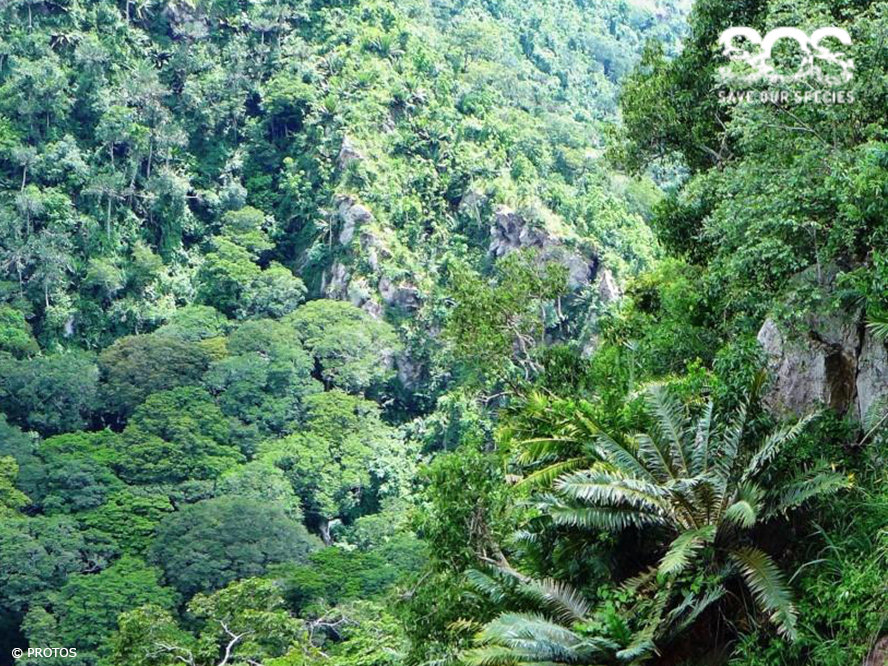
With its cascading waterfalls, Mpanga Gorge, Uganda - the project site - is a unique ecosystem because it is home to the last remaining 8,000 Critically Endangered Encephalartos whitelockii cycads in the wild. According to Leeven Pieters project coordinator, current slash and burn agricultural methods practiced by the surrounding community, combined with the need to bring large numbers of cattle down the gorge to find water has caused the cycad population to come under significant pressure.
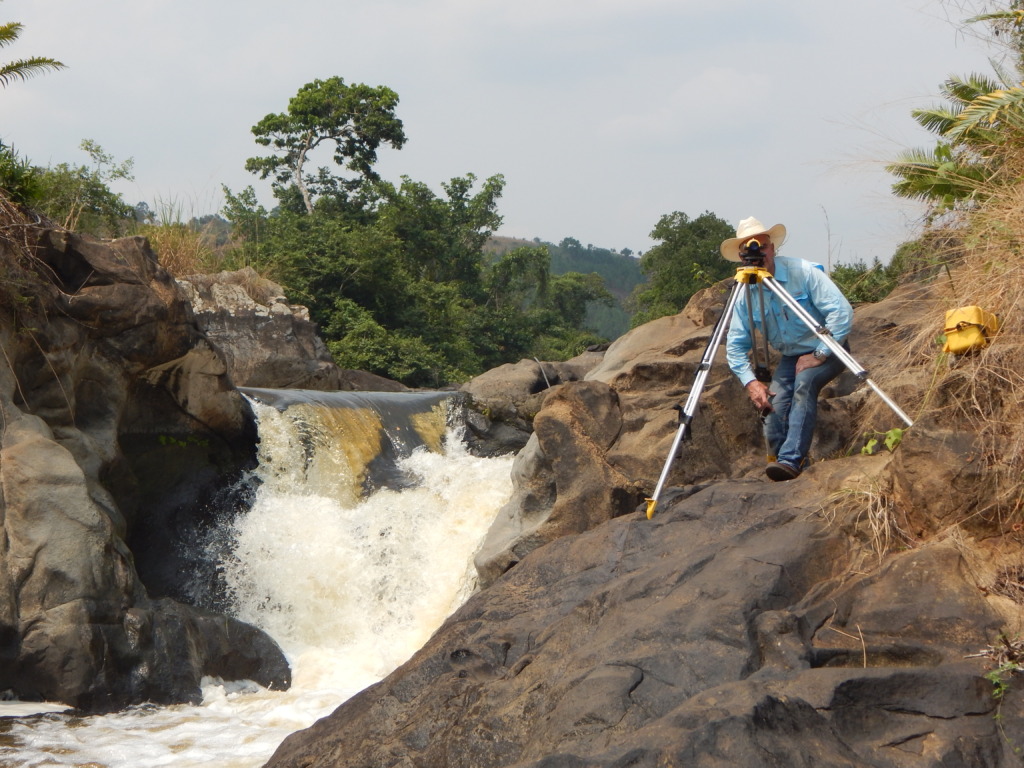
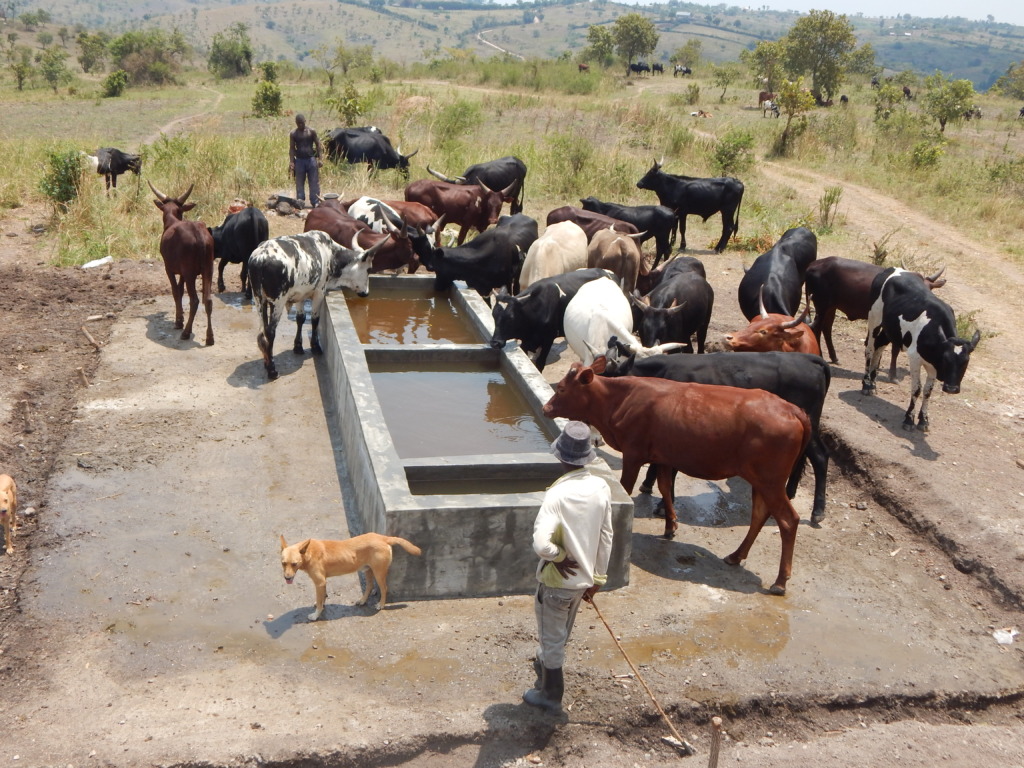
So the project began implementing a three-pronged solution: reducing the passage of cattle, providing water and re-planting cycads. “Cattle trails de-stabilise the whole gorge, causing huge erosion whilst trampling young cycads”, explains Matt Cooper, project manager on-site. The first step taken was to prevent encroachment by reducing access. In tandem community nurseries were created to supply Cycad seedlings. Meanwhile, following completion of technical studies it was decided that a hydraulic ram could pump water 130 metres up to suitably located watering stations including troughs for the cattle on the top of the gorge. A ram pump uses the water pressure from a local waterfall deep in the valley to pump water out of the gorge.
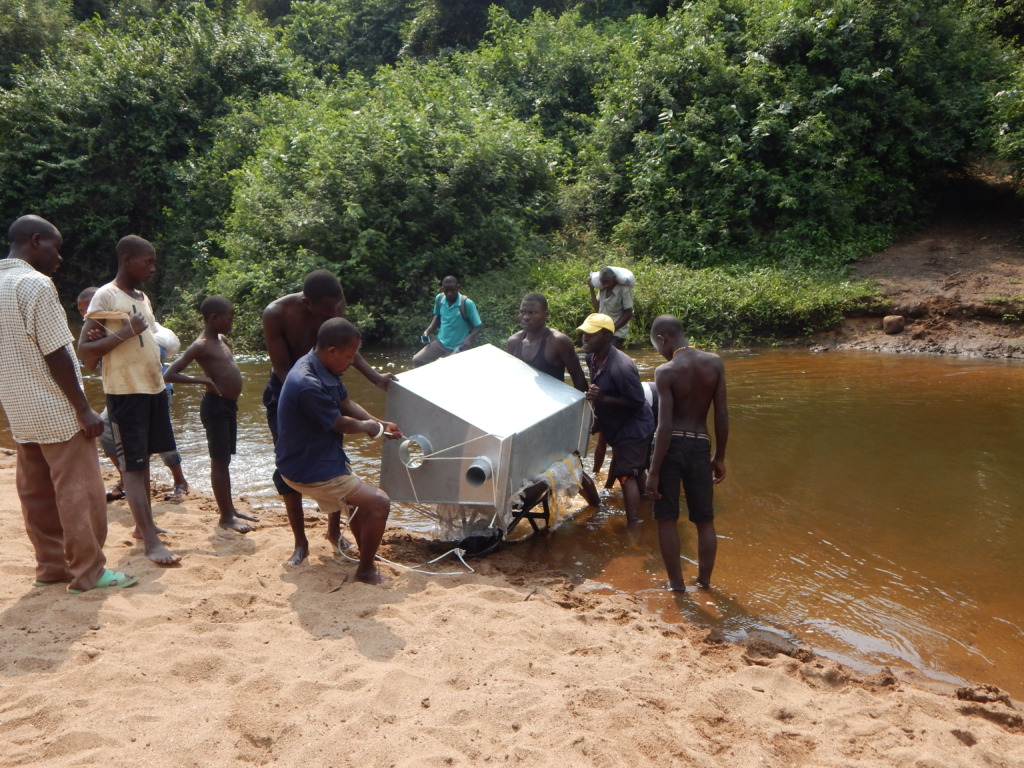
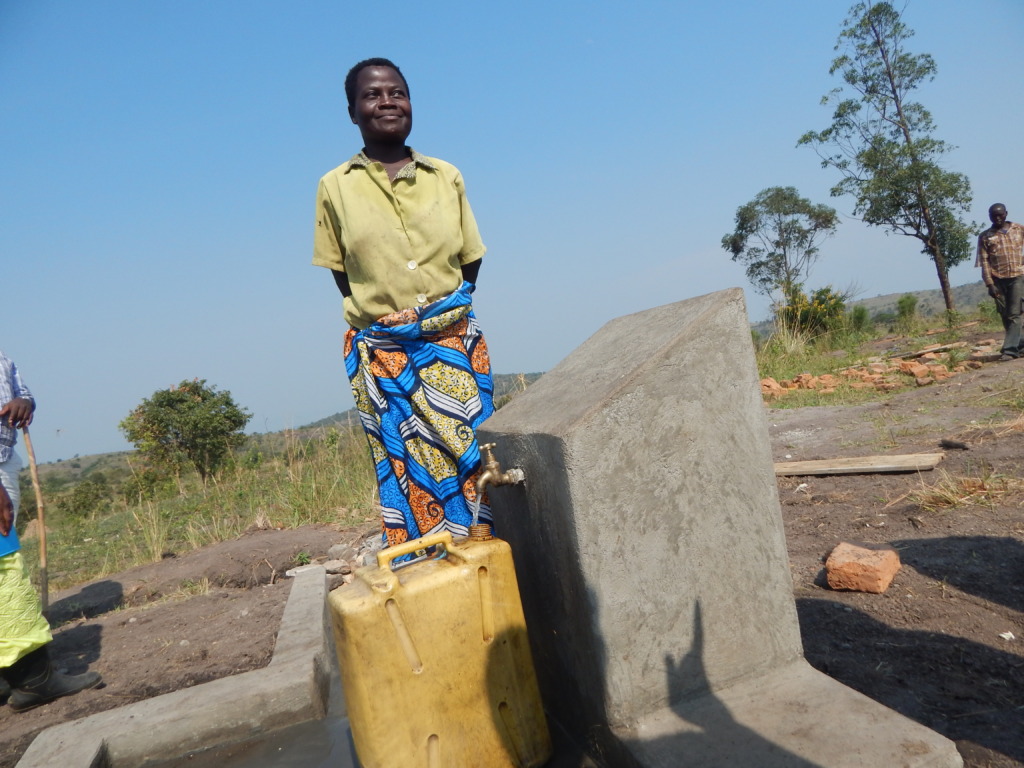
Community members helped install the system by digging trenches while contractors built the storage tanks and installed the troughs. Sourcing an importing the components, getting them on site and operational came with quite a few challenges and a delay of several months beyond the original expected project completion date, but it has made an immediate impact asserts Matt. “Right now the pump is supplying 31,000 litres of water every day to 285 people and their cattle.
Ultimately, the project aims to supply water to 1,200 local people and their cattle”. “This is saving time and energy for the cattle, women and children in the area who don’t have to trek down to the river and back along the steep trail anymore. On top of that there will be enough water for small-scale irrigation, meaning communities no longer need to farm alongside the river banks which has already been replanted with indigenous trees and young cycads”.
As a development-focused non-governmental organization (NGO) PROTOS is an atypical SOS grantee. Yet it secured project-funding because of its innovative and holistic approach. It succeeded in implementing a project with clear benefits for a threatened plant species while ensuring a win-win situation for the community and habitat too.
What next? We look forward to sharing news on future developments as more community members continue to participate in the water pump solution.
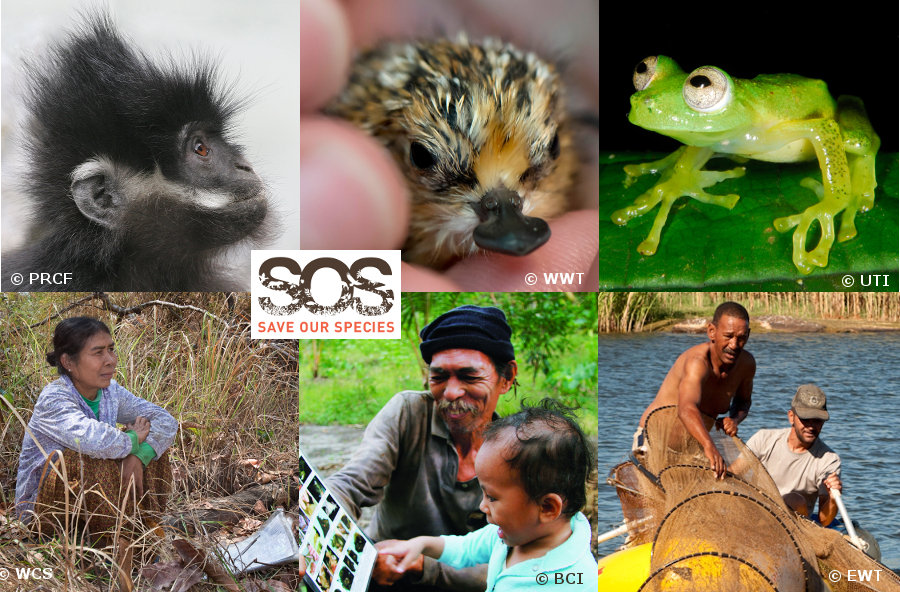
This is just one of 109 conservation projects supported by IUCN’s SOS initiative so far. With your valuable support we can continue to find and fund the best frontline conservation tackling issues like habitat degradation, invasive species, wildlife crime, species recovery and alternative livelihoods. Please donate now and help SOS save more species.
Links:
By Simon Bradley | SOS Communications and Marketing Officer
By Simon Bradley | SOS Communications and Marketing Officer
Project reports on GlobalGiving are posted directly to globalgiving.org by Project Leaders as they are completed, generally every 3-4 months. To protect the integrity of these documents, GlobalGiving does not alter them; therefore you may find some language or formatting issues.
If you donate to this project or have donated to this project, you can receive an email when this project posts a report. You can also subscribe for reports without donating.