By Simon Bradley | SOS Communications and Marketing Officer
According to Oliver Fankem, of SOS grantee and IUCN Member, Zoological Society of London, the recent successful prosecution of four poaching suspects in Djoum town, Cameroon, sends a powerful message: officials are taking wildlife crime seriously.
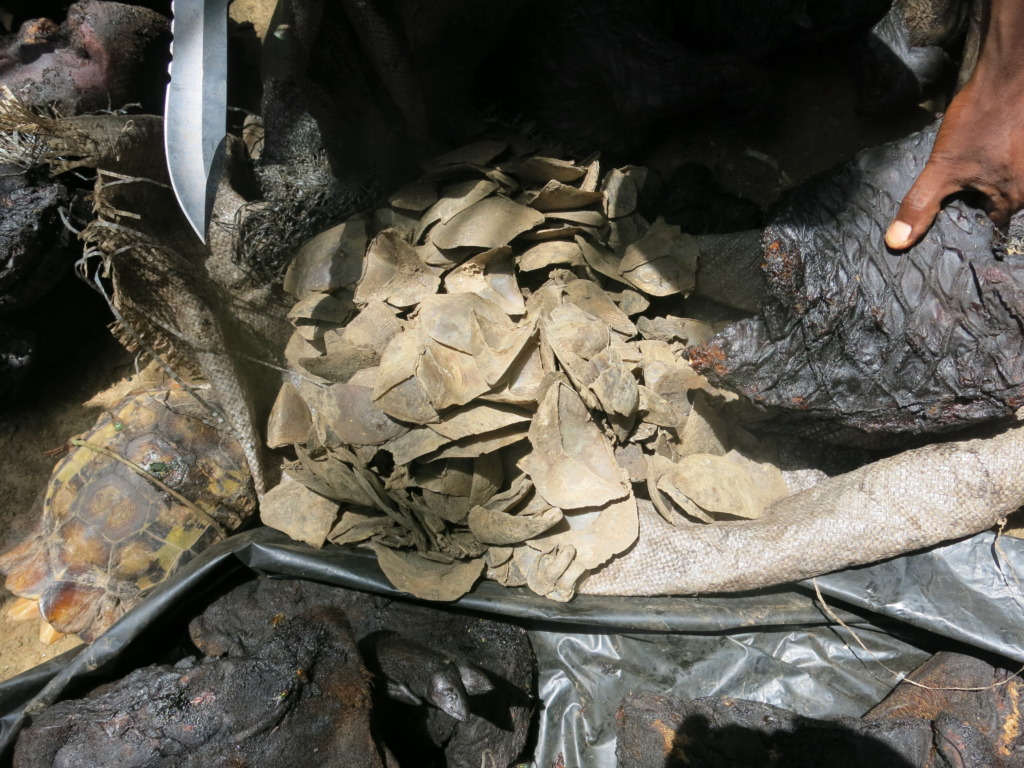
The arrests happened in the Dja Biosphere Reserve (DBR) reserve in October 2015 thanks to more effective patrolling. Following the seizure of 86 pieces of bushmeat, including four from chimpanzees, seven from giant pangolins, and a plastic bag full of giant pangolin scales, the project team next focused on ensuring sound convictions. According to the team, these items were on their way to the black market in Djoum town - an illegal wildlife trade hub in the region. “We have been working closely over the last few years with the DBR’s legal unit to reduce wildlife crime and to close the loop from arrest to successful prosecution”, explains Oliver. This case was the acid test of all that work to date.
In the past, cases were sometimes dropped or suspects released due to some procedural omission, such as follow up protocols, evidence gathering, or incomplete offence statements. In the current case however, the project team assisted in ensuring procedures were respected and court documents were produced at a high standard so that this case would stand as a precedent and starting point for effective prosecution in cases of serious wildlife crime. Sustained additional training and follow-through with rangers in evidence gathering, offence statement writing, and more formal engagement with magistrates will continue to improve wildlife law enforcement to help stop large-scale commercial poaching and other seized illegal items fueling the black market, asserts Oliver.
In February 2016, the suspects went to trial and were found guilty being sentenced to five months imprisonment, and ordered to pay fines of US$ 110 each as well as US$ 2,000 of damages. “This sends a sufficiently serious message for people to understand that wildlife crime now goes beyond ivory to integrate other species’ animal parts” comments Oliver.
The gravity of the message is not to be underestimated: in Djoum town on the day of the sentence, Oliver recalls how a commercial motorcycle rider was astonished about “someone going to prison” for pangolin scales and meat. “This case is unprecedented and has touched the minds of local people raising the profile of the world’s most trafficked mammals (pangolins) and the threat to their survival in this area of Cameroon.
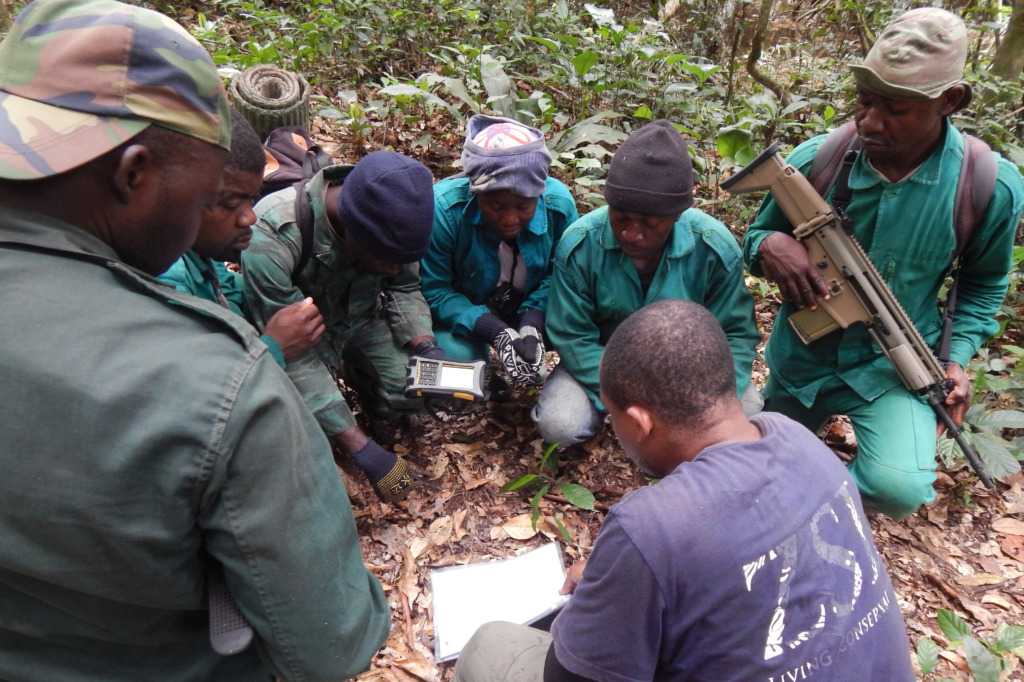
To this end, the grantee has been working with the Cameroonian Ministry of Forest and Wildlife (MINFOF) and other partners to diminish the impact of the commercial wildlife trade around the Dja conservation landscape in southeast Cameroon for some time. Strengthening protected area management has been a priority. For example, SMART anti-poaching patrols within and around the DBR help to ensure effective patrolling and arrests. And to date training in investigation and legal procedures has helped ensure successful prosecutions.
While this most recent news will hopefully serve as a deterrent to poaching pangolins in the DBR, it also serves to highlight the relationship between the DBR’s legal unit and the Pangolin Conservation Initiative’s Cameroon team, which together helped to bring about the prosecutions.
This is just one of 109 conservation projects supported by IUCN’s SOS initiative so far. With your valuable support we can continue to find and fund the best frontline conservation tackling issues like habitat degradation, invasive species, wildlife crime, species recovery and alternative livelihoods. Please donate now and help SOS save more species.
Links:
Project reports on GlobalGiving are posted directly to globalgiving.org by Project Leaders as they are completed, generally every 3-4 months. To protect the integrity of these documents, GlobalGiving does not alter them; therefore you may find some language or formatting issues.
If you donate to this project or have donated to this project, you can receive an email when this project posts a report. You can also subscribe for reports without donating.