By Fr Ted Osuala cmf | Project Director
Our Original Vision
We sincerely thank you for your trust and support for the JPIIJPC Solar for Peace Programme at Bidibidi Refugee Settlement. From the beginning, our vision was to improve access to reliable energy and strengthen health, education and small businesses in a hard-to-reach settlement.
The original project aimed to provide solar energy to four Health Centres, four Schools—including computer laboratories—and four Business Hubs, serving both refugees and the host community. At the time, Bidibidi had a population of approximately 505,381 refugees and host-community members (2021).
Our Journey So Far
With gratitude to God and to our partners, we have gone beyond our original targets in the health and education sectors. We have successfully solar-powered five Health Centres and five Schools, each equipped with computer facilities.
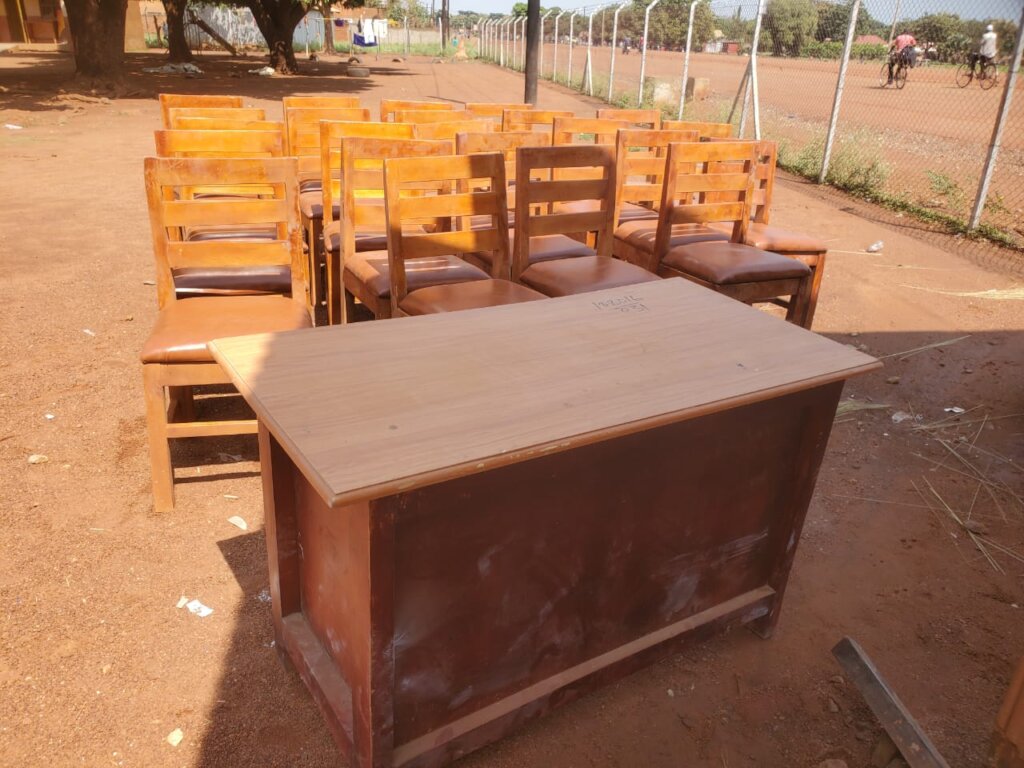
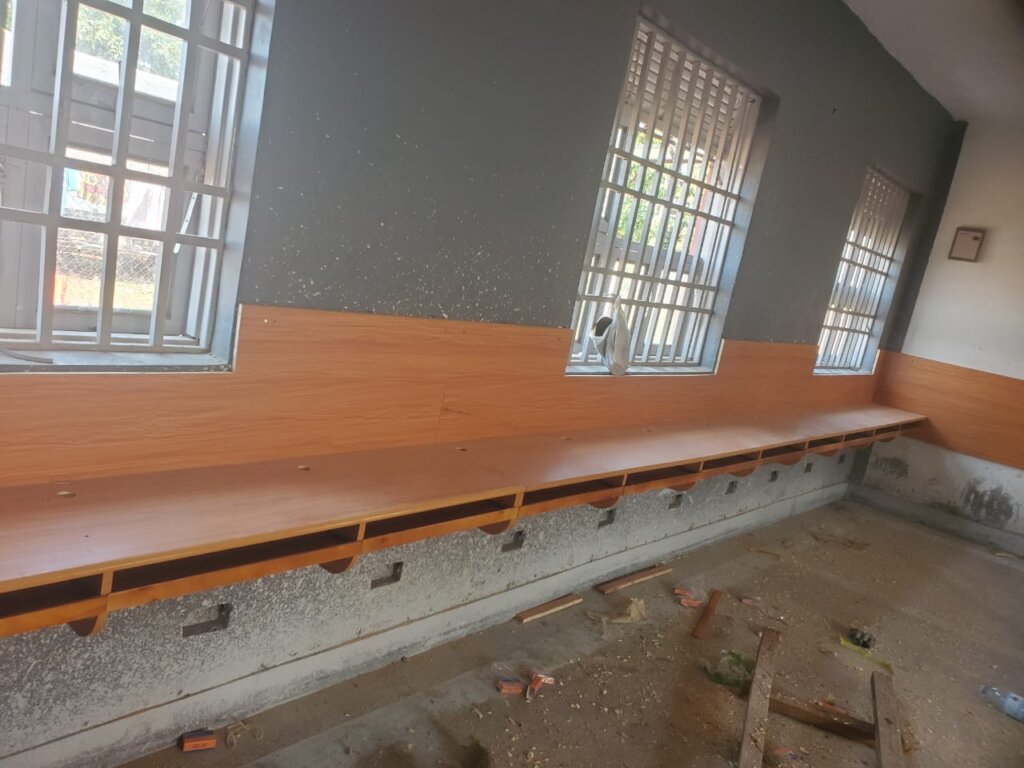
We are also completing the sixth school, St. Daniel Comboni Primary School, located in the host community, in keeping with the 70/30 principle of benefiting both refugees and host communities. Construction is complete, computer cabinetry has been installed, and the project is awaiting the installation of the solar power system and computers.
The Solar for Business component took longer than anticipated as JPIIJPC and its principal partners reassessed the most effective and sustainable way of supporting businesses and ensuring value for money.
A Strategic Shift Towards Livelihood Empowerment
In response to the current emphasis by UNHCR on livelihood opportunities for refugees, and following discussions with our partners, we asked an important question: Would investing in solar-powered business hubs generate greater and more sustainable livelihood opportunities than directly investing in livelihood skills and enterprises?
After careful consideration, JPIIJPC and its partners agreed to shift the emphasis from the proposed Solar for Business model towards direct livelihood empowerment, with a particular focus on women because of the wider benefits that women's economic empowerment can generate for households and communities.
Livelihood Empowerment to Date
Since this strategic adjustment, JPIIJPC has:
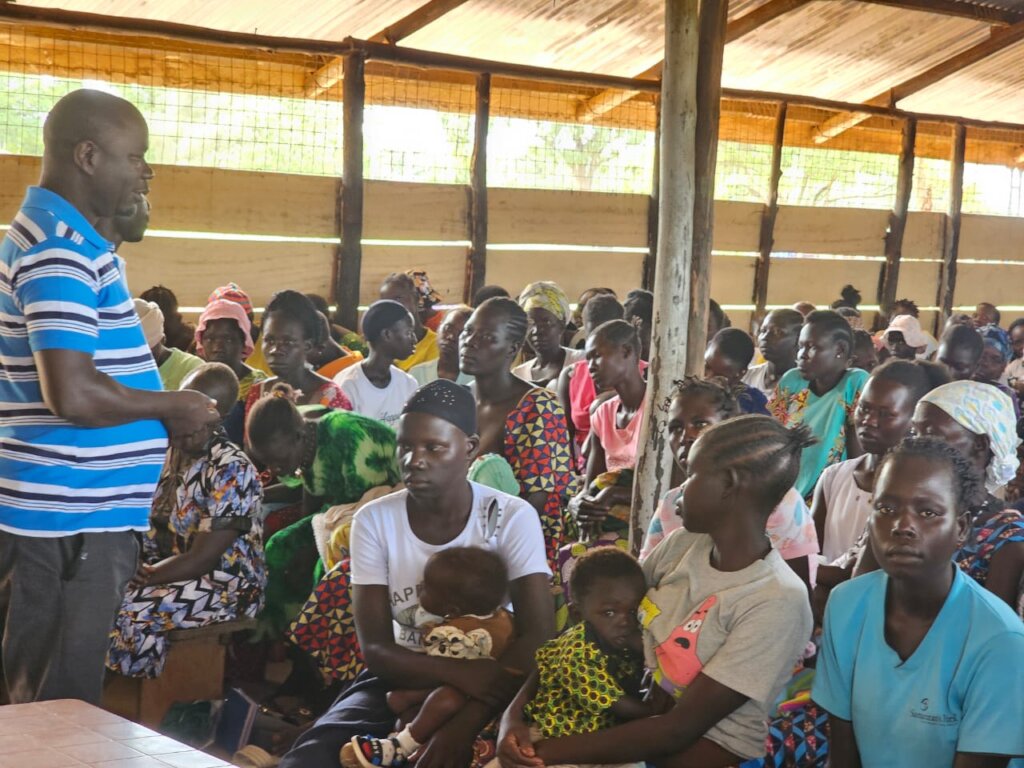
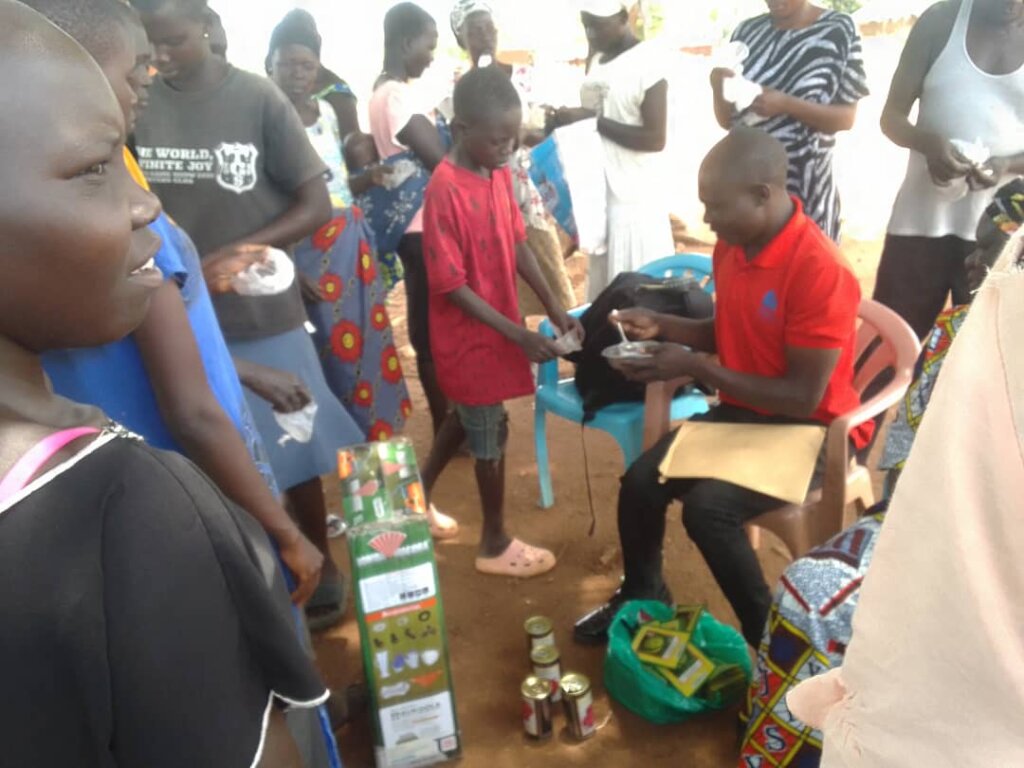
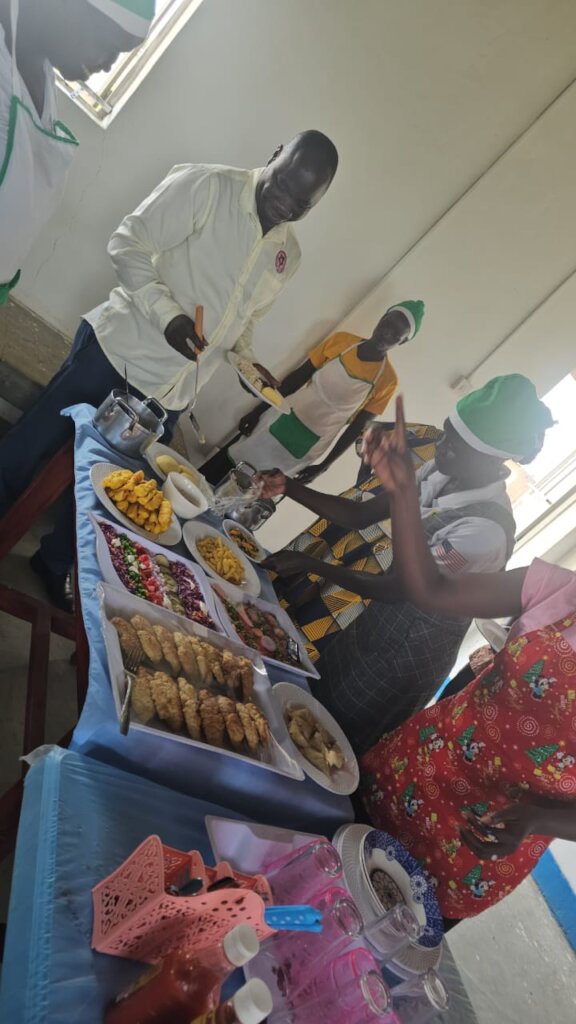
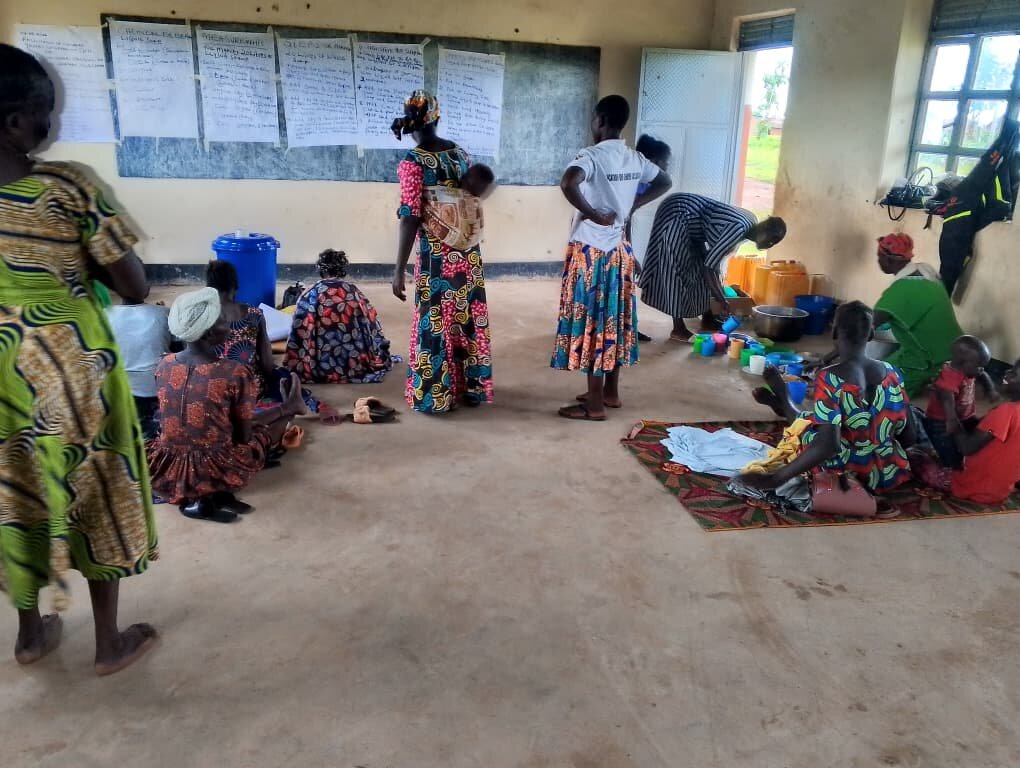
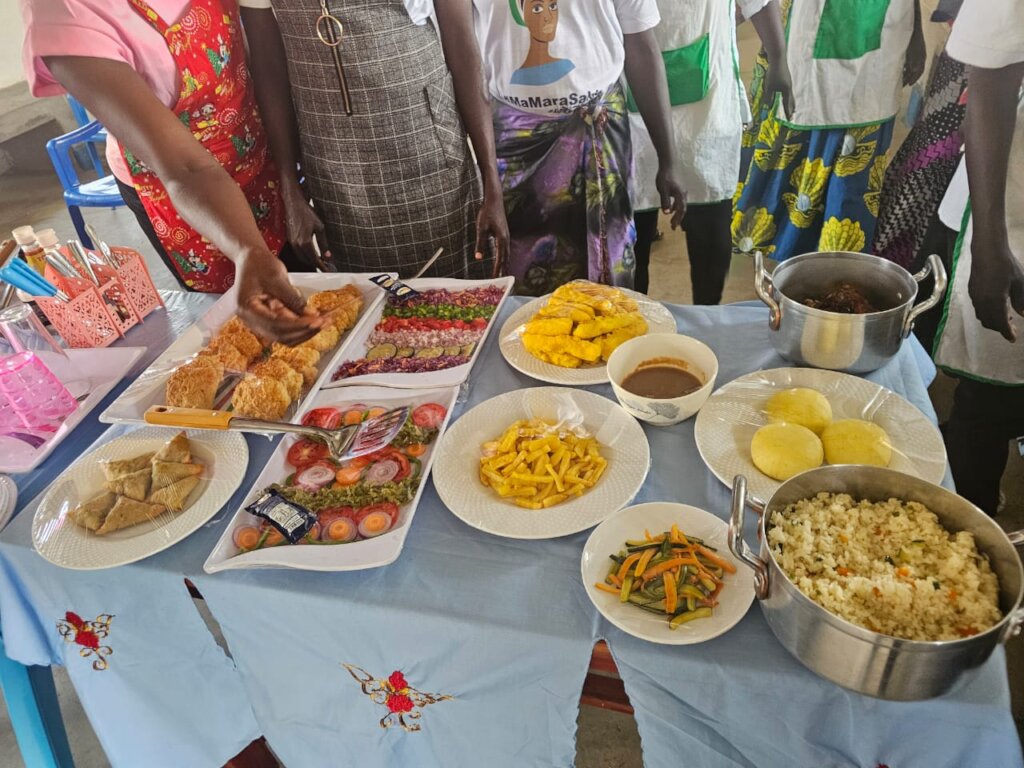
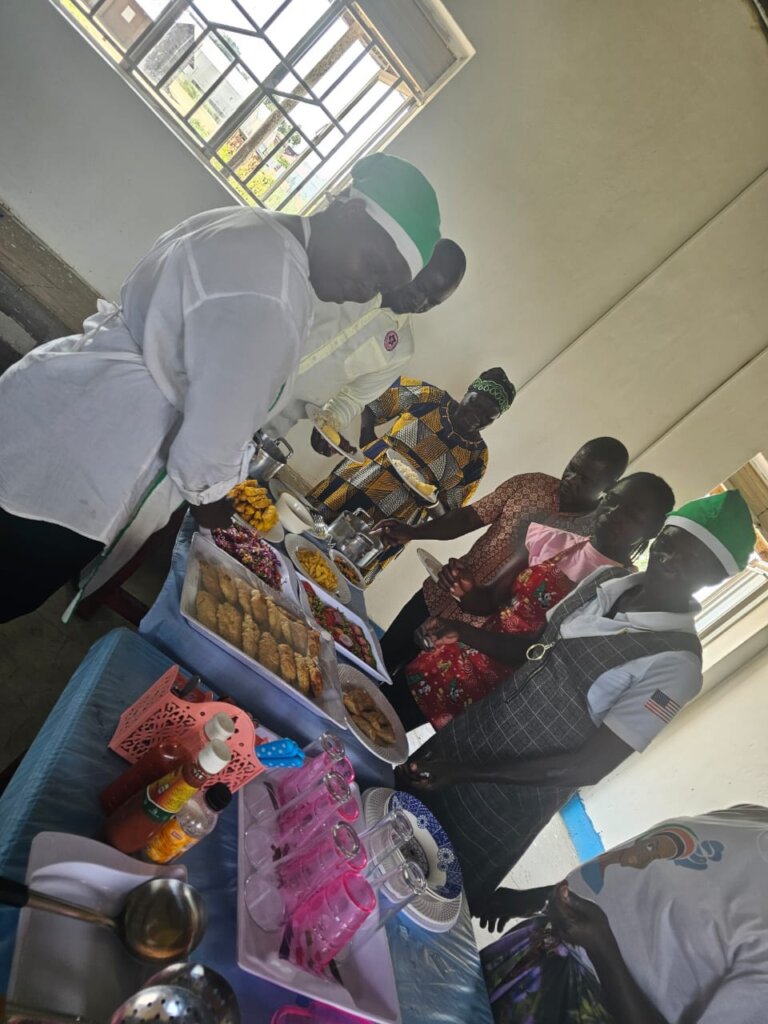
• Trained 50 women in Catering and Pastry in Zone 3.
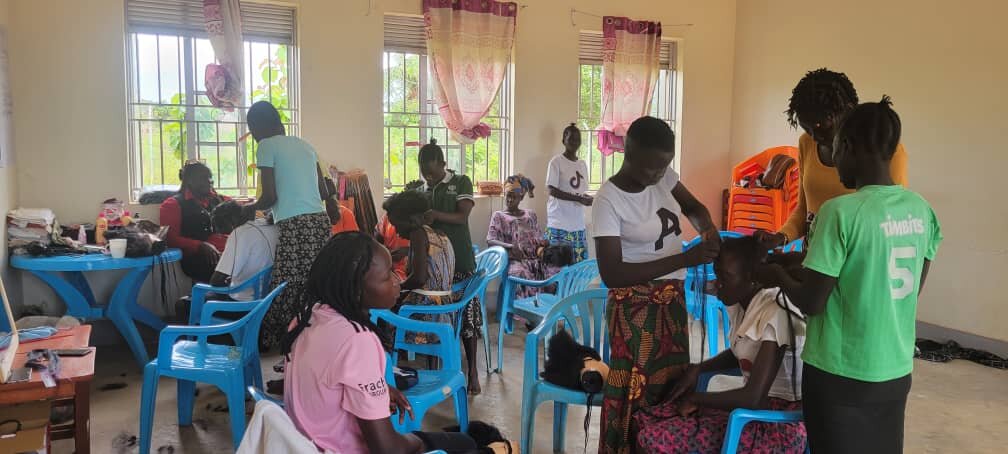
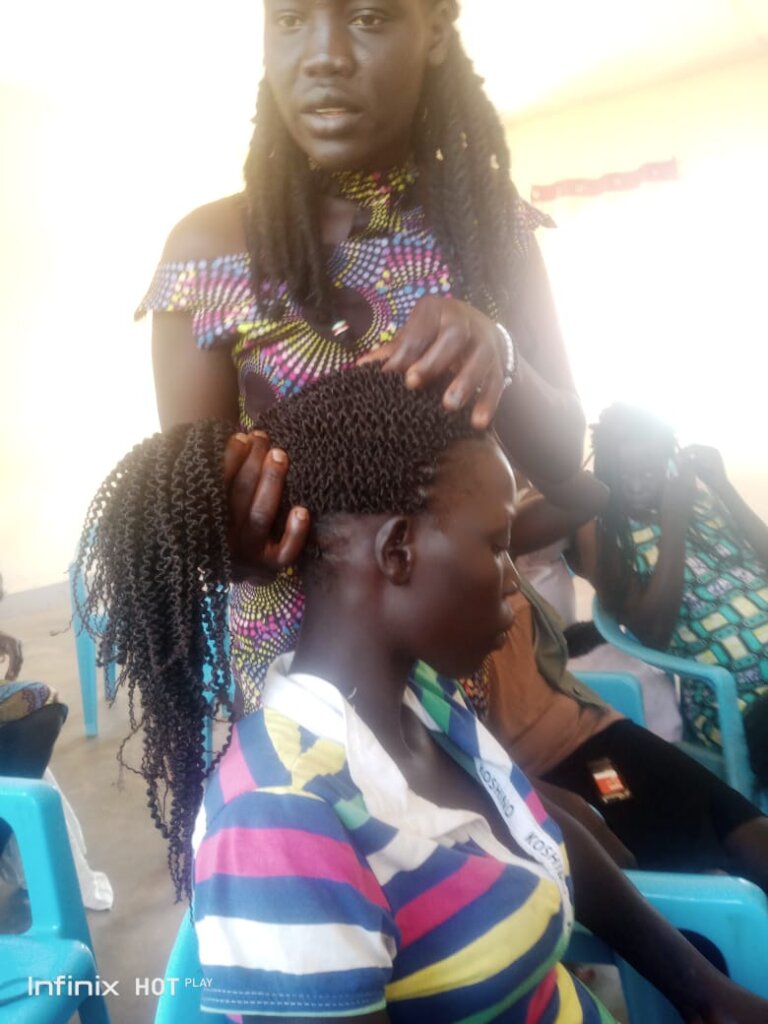
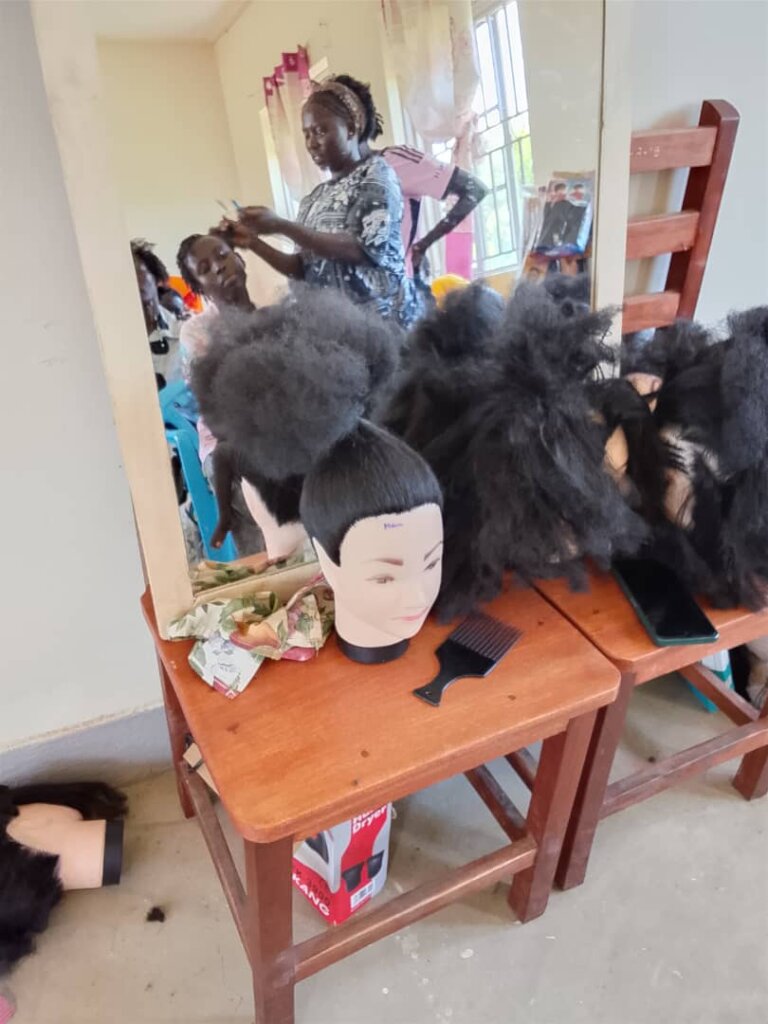
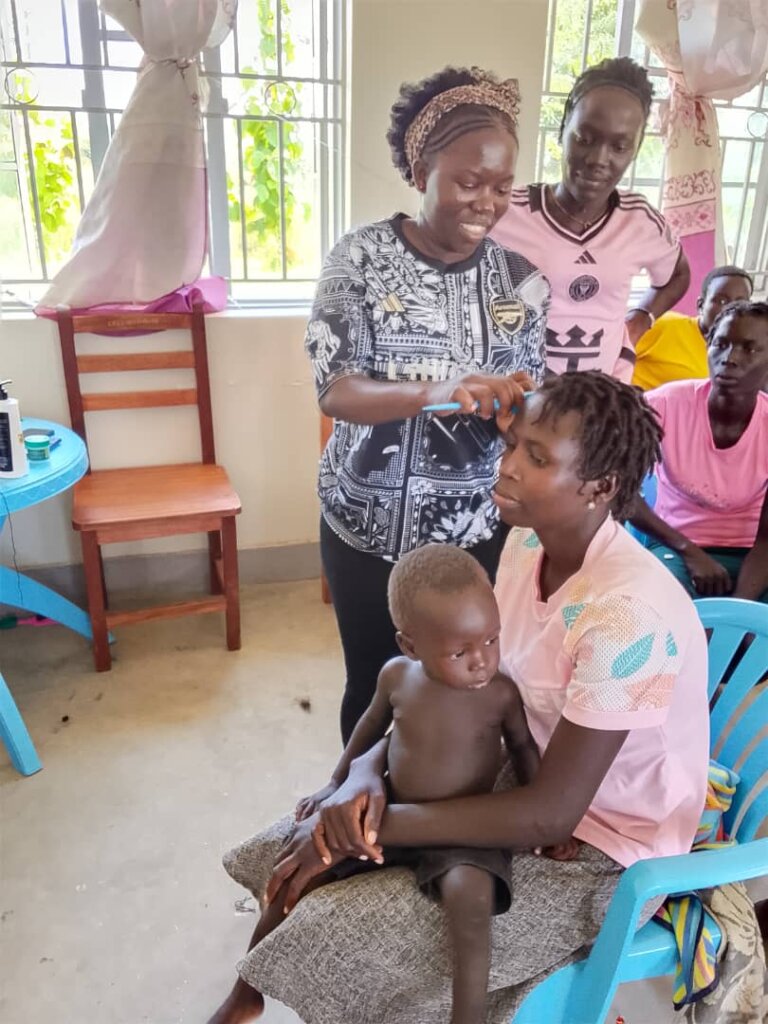
• Trained 20 women in Hairdressing in Zone 3.
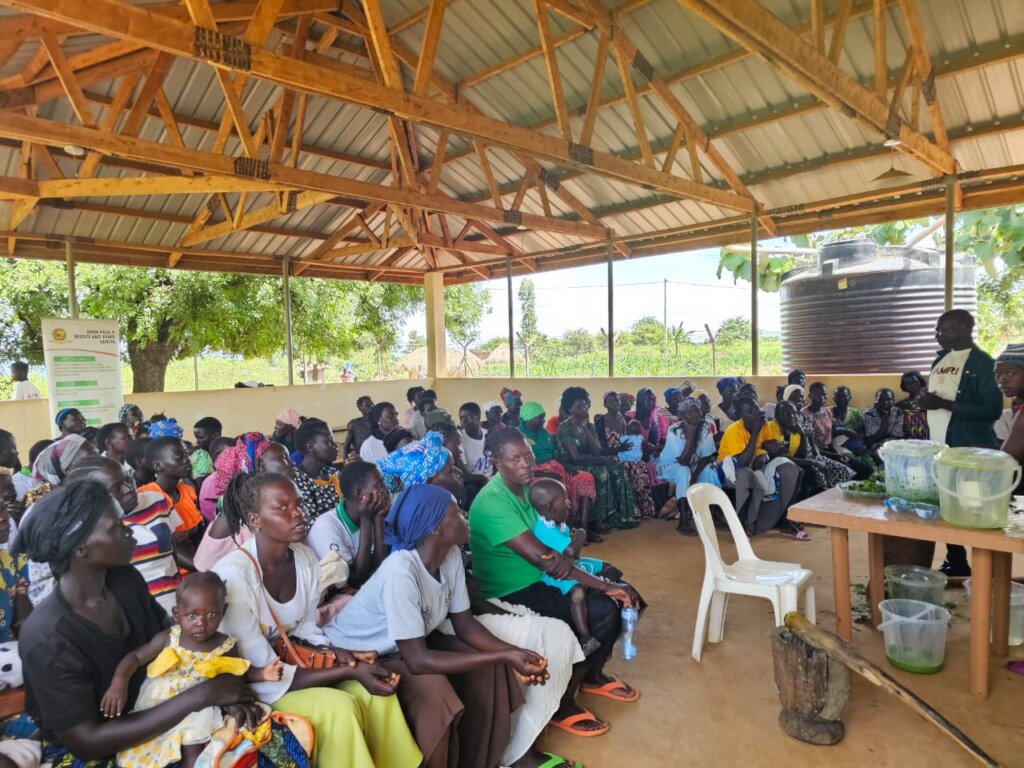
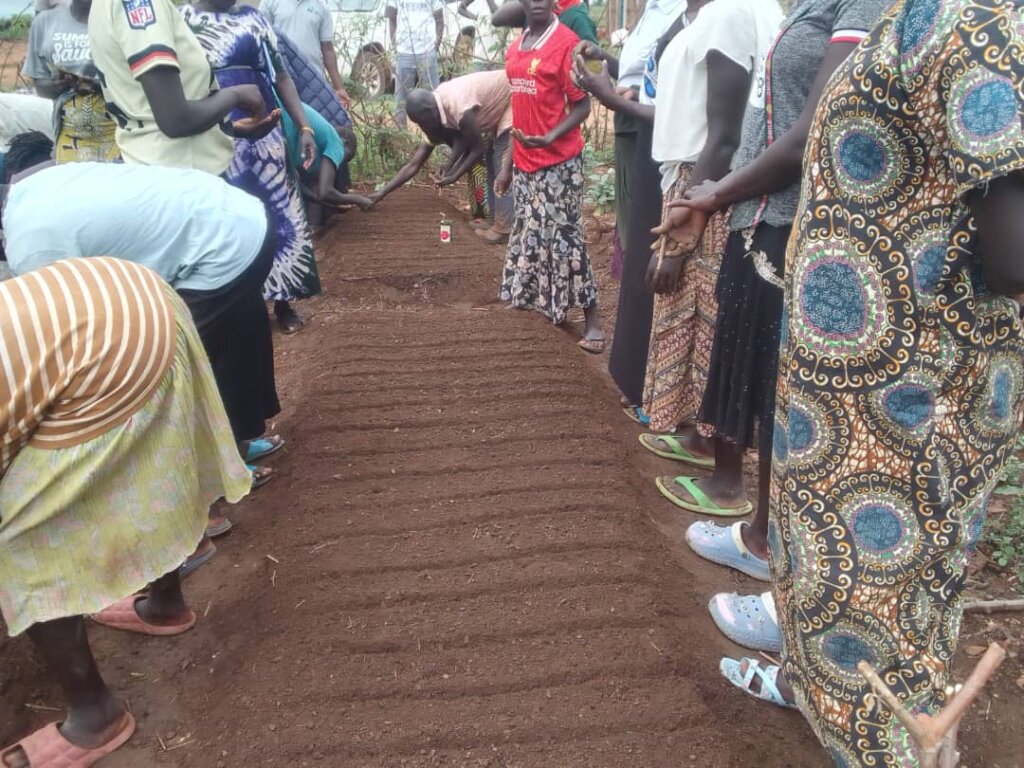
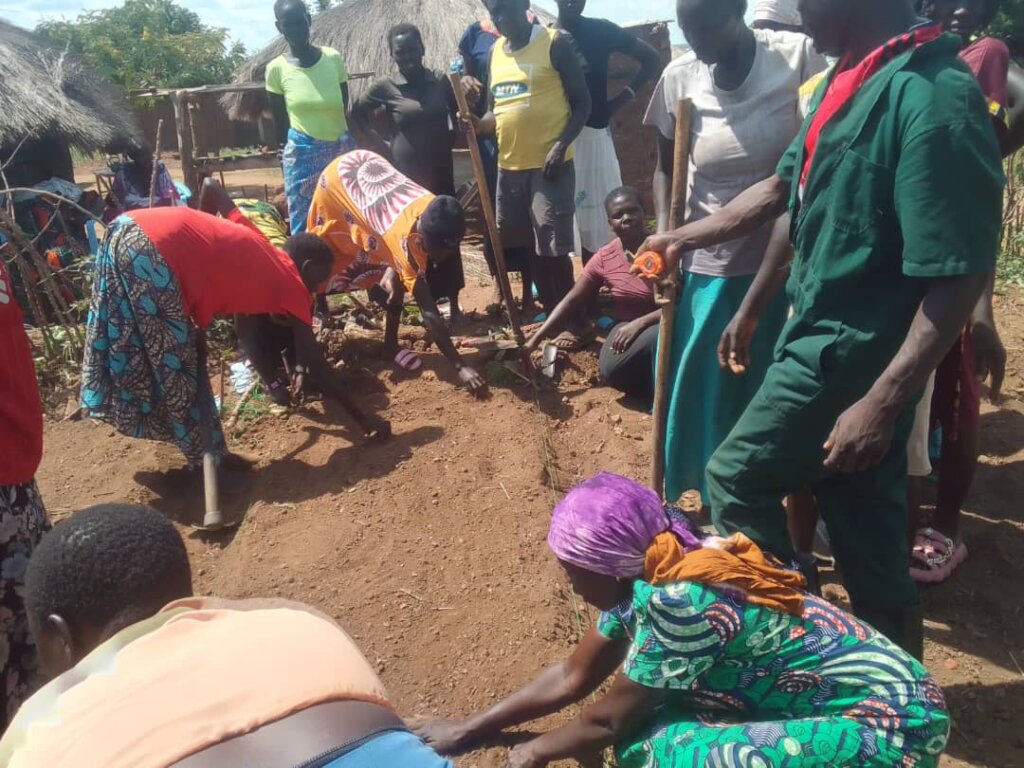
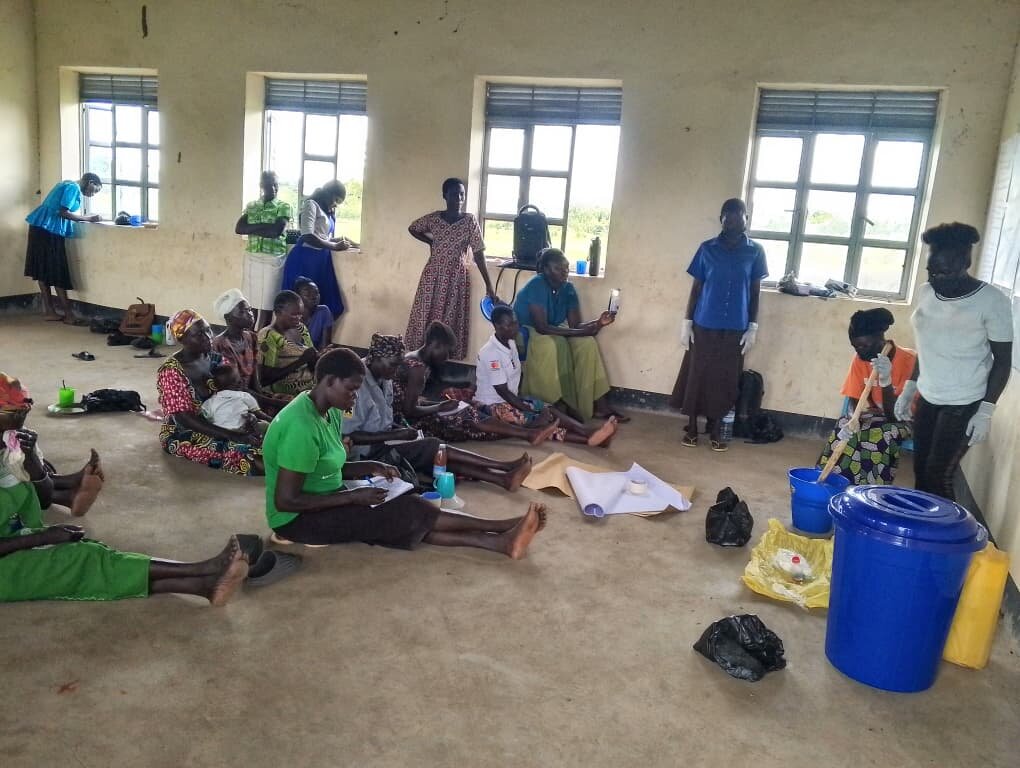
• Trained women in Horticulture Skills, equipping them with practical knowledge for household food production and income generation.
• Trained 20 women in Soap Making in Zone 3.
• Trained 10 women in Apiculture (Beekeeping) in Zone 3.
• Conducted a community dialogue involving more than 150 people and an inter-community peace prayer involving approximately 200 people, all in Zone 3.
Key Achievements: Horticulture Livelihood Programme
The horticulture component has already produced encouraging early results. While the programme is still developing and longer-term production and income outcomes require further assessment, participants have begun translating the training into practical action.
1. Practical Skills Acquired
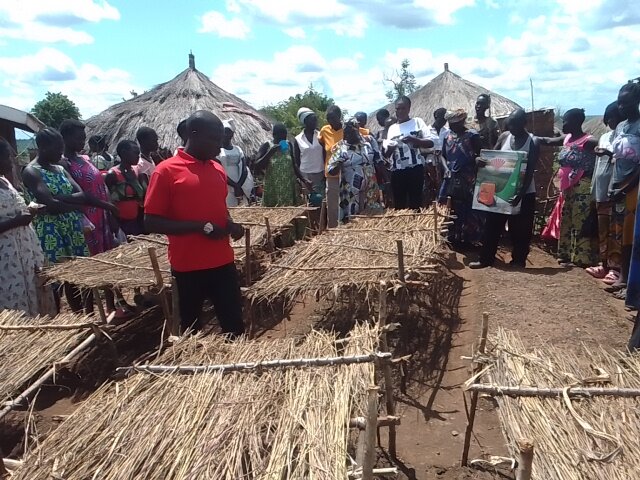
Participants acquired hands-on skills in nursery preparation, seedling management, transplanting, pest identification and climate-smart horticultural practices. Practical sessions in demonstration gardens helped participants gain confidence in applying these skills.
2. Household Gardens Established
Following the training, many participants began establishing kitchen and backyard gardens around their homes, using locally available space and materials. This demonstrates a positive uptake of the skills acquired and a willingness to apply them beyond the training environment.
3. Improved Household Food Availability
Some participants have already begun harvesting fast-maturing vegetables such as sukuma wiki, okra and green pepper. Although the quantities are still modest, these early harvests are contributing to household food availability and dietary diversity.
4. Emerging Income Opportunities
Some participants have started selling surplus vegetables within nearby community markets. These are still small-scale income-generating activities, but they provide an early indication of the potential of horticulture to become a sustainable livelihood for participating women.
5. Adoption of Climate-Smart Practices
Participants are increasingly applying practices such as composting, mulching, water conservation and vertical gardening. These approaches are particularly relevant in a context where farmers must make efficient use of limited space, water and other resources.
6. Strengthened Cooperation and Peer Learning
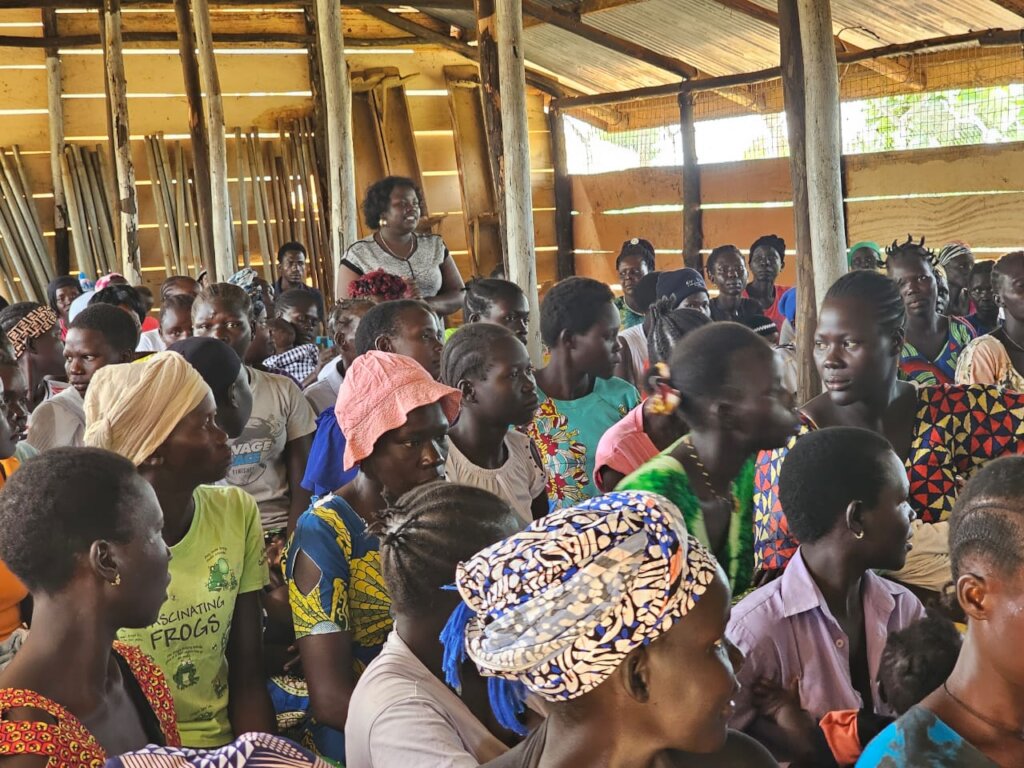
The horticulture programme has also brought together women from refugee and host communities. Through practical learning and shared demonstration gardens, participants have exchanged knowledge, supported one another and developed stronger relationships across community backgrounds.
Looking Ahead
We are confident that the St. Daniel Comboni Primary School project will be completed before the end of 2026, with the installation of the solar power system and 20 computers for the school computer laboratory.
At the same time, we will continue to consolidate the livelihood initiatives, particularly horticulture, so that the skills acquired can develop into more productive household food systems and sustainable sources of income.
We express our sincere gratitude to the Catholic Bishop of Arua for his constant support, and to our partners UNHCR, OPM, AMAP and others who have accompanied us throughout this journey.
Above all, we thank you, our GlobalGiving supporters, for being part of this transformative journey. Your support is helping us move beyond providing infrastructure towards equipping people with the skills, confidence and opportunities to build more secure and dignified livelihoods.
Thank you, and remain blessed!
By Innocent Byegarazo | Administrator
By Innocent Byegarazo | Administrator
Project reports on GlobalGiving are posted directly to globalgiving.org by Project Leaders as they are completed, generally every 3-4 months. To protect the integrity of these documents, GlobalGiving does not alter them; therefore you may find some language or formatting issues.
If you donate to this project or have donated to this project, you can receive an email when this project posts a report. You can also subscribe for reports without donating.


Support this important cause by creating a personalized fundraising page.
Start a Fundraiser