By Sano Mashako | Project Leader
Financial Literacy Training for Refugee and Kenyan Women in South B
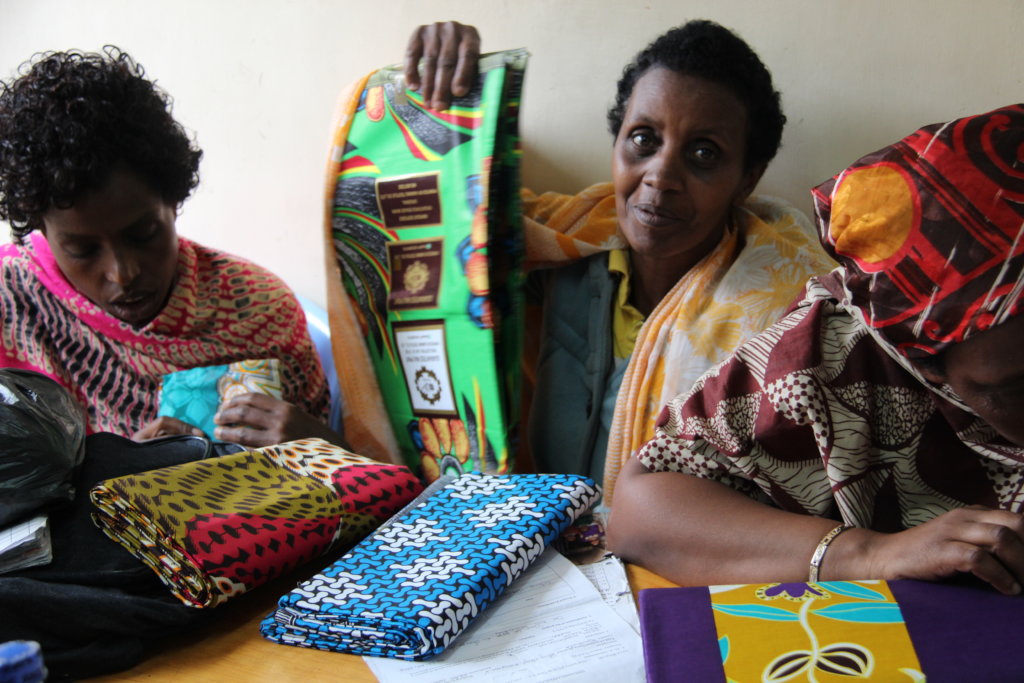
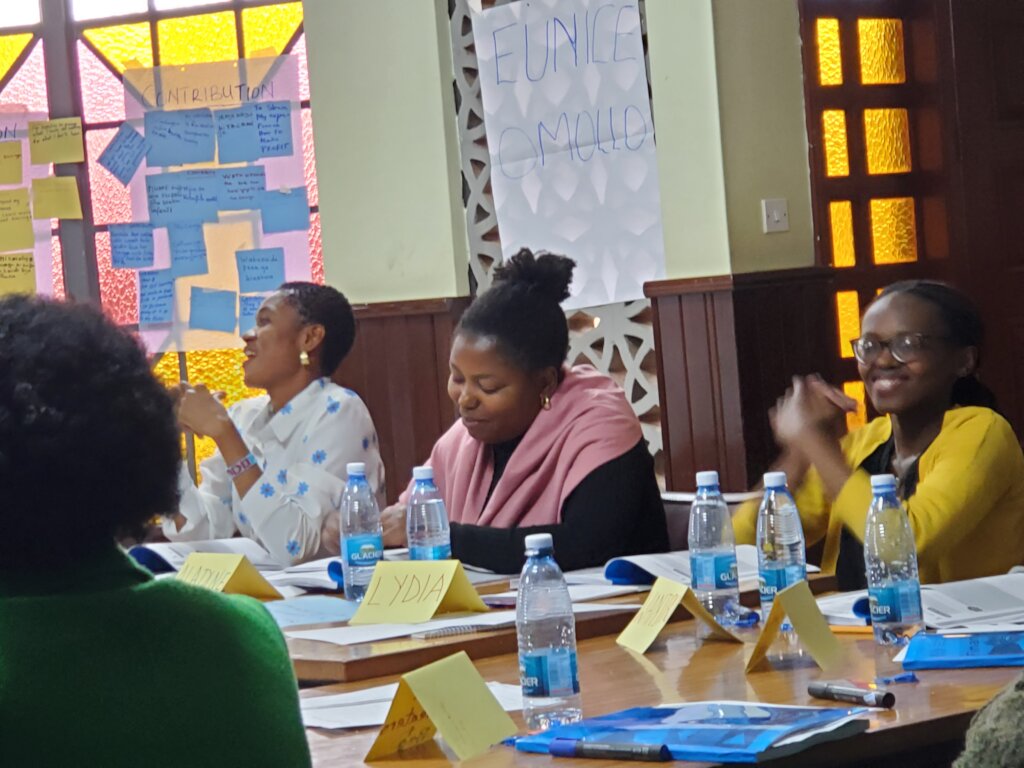
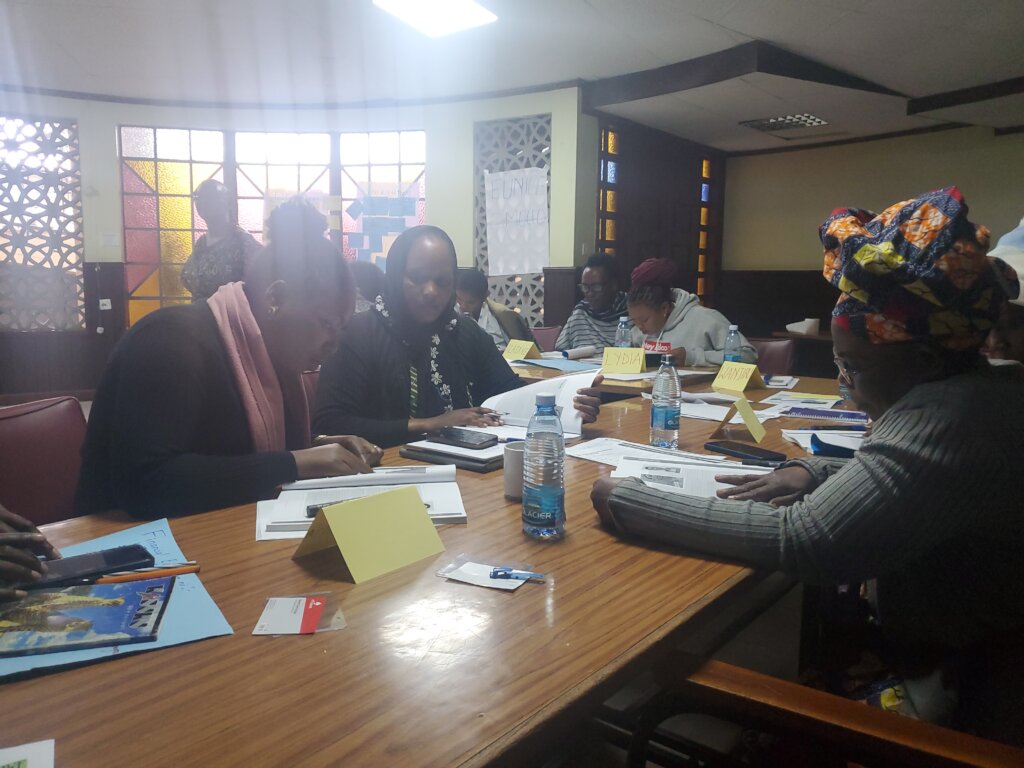
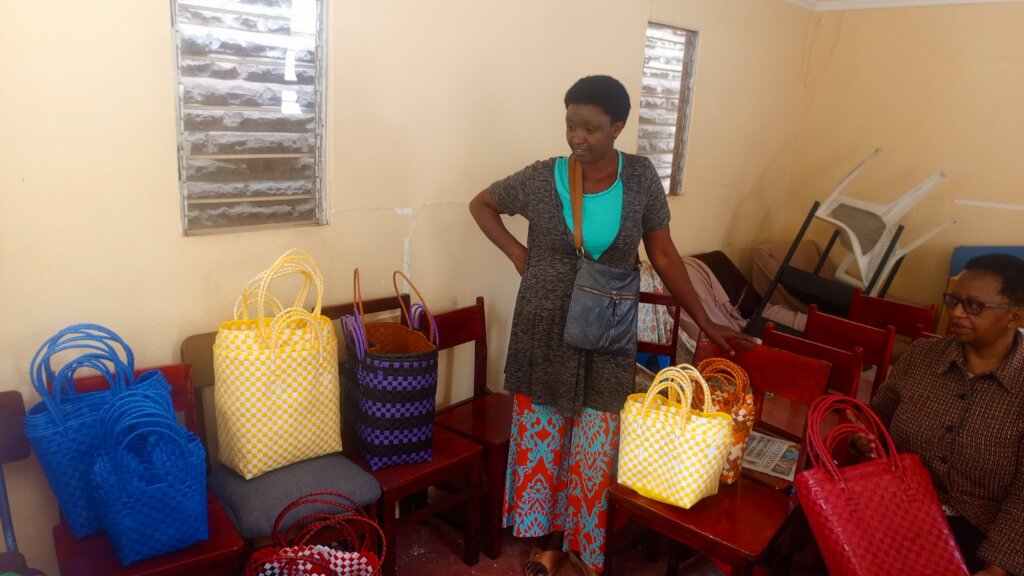
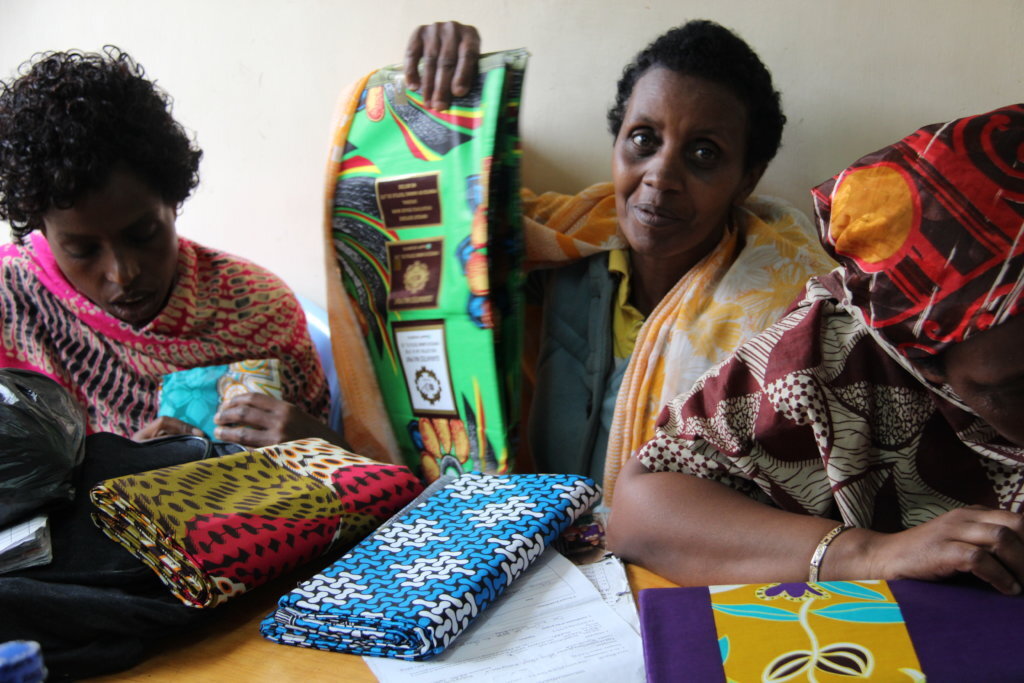
Recently, TUSA partnered with the International Labour Organisation (ILO), Women Empowerment Forum (WEF), and Longitude Capital to host a comprehensive financial training program in South B. We successfully mobilized 16 women—comprising both refugees and local Kenyans—to participate in this empowering initiative.
The curriculum covered vital financial concepts, including budgeting, insurance, goal setting, spending, and debt management, distributed over four days:
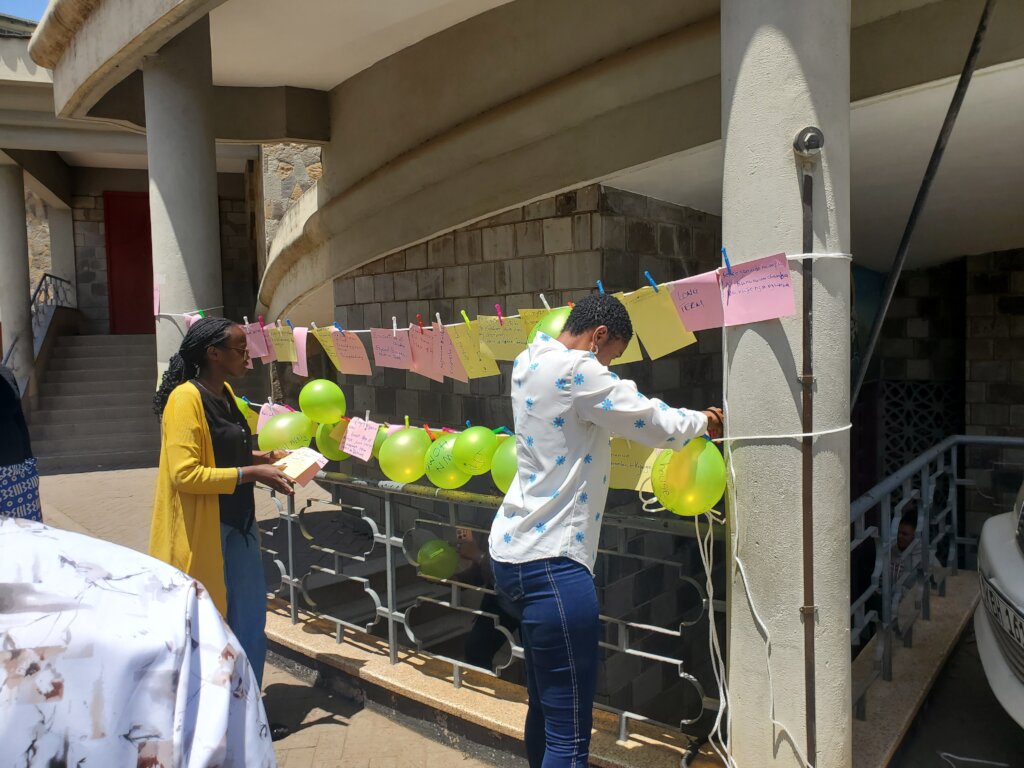
Day 1 (Goal Setting & Budgeting): Trainers guided participants on setting short- and long-term financial goals and creating effective budgets. Initially, members were shy and struggled with some concepts, but thanks to Iren stepping in to translate, they were able to follow along.
Day 2 (Savings & Financial Products): The focus shifted to budget tracking and comparing various savings methods and products. By this day, the trainees' confidence had grown significantly; they freely asked questions and engaged with the material. Timekeeping, which was an issue on the first day, also vastly improved.
Day 3 (Credit & Debt Management): Participants learned how to choose credit products, understand borrowing costs, and avoid the dangers of over-indebtedness and loan defaults. The women actively shared their own borrowing experiences—such as utilizing TUSA, chamas, and personal loans—and discussed the challenges of high default rates within their chamas.
Day 4 (Insurance & Conclusion): The final day covered the benefits and mechanics of insurance. The TUSA chaplain graced the occasion to speak on the biblical interpretation of financial education, and the ILO CEO delivered the closing remarks. All members were proudly awarded certificates of completion.
Participant Feedback and Outcomes The participants were highly engaged by the end of the program and requested follow-up entrepreneurship training. Specifically, they expressed a strong need for education on business expansion and digital inventory management.
Challenges and Lessons Learned While the training was a success, we observed a few areas for improvement to ensure future programs are even more impactful:
Contextual Alignment: The external trainers were largely unfamiliar with TUSA’s specific mission and the unique backgrounds of the women, which occasionally made the training feel disconnected from the members' actual needs.
Participant Mindset: Because attendance was conditional, some participants initially lacked intrinsic motivation, despite being the primary beneficiaries of the project.
Recommendations for the Future Moving forward, we highly recommend conducting a comprehensive needs assessment before organizing similar workshops. This will ensure that trainers are fully aligned with TUSA's mission and that the curriculum is perfectly tailored to the specific, practical needs of our members.
By Sano Mashako | Project leader.
By Sano Mashako | Project Leader.
Project reports on GlobalGiving are posted directly to globalgiving.org by Project Leaders as they are completed, generally every 3-4 months. To protect the integrity of these documents, GlobalGiving does not alter them; therefore you may find some language or formatting issues.
If you donate to this project or have donated to this project, you can receive an email when this project posts a report. You can also subscribe for reports without donating.



Support this important cause by creating a personalized fundraising page.
Start a Fundraiser