By Santiago Garcia | Project Leader
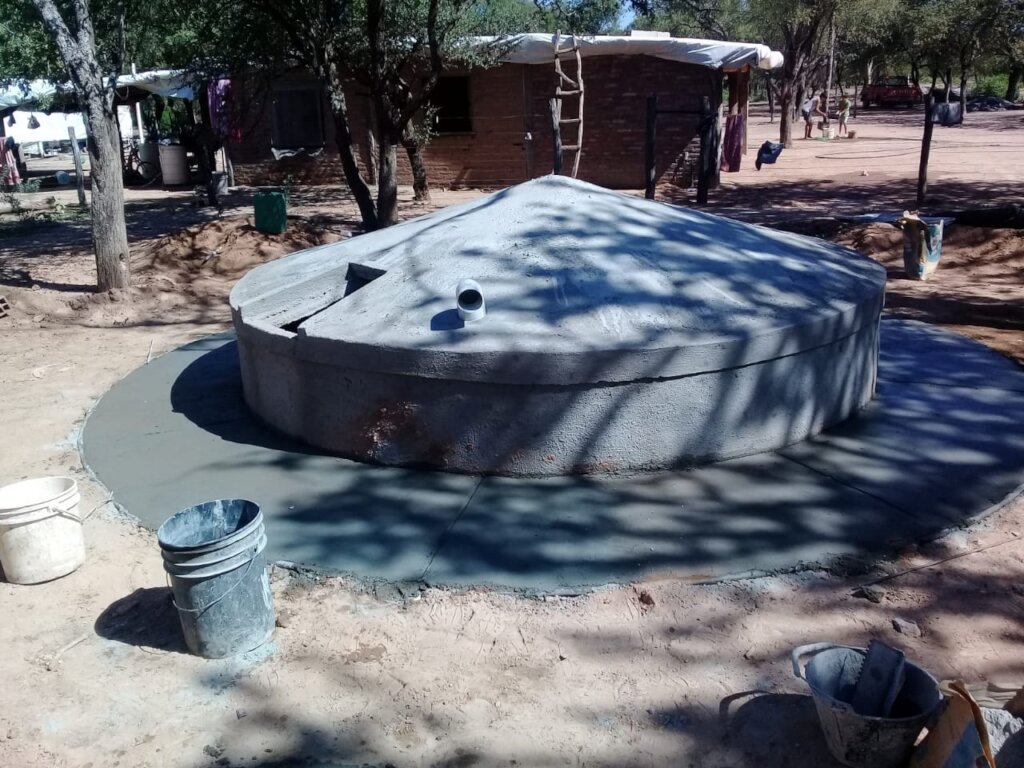
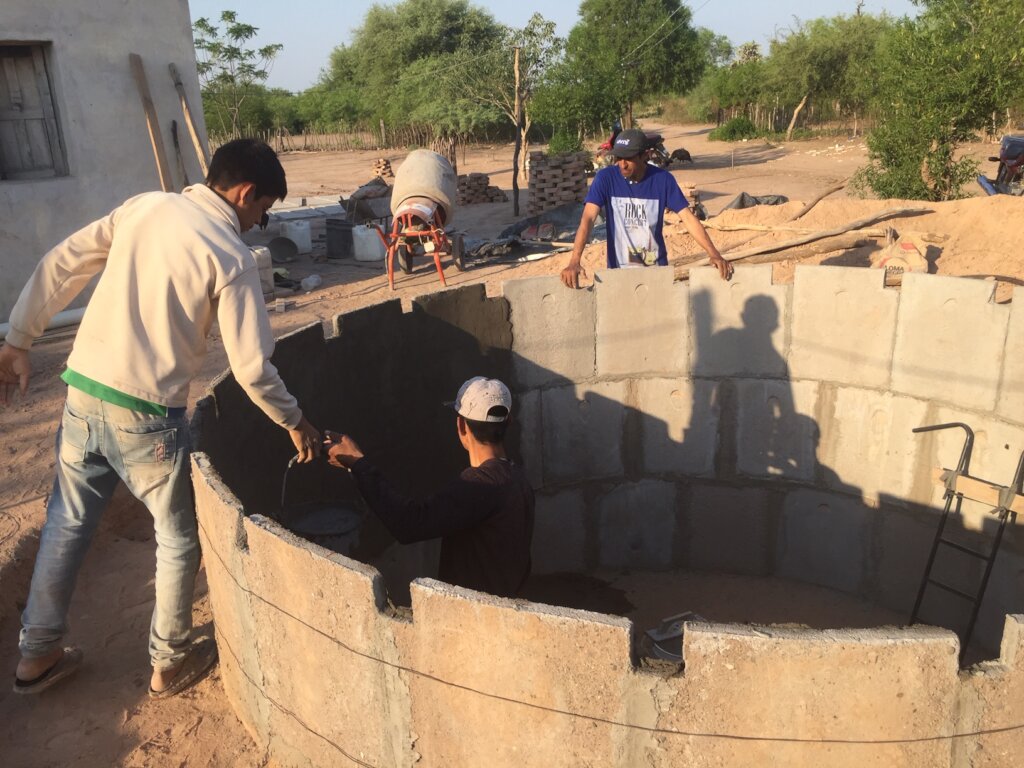
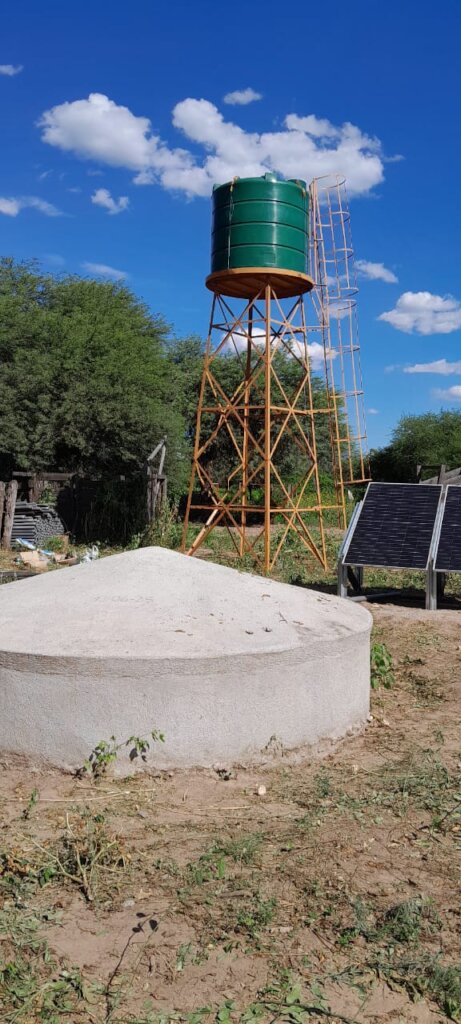
We are currently completing the construction of the first community water network in the Huiñaj Pozo village, bringing a major change to the daily lives of the families who live there.
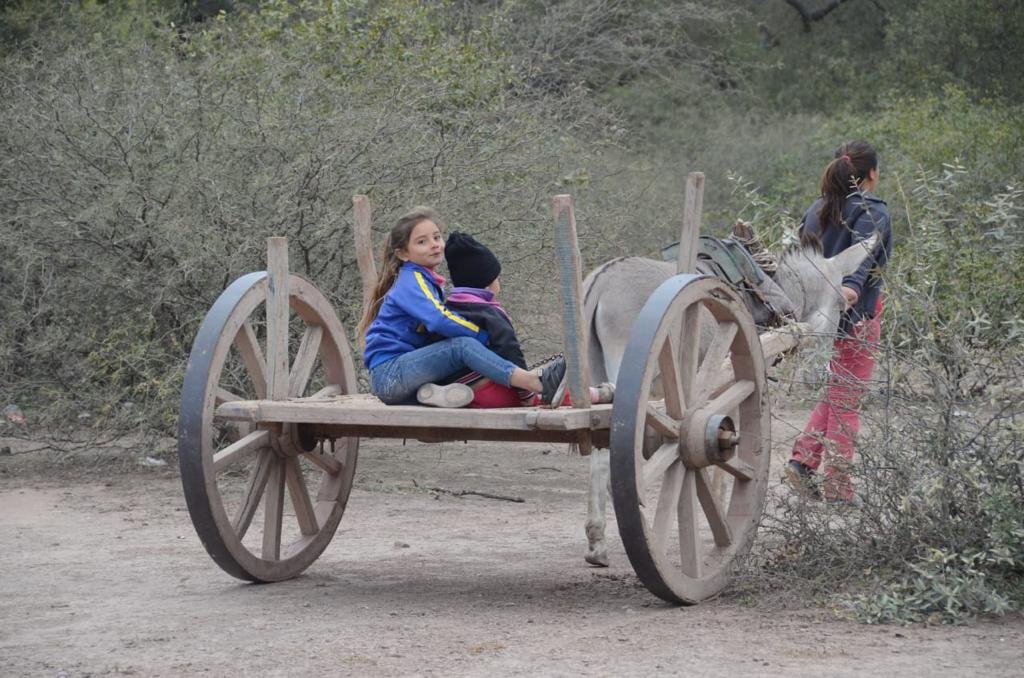
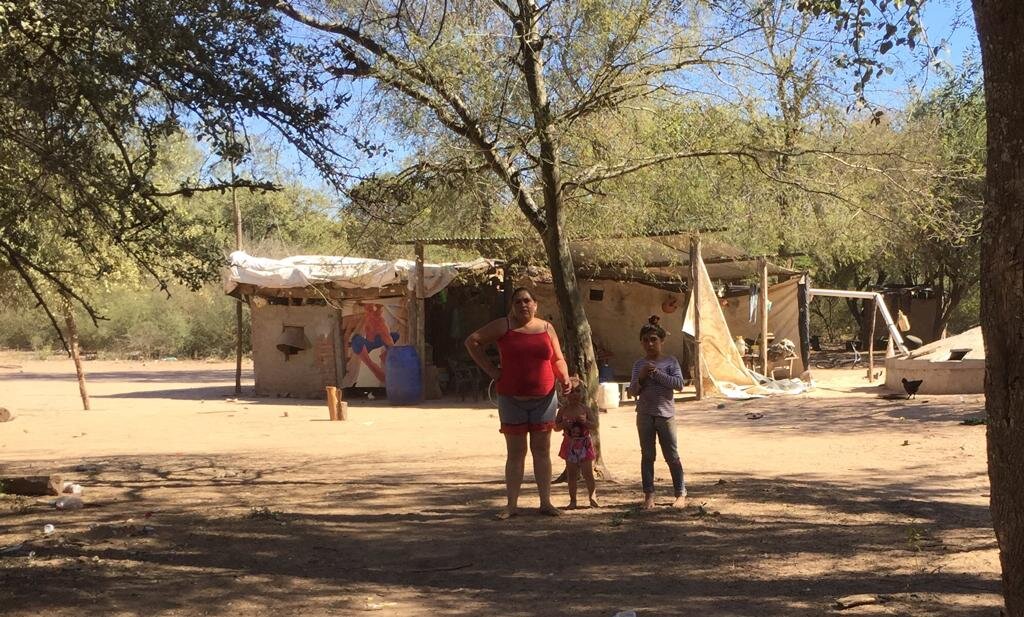
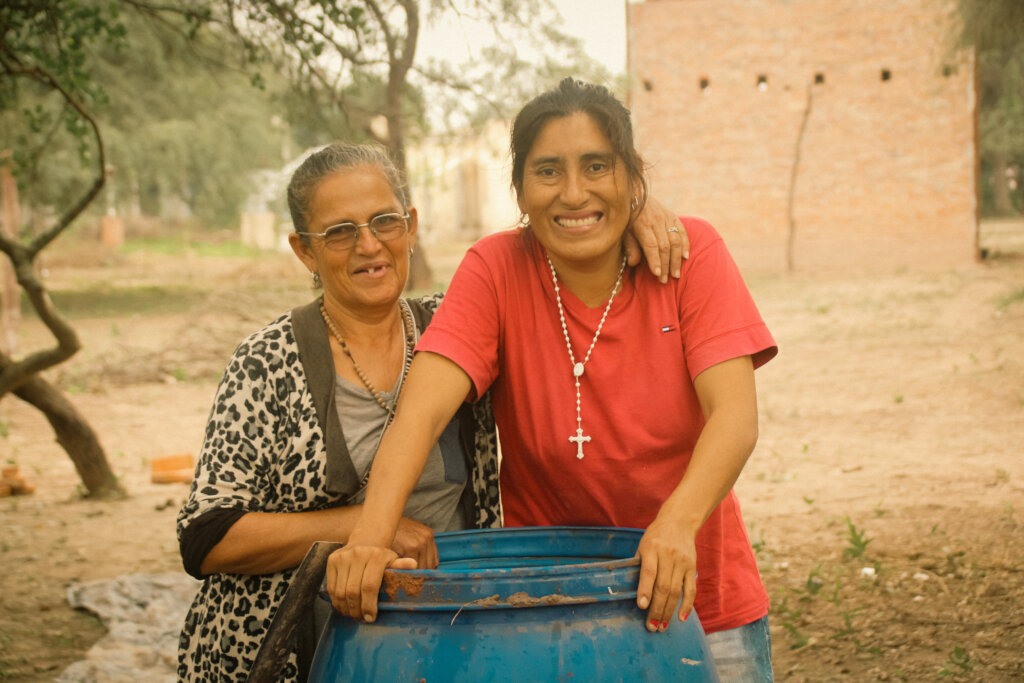
The new water network will benefit 28 families who currently have to collect and transport water using carts. This task takes considerable time and physical effort and is especially difficult during periods of drought and extreme heat.
Once the network is completed and the families have access to water directly in their homes, they will no longer need to spend hours each day collecting water. Access to safe and reliable water will give people back valuable time and energy, allowing them to dedicate themselves to other activities, including education, family life, community work, and productive initiatives.
Reliable access to water will also create new opportunities for local economic development. Families will be able to strengthen their productive activities, improve their livestock management, develop small-scale enterprises, and invest more time in activities that can generate income.
This project demonstrates once again that access to clean water is much more than a basic necessity. Water changes everything: it improves health and dignity, reduces the burden of daily water collection, creates opportunities for economic development, and gives families more time to build a better future.
We are deeply grateful to the GlobalGiving community and all the donors who make this work possible. Their support is helping us bring a fundamental change to 28 families in Huiñaj Pozo and is laying the foundation for a more sustainable and prosperous community.
By Santiago Garcia | Project Leader
By Santiago Garcia | Project Leader
Project reports on GlobalGiving are posted directly to globalgiving.org by Project Leaders as they are completed, generally every 3-4 months. To protect the integrity of these documents, GlobalGiving does not alter them; therefore you may find some language or formatting issues.
If you donate to this project or have donated to this project, you can receive an email when this project posts a report. You can also subscribe for reports without donating.



Support this important cause by creating a personalized fundraising page.
Start a Fundraiser