By Kimberly Laney | Senior Philanthropy Specialist
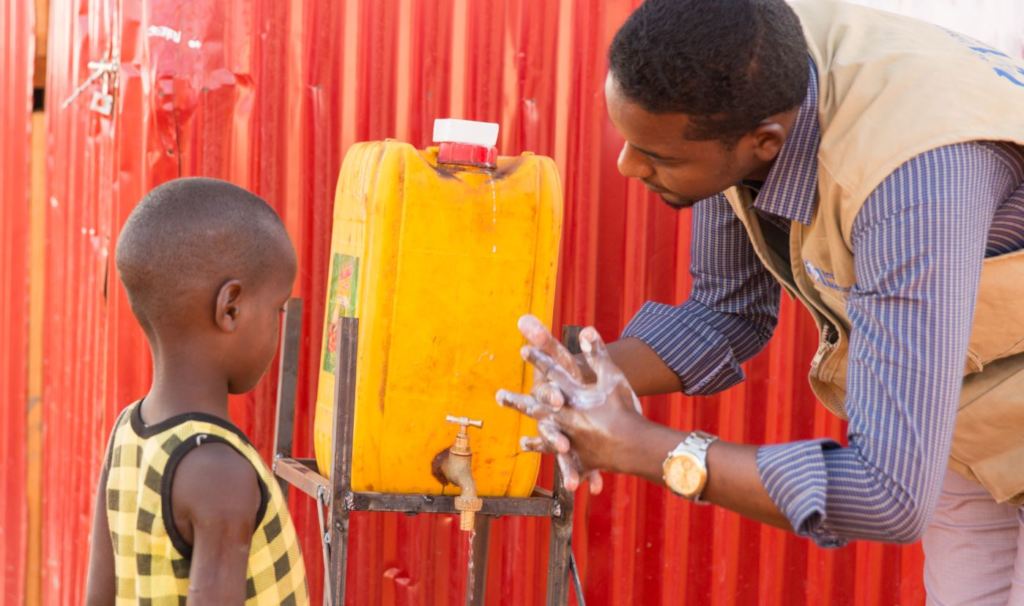
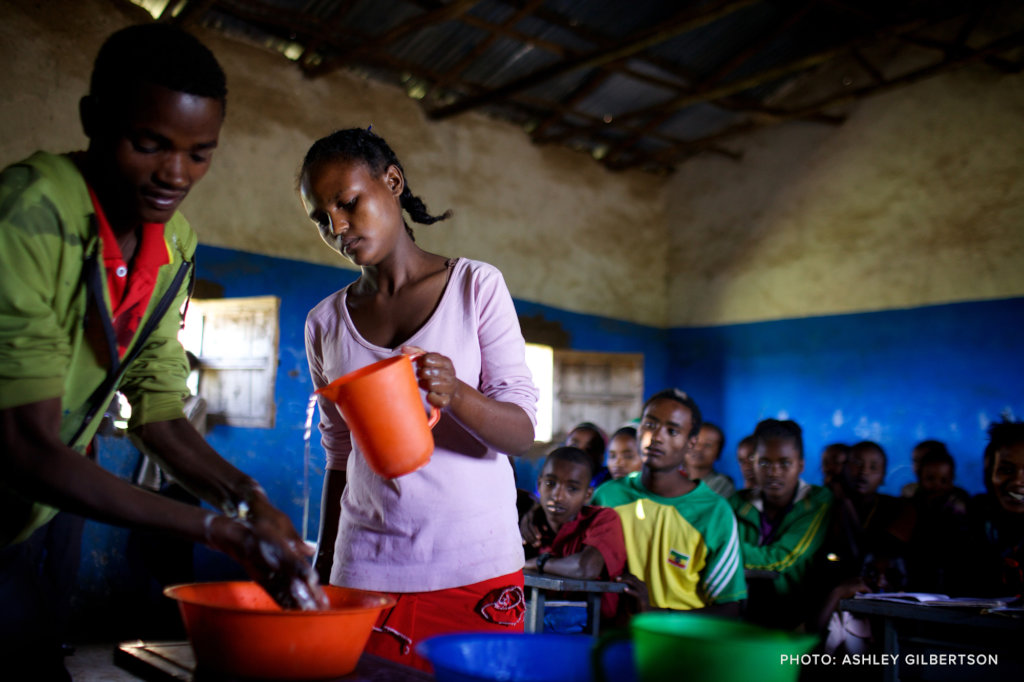
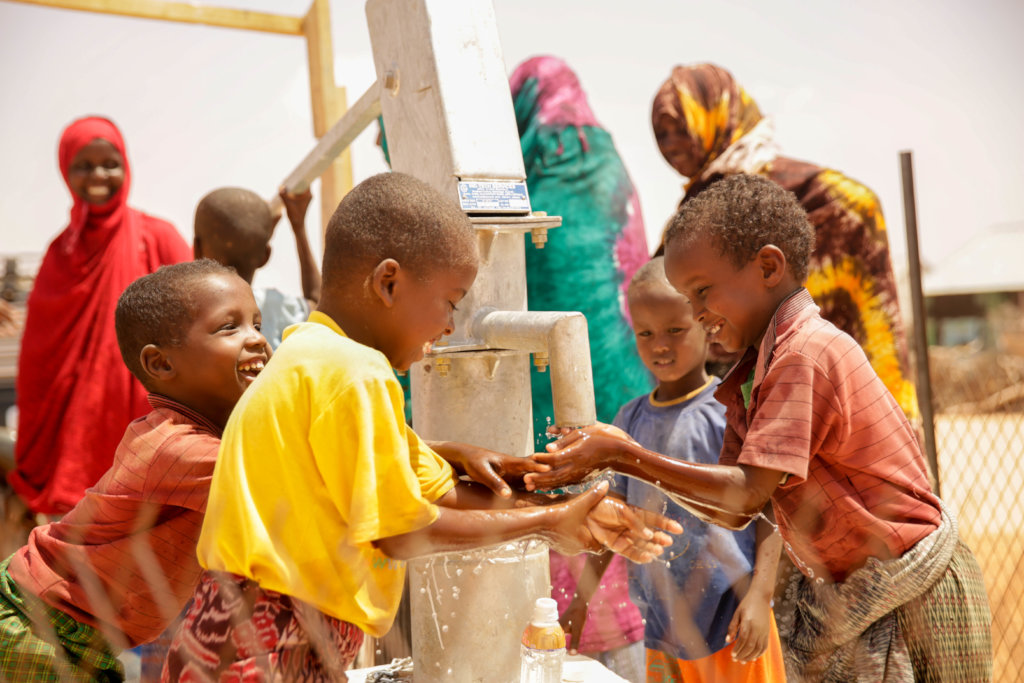
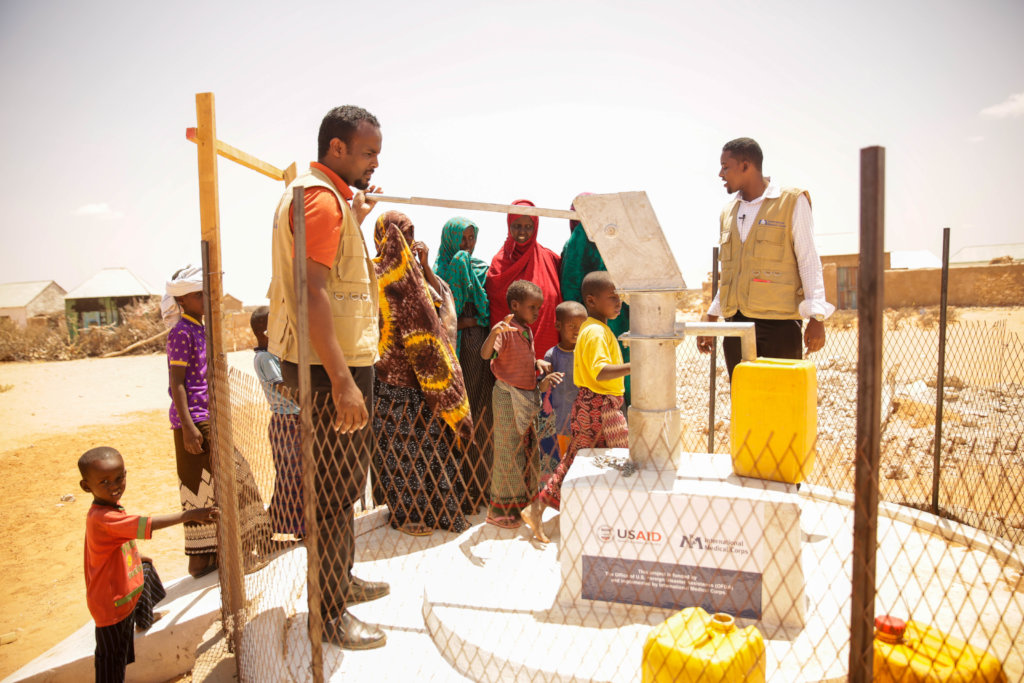
International Medical Corps works with beneficiaries to meet their water needs in emergency and development contexts through the provision of adequate, safe, potable water for drinking, and for personal and domestic hygiene at communities and institutional facilities.
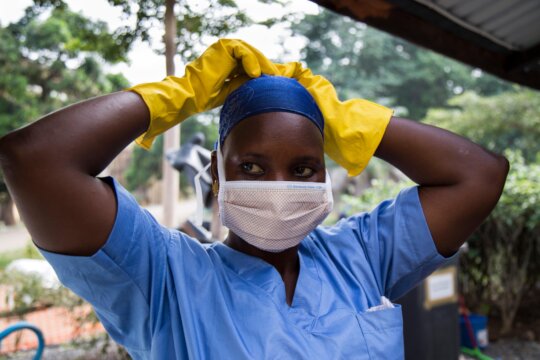
Access to safe water is an essential component in the fight to reduce the burden of disease, whether it is diarrhea, pneumonia, eye and skin infections or life-threatening illnesses such as malaria, cholera and typhoid. Larger volumes of water are also essential to maintain infection-free environments within the health care facilities established to handle patients with highly communicable and contagious illnesses, such as Ebola. Still, U.N. reports note that 2.1 billion people lack access to safely managed drinking water services.
To address this major gap, International Medical Corps operates programs in some of the world’s most inaccessible and dangerous environments to provide lifesaving water to those in great need. Highlights of our programs over the years include:
In Nigeria, our teams improved access to safe drinking water, sanitation, and hygiene for nearly 300,000 people in one year. We continue to work in displacement camps and host communities to create sources of safe drinking water through methods such as water trucking and constructing wells. Most recently, our teams reached four camps in Borno State, providing 126,000 liters of needed water every day.
In Yemen, in response to one of the world’s largest cholera outbreaks, International Medical Corps teams set up oral rehydration points – tented locations providing a chlorinated handwashing point and access to freshly prepared oral rehydration solution with clean water – and diarrhea treatment centers. We also worked with our network of more than 400 trained community health volunteers to provide proper hygiene messaging and cleaning supplies within conflict-affected communities.
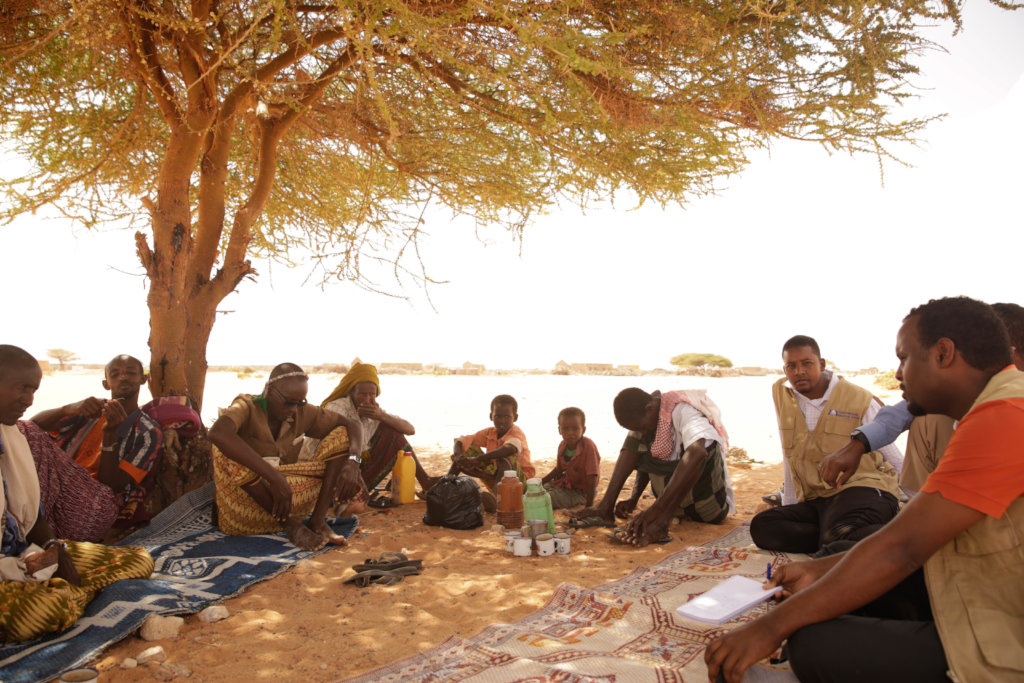
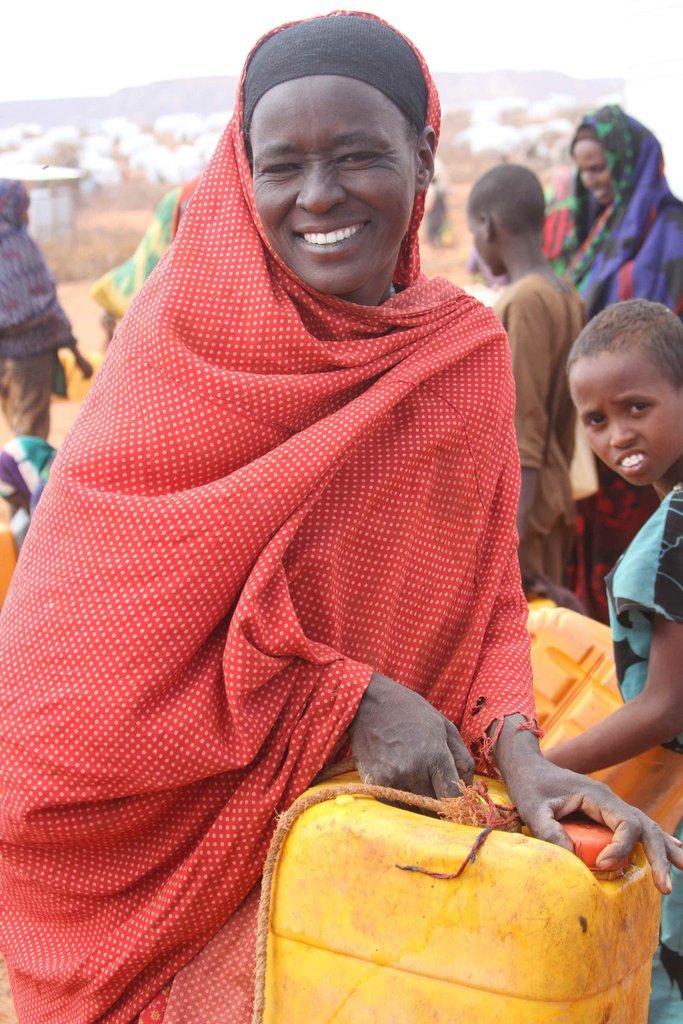
In Somalia, the lack of clean drinking water and latrines has been a key contributor to the high number of acute watery diarrhea cases reported from the internal displacement camps and to the spread of communicable diseases. To address this need, International Medical Corps has built latrines and provided training on proper hygiene practices, which help reduce open defecation, minimizing the spread of diseases.
We are thankful for the GlobalGiving community’s support as we reached those most in need with one of the most basic requirements for health – water.
To continue supporting our response efforts, please visit our "Emergency Response to the Ebola Outbreak in the DRC" where our teams are responding to what is now the second largest Ebola outbreak in world history: https://www.globalgiving.org/projects/emergency-response-to-ebola-in-the-democratic-repu/
By Kimberly Laney | Senior Philanthropy Specialist
By Davis Nordeen | Resource Development Assistant
Project reports on GlobalGiving are posted directly to globalgiving.org by Project Leaders as they are completed, generally every 3-4 months. To protect the integrity of these documents, GlobalGiving does not alter them; therefore you may find some language or formatting issues.
If you donate to this project or have donated to this project, you can receive an email when this project posts a report. You can also subscribe for reports without donating.