By Lori Brister | Resource Development Officer
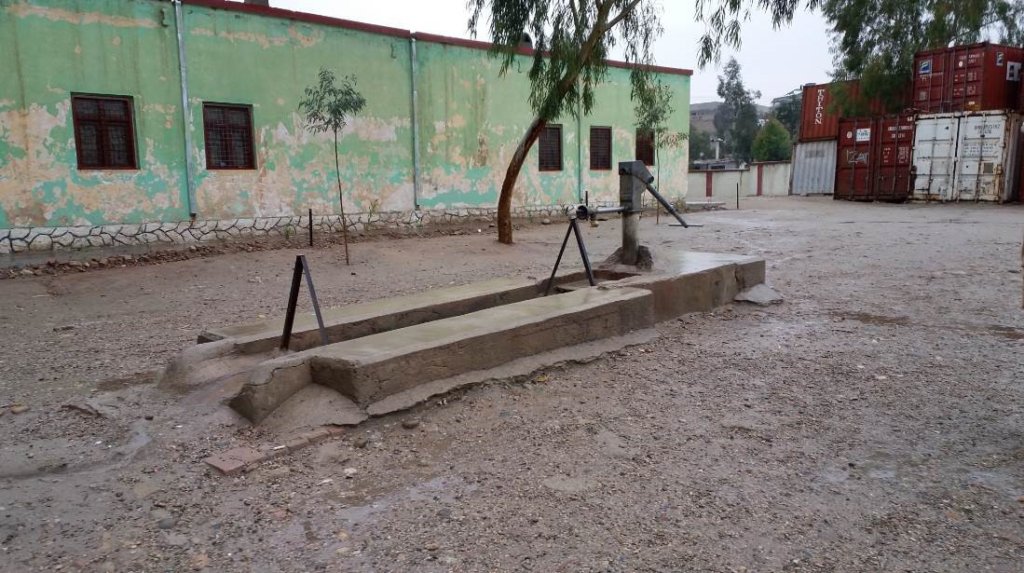
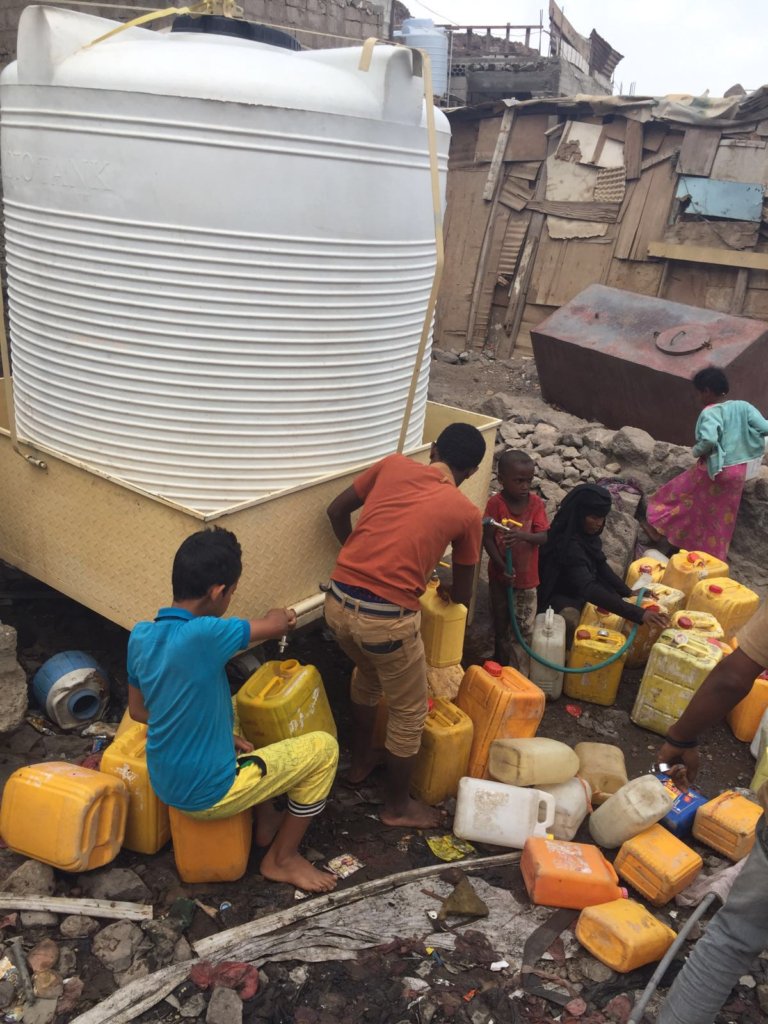
In a remote village 90 miles east of Kabul, Afghanistan, some 2,500 young girls attend the Shikhan Girls Higher Secondary School. Although the girls have access to education, until recently, they had no access to safe and reliable water sources. “There were three wells inside the school building,” Abida, a tenth-grade student, said, “but unfortunately, none of them worked." Like her classmates, Abida lives several miles from the school, and each morning she must carry enough water to drink throughout the day. In the hot seasons, the amount of water the students need to avoid dehydration becomes even more concerning. Moreover, when students cannot access safe water, their attendance in school often drops because children, especially young girls, have to spend additional time collecting water for themselves and their families.
With students at Shikhan Girls Higher Secondary School bringing water from various sources, there was no way to guarantee that the water was safe. “Often, water which looks clean in its physical characteristics is not safe or potable for drinking,” said Yasir Ahmad, International Medical Corp’s Global Water, Sanitation and Hygiene Advisor. As a result, the school’s students and staff were at a high risk for water-borne diseases, especially diarrhea. Moreover, without an adequate water supply, students and staff were unable to clean the school’s toilets, wash their hands after using the facilities, or maintain other proper hygiene practices.
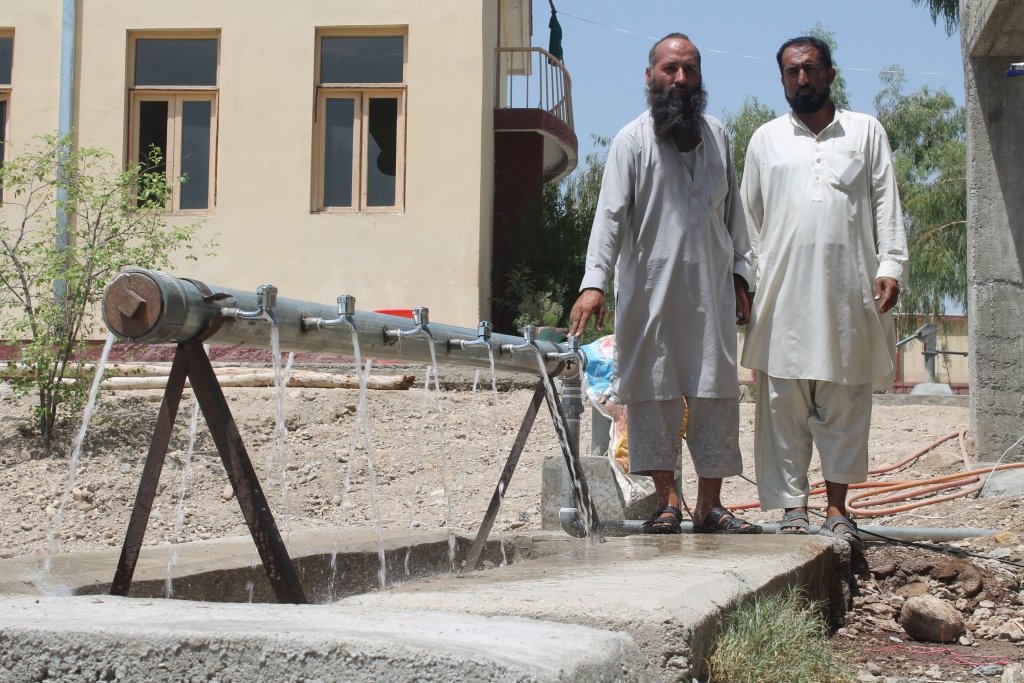
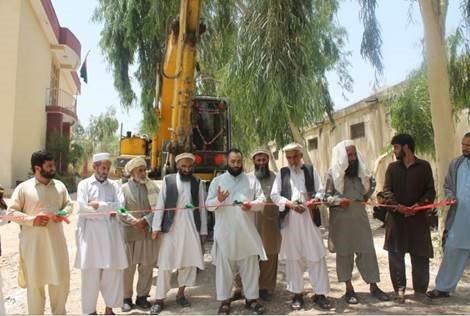
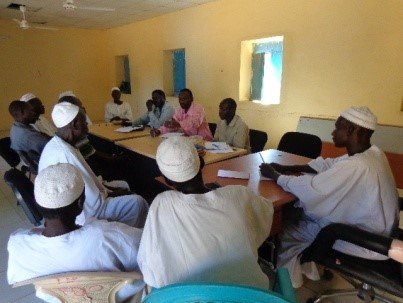
To address the need for clean and safe water, International Medical Corps brought together local education officials, community leaders and the school’s head master, principal and staff. The group discussed the best place for a new water tank and access points and how to effectively maintain the system for sustainable water. Once planning was complete, our water and sanitation team drilled a borehole, constructed a reinforced concrete water tower and installed a 3,000 liter holding tank, along with water access points.
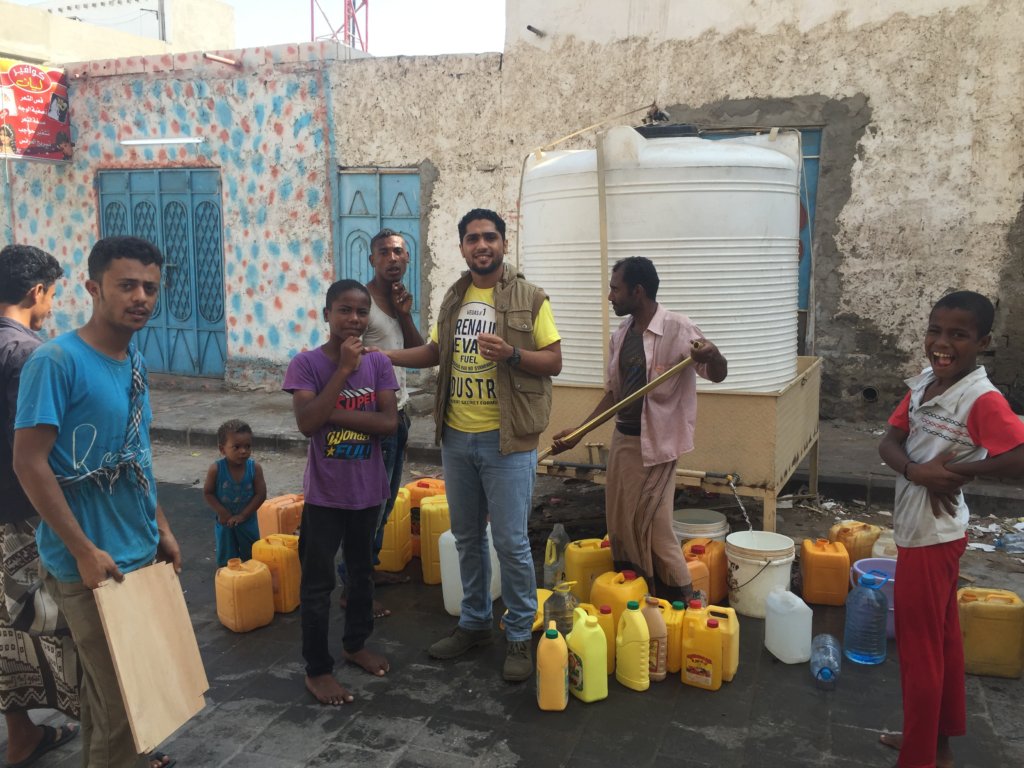
In Afghanistan and elsewhere, International Medical Corps prioritizes sanitation and hygiene into our health programs as the first defense against disease and infection. Globally, one in five child deaths are due to diarrhea. Other diseases, such as pneumonia, eye and skin infections, malaria, cholera and typhoid are also linked to poor hygiene practices. As part of our comprehensive approach to health, we prioritize access to equitable, reliable and clean water, the provision and improvement of sanitation facilities and the promotion of safe hygiene practices. From Afghanistan to Zimbabwe, our teams have drilled wells, verified the purity of the water and installed access point to provide clean and safe water to schools, families, and entire communities around the globe. We also conduct community outreach and education on proper hygiene and sanitation practices to help people stay healthy.
Our teams rehabilitated the Shikhan Girls Higher Secondary School’s water system while the school was closed for the summer holiday. When Abida and her classmates returned, they were free to learn without the fear of water-borne diseases and concern to find clean and safe water. Now, the school has cleaner sanitation facilities and enough water for children to drink and wash their hands. Yasir goes on to say, “Water and sanitation service provision means privacy and dignity.” As a result of these interventions, the girls will be less likely to contract disease or miss school to collect water, and they can take pride in their safe water and hygiene practices.
We want to thank the GlobalGiving community for your support of International Medical Corp’s water, sanitation and hygiene programs across the world, ensuring that every child has access to safe and potable water.
By Kimberly Laney | Resource Development Officer
By Kimberly Laney | Resource Development Officer
Project reports on GlobalGiving are posted directly to globalgiving.org by Project Leaders as they are completed, generally every 3-4 months. To protect the integrity of these documents, GlobalGiving does not alter them; therefore you may find some language or formatting issues.
If you donate to this project or have donated to this project, you can receive an email when this project posts a report. You can also subscribe for reports without donating.