By Jason Graber | Resource Development Officer
Background: Out of the estimated population of 9.9 million affected by Typhoon Haiyan in the Philippines, approximately 4 million were children under the age of 18. In the aftermath of the disaster, the World Health Organization, UNICEF, and the Government of the Philippines reported immediate threats to children’s basic health including, among others, lack of safe drinking water, lack of sufficient food, and lack of access to sanitation and personal hygiene items. Moreover, Typhoon Haiyan caused extensive damage in schools, destroying infrastructure, school equipment and learning materials. More than 2,500 schools and 800 day care centers were partially or totally destroyed. In some areas, this meant that children had little to no access to safe water or an adequate number of toilets in schools, creating an unsafe learning environment, while in others there were simply no school buildings at all.
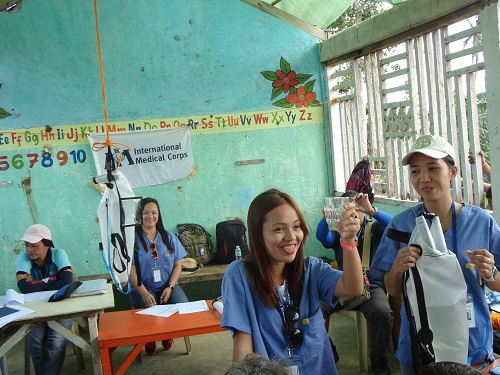
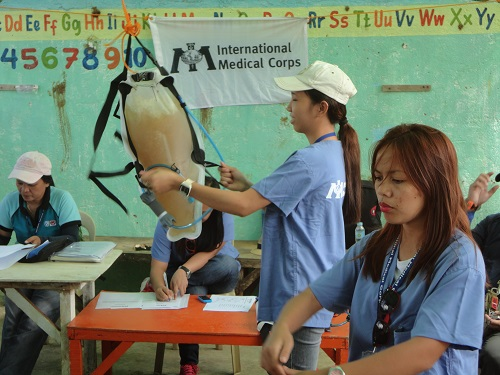
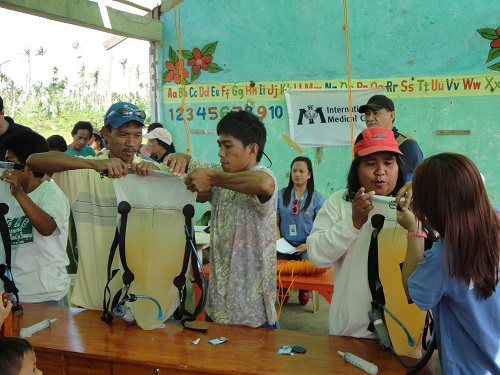
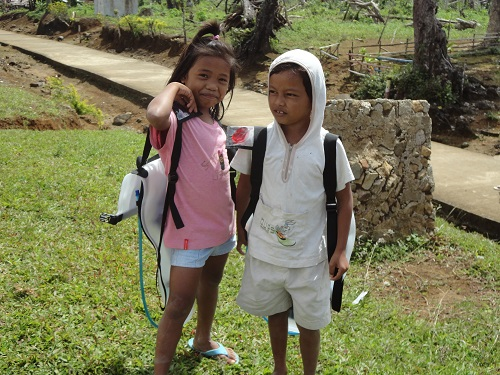
International Medical Corps was on the ground in the Philippines within 24 hours of Typhoon Haiyan, and began delivering a comprehensive emergency response. In order to meet immediate needs of survivors and thwart the spread of disease, International Medical Corps worked to provide clean water by distributing water purification tablets; providing clean water-storage receptacles such as buckets, Jerry cans, and DayOne Response Waterbags; and distributing hygiene kits.
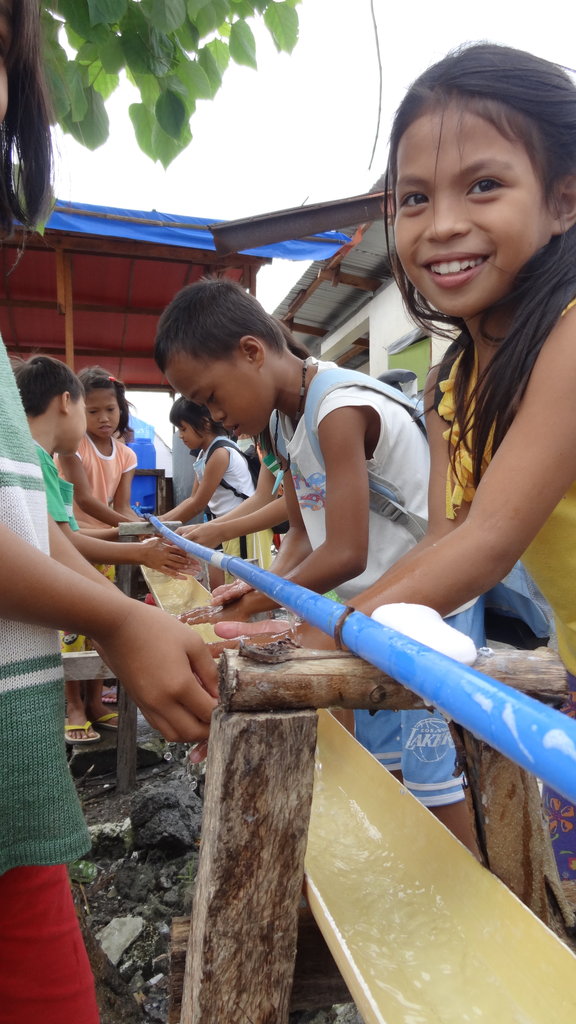
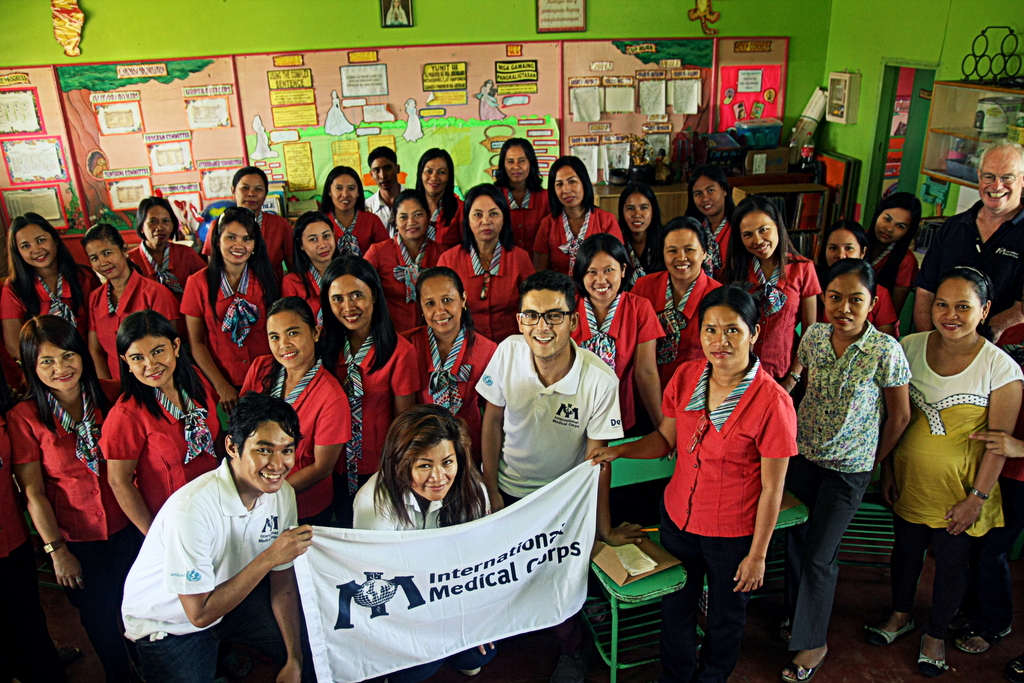
Building Back Better: Soon after the immediate needs of the survivors were met, International Medical Corps began rehabilitating damaged water and sanitation infrastructure at storm-ravaged schools. The overall goal of International Medical Corps’ water and sanitation work at Typhoon-affected schools is to repair or replace damaged toilets and hand-washing systems in 130+ sites throughout the Leyte Province while also keeping aligned with the Philippines Department of Education’s goal to ensure that children can return to learning in a safe environment. When this project is complete, it will have reached more than 57,000 school children with improved water and sanitation services. In order to meet this goal, International Medical Corps worked with partners – the Department of Education, the Department of Social Welfare and Development, and UNICEF – to jointly implement the “Back to Learning Campaign” to encourage families to send their children back to school.
Program Activities and Accomplishments: To improve the water, sanitation, and hygiene situation in priority schools, International Medical Corps carried out the following activities:
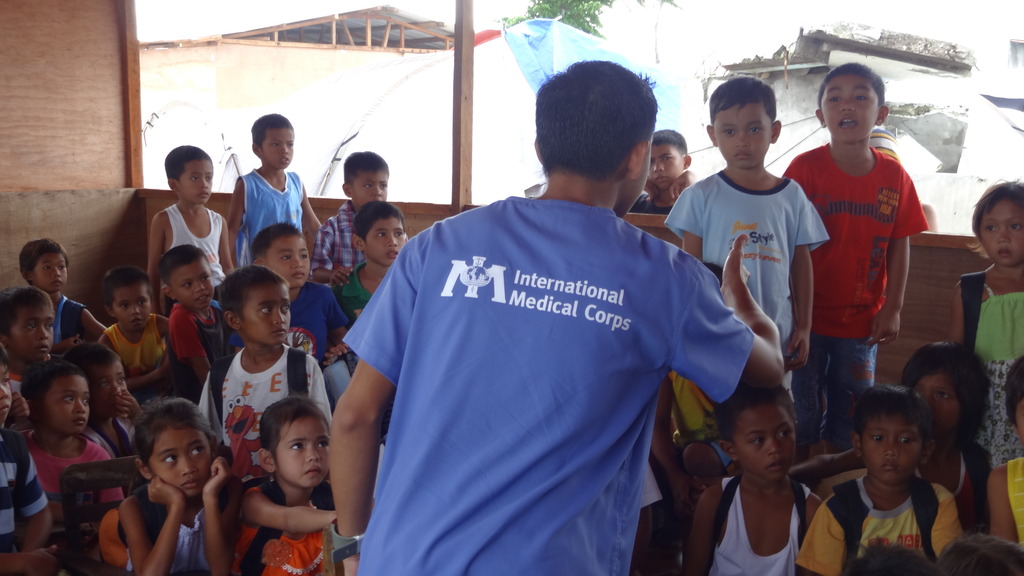
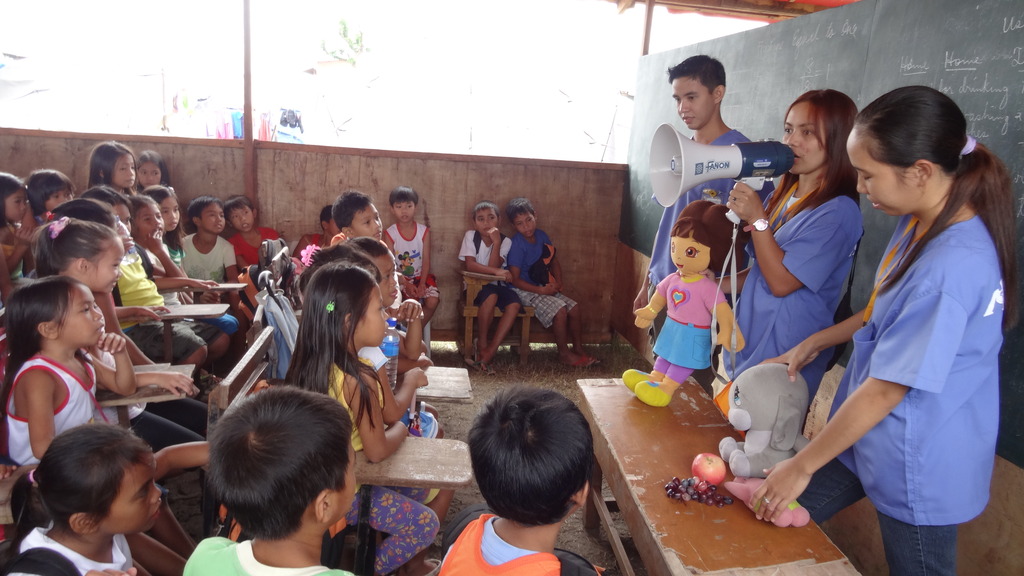
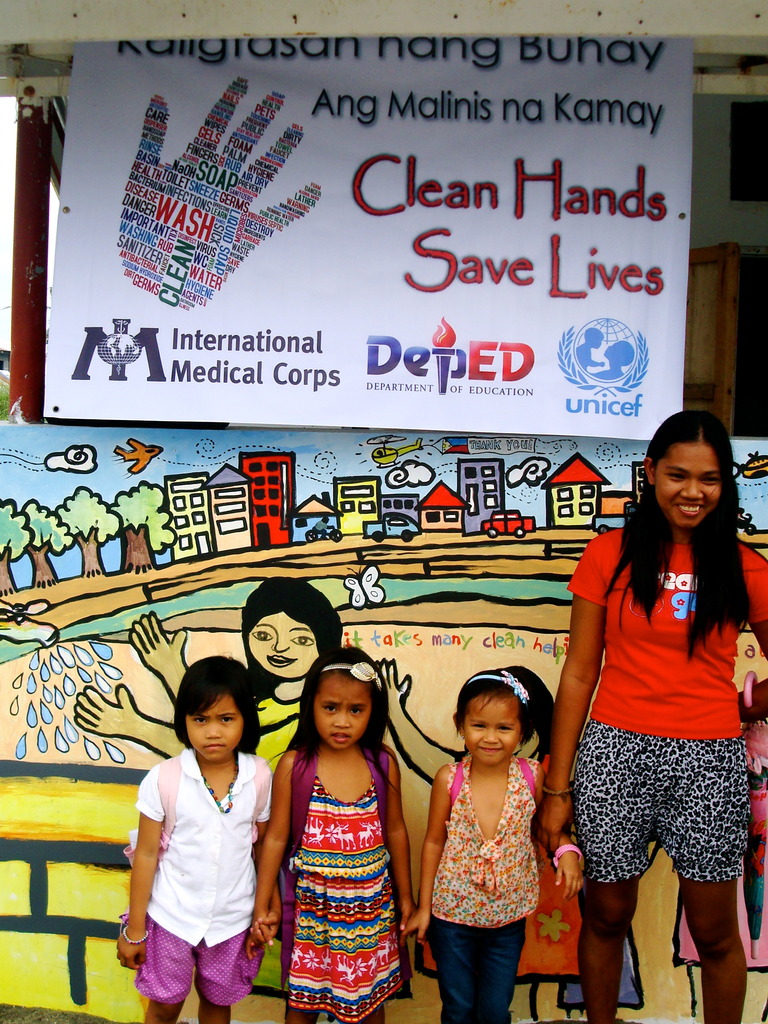
Following the principle of ‘building back better’, International Medical Corps’ construction of sanitation facilities and water supply systems were built to better withstand future storms and other natural disasters. In addition, International Medical Corps worked to engage interested students in roles as “Hygiene Champions” in an effort to encourage ongoing hygiene promotion and the permanent adoption of recommended hygiene behaviors in these schools and the greater community.
With support from Global Giving and other donors, International Medical Corps has completed the following milestones in 7 target municipalities in Leyte Province, including Burauen, Dagami, Julita, La Paz, MacArthur, Mayorga and Tabon Tabon:
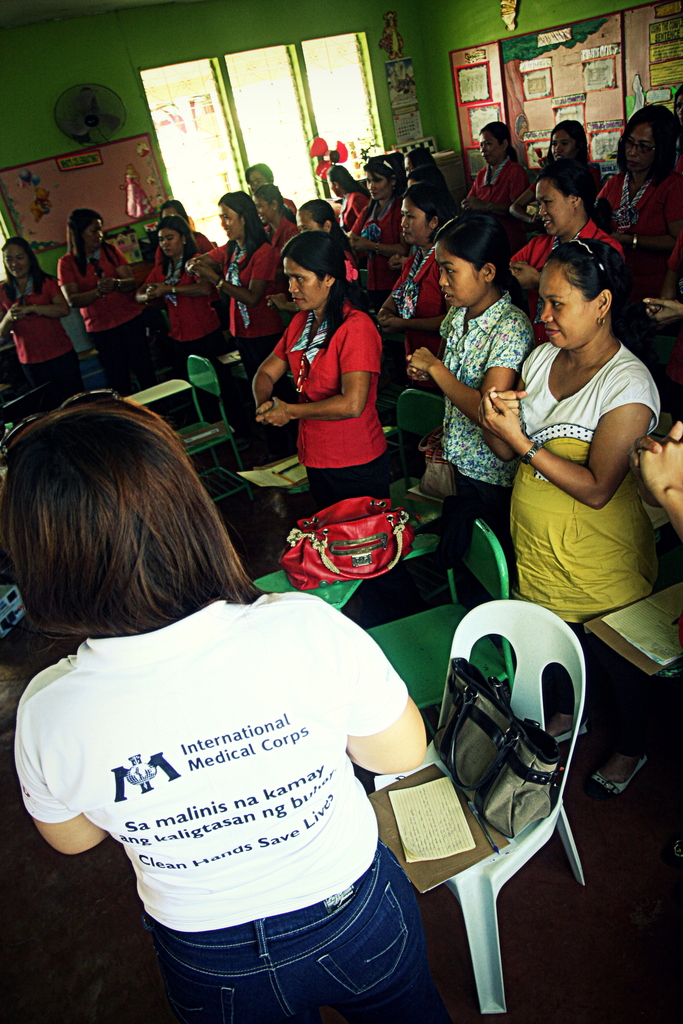
Global Giving’s support of this work ultimately helped to provide students and teachers with access to proper sanitation through the construction of stronger, more resilient sanitation facilities; water through the restoration of water supply systems; and hygiene supplies provided through hygiene kits and hygiene promotion education. By working to ensure that schools have access to functional sanitation facilities, adequate water supply systems and hygiene education, the water and sanitation in schools program works to produce better outcomes for children in these schools. These efforts are part of a global campaign to end preventable disease outbreaks in schools and thereby, minimize school absenteeism.
By Jason Graber | Resource Development Officer
By Jason Graber | Resource Development Officer
Project reports on GlobalGiving are posted directly to globalgiving.org by Project Leaders as they are completed, generally every 3-4 months. To protect the integrity of these documents, GlobalGiving does not alter them; therefore you may find some language or formatting issues.
If you donate to this project or have donated to this project, you can receive an email when this project posts a report. You can also subscribe for reports without donating.