By Sony Shah | Project Support
In 2018, while implementing a scholarship project, Console Mission realized that financial support alone could not prevent children from educational risks. Some children were still dropping out of school, and many parents did not yet recognize the importance of creating a supportive learning environment.
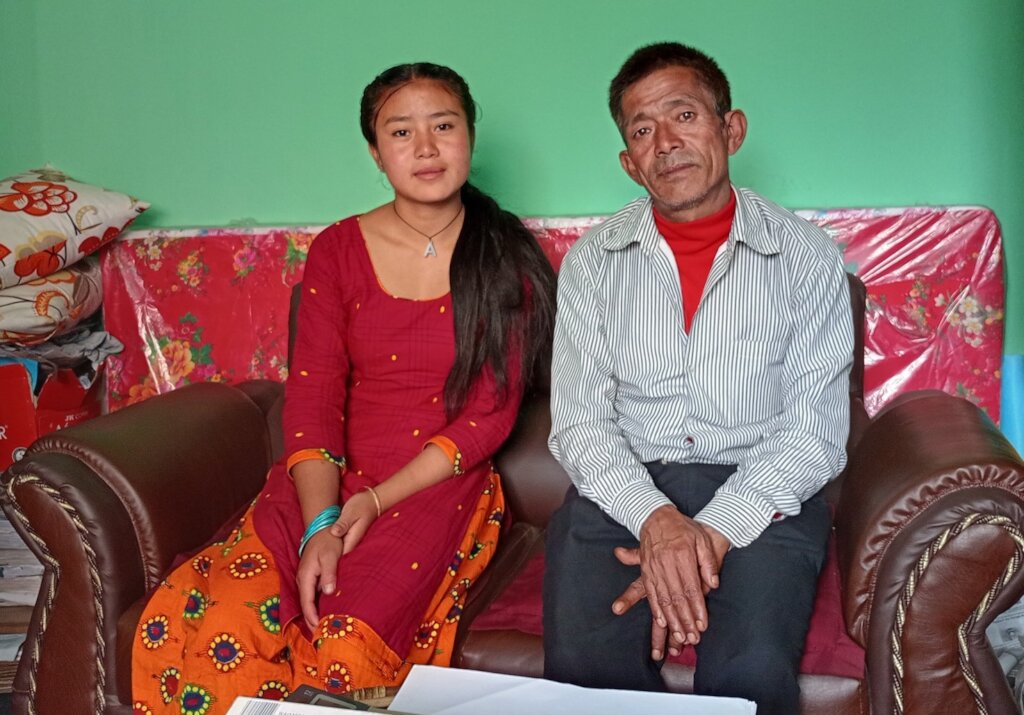
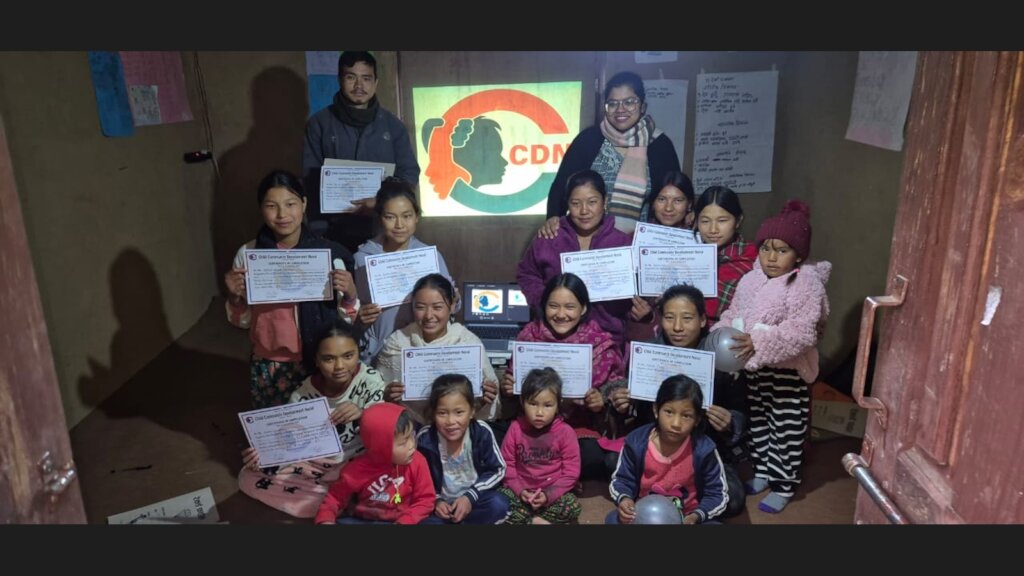
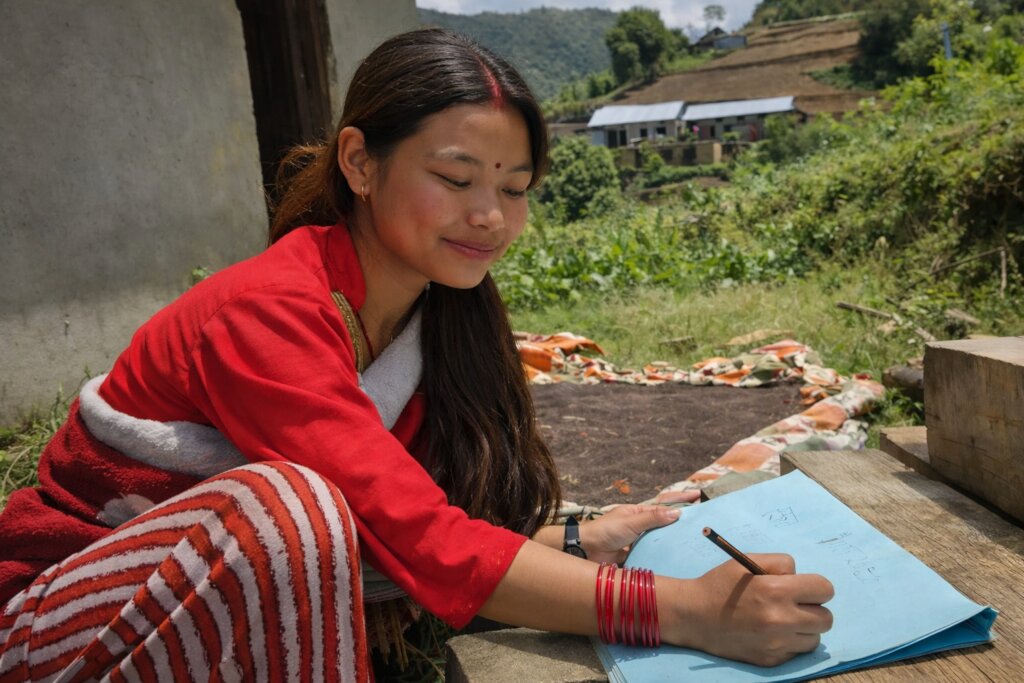
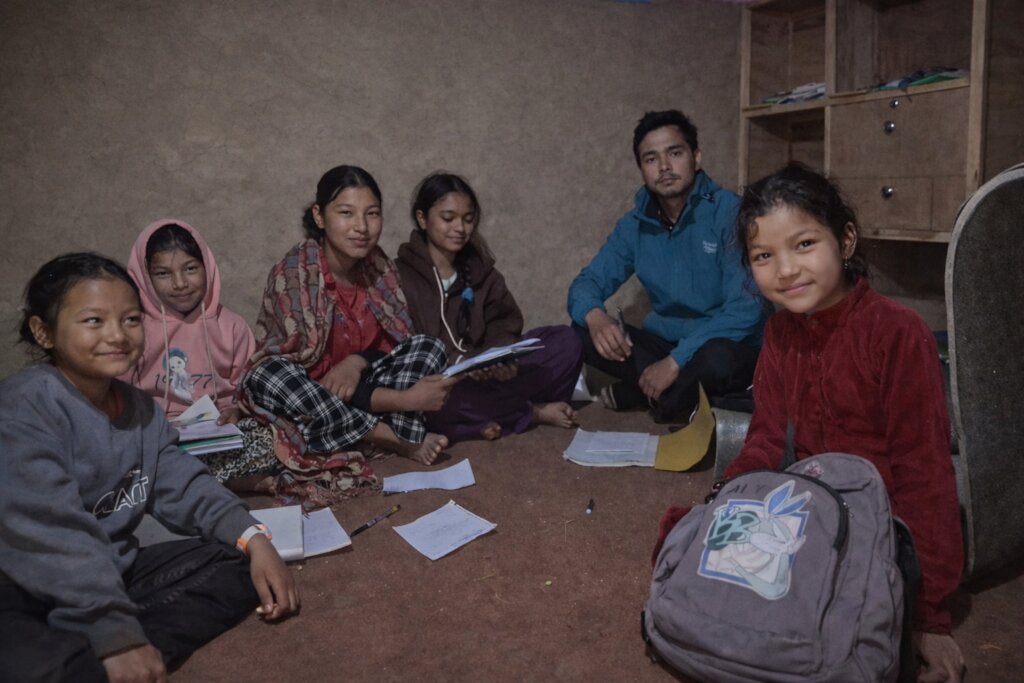
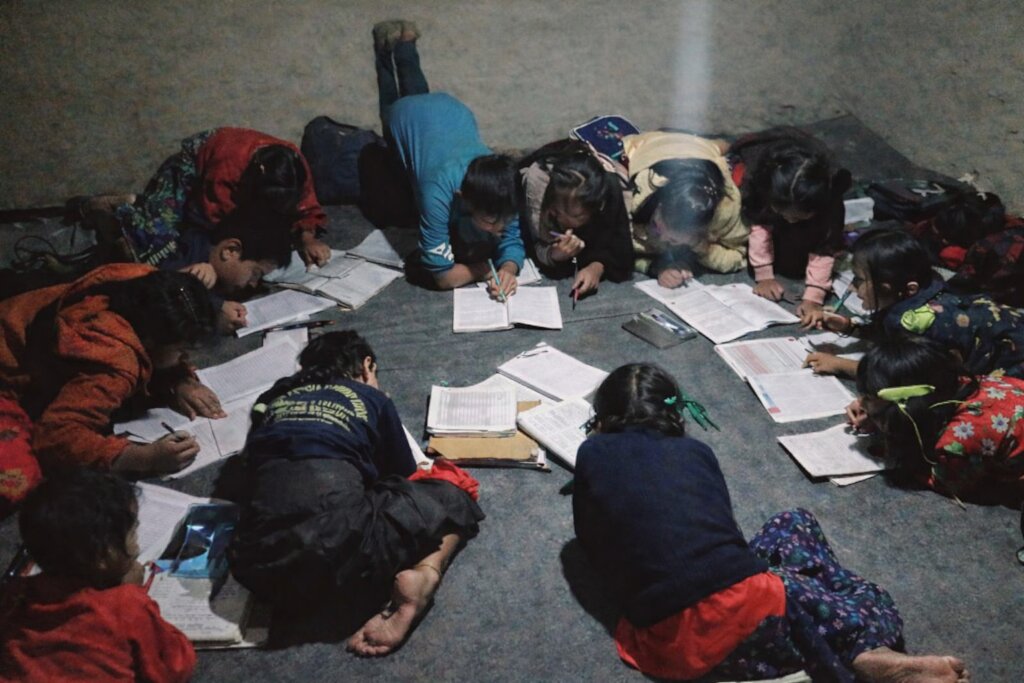
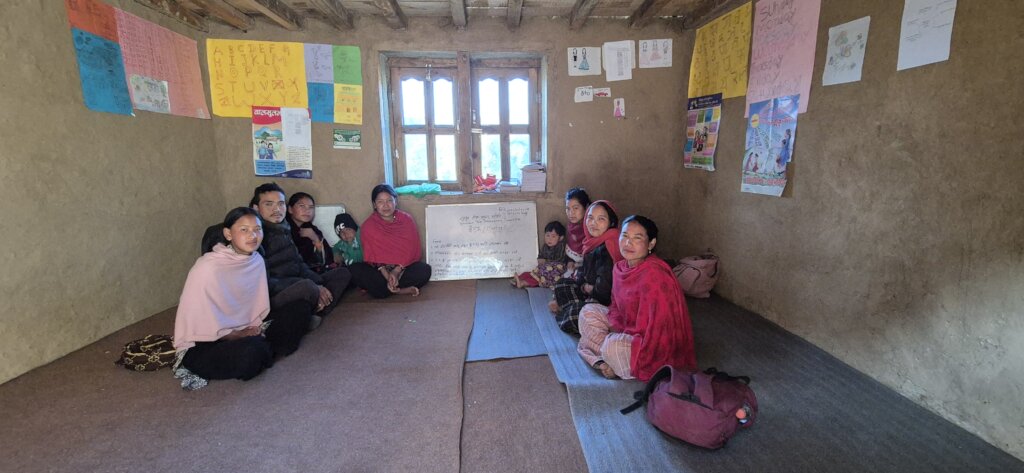
To respond, Console Mission piloted Our Study Place (OSP) in Nayagaon with a local team consisting of a physically impaired community member and two Grade 9 schoolgirls. What began as a four-month test grew into a successful community-based learning model that continued until August 2023 with external funding.
Children developed stronger study habits, school attendance improved, and parents became more engaged in their children's education. Nayagaon became a practical example that attracted attention from other communities across the area.
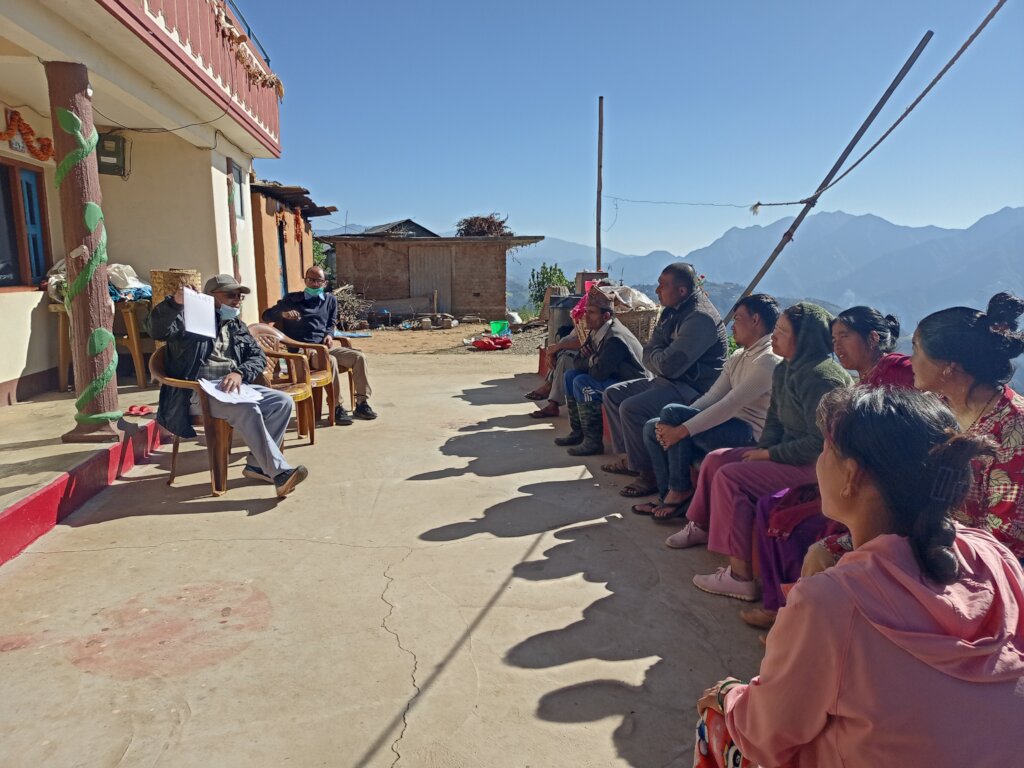
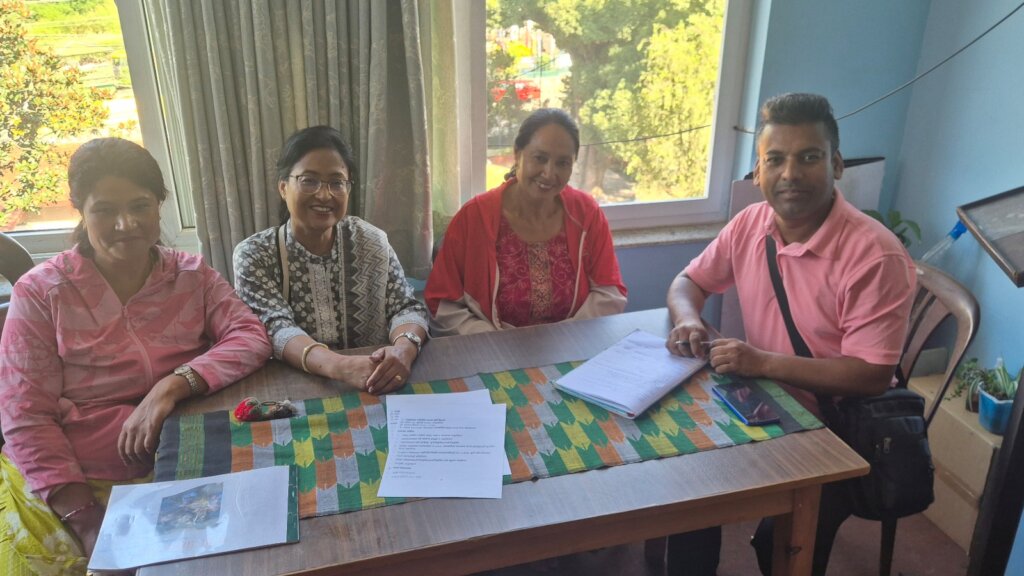
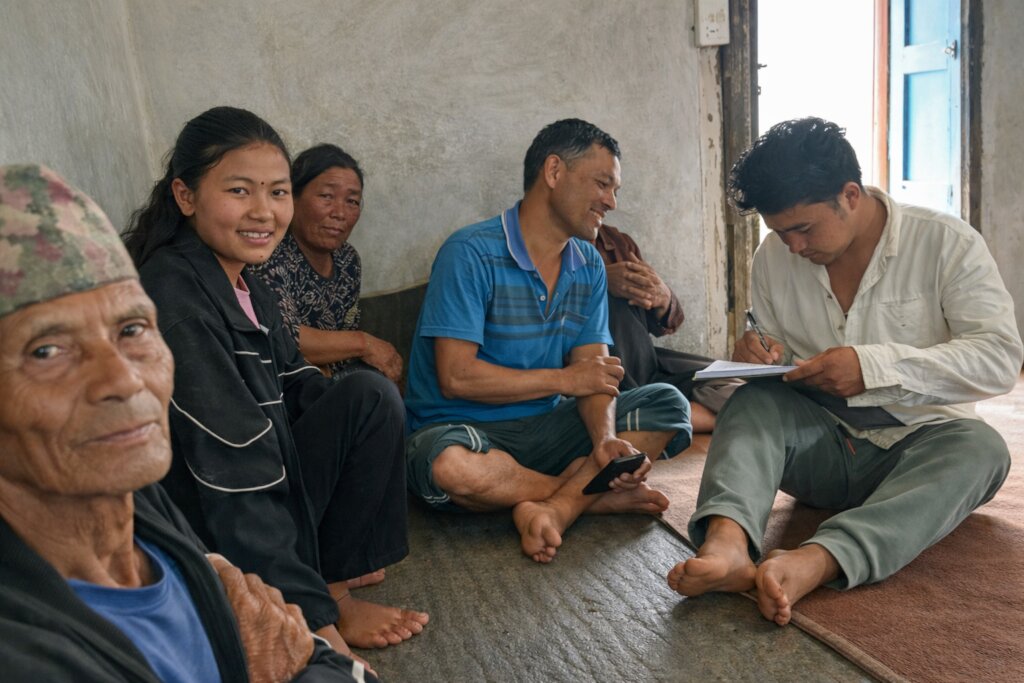
After funding ended, Console Mission documented the model in a handbook and organized orientations in three rural municipalities. Representatives from 15 of 18 wards participated and many reported that they had already heard about the positive impact of the Nayagaon experience.
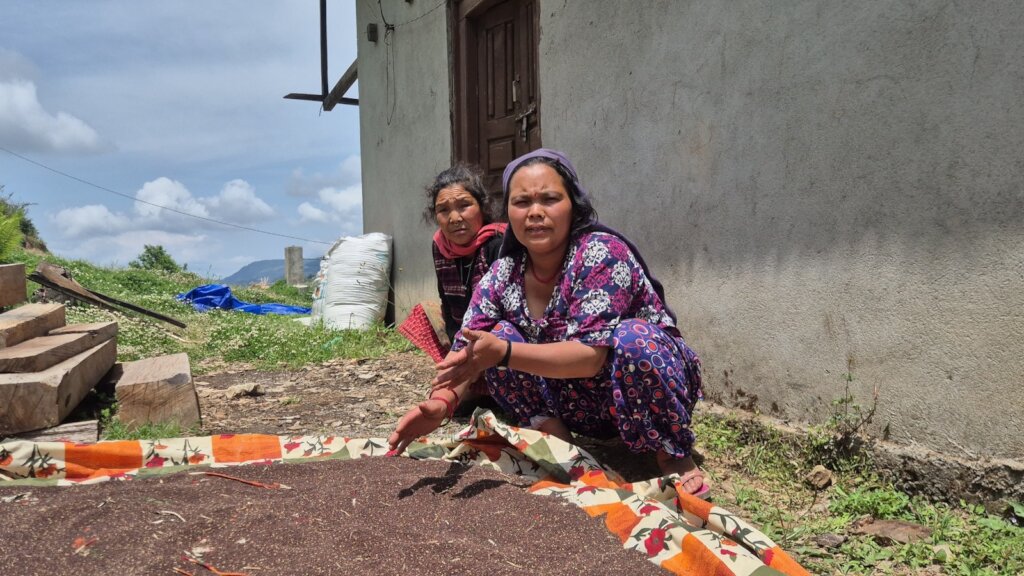
A Key SuccessOne of the most encouraging achievements emerged in Ghongwa Village.
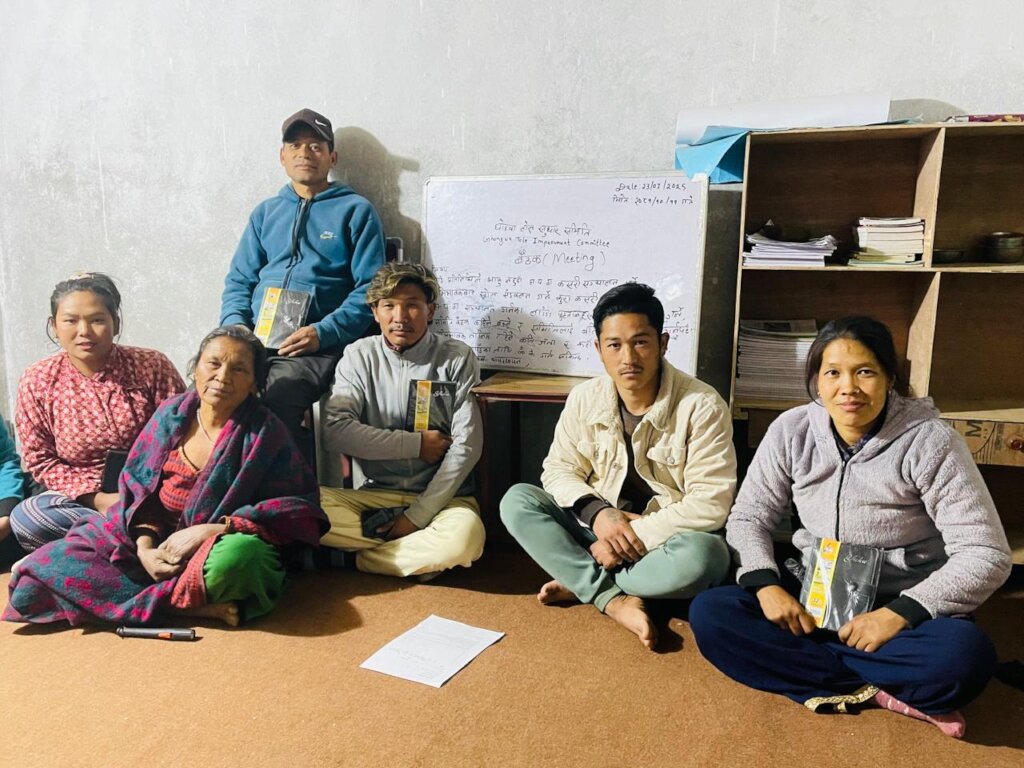
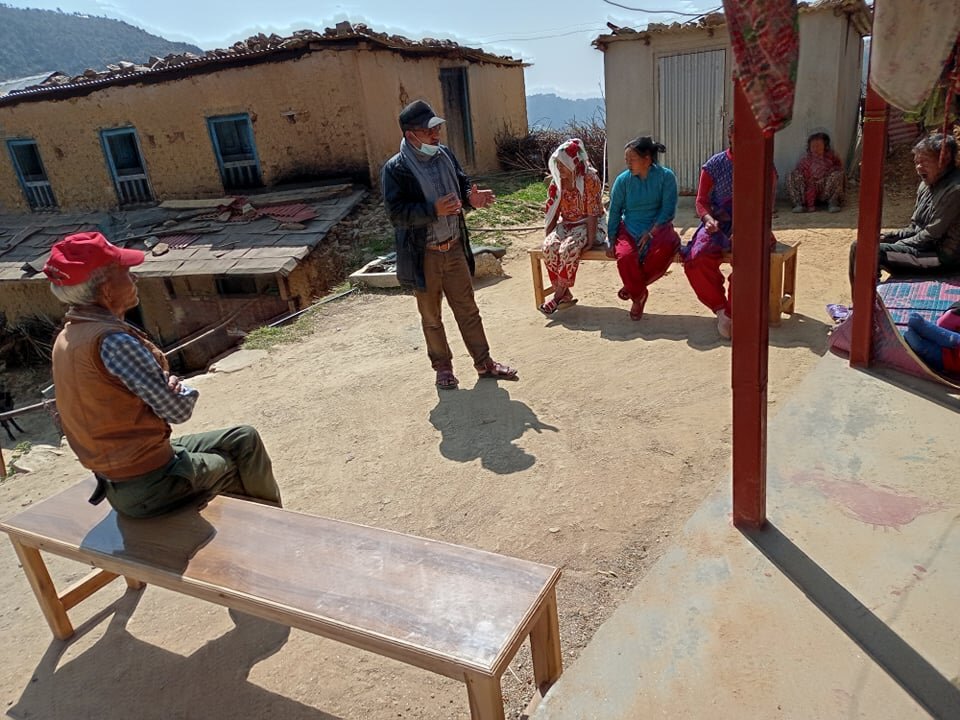
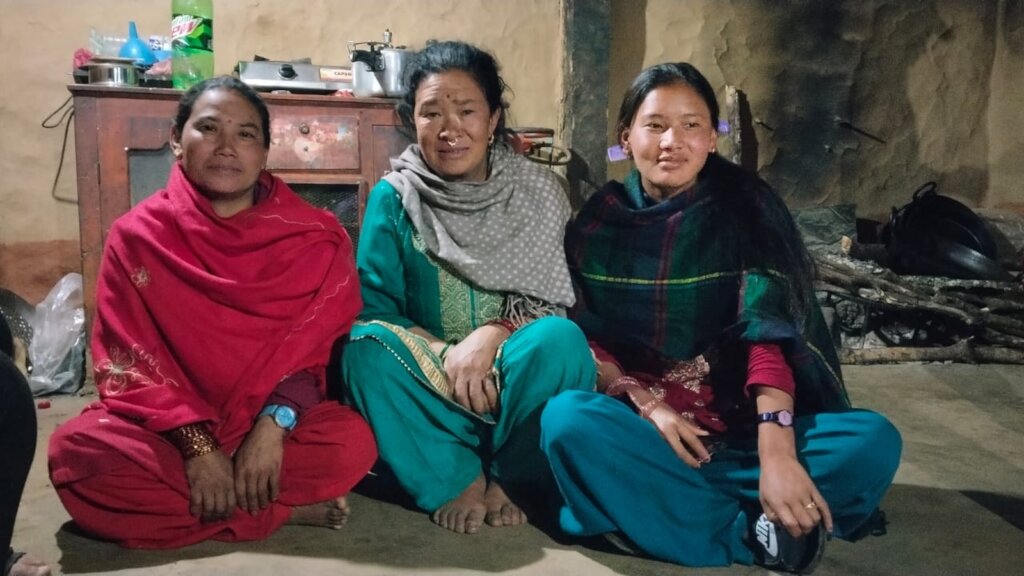
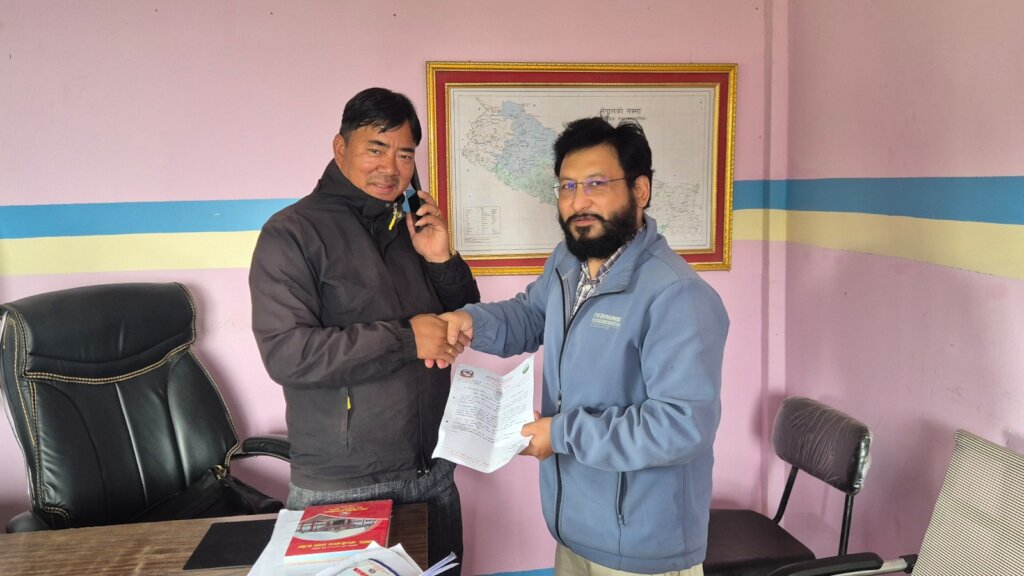
When a local committee was formed, the ward chairperson personally attended. Later, committee members participated in a municipal-level meeting. This was significant because the invitation had been directed to Console Mission, yet our goal was to strengthen local leadership by encouraging community representatives to participate themselves.
The municipality and ward office did not expect the committee members to engage at that level. Their participation demonstrated growing confidence and ownership among local people, which has always been a core objective of the Our Study Place model.
Later, the ward chairperson advised that activities should remain focused primarily on educational support, reflecting the community's recognition of the value of the initiative.
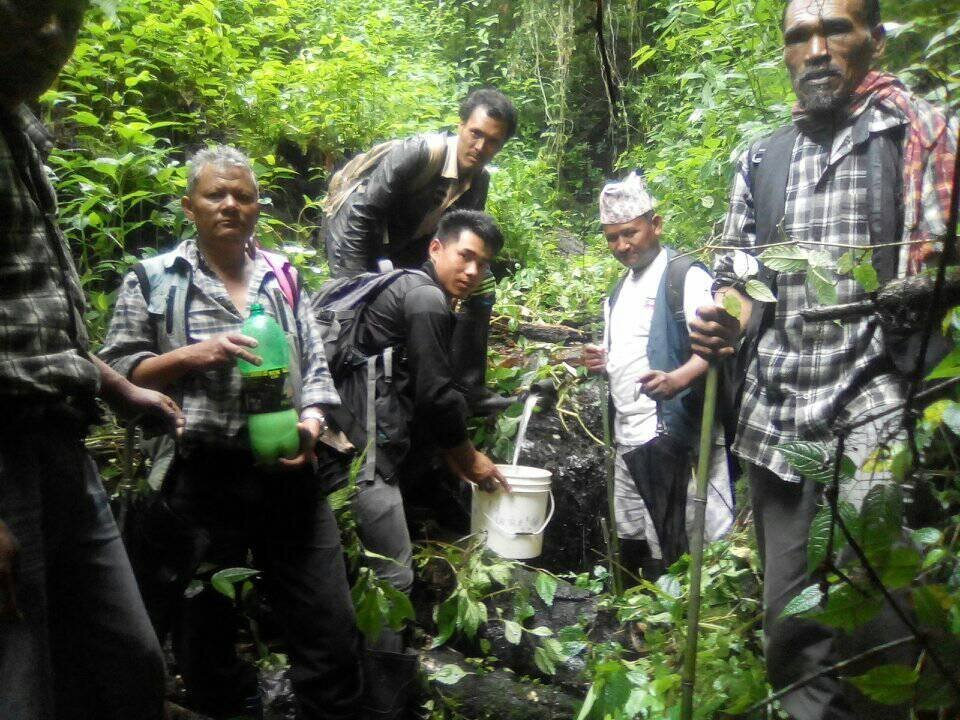
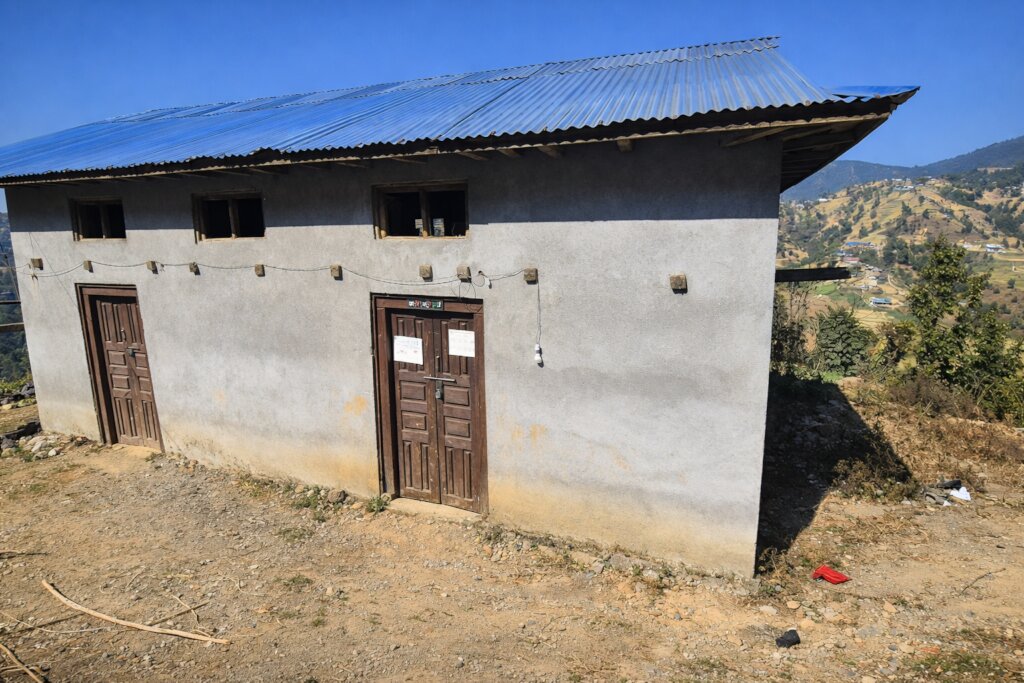
ChallengesFollowing the handbook and orientation process, Console Mission supported the establishment of two additional learning centers in Ghurdum and Ghongwa.
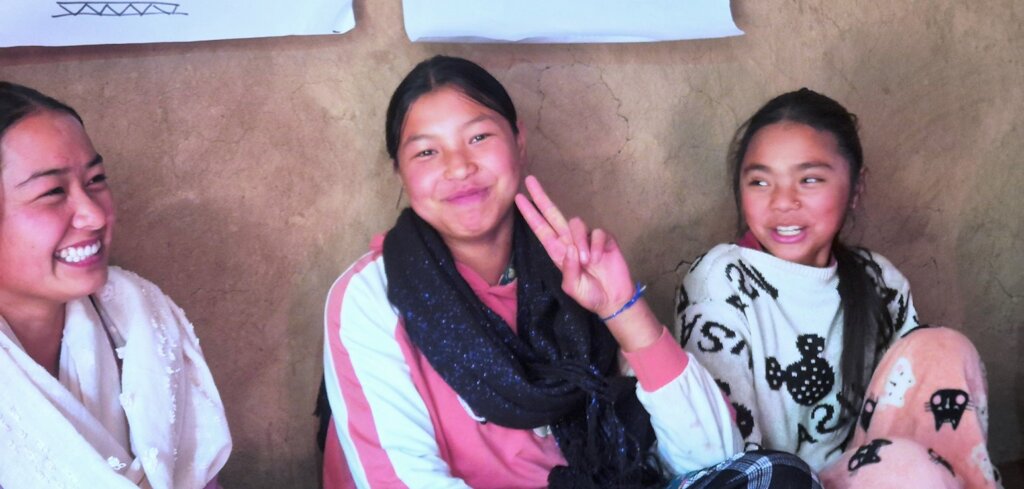
A dedicated young woman from Ghongwa eventually supported both villages and was appointed as staff because of her commitment. Tragically, in 2025, she was involved in a road accident and later passed away after being in a coma.
Her loss deeply affected the communities and created misunderstandings that slowed community participation and local leadership development. While communication from local committees has recently resumed, rebuilding trust and momentum continues to require patience.
Console Mission has continued visiting Ghurdum, maintaining communication with Ghongwa, providing parenting training, and searching for suitable community members who can take on leadership responsibilities.
Looking AheadDespite the challenges, Console Mission continues educational support for three students, one from Ghongwa and two from Ghurdum.
Our priorities are to strengthen existing community groups, identify and mentor local leaders, support parents in valuing education, and continue using Nayagaon as a demonstration model for other wards.
Why This MattersThe experience of Nayagaon has shown that preventing children from risks requires more than scholarships. Children need encouragement, positive role models, supportive parents, and communities that value learning.
Although Nayagaon is only one ward among eighteen, its influence has reached many neighboring communities. It has demonstrated that local people can take responsibility for children's development and create meaningful change.
The journey has included success, loss, learning, and perseverance. Yet the spark that began with a small team in 2018 continues to shine through children who remain in school, parents who better understand their responsibilities, and communities that are gradually becoming part of the solution.
With continued support and local leadership, we believe this model can help even more children build safer and brighter futures.
Links:
By Prashanta Shrestha | Project Leader
By Sony Shah Hamal | Project Leader
Project reports on GlobalGiving are posted directly to globalgiving.org by Project Leaders as they are completed, generally every 3-4 months. To protect the integrity of these documents, GlobalGiving does not alter them; therefore you may find some language or formatting issues.
If you donate to this project or have donated to this project, you can receive an email when this project posts a report. You can also subscribe for reports without donating.



Support this important cause by creating a personalized fundraising page.
Start a Fundraiser