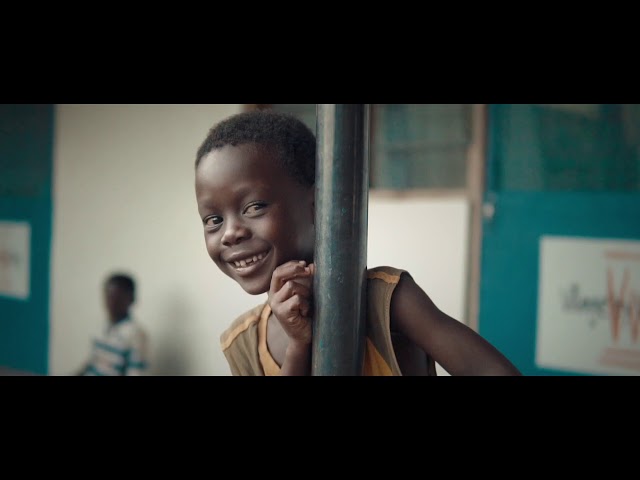
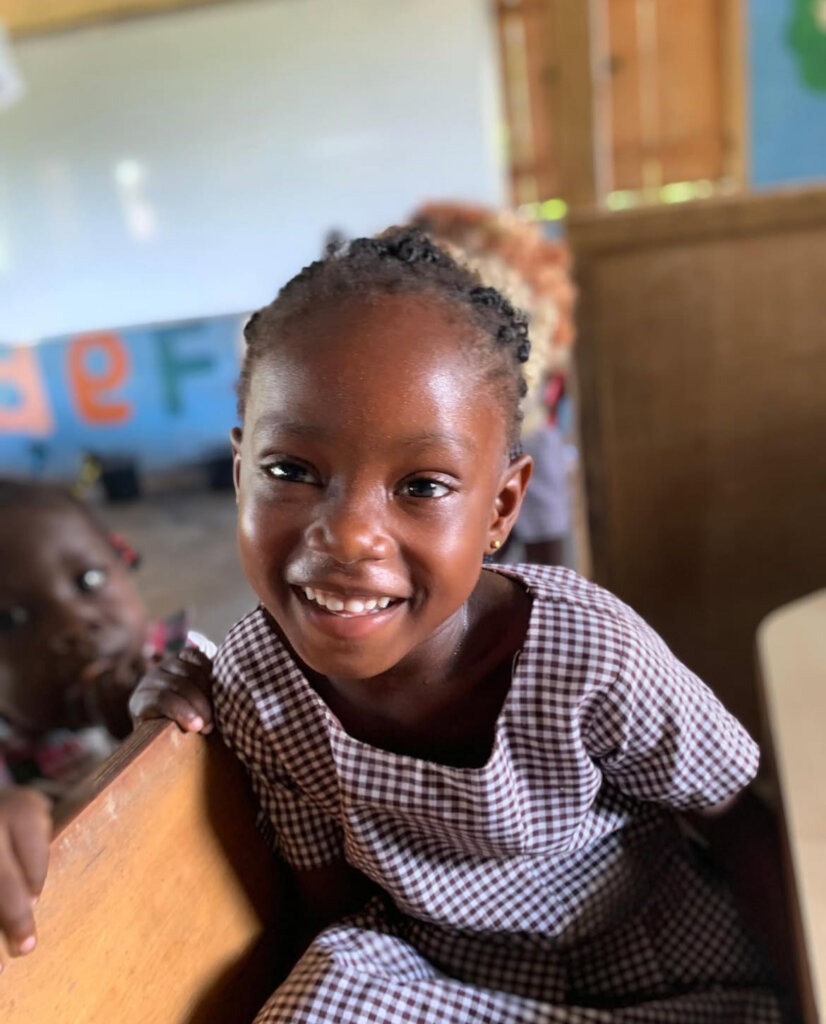
Four months on, we are encouraged by the steady progress and deepening impact of our Early Years Education Programme in rural Ghana.
In many remote villages where we work, parents have had limited access to formal education and may not have been exposed to early childhood development practices or ways to stimulate learning at home. Without support during the earliest years, children often begin primary school already behind—struggling with language, social-emotional development, and basic health and hygiene habits. Over time, these early gaps can lead to weaker academic outcomes, poorer health, and the continuation of intergenerational poverty.
We continue to emphasise that the first five years of life are a critical window for brain development. During this period, cognitive, social, and emotional foundations are formed. Investment at this stage has proven long-term returns—not only for individual children, but for families, communities, and the wider economy.
Progress and Reach
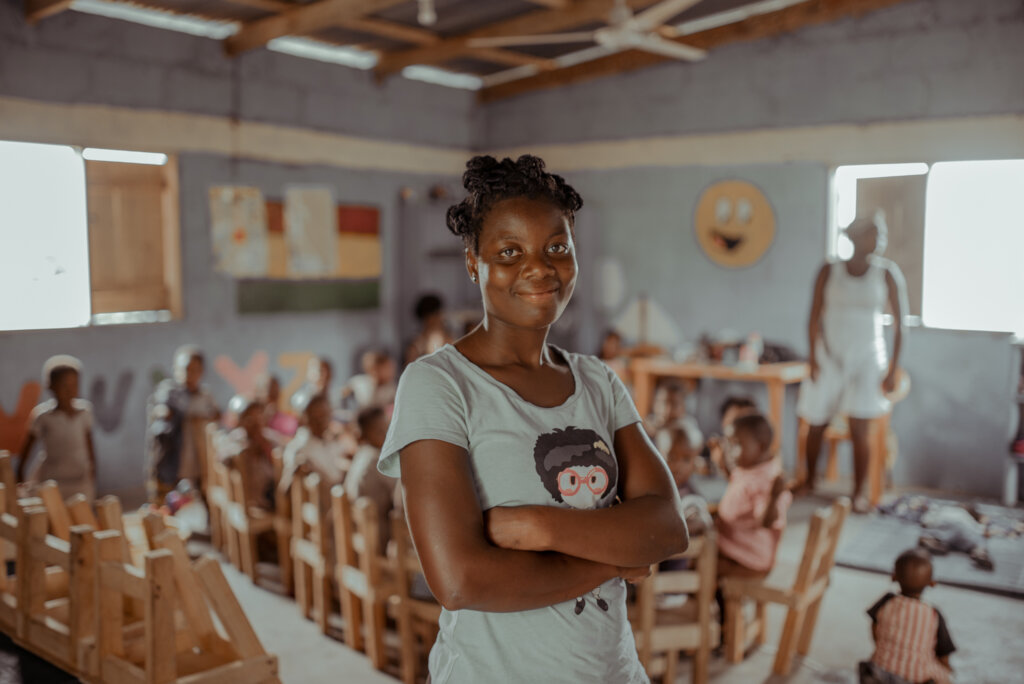
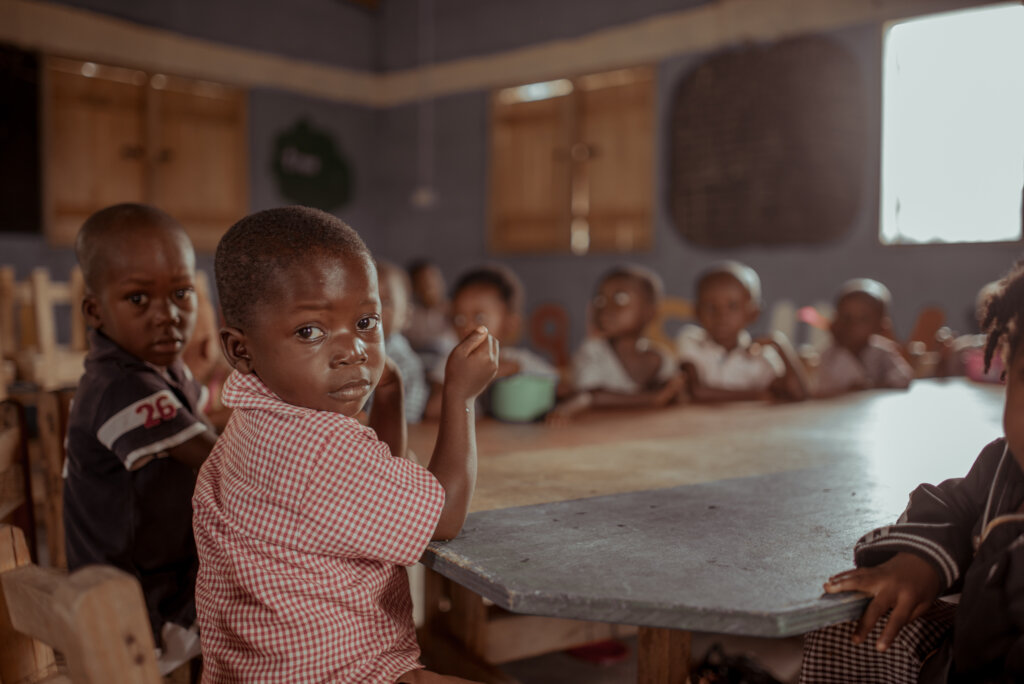
To date, we have established four preschools for children under age four and five kindergartens serving rural communities: Abenta, Aboabo, Anamenampa, Gboloo Kofi, Morso, and Obom. We directly manage three of the preschools, ensuring consistent quality, safeguarding, and strong local accountability.
Over the past four months:
-
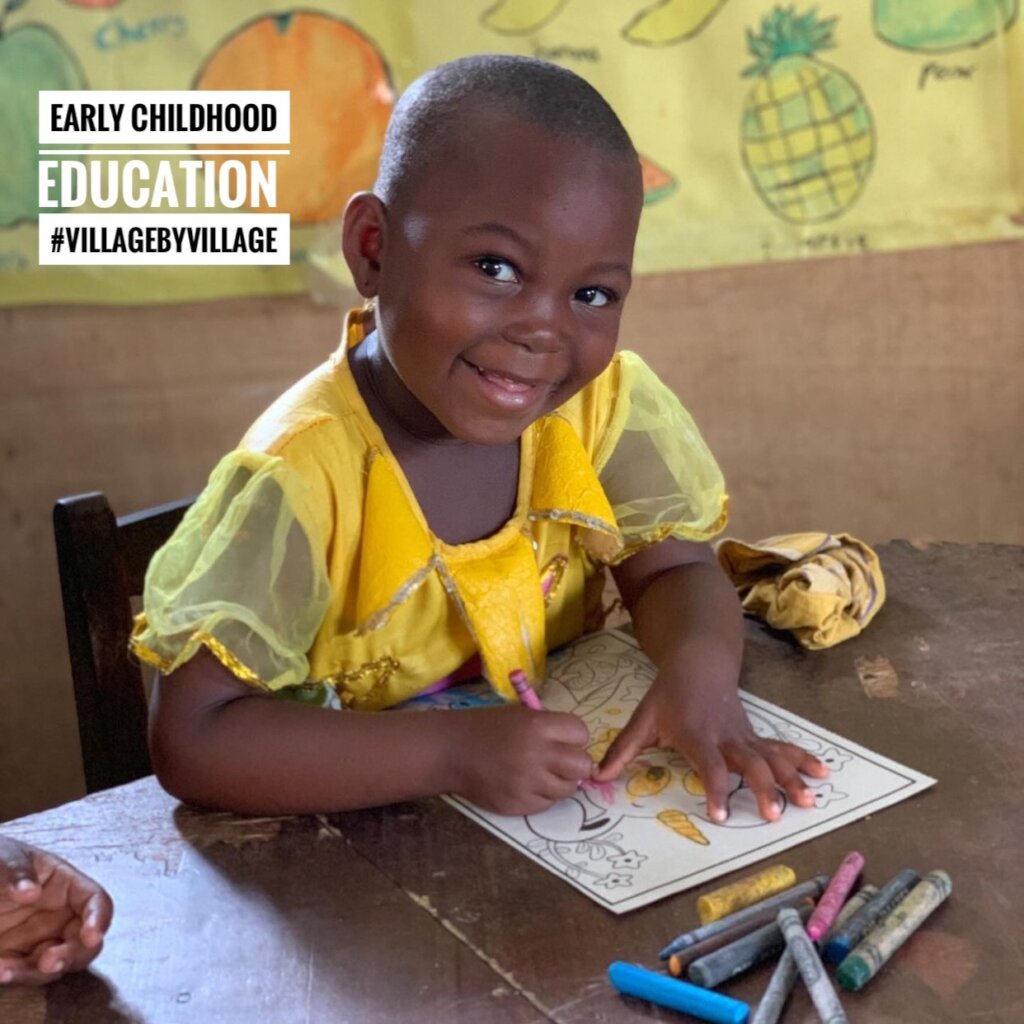
Children have continued to engage in structured play-based learning, using games and creative activities to strengthen cognitive, language, and socio-emotional skills.
-
Health and hygiene education remains embedded in daily sessions, including supervised hand-washing routines and basic health awareness.
-
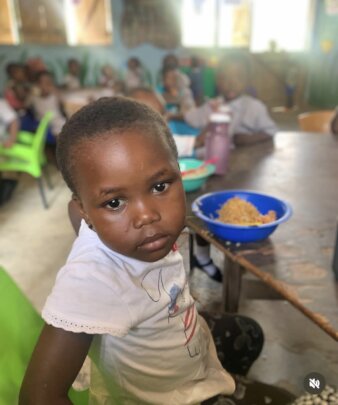
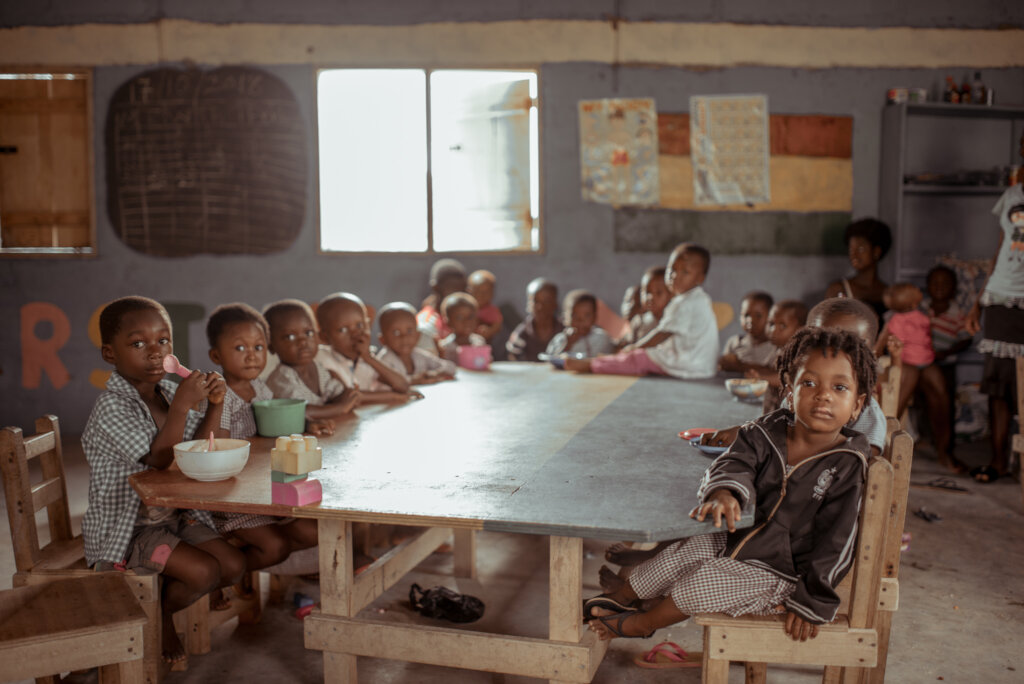
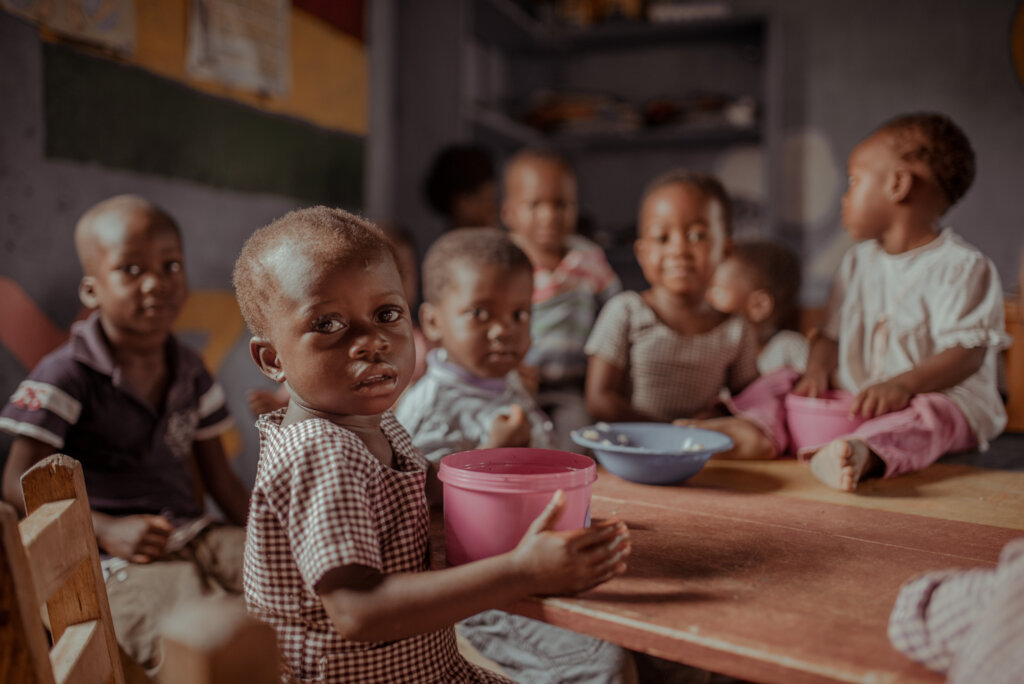
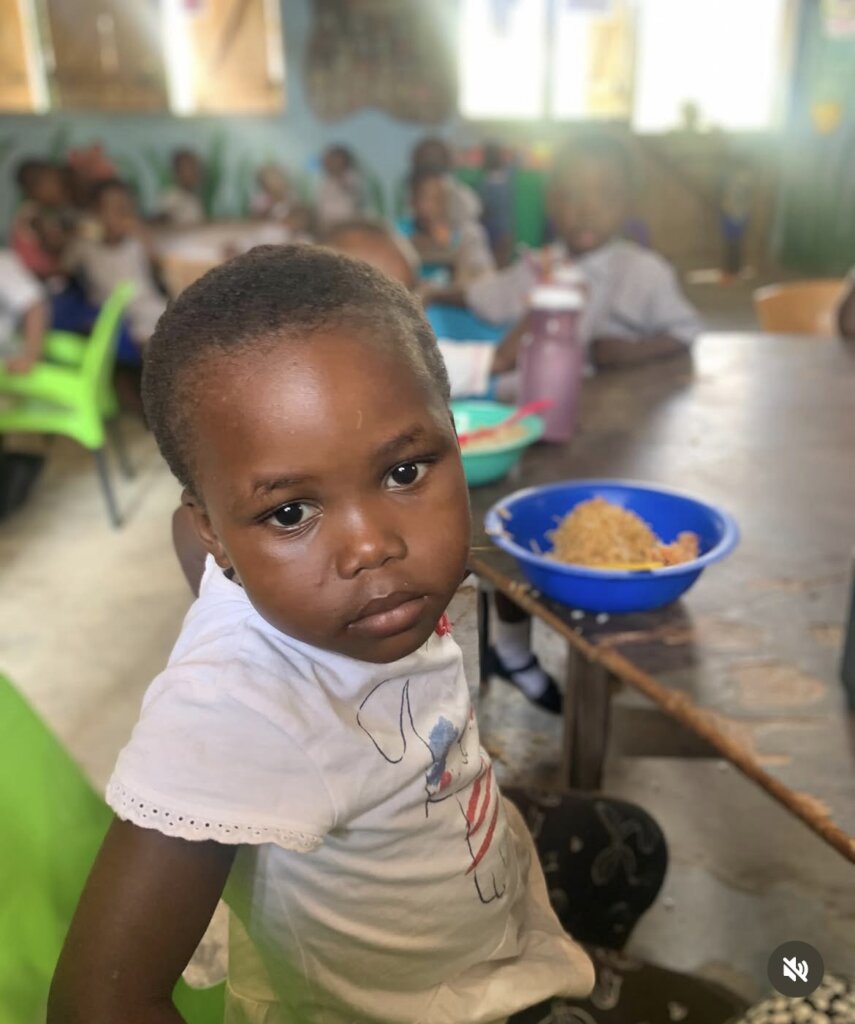
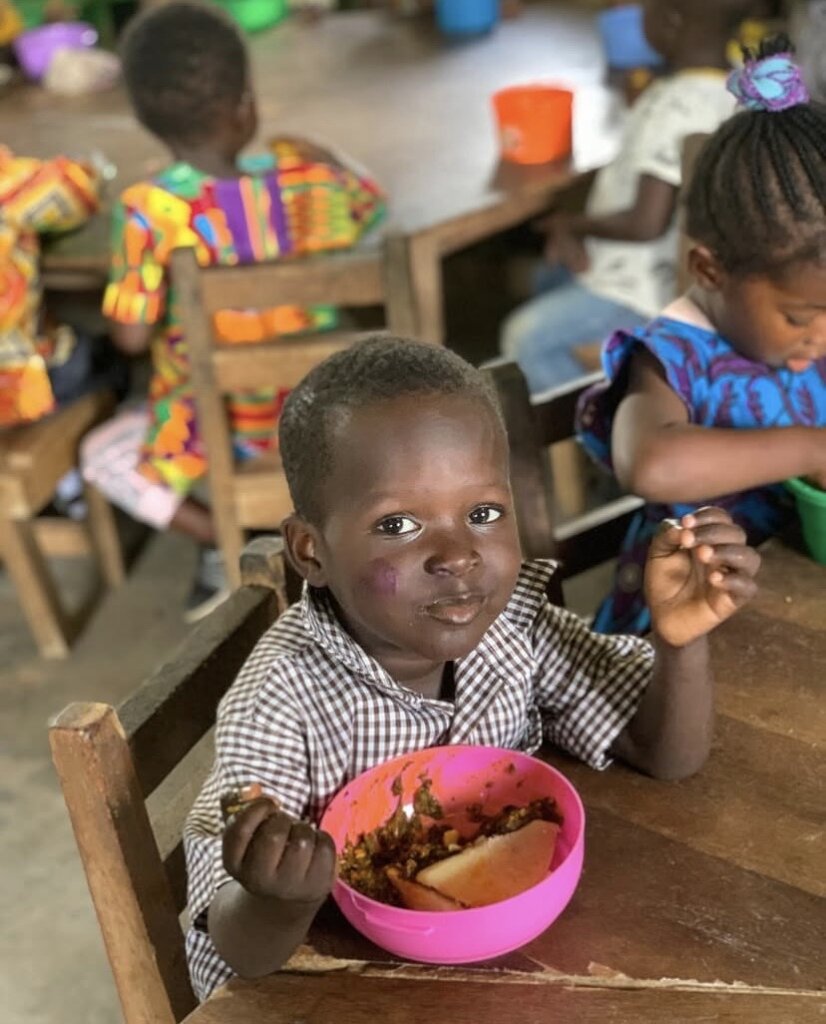
Our feeding programme has supported regular attendance while improving nutrition for our youngest learners—an essential foundation for concentration and healthy growth.
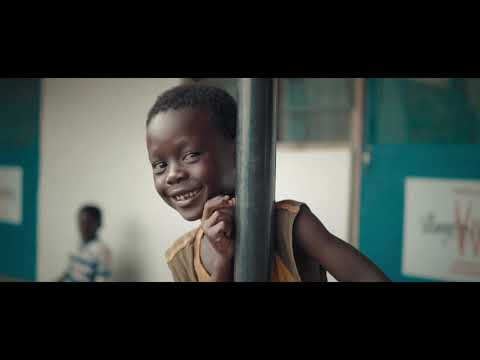
Teachers report noticeable improvements in children’s confidence, vocabulary, peer interaction, and readiness for transition into primary school.
Our Approach
Play-based learning: Children learn through guided games, storytelling, songs, and group activities that develop language, early numeracy, problem-solving, and social skills.
Health and hygiene integration: By incorporating hygiene habits into everyday routines, we help children build lifelong practices that support well-being and school readiness.
Nutrition support: Regular meals encourage attendance and address short-term hunger that can otherwise hinder learning.
Community leadership: Our Ghana-registered organisation is led by former beneficiaries, and staff are recruited locally. Projects are designed collaboratively with the communities they serve, ensuring cultural relevance, trust, and long-term sustainability.
Volunteer support: Volunteers complement teacher-led instruction, offering additional attention and enrichment activities that enhance classroom engagement.
Looking Ahead
Our early childhood education initiatives remain a strategically targeted investment in rural Ghana’s future. By addressing foundational developmental needs before age five, we are tackling one of the root causes of educational disadvantage.
Ongoing monitoring, teacher training, local capacity building, and financial sustainability planning remain priorities as we move forward. The progress we have seen in just four months reinforces our belief that when communities lead and children are supported early, the long-term benefits—for school performance, lifetime earnings, and community empowerment—are profound.
We are deeply grateful for the continued partnership of supporters who make this work possible.