By Teryn Wolfe | Director
Peace is, in its essence, a state of non-war. In the end of 2016, the Colombia Government and the FARC ended one fo the worlds longest-standing civil wars, and now the country is focused on post-war peacebuilding efforts.
However, if we stick to the previous definition of peace-- Colombia is not a country at peace. 50 + years of warfare, violence and retaliation; illegal financing through drug trafficking and other illegal activities and the aftermath of local communities who lost their livelihoods, families and are left with no hope means that the road to peace is long-- and getting there requires strength, hope and courage.
We also believe that it requires the appropriate attitudes, tools and information directly from the people who simply need peace. Access to an environment of peaceful coexistence to live your life is a basic human right, and it essential to other kinds of human development. We believe from evidence we have collected in the field that "Peace" is not a workshop;it is not a piece of paper or a monument. (Side note: we do believe that these actions and represnetations of reconciliation and peace are important-- but are only one piece to the puzzle of peace building). It manifests itself in our every day behavior which sum to collective actions that define our futures.
Regardless, often during government or other organizational interventions, local communities are not consulted on what peace means for them and what is the best way to build it in their regional, local, and micro-context.This leads to a loss of important funds, of trust between local communities, governments and other entities; as well as a frustration on all sides which makes real peace seem intangible and unattainable.
We know that we can solve this.
And we have already started.
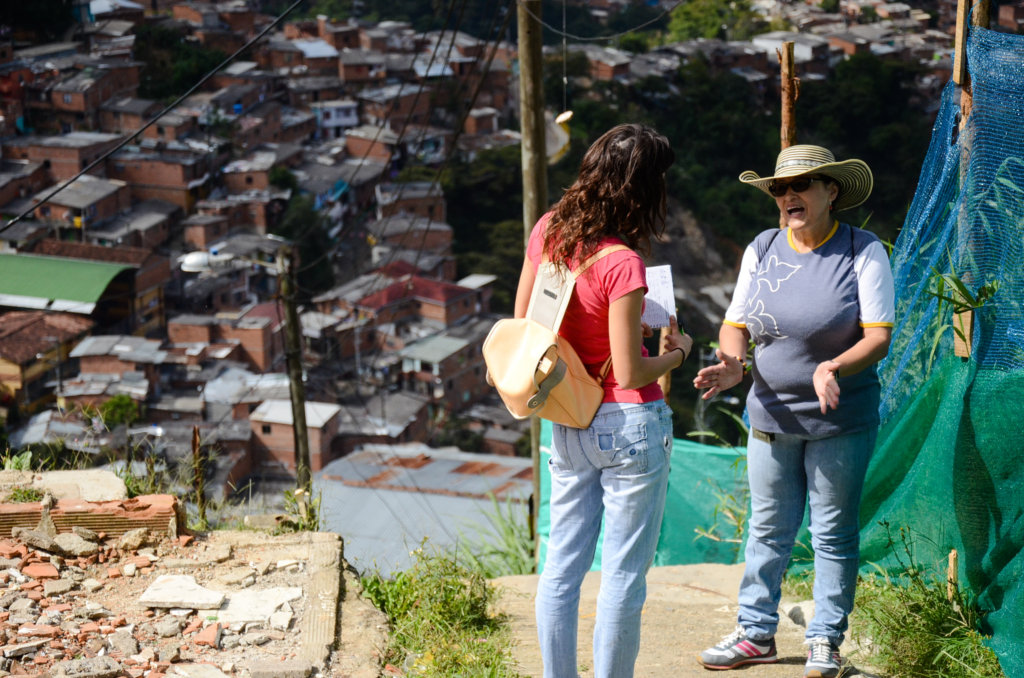
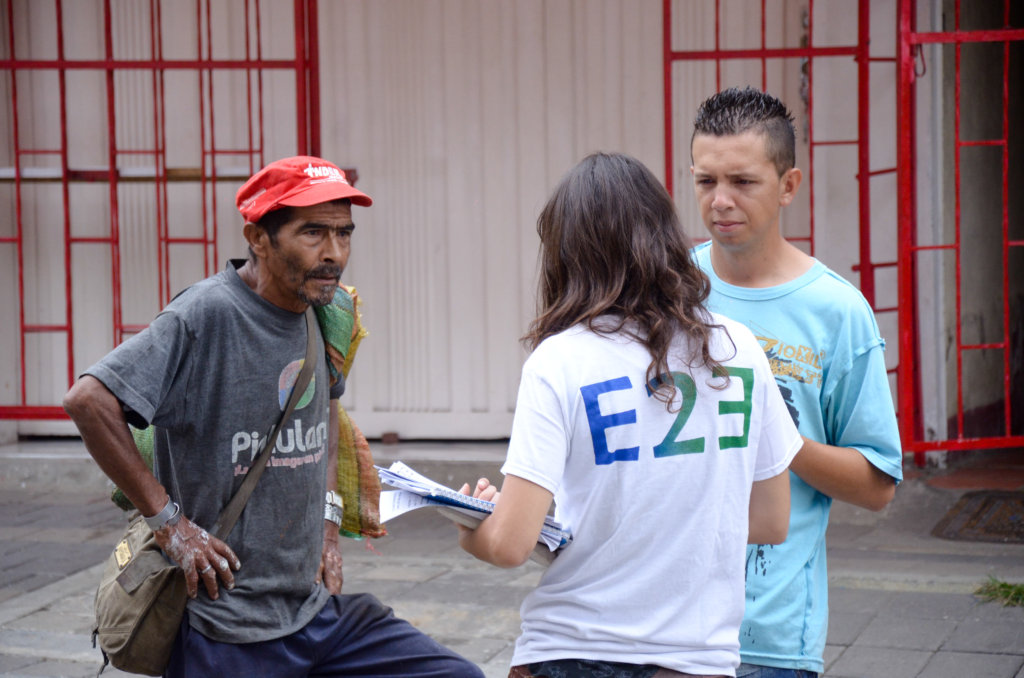
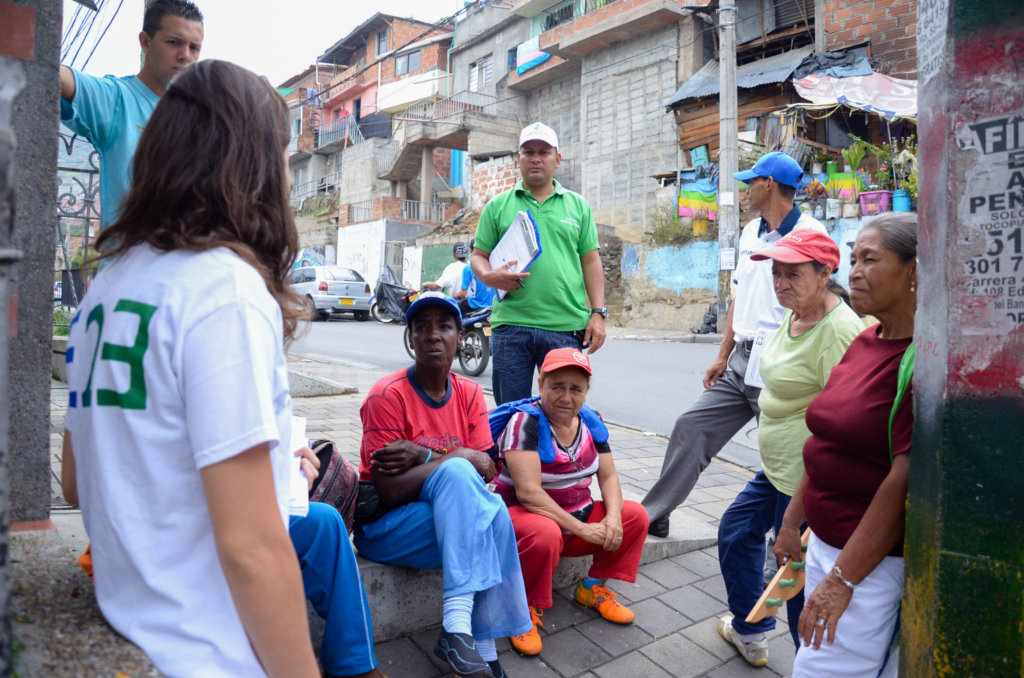
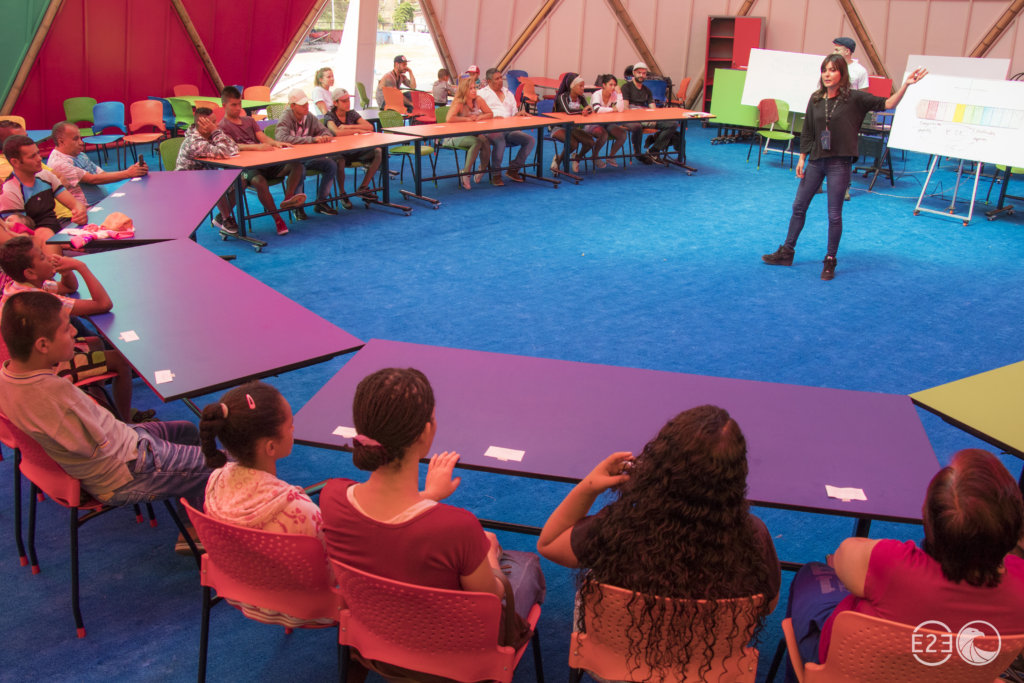
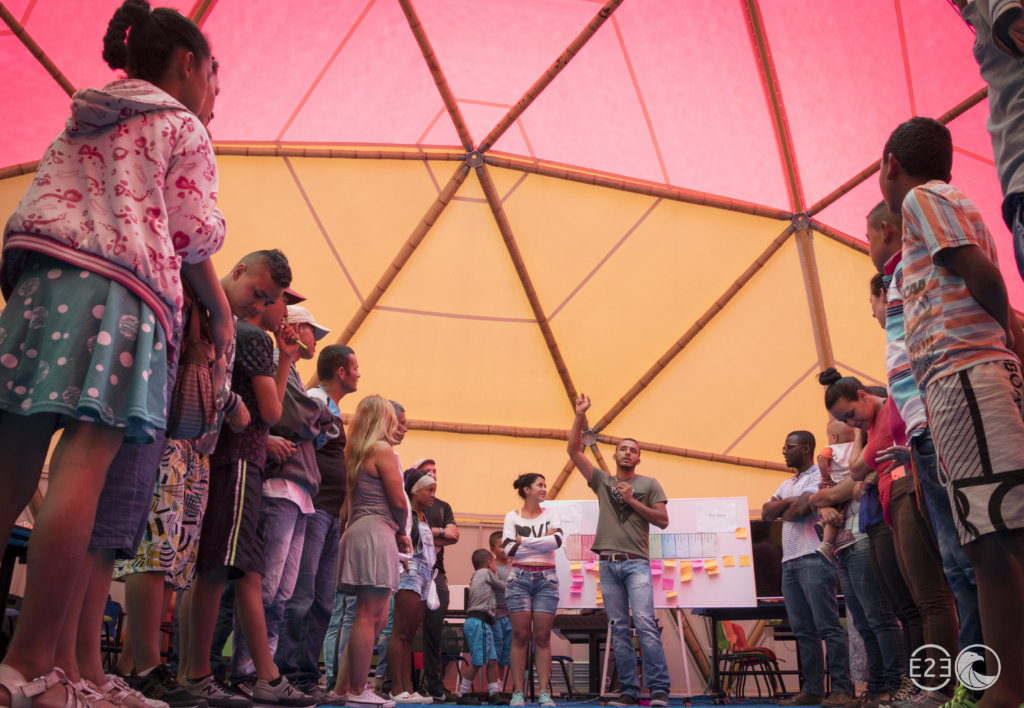
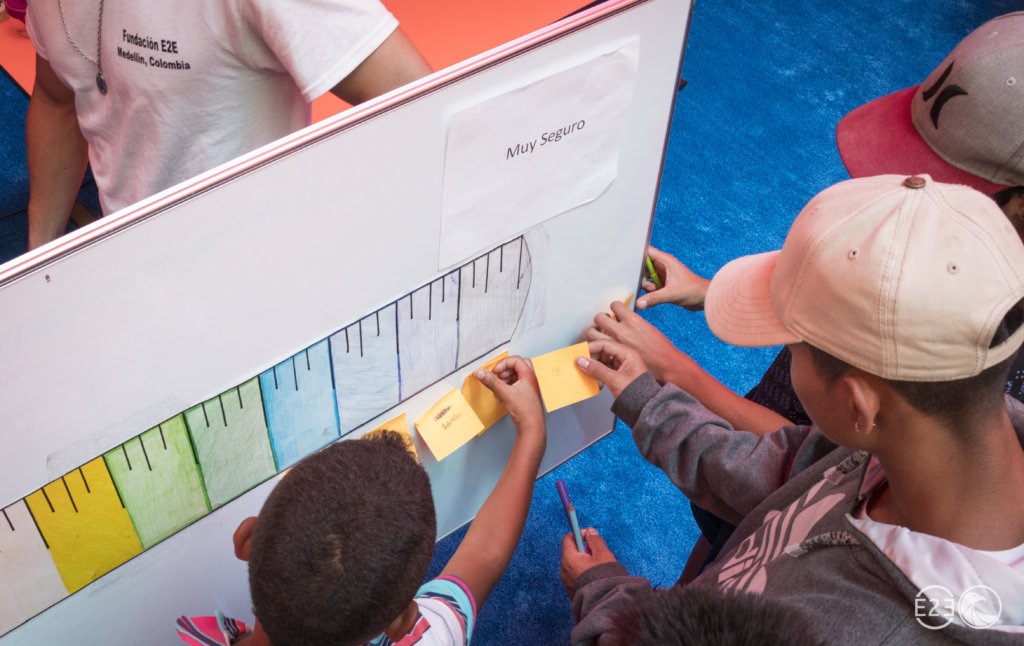
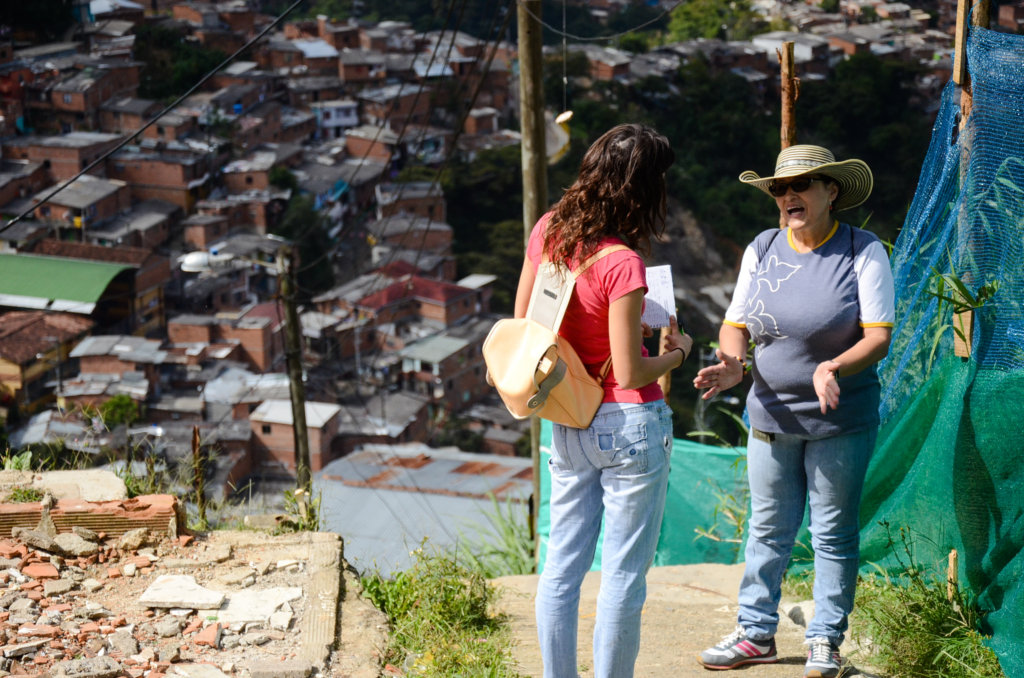
Between E2E and Measurement Matters, last year we began a partnership to work with local communities with the purpose of understanding what drives every day peace. We did this by carefully designing a series of experiments that we implemented in positive, activity-based and anonymous atmospheres in tough neighborhoods around Medellín. The data that we collect through what was said, written and observed is triangulated with other socioeconomic data, which gives us the quantitative and qualitative information we need to build a logical story on how peace is built in that particular community.
Which is often very different depending on the neighborhood and context. However, regardless of the differences, we are identifying them, saving them, and then picking out common threads to create categories of indicators to measure what matters for the communities that need peace, and giving them the practical steps and recommendations to build it.
What do we do with the data?
We give it right back to the commuity so that they can use it for their own projects and programs.
We also dream of turning this study into a database and a practical manual for the social sector in Colombia, so that we can provide, without cost, access to data that can create meaningful changes, restore hope and build communities that live in peaceful coexistence in Colombia.
What is next?
We are actively looking for partners for this project. Please contact us to see how you can get involved!
Links:
By Teryn Wolfe | Director
By Teryn Wolfe | Director
Project reports on GlobalGiving are posted directly to globalgiving.org by Project Leaders as they are completed, generally every 3-4 months. To protect the integrity of these documents, GlobalGiving does not alter them; therefore you may find some language or formatting issues.
If you donate to this project or have donated to this project, you can receive an email when this project posts a report. You can also subscribe for reports without donating.