By Frederika Hazeova | Communications and Fundraising Manager, IPcko
Dear friends,
Thank you for standing with us through what has been one of the most demanding periods in our work. Your support is what allows us to be there — not only every day of the year, whenever we are needed, but also on the hardest days — the days when tragedies happen, and in all the weeks that follow.
Here is a glimpse into what we have been doing over the past four months.
Staškov: When you no longer feel safe at school
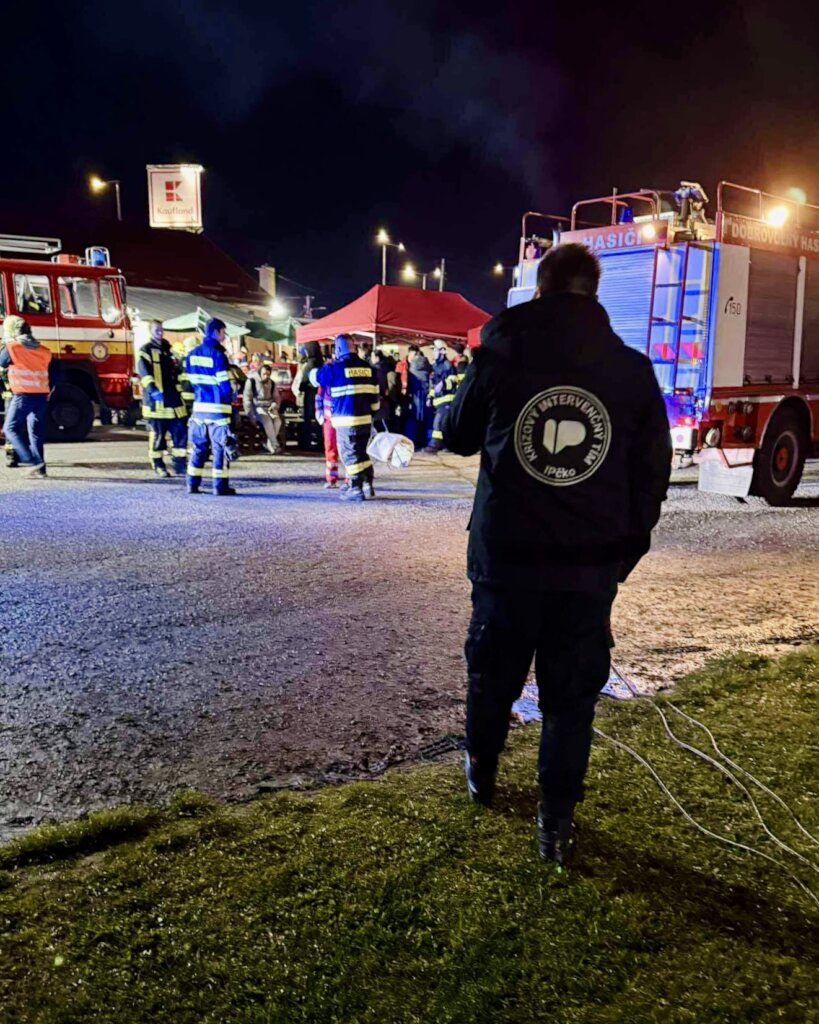
On 29 September, a tragedy struck a school in Staškov. A pupil, Nelka, and a teacher, Mrs. Bozena, lost their lives. Another teacher was seriously injured.
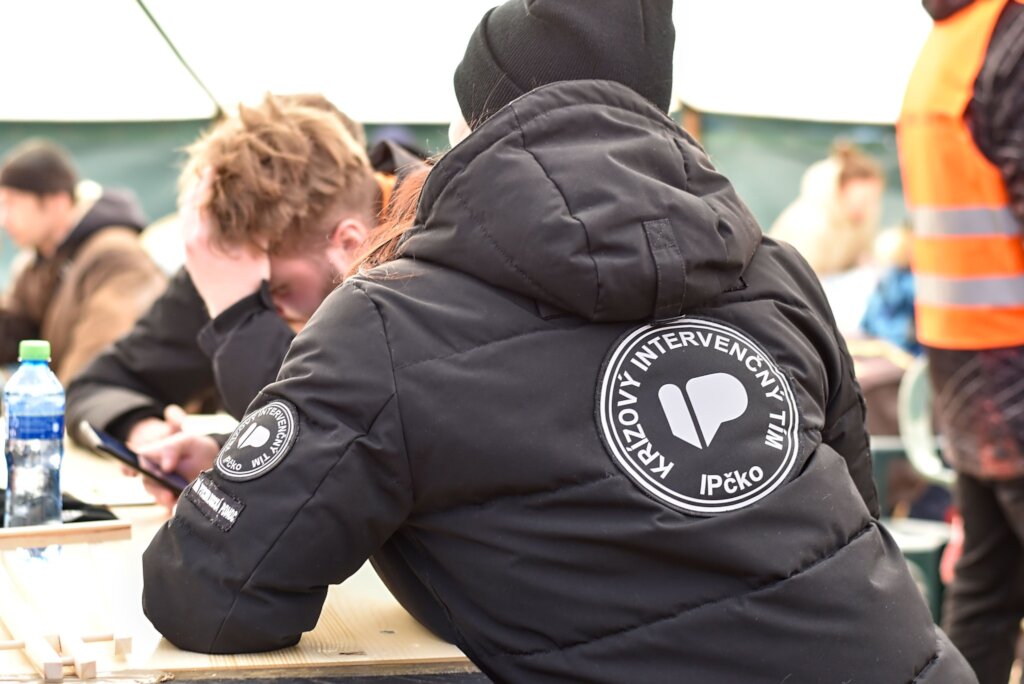
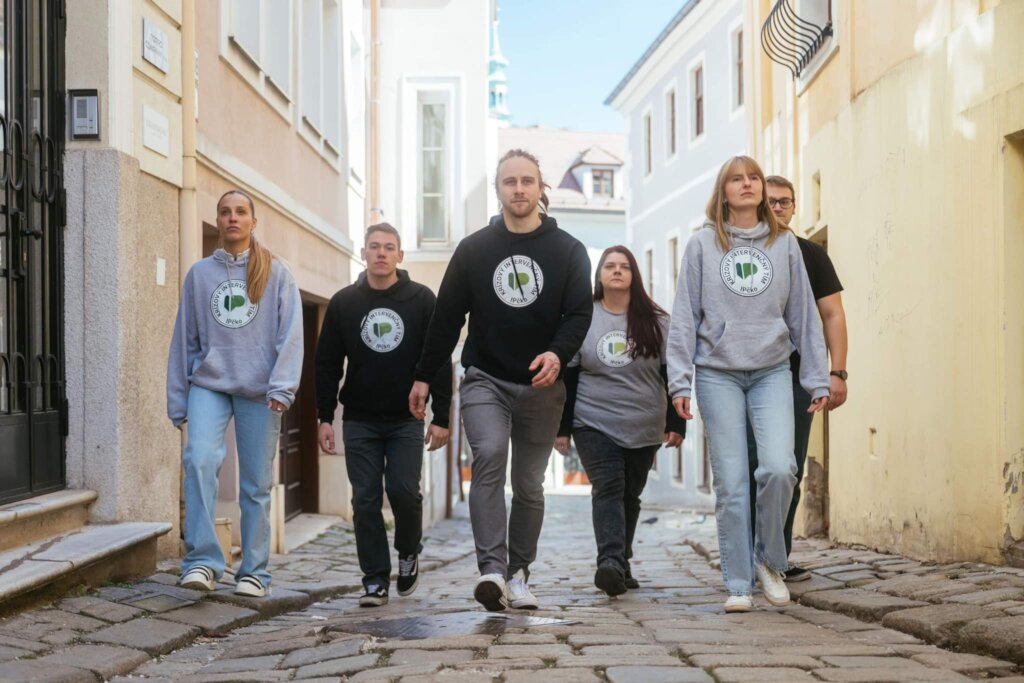
Our Crisis Intervention Team was on its way to the scene within hours, coordinating with the Ministry of Health and the Ministry of Education. Together with the local Center for Counseling and Prevention, our psychologists provided crisis intervention to children, teachers, and parents — in the first shocked hours, and then through the hard weeks that followed.
We were there for the children who saw what happened, and for those who only heard about it but could not stop imagining it. For the classmates, for the teachers, for the school’s director, who was remarkably courageous during the incident and who had to lead a community through the worst days in its history. For the families and loved ones of those who died. For the parents and for school staff who are not always thought of in these moments.
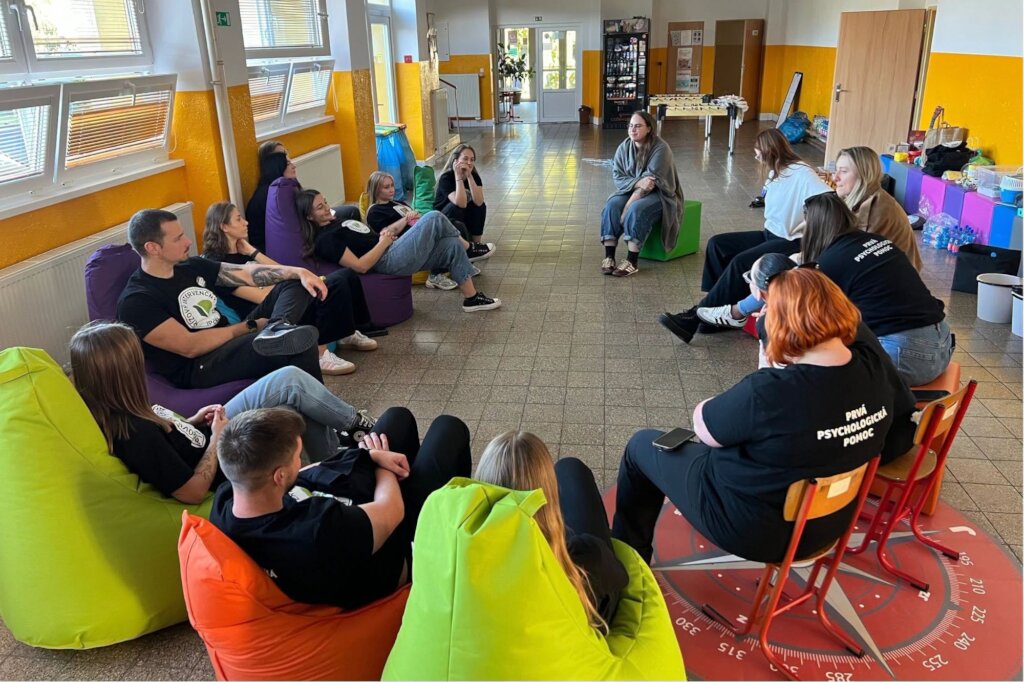
Some of them wanted to talk. Some could not yet. Some needed only to know that if the moment came, someone would be there. We stayed available to all of them — individually, in groups, on site, and through our Crisis Helpline for anyone who could not or did not want to speak face to face. We stayed for two weeks, and our work is not done yet. Because it’s not only about the first hours. Returning to a building where something terrible happened is not a single moment; it is a process. We worked with the school to prepare spaces and activities that would help children and staff carry what they had been through and make coming back possible. Every child grieves differently. Some need to talk. Some need to play. Some just need to sit somewhere that feels safe.
And we are not done yet. Crisis intervention is not a single visit on the worst day. The hardest weeks usually come afterwards, when the attention moves on and the people inside the building are still there.
Thank you for your support, which allows us to be there in these hard moments.
A new law — and our place in it
In August, the Slovak government approved a draft law that we consider an important step forward in protecting young people. Even more so in light of these last weeks.
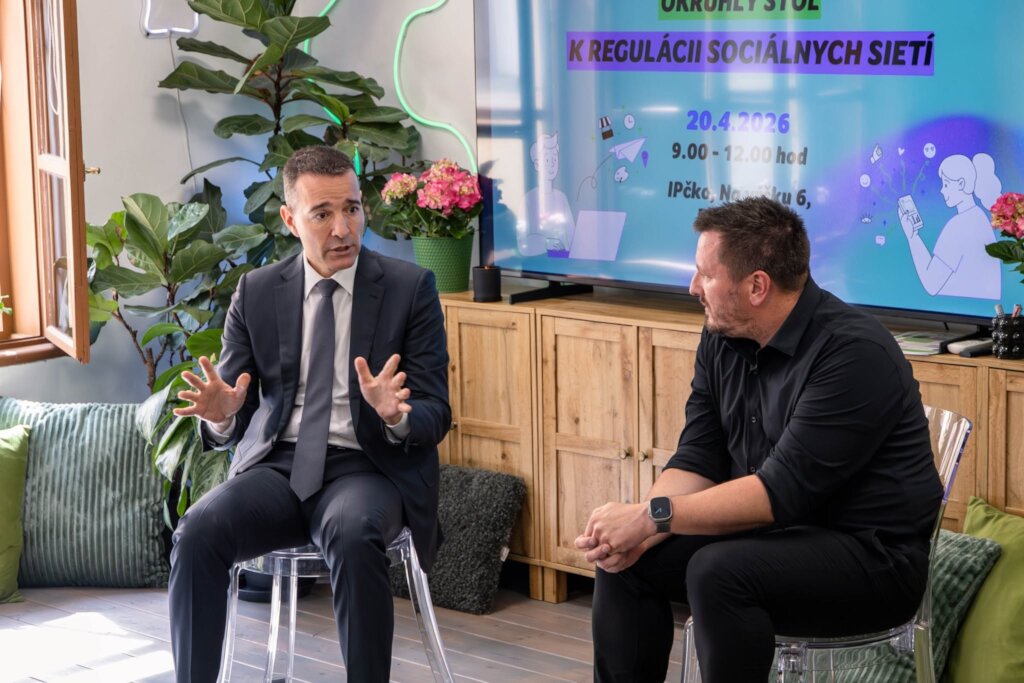
Most public attention went to the proposed age limit of 16 for social media. We want to draw attention to something we consider equally — if not more — important: the law establishes a comprehensive, coordinated system for protecting children and young people from radicalization and mobilization towards violence, connecting the national, regional, and local levels.
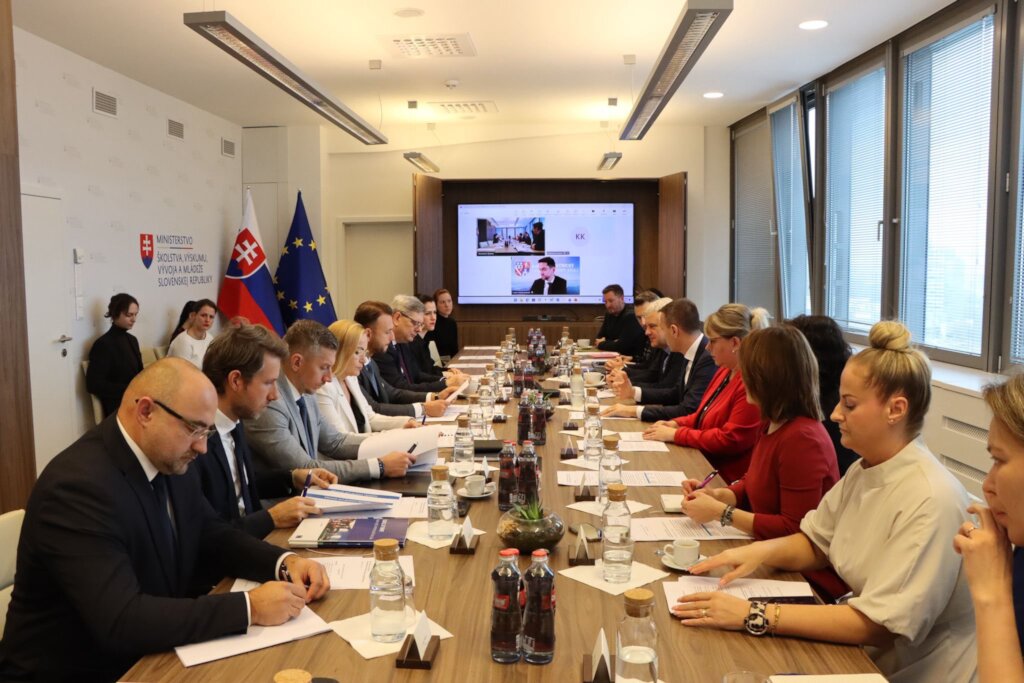
We are grateful that we were part of shaping it. We took part in several rounds of roundtables with legislators, ministers, and representatives of multiple departments who listened to practitioners, including us. Now we are waiting for Parliament to pass it.
World Suicide Prevention Day
September brought our most intensive prevention work of the year.
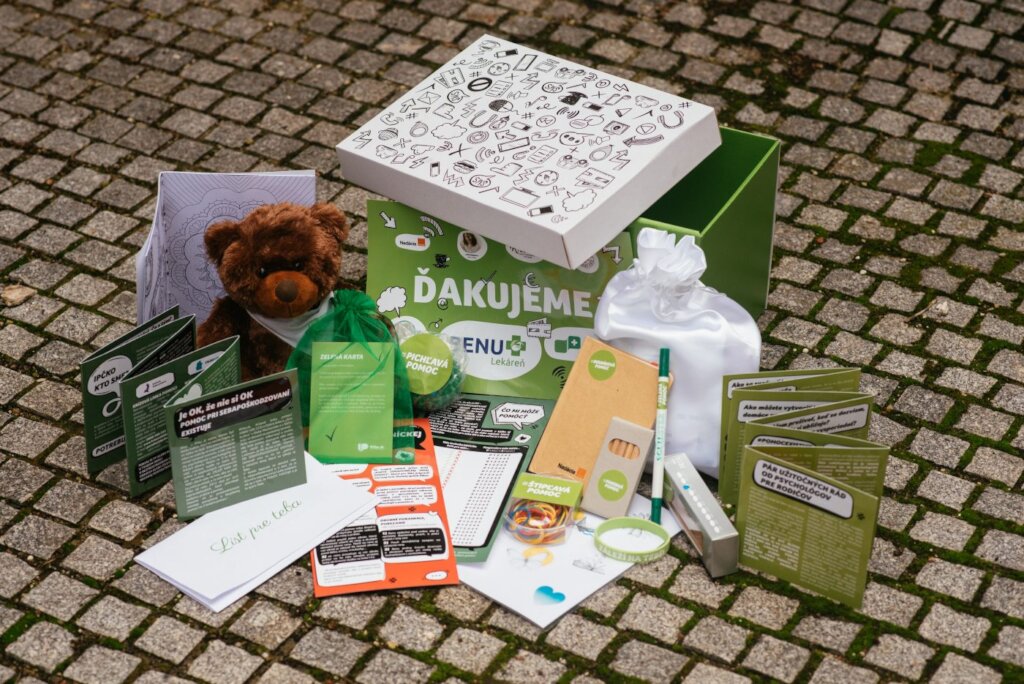
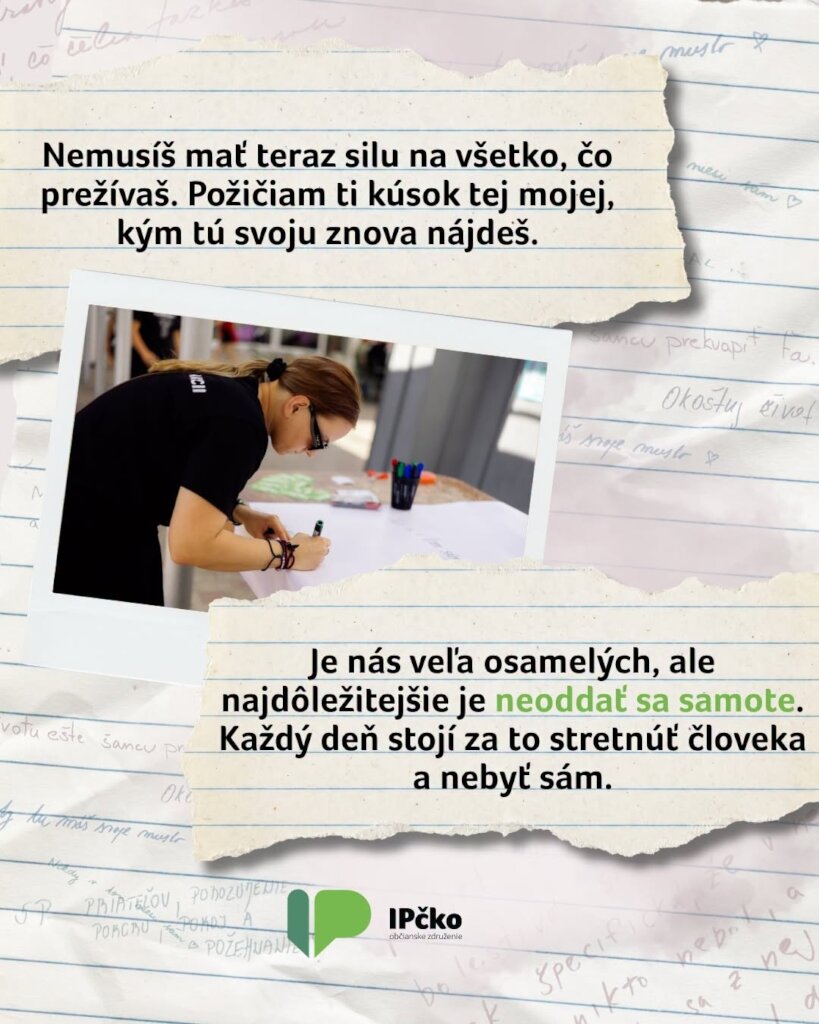
The week before, we launched a nationwide campaign built on one question, asked of people across Slovakia and shared also by influencers: What is your WHY? Your reason to continue, even when things feel unbearable? We received dozens of answers, which we continue to share. At our BODKOCIARKA festival, people left messages for strangers on a long roll of paper — reasons to give tomorrow a chance. We shared them onward, because sometimes a stranger’s sentence can be the one a person in crisis can hold on to.
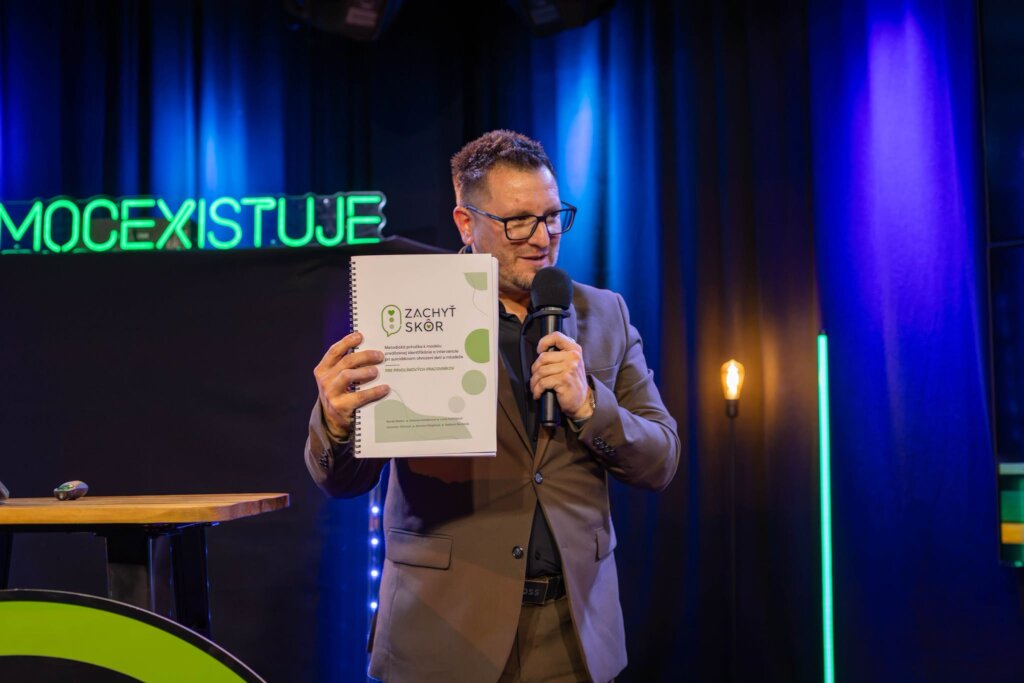
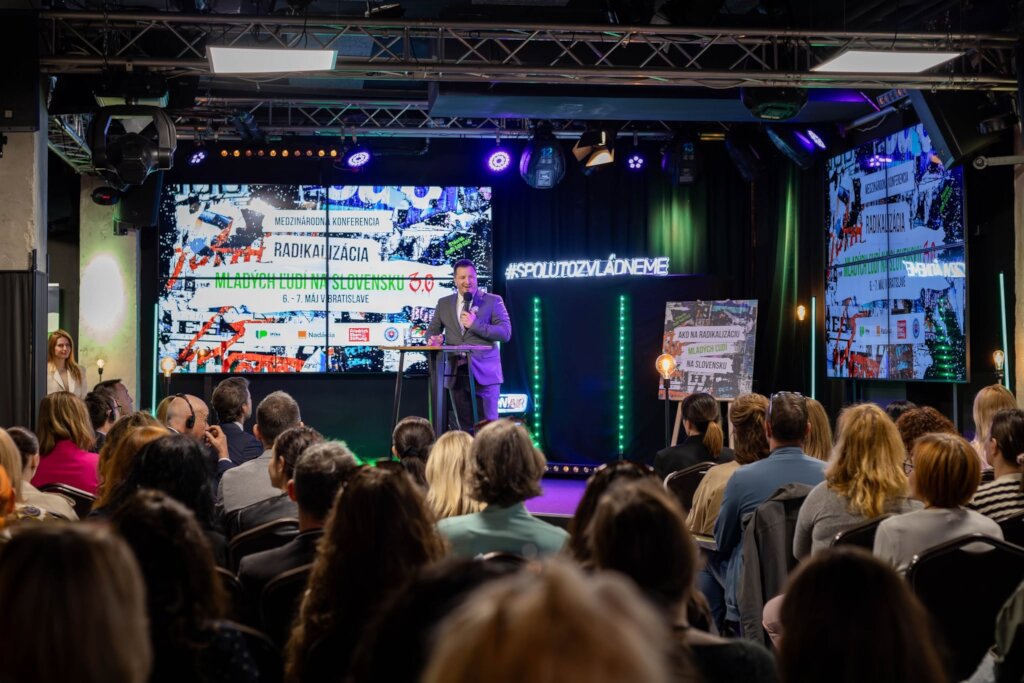
We organized an international conference on suicidality, bringing together experts from various countries. At the conference, and then publicly on World Suicide Prevention Day, we introduced our new methodology, ZACHYT SKÔR (“Catch It Earlier”). Its premise is simple: suicide prevention does not begin in a psychiatric clinic. It begins in a classroom where a teacher notices that a pupil has not been herself for two weeks. In a counseling room where a child says for the first time that something is wrong. At a sports club where a coach sees a change.
The methodology is built for the people who are with children every day. It offers concrete tools and a clear five-step procedure. We are now preparing trainings so professionals can learn to work with it, and we will test and refine it in practice. The Minister of Health attended our media briefing and intends to support its introduction into the system.
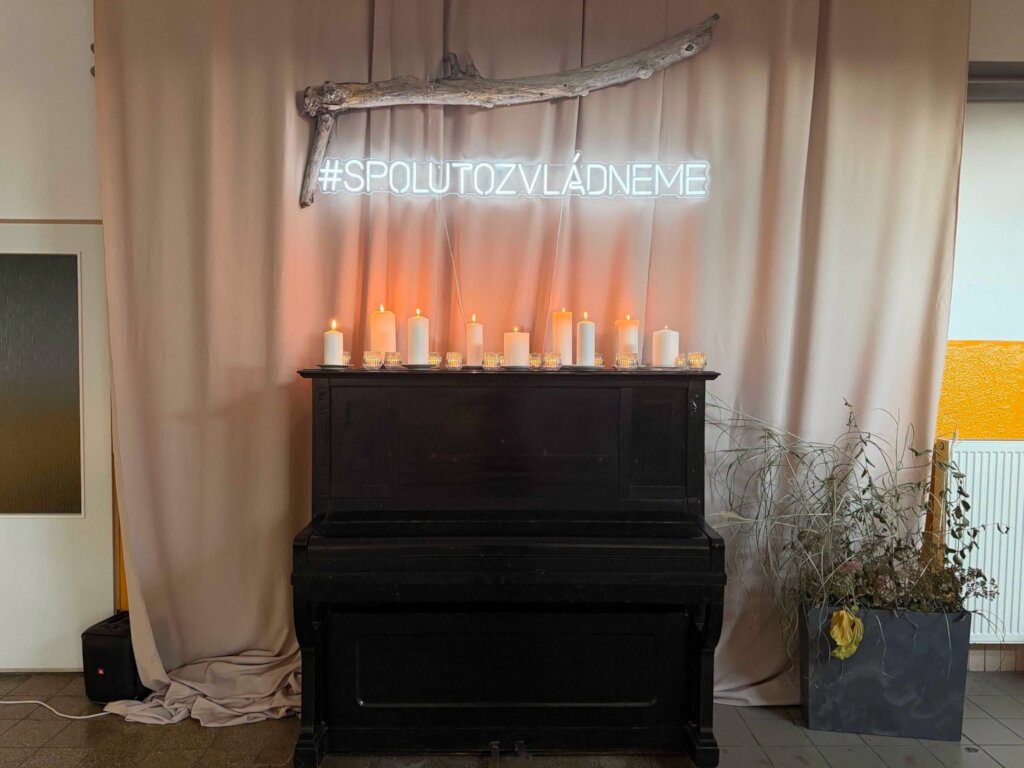
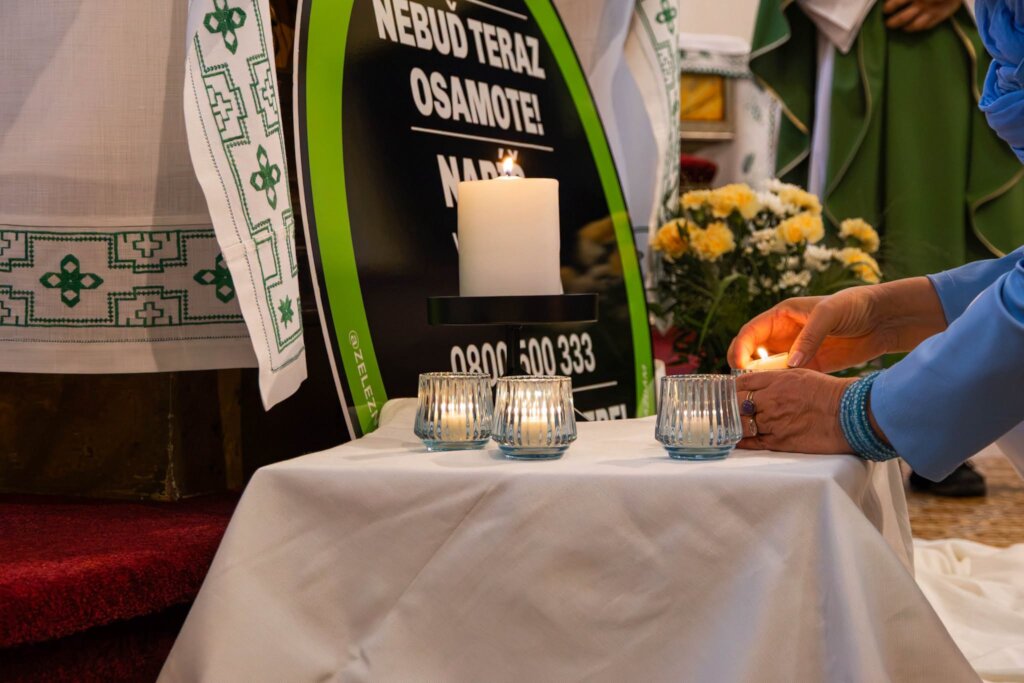
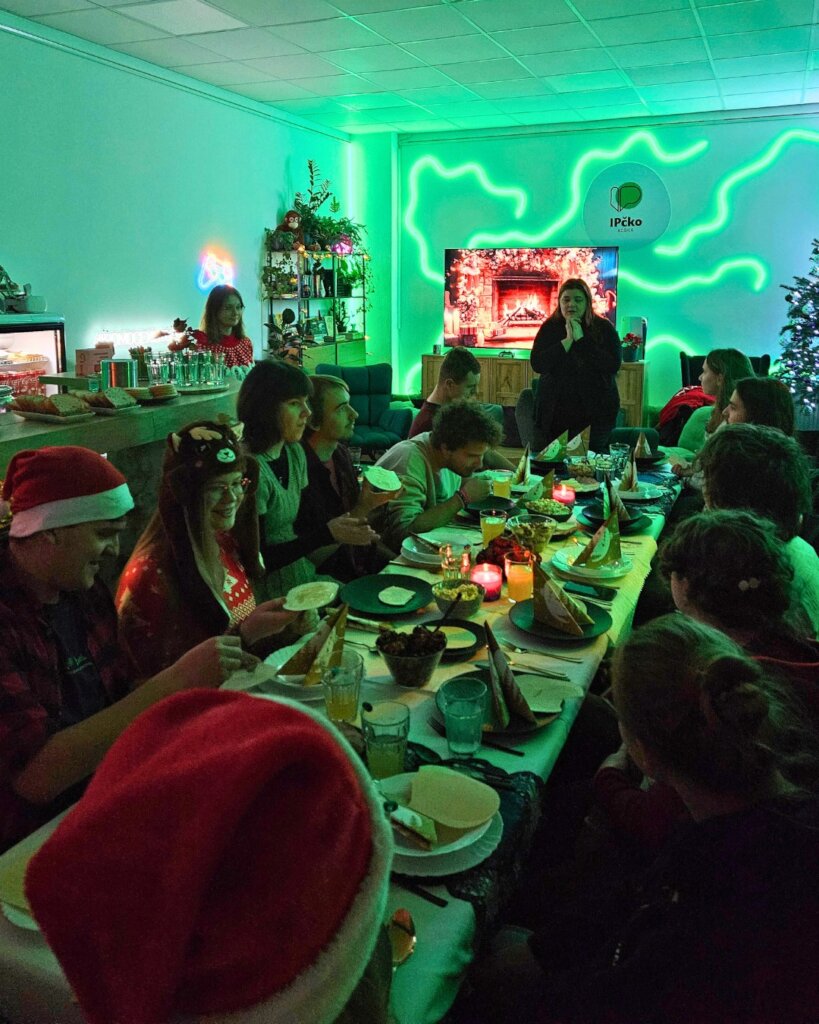
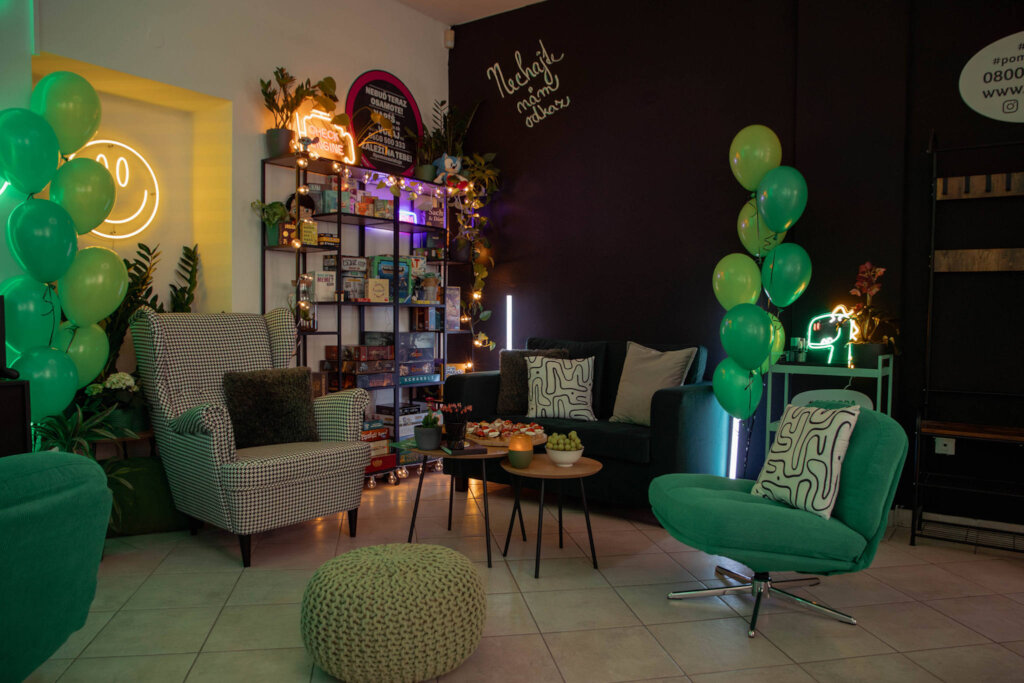
We closed the World Suicide Prevention Day with a mass for those who died by suicide, at the Notre Dame church in Bratislava, and stayed together afterwards in IPcko, for anyone who needed support.
Where help finds people
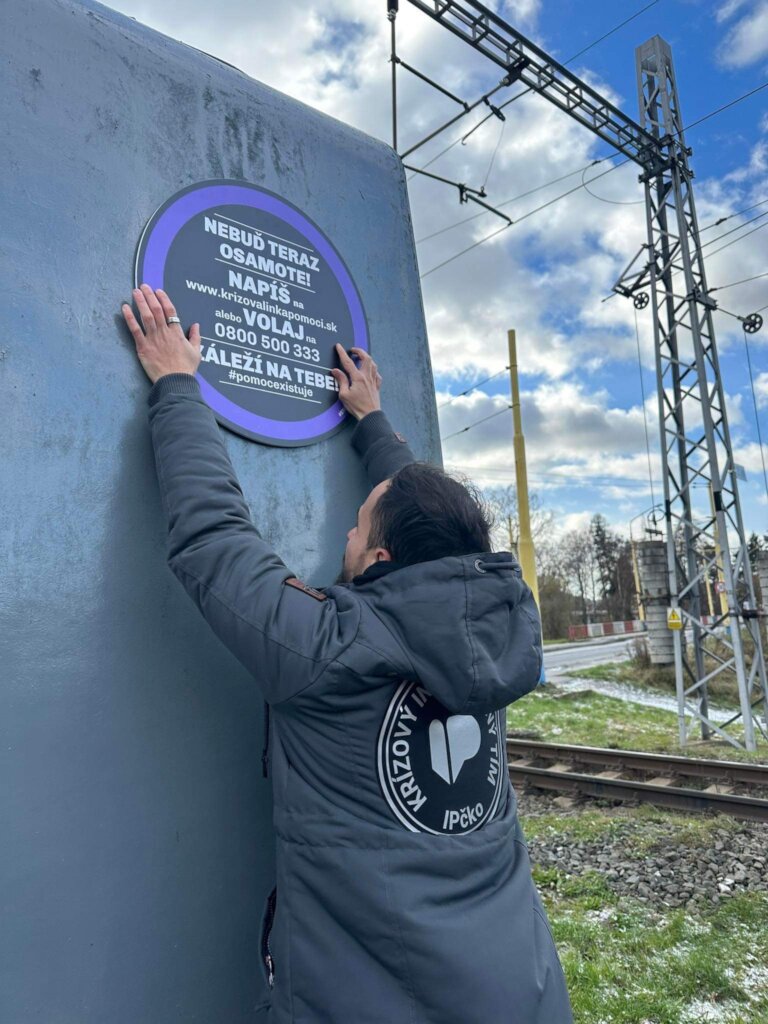
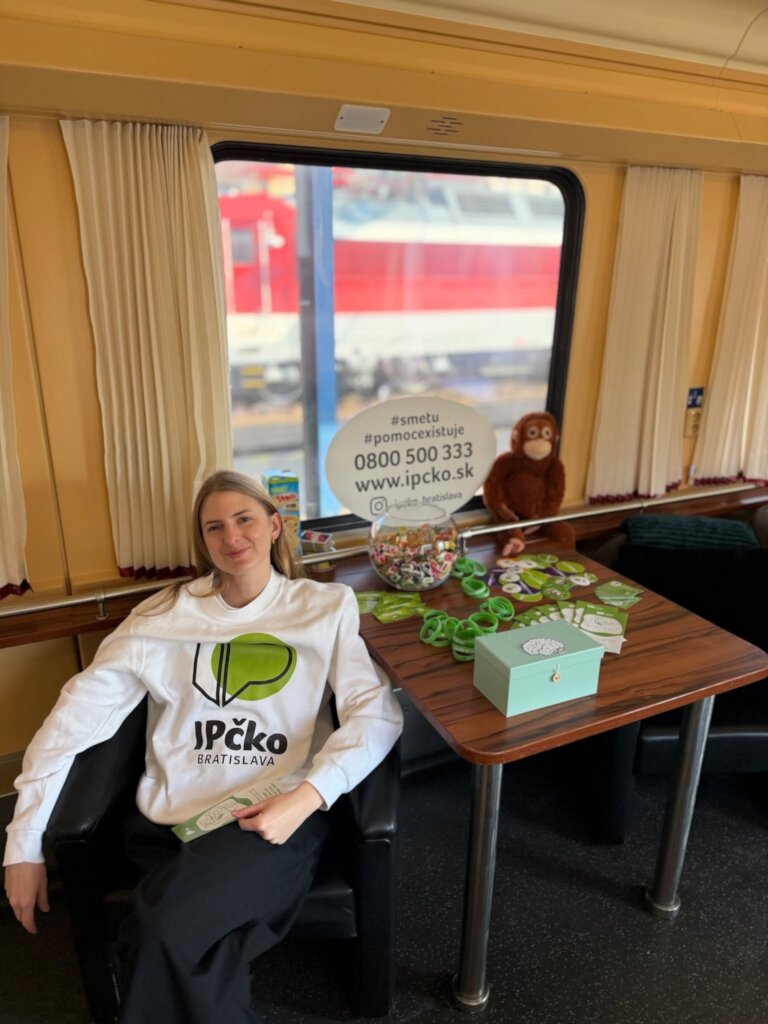
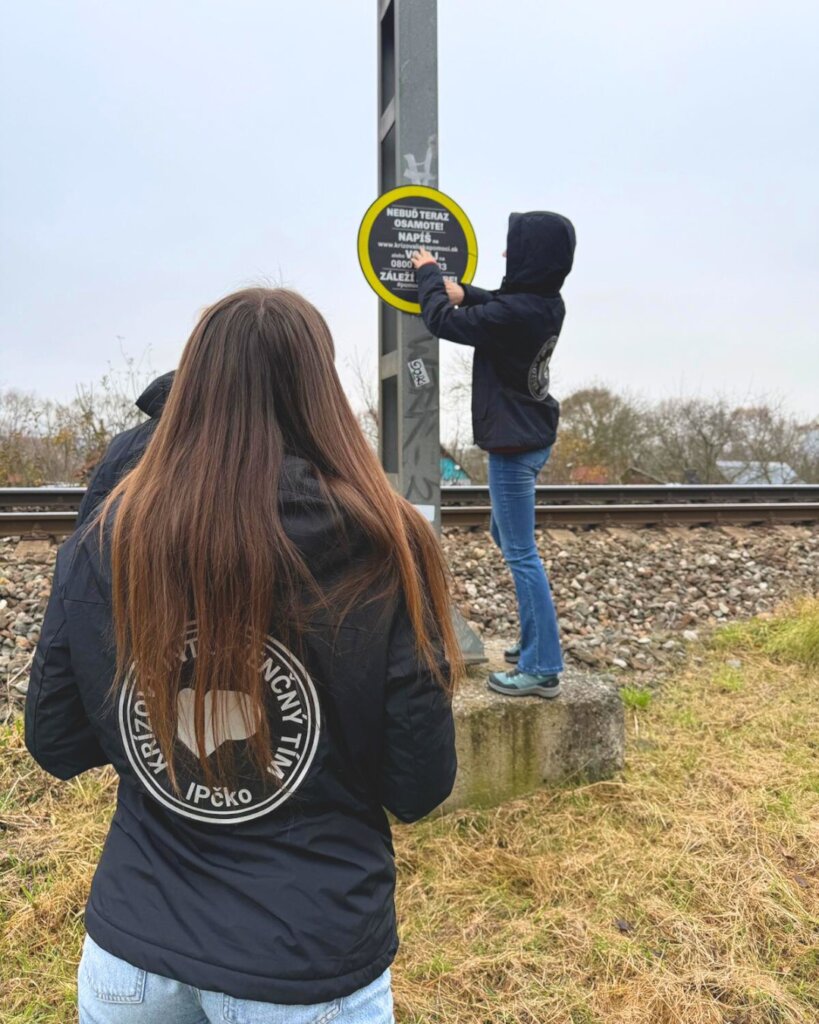
We used the summer to place dozens more help boards near railway tracks, at locations identified together with the Railways of the Slovak Republic — this time across the Bratislava and Zilina regions. Each one carries a simple message: Don’t be alone right now and the contact details for our IPcko Crisis Helpline. Over recent years, hundreds of people have contacted us from these spots beside the tracks. And so we continue spreading our message — that #HELPEXISTS.
SOS groups: from the pilot to three regions
After almost a year of piloting in the Banská Bystrica region, SOS groups have now started in the Trnava and Trencín regions as well. An SOS group brings counseling centers, social curators, police, the Counter-Terrorism Unit, IPcko and other experts to one table to investigate cases of suspected radicalization and mobilization towards violence in schools. They exchange information regularly, assess individual cases together, and agree on immediate next steps. Prevention cannot be done in isolation, and we need systematic support and help across the whole country.
Education at the largest scale to date
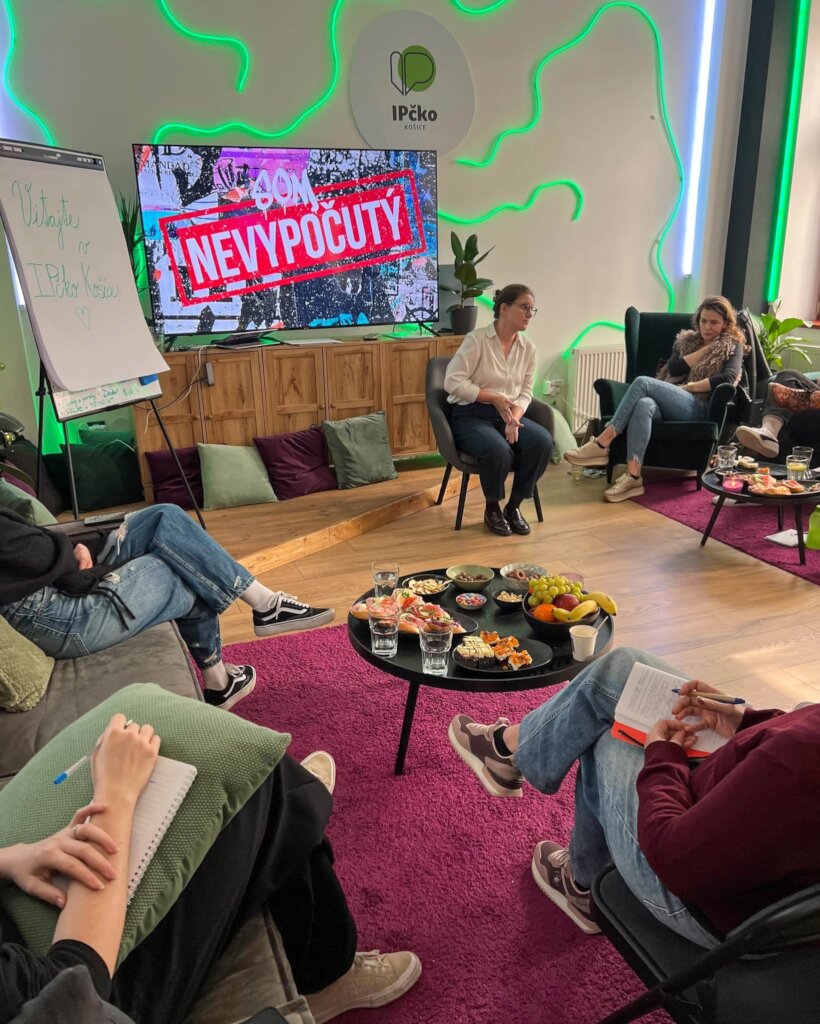
Since September, a new series of three-day trainings on radicalization, extremism, and prevention has been running for professionals, teachers, school psychologists, and social workers. This autumn is the busiest our NEVYPOCUTÝ (“Unheard”) educational program has ever been, with 15 sessions across Slovakia. Demand is so high that most dates are already full.
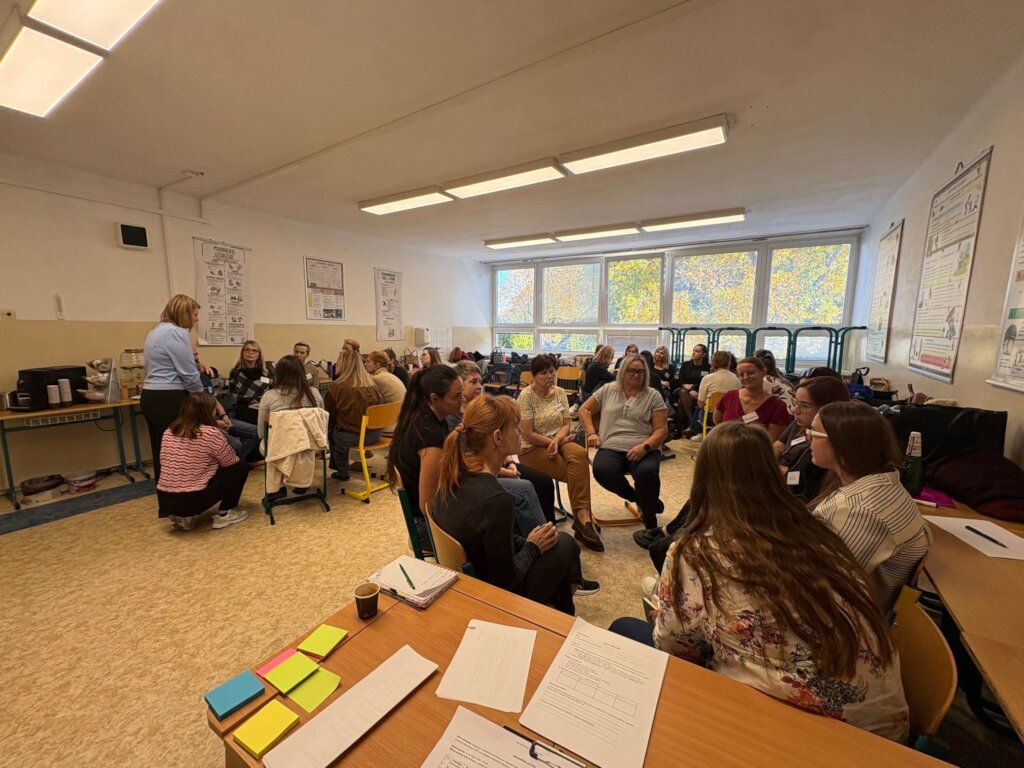
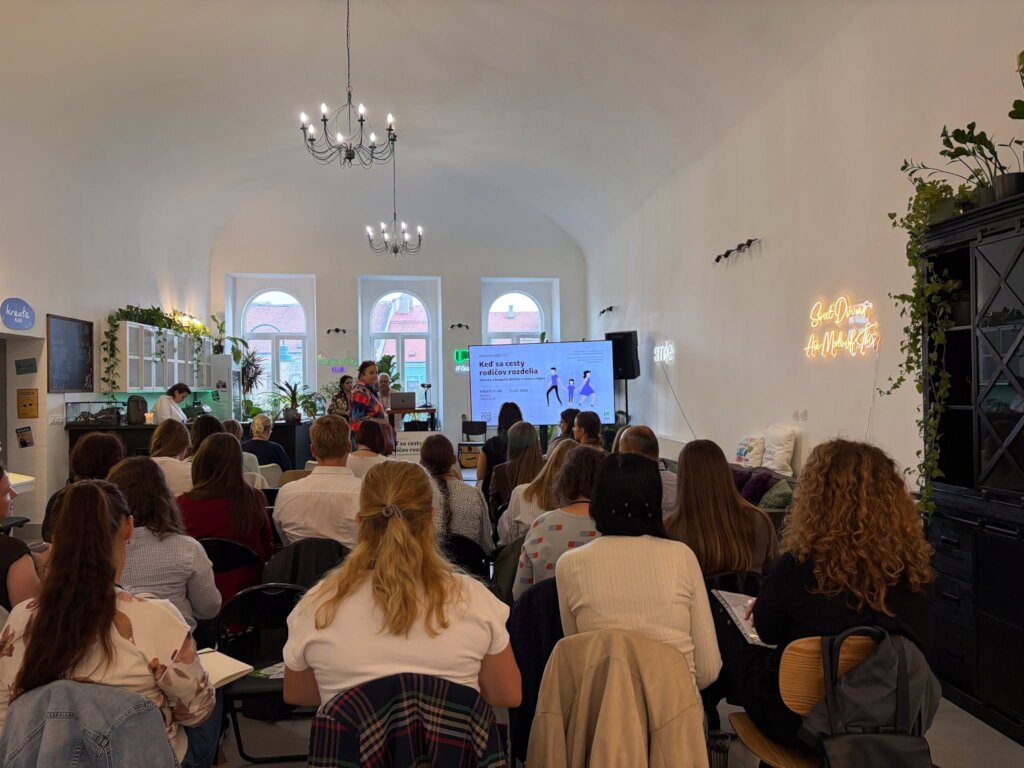
Alongside this, we continue carrying out a range of other educational activities, including workshops for parents and grandparents called Children Online: Understanding the World They Are Growing Up In, delivered in our regional branches across every regional capital. We held a mini-conference on supporting children through parental separation and divorce, looking at it through psychology, schools, the judiciary and mediation. And we organized support and methodological meetings for school support teams in Trnava, Senica and Dunajská Streda, where we asked the people doing this work daily what they are missing and what they need.
BODKOCIARKA
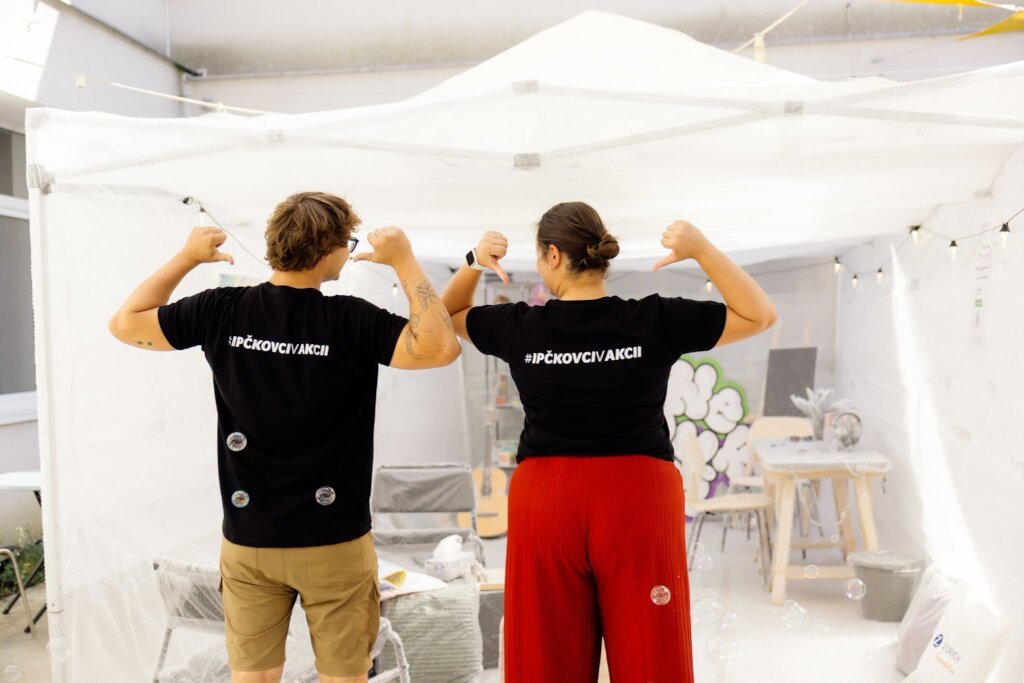
In August we held the second year of our BODKOCIARKA festival in Prešov — a day of music, conversation, humor, art and rest. We discussed what shapes young people online, and also loneliness, social isolation, and the hikikomori phenomenon. A semicolon is used where a sentence could have ended, but the author chose to continue. That is the whole idea.
And every day, everything else
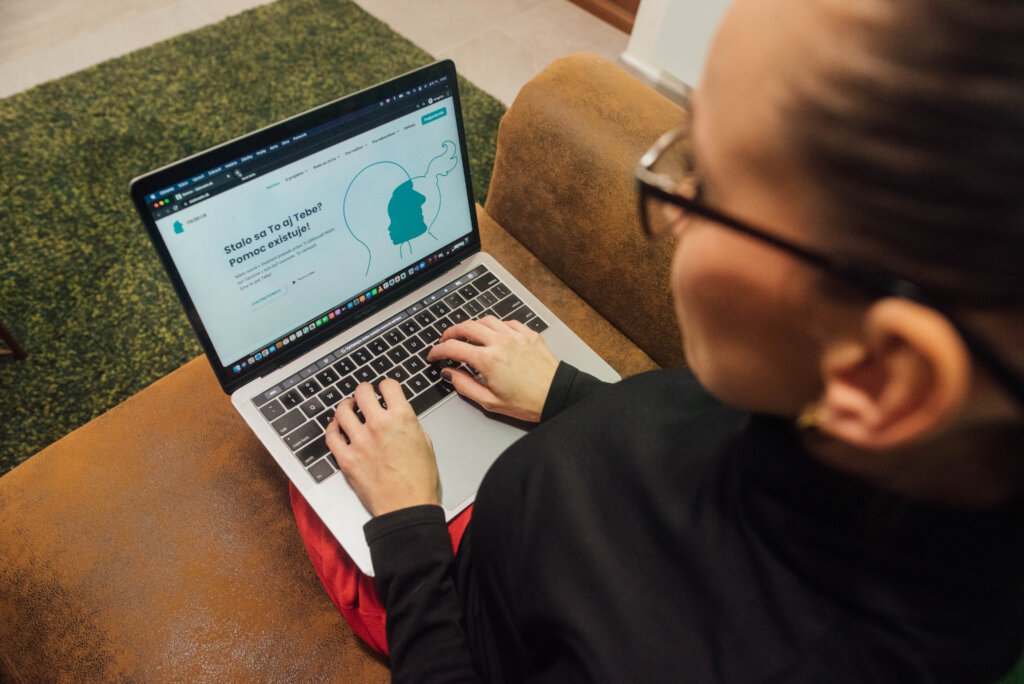
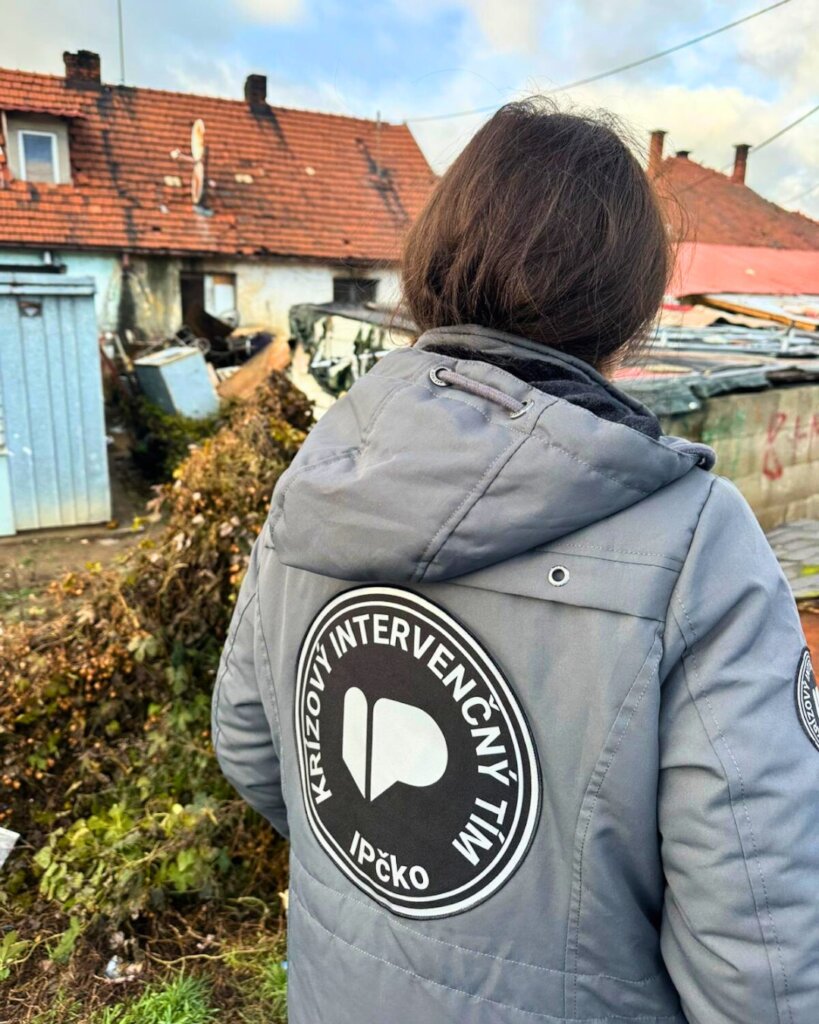
Behind all of this, our core work never stops. Free, anonymous, round-the-clock crisis psychological help by phone, chat and email, as well as in person. Our online field team monitoring closed communities and reaching out to young people at risk. Our Kácko centers in every region and low-threshold clubs for young people. Our crisis intervention teams going wherever people need them.
Thank you
Because of you, #HELPEXISTS.
This has been a heavy few months. Being able to show up in Staškov — and to stay there, week after week — was possible because of people like you. Thank you for making sure that when the worst happens, someone is already on the way.
Links:
By Frederika Hazeova | Communications and Fundraising Manager, IPcko
By Frederique Hazeova | Communications and Fundraising Manager, IPcko
Project reports on GlobalGiving are posted directly to globalgiving.org by Project Leaders as they are completed, generally every 3-4 months. To protect the integrity of these documents, GlobalGiving does not alter them; therefore you may find some language or formatting issues.
If you donate to this project or have donated to this project, you can receive an email when this project posts a report. You can also subscribe for reports without donating.


Support this important cause by creating a personalized fundraising page.
Start a Fundraiser