By Frederique Hazeova | Communications and Fundraising Manager, IPcko
Dear friend,
Thank you for supporting Inclusive Mental Health Services for Youth. Your generosity allows us to respond where help is needed most — in real-time crises in people’s lives.
Here’s a glimpse into how we’ve been showing up in recent months and in the whole year 2025.
When Seconds Matter
Let us share a story from one of our psychologists with you:
"A young woman called our Crisis Helpline directly from railway tracks. She said she wanted to jump under a train.
During the call, we worked step by step to help her move toward safety. She did not want to leave the tracks. Then we heard the train approaching. The sound grew louder and louder — and then came the overwhelming rush as it passed.
Silence.
And then her voice. Shaken. She had stepped aside at the very last moment.
We continued talking. Later, she came to meet us in person. Today, she is under psychiatric care and continues to use our Crisis Helpline — not in moments where seconds separate life and death, but on difficult days when she needs someone to listen."
This is just one of the thousands of stories, that your support makes possible.
2025: Growing Need, Growing Response
In 2025, IPcko provided 181,087 helping and crisis interventions, representing a 26.6% increase compared to the previous year.
On our Crisis Helpline alone, we answered 94,143 calls and chats.
However, due to capacity limitations, more than 200,000 additional requests for help went unanswered.
This remains one of our greatest challenges.
73% of contacts came from people under 30 years old.
We were present in 2,311 acute suicidal crises.
In contacts involving suicidal thoughts, 39% were children and youth under 18.
The scale of distress among young people continues to grow — and so does the urgency of accessible, free, anonymous mental health support.
AI: A New Reality in Youth Mental Health
During this reporting period, one theme became increasingly visible: artificial intelligence.
Young people are turning to AI tools as confidants, “therapists,” partners, and emotional processors. Some use AI to formulate messages before reaching out to us. Others seek answers to their emotional struggles there first. In some cases, AI agents explicitly suggest contacting our Crisis Helpline IPcko.
Between the first and second half of 2025, contacts mentioning AI increased by 74%. In total, we encountered AI-related topics more than 2,500 times during the year.
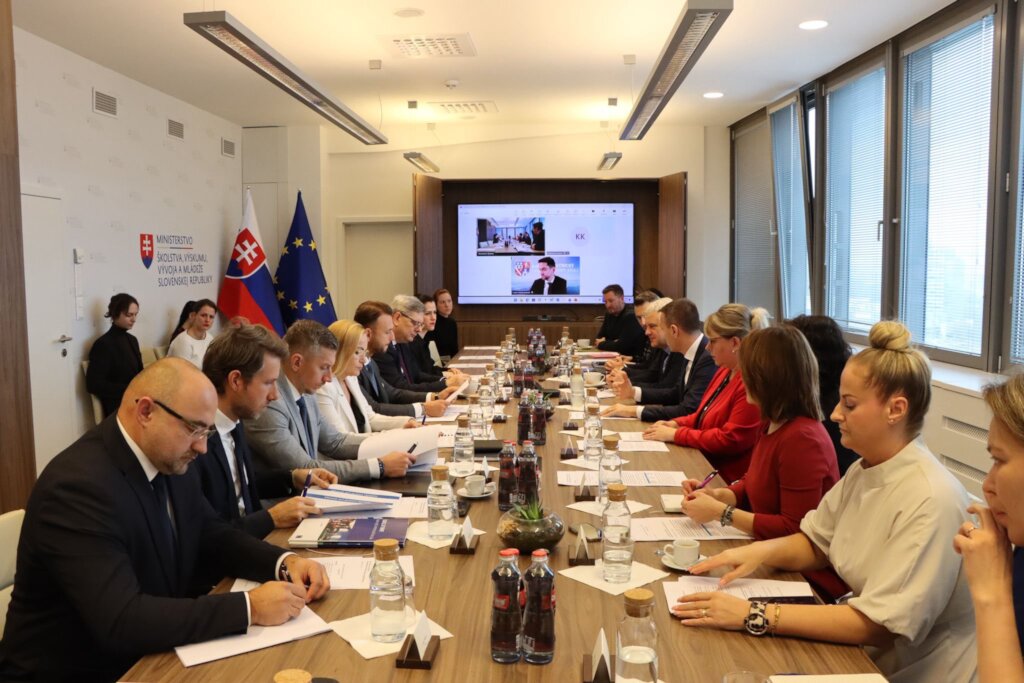
In response, we organized a national roundtable with crisis lines across Slovakia — both nonprofit and state services — to openly discuss what this shift means. Where can AI support reflection? Where must human care remain irreplaceable?
Our position is clear: technology may open the door, but healing requires human connection and expertise.
Preventing Radicalization Through Mental Health Care
Another major focus of ours has been the prevention of youth radicalization — which is deeply connected to emotional vulnerability, loneliness, identity struggles, and the need to belong.
In 2025, we delivered 34 trainings for frontline professionals, published a methodological guide, assessed risk levels in schools, and participated in regional and national roundtables involving multiple ministries.
During this reporting period, our psychologists completed an advanced three-day training on radicalization dynamics, in cooperation with Slovakia’s Counter-Terrorism Unit. We also contributed to inter-ministerial discussions emphasizing that prevention requires coordination across education, justice, health, and social sectors. We also continued in conducting trainings for first-line youth workers, on radicalization prevention.
We strongly believe that radicalization is not primarily a security issue — it is a mental health and belonging issue. And prevention begins with listening.
Safe Spaces: From Crisis to Community
Crisis intervention is only one part of our work.
In February, we opened MEET Club in Zilina — a new safe space for young people under 30. It is a place where they can meet, spend time meaningfully, build community, and access psychological support in an informal environment.
We see every day how powerful these spaces are.
One group of teenage boys used to come regularly to our club in another Slovak city — playing table football, sitting on “their” couch, building rituals. When one of them entered a deep suicidal crisis, his friends literally brought him to us and said, “You will tell them everything. They will help you.”
He slowly learned to speak about what he felt — even in front of friends who had only known his “strong” side. The club became more than a hangout space; it became a bridge to professional help.
Help exists, even during Christmas
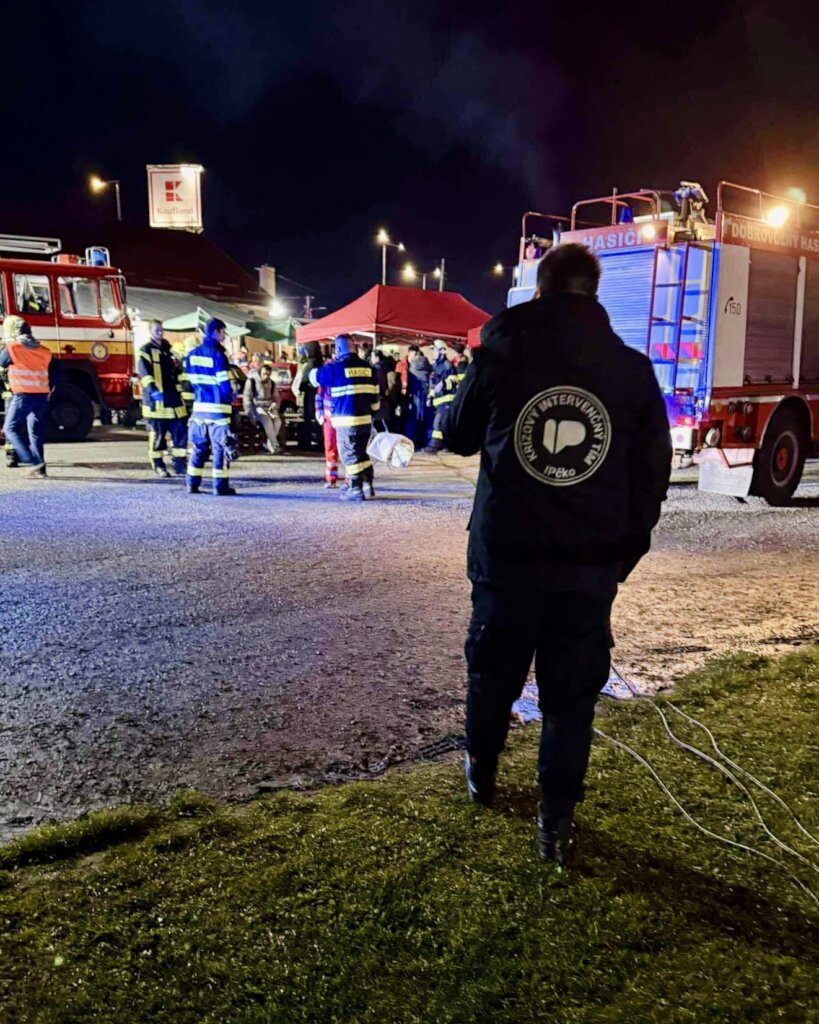
During the Christmas season, we strengthened our capacities and organized holiday dinners for young people who lacked safety and stability at home. For some, it was the only place they experienced warmth, acceptance, and belonging during the holidays.
We were also present online, for all those, who did not have a Merry Christmas.
Meeting People Where They Are
Much of young people’s pain today begins online.
Our online field team expanded its monitoring of over 100 closed communities and at-risk individuals. We also conducted research (in partnership with Nadácia Orange) on how young people use memes to express emotions. Memes are not just jokes — often they are coded signals of distress.
If we want to understand youth mental health, we must understand their language.
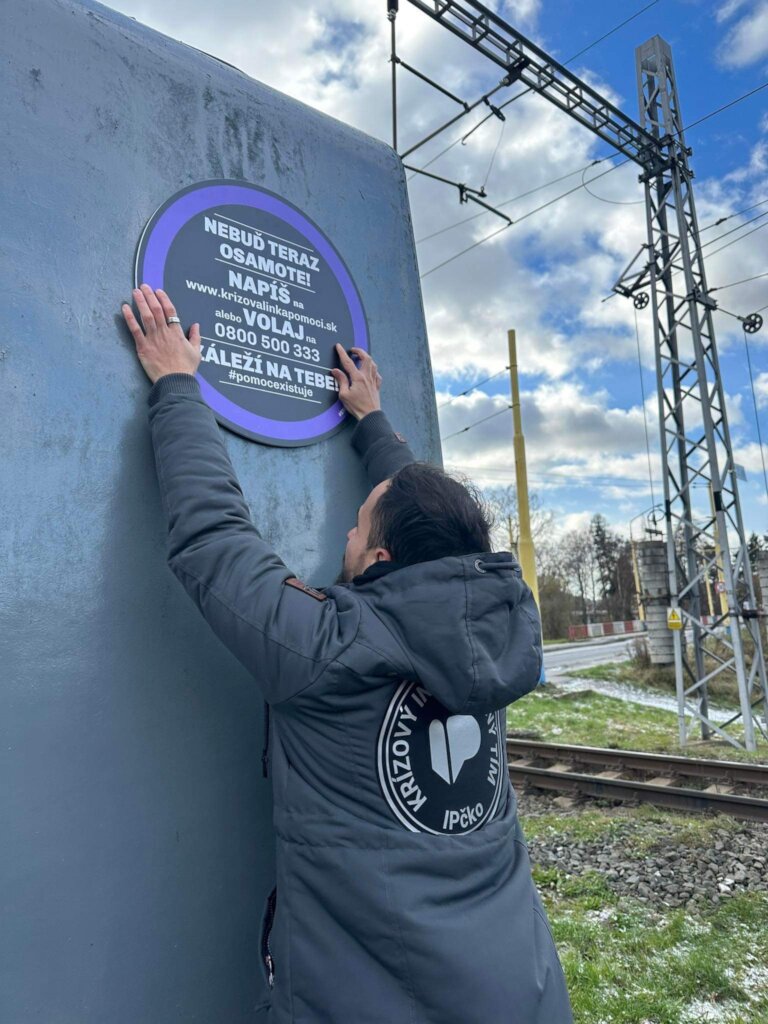
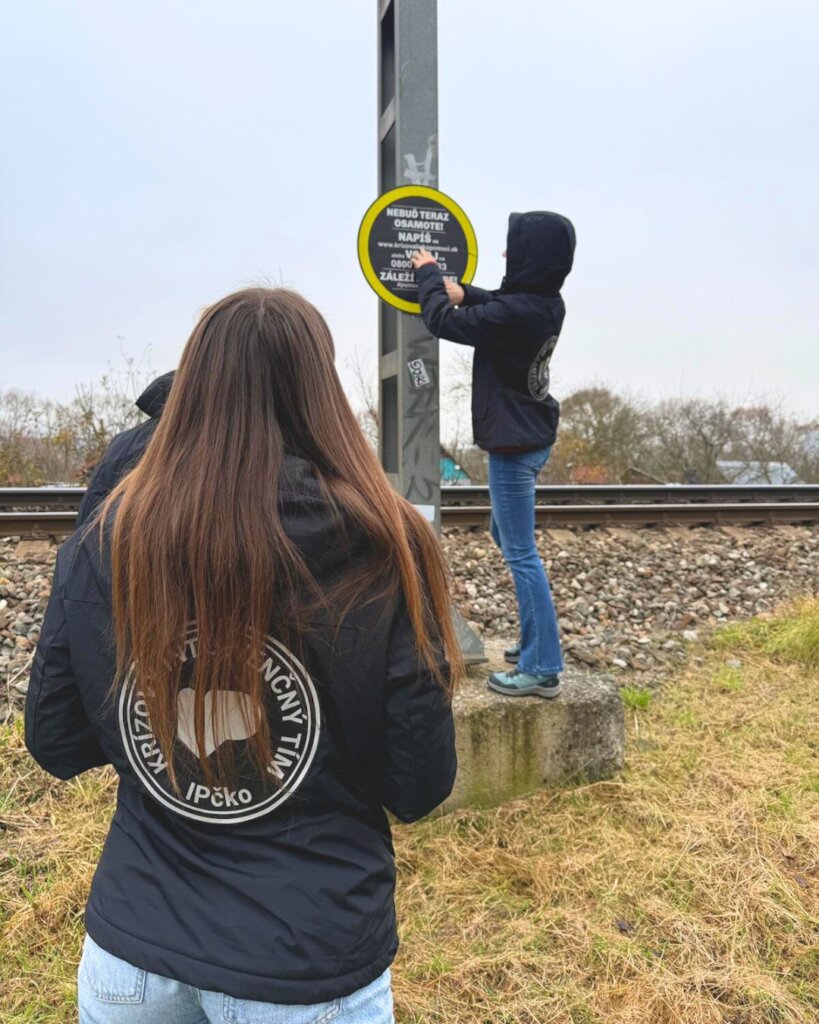
Additionally, we continue our suicide prevention project by placing reflective help boards at high-risk railway locations across Slovakia — reminding individuals in their darkest moments that help exists and that someone is ready to listen.
Stability Remains Uncertain
While 2025 brought partial stabilization after a financially difficult previous year, we enter 2026 with uncertainty. Crisis lines in Slovakia still lack stable systemic funding that would guarantee long-term accessibility.
The need is increasing. The demand is visible - we feel it every day. And we continue to operate knowing that we are only able to respond to a fraction of those who reach out.
Thank You
Because of you, #HELPEXISTS.
Because of your support, our services remain free, anonymous, and available 24/7. Because of you, young people who feel alone, overwhelmed, or at risk can hear a human voice on the other side of the line.
Thank you for standing with us as we continue to grow, adapt to new challenges, and respond to an increasingly complex mental health landscape.
Together, we ensure that no one has to face their hardest moments alone.
Project reports on GlobalGiving are posted directly to globalgiving.org by Project Leaders as they are completed, generally every 3-4 months. To protect the integrity of these documents, GlobalGiving does not alter them; therefore you may find some language or formatting issues.
If you donate to this project or have donated to this project, you can receive an email when this project posts a report. You can also subscribe for reports without donating.



Support this important cause by creating a personalized fundraising page.
Start a Fundraiser