By Rachele Rosati | Cure First Research Fellow
To keep you constantly posted on the Neuroblastoma project here our most updated achievements:
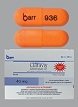
The International Neuroblastoma Risk Group classification defined half of the Neuroblastoma (NB) as high risk and statistical analysis revealed that the 15% of the childhood cancer-related mortality is caused by Neuroblastoma. In the last few months I continued the Neuroblastoma study to identify new combinations for the Claravis/Accutane (also commonly referred to as 13-cis Retinoic Acid or Isotretinoin) therapy, currently in the maintenance standard care of children with High Risk Neuroblastoma after recovery from myeloablative chemotherapy and stem cell rescue. (http://www.cancer.gov/types/neuroblastoma/hp/neuroblastoma-treatment-pdq#section/_214)
My goal is to inhibit gene expression in NB cells with silencing RNAs and to discover promising drug targets for use in a combined therapy with Claravis.
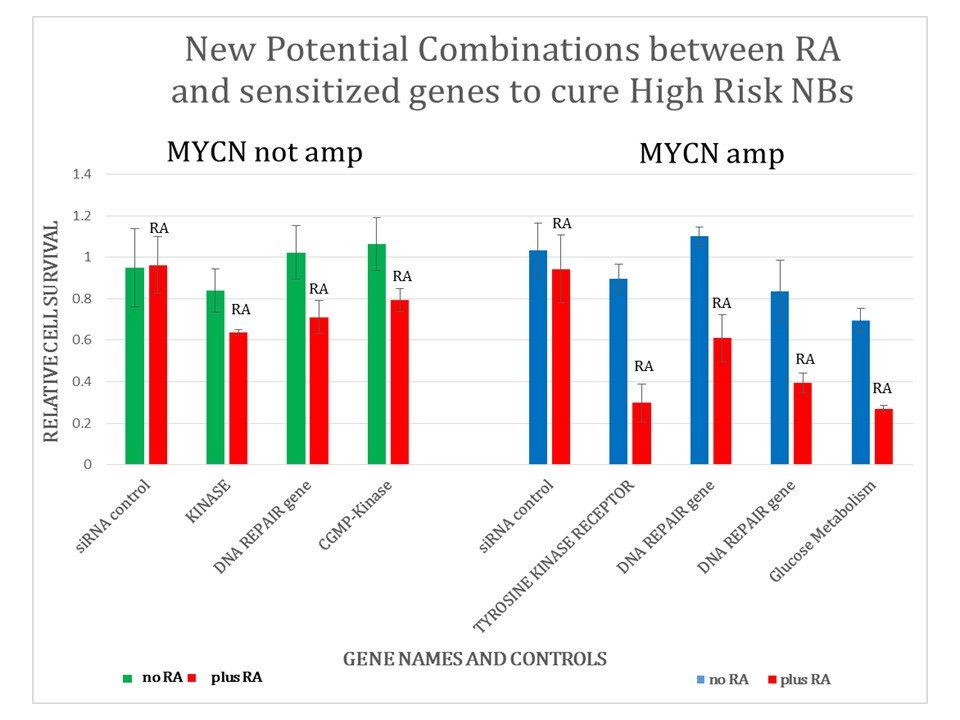
Interestingly the three different Neuroblastoma cell lines in my research are representative of common neuroblastoma types. One has amplification of the MYCN oncogene and it carries mutations in the TP53 and NF1 genes, another one has TP53 and N-RAS mutations, and the last one has BRAF gene amplification and ALK and PTPN11 mutations. Starting from 49 genes of panel of kinase genes I was able to narrow the number down to four target genes for the MYCN amplified and three target genes for MYCN non amplified cell lines.
In the second figure, in addition to selective genes for each type of NBs, I also identified common genes between two cell lines. In both cell lines, MYCN amplified and not amplified, the inhibition of certain DNA repair pathways can enhance the effect of Claravis (RA).
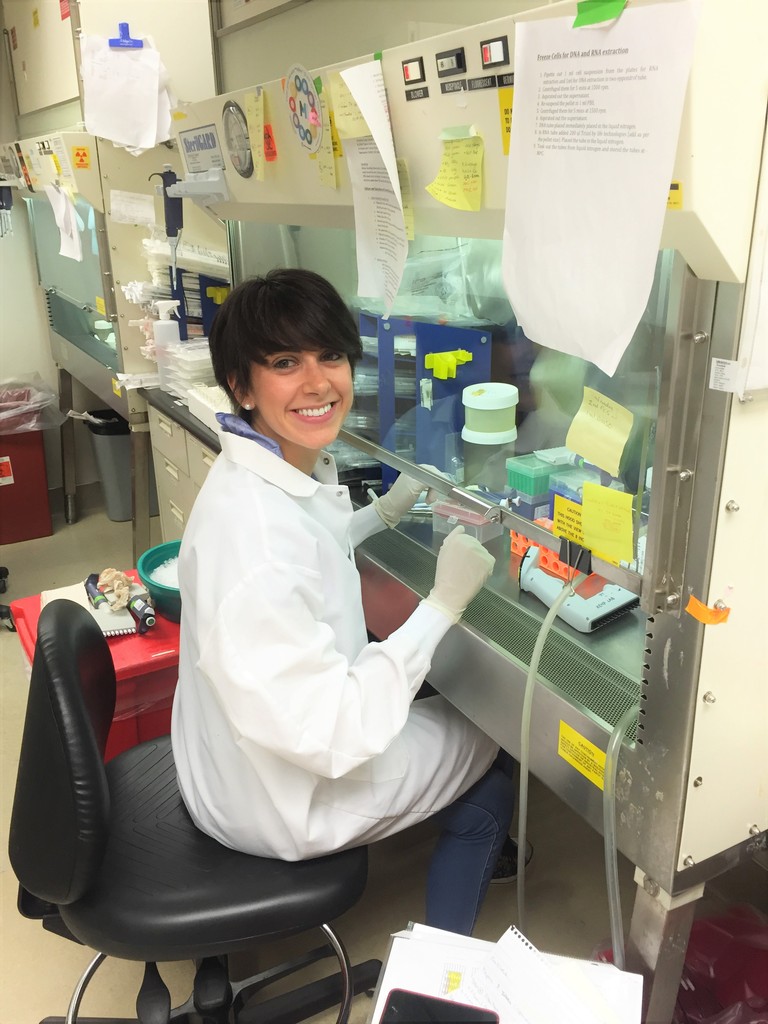
We are also pleased to announce that our new Cure First lab is set up, all worked hard to get it set up before the end of the year and we are proud to inform that we are ready to receive new samples and new inputs for our research and to continue the current project.
As mentioned in the previous Neuroblastoma report our Director, Dr. Carla Grandori, has started a collaborative project with Dr. John Maris, from CHOP (Children Hospital of Philadelphia). Next week we will receive 10 Neuroblastoma samples, I will be in charge to keep them alive and let them expand in vitro. This is a new endeavor and a new frontier because until now scientists and researchers are keeping biopsy sample alive in Patient Derived Tumor Xenograft (PDTX) model. This project has been initiated thanks to a generous donation by the Soupy for Loopy foundation. I will soon begin testing a library of 320 drugs in Neuroblastoma Patient derived cells!
By Rachele Rosati | Cure First Research Fellow
By Dr. Carla Grandori | President and Scientific Director
Project reports on GlobalGiving are posted directly to globalgiving.org by Project Leaders as they are completed, generally every 3-4 months. To protect the integrity of these documents, GlobalGiving does not alter them; therefore you may find some language or formatting issues.
If you donate to this project or have donated to this project, you can receive an email when this project posts a report. You can also subscribe for reports without donating.