By Katya Becerra | Fundraiser
Hello there! We are happy to greet you again and tell you about the projects and organizations we accompany this year. We have started and are so glad to continue supporting our region's communities, families, children, and women. So that these projects can be accompanied, Amigos makes an arduous selection work together with volunteers who give their time and talent. Year after year, our foundation makes a call that allows us to meet many projects, but thanks to the participation and dedication of our selection committee, made up of various members of the Los Altos communities and experts in education issues, health, and environment, we can choose relevant projects with a significant impact. On this occasion, we present the ones that have been selected this year, which are a reality thanks to all the support that you continually give us. Thank you very much!
AMEXTRA: "Water to live, nutrition to grow: Tzotzil families achieving health."
Direct beneficiaries: 300 Indirect beneficiaries: 600
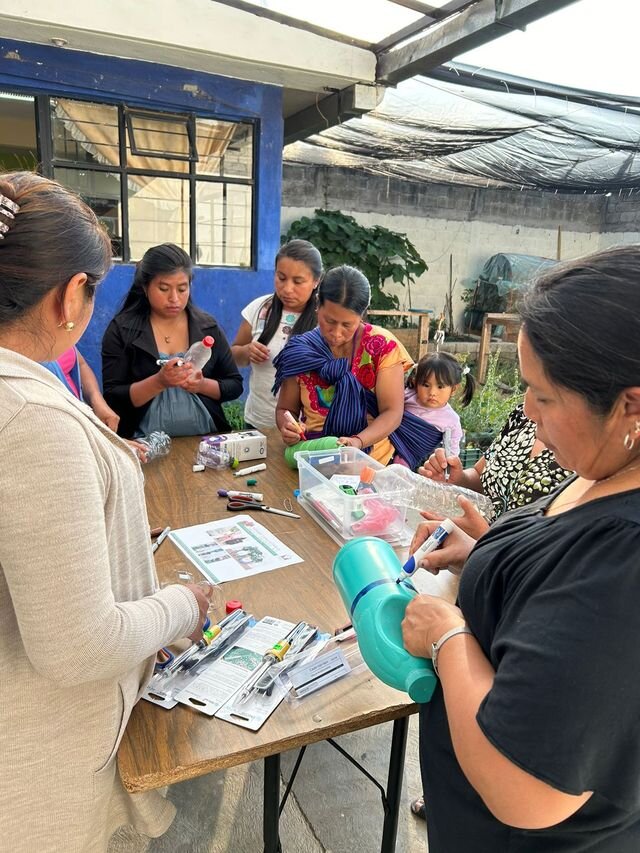
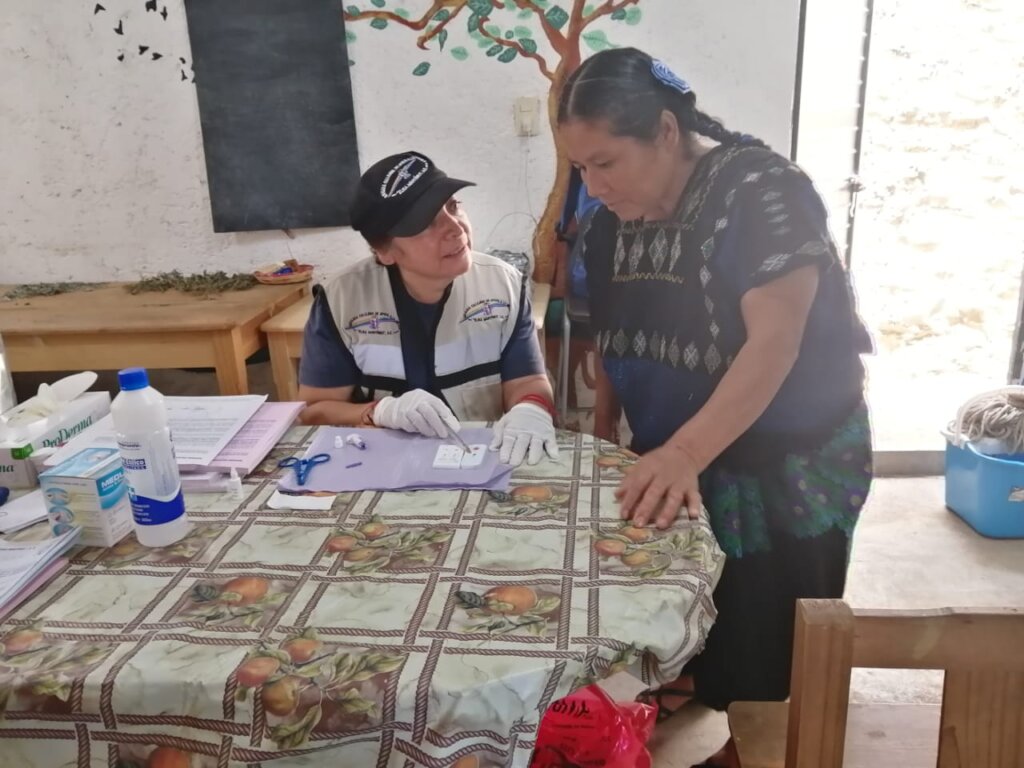
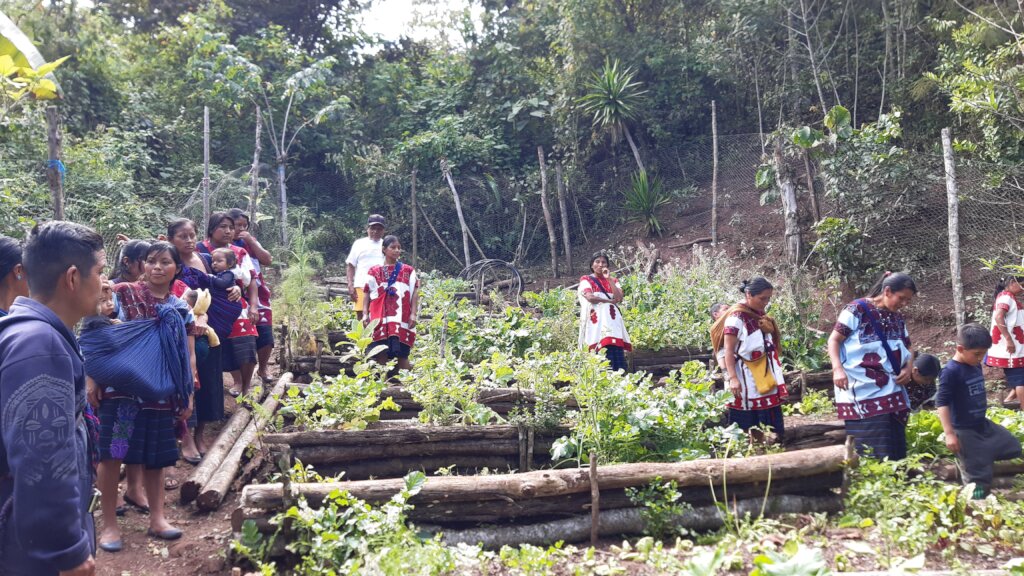
Amextra has been working in 10 communities in the municipalities of Aldama and Chalchihuitán since 2011. During 2020 and 2021, they identified that 100% of the families have excessive consumption of sugary drinks, their diet is not varied, they are unaware of good ways to prepare the food to preserve nutrients, and 80% consume water contaminated with E. Coli, which generates high rates of gastrointestinal diseases and puts girls and boys at risk. Through feedback and community participation, they have achieved a program of flexible attention to people's needs, prioritizing access to healthy food and sanitation of water for human consumption. This year's project continues to work on it. It aims to improve the health and nutrition conditions of 80 families (300 girls, boys, and adults) from seven communities in Aldama, Chalchihuitán, and Larráinzar. Improving the infrastructure of homes and increasing knowledge about health and hygiene habits; maintaining production and increasing consumption of local and diversified foods with five production projects; and strengthening the understanding of fourteen community leaders in eco-technologies and productive projects.
Hogar Comunitario: "New women, comprehensive development for migrant indigenous women to the city."
Direct beneficiaries: 999 Indirect beneficiaries: 3,500
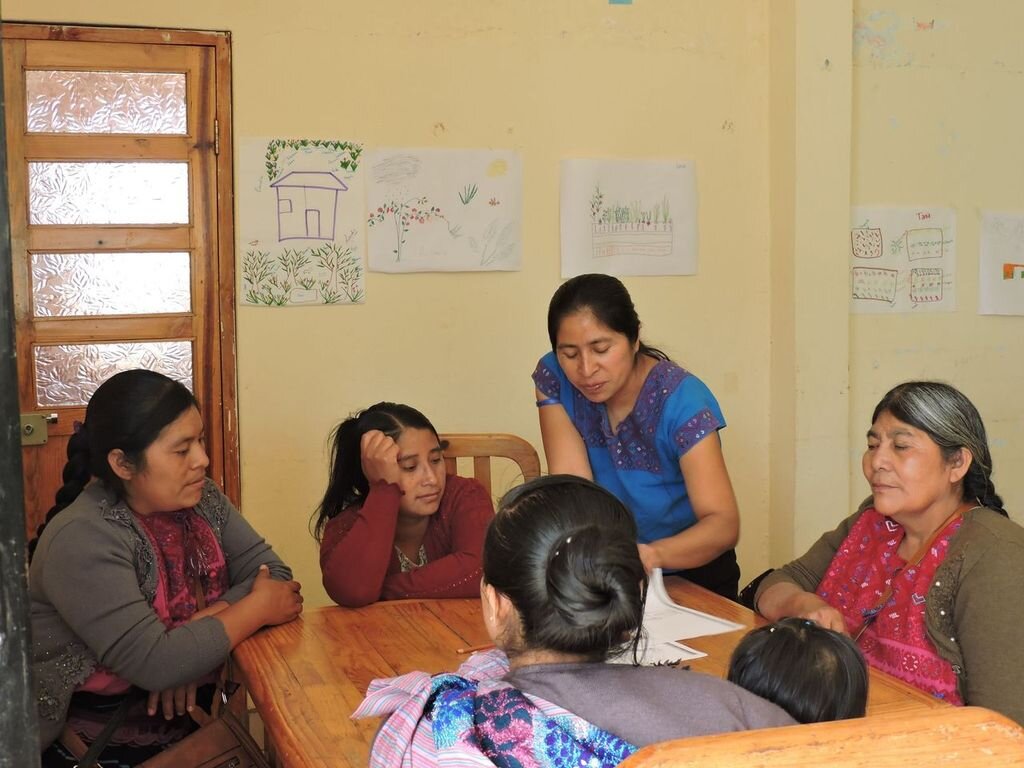
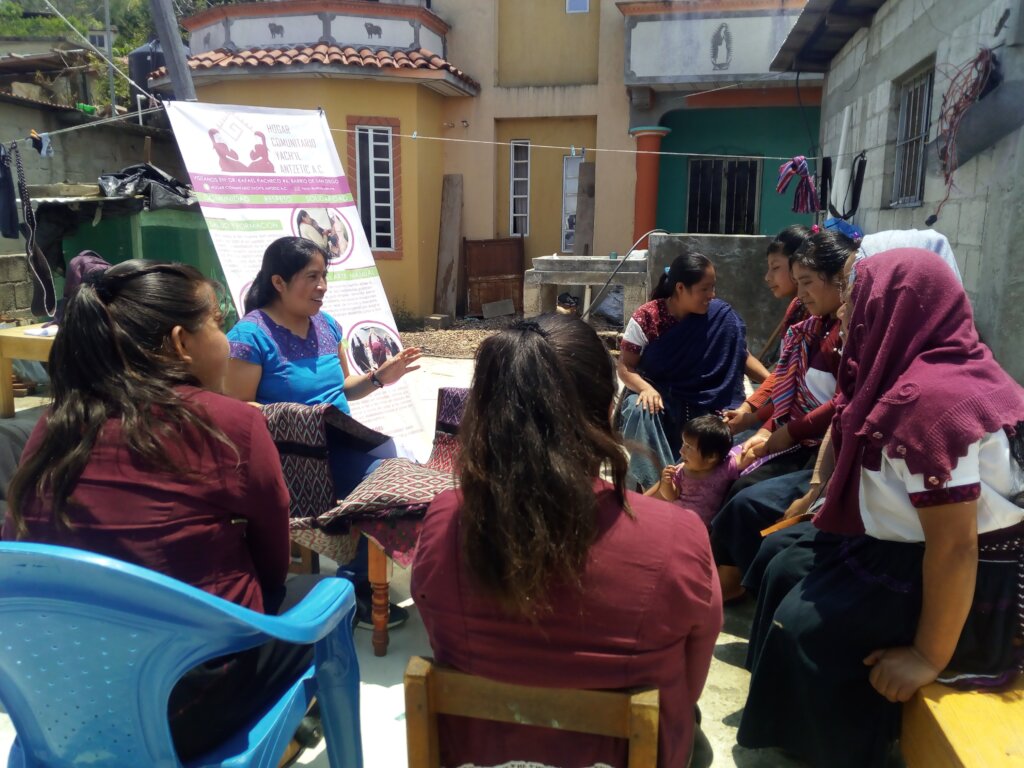
There are several hundred women from communities in Los Altos who, in these 26 years, have developed their power, recovered self-awareness and care, and built a life seeking the best development opportunities for themselves and their children. The health and awareness of the sexual and reproductive rights of hundreds of women have resulted in humanized deliveries, dignified births, and the initiation and learning of a relationship with their children based on mutual respect and care. The shelter service for women in highly vulnerable situations has decreased over time, meaning that the stigma around unplanned pregnancies has significantly reduced, and women prefer to remain in their support networks. We consider this a significant advance. On the other hand, the beneficiary women constitute the essential dissemination mechanism since they are the ones who refer other women to the Community Home in situations of violence and unplanned pregnancies. As the years have passed, prevention work has become more relevant in our work plans, not only in schools but also in communities and with groups in the rural area of our region. The community homework continues, and this year they aim to continue developing comprehensive practices that lead migrant indigenous and mestizo women to the city, with unplanned pregnancies and single mothers, towards their human development, free of violence and in conditions of equity, also, by providing primary care to women, strengthening their technical and human skills for self-employment, providing clear information to identify and prevent violence and loving support for the children of single mothers.
Sanando Heridas, A.C.: "Empowered girls and adolescents in exercising the right to their reproductive and sexual health."
Direct beneficiaries: 160 Indirect beneficiaries: 500
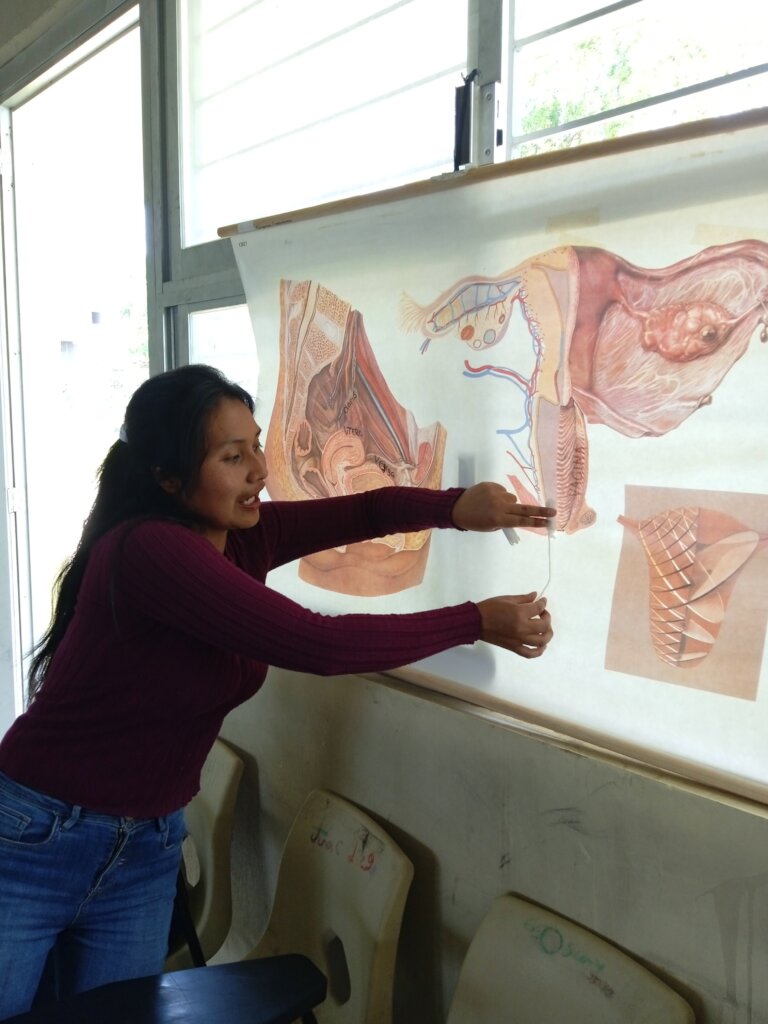
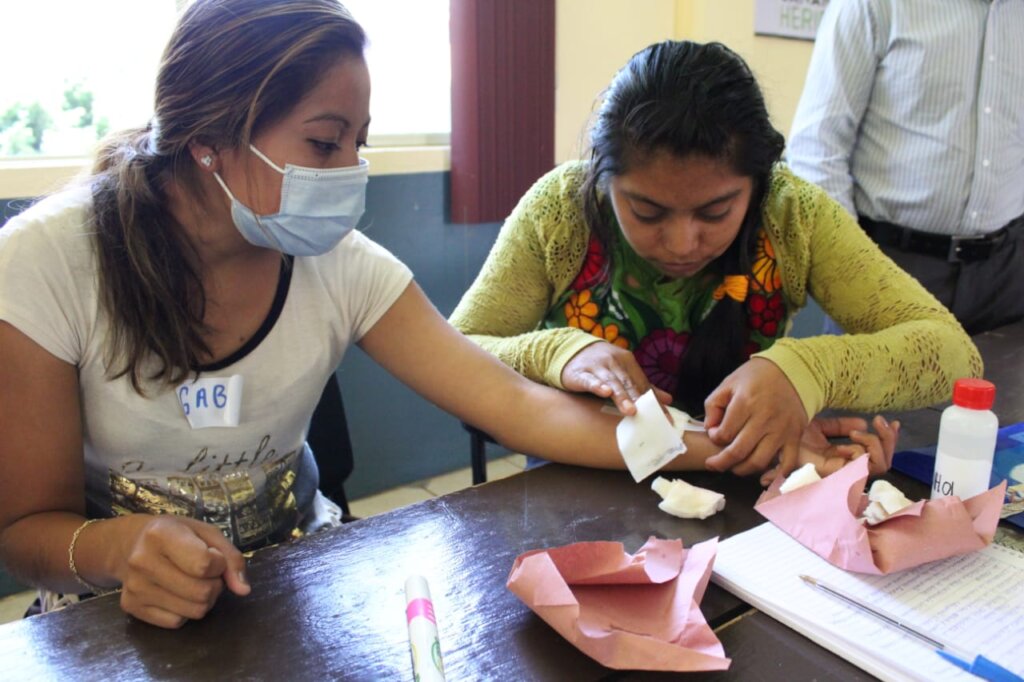
Sanando Heridas has worked for more than eight years in communities in Los Altos with a high degree of health vulnerability, offering comprehensive care and health education. Throughout these years, she has intervened with girls and boys in self-care for health from a collective learning approach involving the community. She has provided adequate information adapted to her uses and customs to develop skills in each person so that they can exercise the right to health. Thanks to this intervention, we have detected that a priority issue is women's reproductive and sexual health care from childhood and adolescence. This project seeks to strengthen knowledge, attitudes, and healthy habits on sexual and reproductive health by providing adequate information on hygiene and menstrual health with indigenous girls and adolescents from Los Altos de Chiapas, as well as providing tools and supplies that improve their self-esteem and quality of life.
CONIDER: "Strengthening of community health in nine locations with a comprehensive approach, deworming campaigns, and nutritional care in San Juan Cancuc, Chiapas."
Direct beneficiaries: 1,602 Indirect beneficiaries: 1,200
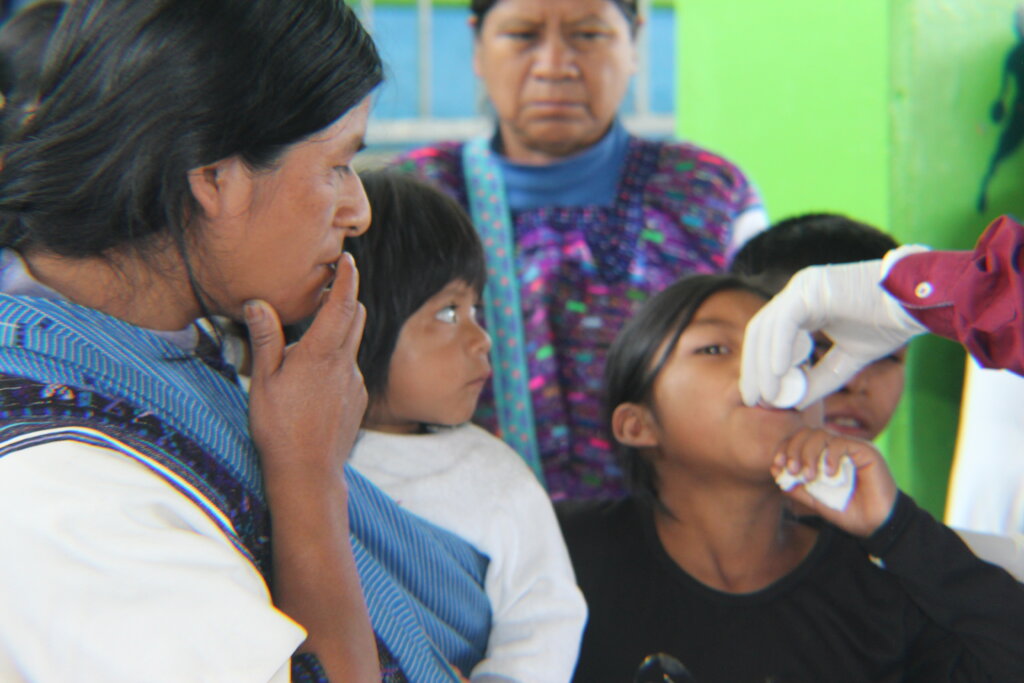
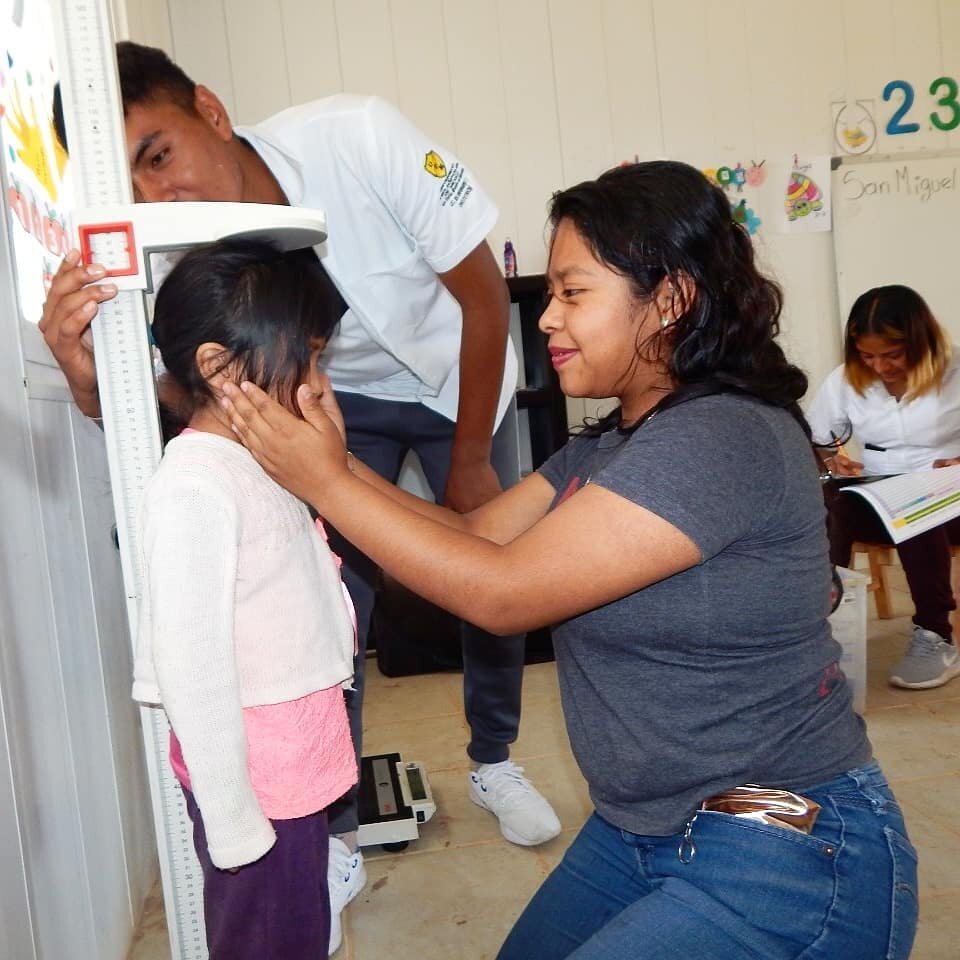
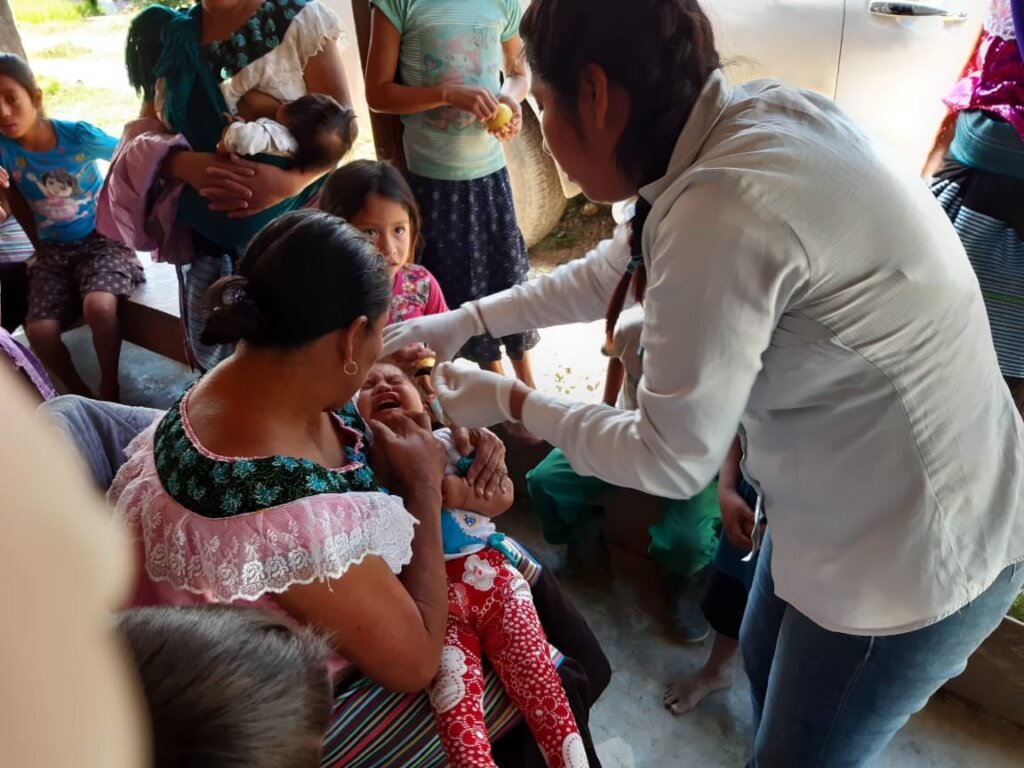
The project is a continuation of two cycles that started from a consultation process carried out in 2018 to implement an alliance project between organizations and communities of the municipality of San Juan Cancuc. We conducted a community diagnosis and identified needs in three areas: a) Strengthening skills and capacities, b) Health and water, and c) Income generation. Based on this diagnosis, actions such as nutritional monitoring of girls and boys, strengthening four community health plans, deworming and vitamin campaigns, and gynecological care have been carried out. After all this work, the current project comprehensively complements several of the population's health needs. It seeks to strengthen comprehensive visions of health in nine Tzeltal localities of the municipality through monitoring community agreements, incorporating community promoters, with the nutritional recovery of twenty children under five years of age in two localities with high vulnerability and with two deworming campaigns, vitaminization for the population and folic acid for lactating women.
Tlahtolli, A.C.: "Vocers of the Basin"
Direct beneficiaries: 20 Indirect beneficiaries: 100
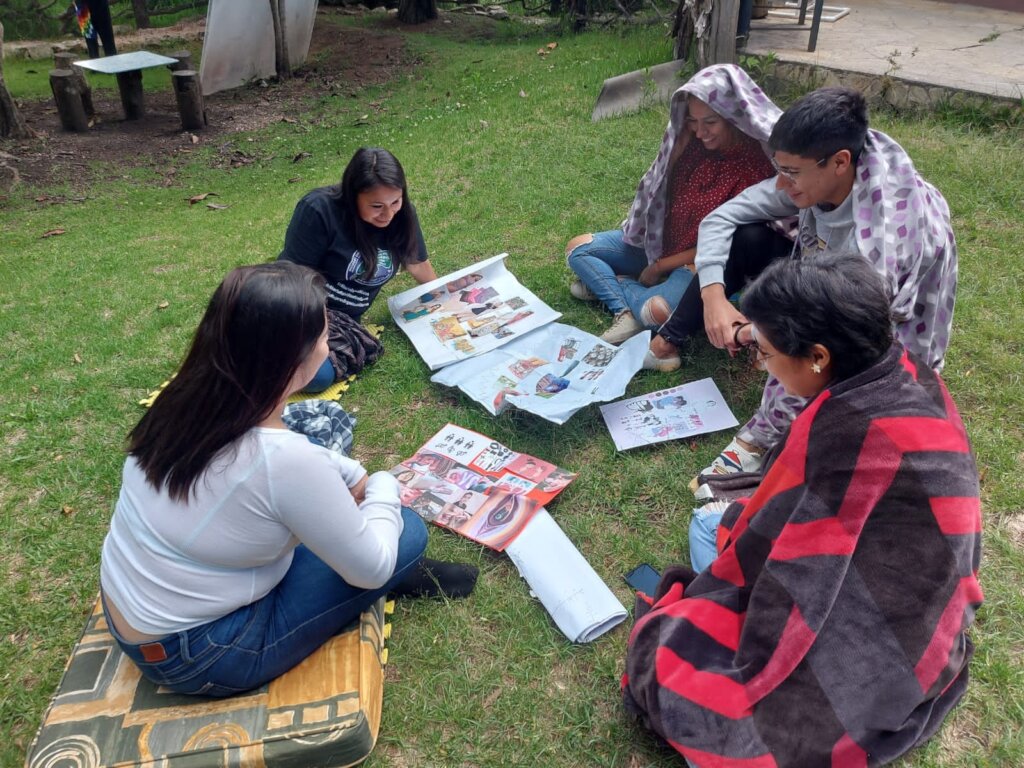
This group seeks to promote knowledge and conservation of the biodiversity of the Jovel Valley basin (San Cristóbal de Las Casas) through training young people as environmental promoters and implementing environmental education and communication activities in neighborhoods and neighborhoods. Close to areas that protect threatened ecosystems. The project promotes in the youth population the necessary awareness and initiative for their participation as environmental leaders with the appropriate skills to encourage biodiversity conservation. This will be achieved through the knowledge of local biodiversity and its importance through educational activities and the creation of a group of young leaders who carry out actions to promote local biodiversity conservation.
UNECODES: "Milpa interspersed with fruit trees (MIAF) for security and food sovereignty and environmental sustainability for the communities of Chancolom, municipality of San Juan Cancuc and Bochilté, municipality of Huixtán."
Direct beneficiaries: 500 Indirect beneficiaries: 750
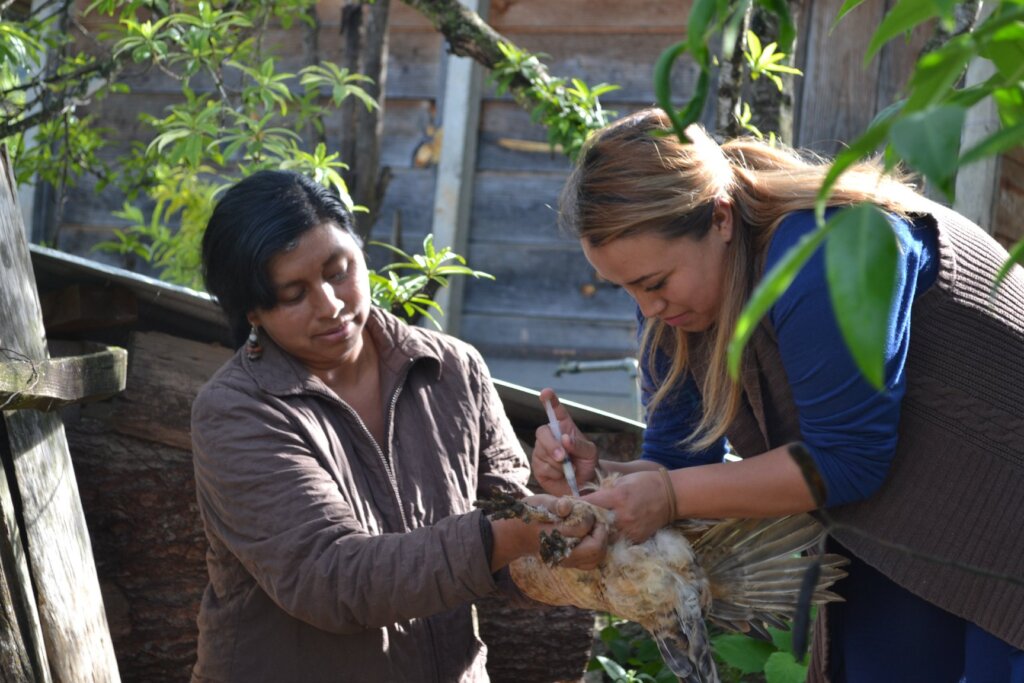
We have previously worked with families on other issues related to improving food sovereignty, such as vegetable production, care of backyard animals, and organized everyday work, which is why we need to implement this new issue to continue strengthening the attitudes and skills of the groups that we accompany, in addition to continuing to improve the knowledge of community promoters. This project seeks to implement the MIAF system as part of families' food security and sovereignty to increase the yield of corn, bean, vegetable, and fruit crops in an agroecological way, increase family income, and control water erosion of the soil floor, in addition to strengthening human relations through the positive transformation of conflicts. It seeks to promote the active participation of women and men and enhance the exchange of agroecological products and knowledge between families, groups, or communities.
Tierra Roja Cuxtitali Centro Comunitario, A.C.: "Our organization, land of peace: healthy relationships, non-violent coexistence, and social insertion for young people from the urban periphery of San Cristóbal de Las Casas."
Direct beneficiaries: 75 Indirect beneficiaries: 1,000
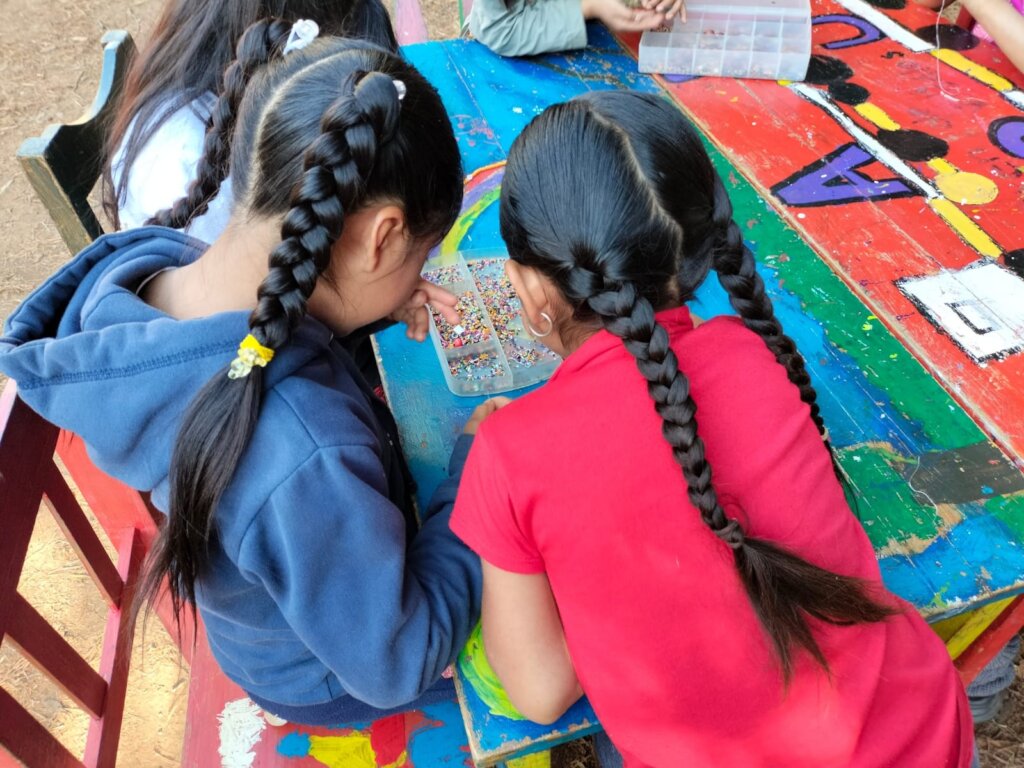
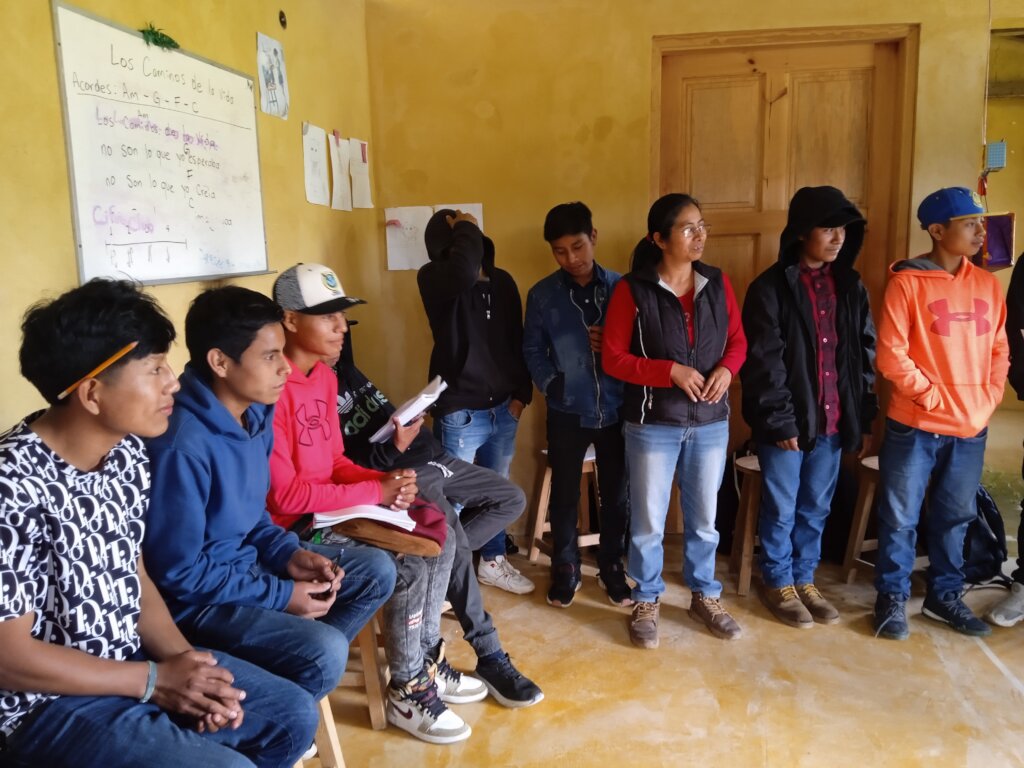
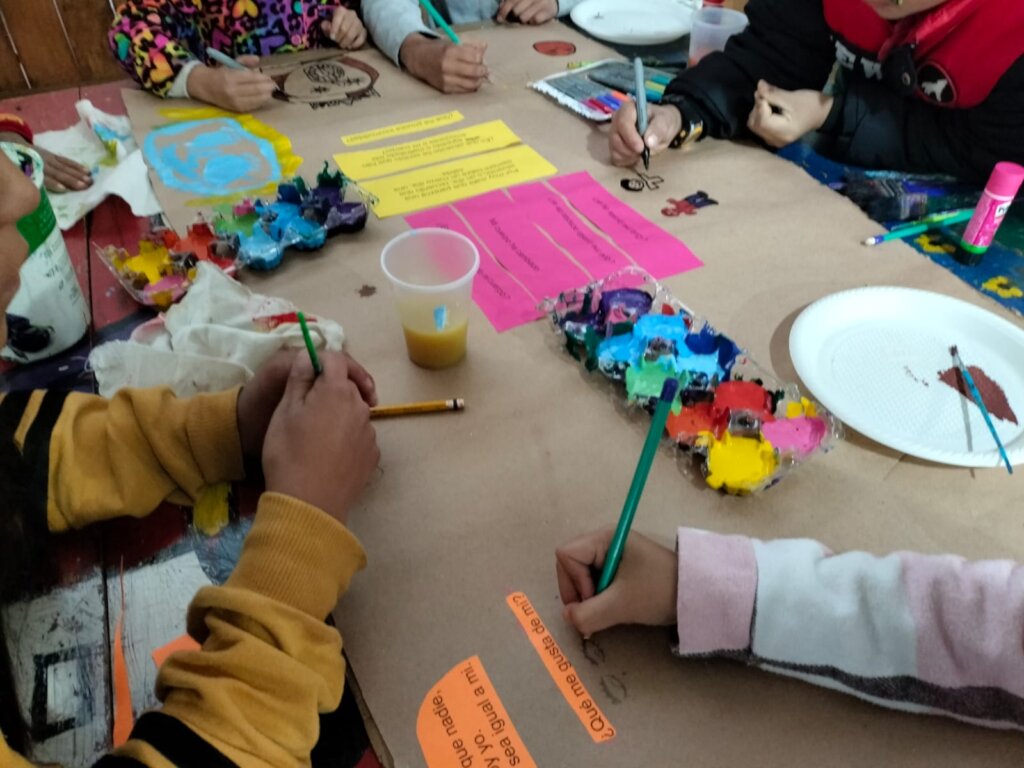
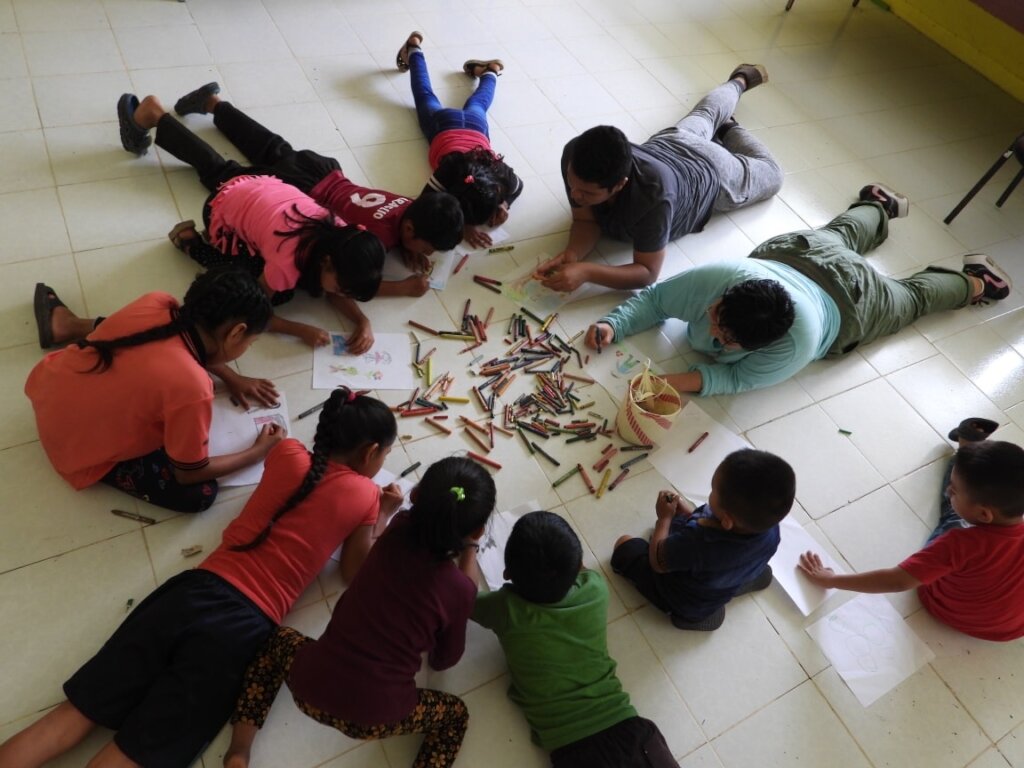
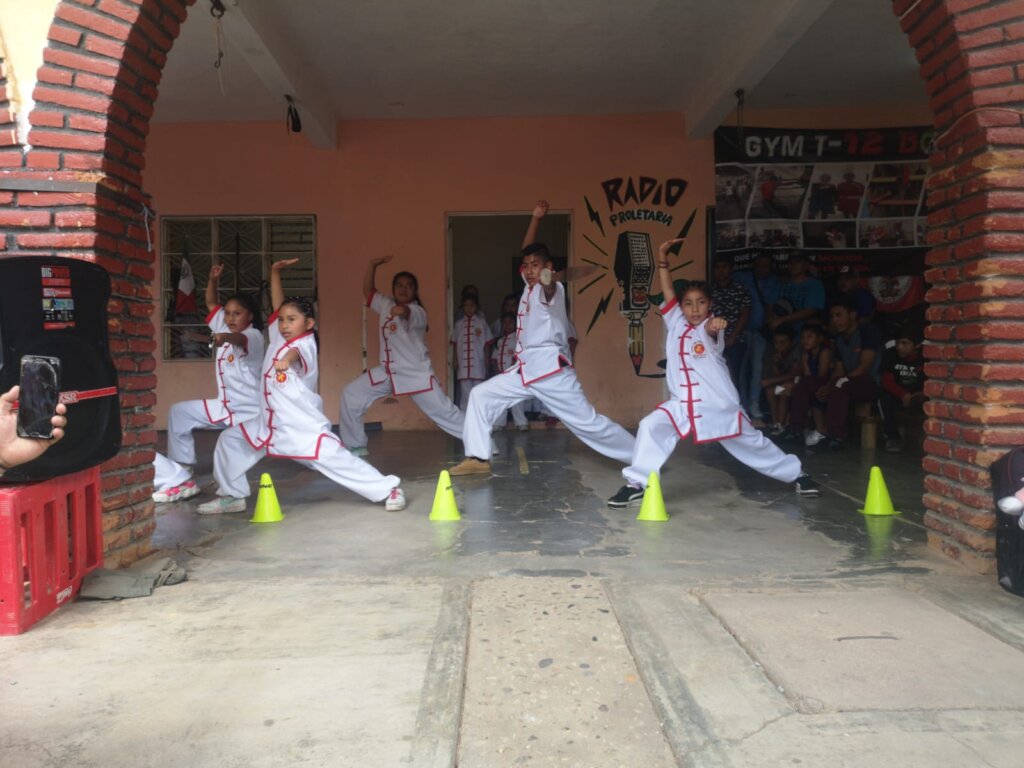
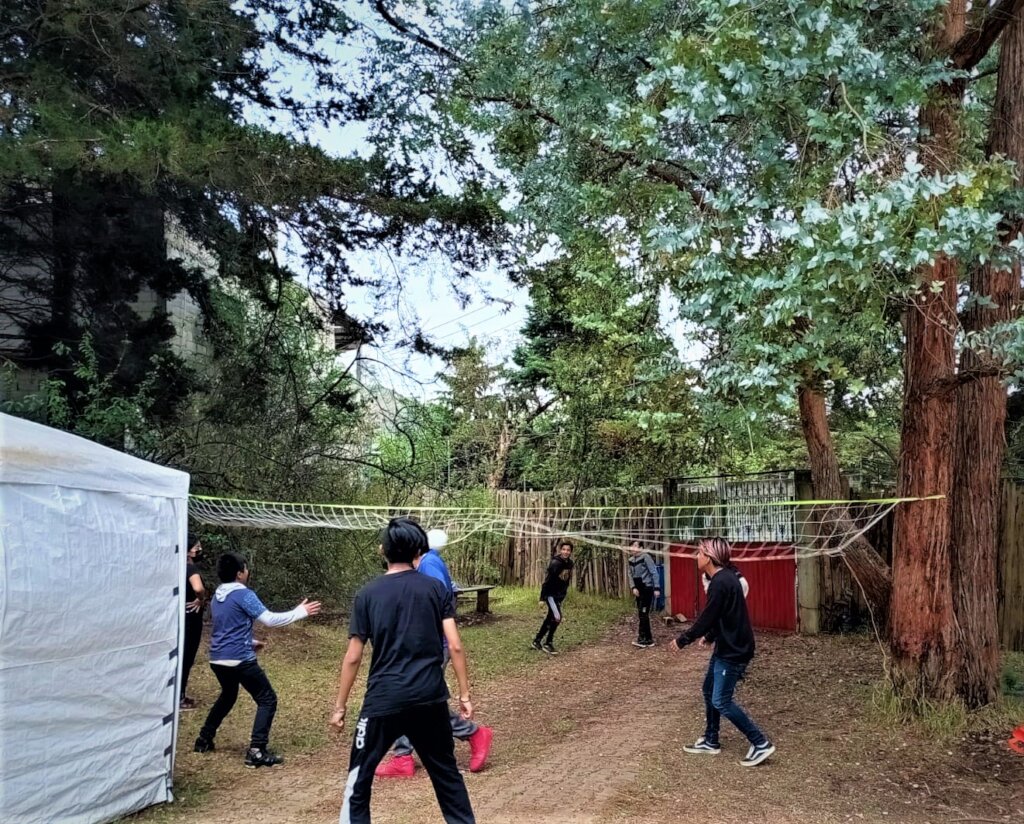
The main objective has been to offer a social space of peace, learning, and fun to girls and boys from the urban periphery as an alternative to violence and marginalization, strengthening their social skills and building tools for healthy and equitable relationships. During the first stage (October 2021-July 2022), we observed an essential change in the attitude of the young people, who have been attending regularly and participating actively and critically. There were also advances in their autonomy in managing space, relating, and making possible conflicts or discrimination visible, in addition to strengthening their capacities to transform these conflicts. Several processes need more time and space to materialize in more systemic changes. In several cases, Tierra Roja is their only social and learning space. In this second stage, we want to guarantee a dignified and comprehensive learning space for girls from eleven to eighteen years old, promote processes of free expression and respect for all identities, and build collaborative tools for autonomy and a life free of violence.
Centro de Formación para la Sustentabilidad Moxviquil, A.C.: "Prevention of child sexual abuse in San Cristóbal de Las Casas."
Direct beneficiaries: 500 Indirect beneficiaries: 2,500
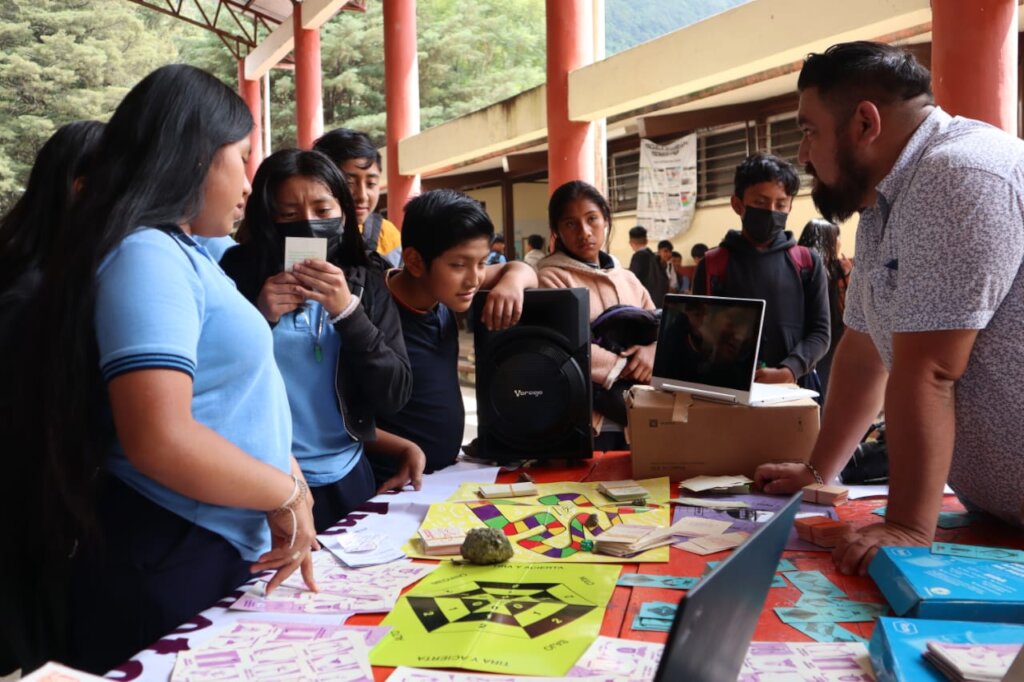
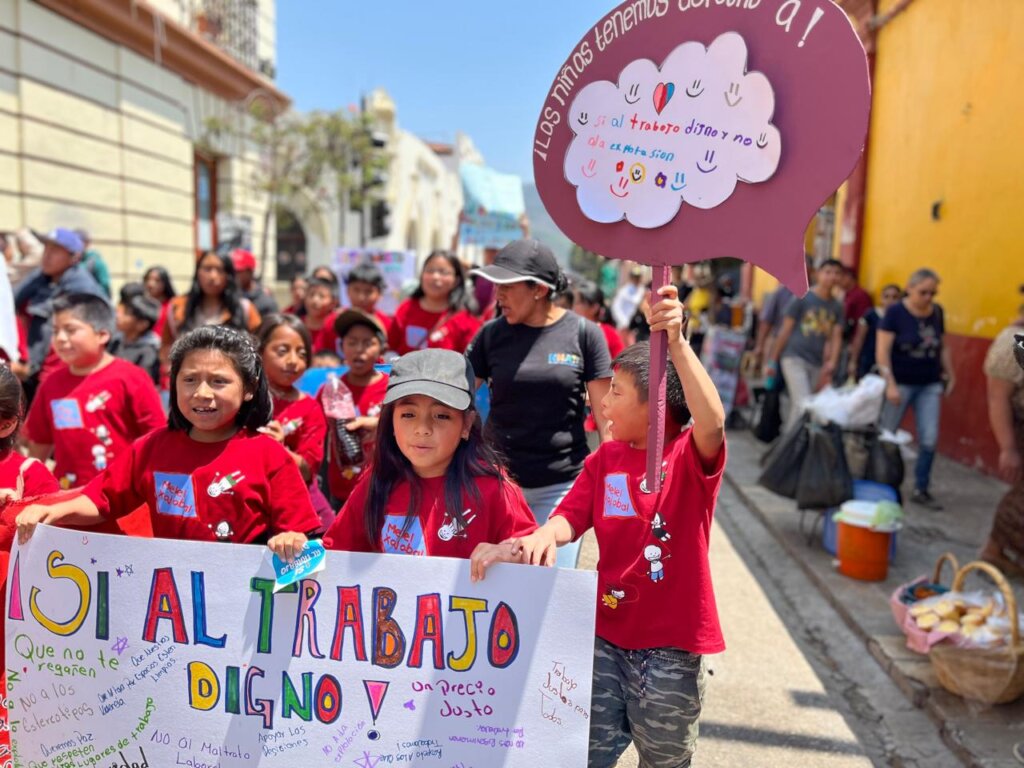
Child sexual abuse is a huge problem that cuts across all ages. Working with children and adolescents strengthens personal resources for self-care and the ability to set limits. Working with the young and adult population is because it is necessary to raise awareness about adult centrism and the permission to exercise sexual violence toward children and adolescents. It is a present and daily issue that is invisible and ignored in all ages. This project aims to generate spaces for awareness, orientation, and attention to the San Cristobal population regarding the prevention of child sexual abuse from a focus on the rights of children and adolescents, as well as intersectionality, contributing to making the problem visible. It seeks to generate spaces for self-knowledge and the development of skills for self-care and the exercise of limits in the child and adolescent population; make visible the problem of child sexual abuse, providing precise and scientific information to the adult population in neighborhoods and schools; and open space for care and counseling for individuals and families, establishing a critical care path with various areas in the city.
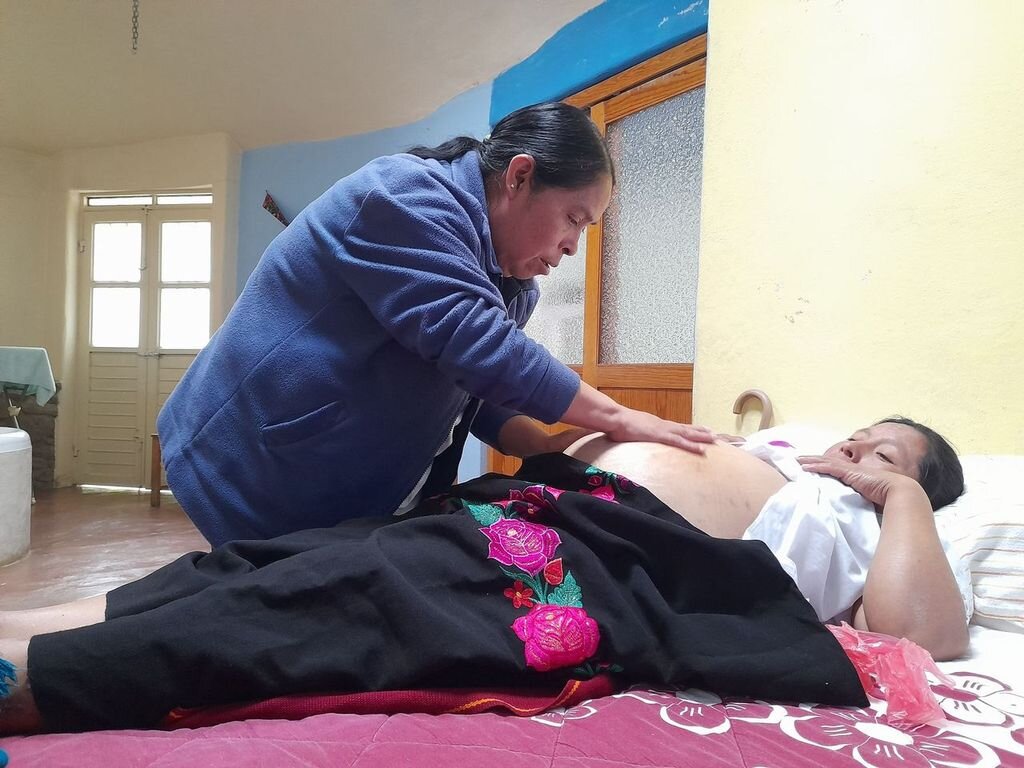
CAMATI Mujeres Construyendo desde Abajo A.C: "Dignifying the rights of women and midwives to a free exercise of the use of their knowledge in traditional medicine and decent food with their resources in Santiago el Pinar and Chenalhó, Chiapas."
Direct beneficiaries: 140 Indirect beneficiaries: 600
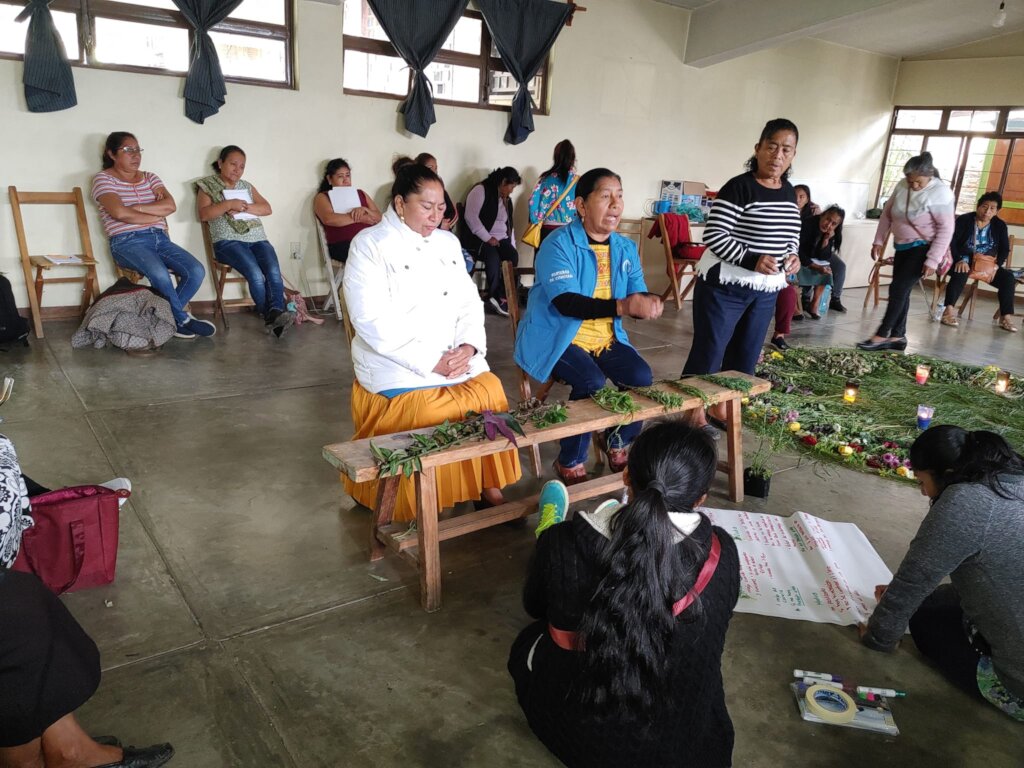
This project seeks to improve the quality and warmth of reproductive health services with the free exercise of midwifery, traditional medicine, and nutrition improvement in two municipalities, Santiago el Pinar and Chenalhó, in Chiapas. 98% speak an indigenous language in these two municipalities, and only 41.86% are bilingual. One of the problems faced by women of reproductive age is the lack of adequate maternal and neonatal health care, lack of knowledge about the exercise of women's rights and decision-making regarding their health, even though they have a Health Center extended in which the services are 12 hours, from Monday to Saturday. Women mainly distrust medical care due to the obstetric violence within health institutions, lack of communication in their mother tongue, and supplies for their care. These two municipalities also face poor nutrition, little sustainability, uses, and customs that directly affect girls, boys, and women of reproductive age, which causes them to violate their rights.
Thank you very much for reading and for staying close. We invite you to participate in the upcoming campaigns or continue contributing your grain of sand. Hugs!
By Katya Becerra | Fundraiser
By Katya Becerra | Fundraiser
Project reports on GlobalGiving are posted directly to globalgiving.org by Project Leaders as they are completed, generally every 3-4 months. To protect the integrity of these documents, GlobalGiving does not alter them; therefore you may find some language or formatting issues.
If you donate to this project or have donated to this project, you can receive an email when this project posts a report. You can also subscribe for reports without donating.



Support this important cause by creating a personalized fundraising page.
Start a Fundraiser