By Corinne Pierre-Louis | Operational Director of Amigos de San Cristobal
We present to you the most outstanding activities that have taken place at Amigos in the last months. It has been several months in which we are already seeing Amigos organizations execute their project’s , in which we have continued to cultivate links with other organizations such as Comunalia, Cemefi , La Enseñanza Casa de la Ciudad, Equitach and the University of Indiana, we have continued working with giving circles, and we have produced several materials to facilitate our work in raising awareness and disseminating the theme of community philanthropy, We have also continued to work with the giving circles , producing various materials to help us raise awareness and disseminate the theme of community phi lanthropy, such as a video and other written materials , and we have continued to invite different sectors of society to join our project and participate as actor s of change.
Amigo Organizations 2024:
The organizations that will receive funding in 2024, and to which we will be doing in accompaniment, monitoring and follow-up are:
Hogar Comunitario Yach´il Antzetik A.C.
Project name: "Comprehensive and violence-free development for women with unplanned pregnancies, single mothers, children and adolescents at risk and marginalized".
Project location: San Cristóbal de Las Casas.
Projected beneficiaries: 205 women, 35 children, 700 adolescents and 120 people from the general population.
General objective: Promote the denormalization of violence against women, children and adolescents, early pregnancies and addictions.
Tierra Roja Cuxtitali A.C.
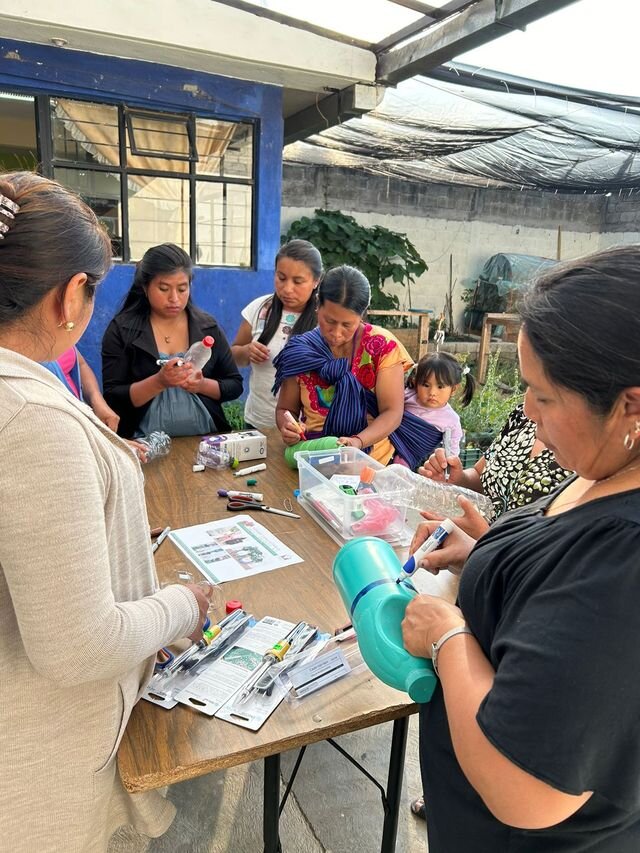
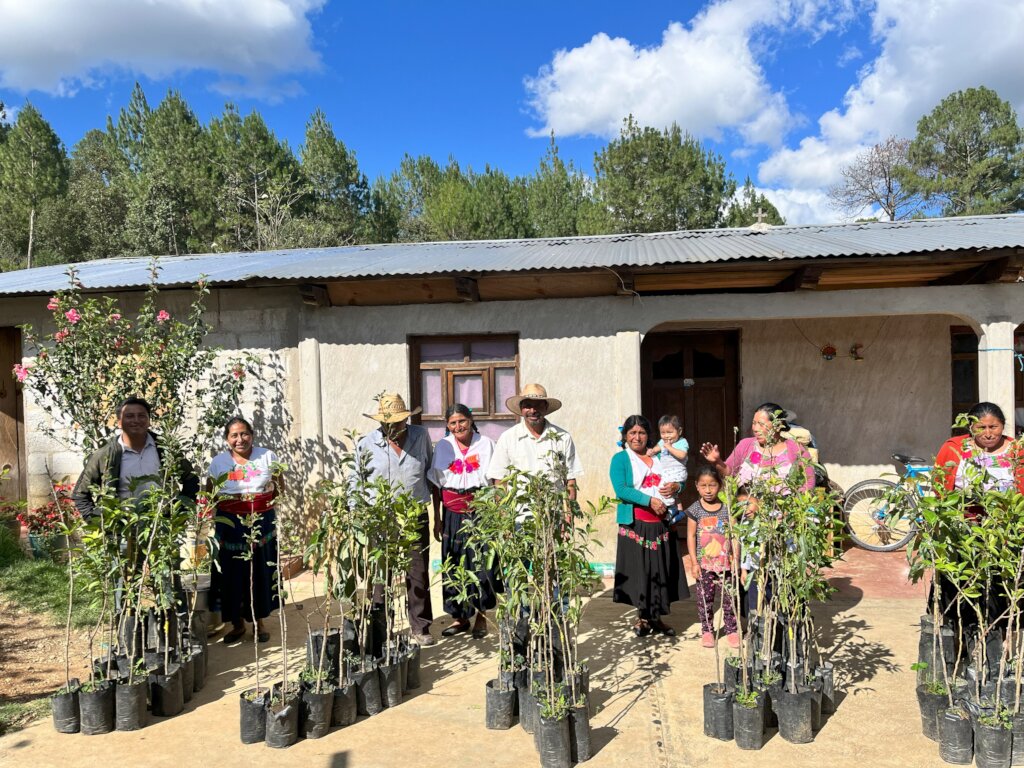
Project name: "Agroecological communities for good living".
Project location: Colonia Prudencio Moscoso, in San Cristóbal de Las Casas.
Projected beneficiaries: Direct beneficiaries: 123 people and indirect beneficiaries: 3,800 people.
General objective: Transmit to the new generations an awareness of self-care, collective care, and preservation of our mother nature through the practice of a set of learning through culture, agroecology, art, and local flavors and knowledge.
PROMEDIOS de Comunicación Comunitaria A.C.
Project name: "El Fogón de las Palabras: laboratory of community stories".
Project location: Larráinzar, Chenalhó, Zinacantán and San Cristóbal de Las Casas.
Projected beneficiaries: Direct beneficiaries: 92 people and indirect beneficiaries: 1,200 people.
General objective: Strengthen, through a series of workshops, the practical, critical and creative audio skills of the direct beneficiaries, for the creation of local narratives that promote a culture of peace, dialogue, tolerance, healthy eating, community health, agriculture, defense of the territory and good coexistence practices.
JOVENARTE (Jóvenes Articulando Territorios) A.C.
Project name: "Agroecological youth for good living in Mitontic and Huixtán Chiapas".
Project location: Mitontic and Huixtán.
Projected beneficiaries: Direct beneficiaries: 30 people —students and teachers — and indirect beneficiaries: 120 people —family members—.
General objective: Contribute to strengthen the transmission of knowledge about agricultural production through the agroecological approach based on the co-responsibility of environmental care and preservation of traditional agricultural knowledge with young people from Mitontic and Huixtán, Chiapas.
Agua y Vida: Mujeres, Derechos y Ambiente A.C.
Project name: "We want water: towards the strengthening of women in participatory water management in San Cristobal de Las Casas, Chiapas".
Project location: San Cristóbal de Las Casas.
Projected beneficiaries: Direct beneficiaries: 150 people — water and environmental defenders and collaborators of environmental organizations— and indirect beneficiaries: 450 people.
General Objective: Strengthen the personal and collective power of women environmentalists in San Cristóbal de Las Casas, through ecofeminist training and information, which allows the construction of processes for the defense of the right to water.
Formación y Capacitación A.C. (FOCA)
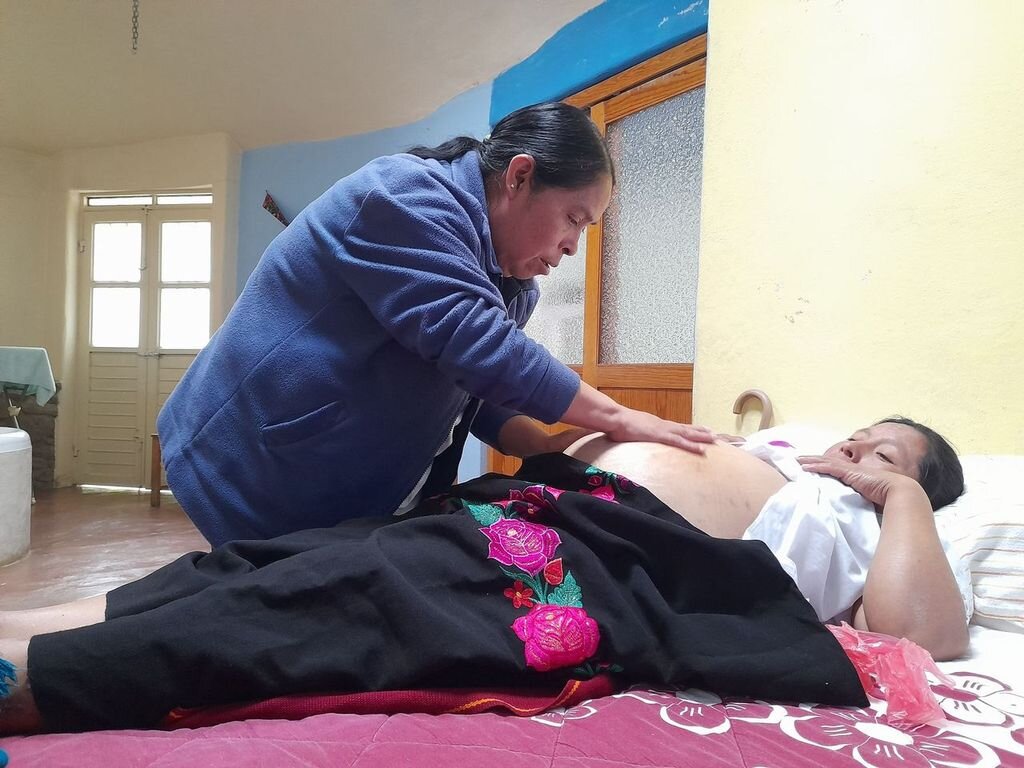
Project name: "Strengthening of apprentices in traditional Tseltal midwifery, from a gender, intercultural and rights-based approach".
Project location: San Juan Cancuc, Ocosingo, Chanal, Oxchuc and Tenejapa.
Projected beneficiaries: Direct beneficiaries: 25 people and indirect beneficiaries: 104 people.
General objective: Strengthen, through an intercultural and women's rights perspective, the defense of traditional midwifery with young and adult midwifery apprentices in the highlands and jungle.
Centro de Formación Integral para Promotores Indígenas A.C. (CEFIPI)
Project name: "Community environmental education for soil and water conservation in Santa Cruz Yaxté and Piquinte'el".
Project location: Pantelhó.
Projected beneficiaries: Direct beneficiaries: 66 and indirect beneficiaries: 380.
General objective: Promote soil and water conservation in the communities of Santa Cruz Yaxté and Piquinte'el through comprehensive training in community environmental education.
Melel Xojobal A.C.
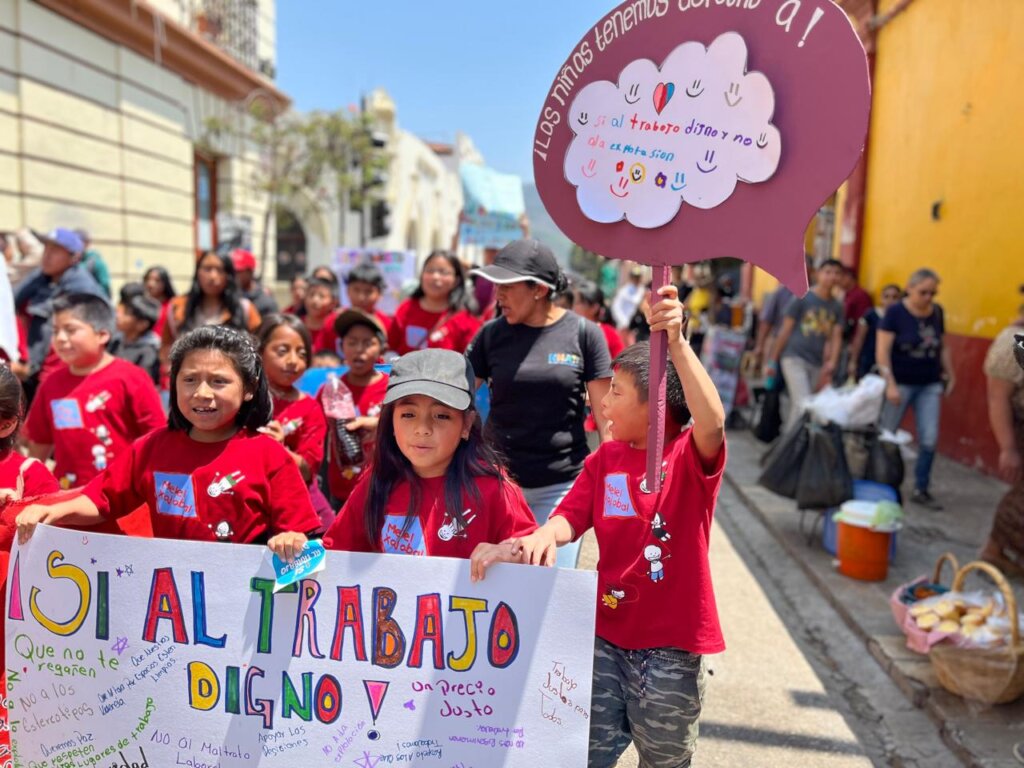
Project name: "Protagonist participation for the exercise of the right to education of working children in San Cristobal de Las Casas".
Project location: San Cristóbal de Las Casas.
Target beneficiaries: Direct beneficiaries: 125 —working children from three public markets and their mothers and fathers— and indirect beneficiaries: 520 friends and family members.
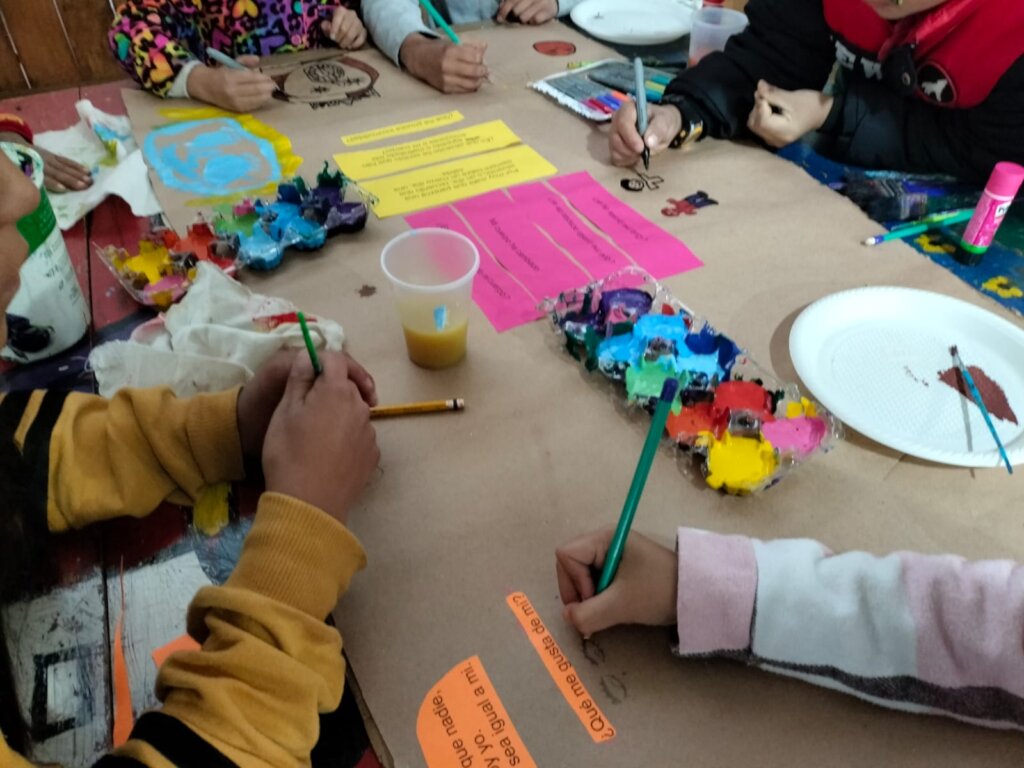
General objective: Promote access to the right to education for indigenous working children from 5 to 11 years of age, through support and awareness-raising actions to prevent educational backwardness.
IDEAS, Información y Diseños Educativos Para Acciones Saludables, A.C., CH’IELTIL
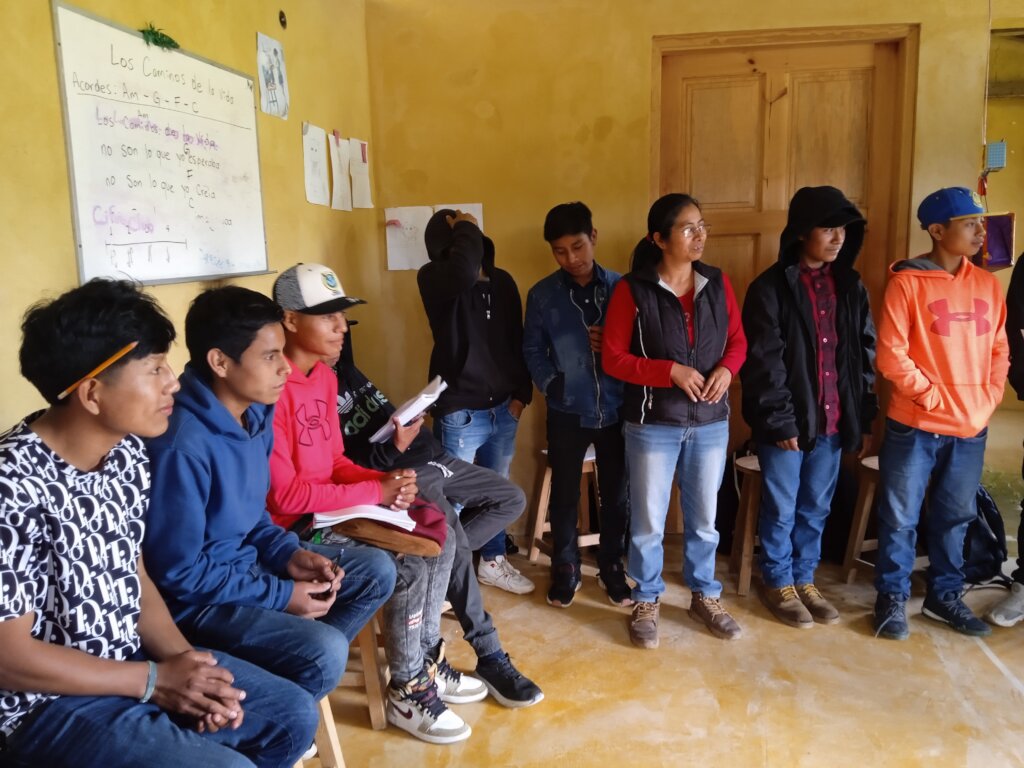
Project name: "Socio-emotional education for Mayan children, adolescents and youth to promote school retention".
Project location: Chenalhó and San Juan Cancuc.
Projected beneficiaries: Direct beneficiaries: 190 people -98 women and 92 men- and indirect beneficiaries: 684 people.
General objective: Contribute to strengthen the socioemotional capacities of Mayan children, adolescents and young people as a protective factor against school dropout. The monitoring and evaluation of the result will correspond to a result indicator: Percentage of children, adolescents and youth (NNAJ) who significantly improve their knowledge and socioemotional skills favorable to the prevention of school dropout.
SIGNING OF AGREEMENTS
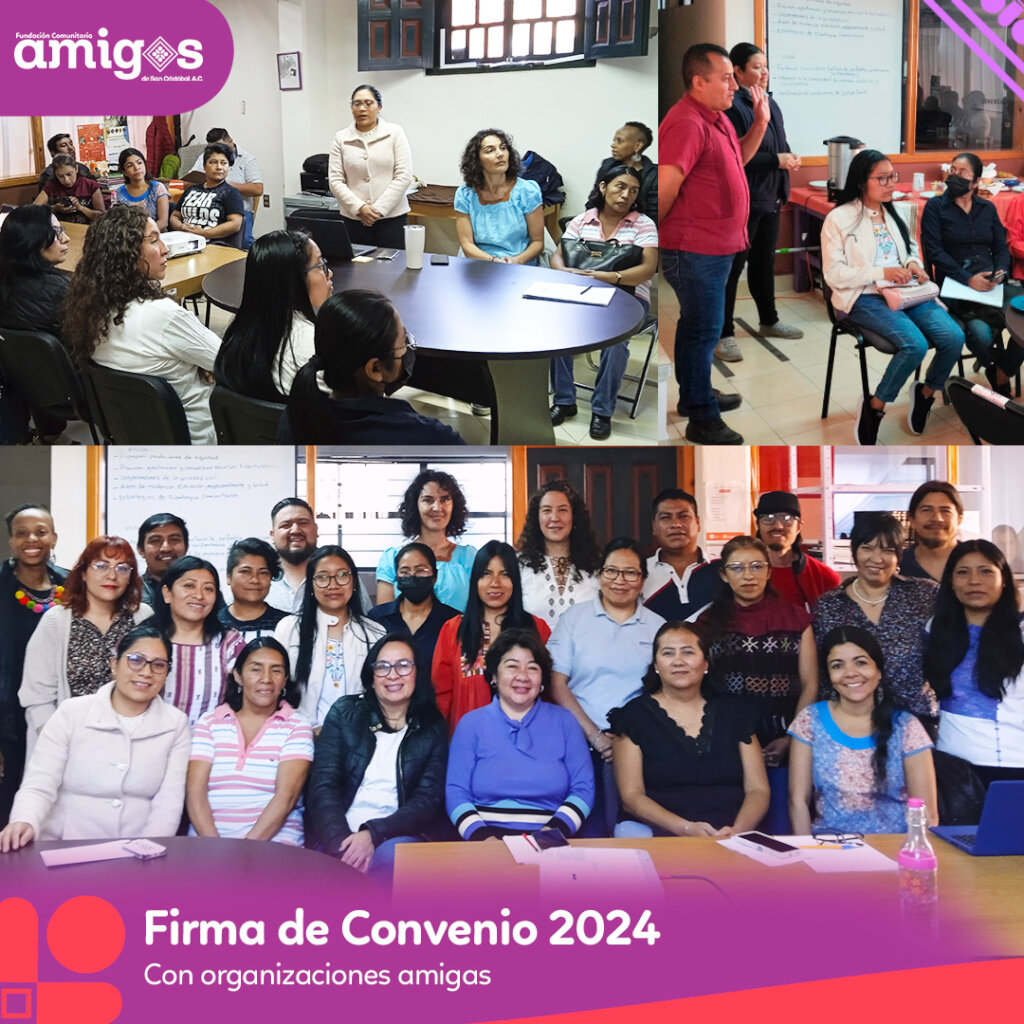
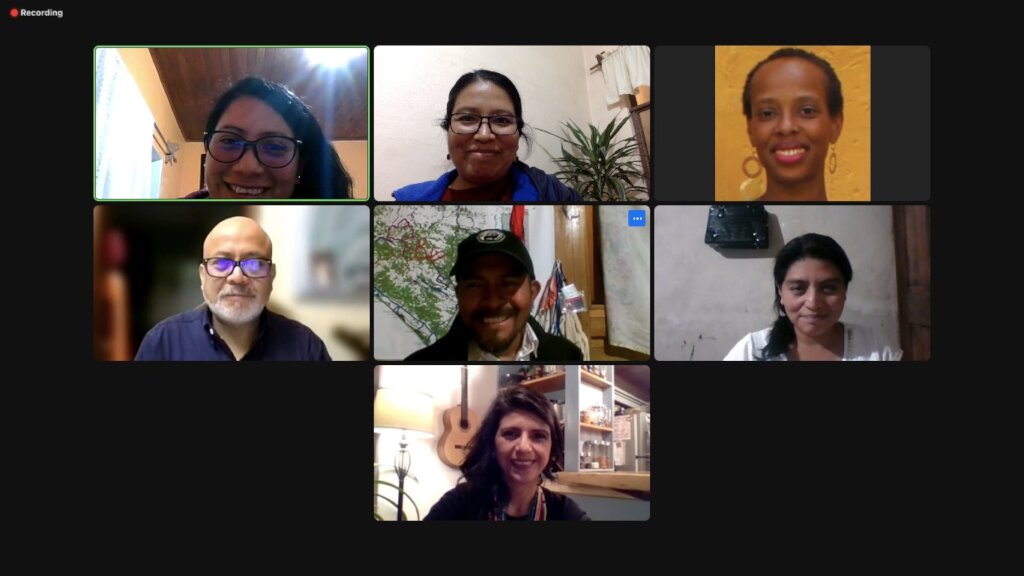
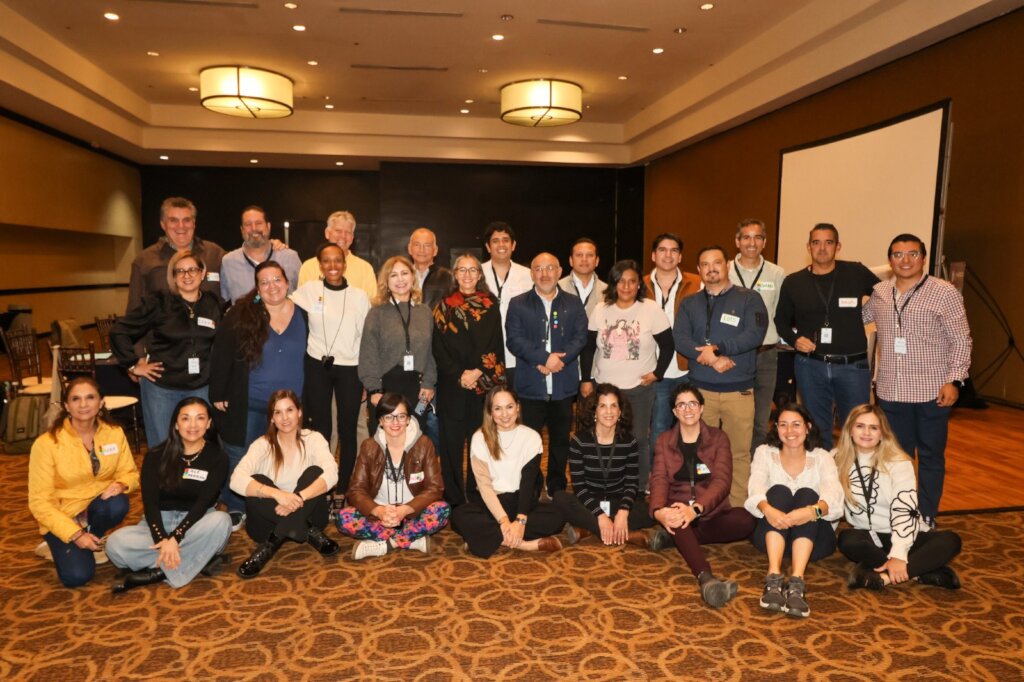
On April 16, the signing of agreements took place between Amigos de San Cristobal, A.C. and each of the 10 organizations with which we are collaborating in 2024. They briefly presented their projects to the rest, and there was a question and answer session to discuss some technical and administrative issues regarding the execution of the funds and the presentation of reports. Thus, that day we were accompanied by representatives of: Hogar Comunitario Yach'il Antzetic, A.C., Tierra Roja Cuxtitali, Semillero 259, Promedios de Comunicación Comunitaria, A.C., Jovenarte (Jóvenes Articulando Territorios), A.C., Agua y Vida: Mujeres, Derechos y Ambiente, A.C., Formación y Capacitación, A.C. (FOCA), Centro de Formación Integral para Promotores Indígenas, A.C., Melel Xojobal A.C. and Ideas, Información y Diseños Educativos para Acciones Saludables, A.C. - Ch'ieltik.
IAF VISIT
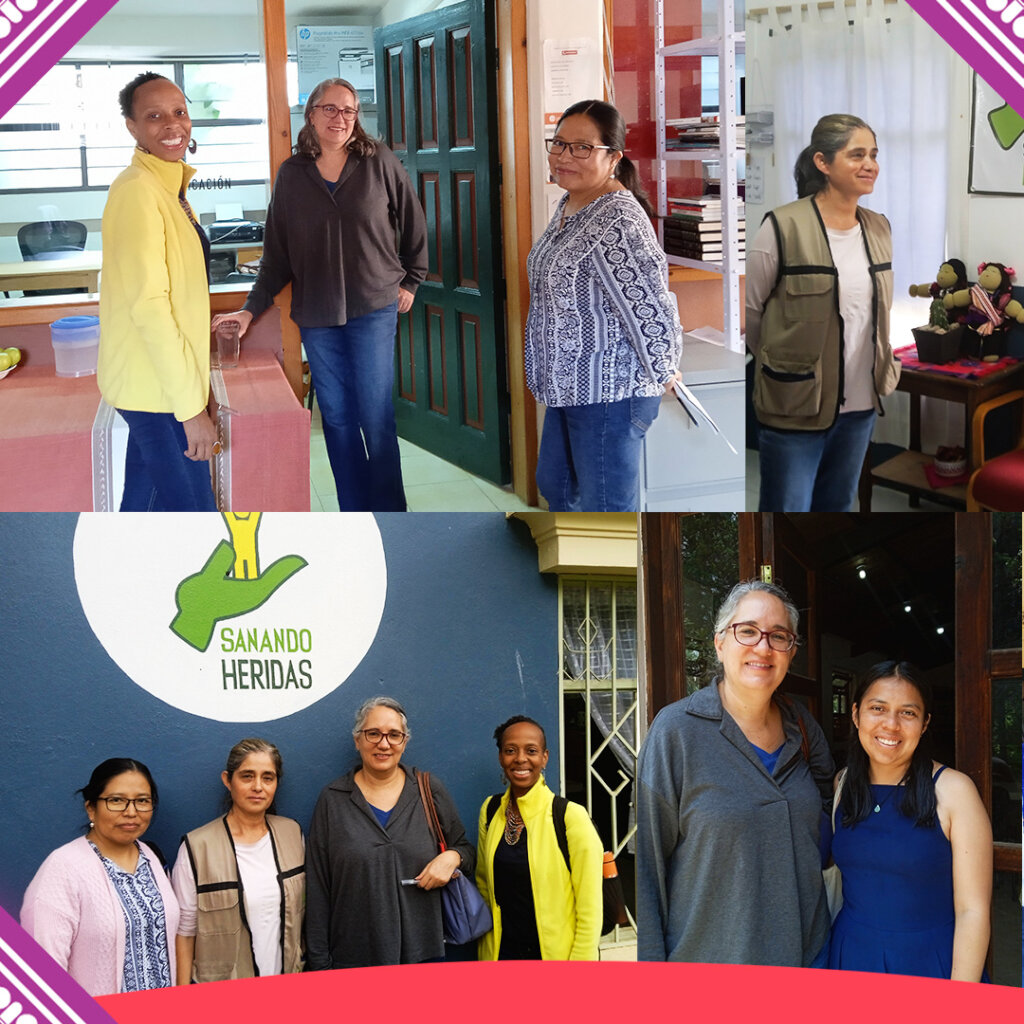
In the first half of June we enjoyed a visit from Andrea Tapia of the Inter-American Foundation (IAF). She was able to see on the ground the work of some of the organizations and collectives, and the ñknñ,results of the technical trainings that took place in 2023. Hogar Comunitario Yach'il Antzetic, A.C., Sanando Heridas, A.C., Universidad Moxviquil, Semillero 259, TeKio tejedora de redes and Gimnasio Autónomo Popular "Barrio Bravo" were the organizations interviewed. Andrea also had the opportunity to speak with members of the giving circles about their experience and with members of the Amigos de San Cristóbal A.C. operational team.
COMMUNITY PHILANTHROPY AND GIVING CIRCLES
TSELTAL COURSE WITH CAUSE
The Sejk'ubal Kuxlejal giving circle organized a Tseltal course with a cause and the proceeds from the cost of the workshop went to the projects we support.
COMMUNITY PHILANTHROPY VIDEO
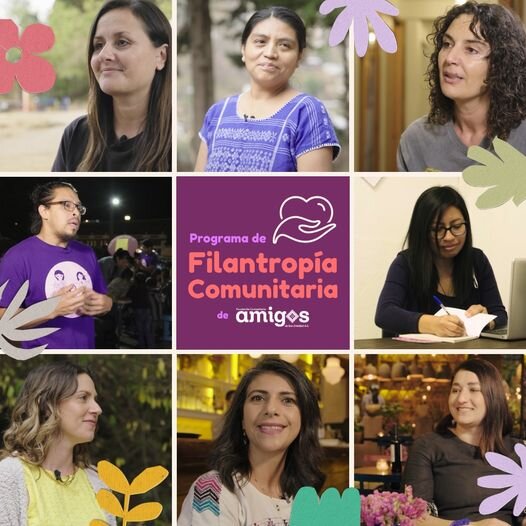
The Community Philanthropy area, in collaboration with the Communications area, produced a video with the objective of explaining the work that is carried out in Amigos de San Cristobal in relation to community philanthropy, which seeks to be a tool to create awareness and form agents of change that positively impact, through collective practices, the lives of children, women and families in Los Altos de Chiapas. Special thanks to Xun Sero, for the production and editing of the video, an excellent professional in audiovisual matters, and to all the people who participated, always with the best attitude. A nice team work in the making of this video. In these links you can see it in Spanish and also subtitled in English, Tsotsil and Tseltal.
Spanish: https://youtu.be/JtVZvXjo0U8
English: https://youtu.be/T1Y_xw4XPnA
Tsotsil: https://youtu.be/kl8GoPsxpTM
Tseltal: https://youtu.be/8nY34bRQQ3w
COMMUNITY PHILANTHROPY WORKSHOP
On April 8, we participated, along with partner organizations and members of giving circles, in a workshop on community philanthropy. The session was facilitated by Dr. Sergio Cruz Hernández, a professor at the Universidad Autónoma de Baja California in Ensenada, and collaborates with Fondo Acción Solidaria, A. C. (FASOL). The purpose of the workshop was the exchange of knowledge and experiences around philanthropic practices, mainly around the processes of recovery of memory in the communities, to recognize the contributions in time of women and men, to make visible the symbolic valuation of the territory; as well as to see the tangible and intangible resources contributed by all those involved in the project (not only the donors), based on the main findings obtained in the study "Mobilization of resources among grassroots groups in Mexico" (2021) and the results of the project "Strengthening community philanthropy in Mexico" (2023).
INTERACTIVE EDUCATIONAL MATERIAL
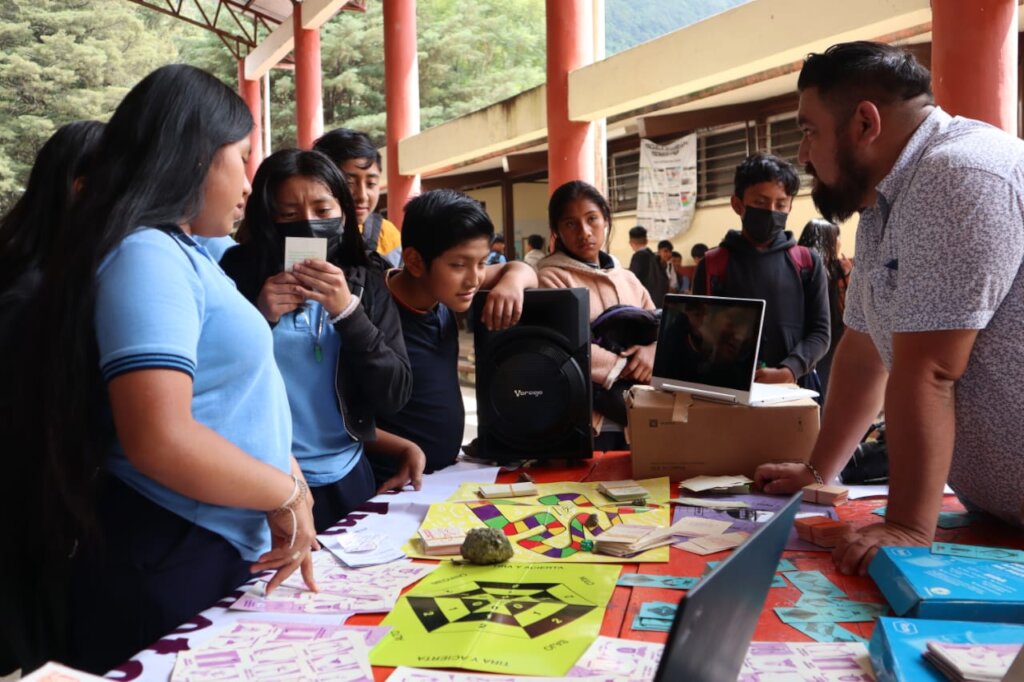
In early June we launched our "Interactive Educational Material", a booklet translated into Tsotsil, Tseltal and English, which contains information and exercises for giving circles to reflect on community philanthropy issues in a fun and educational way. The printed version will also include two dynamics for board games, one of cards with questions about the environment and the other with questions about philanthropy. In our Linktree you can find the digital versions in PDF: https://linktr.ee/amigosdesc
FUNDRAISING CAMPAIGNS
SORIANA CUSTOMER CONTRIBUTION CAMPAIGN 2024
The campaign, in collaboration with Fundación Soriana, ran from March 1 to June 30, and was aimed at customers of the Soriana Híper San Cristóbal store, in which, at the checkout, they could donate cents (or 5 extra pesos) when paying for their purchases, and thus contribute to improving the living conditions of the people of Los Altos de Chiapas, through the development projects supported by Amigos de San Cristóbal this year.
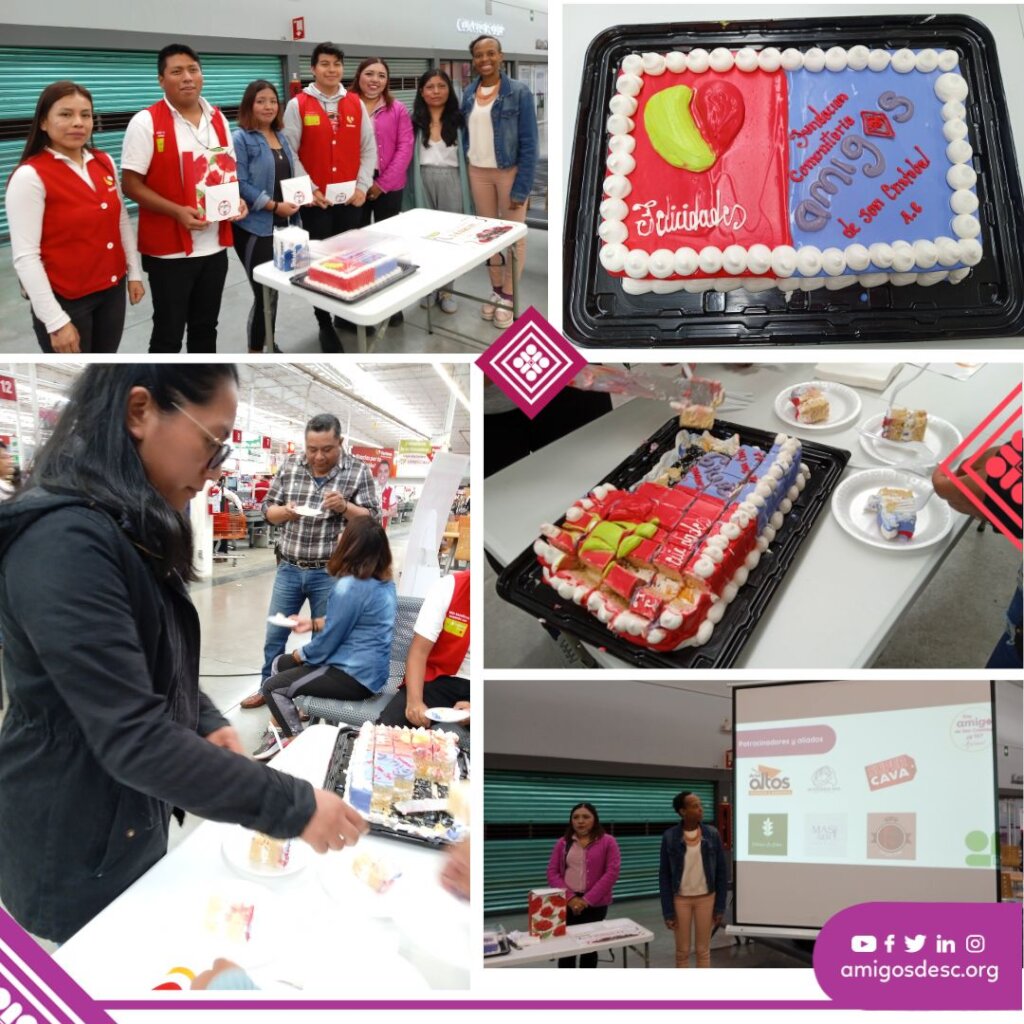
On July 10, the closing of the 2024 Customer Contribution Campaign took place at Soriana Híper San Cristóbal, in collaboration with the Soriana Organization, where we had the opportunity to thank the store -specifically the cashiers, manager and cashier- with some gifts for their support and collaboration.
We also thanked the customers by sharing a cupcake for the donations they made at the cash register.
Together we make a difference!
COMUNALIA ANNUAL MEETING
A meeting in which our operational director, Corinne Pierre-Louis, participated as a member of the Board of Directors of the Alliance of Community Foundations of Mexico (Comunalia). The activity was held to share the scope of the work of this foundation of foundations. Thanks to the commitment and impulse of the community foundations associated to this network, spaces are being created so that the voices of the communities -from different parts of the country- can be heard and assume the leadership of their own development.
VISIT FROM INDIANA UNIVERSITY
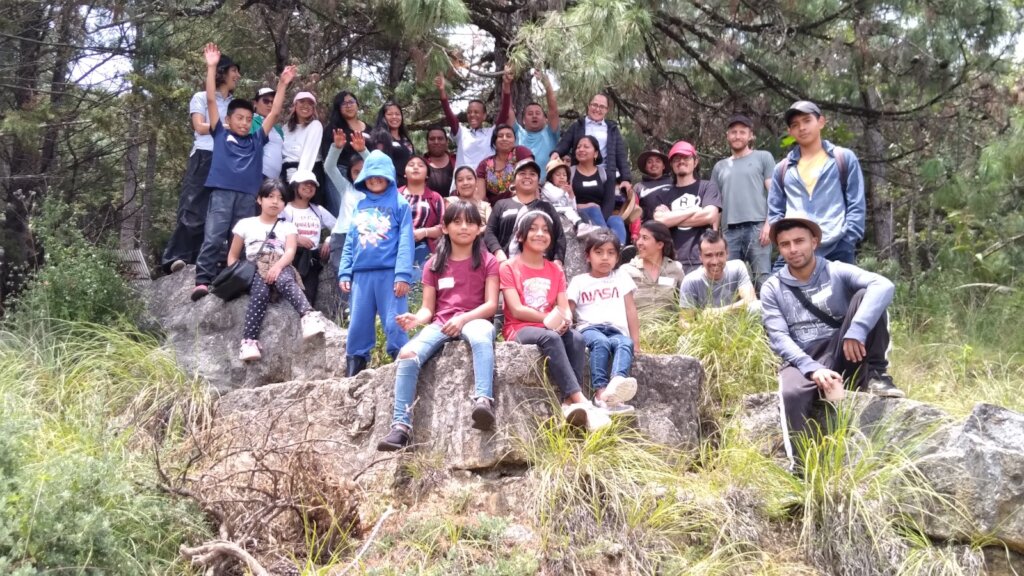
In mid-May we received a visit from a group of students from Indiana University. The group was accompanied by Dr. Elisheva Cohen and Professor Victor Calderon Rojas. We had the opportunity to introduce them to the philanthropic work being carried out at Amigos de San Cristobal and the projects we support. The young people, most of whom are studying International Relations, learned about the current context of Chiapas and the work of civil associations. We also visited with them the Hogar Comunitario Yach' i l Antzetic, where their collaborators talked to them about the work they do with women.
IBERO-AMERICAN MEETING
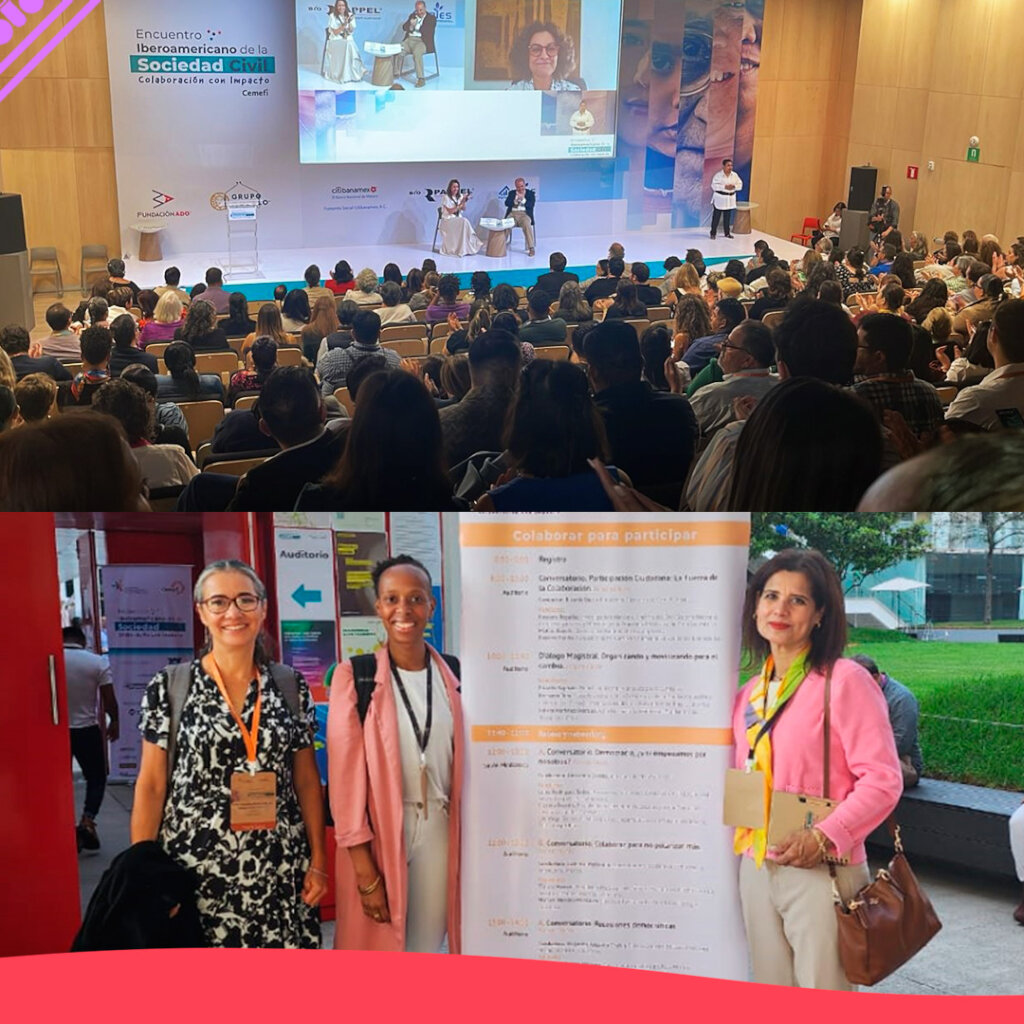
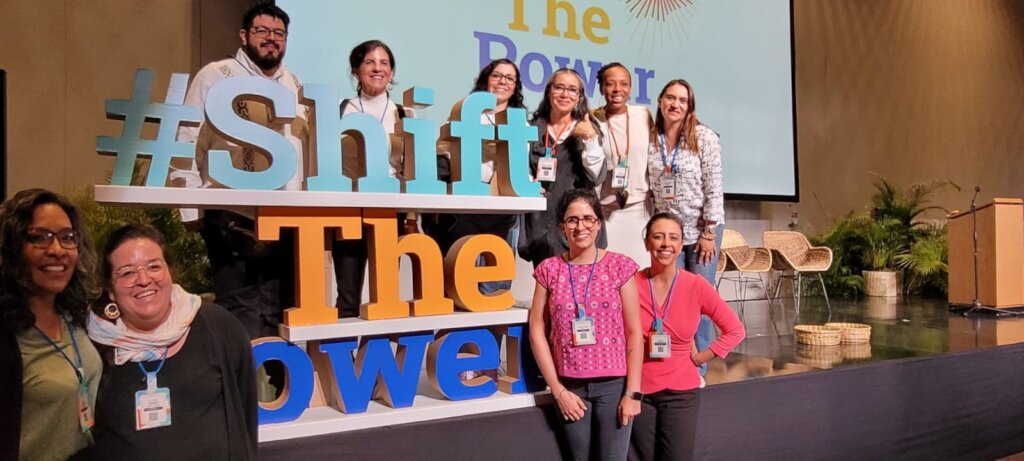
On April 16, 17 and 18, the IBERO-AMERICAN ENCOUNTER OF CIVIL SOCIETY (Collaboration with Impact), organized by the Mexican Center for Philanthropy, CEMEFI, was held at the Universidad Centro in Mexico City. Our director attended the sessions of the different discussion tables. The main theme of the event was "The power of collaboration to achieve just social change" and the objective was: "To promote the building of bridges of co-responsibility to address interconnected regional problems that require coordinated”.
EQUITACH EVENT (THERAPEUTIC RIDING OF LOS ALTOS DE CHIAPAS)
Amigos participated as a volunteer in the technical support of this event which objective was promoting the riding among people with intellectual disabilities, as well as providing more and more opportunities for competition and meaningful experiences for the young athletes.
By Corinne Pierre-Louis | Operational Director
By Katya Becerra | Fundraiser
Project reports on GlobalGiving are posted directly to globalgiving.org by Project Leaders as they are completed, generally every 3-4 months. To protect the integrity of these documents, GlobalGiving does not alter them; therefore you may find some language or formatting issues.
If you donate to this project or have donated to this project, you can receive an email when this project posts a report. You can also subscribe for reports without donating.



Support this important cause by creating a personalized fundraising page.
Start a Fundraiser