By Martin Irungu | Executive Director
Dear Friends and Supporters,
Six months ago, many young people in Enduata Village had never touched a computer. Farmers faced declining soil fertility, degraded landscapes, and limited livelihood opportunities. Children in nearby schools could only imagine learning coding because their classrooms lacked electricity and digital devices.
Today, thanks to your generosity, that story is changing.
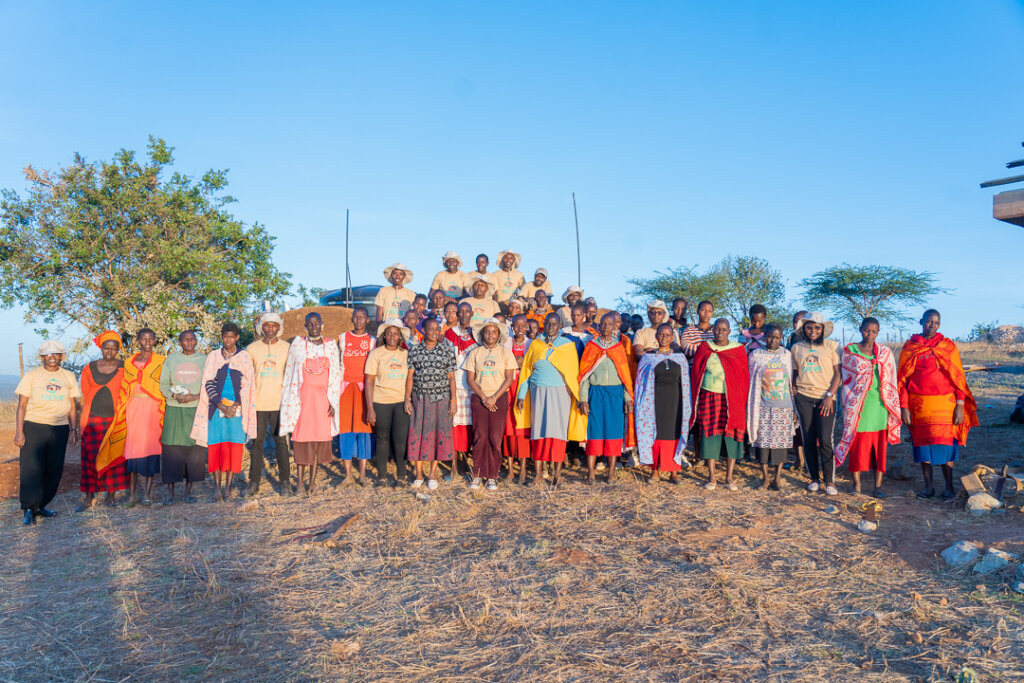
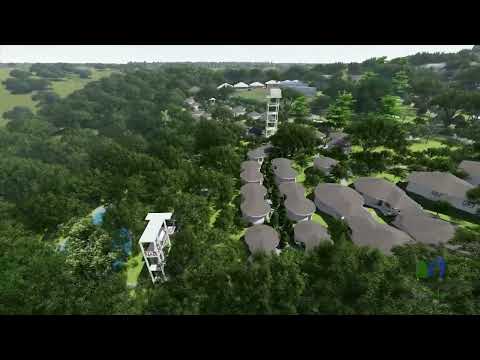
Across the Social Innovation Eco Village Enduata (SIEVE), young people are gaining digital skills for the first time, indigenous trees are taking root across once-bare land, school children are writing their first lines of computer code, and sustainable enterprises are beginning to flourish.
What was once a bold vision is steadily becoming a vibrant centre where innovation, environmental restoration, culture, and entrepreneurship come together to create lasting opportunities for rural communities.
None of this would have been possible without you. Thank you for believing in our vision and investing in the future of rural Kenya.
Your Impact at a Glance (January – June 2026)
Because of your support, together we have achieved:
These achievements are more than numbers—they represent lives transformed, opportunities created, and hope restored.
Stories of Transformation: The Difference You Made
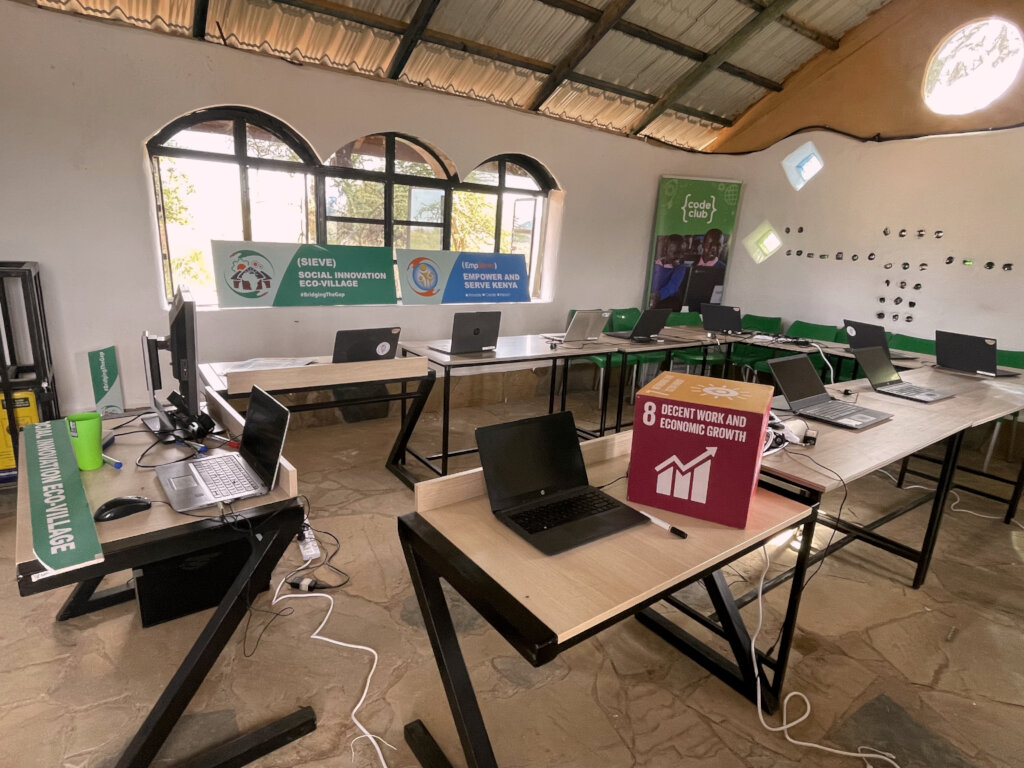
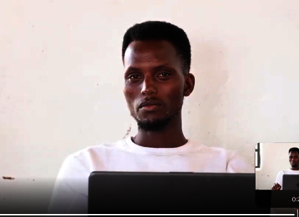
When Abel first walked into the SIEVE ICT Centre, he had never used a computer.
Today, he confidently prepares presentations, creates documents, and dreams of building a career in technology.
"We really thank you because some of us come from rural areas and had never accessed computers before. Now we can use Word, Excel and PowerPoint, and every visit to the centre teaches us something new."
For Abel and many other young people, digital skills are no longer a privilege reserved for cities—they are becoming a pathway toward employment, entrepreneurship, and self-reliance.
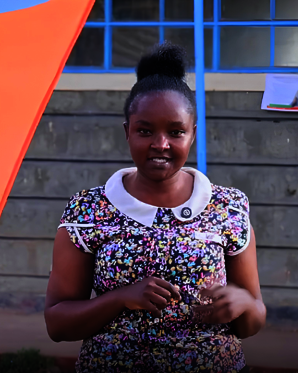
Jane, another learner, shares that every training session gives her confidence to pursue her dream of becoming digitally literate and financially independent.
Their stories remind us that opportunity can transform lives when someone chooses to invest in it.
Restoring the Land, Restoring Hope
At the heart of SIEVE is a simple belief: healthy communities begin with healthy ecosystems.
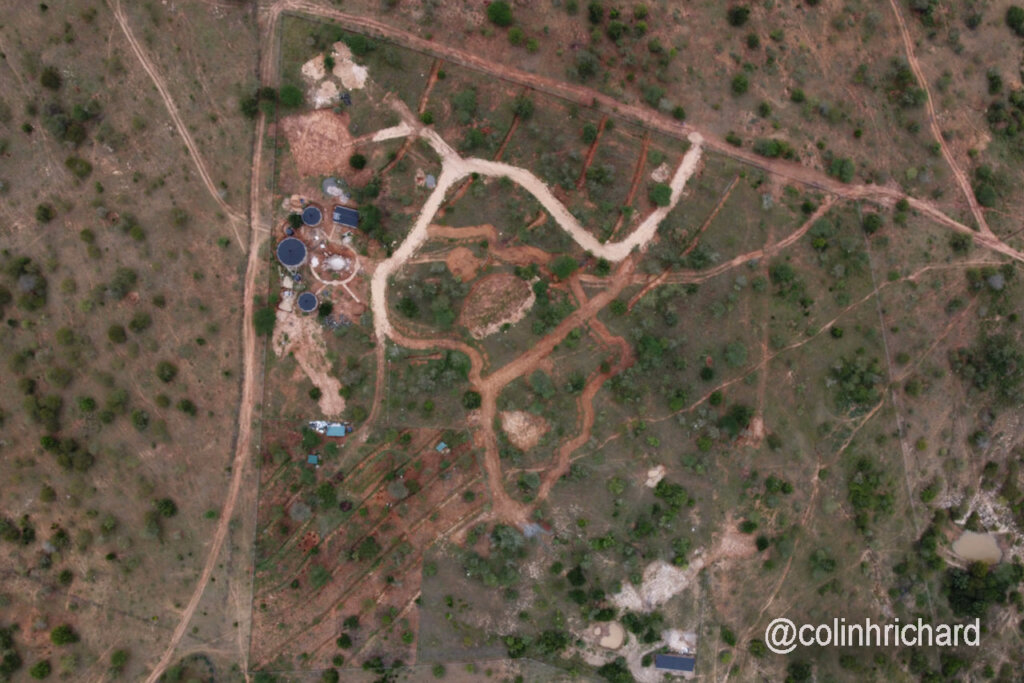
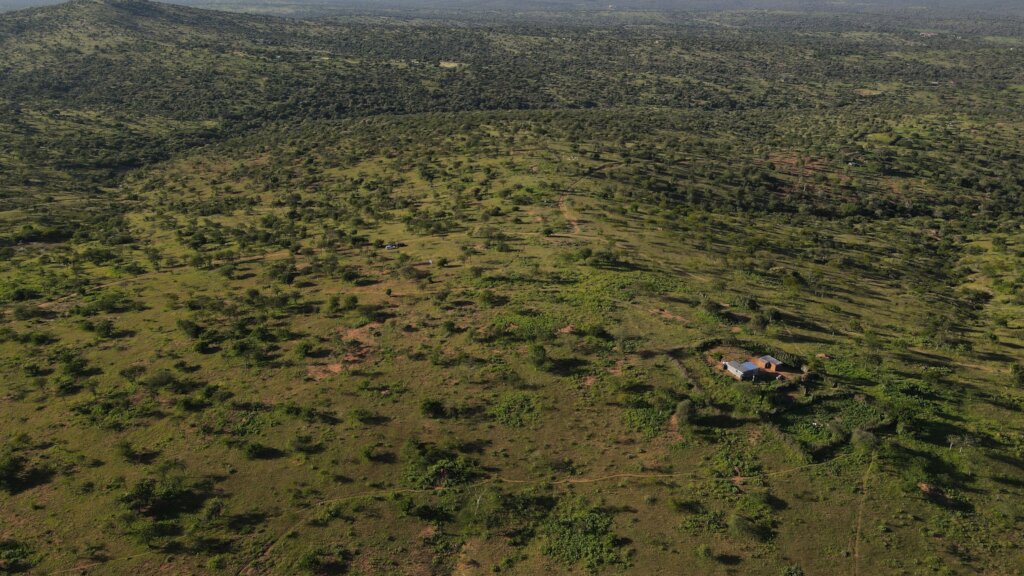
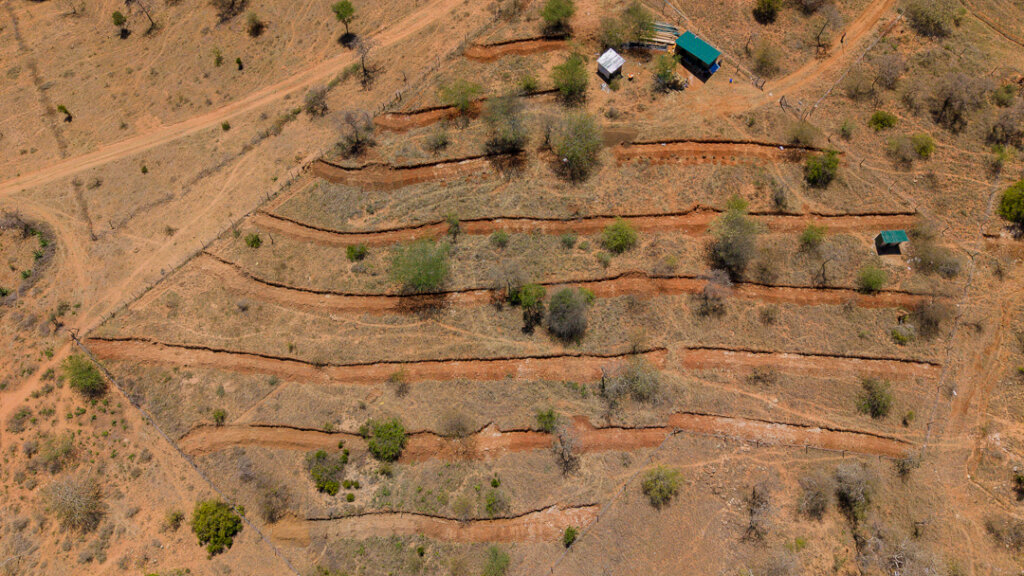
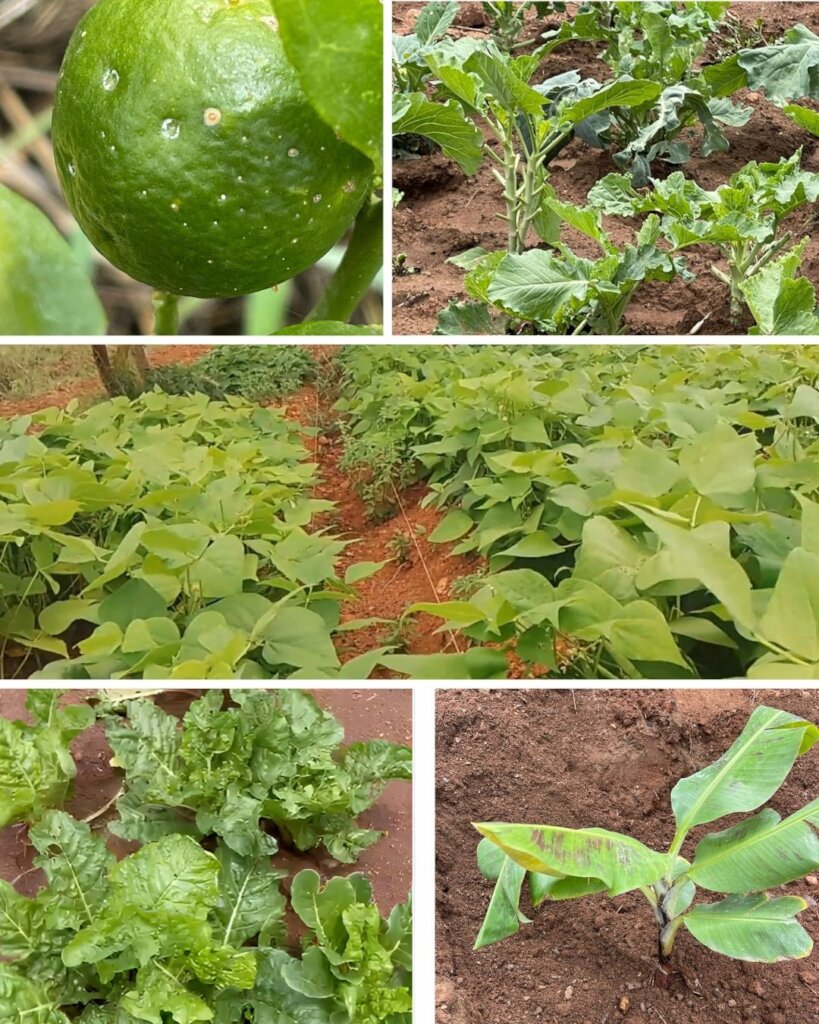
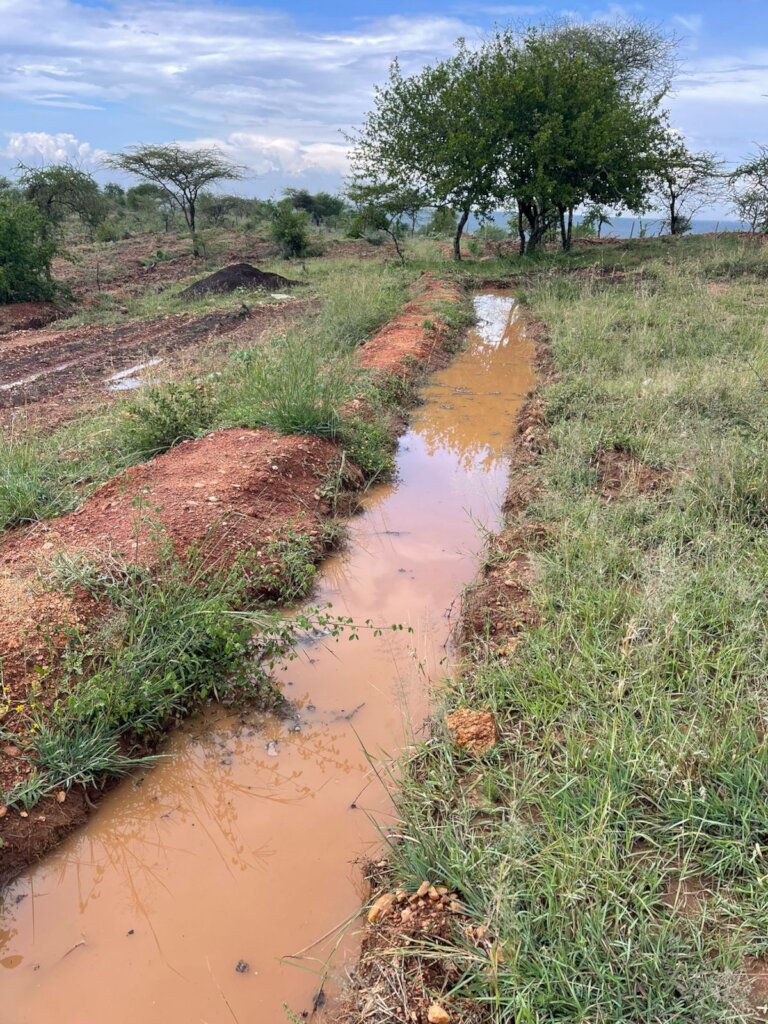
This year, together we planted more than 200 indigenous and fruit trees across the Eco Village. These trees will restore biodiversity, improve soil health, provide shade, strengthen climate resilience, and create future food sources for local families.
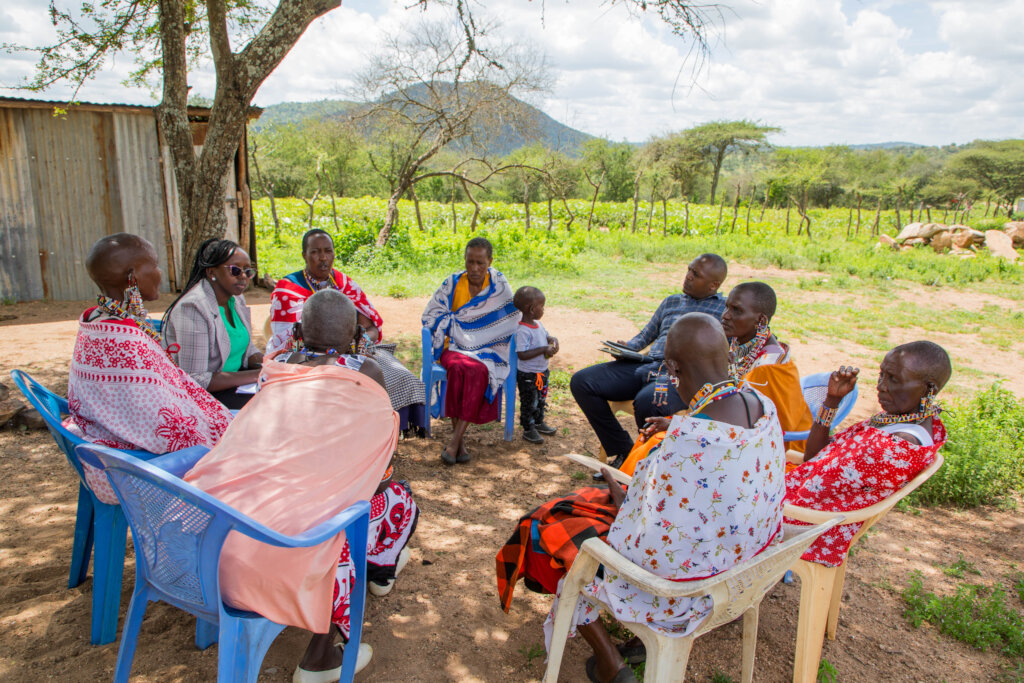
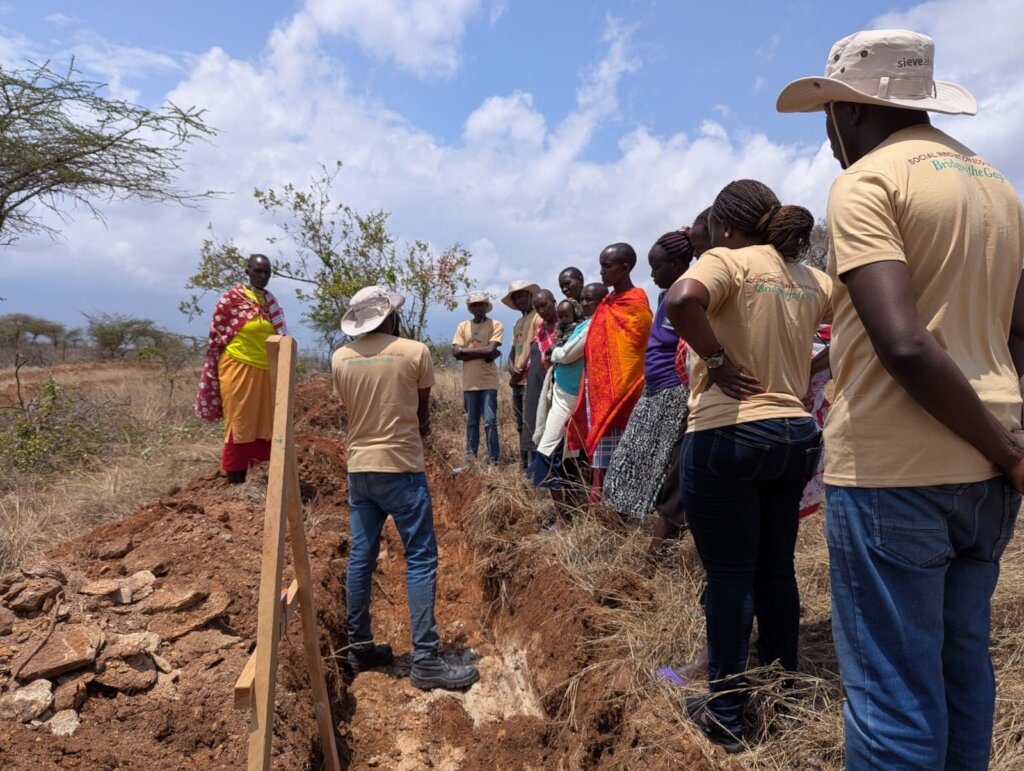
Our demonstration farm has also become a living classroom where young people, farmers, and community members learn regenerative agriculture through practical experience.
A significant milestone during this reporting period was our partnership with the Grow Biointensive Agriculture Centre of Kenya (G-BIACK). Two agroecology interns are now working alongside our team to design sustainable farming systems and train local households in soil-first farming practices that improve productivity while protecting the environment.
Every tree planted today represents a healthier future for generations to come.
Growing Sustainable Livelihoods Through Beekeeping
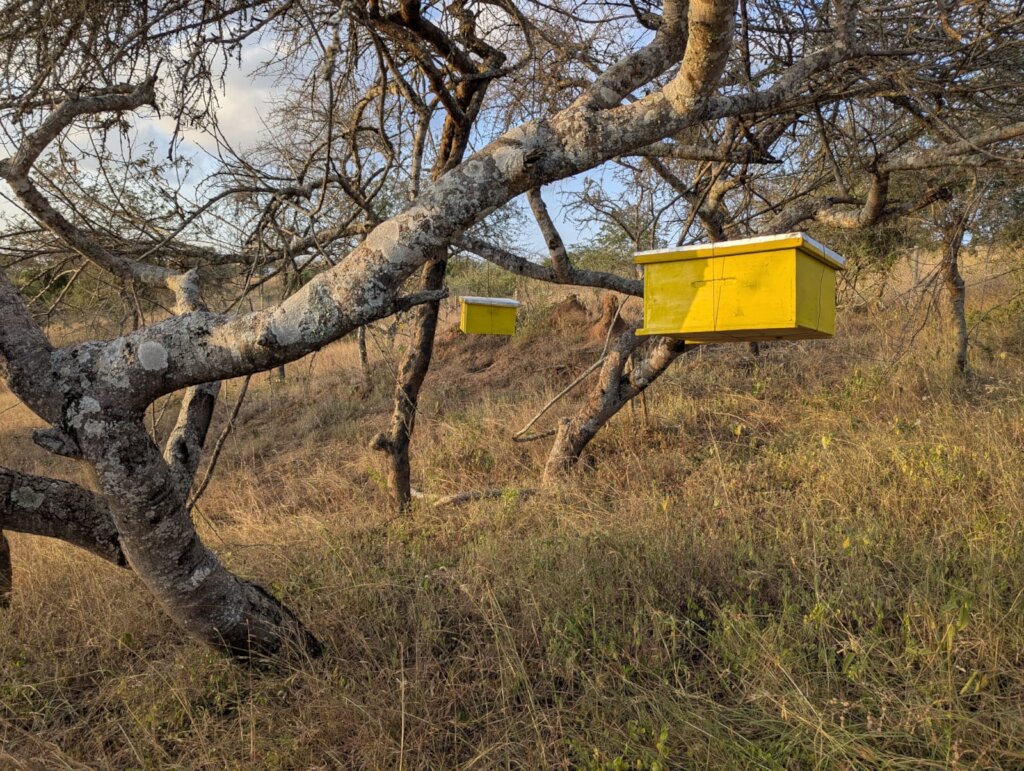
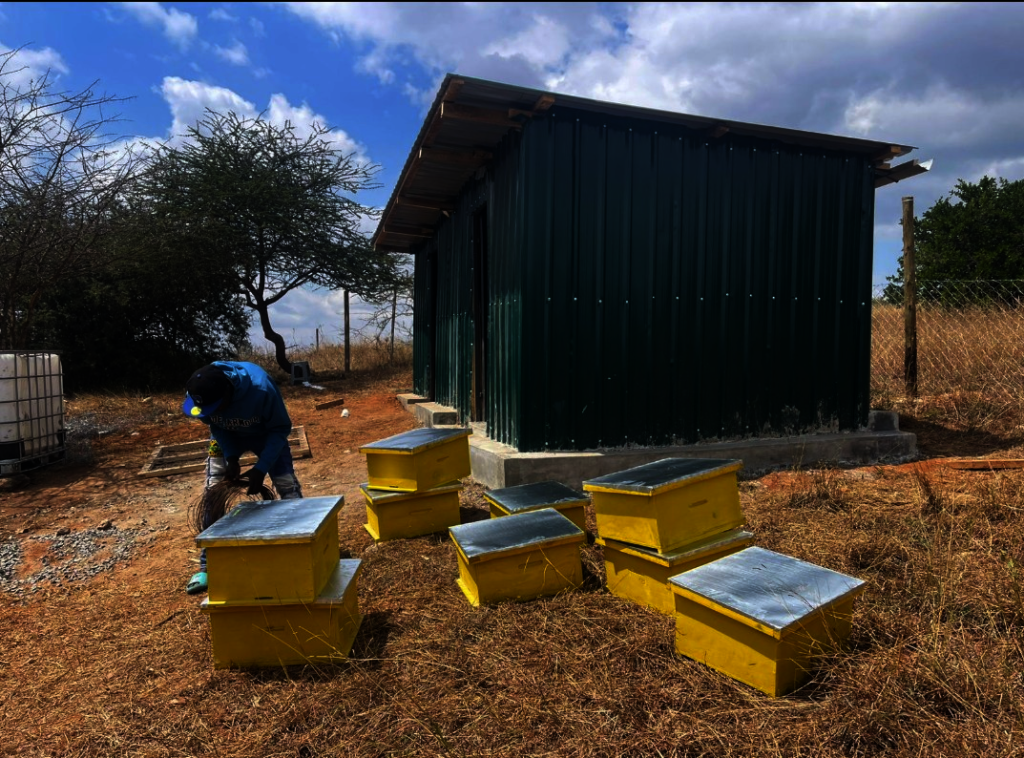
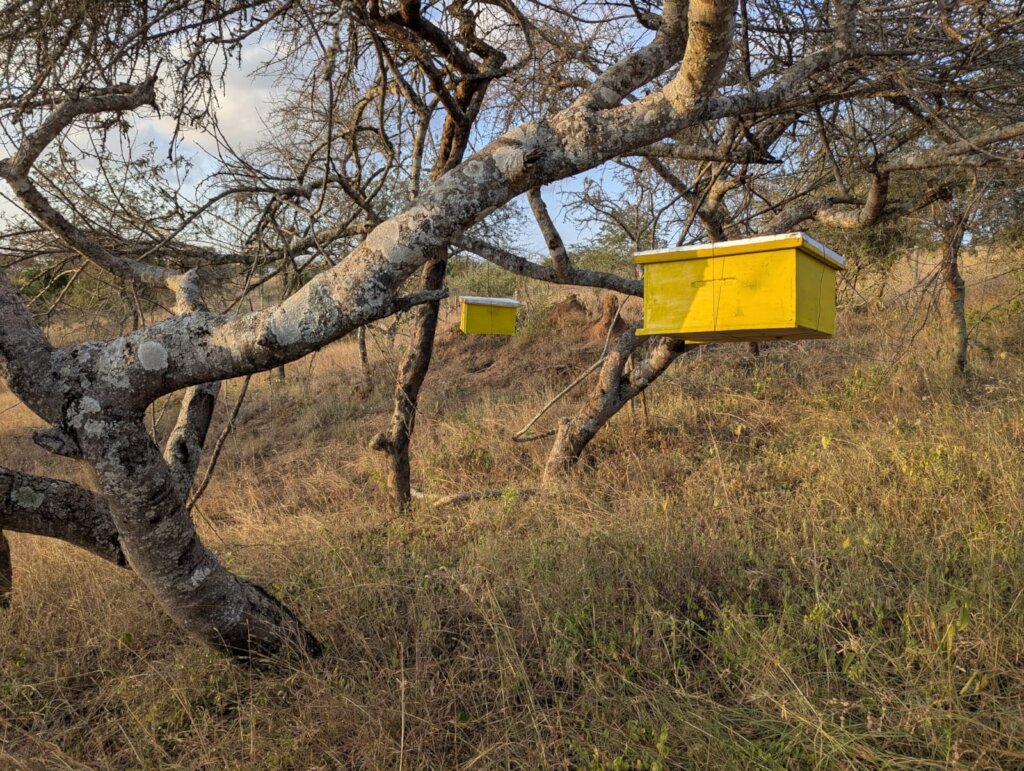
This reporting period also marked the establishment of our community apiary.
Twenty beehives now form the foundation of a sustainable social enterprise that will generate income while improving pollination across the Eco Village.
Beyond producing honey, the apiary has become a practical learning space where young people and community members are discovering how climate-smart enterprises can strengthen household incomes while protecting nature.
We look forward to celebrating our first honey harvest later this year.
Bridging the Rural Digital Divide
For many young people in Enduata, computers were once something they only heard about.
Today, thanks to your support, they are confidently using digital tools that open doors to education, employment, and entrepreneurship.
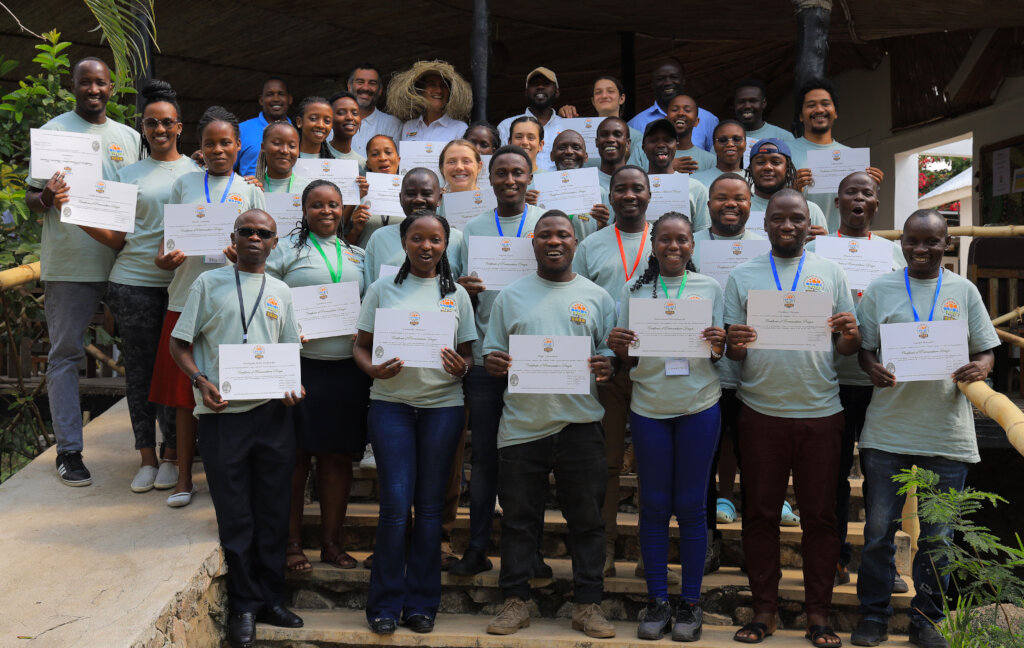
Twenty youth successfully completed intensive training in computer literacy, digital productivity, financial readiness, and entrepreneurship.
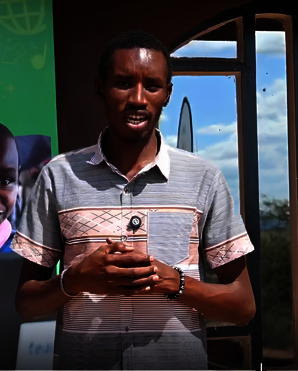
Our trainer, Francis, sees the transformation every day.
"The biggest challenge is not talent—it is opportunity. These young people simply needed someone to show them what is possible. Their curiosity inspires us every single day."
This growing confidence demonstrates that talent exists everywhere—opportunity does not.
Together, we are changing that.
Empowering the Next Generation Through Coding
The future begins in the classroom.
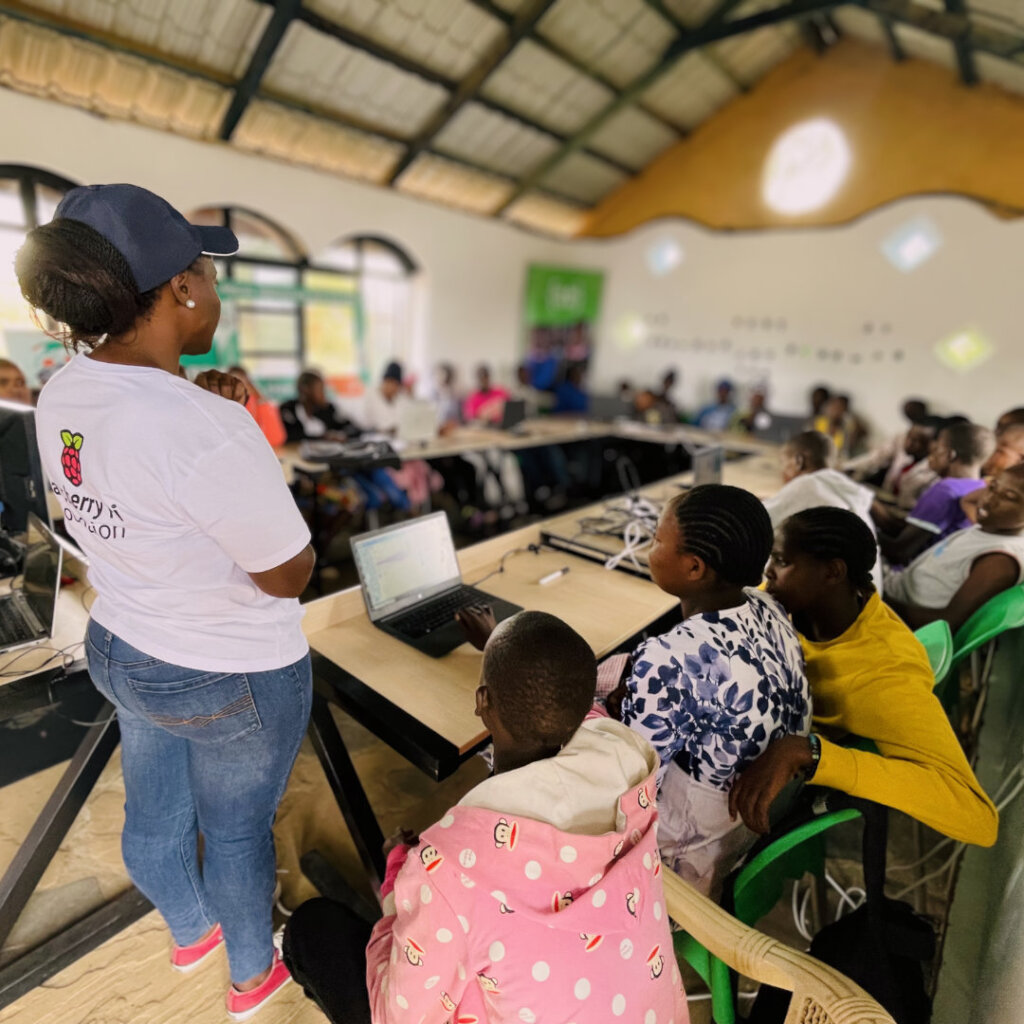
Through our partnership with the Raspberry Pi Foundation, coding clubs are now active at Olenarau and Indonyo Primary Schools, giving children their very first experience with computer programming.
Nancy, a teacher at Olenarau Primary School, explains what this has meant for her learners:
"Coding was something we never taught because we had neither computers nor electricity. Today our learners can hold computers, learn practically, and they absolutely love it."
Many students are now independently creating simple coding projects while developing critical thinking, creativity, and problem-solving skills that will serve them throughout their lives.
Taking Technology Beyond the Grid
Not every school has electricity.
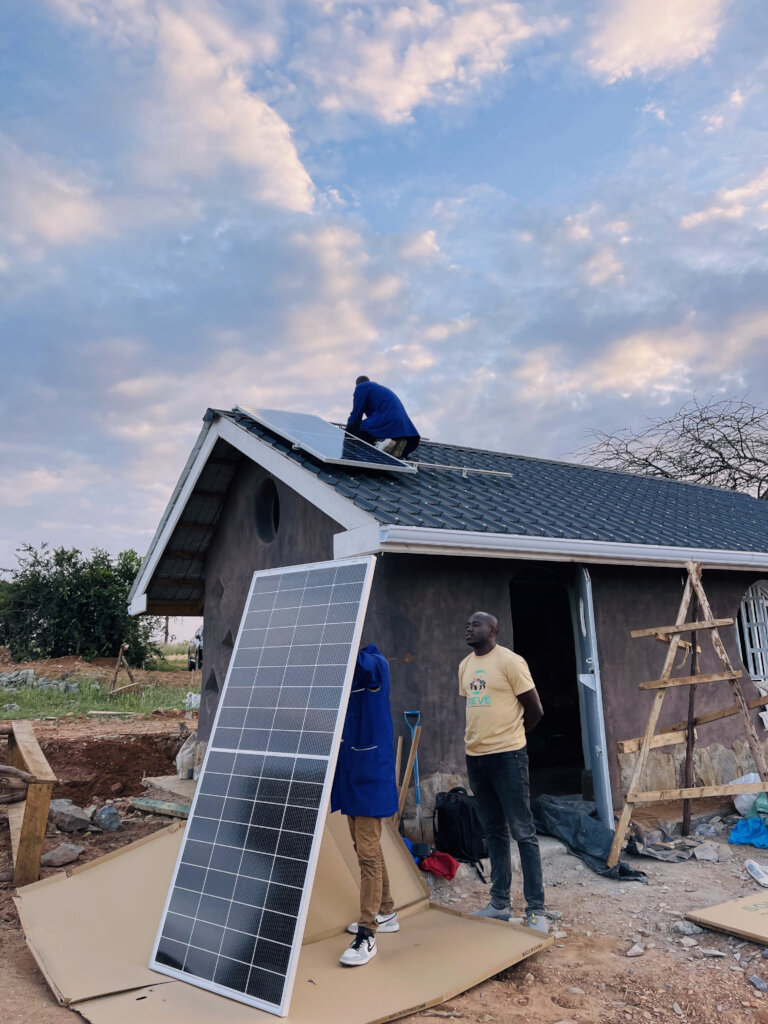
That is why we developed Tech on Wheels, a mobile digital learning initiative that brings solar-powered tablets and digital learning resources directly to off-grid schools using our specially equipped DigiRide motorbike.
By removing infrastructure barriers, we are ensuring that where a child lives does not determine whether they can access quality digital education.
Preserving Culture While Building the Future
Development should never come at the expense of identity.
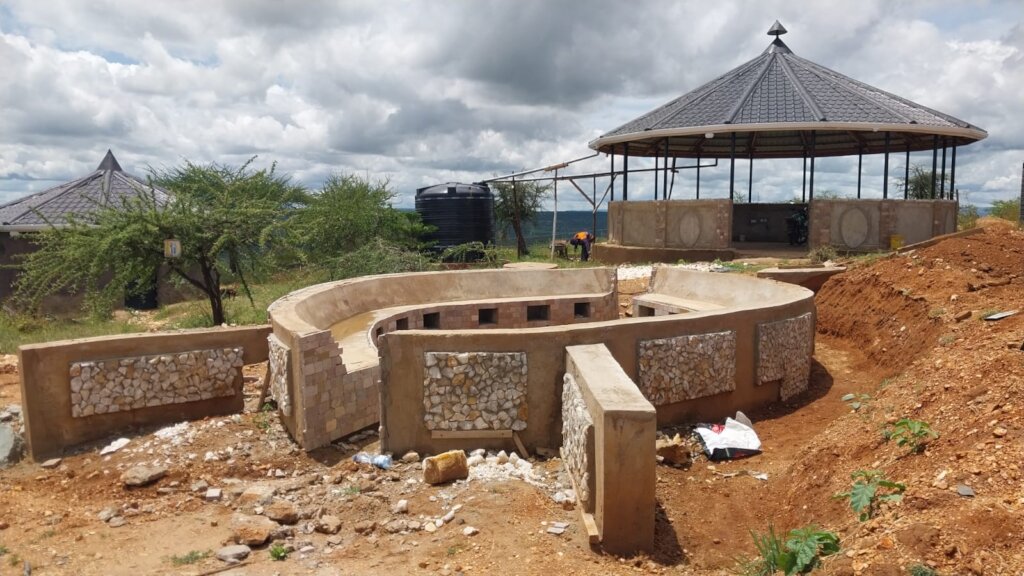
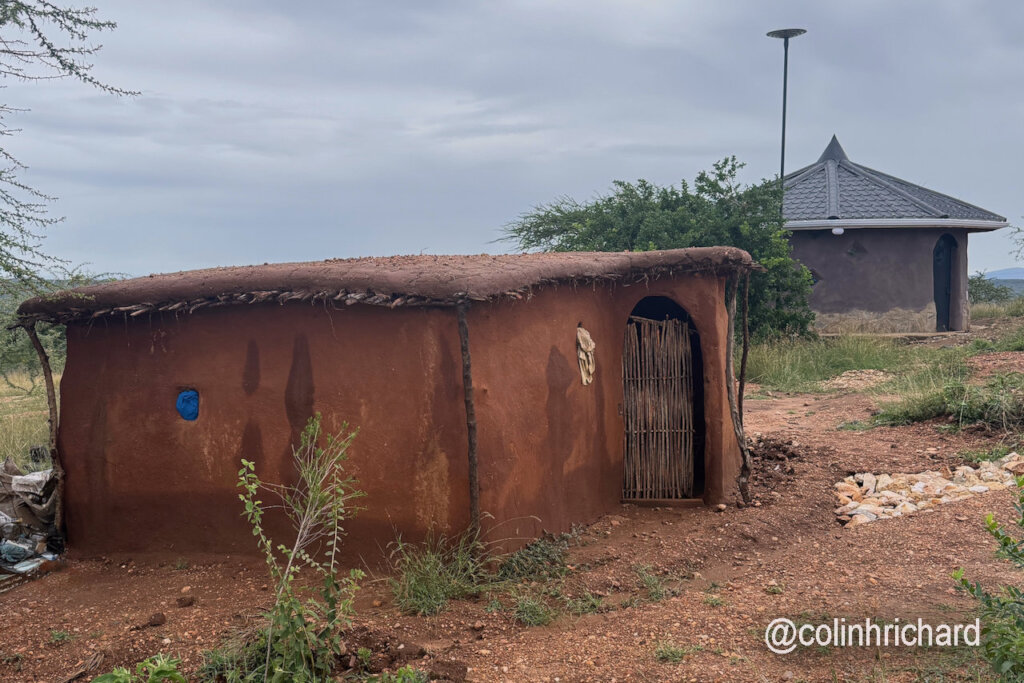
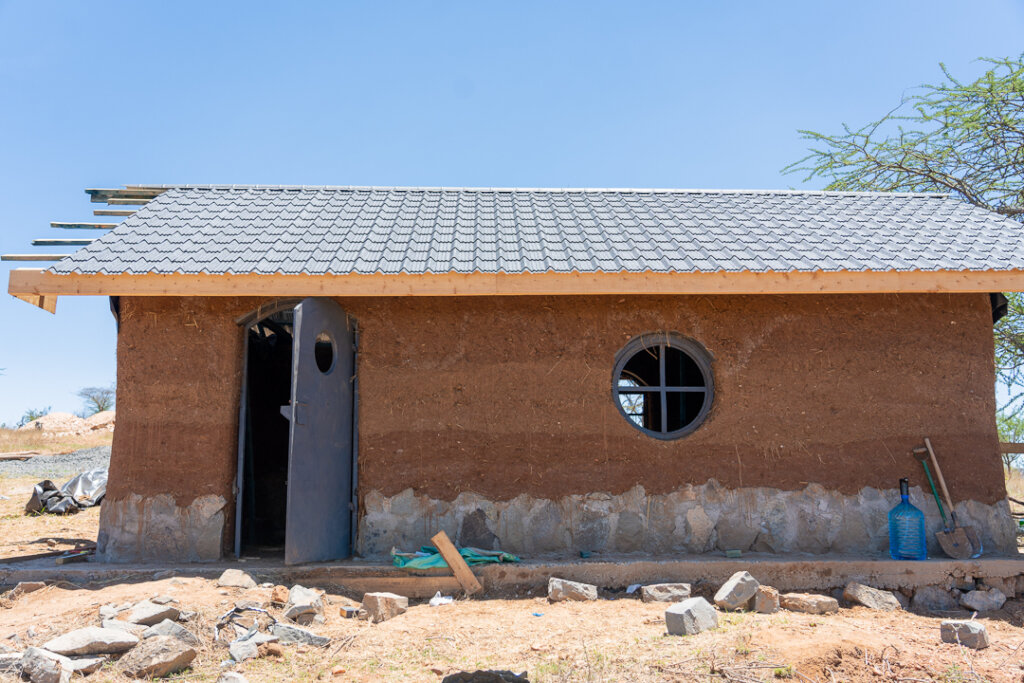
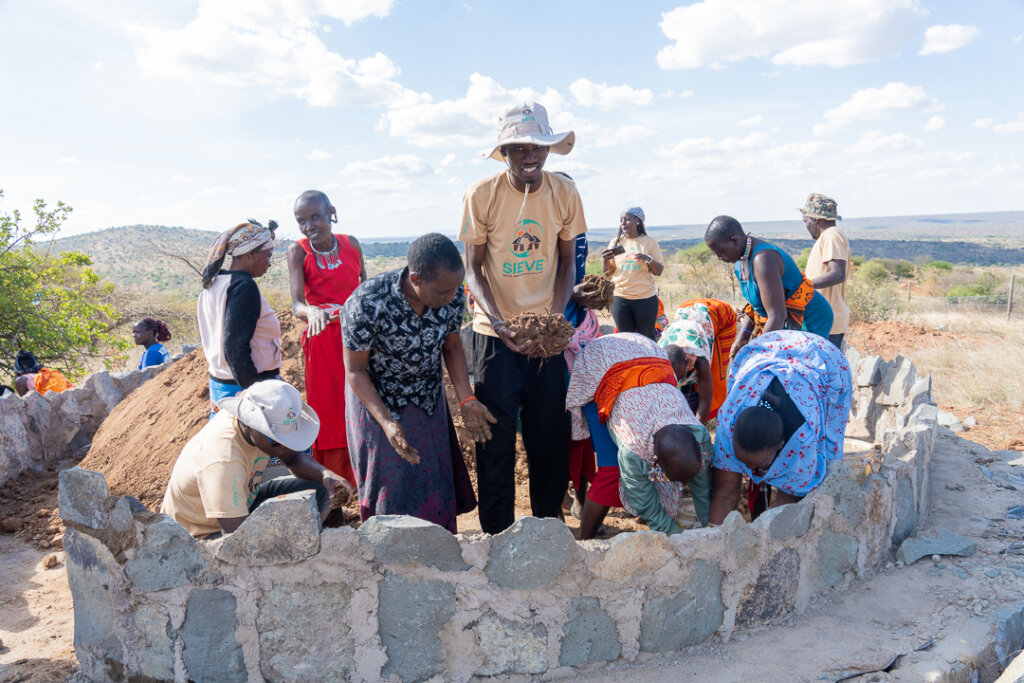
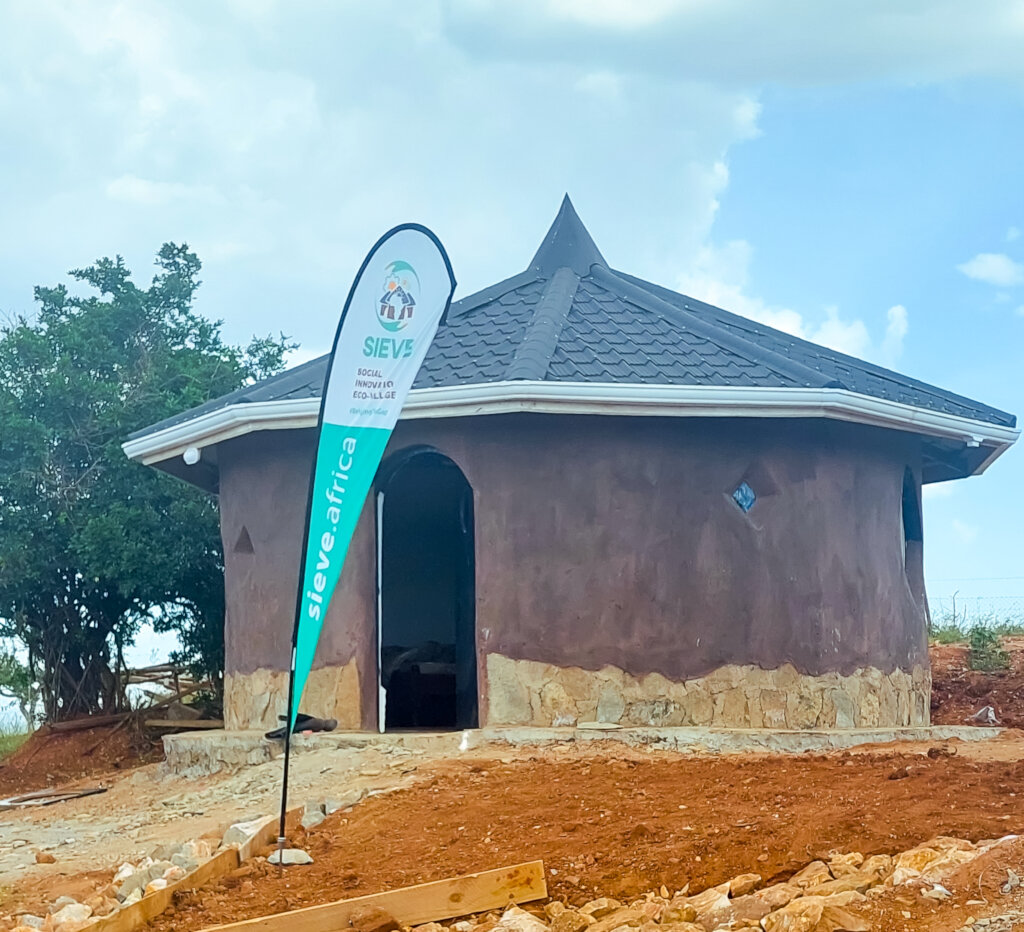
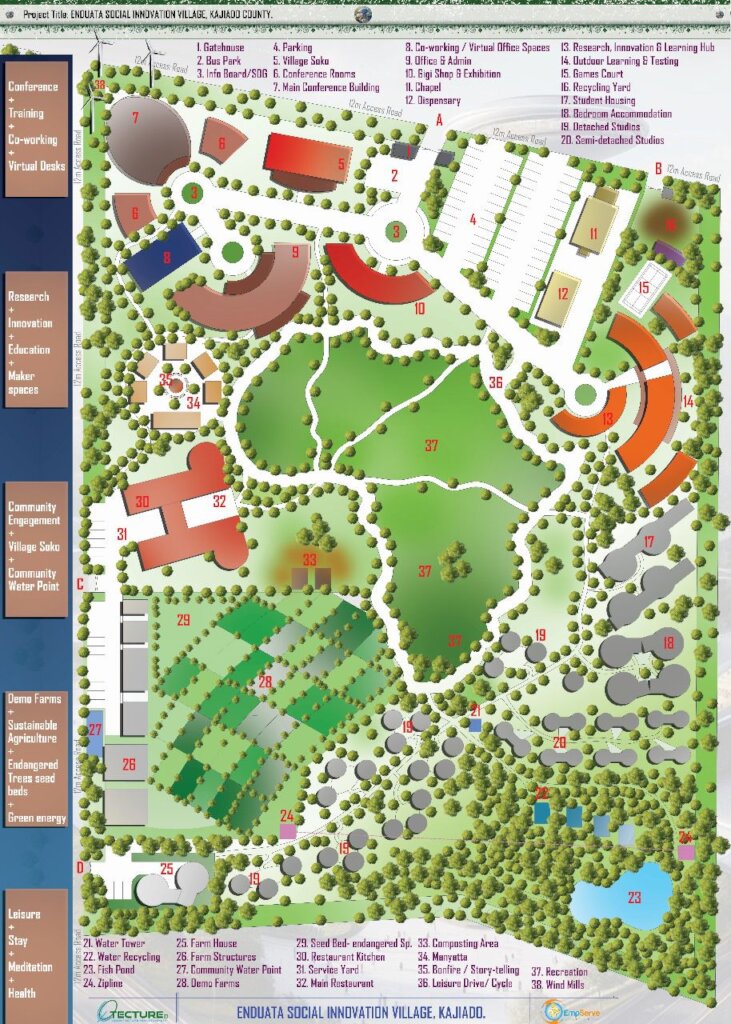
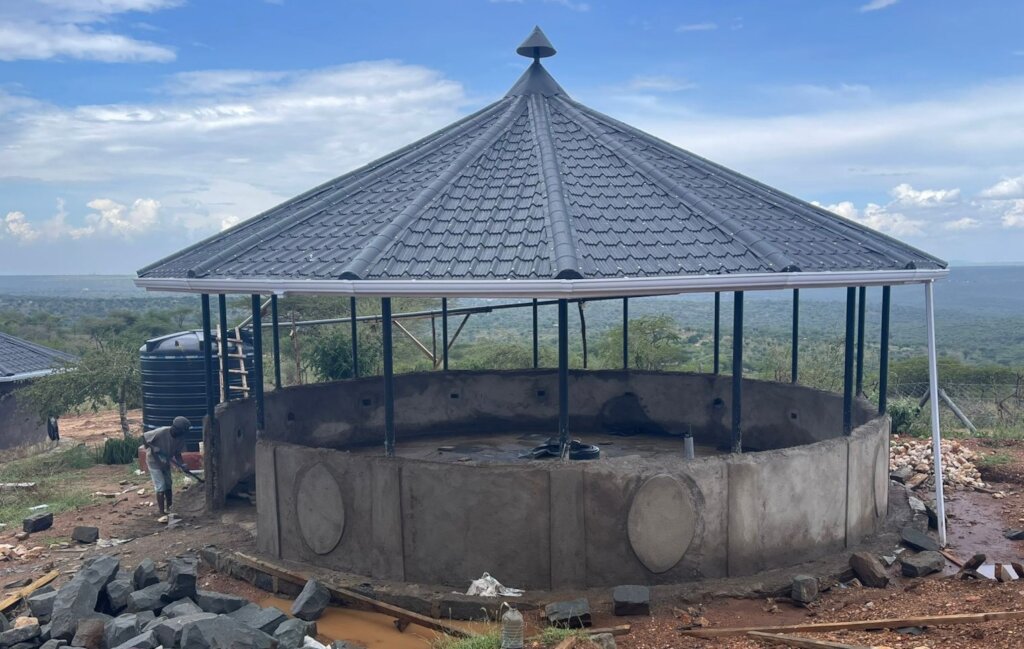
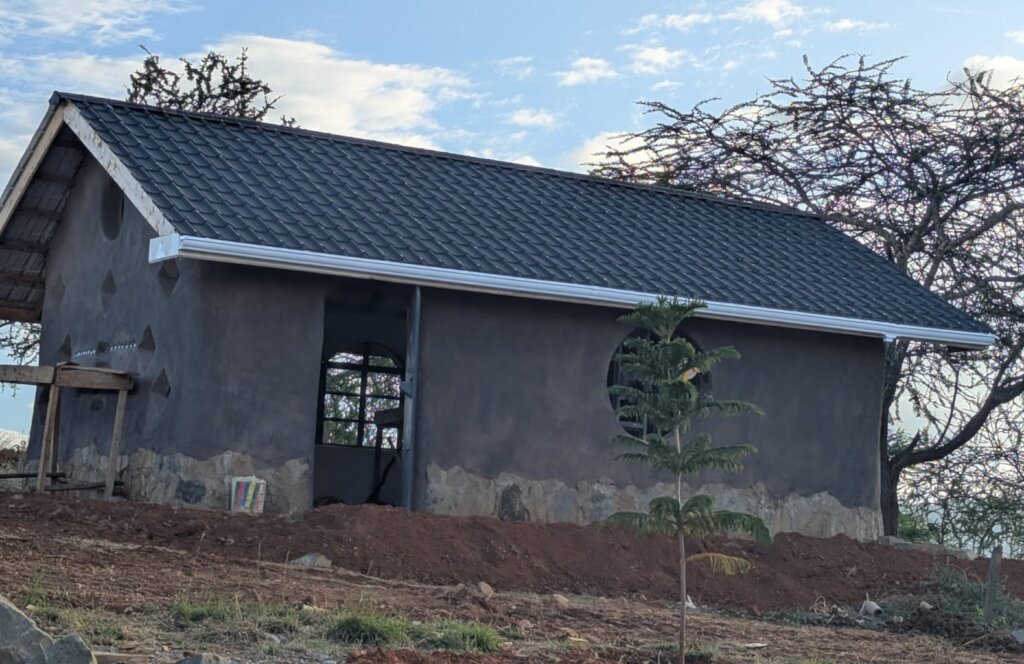
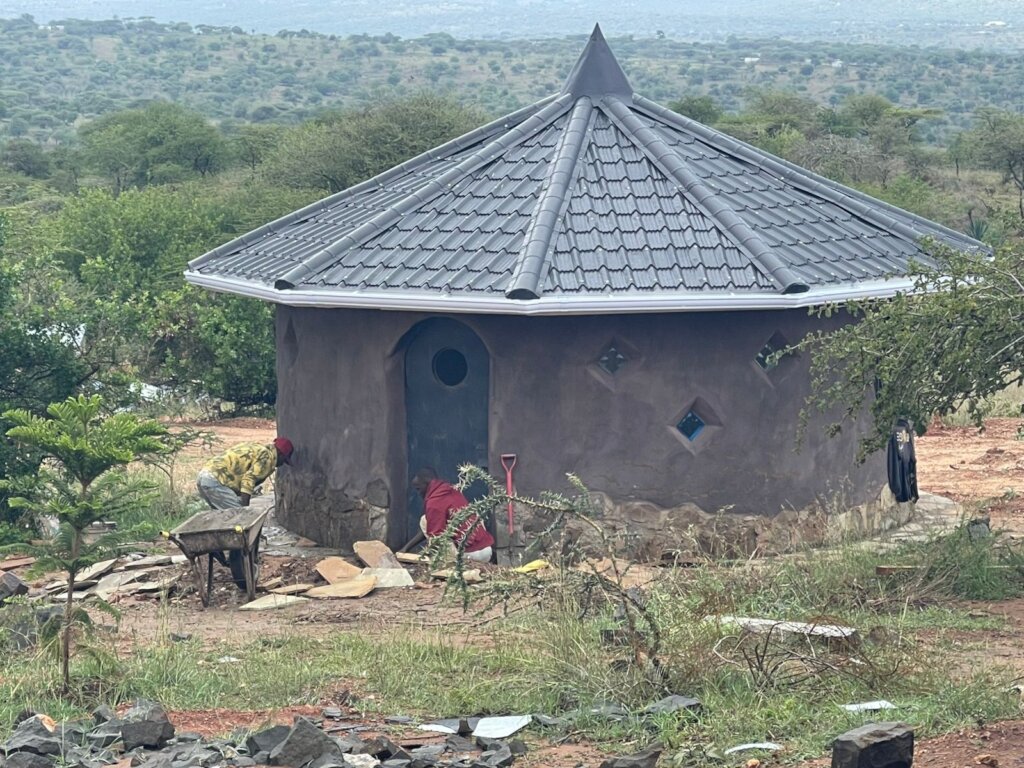
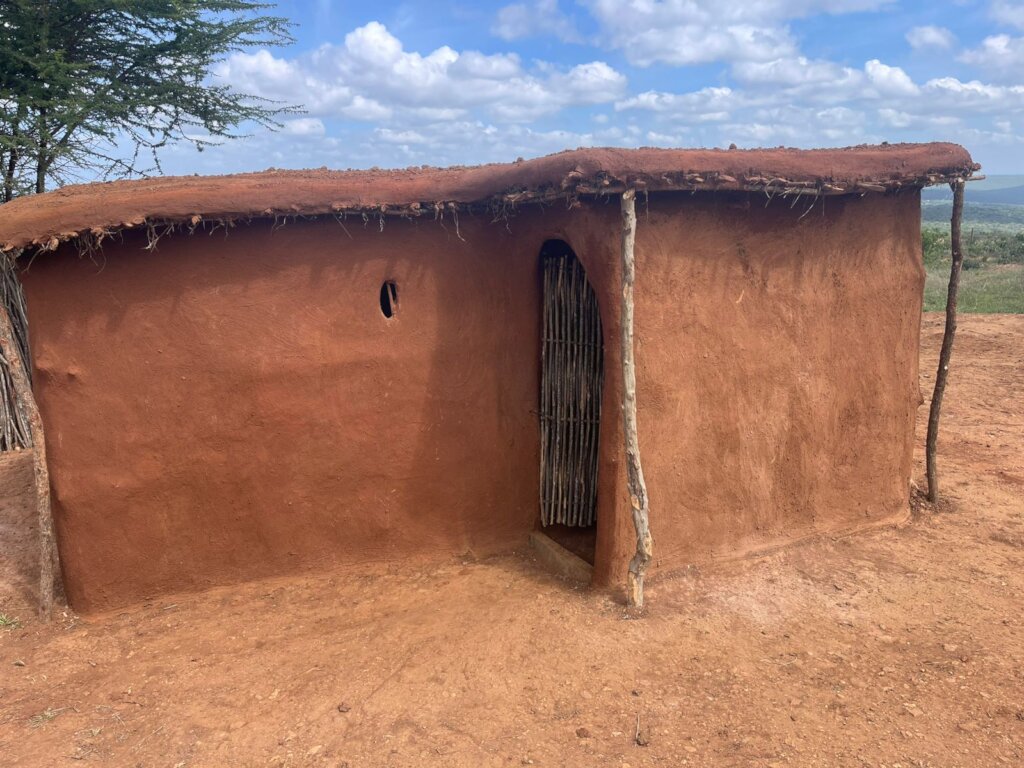
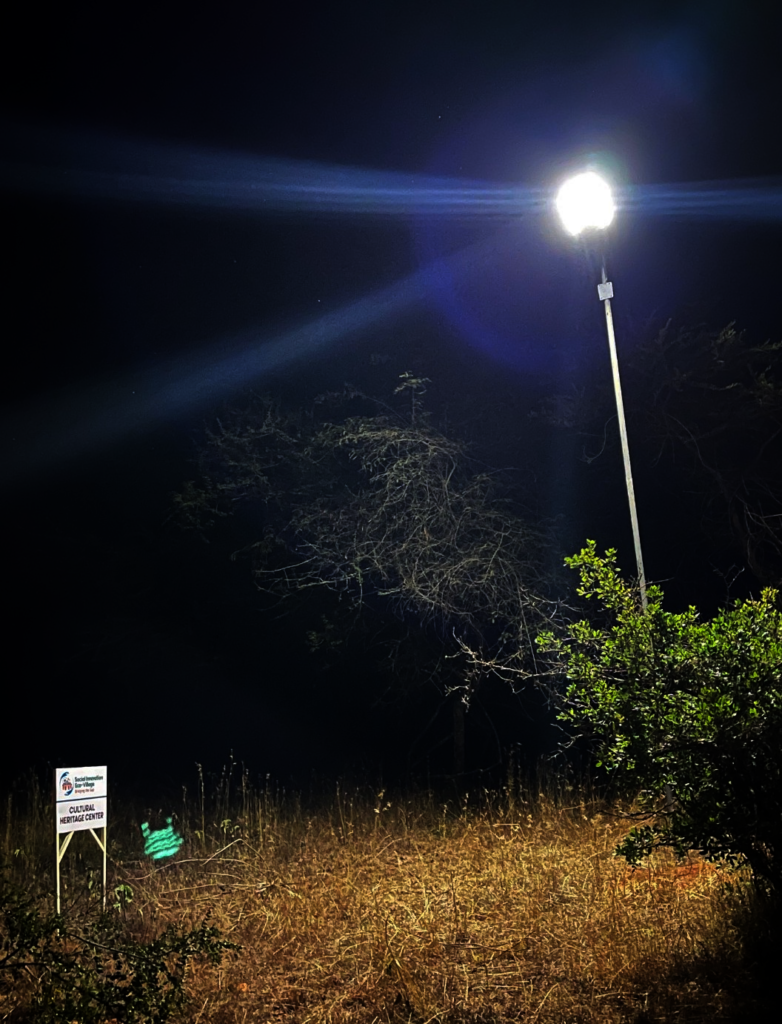
This year, we proudly completed the SIEVE Cultural Heritage Centre, a welcoming community space that accommodates more than 100 people for intergenerational learning, Maasai storytelling, traditional knowledge exchange, and cultural celebrations.
Landscaping, accessible pathways, and the community bonfire area have also been completed, creating a unique environment where indigenous wisdom meets modern innovation.
The Cultural Heritage Centre reminds us that sustainable development is strongest when communities preserve their heritage while embracing new opportunities.
Building Strong Partnerships for Greater Impact
Creating lasting change requires collaboration.
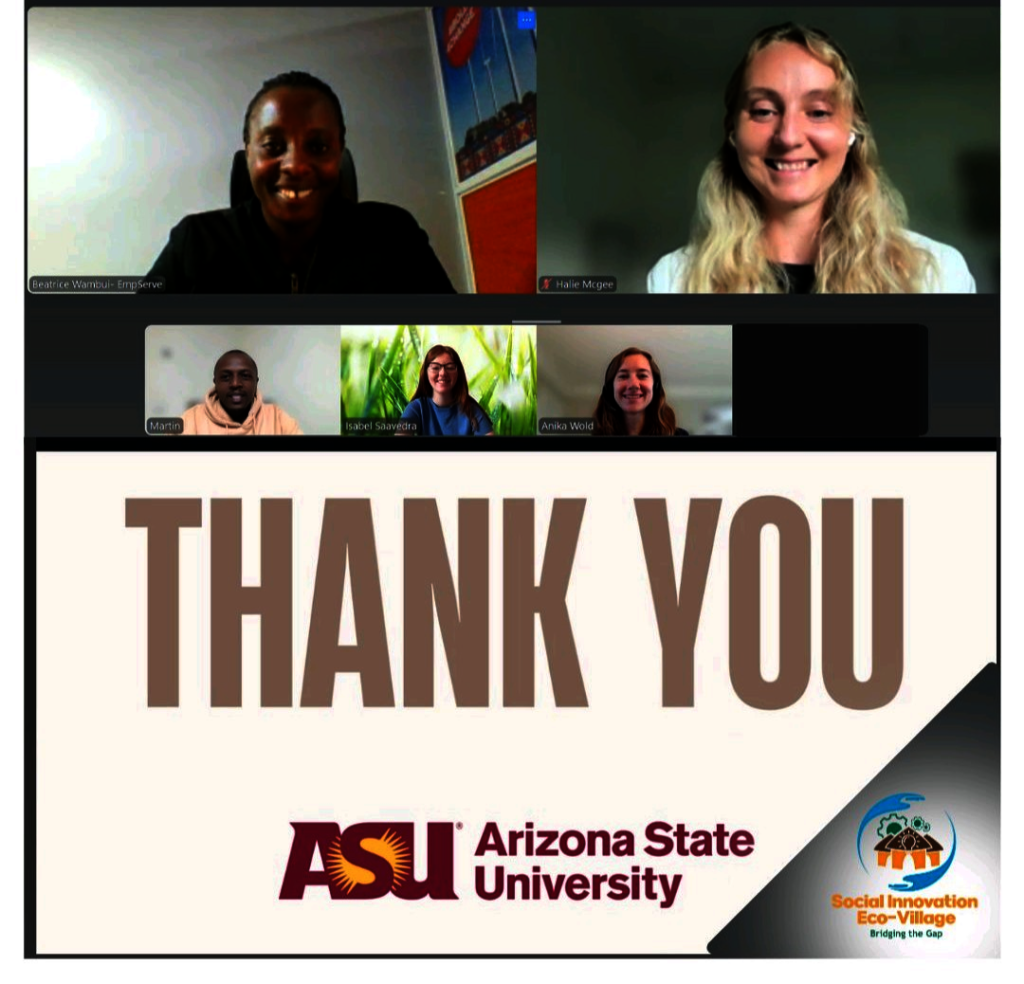
During this reporting period, we strengthened strategic partnerships with organizations that share our vision for resilient rural communities.
Together with our partners, we are expanding digital connectivity, promoting climate resilience, strengthening technical education, and creating new opportunities for young people across Kajiado County.
These partnerships are laying the foundation for long-term sustainability and greater community impact.
Looking Ahead: The Next Chapter
The momentum created during the first half of 2026 has positioned SIEVE for an exciting new phase of growth.
With your continued support, over the coming months we aim to:
Our vision extends far beyond Enduata.
SIEVE is becoming a living laboratory where digital innovation, regenerative agriculture, renewable energy, indigenous knowledge, entrepreneurship, and environmental stewardship come together to demonstrate what resilient rural development can look like—not only for Kenya, but for communities across Africa.
Together, We Can Build the Future
While we celebrate these milestones, our journey is only beginning.
Hundreds more young people across Kajiado County are still waiting for access to digital skills, climate-smart agriculture, quality learning opportunities, and sustainable livelihoods.
Your continued support will help us reach these communities, complete Phase One of the Eco Village, restore more degraded landscapes, expand digital education to remote schools, and create even greater opportunities for young people to thrive.
Every contribution—large or small—helps turn possibility into reality.
Thank you for walking this journey with us.
Together, we are proving that rural communities can become powerful centres of innovation, resilience, environmental stewardship, and hope.
With heartfelt gratitude,
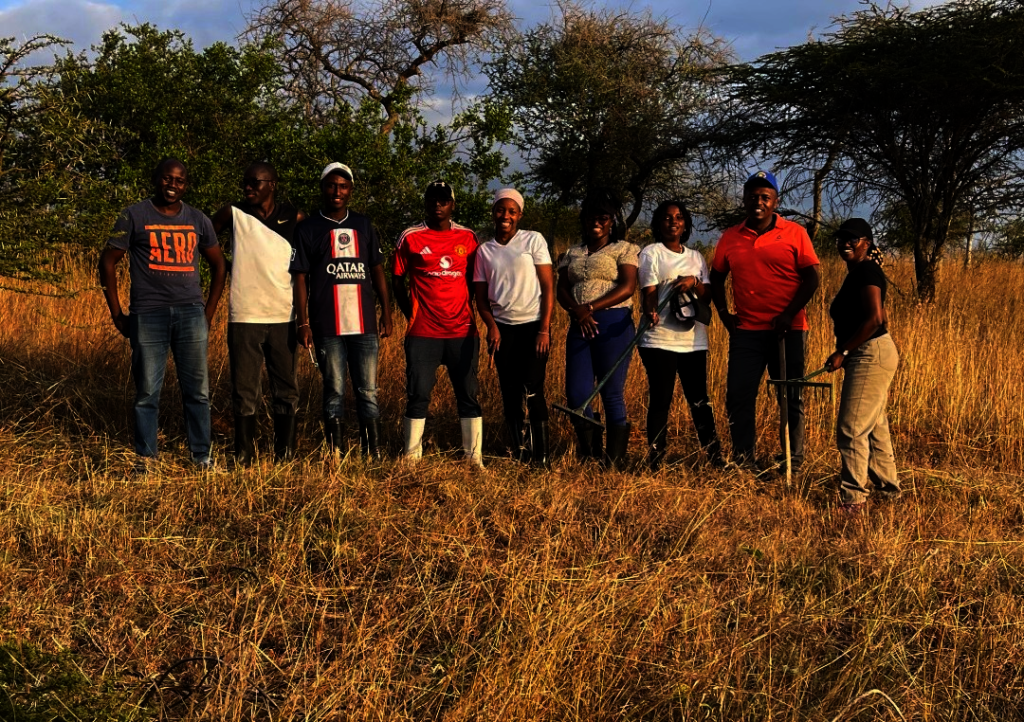
The Social Innovation Eco Village Enduata (SIEVE) Team
Empower and Serve Kenya
By Martin M. Irungu | Executive Director
By Martin Irungu | Project Leader
Project reports on GlobalGiving are posted directly to globalgiving.org by Project Leaders as they are completed, generally every 3-4 months. To protect the integrity of these documents, GlobalGiving does not alter them; therefore you may find some language or formatting issues.
If you donate to this project or have donated to this project, you can receive an email when this project posts a report. You can also subscribe for reports without donating.



Support this important cause by creating a personalized fundraising page.
Start a Fundraiser