By Thomas Richards | Development & Engagement Manager
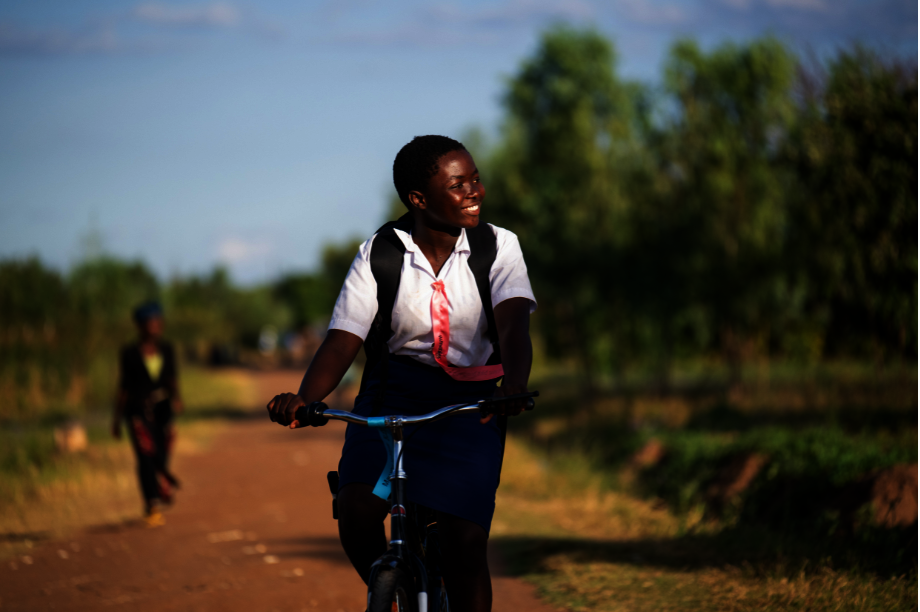
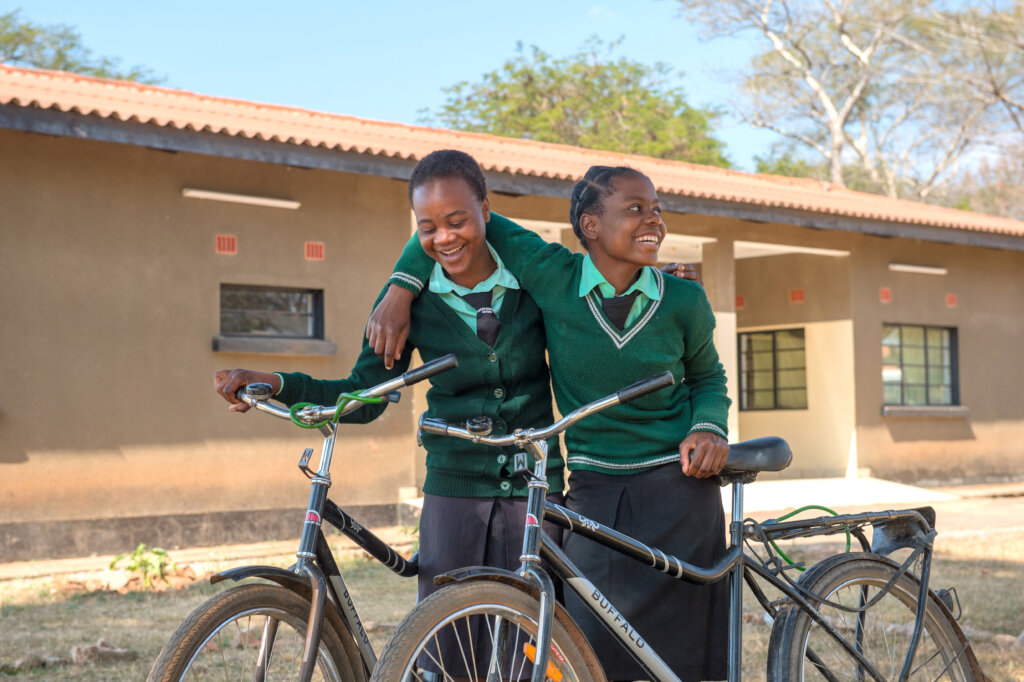
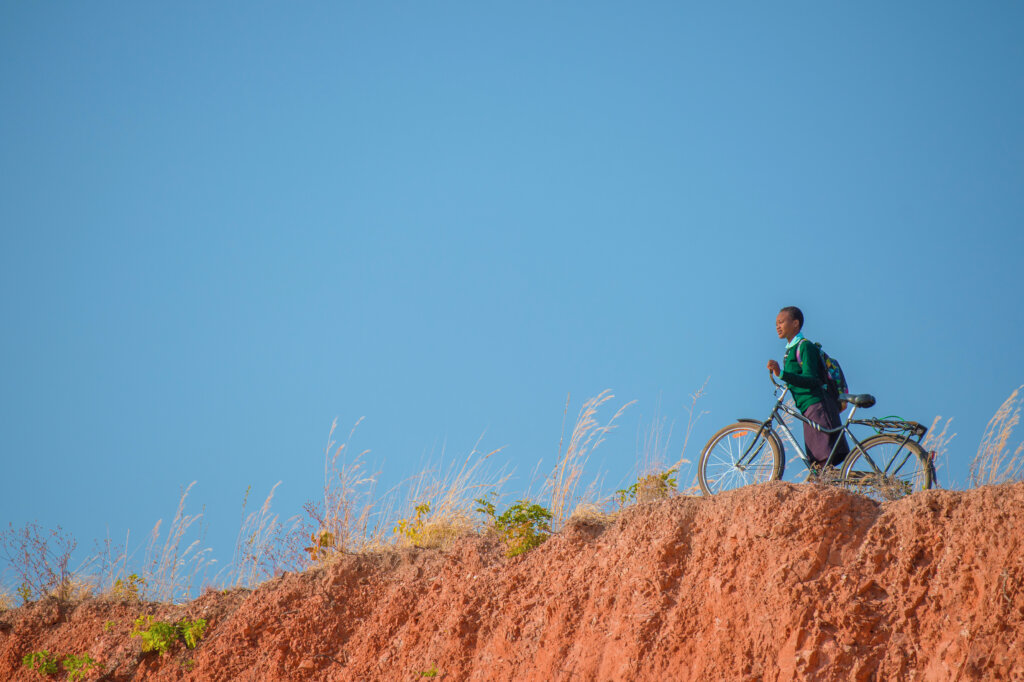
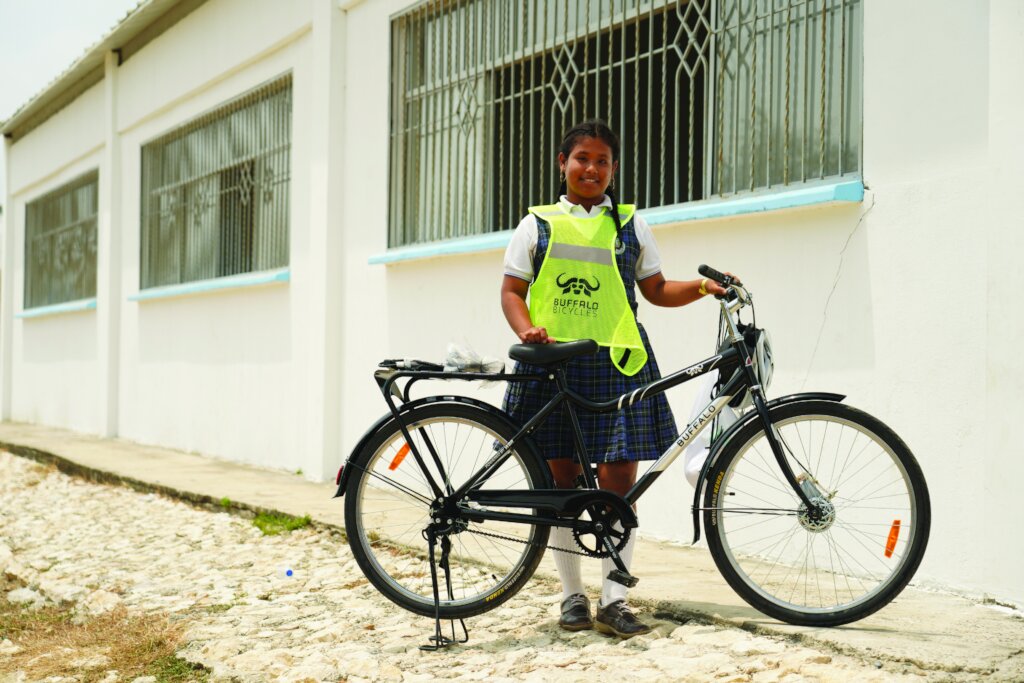
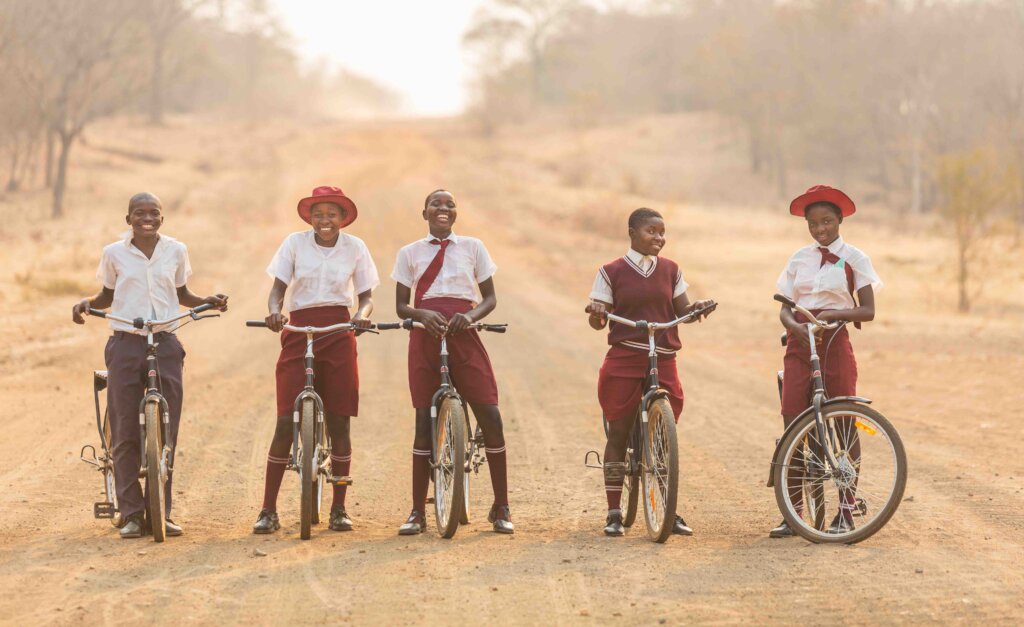
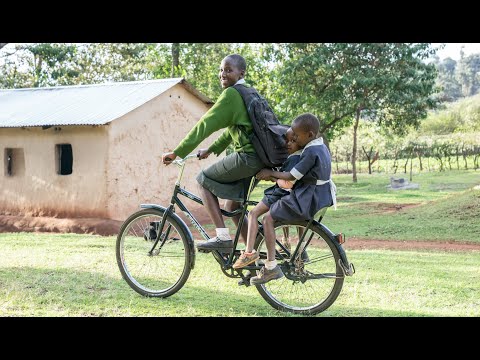
For many girls, a bicycle is more than transportation—it is a pathway to greater opportunity. With safe and dependable mobility, girls can spend less time traveling and more time learning, arrive at school ready to participate, and gain the confidence that comes from moving through their communities independently.
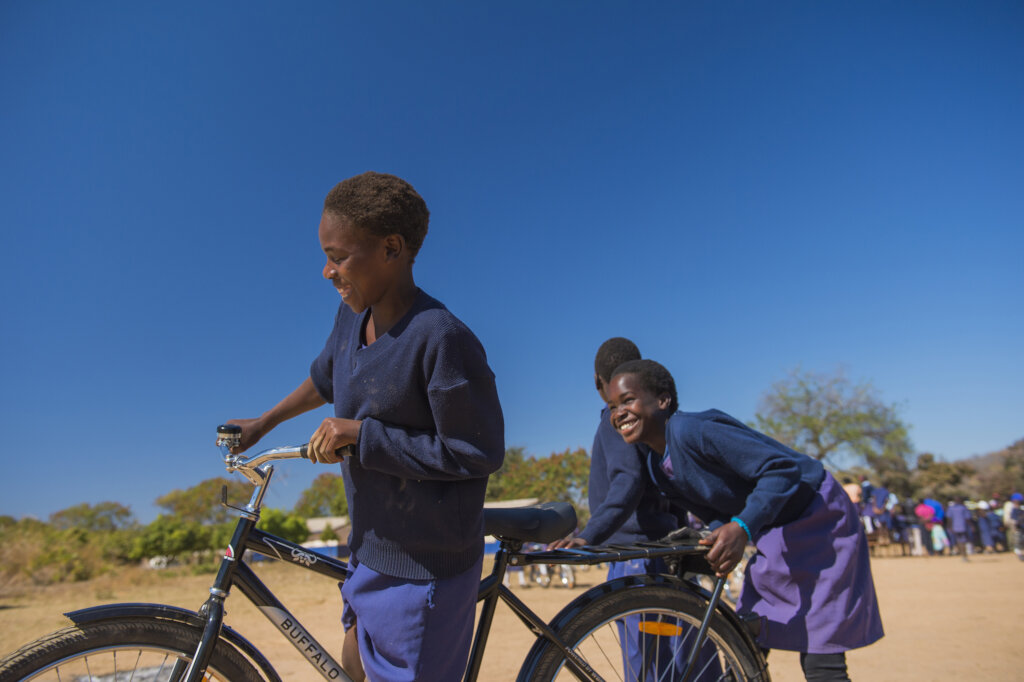
During the first six months of the year, Girls on the Go gained momentum. Over 4,200 girls are now reaching school faster and on time with a Buffalo bicycle—3,383 funded through Girls on the Go and 905 purchased by education partners. With a bicycle, girls are trading hours of walking for minutes of riding—time now spent in the classroom instead of on the road. Together, these efforts equipped thousands of girls with reliable transportation, helping them overcome distance-related barriers and stay engaged in their education.
By making education more accessible with a Buffalo bicycle, girls build the skills, resilience, and opportunities that can shape their futures. Your continued partnership is what allows Girls on the Go to scale toward its 2026 goals with confidence. Thank you!
KEY HIGHLIGHTS
In 2026, global shipping disruptions affected the delivery of bicycles and timelines in WBR’s operating countries. Despite these challenges, WBR worked closely with Ministries of Education and implementing partners to prioritize bicycle distribution where the need was greatest.
Across its seven operating countries, WBR reached 58 new schools, helping more students access education through improved mobility. WBR also continued to scale mobility solutions in the education sector by establishing new strategic partnerships. These partnerships leverage established school systems and community education networks to reduce mobility barriers, improve attendance and retention, and expand equitable access to education for vulnerable students prioritizing girls.
Key highlights this period include scaling mobility solutions for students through partnerships:
As we continue implementing Girls on the Go throughout 2026, our focus remains on ensuring every bicycle delivers lasting impact.
By completing distributions, strengthening local bicycle ecosystems, and working alongside government and education partners, we are
expanding safe, reliable mobility for girls while building the systems needed to sustain educational outcomes. At the same time, we will continue generating and sharing evidence that demonstrates how bicycle mobility improves access to education and advances gender equity, helping influence broader investment in mobility solutions across our operating countries. WBR’s plans in the coming months include:
Continued collaboration with education implementing partners, application of gender-sensitive selection criteria, and ongoing monitoring will help sustain WBR’s level of gender inclusion throughout the remaining distribution period for Girls on the Go.
Completing distributions is expected to reduce mobility barriers among girl students by improving access to education through shorter travel times and distances. This is anticipated to contribute to improved school attendance, punctuality, student retention, and sustained participation in education. Strengthening the ecosystem and local technical capacity by investing in community-based bicycle mechanics to ensure students have reliable access to repair and maintenance services, improving education outcomes. Influence and advocacy opportunities to demonstrate the evidence and impact of mobility on education outcomes in WBR’s operating countries.
We look forward to sharing outcomes from upcoming assessments and partner activities in the next report.
Thank you for all the support you have provided and for believing in the power of bicycles.
For the full report, please download the attachment.
Links:
By Thomas Richards | Development & Engagement Manager
By Thomas Richards | Development & Engagement Manager
Project reports on GlobalGiving are posted directly to globalgiving.org by Project Leaders as they are completed, generally every 3-4 months. To protect the integrity of these documents, GlobalGiving does not alter them; therefore you may find some language or formatting issues.
If you donate to this project or have donated to this project, you can receive an email when this project posts a report. You can also subscribe for reports without donating.



Support this important cause by creating a personalized fundraising page.
Start a Fundraiser