Girls on the Go

by World Bicycle Relief UK
Play Video
Girls on the Go
Girls on the Go
Girls on the Go
Girls on the Go
Girls on the Go
Girls on the Go
Girls on the Go
Girls on the Go
Girls on the Go
Girls on the Go
Girls on the Go
Girls on the Go
Girls on the Go

Project Report | Sep 29, 2025
GIRLS ON THE GO (JAN - JUNE 2025)

By THOMAS RICHARDS | DEVELOPMENT & ENGAGEMENT MANAGER WBR UK

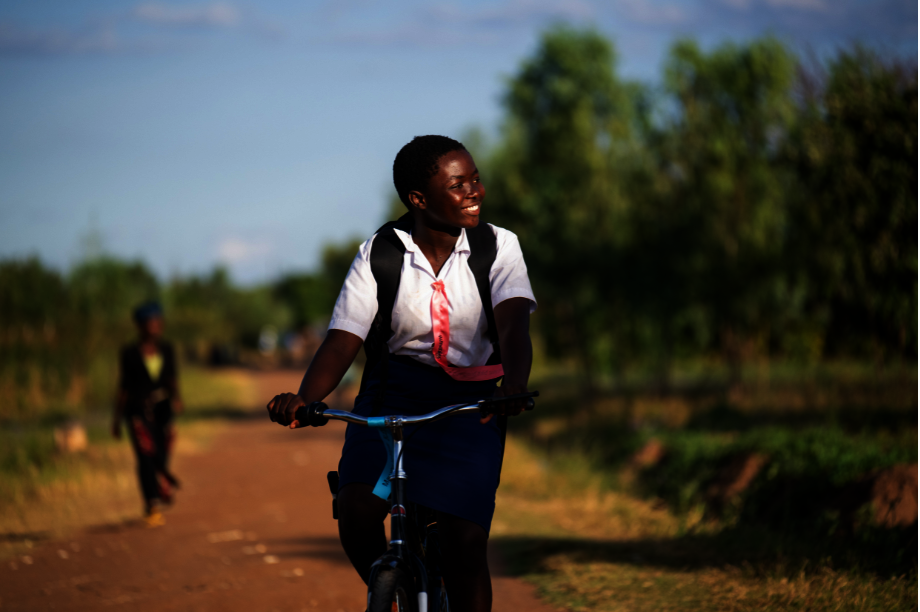
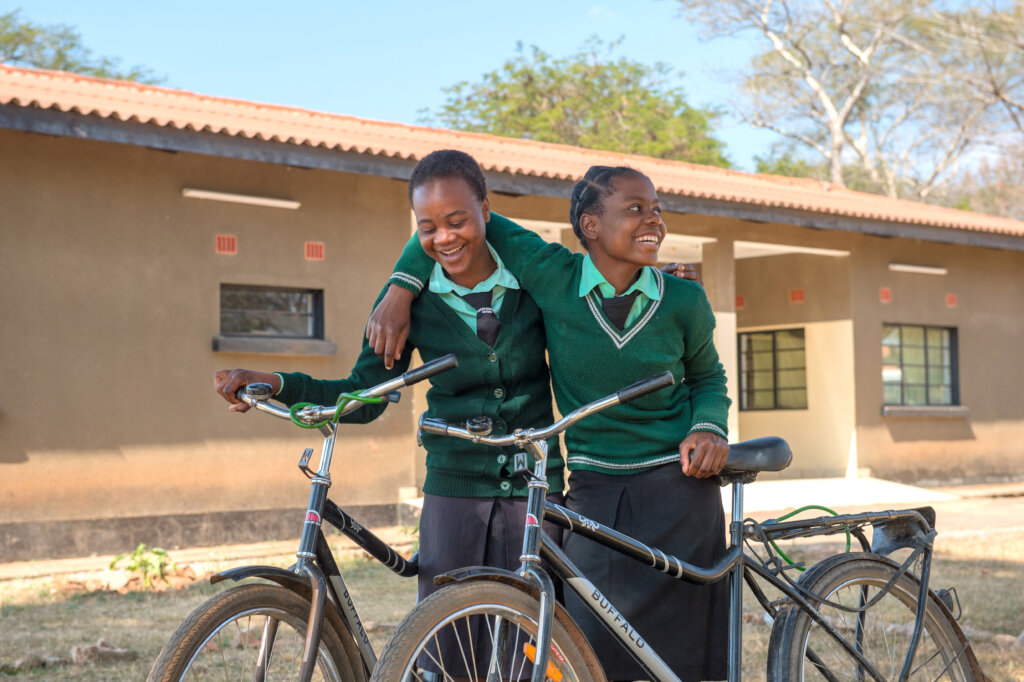
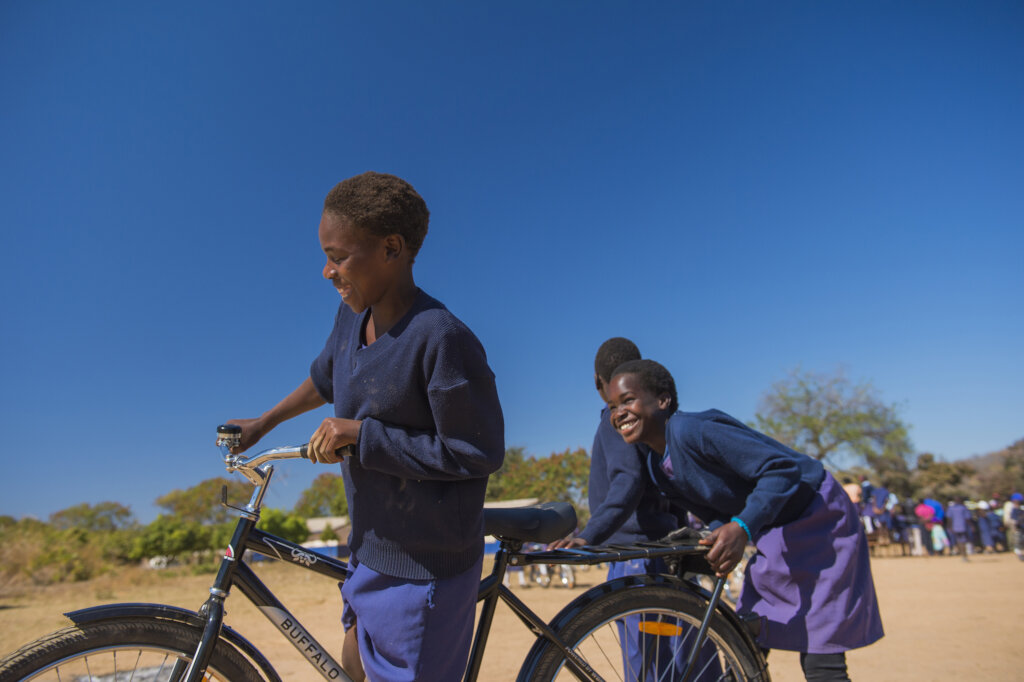
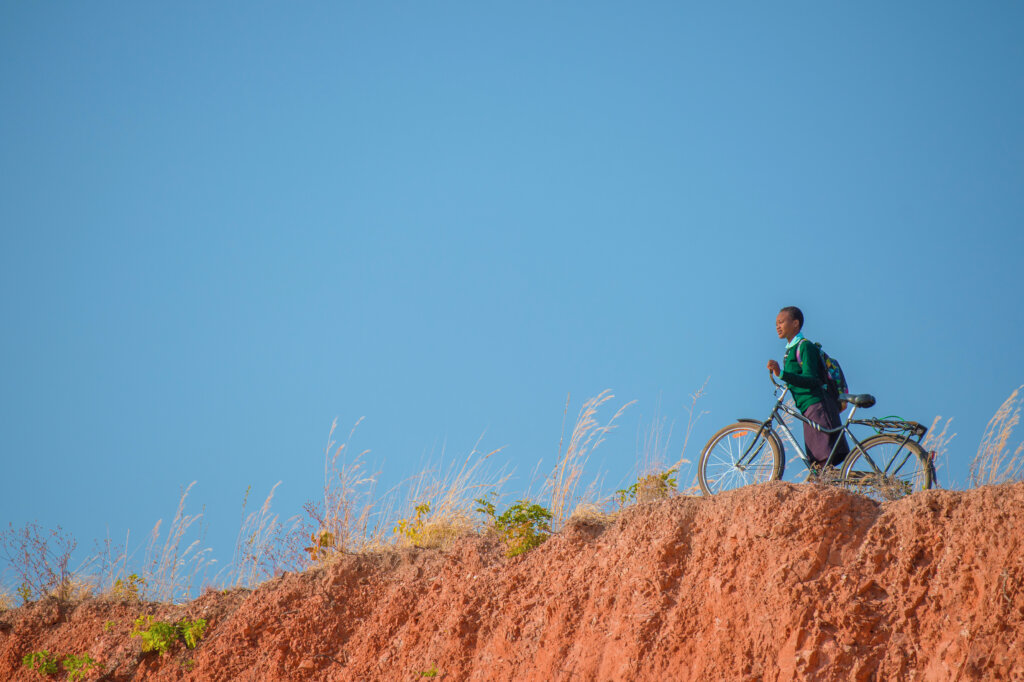
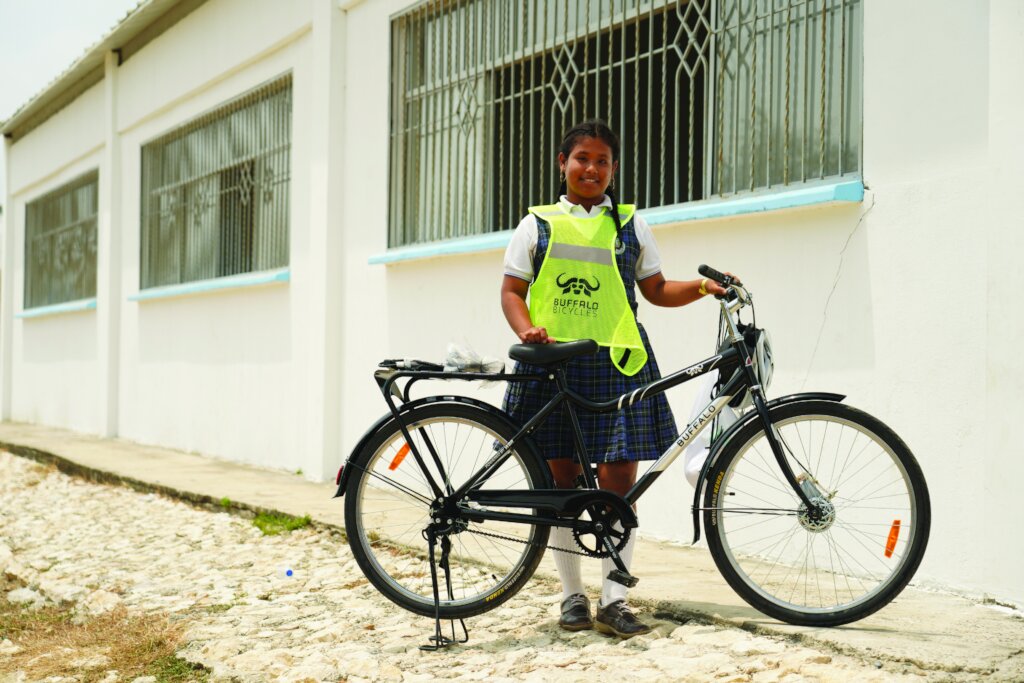
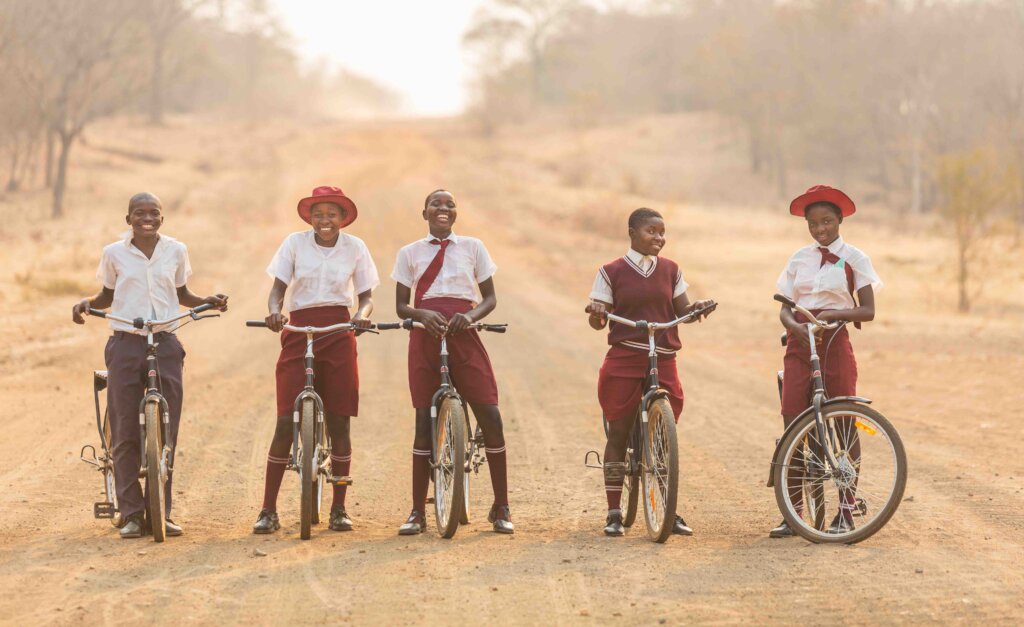
Over three years (2024-2026), World Bicycle Relief (WBR) intends to distribute bicycles and supportive programming to 66,000 primary and secondary school students, prioritizing girls. Through a durable bicycle, access to mechanics and spare parts, and community- driven oversight from a local Bicycle Supervisory Committee, Girls on the Go will address key impediments to girls’ education: long distances (3km+) to schools and a dearth of transport options.Thanks to your support, 3,881 bicycles were funded this period— transforming the daily journeys of students, especially girls, and empowering them to pursue their education and future with fewer barriers. In addition, our education partners purchased 317 bicycles, bringing the total to 4,198 girl students reached. Your generosity goes beyond a single bicycle, multiplying its impact as WBR matches partner purchases and reinvests bicycle sales revenue to open doors for even more students. By combining philanthropic funding with social enterprise sales, every contribution not only delivers immediate impact but also helps scale programs and build sustainable mobility solutions. This blended approach ensures that Girls on the Go can continue breaking down barriers for the next generation of young women.Together, we are making incredible strides in mobilizing adolescent girls across Sub-Saharan Africa and Colombia, providing girls with sustainable bicycles with access to spares and repairs that will revolutionize their access to education.

Girls on the Go activities occurred during a challenging economic environment, as rural families dealt with high inflation, unpredictable weather patterns, and recovery after a severe drought in southern Africa. Across our six operating countries, WBR partnered with Ministries of Education to identify priority regions and schools. As a result, we reached 44 new schools and helped more students access education through improved mobility. We are continuing to expand our footprint in Tanzania—our seventh operating country— and establish partnerships in the education sector. We look forward to sharing more updates about our progress in Tanzania in the next report. Coupled with a supportive bicycle ecosystem, students received monthly preventative maintenance and repairs at school by WBR-trained community-based mechanics to keep their bicycles on the road for the long term.
Key highlights this period include:From Student to Engineer: A story on the impact of mobility for a young student in Kenya— and the transformation years later— was a featured article in the Daily Nation, an online publication in Kenya. Stella received a Buffalo Bicycle from WBR in 2016. Today, she is a skilled engineer with World Bicycle Relief’s assembly team.Community Engagement: The program worked in close collaboration with parents, teachers, and local leaders to promote girls’ education and ensure community ownership through Bicycle Supervisory Committees, implemented in all six of our operating countries.
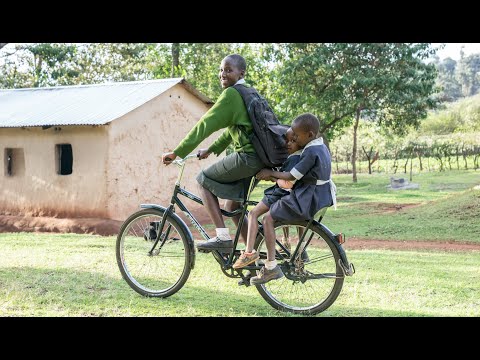
Buffalo Academy: 1,043 students participated in the Buffalo Academy initiative in Colombia. These students now have basic bicycle mechanics knowledge, empowering them to take care of their bicycles, build a sense of ownership, and safely access essential services such as health care, markets, or even use their bicycles to transport siblings or family members.As we look toward the second half of the year, we are committed to expanding access, deepening program support, and continuing to remove barriers to education for girls through the Power of Bicycles.
Learnings:
World Bicycle Relief expanded operations to Uganda in 2023. With a population of 47.2 million, 74% of Ugandans live in rural areas, where the World Bank estimates that 47% of individuals experience mobility poverty, negatively impacting development outcomes. For example, 42% of Uganda’s rural population lives below the international poverty line of $2.15 a day, nearly one in three children is classified as stunted, and only one in four children complete their primary school education. Mobility poverty is particularly acute in refugee and host communities due to early pregnancy and child marriage for girls, child labor, and longer distances from schools.During this reporting period, WBR conducted a baseline survey on 594 students in the Bidibidi and Nakivale refugee settlements in Uganda. The study aimed to assess mobility patterns of the students prior to the distribution of the Buffalo Bicycles. A questionnaire is administered to understand various aspects of their life prior to receiving a bicycle. It queries more about mobility issues, such as areas frequently visited and the time and distances covered to access education.Key findings from the study include:1.Transportation Mode: The data indicated that without Buffalo Bicycles, the majority (90%) of the students walked to and from school every day they attended school.2. Distance and Time Traveled: The baseline survey further indicated that while students travel 5 kms on average, one way, the furthest distance travelled to school (one-way) was between 8–15 kms (about 9.32 miles).3. Absenteeism: The study also discovered that 54% of the students missed school at least once in the week preceding the baseline survey. The main reasons for missing school are long distances travelled to school, taking care of sick household members, lack of transport to school, and lack of school fees.4. Punctuality: Many students exhibit occasional tardiness, with 63% arriving late.5. Child protection: At least 30% of the students indicate feeling unsafe while walking long distances through bad roads to and from school.As a next step, we will measure the impact of Buffalo Bicycles over time on students by comparing annual outcome data against the baseline study data to assess improvement in education outcomes. Your support ensures that young girls in upper primary and secondary schools can attend classes safely, save time on their daily commutes, and focus on their studies with greater confidence and determination.

Impact: 
World Bicycle Relief launched Girls on the Go in 2024 with a three-year (2024-2026) goal to improve educational outcomes for students, with a focus on girls, through increased mobility. In the short-term, girls are expected to experience improved school attendance and reduced tardiness.Student retention, reduction in absenteeism, and bicycle usage metrics showed strong performance this period to achieve our Girls on the Go goal. In the first half of 2025, 3,881 Buffalo Bicycles were funded through Girls on the Go and distributed directly to girls living farthest from school. An additional 317 bicycles were purchased by our education partners, bringing the total to 4,198 girls reached this period— girls who are gaining freedom and agency with a bicycle to join extracurricular school activities that build skills and confidence. We are behind in our 70% bicycle allocation to girls' target, as we learn that in certain cultural contexts, such as Uganda, this is proving more complex than in our more established countries. In new schools we reach, we continue to promote the school ownership model to multiply the impact of bicycles for multiple classes of students. Bicycle usage exceeds our 85% target, indicating that our bicycle ecosystem is functioning well. Below is a snapshot of our progress so far this year. Thank you for investing in Girls on the Go!

Looking ahead:
At World Bicycle Relief, learning is integral to our approach. We incorporate ongoing monitoring, assessments, post-distribution evaluations, and direct feedback from participants and community stakeholders. Identifying new strategic partners is also key to scaling mobility solutions and impact. We look forward to sharing outcomes from upcoming assessments and partner activities in the next report.In Kenya, an assessment of the School Ownership Model is underway, including collecting information on bicycle usage from students.
In Zimbabwe, the team plans to facilitate coordination meetings with school focal persons responsible for bicycle programs at schools. This platform acts as a learning hub and peer-to-peer review session where participants share best practices for managing the program in schools.
The Zambia team is developing a partnership with GEWEL (Girls' Education and Women's Empowerment and Livelihoods) under the Keeping Girls in School project.
The Uganda team will be conducting a coordination meeting with our Education partners, including with our partner Promoting Equality in African Schools (PEAS), to share experiences of Buffalo Bicycles.
We also have a high number of bicycles planned for distribution over the next six months (July-December 2025) in Colombia, Kenya, Uganda, and Zambia. As we look to the future, we remain committed to deepening our impact and expanding our reach. We are confident that with your continued support, we can bring the transformative power of mobility to even more girls. In the months ahead, even more girls—including in Tanzania, where the program is expanding—will experience this same freedom and confidence as we increase bicycle distributions.The future is bright for Girls on the Go. When students have tools that meet their needs and have access to education and other essential services, they can break the intergenerational cycle of poverty.


Attachments: Share on Twitter Share on Facebook

About Project Reports

Project reports on GlobalGiving are posted directly to globalgiving.org by Project Leaders as they are completed, generally every 3-4 months. To protect the integrity of these documents, GlobalGiving does not alter them; therefore you may find some language or formatting issues.

If you donate to this project or have donated to this project, you can receive an email when this project posts a report. You can also subscribe for reports without donating.


Sign up for updates

Organization Information

World Bicycle Relief UK

Location: BRISTOL - United Kingdom
Website:
Project Leader:
Thomas Richards
BRISTOL , BRISTOL United Kingdom
$136 raised of $188,630 goal
 
9 donations
$188,494 to go
Donate Now
lock
Donating through GlobalGiving is safe, secure, and easy with many payment options to choose from. View other ways to donate

World Bicycle Relief UK has earned this recognition on GlobalGiving:

Help raise money!

Support this important cause by creating a personalized fundraising page.

Start a Fundraiser

Learn more about GlobalGiving

Teenage Science Students
Vetting +
Due Diligence

Snorkeler
Our
Impact

Woman Holding a Gift Card
Give
Gift Cards

Young Girl with a Bicycle
GlobalGiving
Guarantee

Get incredible stories, promotions, and matching offers in your inbox

WARNING: Javascript is currently disabled or is not available in your browser. GlobalGiving makes extensive use of Javascript and will not function properly with Javascript disabled. Please enable Javascript and refresh this page.