By GEOFFREY ANGUYO | PROJECT LEADER
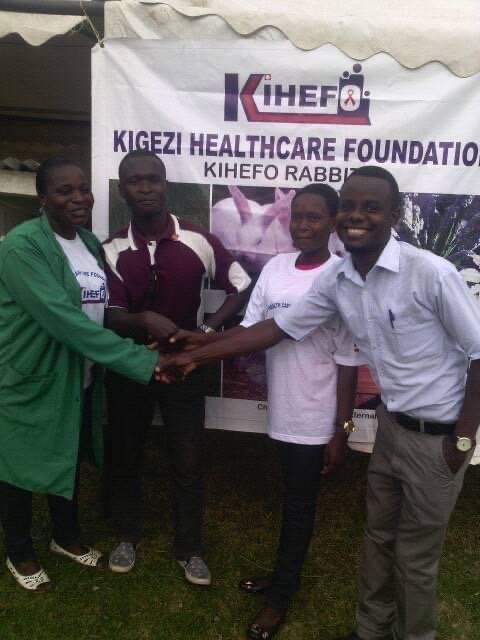
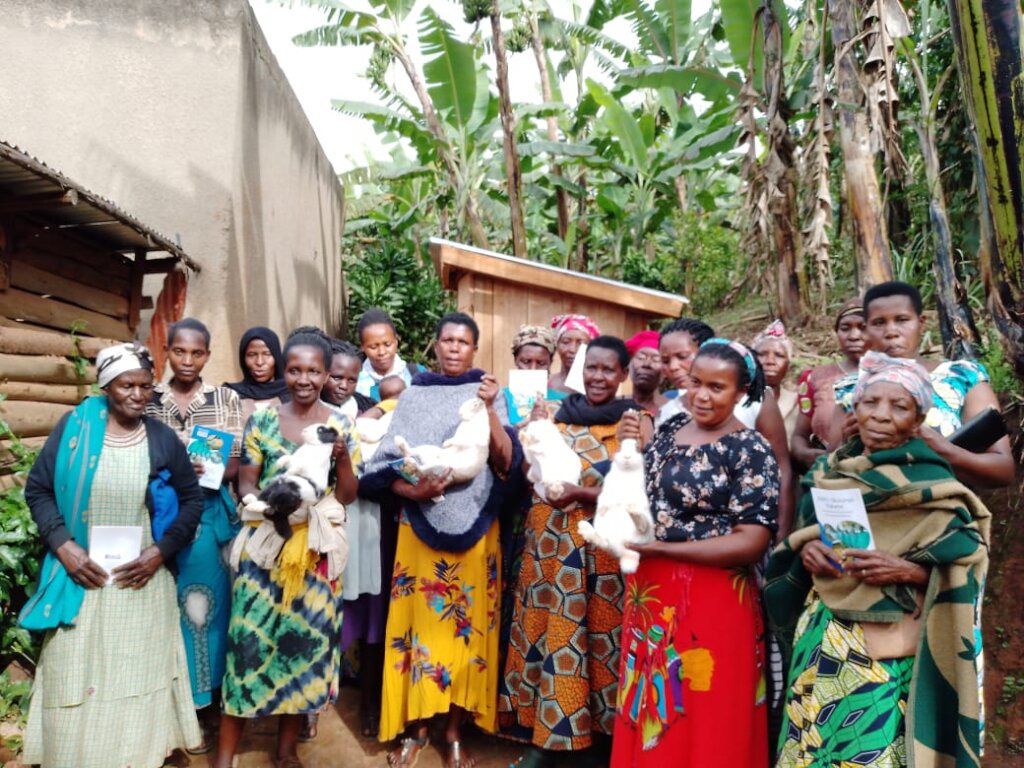
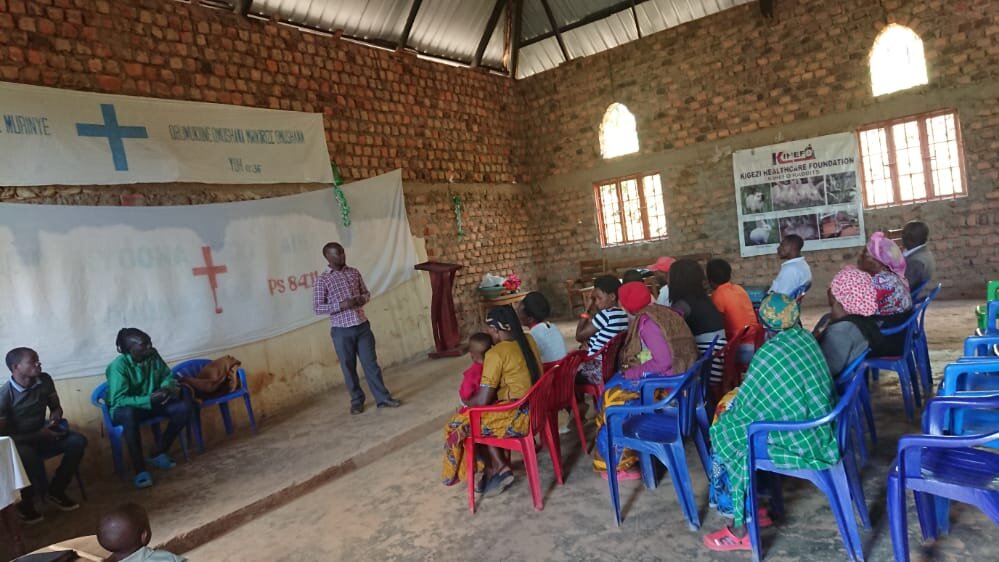
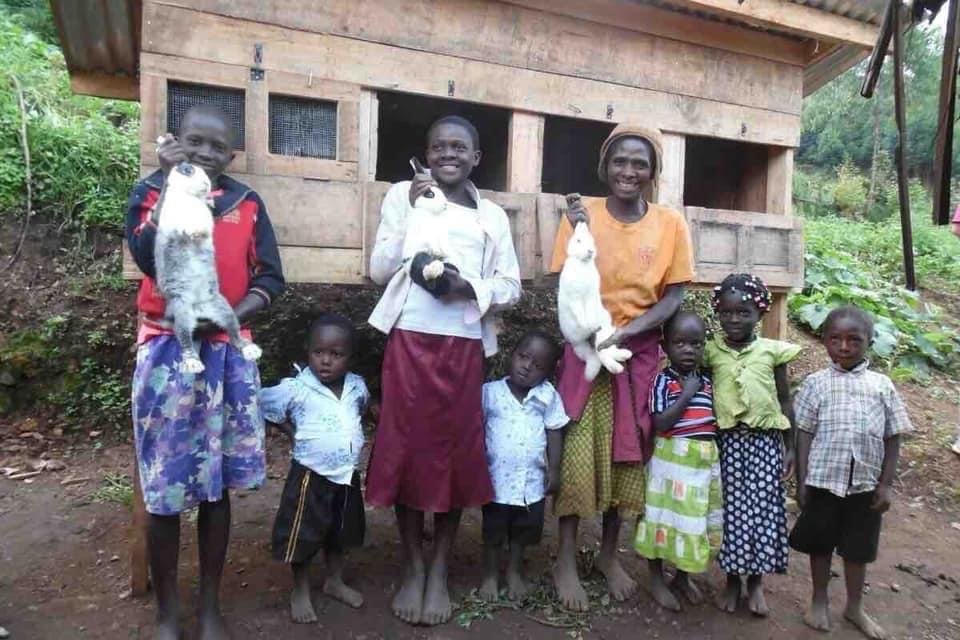
In our effort to support poor families get out of poverty by adopting rabbit breeding, we have achieved a milestone of 50 female headed families. Development and social change have led to changes in family structure One of these changes is the formation of single-head or single-parent families .The head of the household is usually responsible for all or most of the household expenses or deciding how to spend the household income and is not necessarily the oldest member of the household and may be male or female A female head of household refers to a woman in charge of managing the family as a result of divorce, separation, immigration, or widowhood
The number of female-headed households has increased dramatically in Uganda due to various factors some of which include women who do not remarry after losing their husbands, due to divorce, addiction or disability of husband, increased life expectancy among women, migration, or being abandoned by husband and many others.
There is a general perception that women are socially more vulnerable than men because of higher poverty rates and fewer job opportunities, and this perception is more widespread for female-headed households due to fears of intergenerational poverty transmission. Female-headed households are forced to play multiple, conflicting roles after losing their spouses, and have to work in marginal, part-time, informal, and low-income jobs due to lack of access to high-paying jobs. These women are unable to maintain their health due to problems such as poverty, poor socioeconomic status and multiple responsibilities. As a result, they experience more high-risk behaviors and lower quality of life and family satisfaction. They also suffer from Stress, mental disorders, depression, drug abuse, and financial and cultural poverty
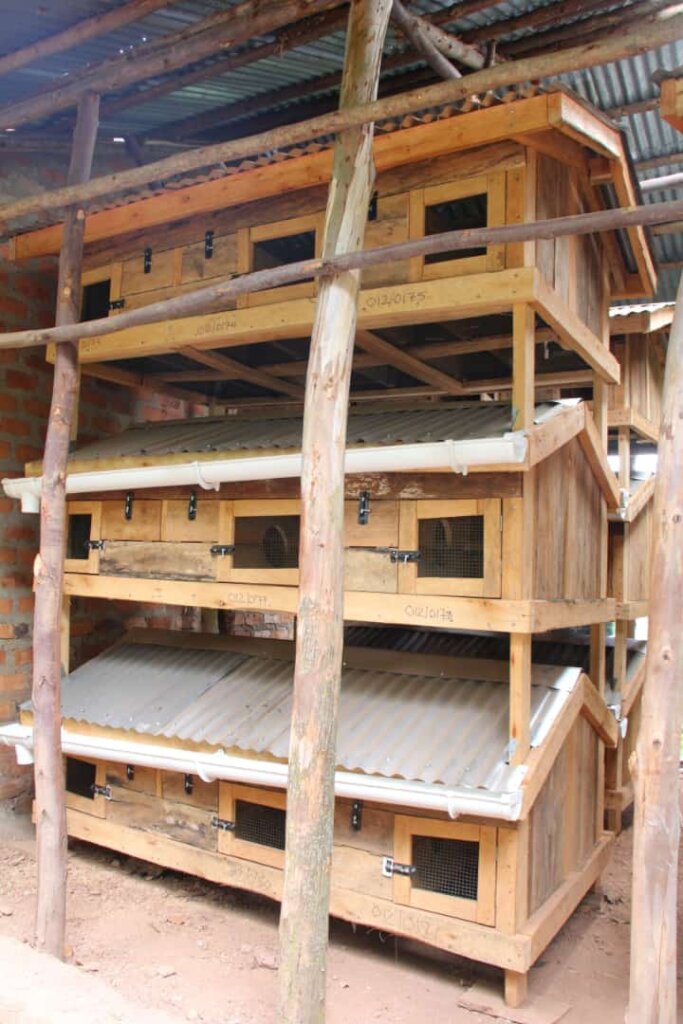
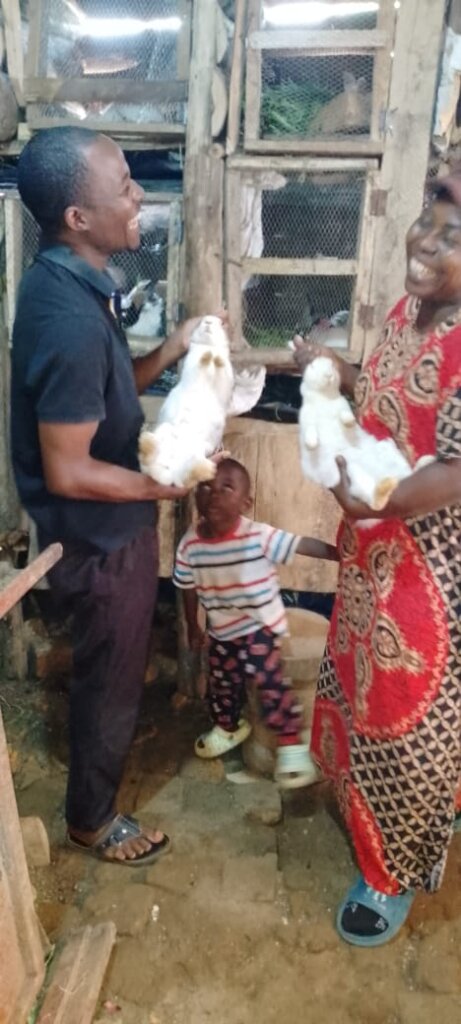
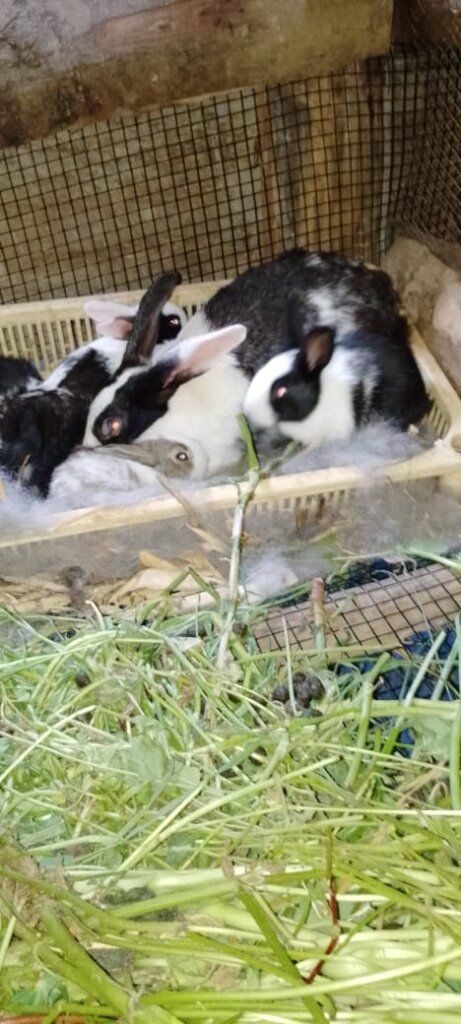
Women are among the most prestigious groups of society because they form the foundation of family and society’s health. Providing them with the care they need is possible when there would be a broad and comprehensive view of their situation and problems. Rabbit breeding has been the most effective form of income generation for poor families. They provide nutritious protein to the family. They have a gestation period of 30 days and maturity of 100 days. Rabbits mainly eat vegetation and this makes it much easier for poor families to engage in rabbit breeding. Rabbit meat is becoming popular with the middle-income class and this makes the prospects of increased income for poor families a reality. We thank our partners who have supported us in this project and we pray that more partners join us in the fight to get poor people out of poverty.
By GEOFFREY ANGUYO | PROJECT LEADER
By GEOFFREY ANGUYO | PROJECT LEADER
Project reports on GlobalGiving are posted directly to globalgiving.org by Project Leaders as they are completed, generally every 3-4 months. To protect the integrity of these documents, GlobalGiving does not alter them; therefore you may find some language or formatting issues.
If you donate to this project or have donated to this project, you can receive an email when this project posts a report. You can also subscribe for reports without donating.



Support this important cause by creating a personalized fundraising page.
Start a Fundraiser