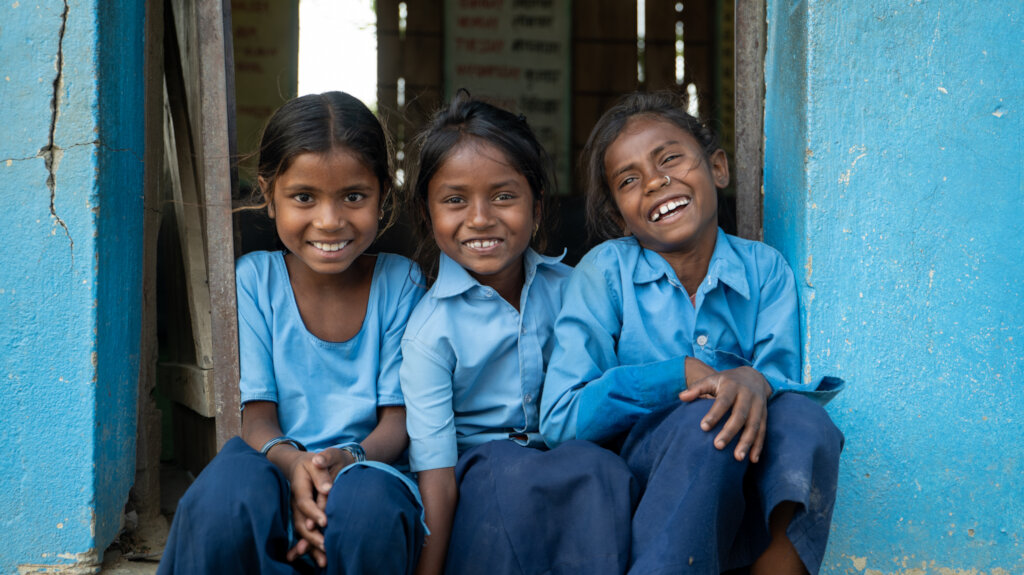
![Philippines_Education]()
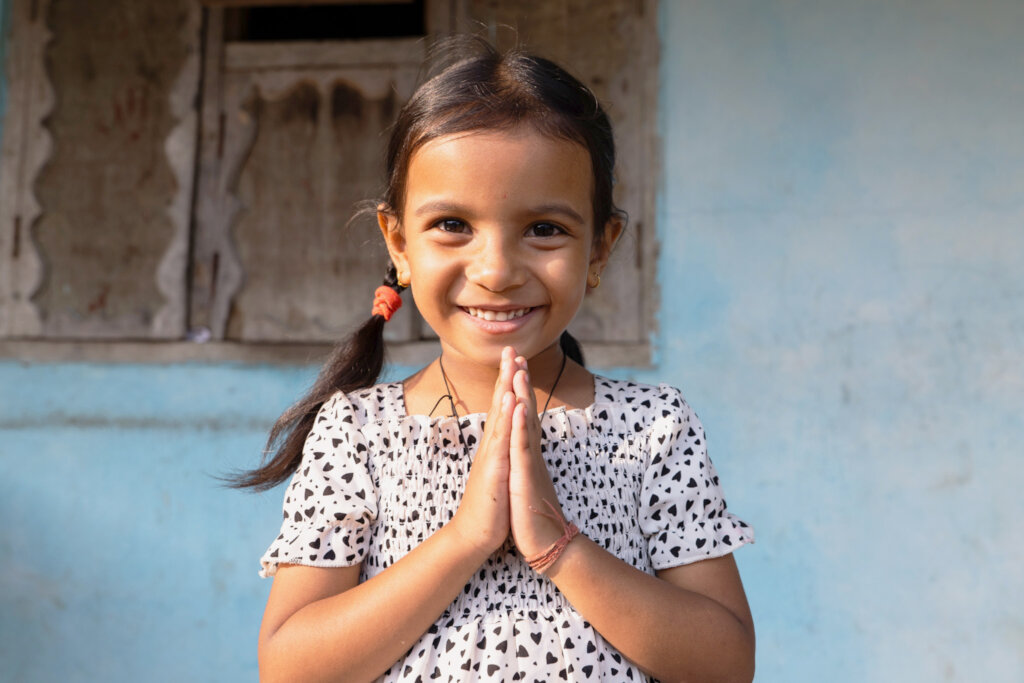
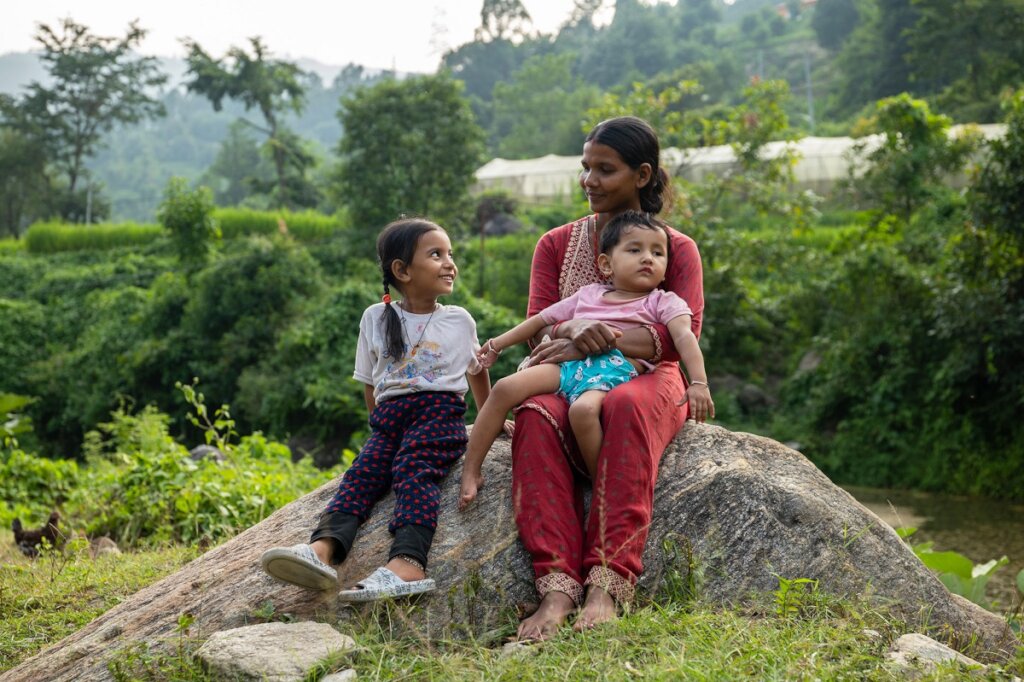
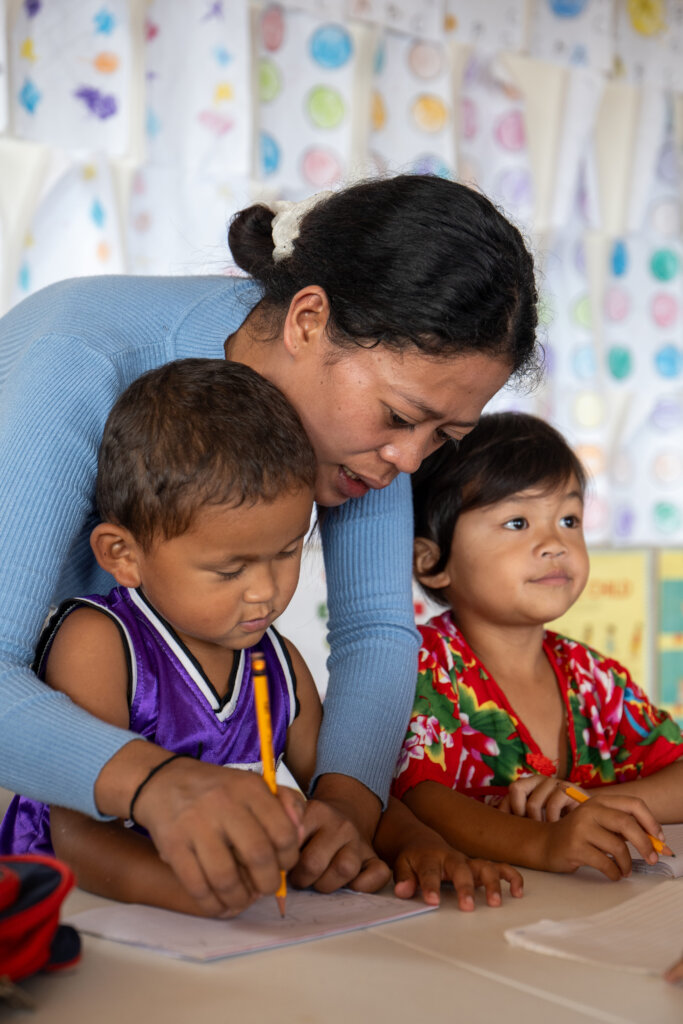
Philippines_Education
Vicente Ferrer once said, “Everything that happens to you happens to me. You cannot look at suffering without feeling it within yourself. You can choose to look away or not, but that suffering affects you too. And when you truly realize that, you feel responsible. Then you ask yourself: What can I do?”
Since its foundation, Fundación Vicente Ferrer (FVF) has been working in India to transform the lives of the most vulnerable communities in the country’s southern regions. Over the past 57 years, the Foundation has built a strong legacy of promoting social justice, inclusion, and equal opportunities for all.
Working alongside rural communities, FVF advances sustainable development initiatives that enhance people’s well-being, strengthen local capacities, and support environmental stewardship, with a special focus on children and young people.
Across all our interventions, we mainstream gender equality and climate action, ensuring that the communities we support are better equipped to thrive, adapt, and build a sustainable future.
Commitment to Childhood
When we accept child poverty, we expose an even greater problem: a lack of values across society. Children have unique needs that call for profound action. Our mission is to ensure that every child can grow and thrive with equity, dignity, and the opportunity to reach their full potential.
Children in the Global South are at the heart of the Foundation’s mission. We believe that childhood cannot wait, which is why ensuring that children have the opportunities, resources, and support they need to grow, learn, and reach their full potential is one of our highest priorities.
Working across seven countries, we share a common goal: to ensure that every girl and boy participating in our programs has the opportunity to thrive and build a better future.
Our approach is tailored to the unique realities of each country and community. By addressing specific local challenges with innovative, effective, and sustainable solutions, we seek to create lasting impact. To achieve this, we work in close partnership with organizations that possess deep local knowledge and expertise, ensuring that our interventions are relevant, responsive, and rooted in the communities we serve.
The Foundation carries out a wide range of initiatives to promote the well-being and development of children, addressing key areas such as:
- Education: Promoting access to and continuity in education through tutoring schools, scholarships at all levels, including higher education, promotion of social integration through sport, providing bicycles to secondary school students.
- Disability support: Promoting inclusion through specialized schools and educational centers that address the diverse needs of children with disabilities, alongside rehabilitation services, early intervention, and adapted sports programs.
- Health and Hygiene: Improving access to healthcare, hospital services, medical treatment, nutrition programs, and sexual and reproductive health care and education.
- Community Networks: Supporting families, strengthening local village committees, promoting children's clubs, and encouraging girls' leadership and active community participation.
The impact that backs us
- 9.691 higher education scholarships for teenagers in India.
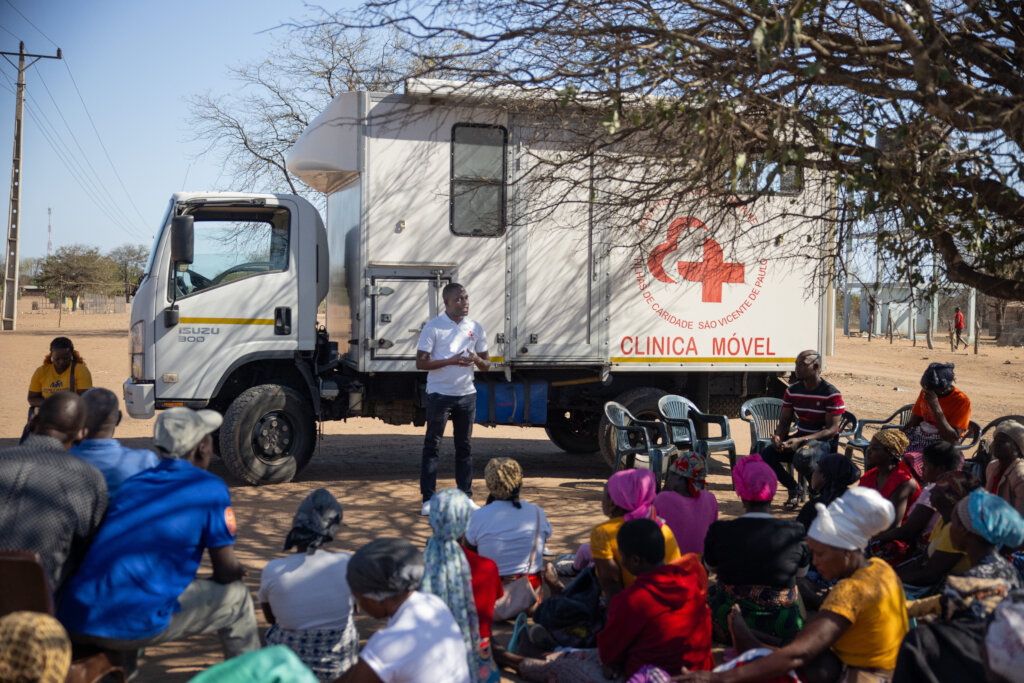
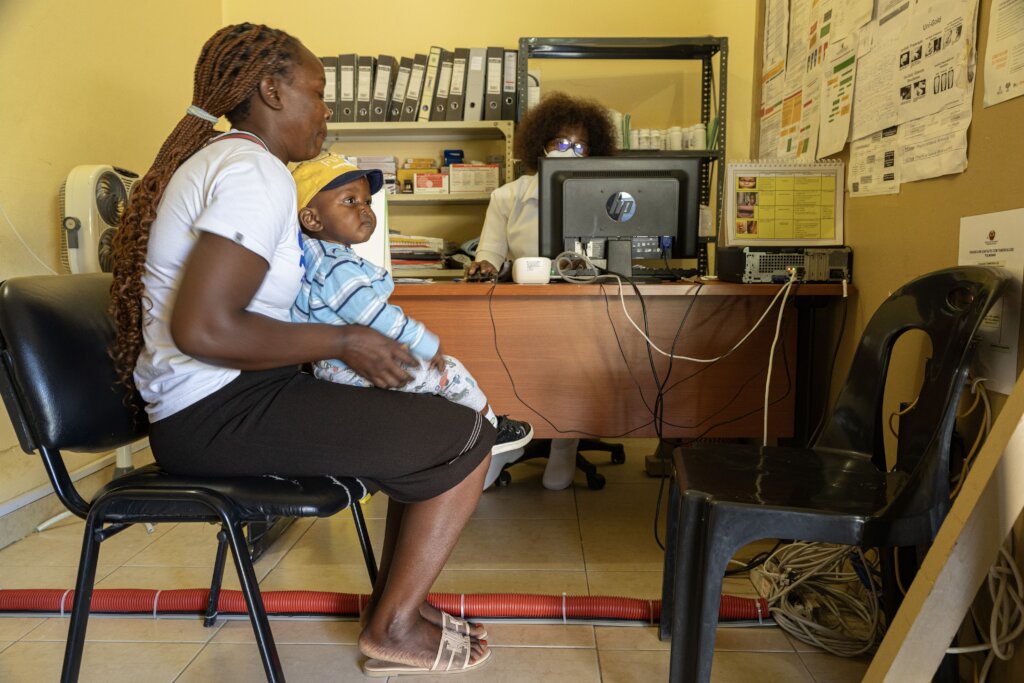
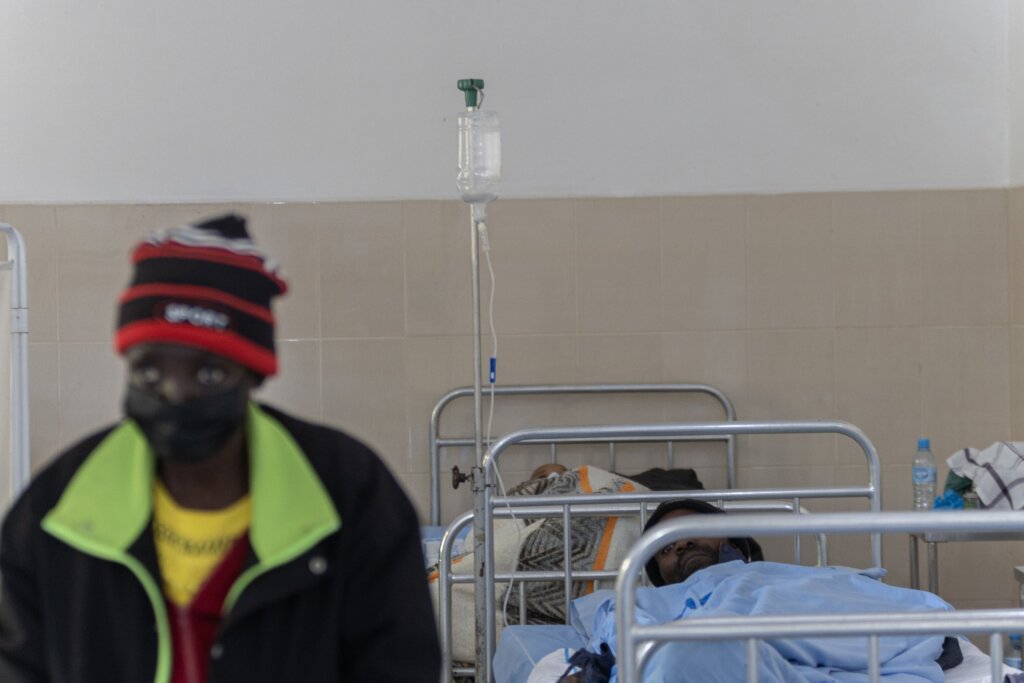
- Medical follow-up for 2,600 minors with HIV in Mozambique.
- 475 scholarships to ensure the continuation of education for rural children in the Philippines.
- Nutritional support for 1,044 preschool children with malnutrition in Sri Lanka.
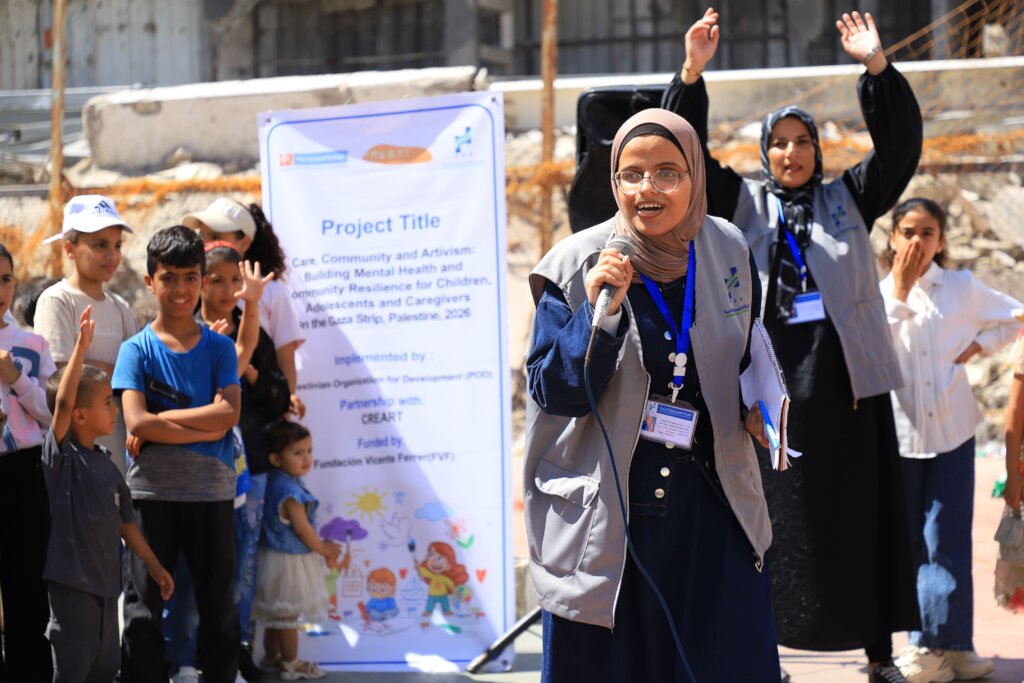
- Psychosocial support for 4,800 girls, boys, and teenagers in Gaza.
OUR ACTION IN INDIA
WHY
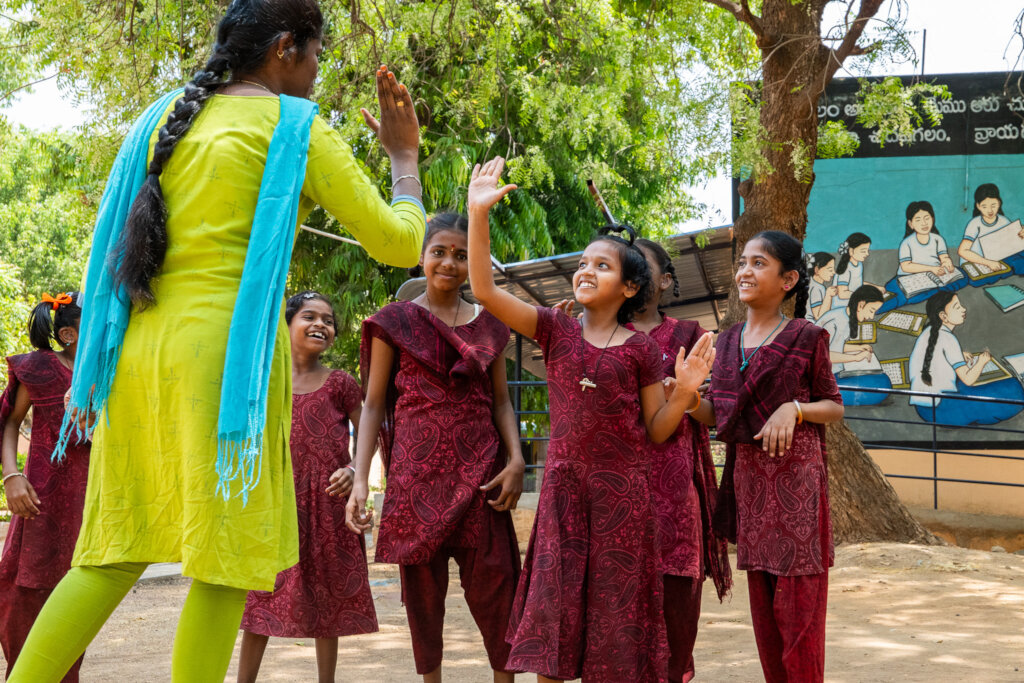
In 1969, Vicente and Anne Ferrer launched a process of social transformation in Anantapur, Andhra Pradesh, with the goal of eradicating rural poverty through an integrated development approach.
Today, we work alongside Rural Development Trust (RDT), partnering with rural communities, local authorities, and community organizations to build sustainable solutions that improve lives and expand opportunities for future generations.
WHAT WE DO
For Protection: Equality, inclusion, and rights
- Advancing women’s economic and social empowerment through housing initiatives, community-based support networks, and access to financial resources and opportunities.
- Promoting inclusion, active participation, and equal opportunities of people with disabilities within their communities.
- From 2024 to 2025: 90,632 women and 25,452 people with disabilities participated in community support groups (sanghams), strengthening their social inclusion, collective action, and access to opportunities.
For Education: Access to and continuity of education
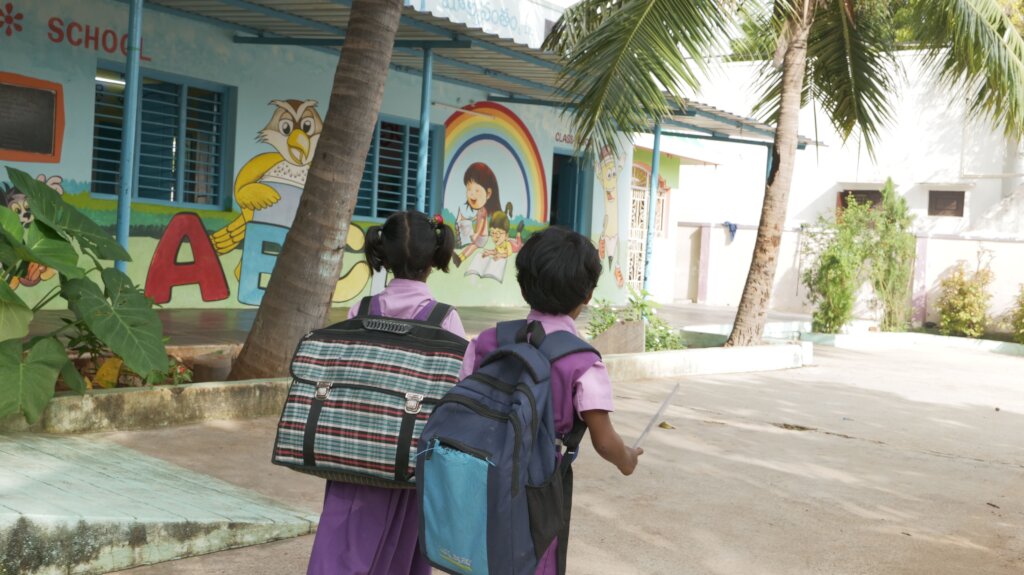
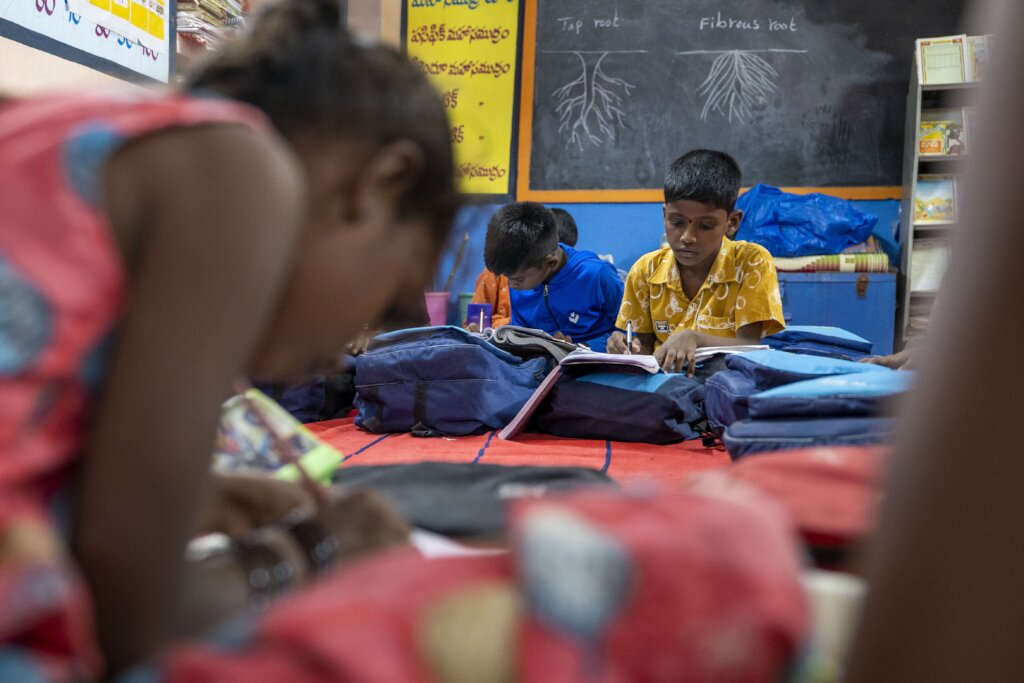
- Ensuring access to quality education and helping students remain in school through community-based learning initiatives, dropout prevention measures.
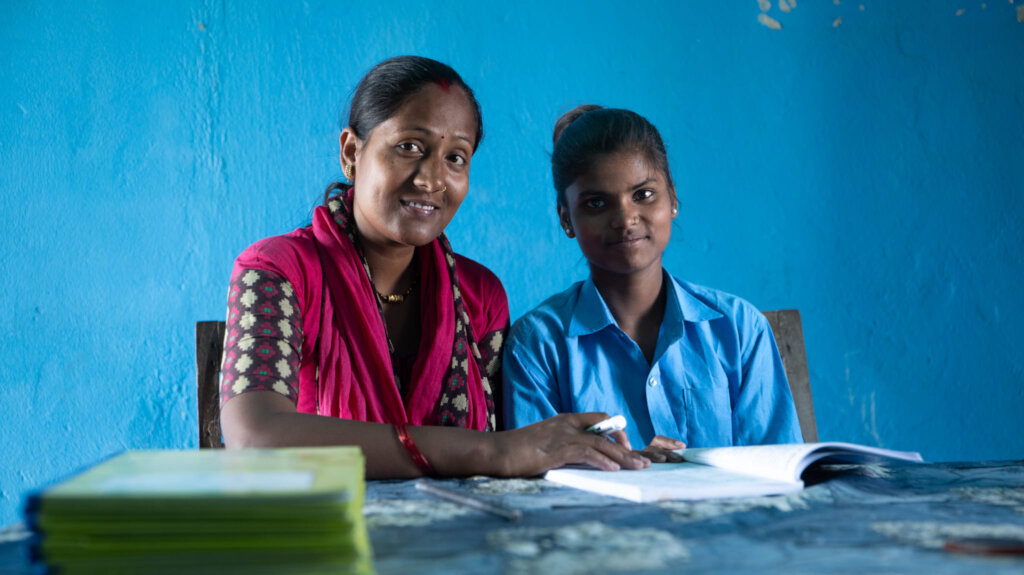
- Offering scholarship programs that expand opportunities for higher education and future employment.
- From 2024 to 2025: 1,040 remedial schools were operating in rural communities; 9,691 young people received scholarships to continue their education.
For Health: Specialized healthcare
- Ensuring access to quality healthcare for underserved rural populations through a comprehensive healthcare network, with a particular focus on maternal and child health.
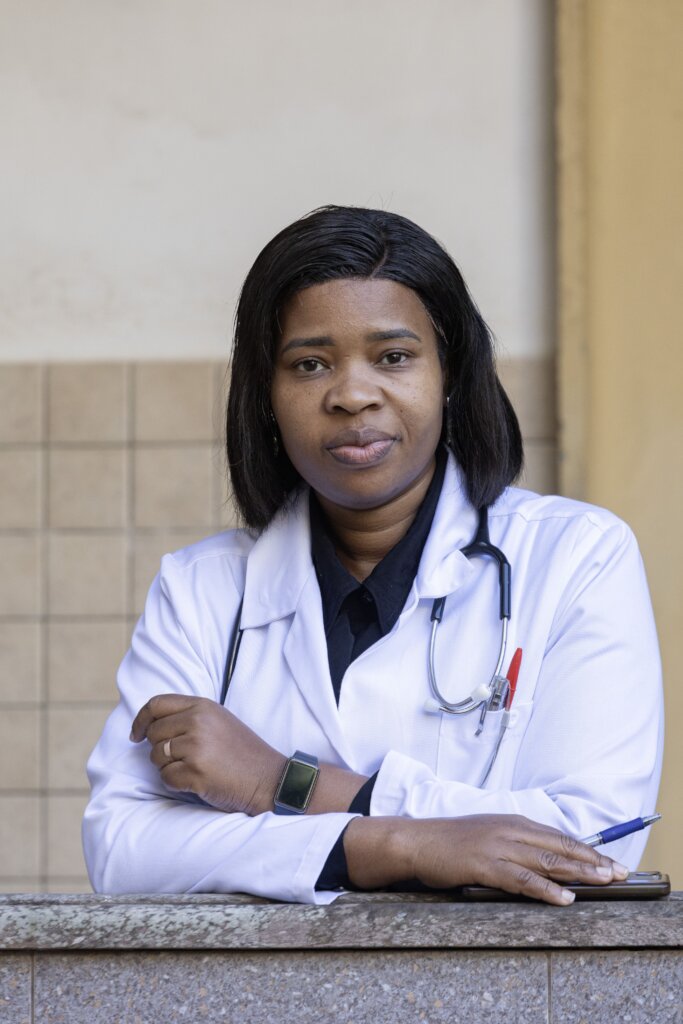
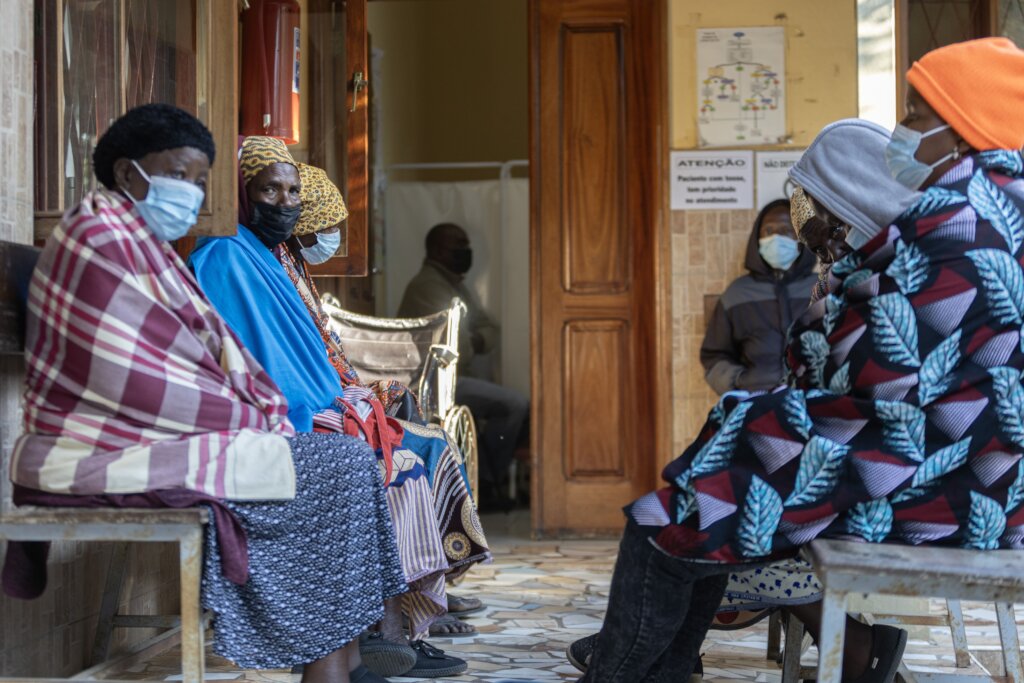
- Delivering comprehensive prevention, diagnosis, treatment, and care services for communicable diseases such as HIV and tuberculosis.
- From 2024 to 2025: 764,444 hospital consultations were delivered; 8,268 people received HIV treatment and care.
WERE
- Rural: states of Andhra Pradesh and Telangana (Southeast India)
OUR ACTION IN NEPAL
WHY
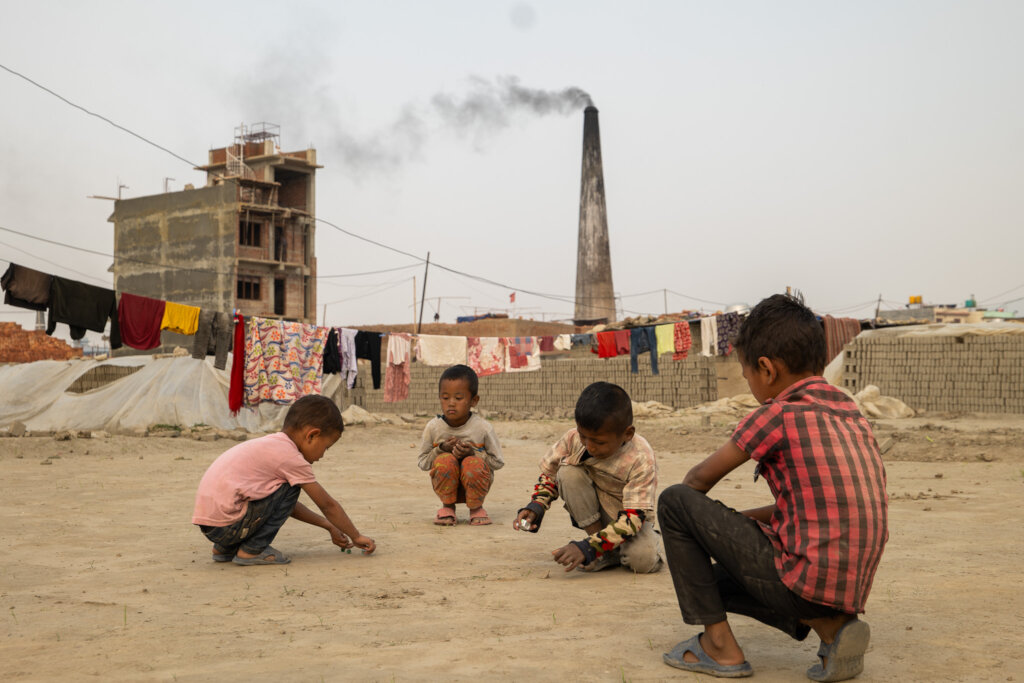
Poverty continues to affect millions of people in Nepal, while many children remain at risk of child labor, early marriage, and exclusion from opportunities that can shape their future.
We partner with Nepali organizations specializing in disability inclusion, sustainable livelihoods, and child rights protection to support sustainable and lasting change.
WHAT WE DO
For Protection: Child Labor and Child Marriage.
- One in four children is involved in child labor.
- Promoting children's rights through community and government awareness initiatives.
- Providing protection, psychosocial support, and reintegration services for girls and adolescent survivors of violence and abuse.
- From 2025 to 2026: 1,650 children took part in children's clubs; 2,180 children benefited from awareness-raising initiatives designed to strengthen the protection of children's rights.
For Education: Early Access to Quality Education
- Approximately 800,000 children are out of school.
- Providing school supplies, teacher training, and community awareness programs.
- Building classrooms and learning spaces for migrant children.
- From 2025 to 2026: 125 children enrolled in learning support classes; 300 children received school supplies and educational materials.
For Health: Disability and Mental Health
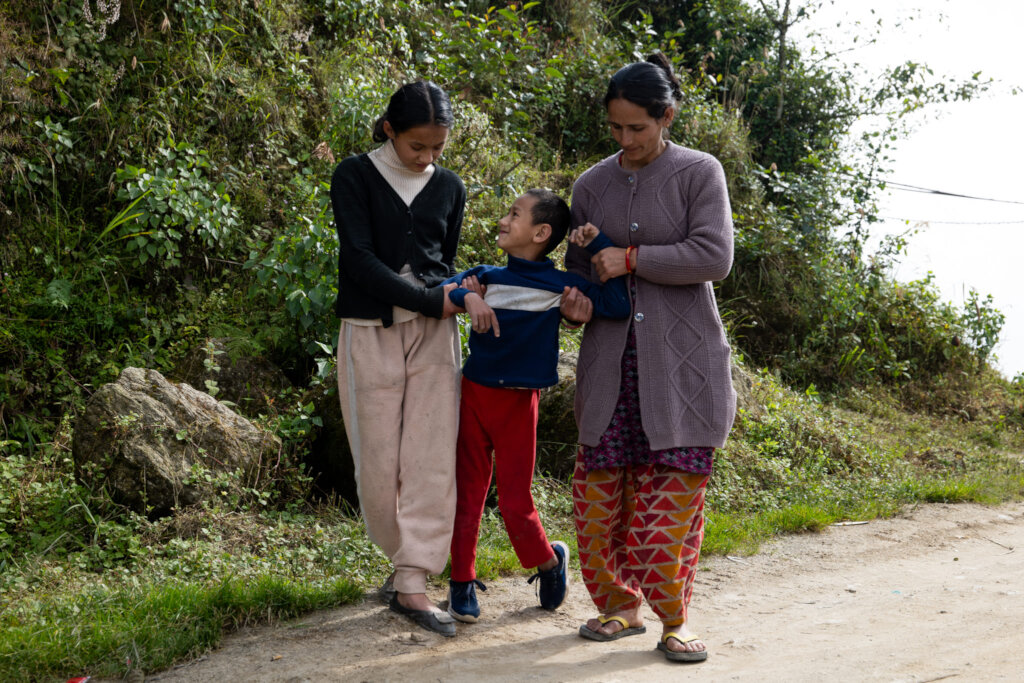
- One in three children with disabilities live in isolation.
- Providing comprehensive support and care for children with cerebral palsy in rural communities.
- Offering diagnosis, treatment, and specialized care in mental and reproductive health.
- From 2025 to 2026: 1,138 children with disabilities received support and care; 1,050 caregivers benefited from specialized services and assistance.
WERE
- Rural: Central Highlands; Terai Plains
- Peri-urban: Kathmandu Valley (temporary migrant communities)
OUR ACTION IN SRI LANKA
WHY
The country is experiencing the worst economic crisis in its recent history. Poverty has tripled, and thousands of mothers have been forced to migrate in search of livelihoods, placing children at heightened risk and in an increasingly vulnerable situation.
We partner with Sri Lankan organizations specialized in local community development, children's right, quality education, and girls' well-being and empowerment.
WHAT WE DO
For Protection: Safe Spaces and Rights
- One in three children is affected by online sexual violence.
- Supporting children through child development centers and community-based social work initiatives.
- Promoting awareness and education on children's rights.
- From 2025 to 2026: 135 government officials trained; 10,734 children reached through awareness-raising activities.
For education: Early Access to Quality Services
- Two-thirds of vulnerable adolescents drop out of school.
- Expanding access to education for vulnerable children.
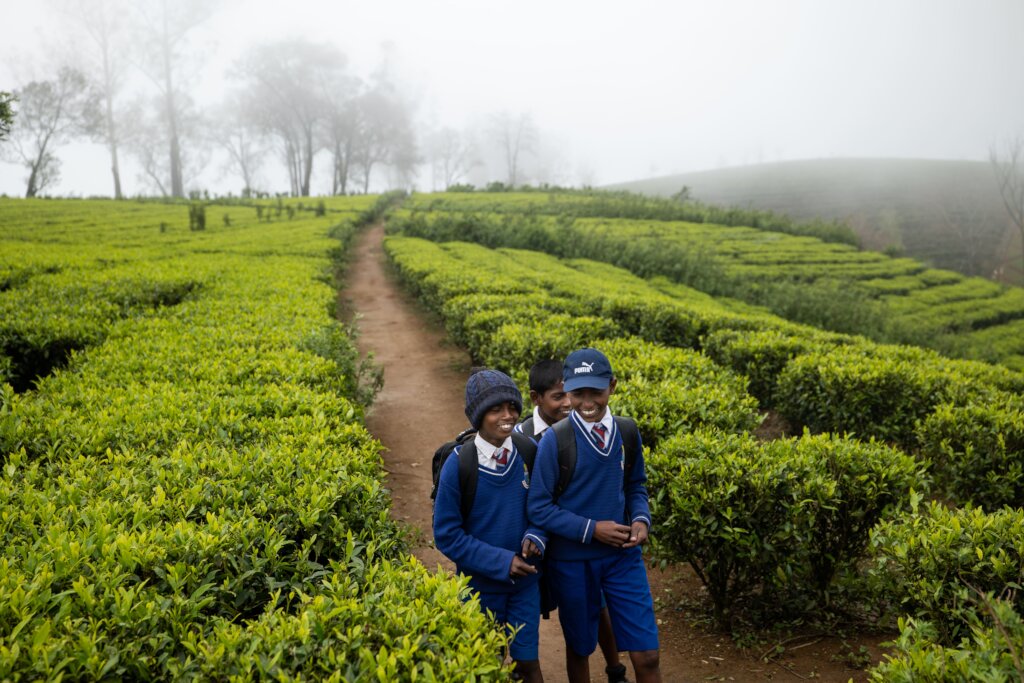
- Strengthening and improving early childhood education centers in tea plantation communities.
- From 2025 to 2026: 902 children benefited from preschool education; 3,669 children received school supplies and educational materials.
For Health: Menstrual Poverty and Food Insecurity
- Six out of ten families are unable to afford three meals a day.
- Providing food parcels and nutritious meals to vulnerable children and families.
- Distributing menstrual hygiene products and delivering sexual and reproductive health education.
- From 2024 to 2025: 1,514 adolescents received sexual and reproductive health education; 1,002 people received nutritional support.
WERE
- Rural: Nuwara Eliya Tea Plantations
- Urban: Settlements in Colombo
OUR ACTION IN THE PHILIPINES
WHY
Poverty, inequality, and the climate crisis are exacerbating violence against children and reducing access to healthcare and education, disproportionately affecting girls and boys from Indigenous communities.
We partner with Philippine organizations specialized in Child protection, Community health, and Indigenous peoples’ rights.
WHAT WE DO
For Protection: Safe Spaces and Rights
- Three out of five children are affected by violence or live in street situations.
- Supporting child shelters and safe spaces for vulnerable children.
- Providing legal and psychosocial support.
- Delivering training and awareness-raising on children's rights.
- From 2025 to 2026: 293 children received legal support; 7,028 children educated on their rights and protection issues.
For Education: Early Access to Quality Services
- Eight out of ten children lack access to early childhood education.
- Providing vulnerable children with access to quality education.
- Constructing a preschool center in an Indigenous community.
- From 2025 to 2026: 61 children enrolled in preschool centers; 534 children received school supplies.
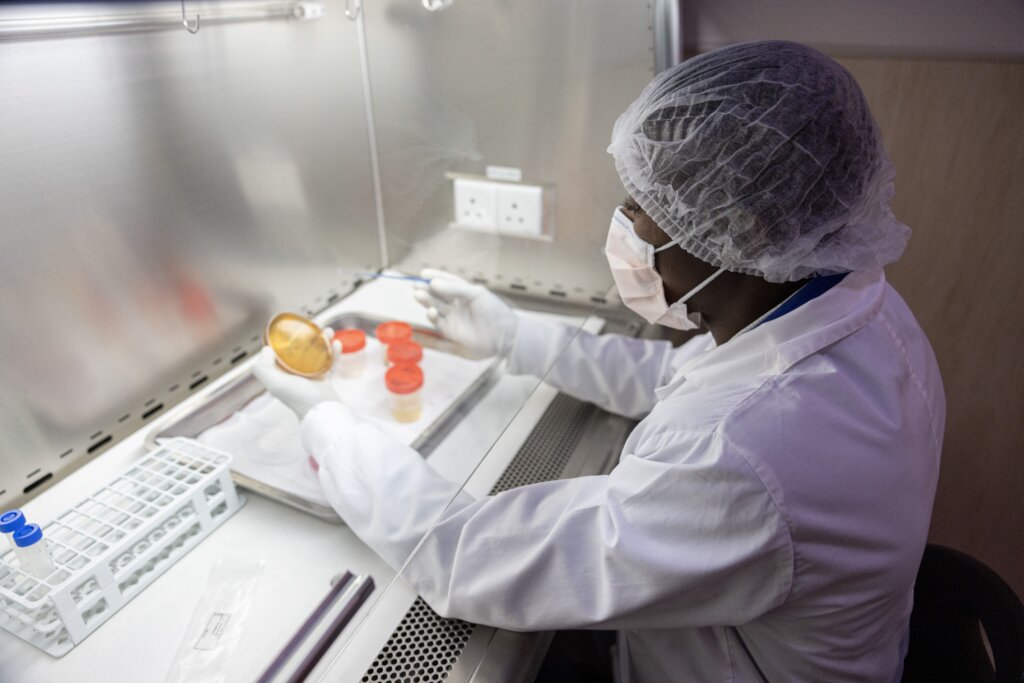
For Health: Tuberculosis Prevention and Control
- The Philippines has the fourth-highest number of tuberculosis cases in the world.
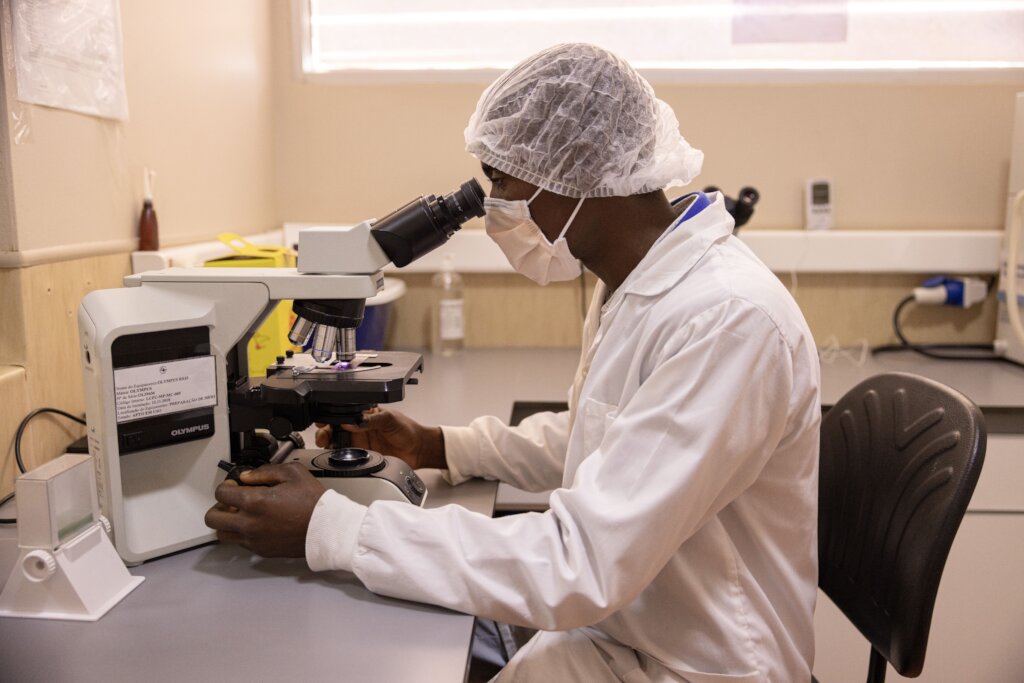
- Preventing tuberculosis through community mobilization and engagement
- Training healthcare workers in health centers.
- From 2024 to 2025: 18 community health volunteers trained; 2,689 families received follow-up and support services.
WERE
- Rural: Mindanao (Bukidnon); Mindoro (Puerto Galera)
- Peri-urban: Luzon (Metro Manila, Rizal, and Laguna)
OUR ACTION IN PALESTINE
WHY
More than half of Gaza’s population are children whose lives have been profoundly affected by armed conflict. Many have lost family members, been displaced from their homes, and seen their access to education disrupted, putting their safety, well-being, and future at risk.
We work in partnership with organizations that have deep roots in and extensive knowledge of the local context, Palestinian Organization for Development and CreArt Association.
WHAT WE DO
For Protection: Safe shelter and psychosocial support
- Over 60,000 children killed or wounded.
- Supporting shelters with essential supplies and mental health care
- Providing protection training.
- From 2025 to 2026: 4,800 children received psychosocial support; 720 caregivers trained.
For Health: Pediatric surgical care in Spain
- Over 100,000 buildings, including hospitals, destroyed.
- Implementing a specialized program that provides trauma-informed care, psychological support, and emotional recovery services for children in Spain.
WERE
OUR ACTION IN MOZAMBIQUE
WHY
Child marriage, extreme poverty, and the impact of HIV/AIDS continue to threaten the rights, health, and future of children and young people, especially girls.
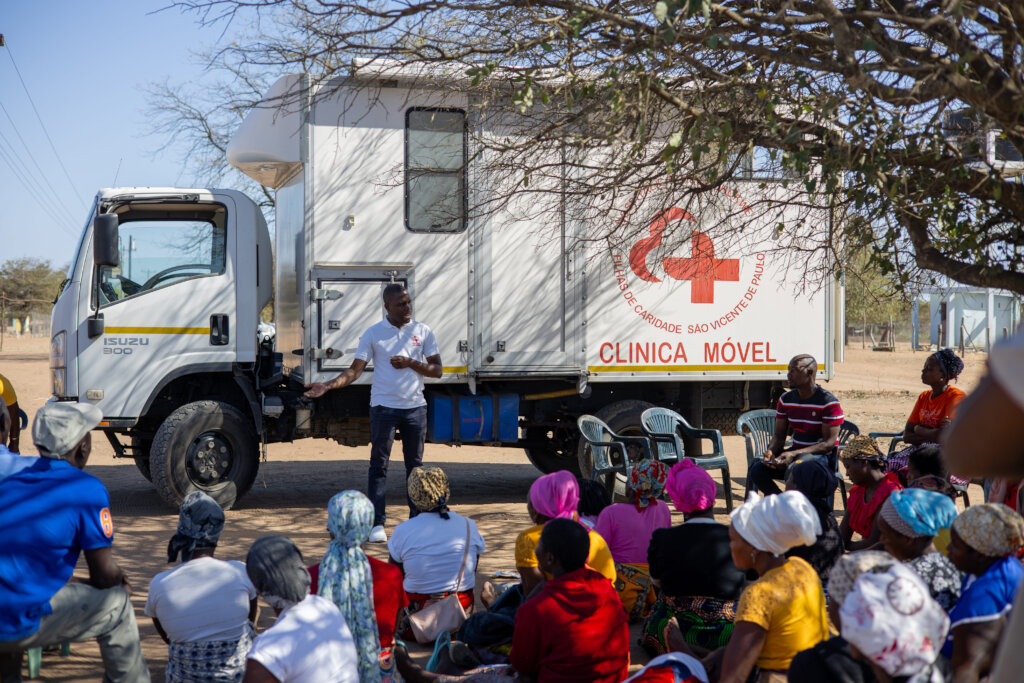
We collaborate with Mozambican organizations specialized in public health, child protection, and women’s rights to promote lasting change and expand opportunities for vulnerable communities.
WHAT WE DO
For Protection: Safe Spaces and Rights
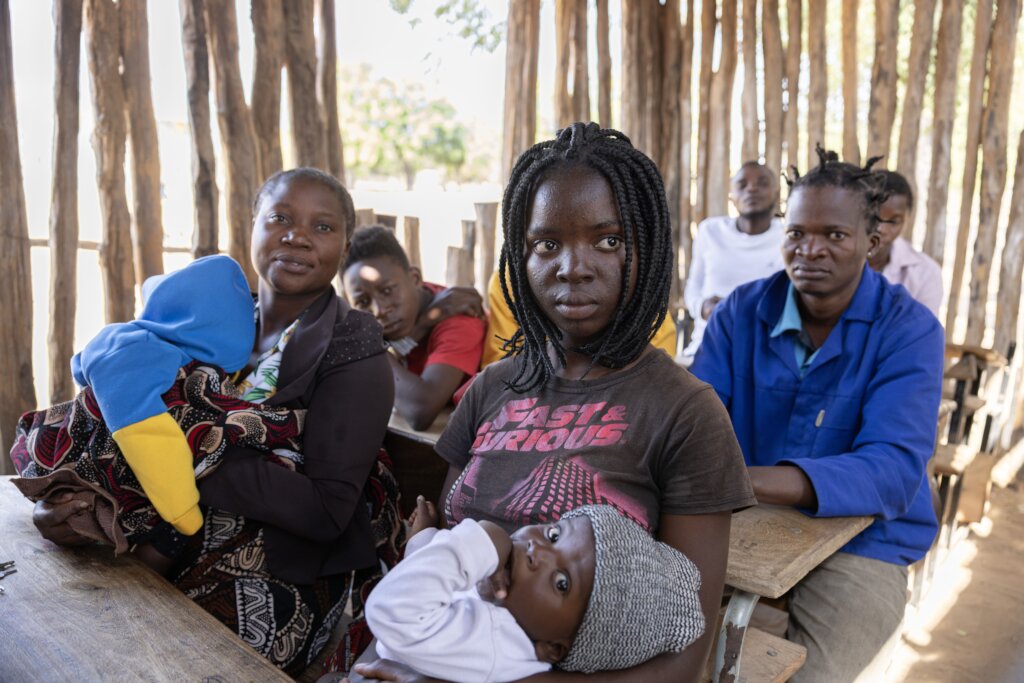
- Nearly six in ten girls become mothers before reaching adulthood.
- Promoting protection and empowerment of girls by preventing early unions.
- Reducing and eliminating gender-based violence in all its forms.
For Health: HIV eradication
- One in four adults is living with HIV.
- Early detection and follow-up to reduce viral load.
- Strengthening health systems and community networks.
For Health: Supporting El Carmelo Hospital
- Remote and underserved populations with limited access to health services.
- Strengthening the hospital’s medical and healthcare services, with a focus on HIV, tuberculosis, and malnutrition.
WERE
- Rural: Gaza Province, southern Mozambique
![Mozambique_Community awareness]()
Mozambique_Community awareness
![Palestine_Supporting children]()
Palestine_Supporting children
![Nepal_Migrant children]()
Nepal_Migrant children
![Sri Lanka_Tea plantation]()
Sri Lanka_Tea plantation
![India_Education]()
India_Education
Links:
![Share on Twitter]()
![Share on Facebook]()