![Cricket match]()
Cricket match
Reporting Period: December 2025 – February 2026
Dear Donor,
What happens when a girl begins to believe that her future is worth fighting for?
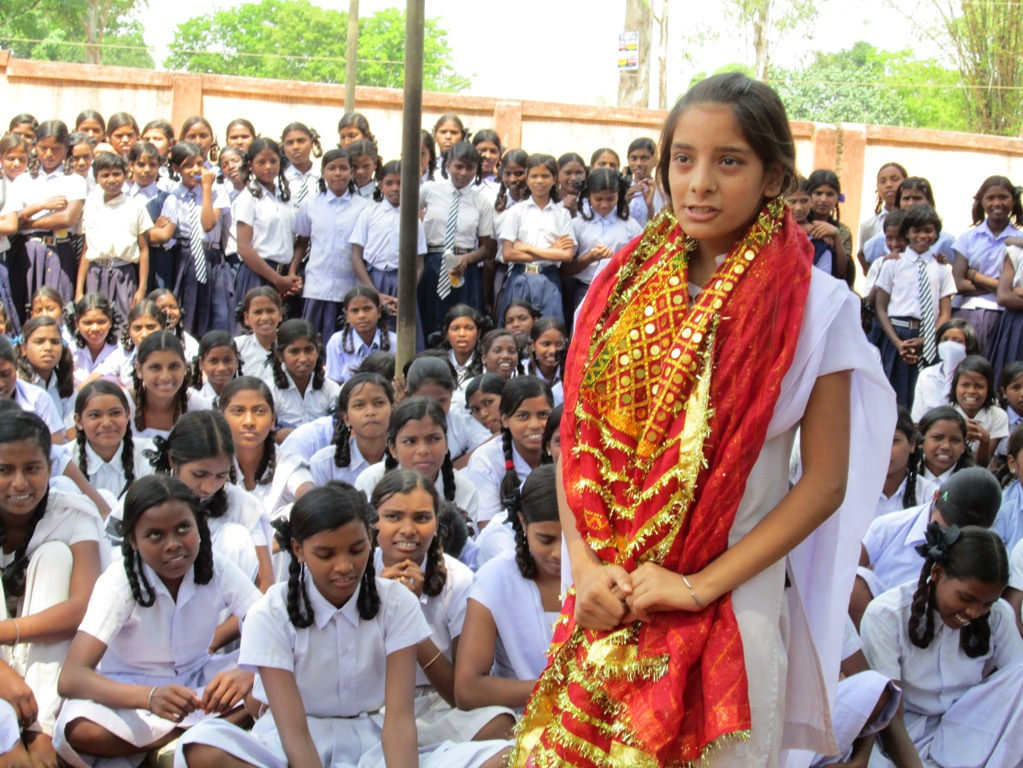
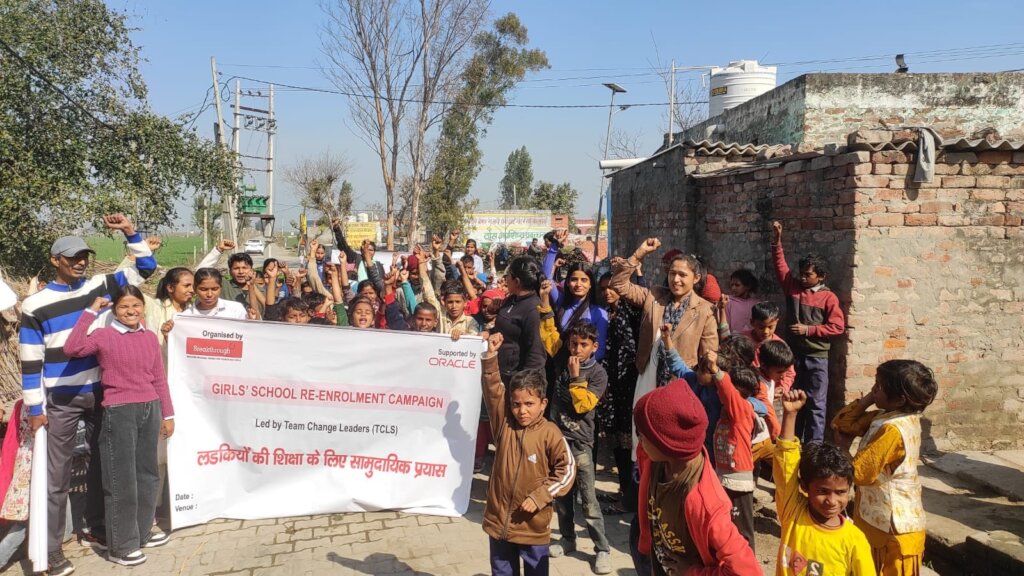
This quarter, we witnessed girls challenging expectations that have shaped generations before them. They negotiated for their right to stay in school, delayed marriage, spoke openly about their aspirations, and inspired their families and communities to rethink what is possible for girls.
Choosing Education Over Early Marriage
"I wanted to clear competitive examinations, but marriage proposals kept coming and I felt trapped between my dreams and society's expectations. I decided I would first become self-reliant and prove that marriage is not the only goal of a girl's life."
These are the words of Seema (name changed), a 22-year-old from Jharkhand.
As pressure mounted for her marriage, Seema found herself battling not only social expectations but also resistance from within her own family. When discussions around her marriage progressed and the groom's family demanded a dowry of INR 15 lakh, her parents were still willing to proceed. But Seema refused to give up on her dreams.
Drawing upon the confidence, communication, and negotiation skills she had developed through Breakthrough's programmes, she persuaded her parents to postpone the marriage until she completed her education. She even challenged her brother's opposition by explaining that higher education would help her become financially independent and reduce the burden of dowry altogether.
Today, Seema continues to pursue her studies and build the future she wants for herself.
Her story is not unique. Across our intervention areas, more girls are finding the confidence to question harmful norms, negotiate with their families, and choose education over early marriage.
Building Agency Through Taaron Ki Toli
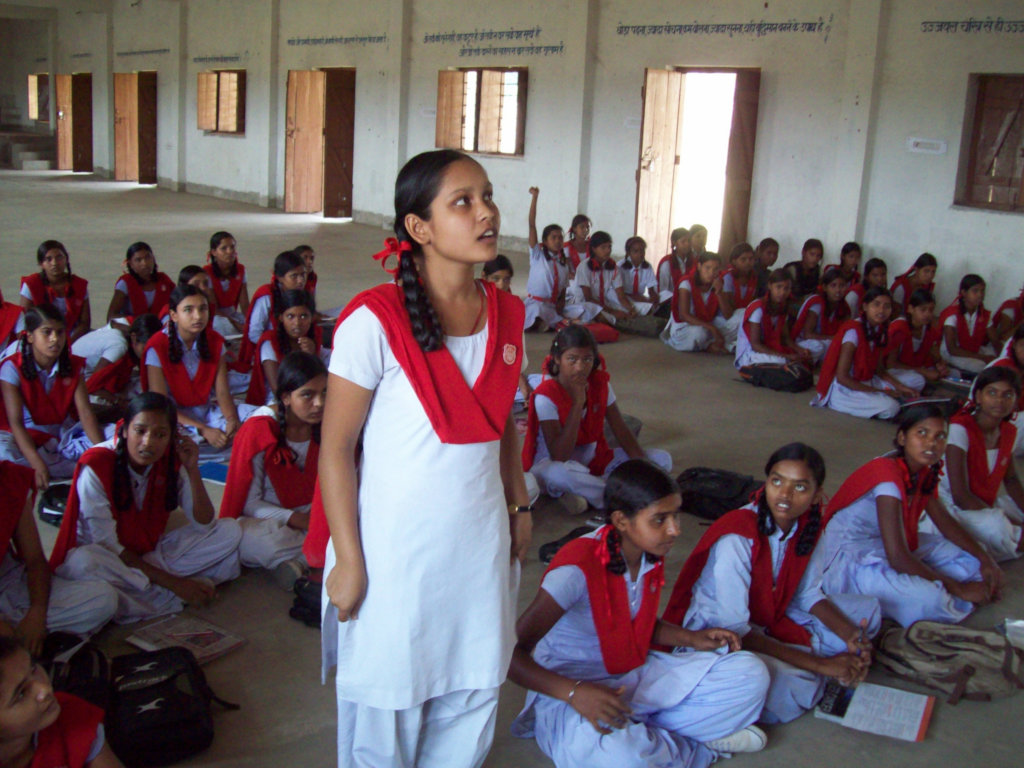
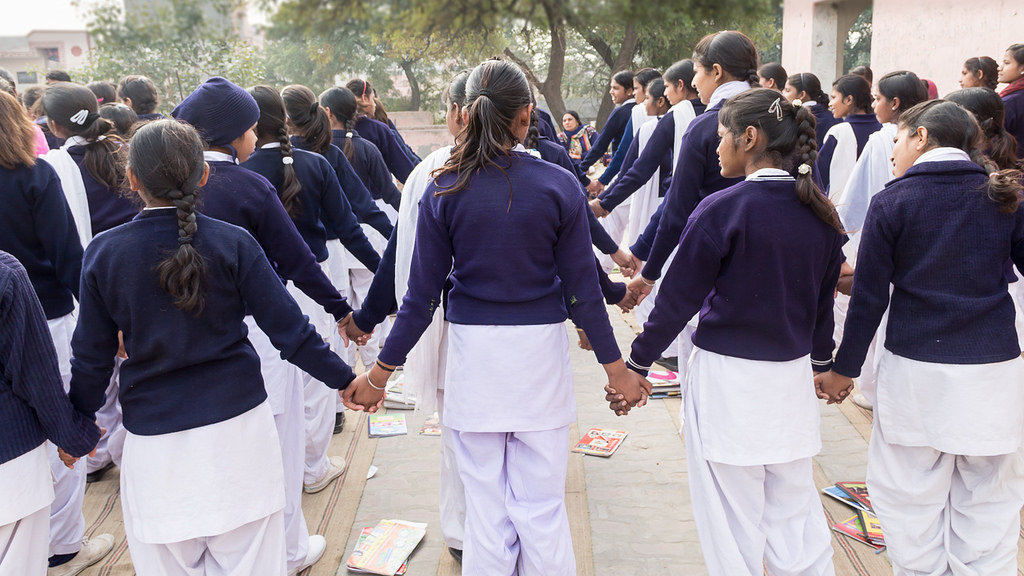
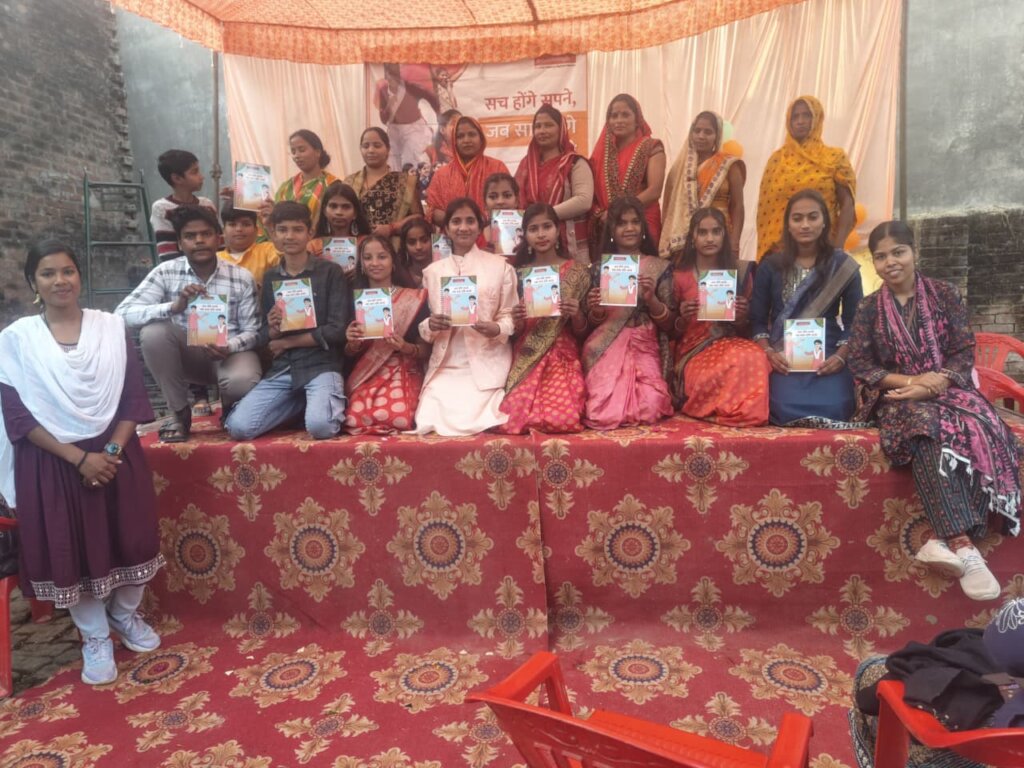
Taaron Ki Toli, our life-skills based gender equity curriculum, helps adolescents develop leadership, critical thinking, communication, and decision-making skills.
During this reporting period, the programme reached:
-
15,065 adolescents (11–14 years) in Uttar Pradesh
-
5,423 adolescents (11–14 years) in Jharkhand
-
22,313 adolescents (15–18 years) in Uttar Pradesh
-
2,004 adolescents (15–18 years) in Jharkhand
The impact of these sessions is reflected in the voices of the adolescents themselves.
A 17-year-old participant from Hazaribagh shared:
"My mother wants me to get married at 21, but I want to complete my education first and become financially independent. Many people believe girls should marry early, but I want to become a role model and show what girls can achieve."
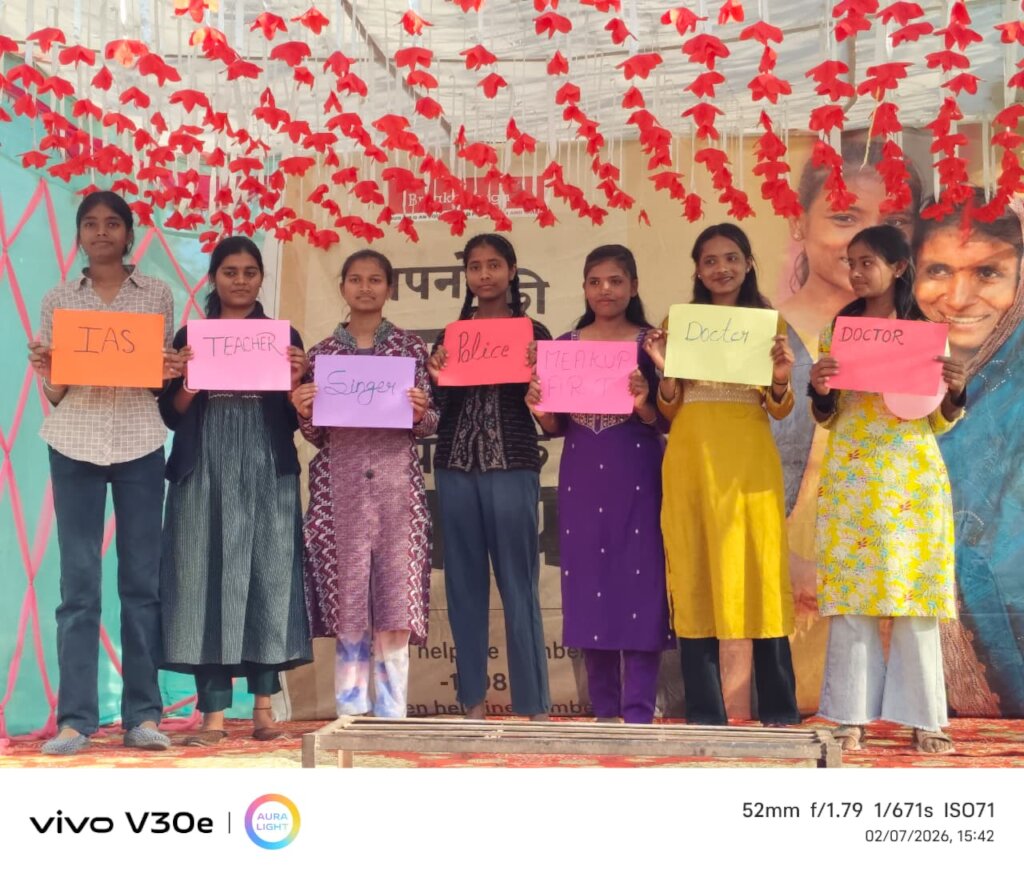
Another participant spoke of her dream of becoming a police officer:
"People in my community do not encourage girls to dream big, but I will not let that stop me. I am learning how to plan for my future and overcome challenges along the way."
In Lucknow, a girl reflected on how gender discrimination had affected her own education:
"Boys are trusted more and given more opportunities. I want my parents to participate in Breakthrough meetings so they can understand rights and change their thinking."
These voices reflect a growing shift—from acceptance of inequality to active questioning of it.
Where Dreams Meet Dialogue: Kishori Melas in Jharkhand
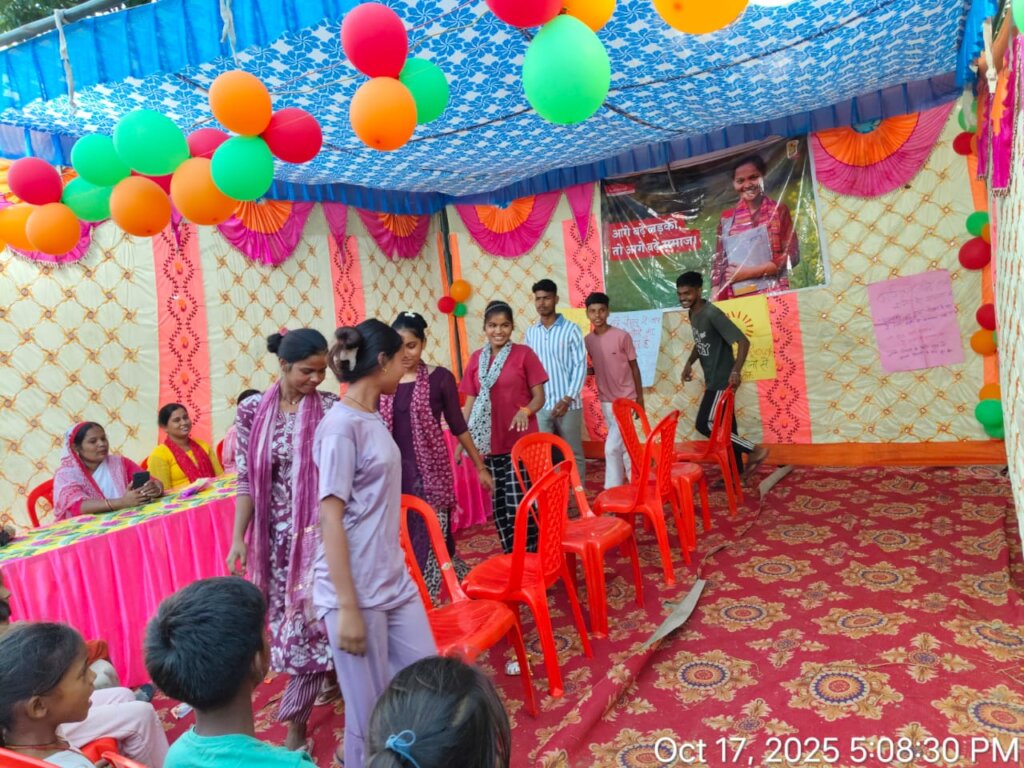
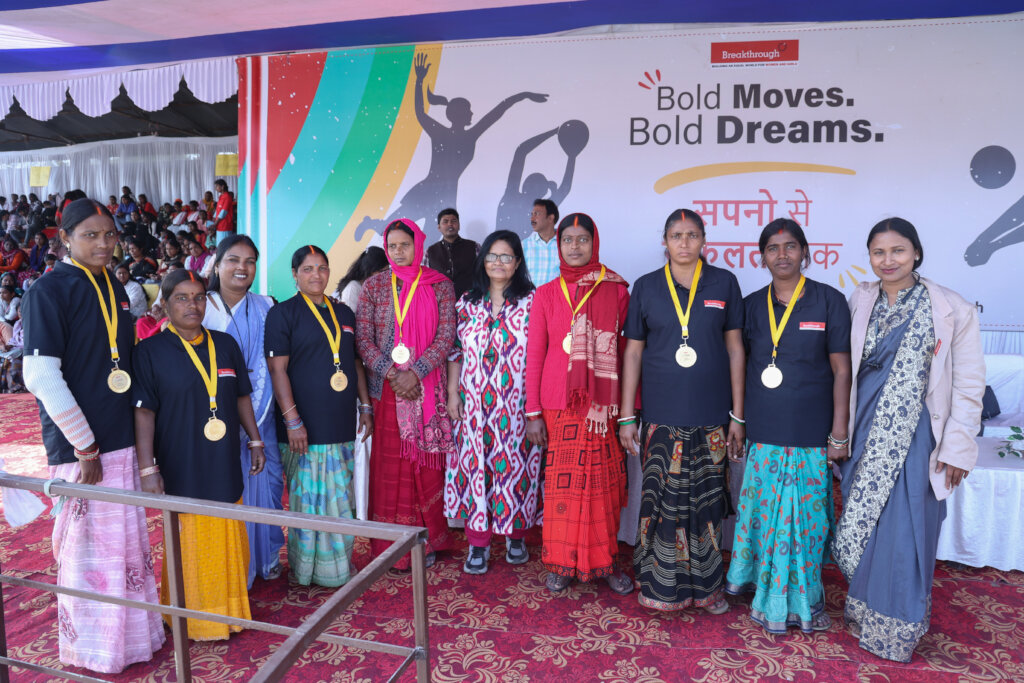
Across 88 villages in Hazaribagh, Breakthrough organized Kishori Melas under the theme "Sapno Ki Baat, Apno Ke Saath" (Conversations About Dreams, With Loved Ones).
The melas brought together 12,887 community members, including adolescents, youth, parents, and community leaders.
For many families, these events created a rare opportunity to discuss girls' aspirations openly. Adolescents showcased their talents, shared their ambitions, and spoke honestly about the barriers they face. Parents listened, reflected, and engaged in conversations about how they could better support their daughters.
One parent reflected:
"Girls are just as capable as boys. When families stand with them, they can achieve anything."
These conversations are helping create an environment where girls' dreams are no longer dismissed but encouraged.
Theatre Creating Change in Uttar Pradesh
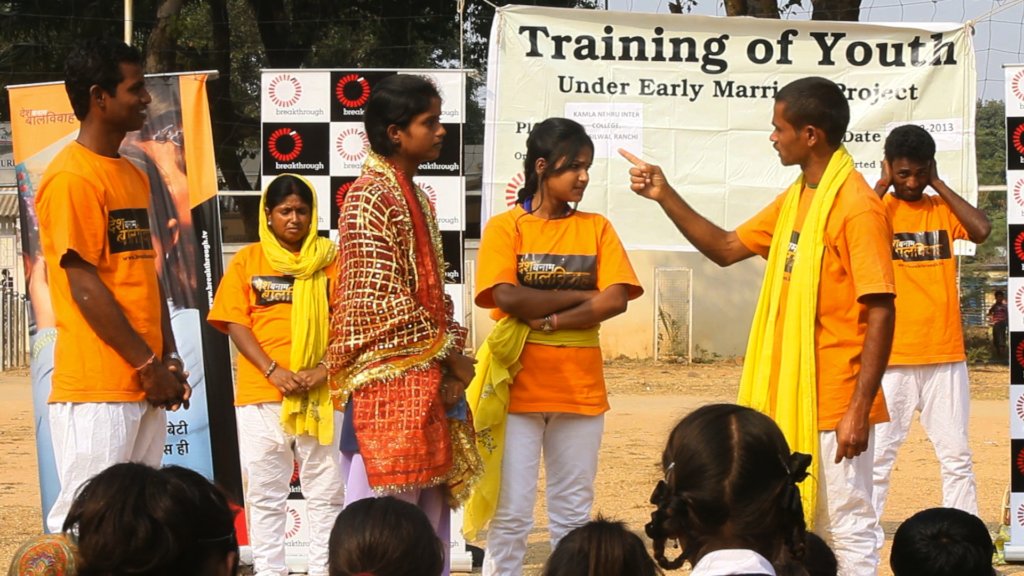
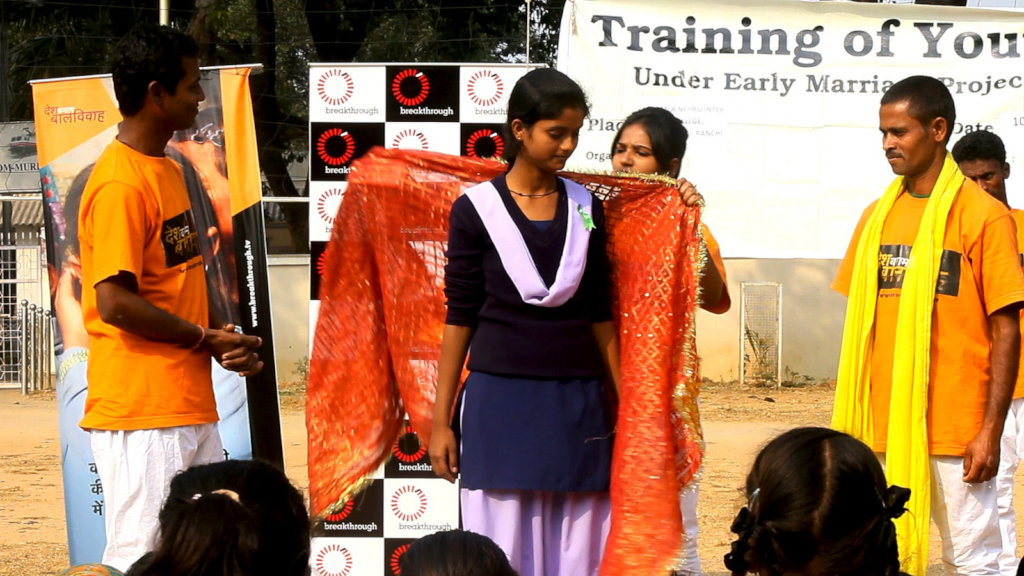
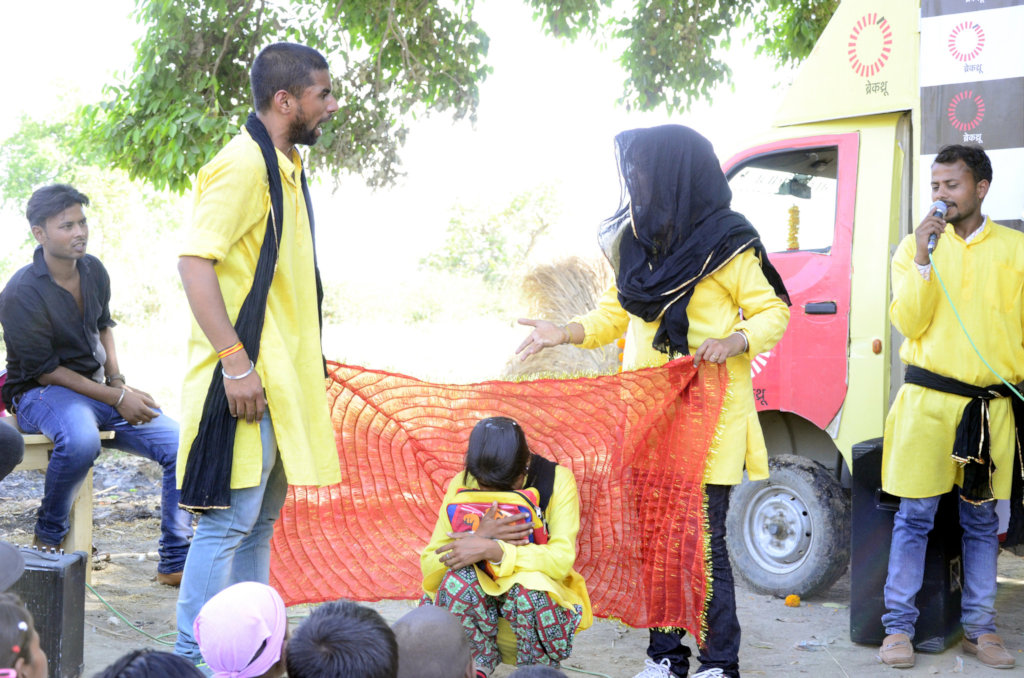
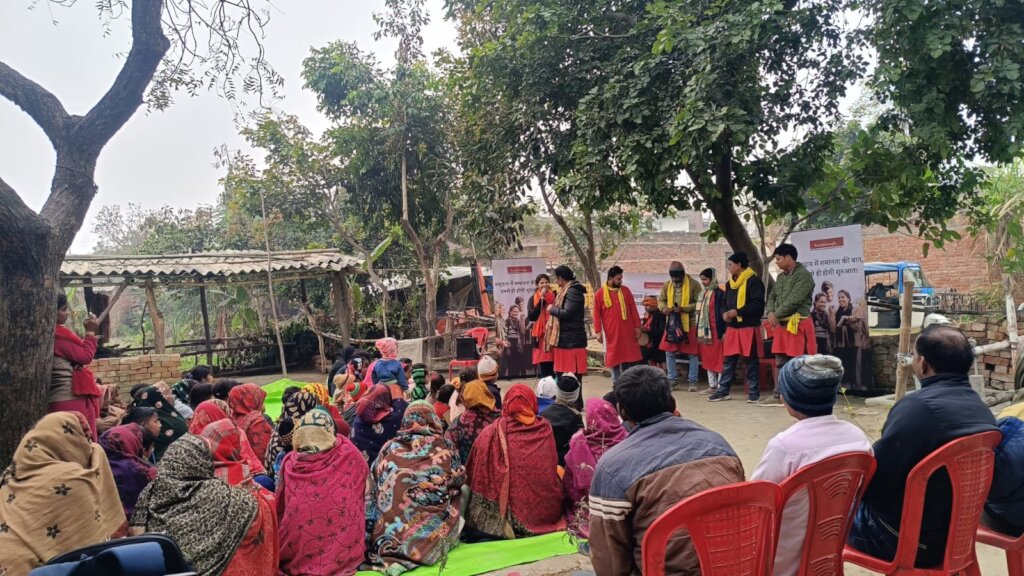
Across 108 Gram Panchayats in Lucknow and Gorakhpur, Theatre of the Oppressed performances engaged 16,247 community members.
Through powerful storytelling and audience participation, the performances encouraged communities to reflect on issues of gender discrimination, girls' education, safety, and leadership.
Theatre proved to be more than entertainment—it became a catalyst for dialogue, empathy, and behaviour change. The active participation of local administration, police, health workers, education officials, and community leaders further strengthened community ownership of these conversations.
Human Rights Day: Reaffirming Dignity and Equality
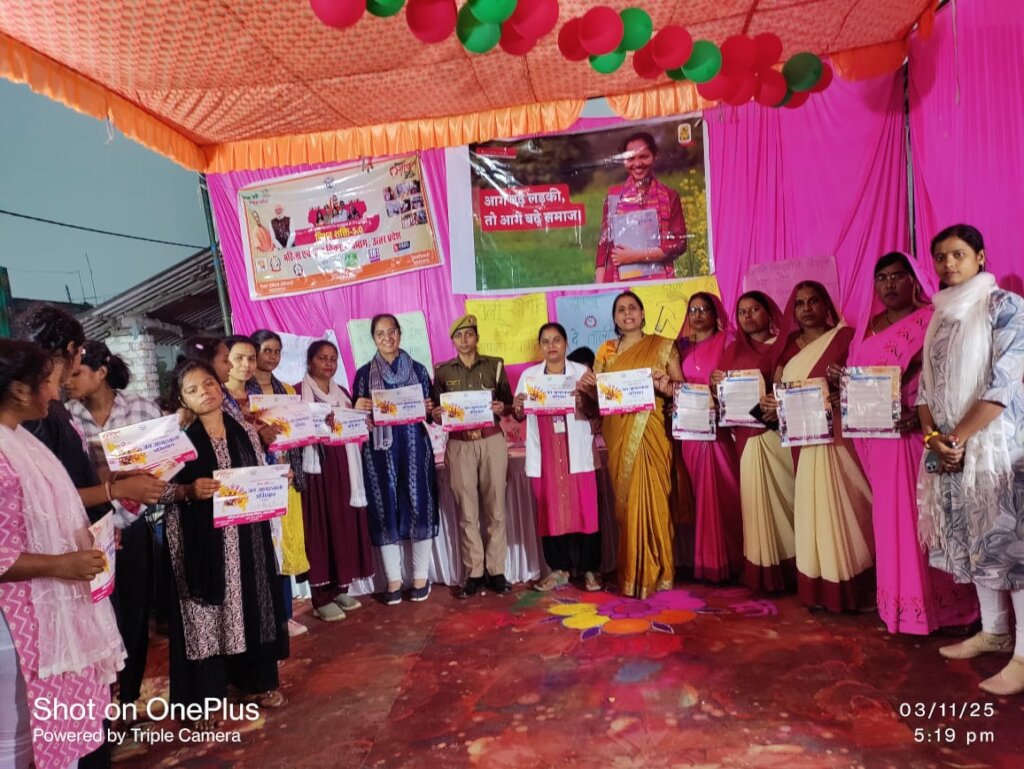
On 10 December, Human Rights Day was observed across 28 Gram Panchayats in Uttar Pradesh, engaging 1,730 community members.
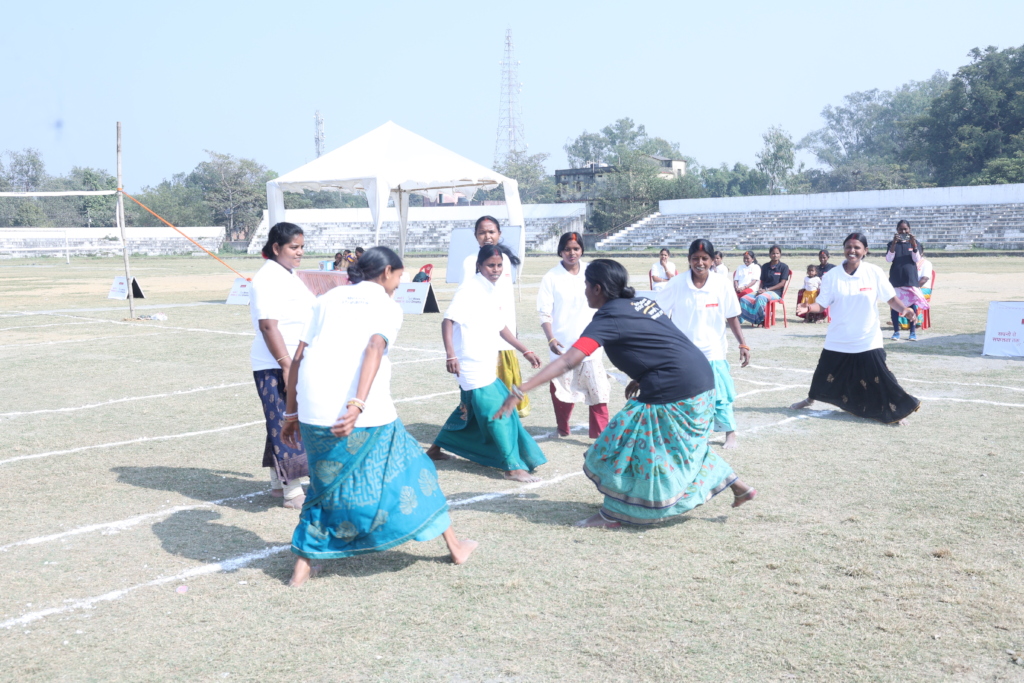
Through rallies, poster-making activities, sports events, discussions, signature campaigns, and community meetings, participants explored themes of equality, dignity, freedom, and the right to education.
Young people and parents came together to discuss how human rights connect to their daily lives and how communities can play a role in ensuring these rights are respected for everyone.
The celebrations concluded with collective pledges to uphold equality and respect the rights of others.
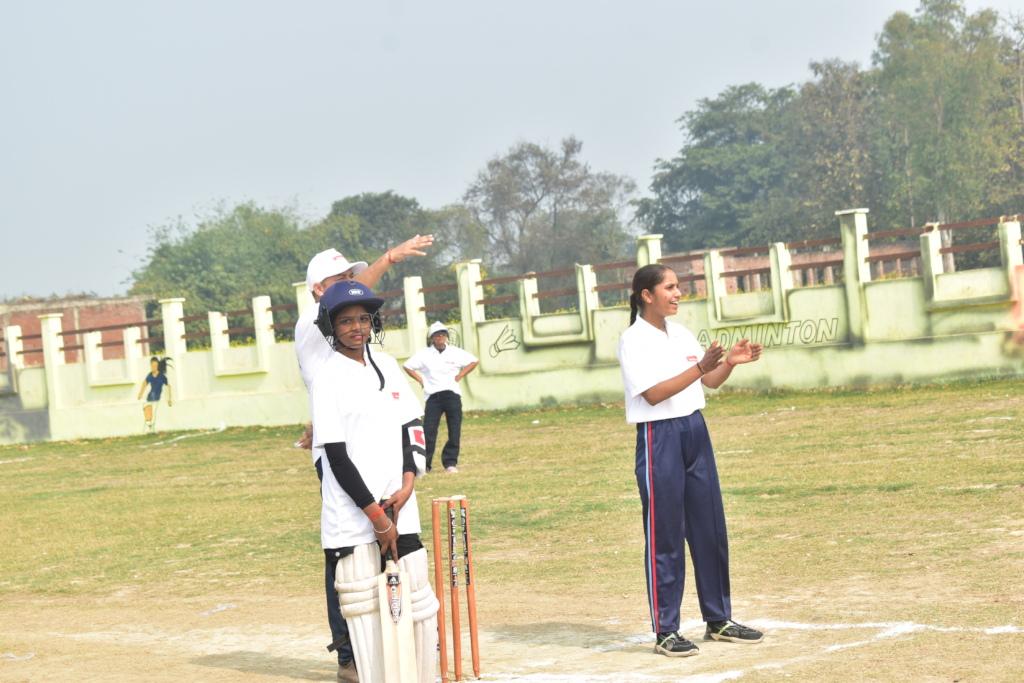
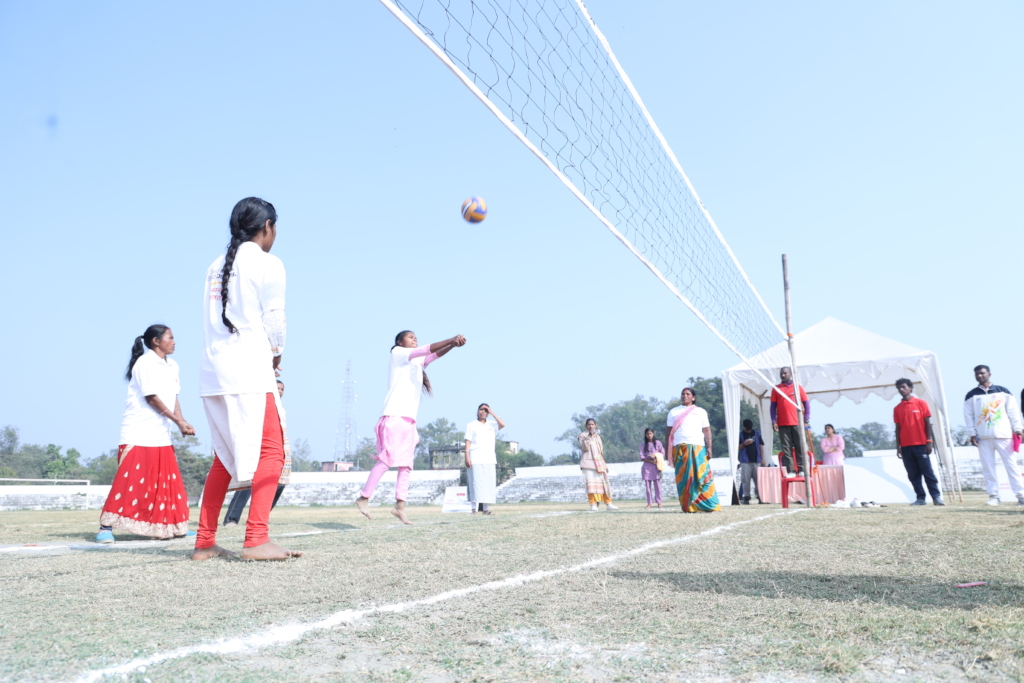
One Pitch, Equal Play: Gender Equality Cricket Match
"There was a time when I was scolded simply for wearing a T-shirt and track pants. Today, I am wearing the same clothes and playing in a large stadium. This feels like a victory for all that we have learned through Breakthrough."
These words from the captain of the winning team captured the spirit of Breakthrough's Gender Equality Cricket Match in Maharajganj.
The event brought together girls and boys on the same field to challenge stereotypes about who belongs in public spaces and sports.
A crowd of 122 community members, including mothers, local leaders, and government representatives, came together to cheer the players.
Two mixed-gender teams, both led by girls, competed with enthusiasm and teamwork. While one team won the match, the bigger victory belonged to every girl who stepped onto the field and claimed her right to participate, lead, and be seen.
The event sent a powerful message: when girls are given equal opportunities, they thrive.
Why Your Support Matters
Behind every statistic is a girl making a difficult choice:
-
Choosing education over early marriage.
-
Choosing ambition over silence.
-
Choosing confidence over fear.
This quarter, thousands of girls strengthened their voice, negotiated for their rights, and expanded their vision of what is possible.
Every conversation, every community gathering, every theatre performance, and every leadership opportunity helps create a world where girls are free to learn, lead, and shape their own futures.
Thank you for standing beside them on this journey.
![]()
![]()
![Share on Twitter]()
![Share on Facebook]()