By Karan Singh | Senior Manager (IFR)
1. Celebrating International Women’s Day in Haryana
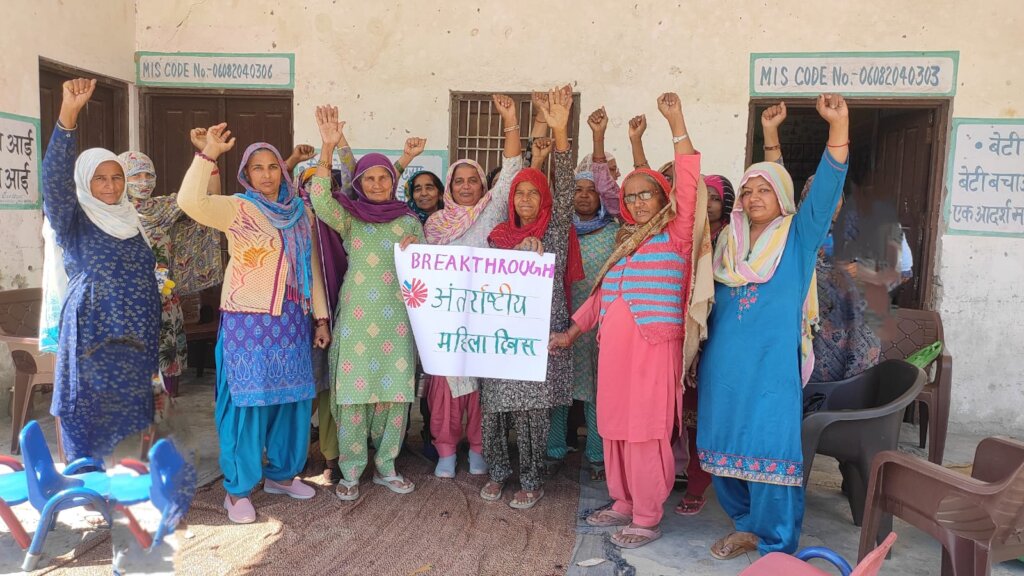
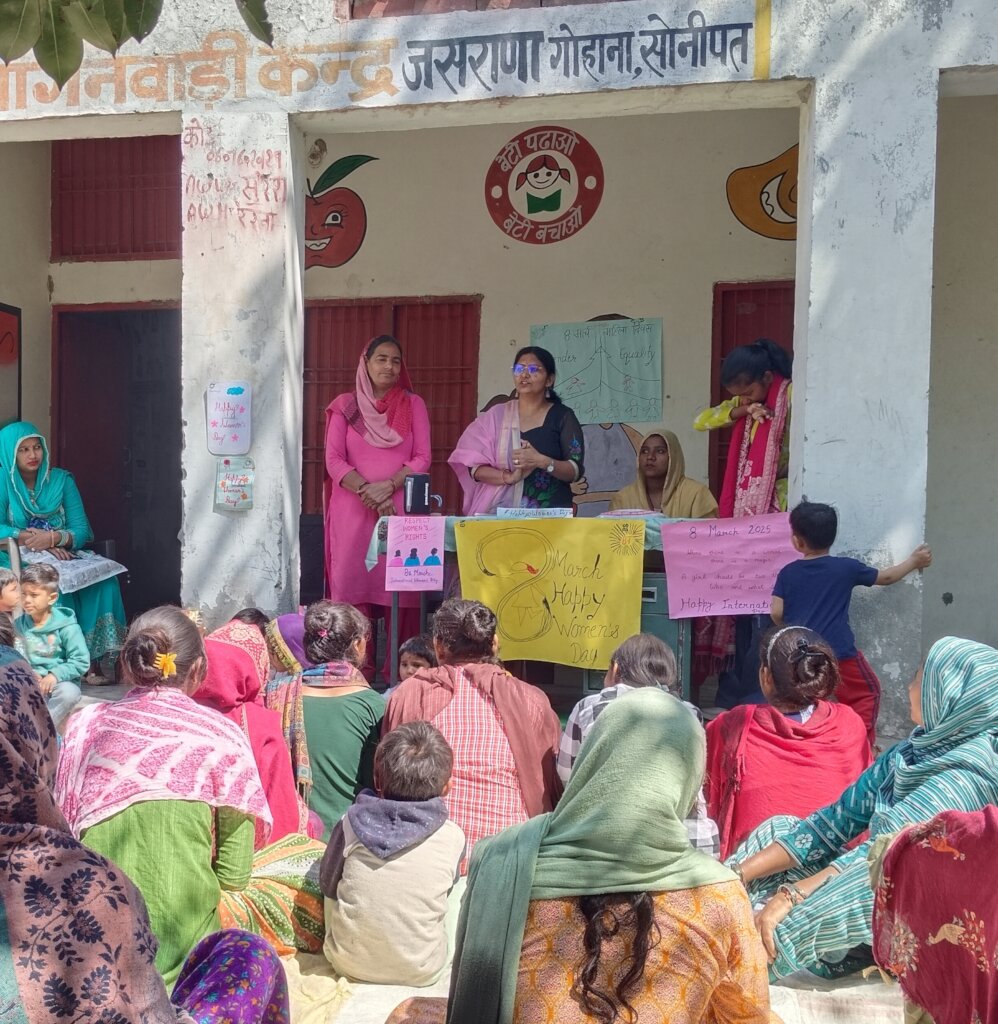
This Women’s Day, voices across Haryana united to celebrate, challenge norms, and reclaim public spaces!
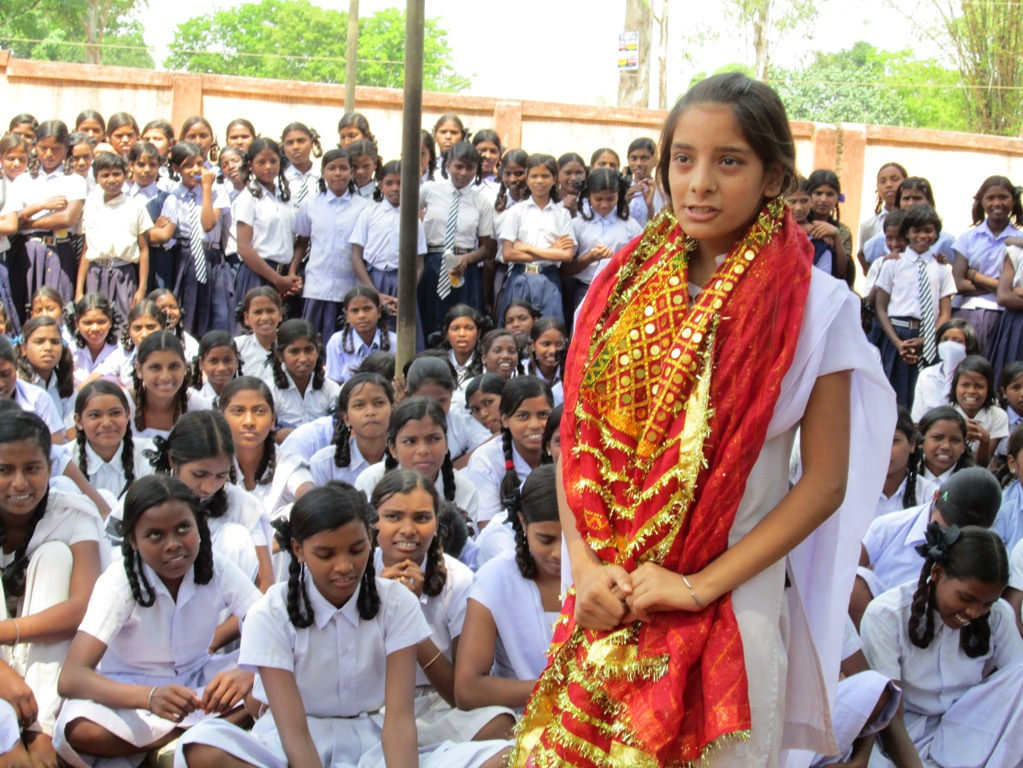
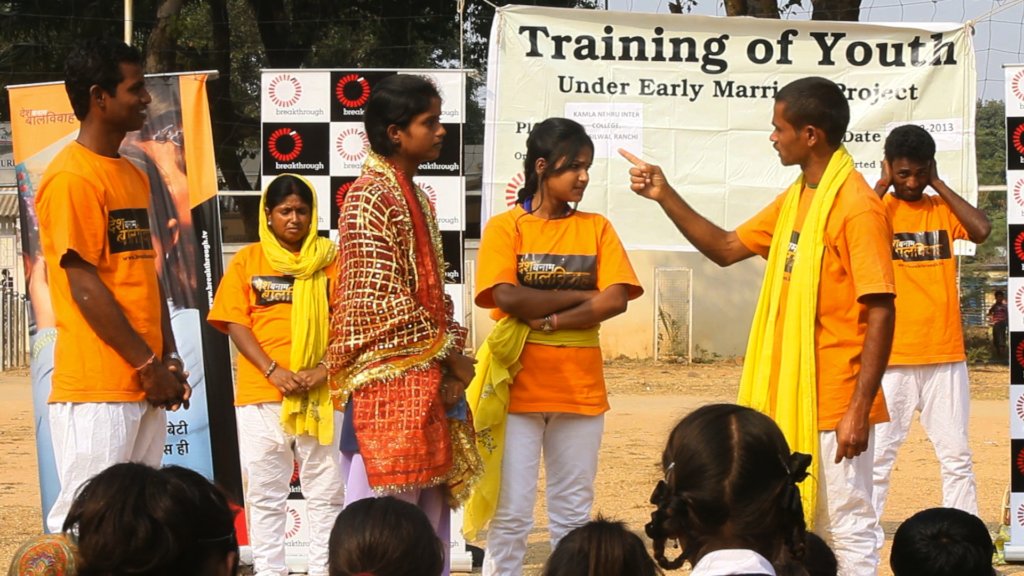
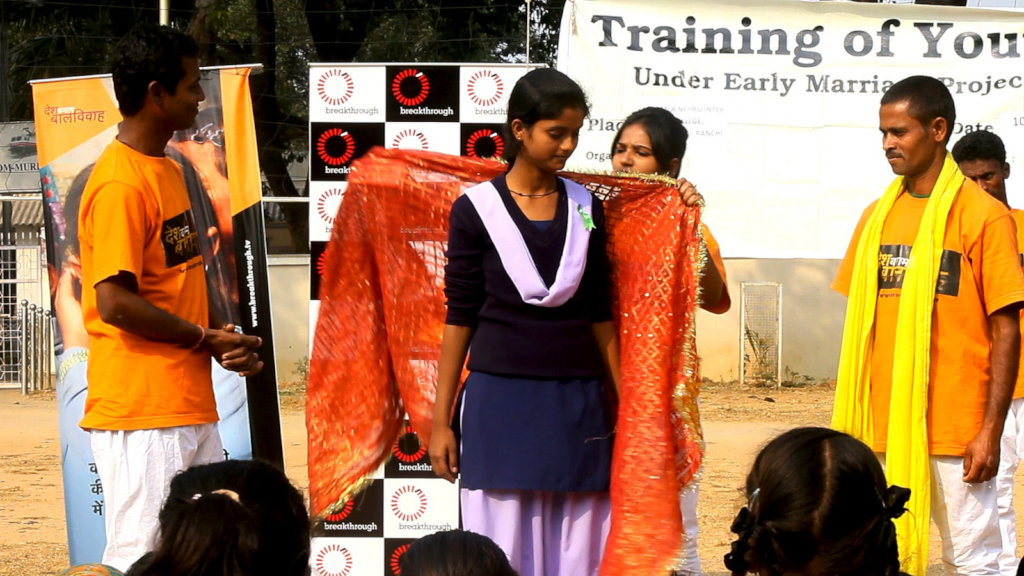
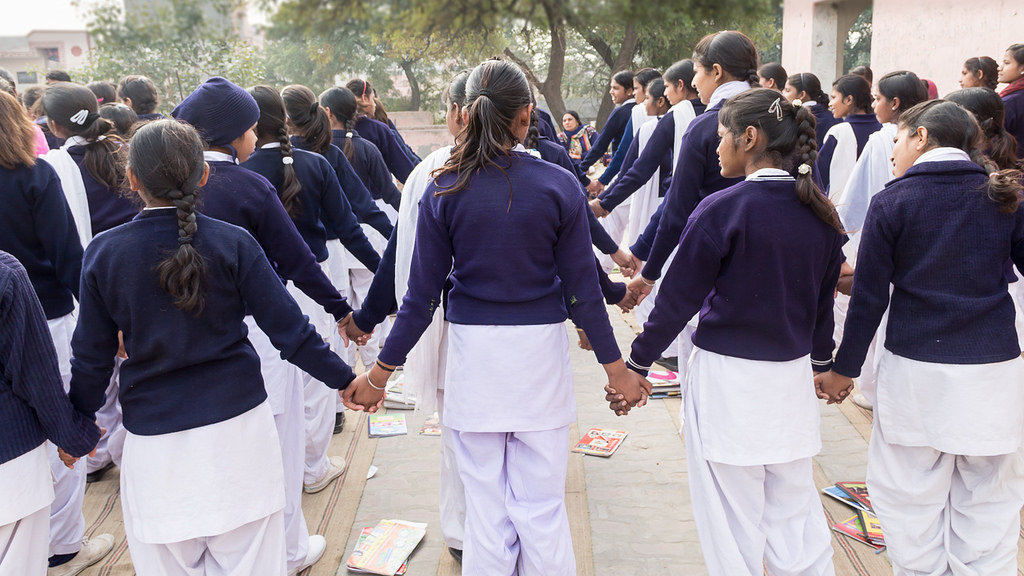
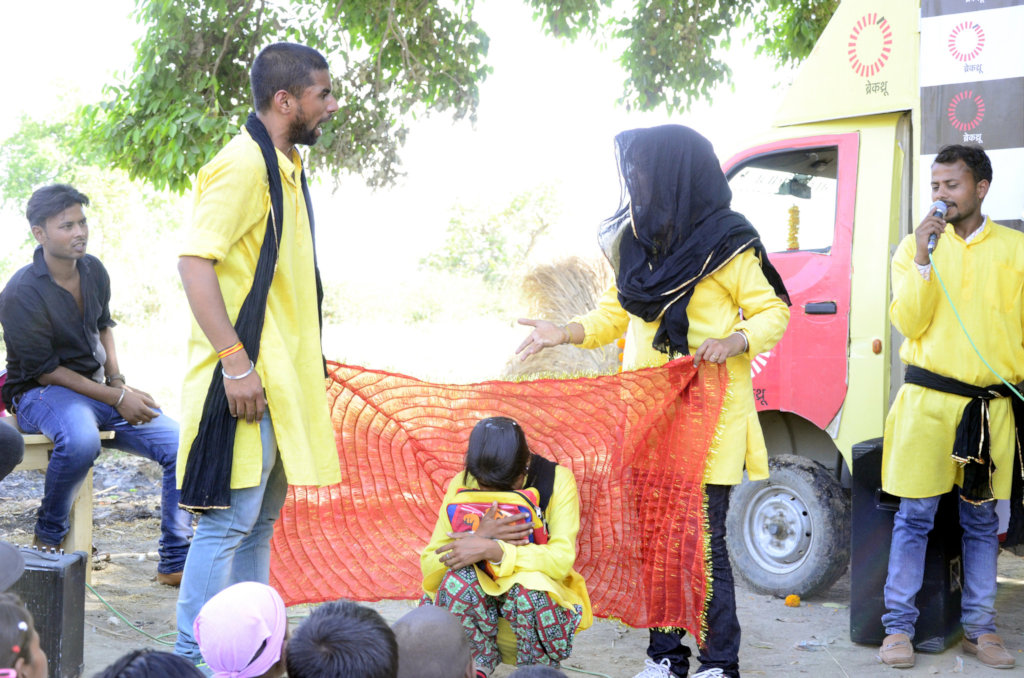
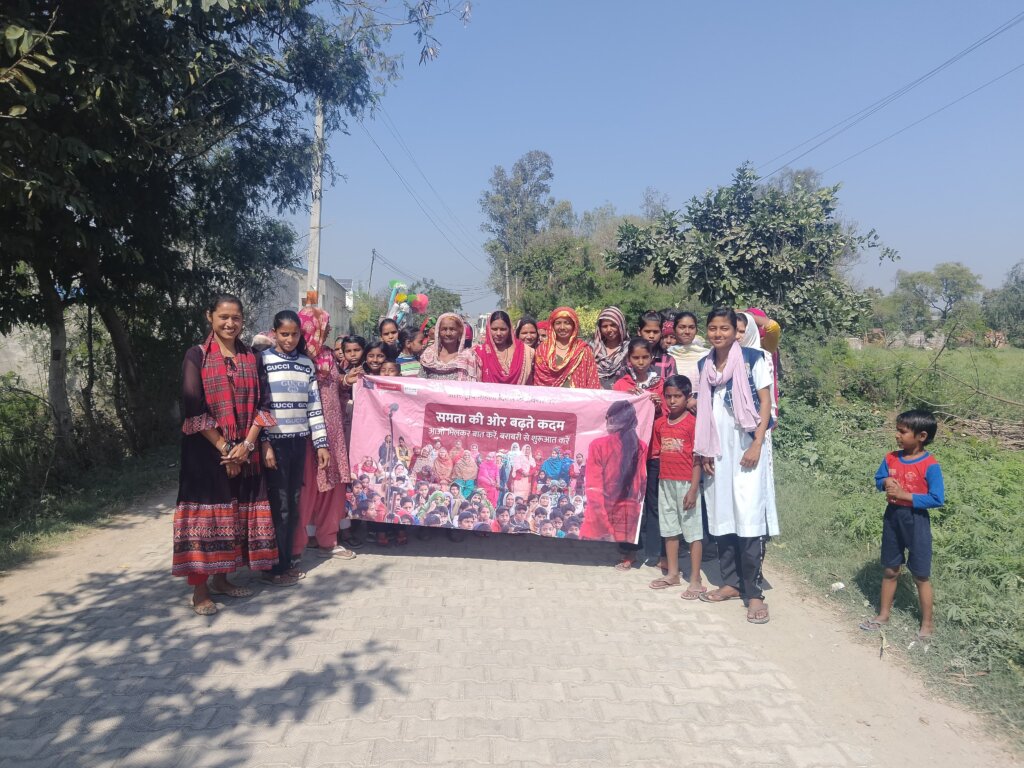
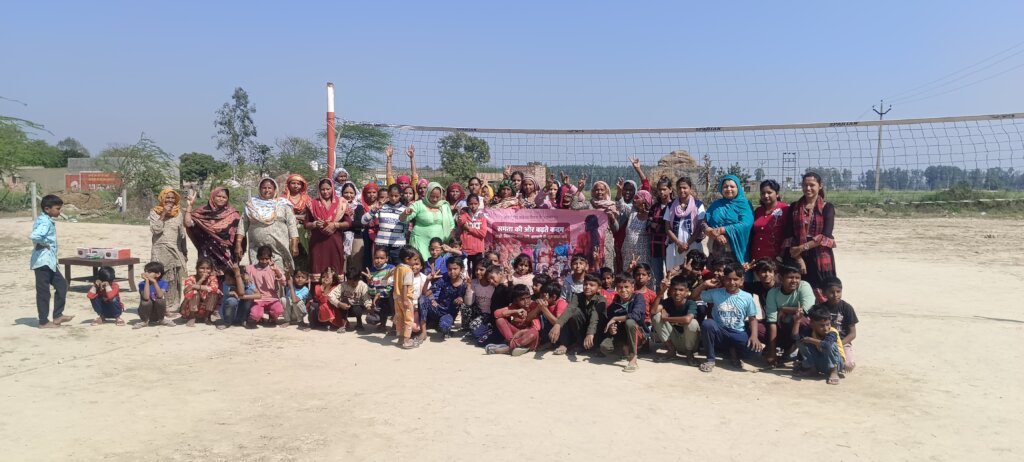
From football matches and dance performances to rallies and powerful community discussions, the momentum was unstoppable. A total of 2,210 participants—including women, youth, teachers, frontline workers, and parents—from 41 Gram Panchayats across 6 districts joined in to talk about gender equality, girls' education, early marriage, and mobility. These weren’t just concepts but lived realities shared through songs, speeches, chart-making on dreams, and video screenings like Byah Na Karayo Baba.
A proud milestone: two playgrounds for girls were inaugurated in Karnal villages, ensuring safe, inclusive spaces for them to play and grow. The presence of women Sarpanches and young girls served as a powerful reminder—change begins when we claim it.
2. Filmmaking Workshop: Voices Behind the Lens
To empower young people with the tools of digital storytelling, Breakthrough conducted two filmmaking workshops for 45 Team Change Leaders (TCLs) from across Haryana and Delhi.
These workshops provided immersive, hands-on learning experiences—from scripting and cinematography to editing. Participants explored how to narrate stories rooted in their lived experiences of gender discrimination, aspirations, and everyday resistance.
The two-day crash course introduced the fundamentals of visual storytelling. In contrast, the ten-day intensive workshop offered a deeper engagement, allowing participants to script, shoot, and edit short films on topics like:
Girls’ education
Safety in public spaces
The courage to defy social norms
Filming in real-life settings—such as Karola village and Dabua Colony—grounded their narratives in authenticity.
Community Screening and Dialogue
A dedicated one-day event was held for TCLs from Karnal, Panipat, and Sonipat to screen two aspirational films they created during the ten-day workshop in February. These films reflect their personal journeys, the challenges they face, and the bold negotiations they engage in to claim their space and identity.
The event brought together 55 TCLs, local youth, and representatives from six local print media outlets, fostering a space for shared reflection and storytelling. The screening sparked rich dialogue and earned wide appreciation for the honesty and clarity of the youth voices.
One standout moment came from Mr. Goswami, a media representative, who was deeply moved by Pinky's story. He shared:
“Breakthrough has played a vital role in helping Pinky understand and embrace his gender identity. I had planned to stay for just a short time, but after hearing these powerful stories, I chose to stay for the entire meeting. It’s inspiring to see how thoughtfully and effectively the organisation is guiding young people to recognize their dreams and true selves.”
Impact Beyond the Lens
What emerged from the workshop was far more than technical skill—it was courage captured on camera. From reclaiming streets to challenging early marriage, each frame told a story of strength and self-expression.
These workshops didn’t just teach filmmaking; they instilled confidence. They transformed personal narratives into collective calls for change, showing that when young people are given the tools to tell their own stories, they become powerful agents of transformation.
3. Teachers’ Training on Adolescent Education in Collaboration with the Department of School Education (DSE)
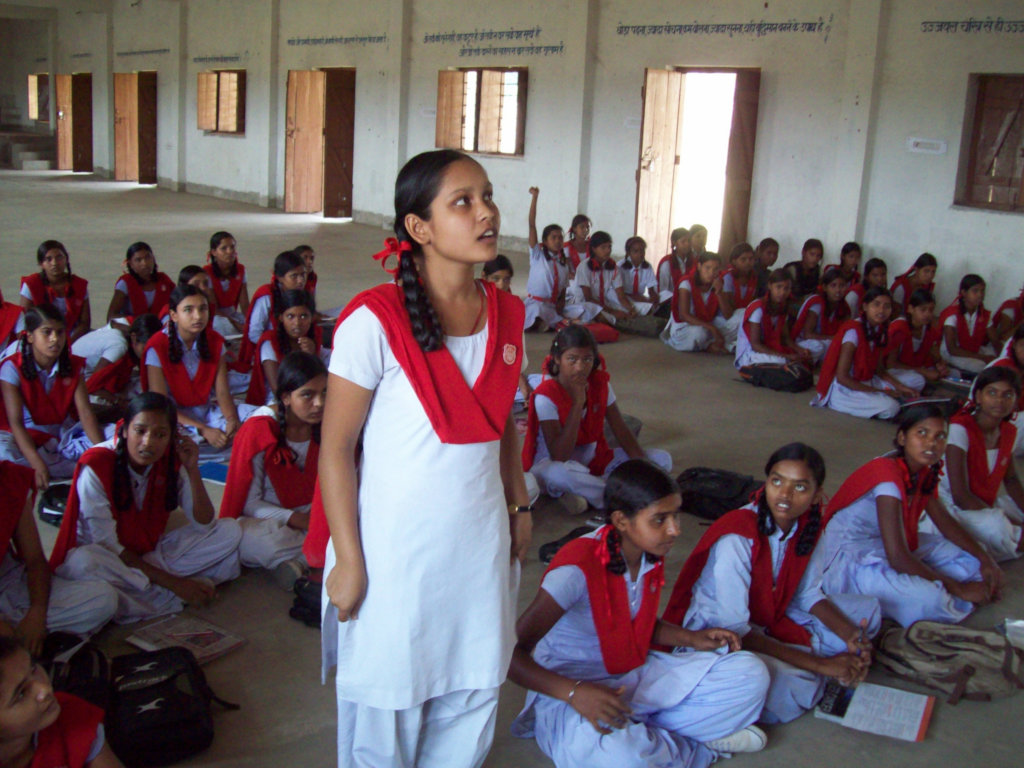
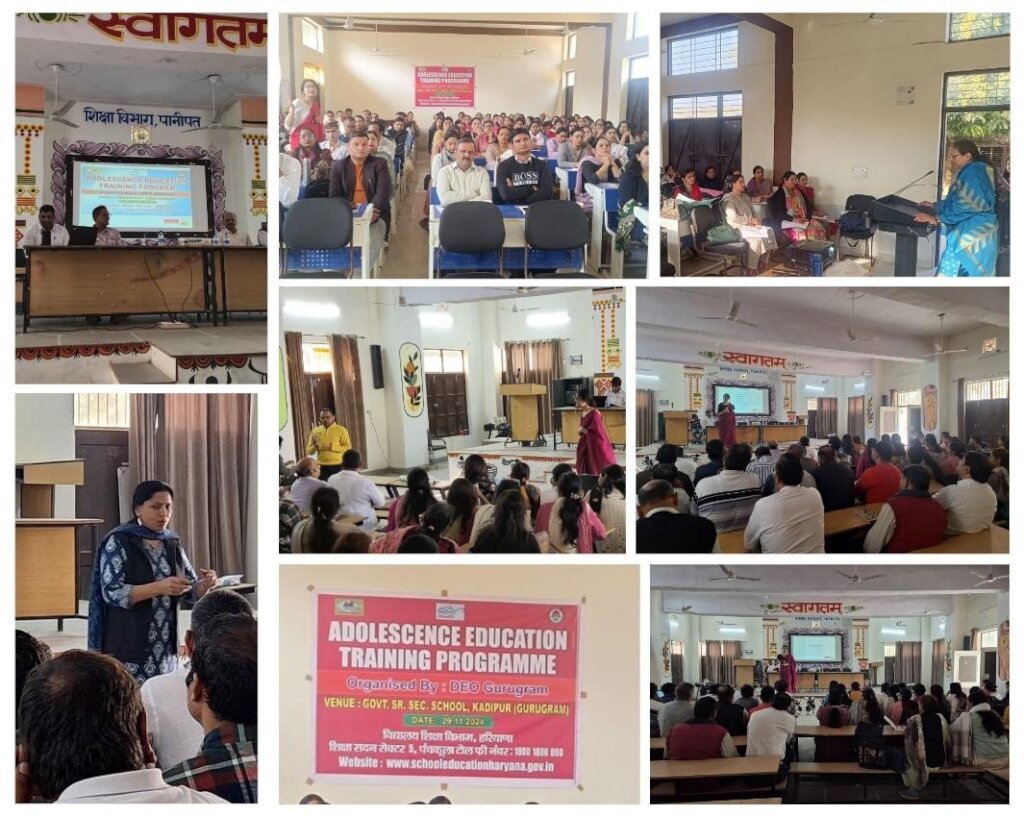
Breakthrough’s partnership with the State Department of Education marked a significant milestone this quarter, as we were invited to lead District-Level Orientation Trainings under the Adolescent Education Programme (AEP). This opportunity, made possible through a recently signed MoU with the Department, enabled us to deliver impactful sessions across both intervention and non-intervention schools.
As part of this initiative, Breakthrough conducted teacher orientation programs in five districts—Panipat, Karnal, Rohtak, and Gurugram (intervention districts), and Kurukshetra (a non-intervention district). These districts were selected based on available human resources and strategic relevance.
A total of 480 teachers were trained, equipping them with key competencies in:
Life skills education
Health and hygiene awareness
Adolescent psychological well-being
These sessions—funded and organized by the Department of School Education—were guided by the NCERT’s National Curriculum Framework. The focus was primarily on training Biology and Psychology teachers to serve as master trainers, creating a multiplier effect as they disseminate this learning within their respective schools.
By embedding adolescent education into the core of the state’s educational framework, this collaboration is laying the foundation for systemic, sustainable change. It ensures that adolescents across Haryana are better supported—not just academically, but emotionally and socially—with the tools they need to thrive in life.
4. Menstrual Hygiene Day: Breaking the Silence, Building Dignity
"When I bled for the first time, I thought I was sick, and I cried a lot."
— A young girl from Gurugram
This heartfelt reflection set the tone for Menstrual Hygiene Day (MH Day) in Haryana—a powerful reminder of the need to make menstruation visible, understandable, and free from stigma.
Under the global theme “Together for a Period-Friendly World,” Breakthrough brought together young girls, boys, women, and frontline workers to challenge long-standing taboos—like “don’t touch pickles” or “don’t bathe during periods.”
Participants shared striking personal stories:
A woman in Sonipat said, “Today I learned what a menstrual cup is—I saw one for the first time.”
In Gurugram, an adolescent shared, “My family left me at home during a temple visit because I was menstruating. I felt punished for something natural.”
A mother in Karnal admitted, “Even today, I buy sanitary pads quietly from the shop. I feel embarrassed asking a male shopkeeper.”
Through interactive sessions, poster-making, ‘Jholewali Didi’ video screenings, and parent-adolescent dialogues, participants challenged the culture of silence surrounding menstruation.
A teacher in Rohtak remarked:
“As long as we treat periods as something shameful and private, girls will continue to drop out of school.”
Encouragingly, boys and fathers joined the conversation. Shivam, a youth from Jhajjar, said:
“Earlier, I thought this was only a girls' topic. But now I understand that I need to learn about it too—only then can I truly offer support.”
Across regions, the message rang loud and clear:
Periods are not a curse. They are not a barrier.
When we listen with empathy, provide accurate information, and create safe, inclusive spaces, we don’t just promote hygiene—we protect dignity, equity, and opportunity.
At Breakthrough, Menstrual Hygiene Day is not just an event. It’s an ongoing commitment to changing the narrative around what is ‘normal’—and making space for truth and respect.
Project reports on GlobalGiving are posted directly to globalgiving.org by Project Leaders as they are completed, generally every 3-4 months. To protect the integrity of these documents, GlobalGiving does not alter them; therefore you may find some language or formatting issues.
If you donate to this project or have donated to this project, you can receive an email when this project posts a report. You can also subscribe for reports without donating.



Support this important cause by creating a personalized fundraising page.
Start a Fundraiser