Executive Summery
During this reporting period, GTO-Pakistan took impactful steps to combat child labor in Kasur District by engaging business owners, labor officials, district authorities, and children themselves in a multi-pronged campaign focused on legal enforcement and awareness. Our work included advocacy meetings with industry owners, enforcement coordination with the Labour Department, and awareness efforts with Children Club members. Special attention was given to domestic child labor—a hidden and severe form of exploitation. The project resulted in increased compliance with labor laws, greater community awareness, and enhanced protective mechanisms for vulnerable children.
Problem Overview
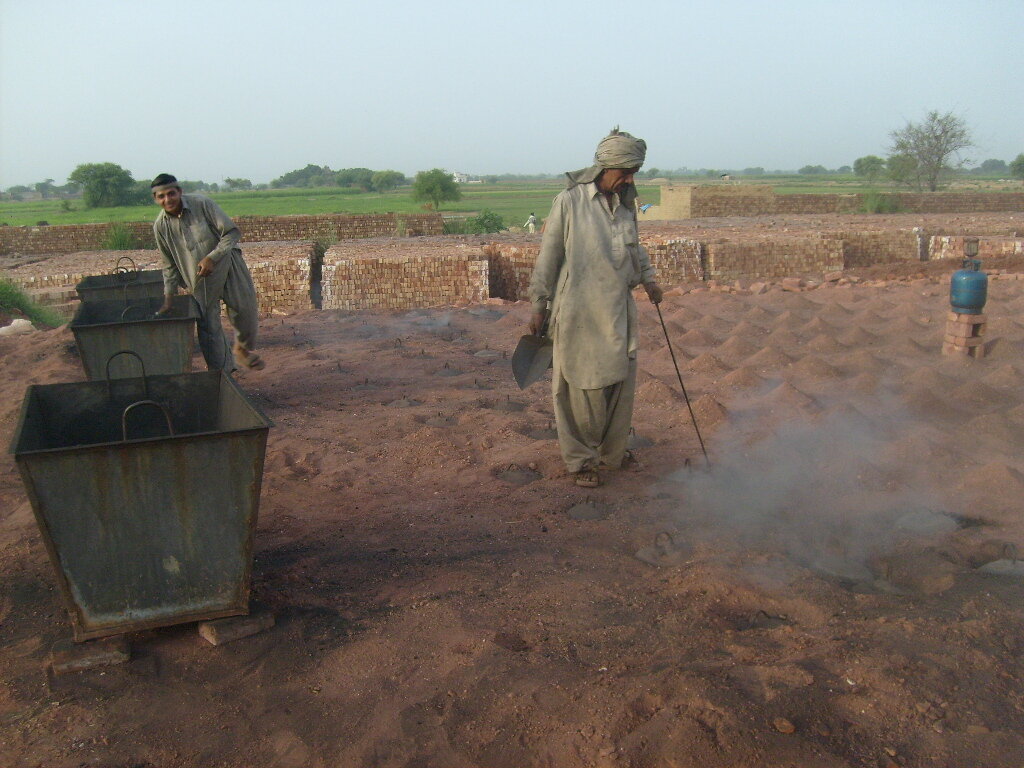
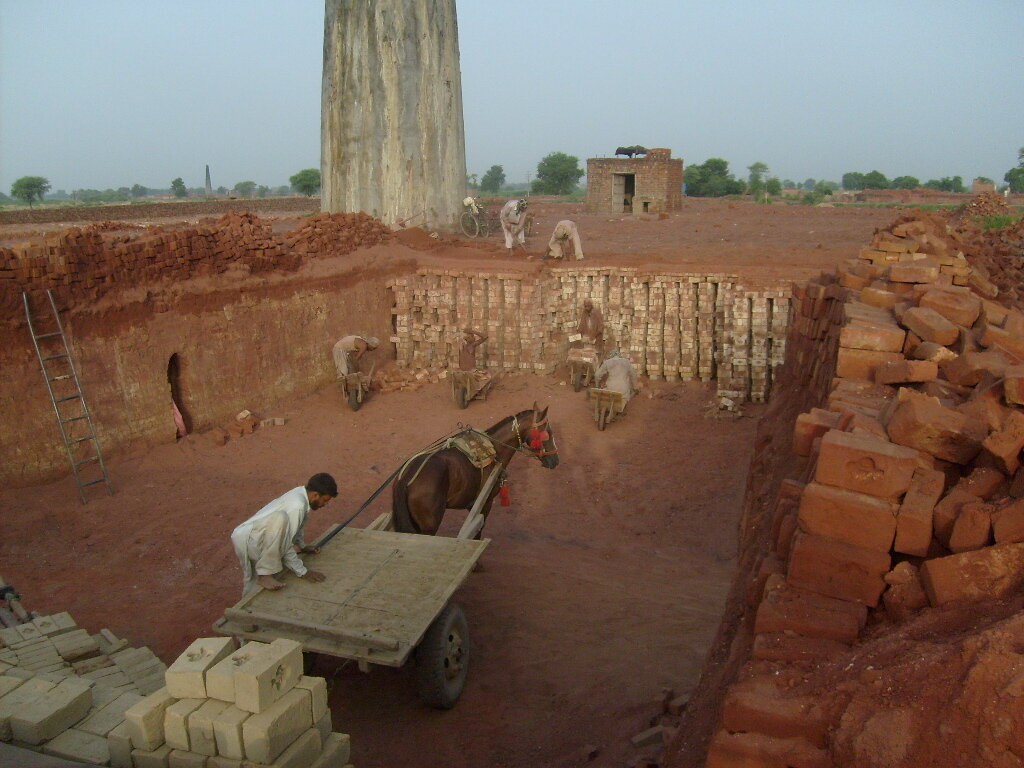
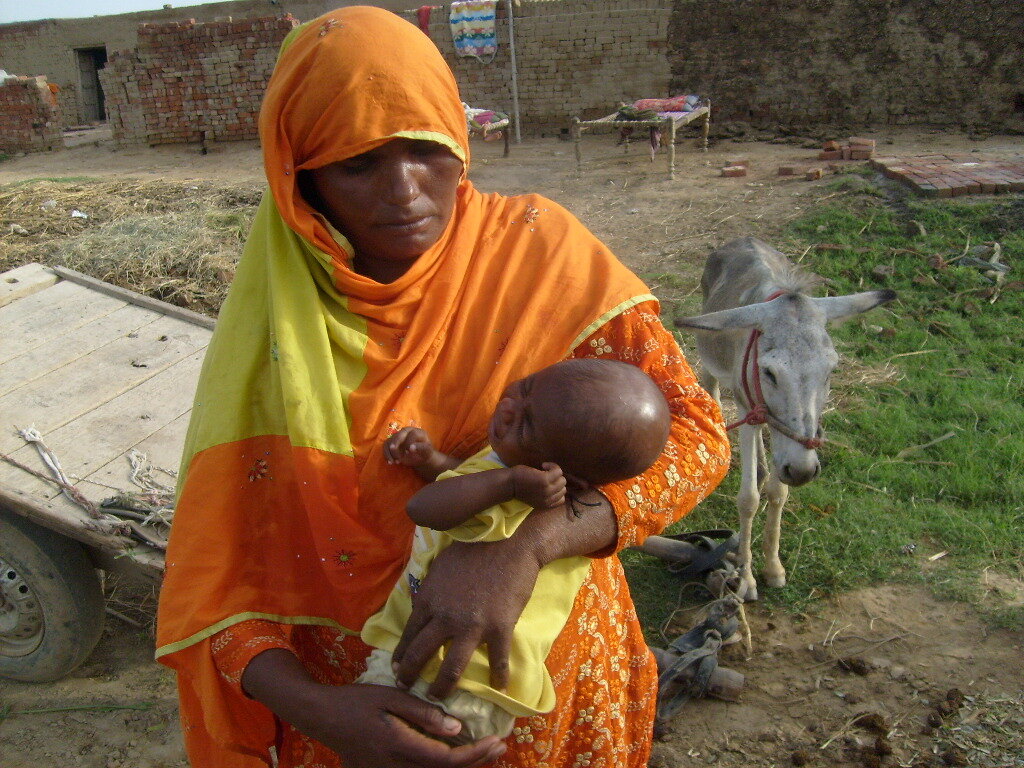
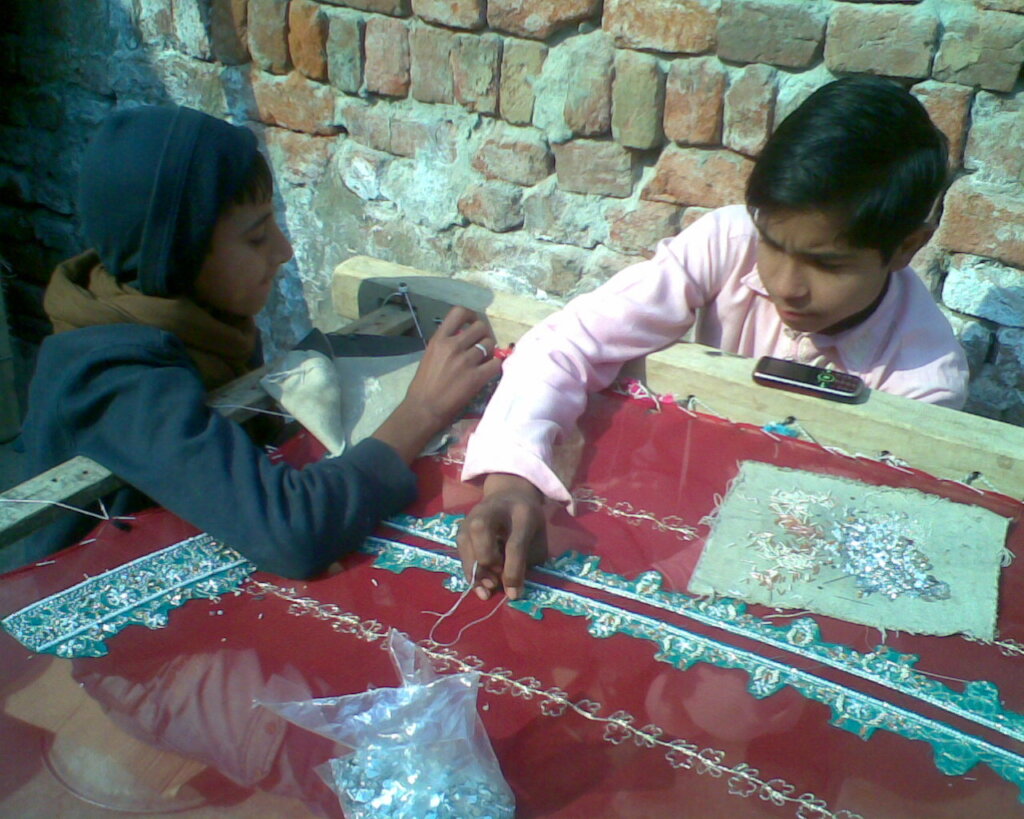
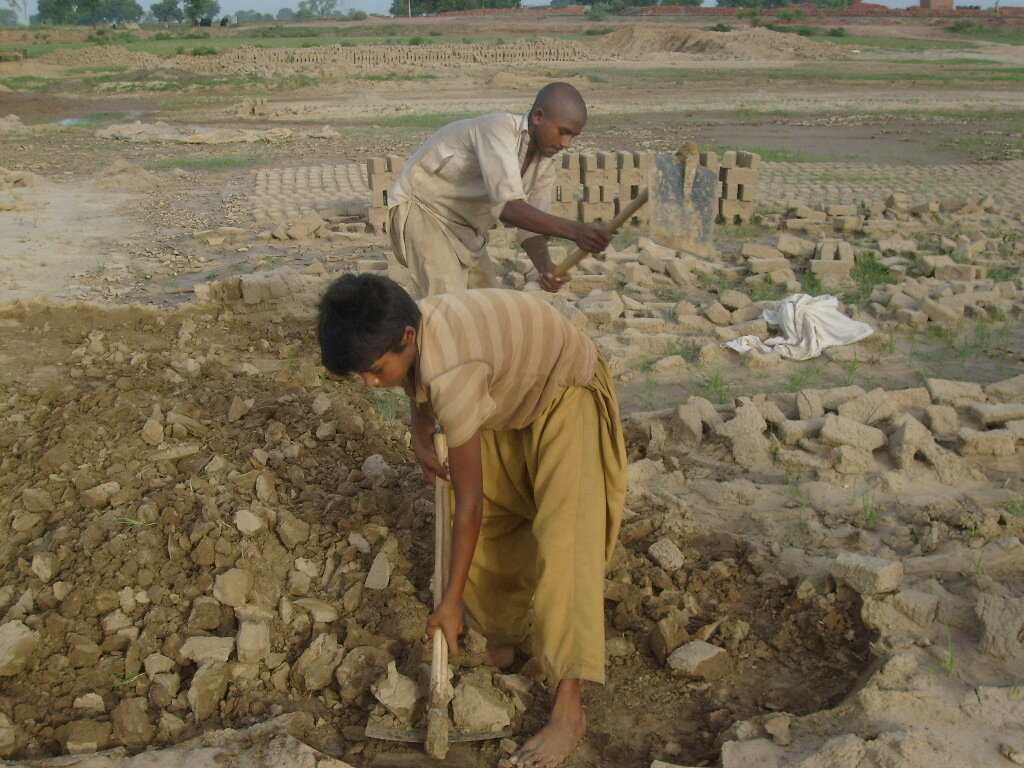
Kasur is home to widespread bonded labor, especially in brick kilns, small-scale workshops, and domestic employment. Entire families—particularly children, women, and the elderly—are trapped in exploitative labor arrangements passed down through generations. In many cases, children are forced into labor through advance payments made to parents and are denied access to education, healthcare, and basic rights. Child domestic labor is especially alarming, with children often isolated, underfed, and forbidden from seeing their families.
Objectives of the Reporting Period
- Raise awareness among employers and communities about child labor laws.
- Advocate with government departments to enforce labor regulations.
- Reduce child labor in both industrial and domestic sectors.
- Empower children to speak out and motivate peers toward education and protection.
Key Activities Conducted
1. Awareness Sessions with Business & Industry Owners
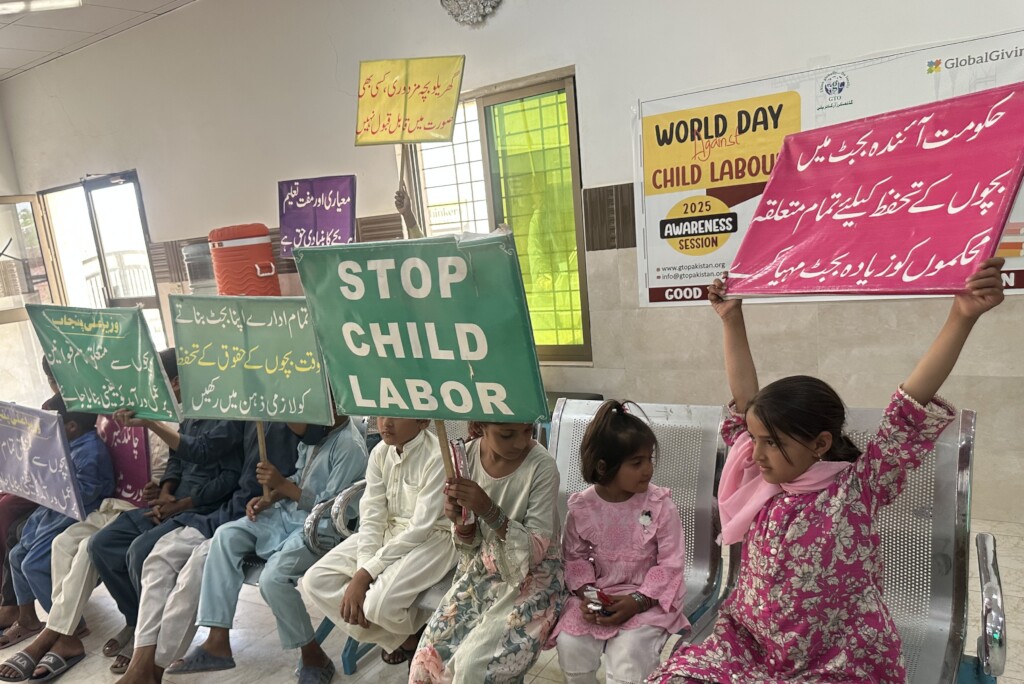
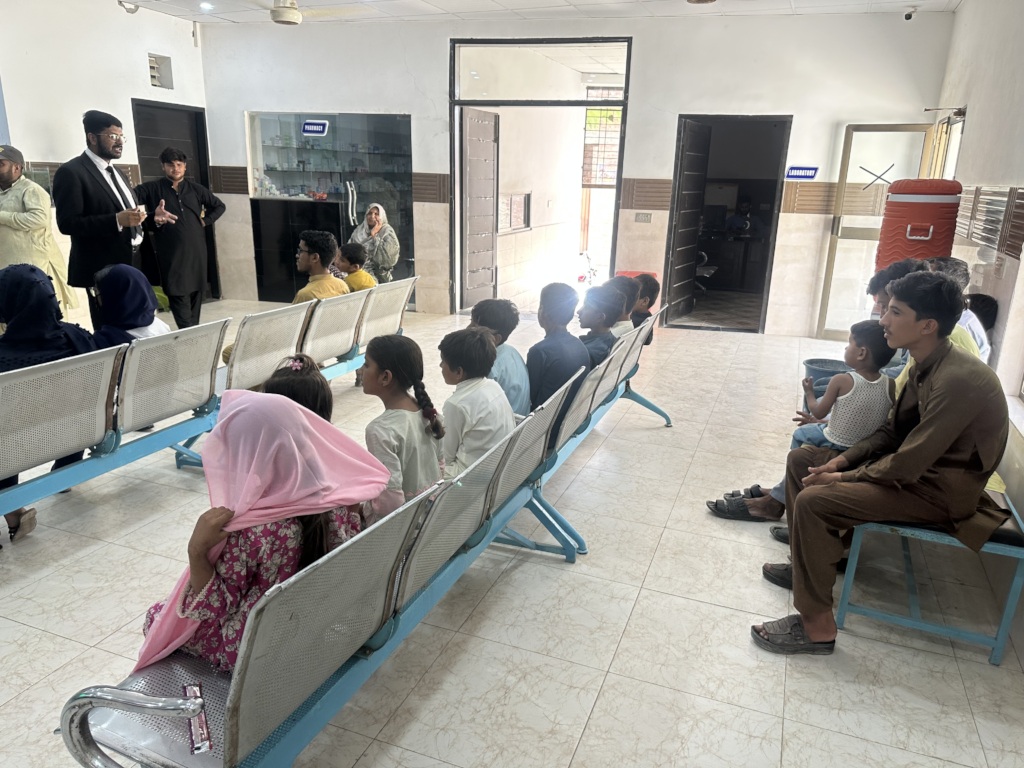
GTO-Pakistan organized targeted awareness sessions with the owners of brick kilns, small factories, and workshops across Kasur. These sessions aimed to discourage the hiring of children and highlight the moral, social, and legal implications of child labor. Participants were sensitized to the consequences of violating labor laws, including the penalties and reputational damage that could result from non-compliance. As a positive outcome, many of the business owners pledged to operate child-labor-free workplaces and expressed their willingness to support ethical employment practices.
2. Coordination with the Labour Department
To ensure proper implementation of child labor laws, GTO-Pakistan conducted multiple meetings with the Labour Department. These interactions emphasized the urgent need for inspections and monitoring of workplaces suspected of engaging children. The department responded proactively by initiating on-ground inspections and reinforcing their commitment to a zero-tolerance policy towards child labor. This collaboration ensured that legal enforcement became a central pillar in the fight against child exploitation.
3. Advocacy with District Administration
GTO-P also met with district-level government officials to advocate for the enforcement of the Punjab Domestic Workers Act, which prohibits child domestic labor. These meetings brought attention to the hidden and often overlooked issue of children working in private homes, where exploitation is rampant and difficult to monitor. As a result of GTO’s advocacy, the District Administration issued formal directions to crack down on child labor in domestic settings and facilitated the distribution of awareness materials across tehsils. This action strengthened the institutional response against this worst form of bonded labor.
4. Engagement with Children Clubs
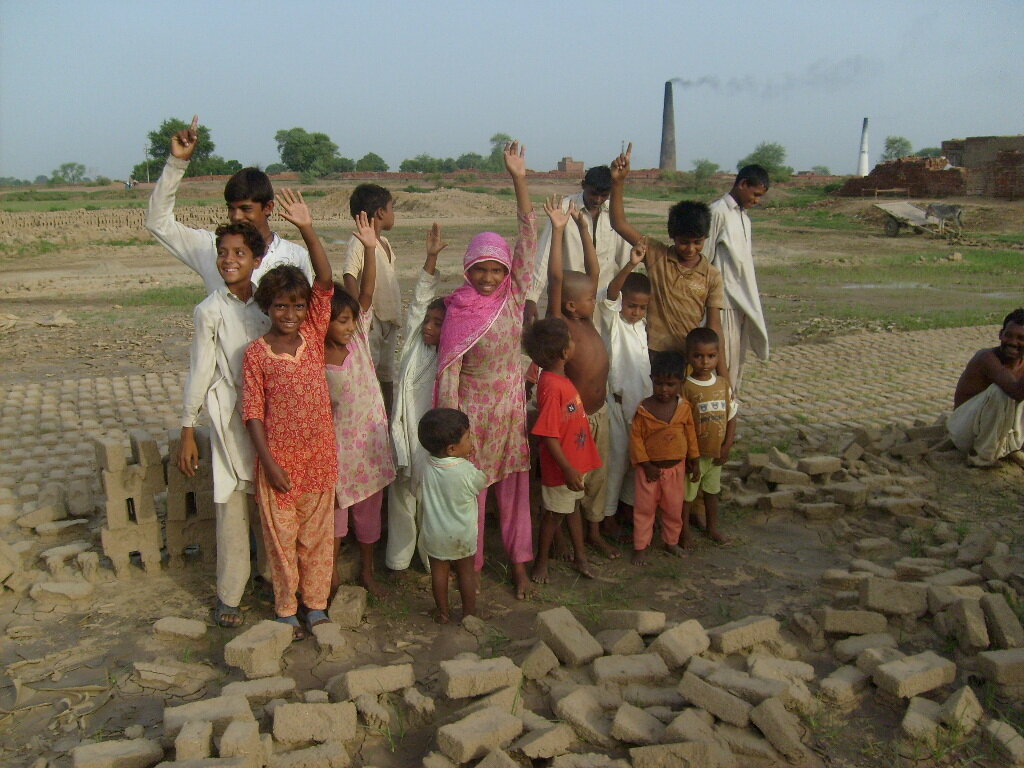
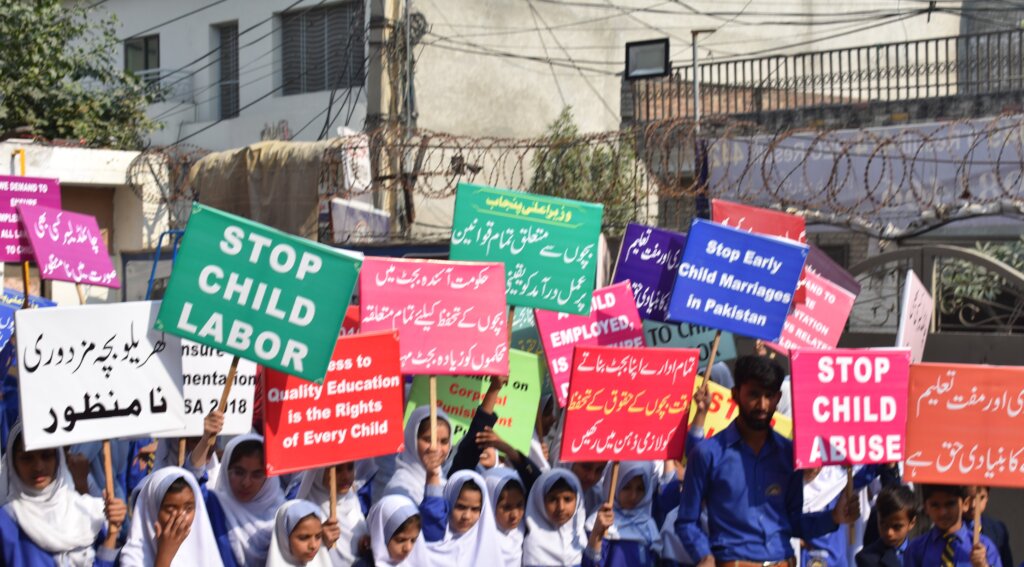
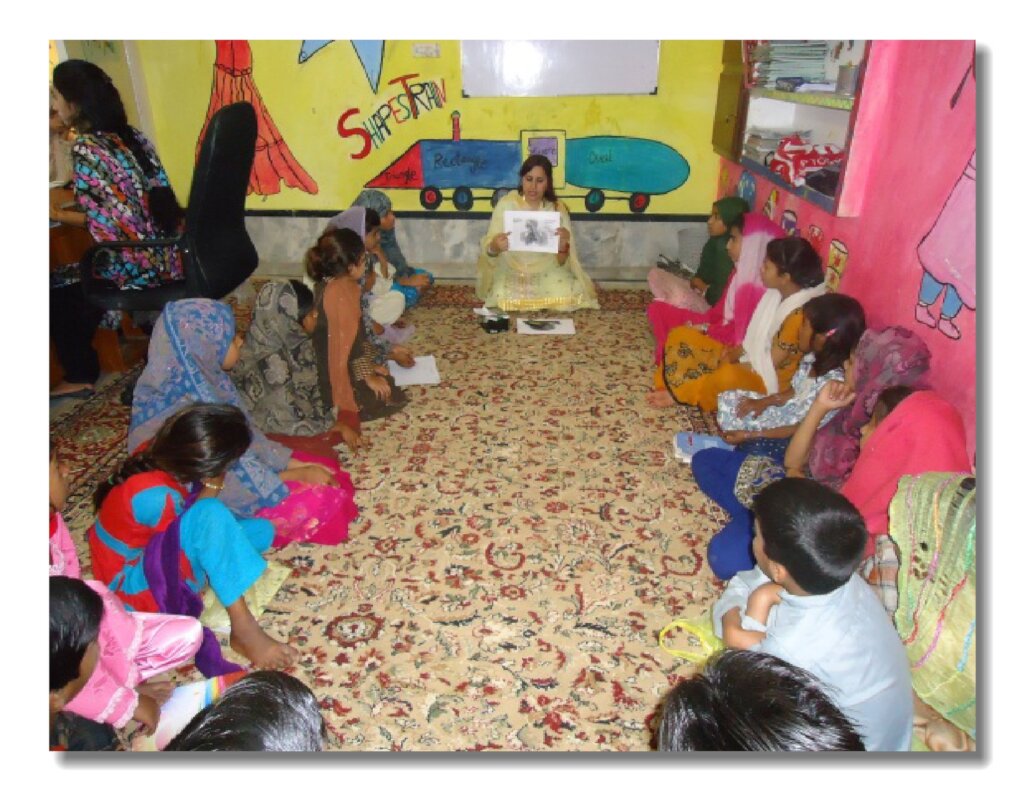
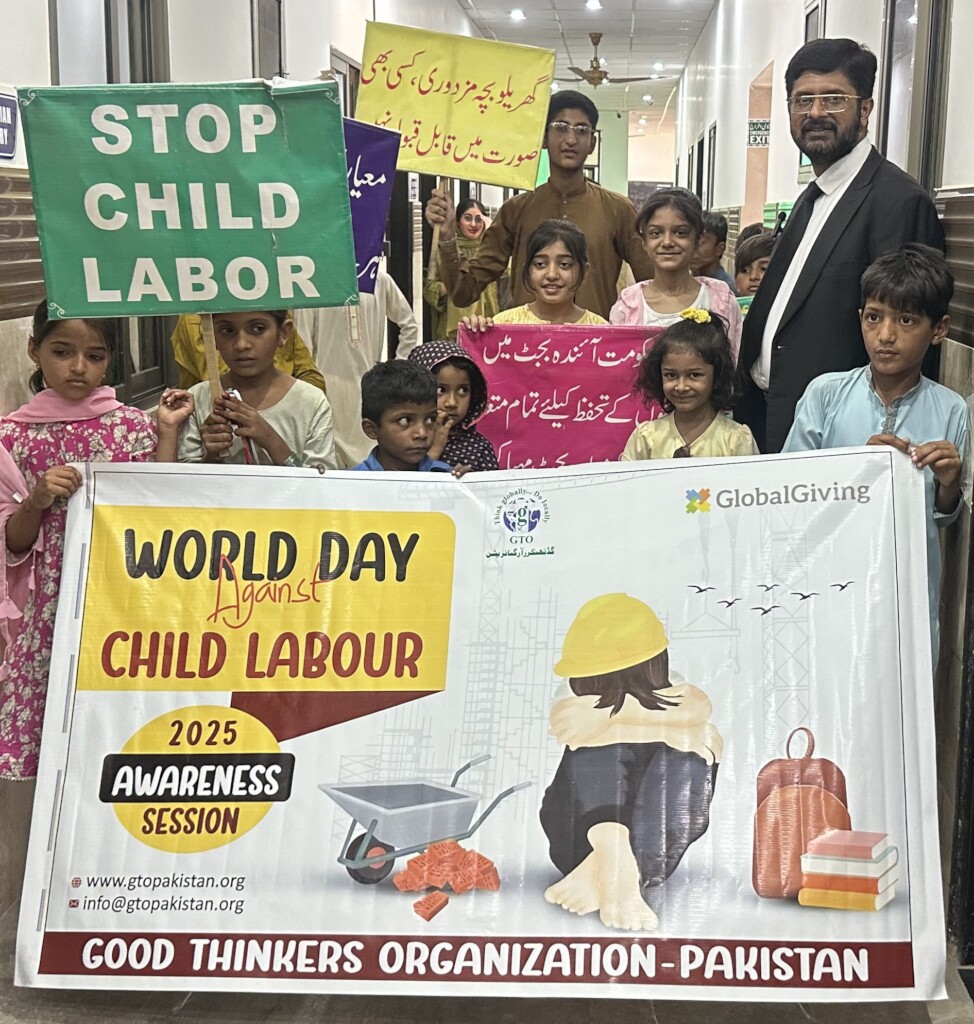
Recognizing the importance of youth-led advocacy, GTO-Pakistan actively engaged members of its Children Clubs. These clubs, composed of children and adolescents from vulnerable communities, were mobilized through training sessions and peer dialogue activities. They were encouraged to act as change agents, motivating their peers to attend school and speak up against child labor and exploitation. Children Club members also led informal outreach campaigns, reinforcing the importance of education and child rights within their communities.
Major Results Achieved
- Heightened Employer Awareness: Dozens of business owners educated on the negative impacts and illegality of child labor.
- Government Collaboration Strengthened: Labour Department and district administration took action to inspect and monitor workplaces and homes.
- Child Domestic Labor Addressed: The hidden abuse of child domestic workers was publicly acknowledged, and administrative actions were taken to curb it.
- Community Mobilization: Children Clubs actively engaged their communities, promoting the message of child protection and education.
Challenges Faced
- Child labor in domestic settings remains difficult to detect and monitor.
- Economic hardship among families creates ongoing pressure to accept child labor.
- Lack of consistent enforcement and monitoring resources at the local government level.
Next Steps
- Continue community-level awareness sessions and advocacy interventions.
- Strengthen reporting channels for child labor violations through helplines and local committees.
- Partner with legal aid providers to assist rescued children and their families.
- Follow up with government departments for sustained inspections and policy enforcement.
Conclusion & Appeal for Support
Through sustained advocacy, legal coordination, and grassroots mobilization, this project by GTO-Pakistan has taken critical steps toward ending child labor and protecting the rights of vulnerable children in Kasur. By working closely with government departments, business owners, and community members—including the children themselves—we’ve begun to shift mindsets, enforce protective laws, and empower youth as agents of change. However, the scale of the issue remains vast, and your continued support is essential. With additional funding, we can expand our outreach, strengthen enforcement mechanisms, and provide long-term protection and education opportunities to more at-risk children. We invite donors to join us in building a future where every child is free, safe, and educated.