1. Introduction
During the reporting period, Save a Life continued its humanitarian efforts to support communities affected by climate-related disasters, particularly floods. The organization focused on delivering essential non-food relief items, promoting health awareness, and supporting recovery initiatives in vulnerable communities. These interventions aimed to address immediate needs while strengthening community resilience and well-being.
2. Key Activities
- Non-Food Items Distribution
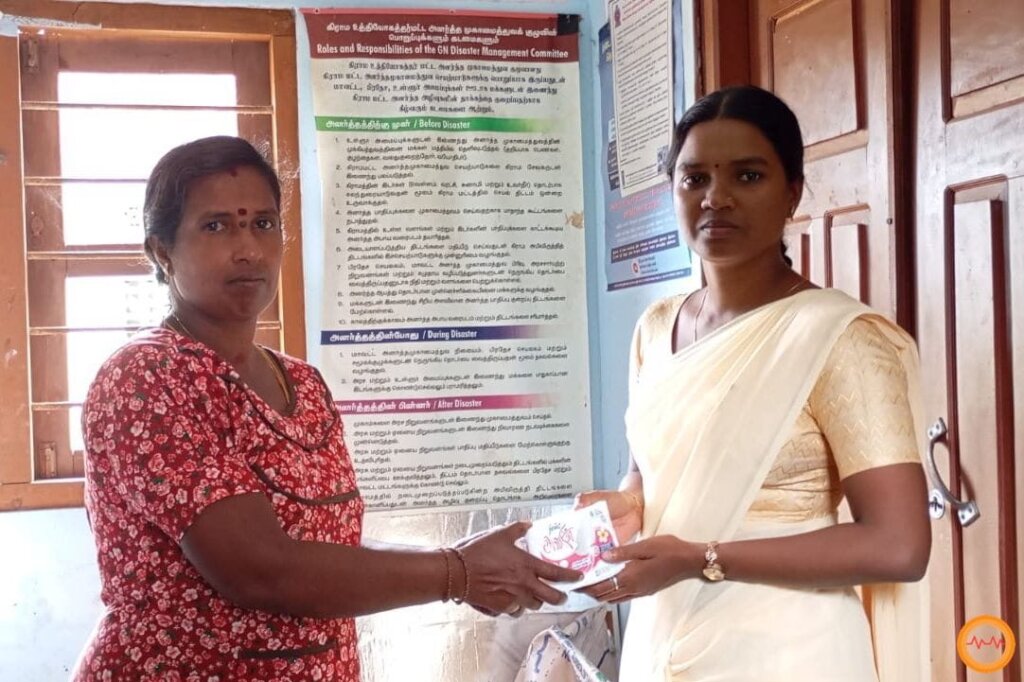
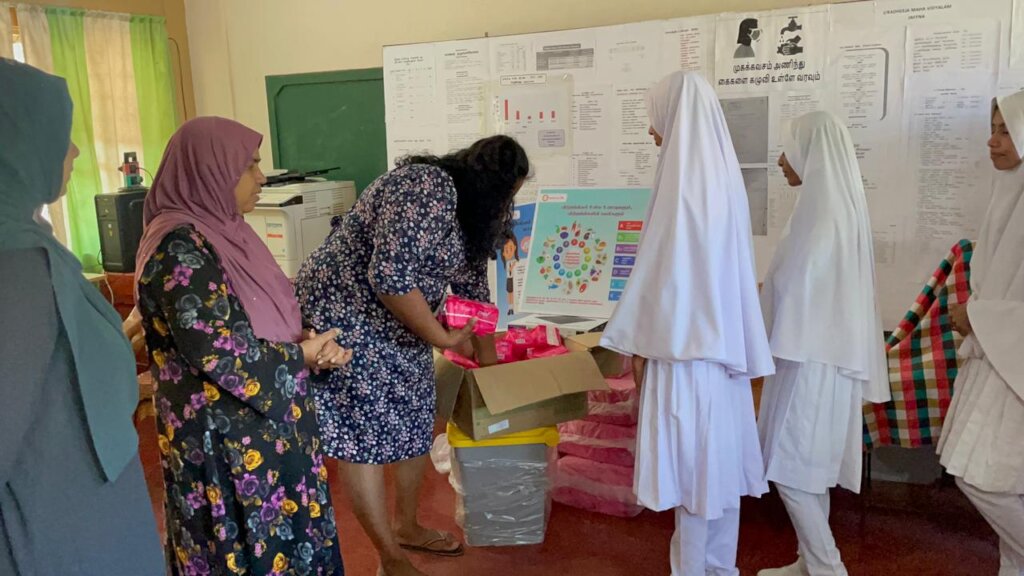
During April, non-food items were distributed to flood-affected families to support their immediate needs. These items included essential household materials required for daily living. The distribution was carried out in coordination with local stakeholders to ensure that assistance reached the most vulnerable households in a timely and organized manner.
A social media campaign was conducted to raise awareness about disaster preparedness and public health concerns. The campaign helped disseminate important information to a wider audience, encouraging communities to adopt preventive measures and stay informed during emergency situations.
- Printing of Awareness Leaflets on Leptospirosis
As part of health awareness initiatives, leaflets on leptospirosis prevention were printed and distributed among at-risk communities. These materials provided essential information on symptoms, preventive measures, and early treatment, helping to reduce the risk of disease outbreaks, especially in flood-affected areas.
- Construction Material Purchasing
Construction-related materials were purchased to support minor rehabilitation and recovery activities in affected communities. These materials contributed to repairing damaged structures and improving living conditions for vulnerable households.
- Distribution of Used Clothes for Flood Relief
Used clothing collected through donations was distributed to families impacted by floods. This initiative helped meet basic clothing needs, particularly for displaced individuals, and provided immediate relief and comfort during a difficult period.
3. Challenges Faced
Access to certain flood-affected areas remained difficult due to damaged roads and transportation limitations. This delayed distribution activities and required additional coordination and resources.
The demand for assistance exceeded available resources, making it necessary to prioritize the most vulnerable beneficiaries.
Despite awareness efforts, some community members had limited knowledge about leptospirosis prevention, highlighting the need for continuous education initiatives.
4. Impact on the Community
- Improved Living Conditions
The distribution of non-food items and clothing significantly improved the living conditions of affected families by addressing their immediate needs.
- Increased Health Awareness
The leptospirosis awareness campaign enhanced community knowledge on disease prevention, reducing potential health risks in flood-prone areas.
Provision of construction materials supported early recovery efforts, enabling families to begin rebuilding their homes and lives.
5. Plans for the Next Quarter
- Continue distribution of relief items to affected communities
- Expand awareness campaigns on health and disaster preparedness
- Strengthen community-based recovery and resilience programs
- Increase outreach through digital and field-level engagement
6. Thank You
We sincerely thank our donors and partners for their continued support. Your contributions have enabled us to respond effectively to the needs of vulnerable communities. Together, we are making a meaningful difference in rebuilding lives and strengthening resilience against future disasters.
Attachments:
![Share on Twitter]()
![Share on Facebook]()