By Winnie Adhiambo | Finance and Administration Officer
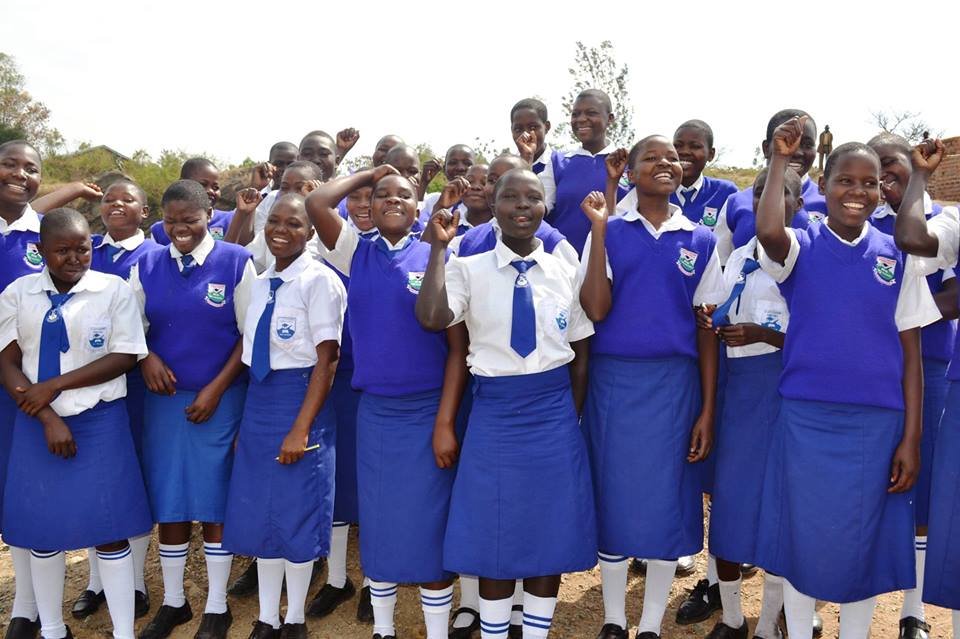
The NIGEE dream is to see girls complete their education, recognising that education is the pillar for girls’ empowerment, thereby improving the girls’ chances of living fulfilled adult lives. Further, education is a bridge to other rights, as it gives girls and young women choices and the power to decide over their own lives and bodies. In addition, access to quality education is one of the greatest pathways to lift individuals and communities out of poverty. It equips historically marginalized groups with the opportunity to transform exclusionary systems.
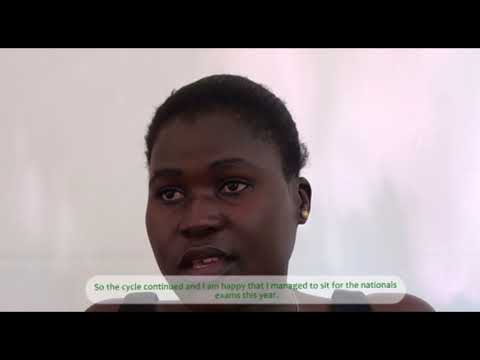
Since 2013, NIGEE has returned to school to school 484 girls who dropped out of school due to teenage pregnancy, FGM, child marriage or abject poverty. Some of the girls are now pursuing courses such as civil engineering, law, medical laboratory and health records, education, social work and community development while others are managing their small scale businesses.
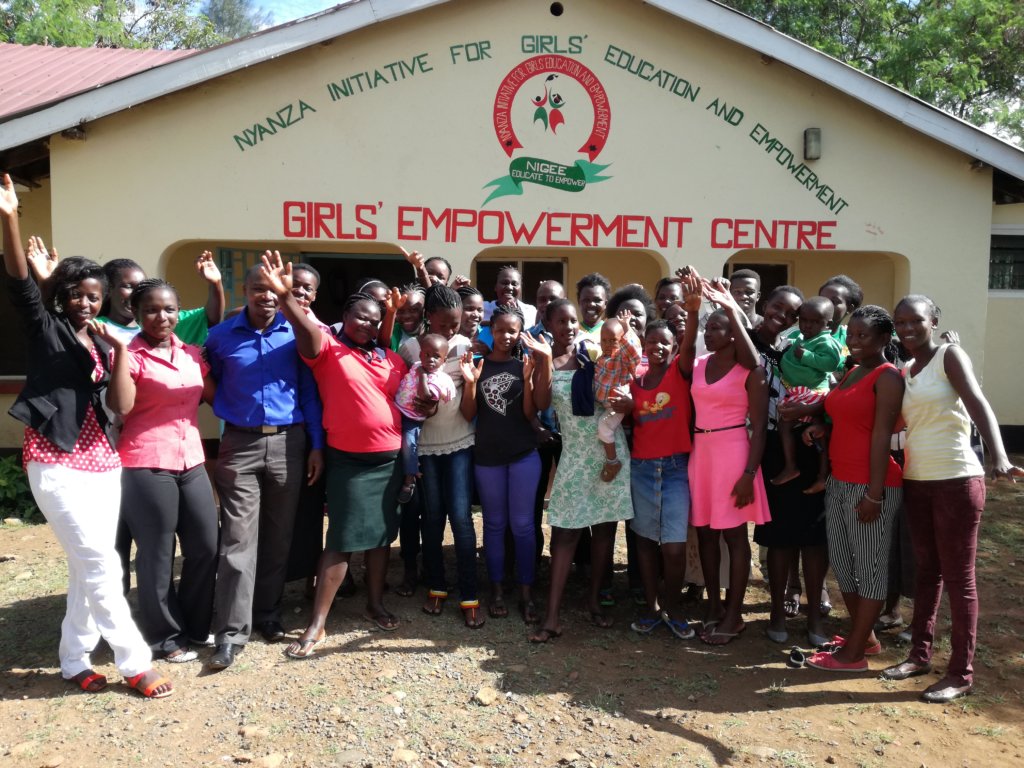
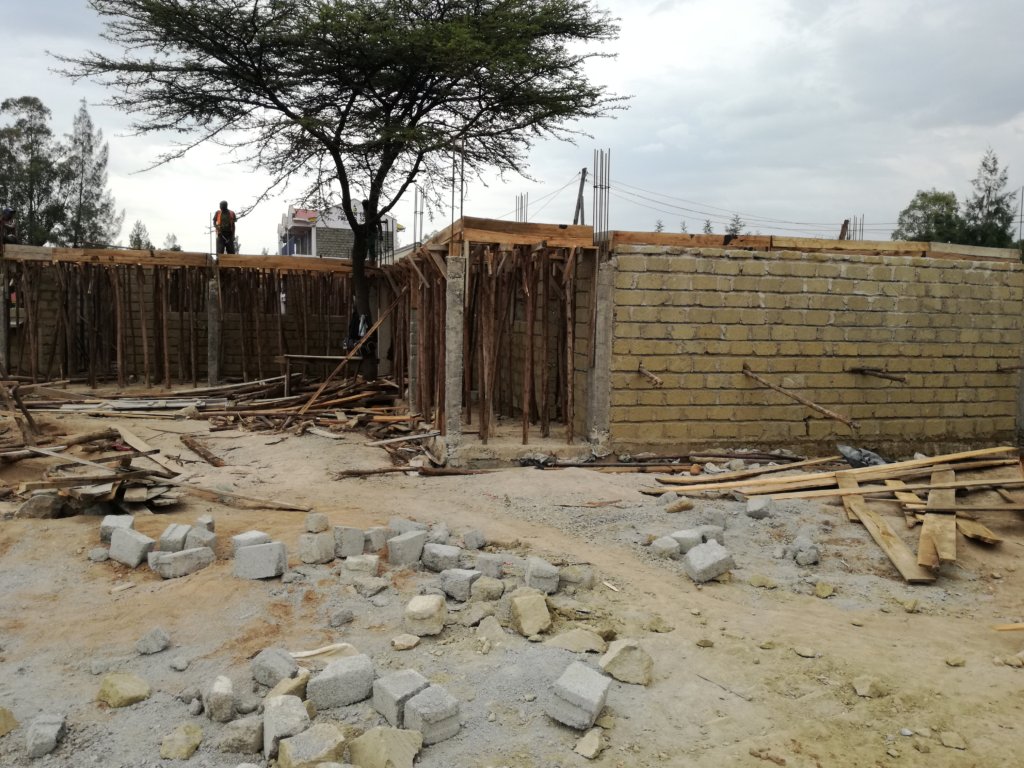
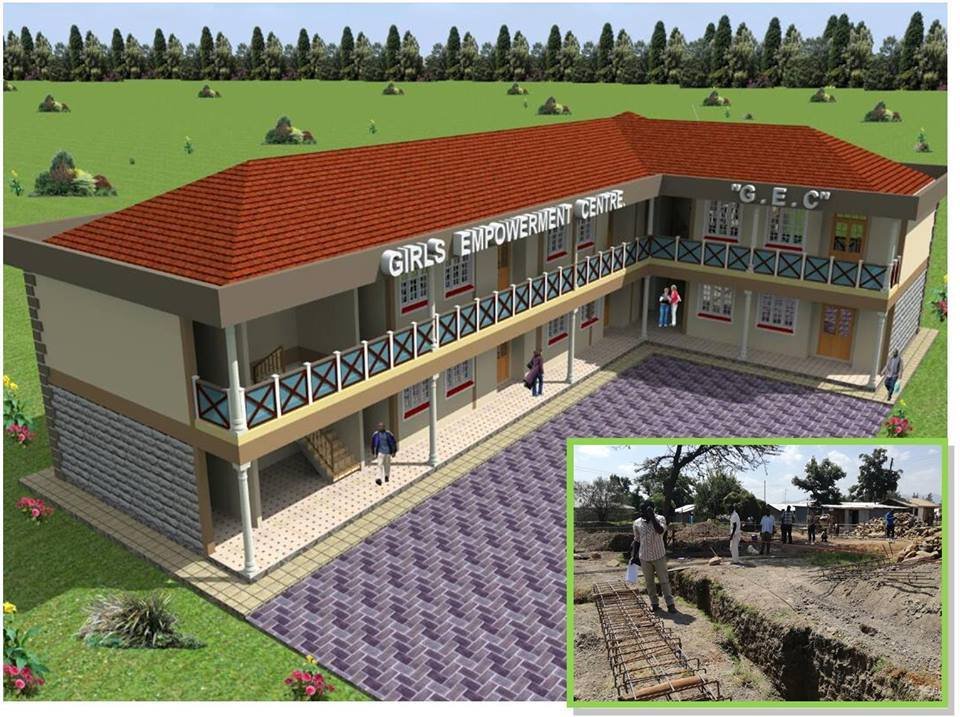
It is in pursuit of this dream that the Girls’ Empowerment Centre was birthed. The centre is now 75% complete, thanks to, among others, the GlobalGiving crowdsourcing platform.
By Winnie Adhiambo | Finance and Administration Officer
By Winnie Adhiambo | Finance and Administration Officer
Project reports on GlobalGiving are posted directly to globalgiving.org by Project Leaders as they are completed, generally every 3-4 months. To protect the integrity of these documents, GlobalGiving does not alter them; therefore you may find some language or formatting issues.
If you donate to this project or have donated to this project, you can receive an email when this project posts a report. You can also subscribe for reports without donating.



Support this important cause by creating a personalized fundraising page.
Start a Fundraiser