By Hubert Senga | Executive Director
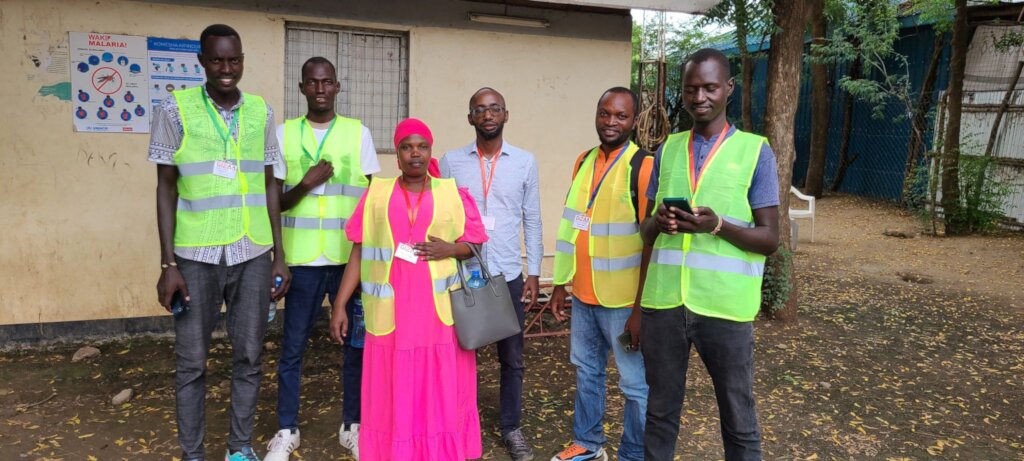
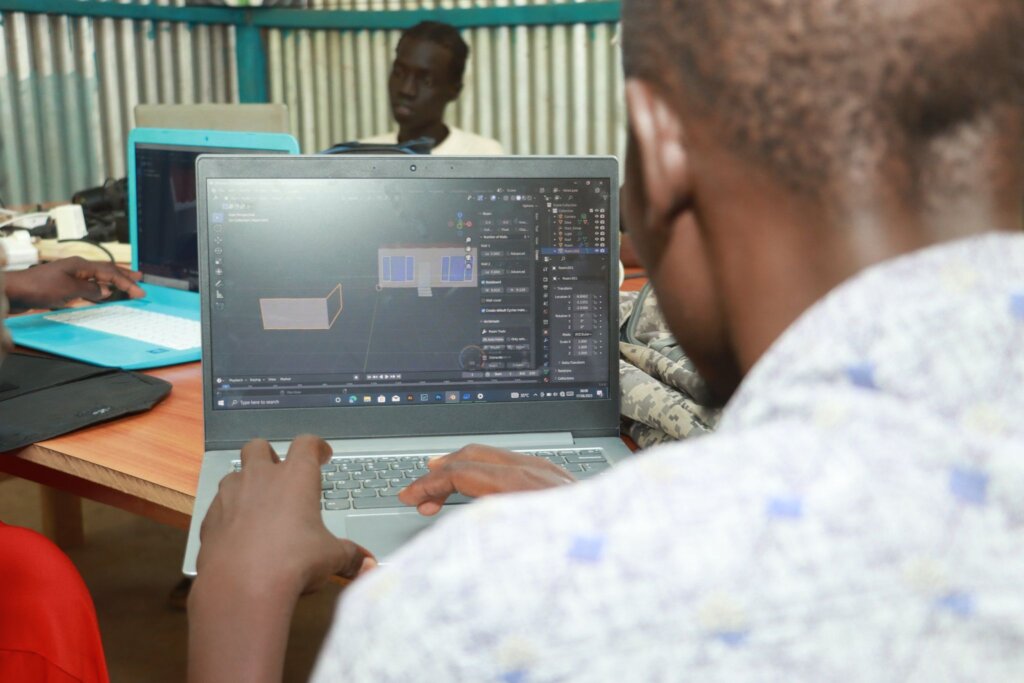
Generation Aid continues to expand employment and livelihood opportunities for refugees in Kakuma, with a particular focus on young people and women who face significant barriers to formal employment and income generation. Through the Digital Generation Jobs program, participants are developing practical digital and vocational skills designed to connect learning with real opportunities to earn an income and become more economically self-reliant.
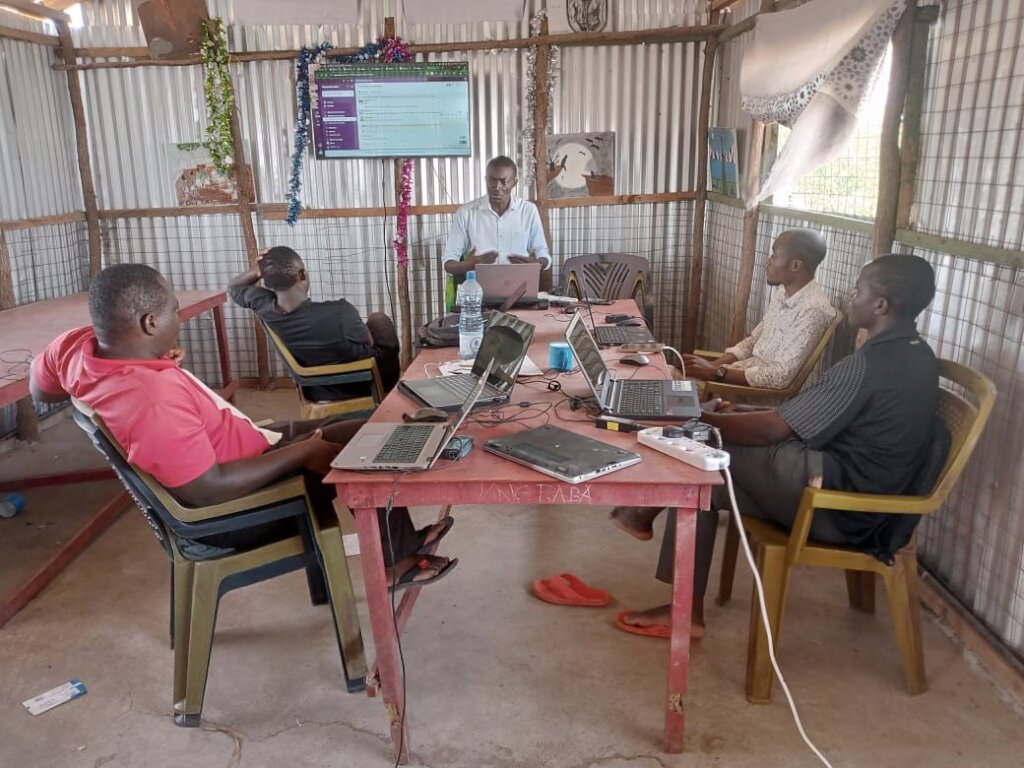
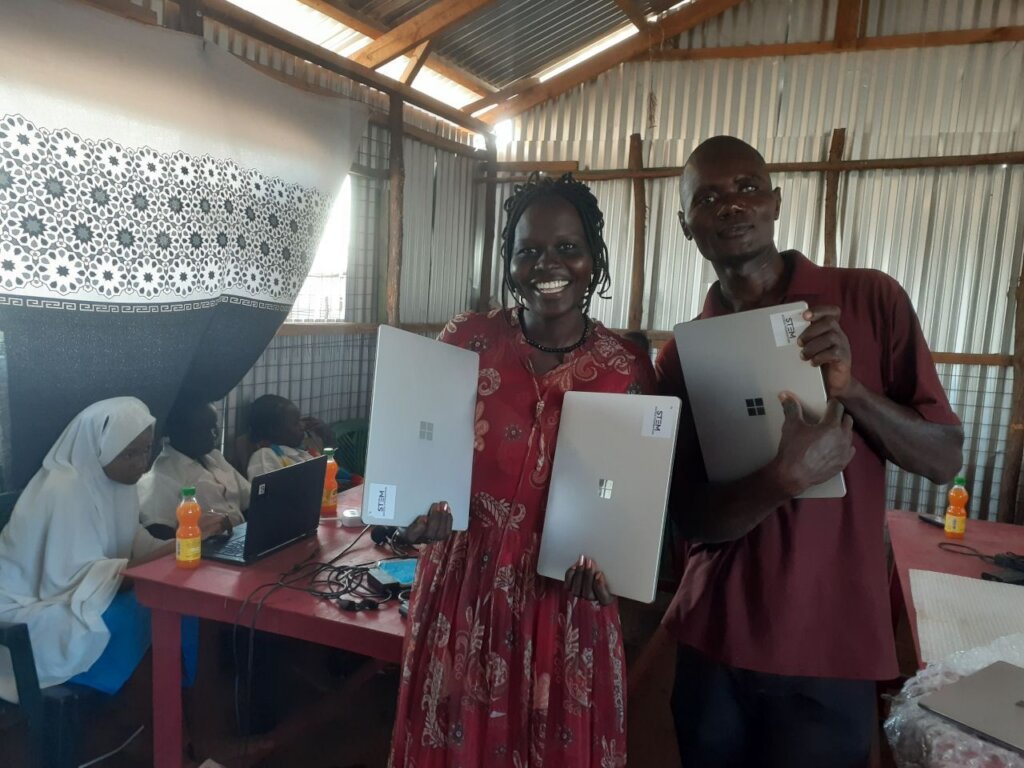
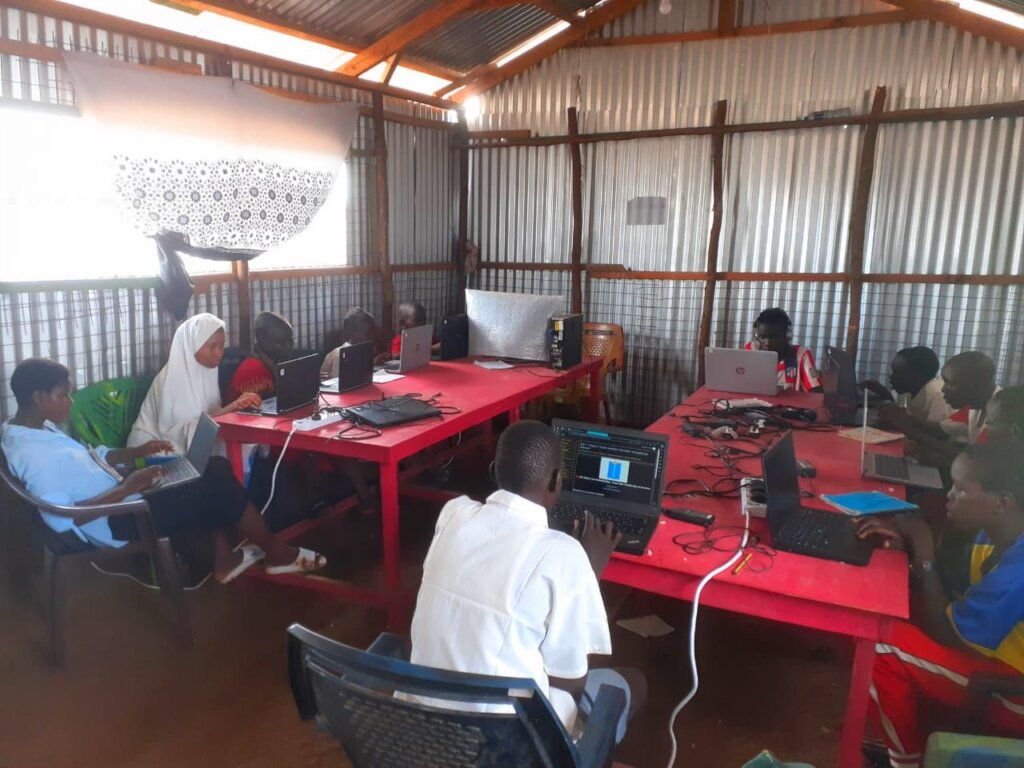
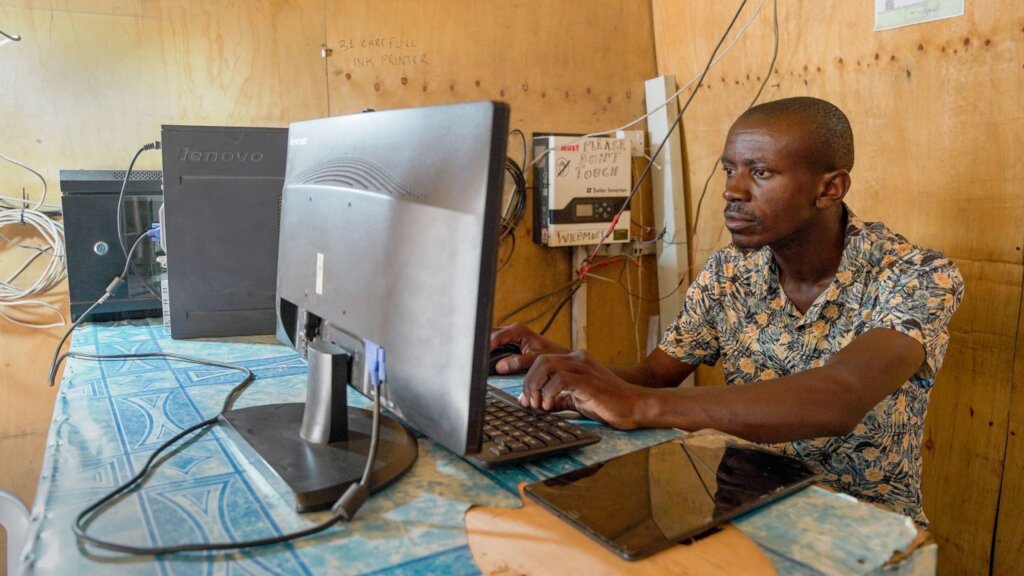
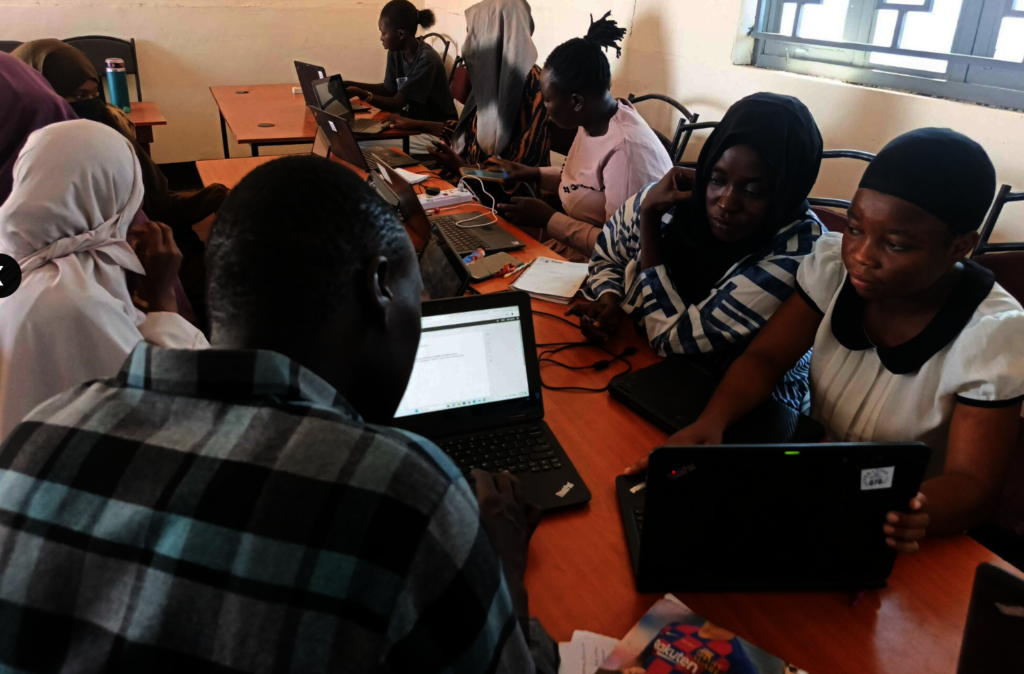
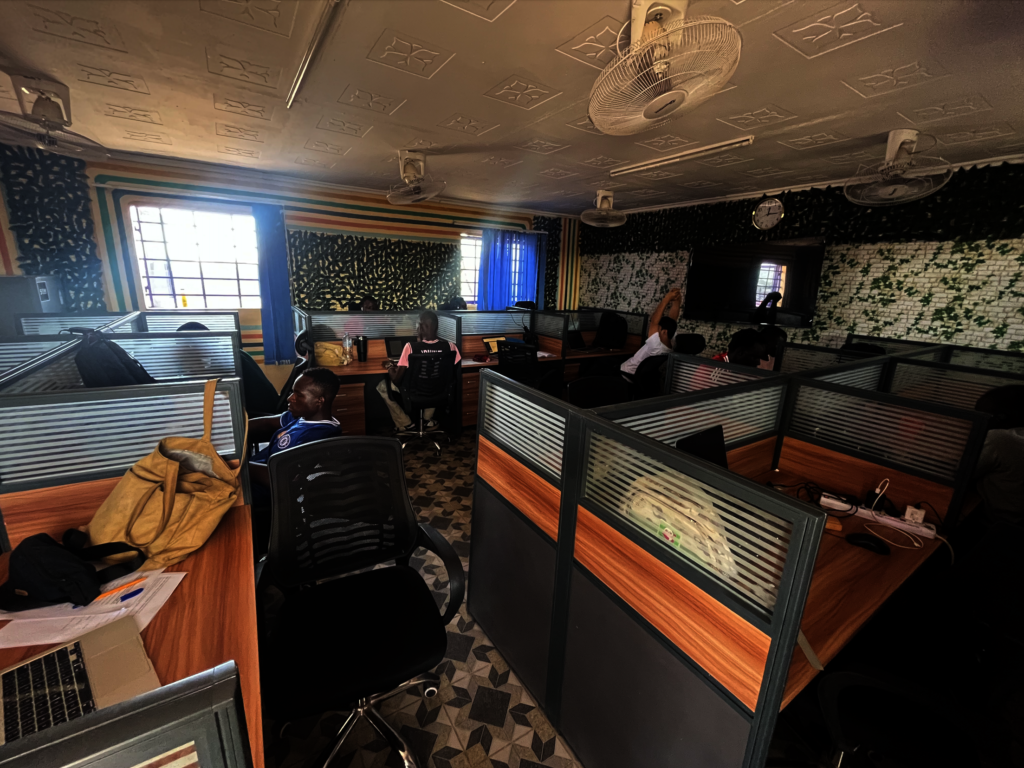
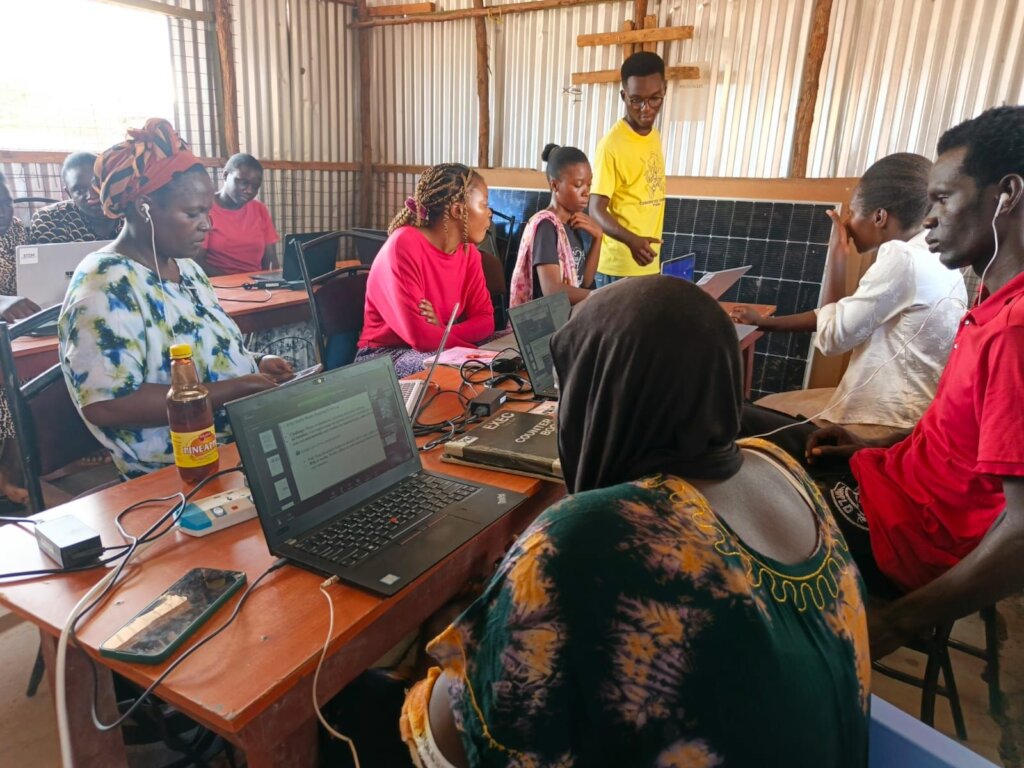
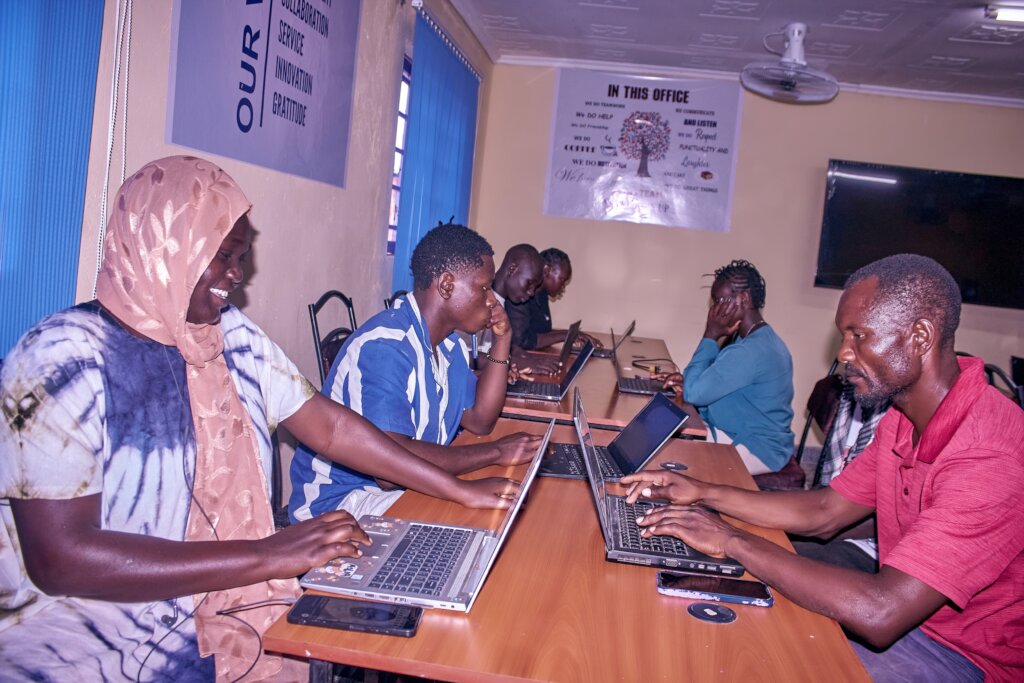
The Jobs Hub continues to provide a dedicated space where participants can access computers, practice their skills, complete training activities, and learn alongside their peers. As participants become more comfortable with digital technology, the program is increasingly focused on helping them move beyond basic computer literacy toward job preparation, online work, and income-generating opportunities.
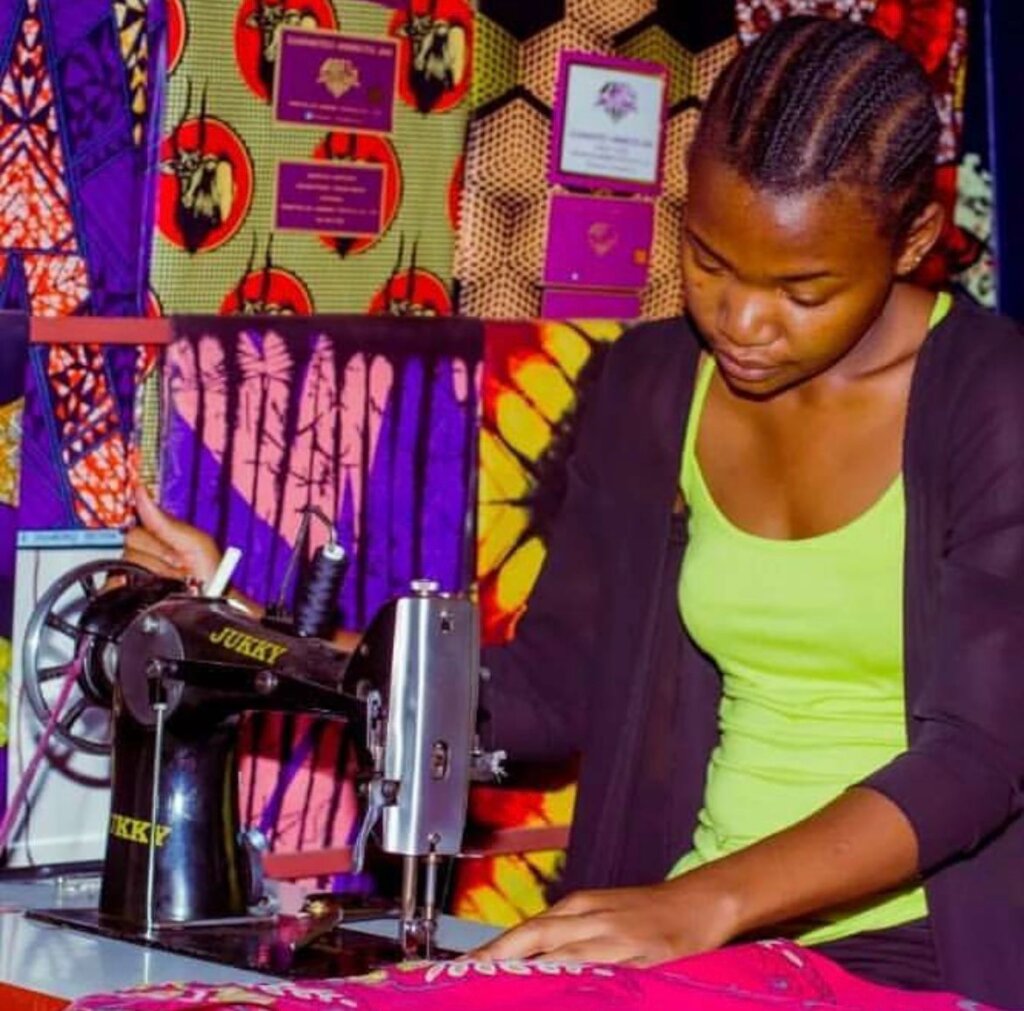
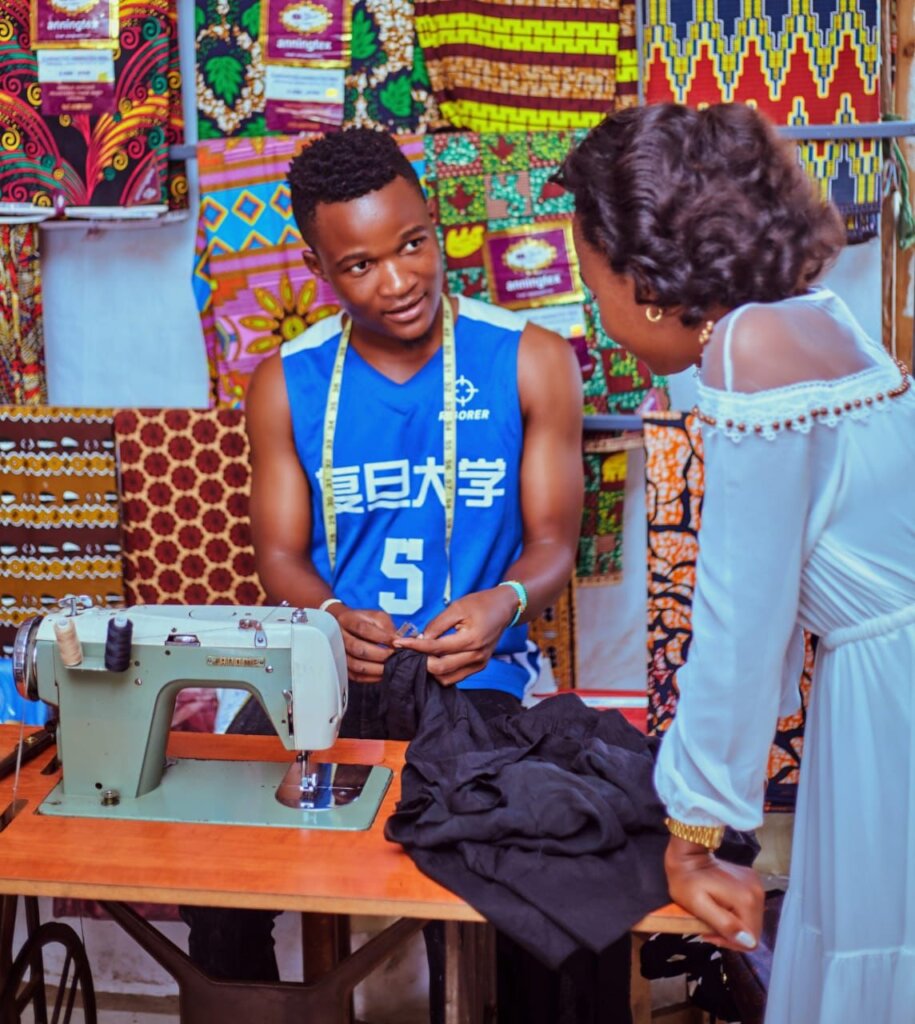
Alongside digital employment pathways, Generation Aid continues to provide tailoring and dressmaking training, giving participants practical skills that can be applied directly to income generation within the local community. Weekly sessions allow trainees to develop their technical abilities through hands-on garment production. Entrepreneurship sessions complement the practical training by introducing participants to costing, pricing, customer service, marketing, and basic business management. These skills help trainees understand how their vocational abilities can be translated into sustainable small businesses and livelihood opportunities.
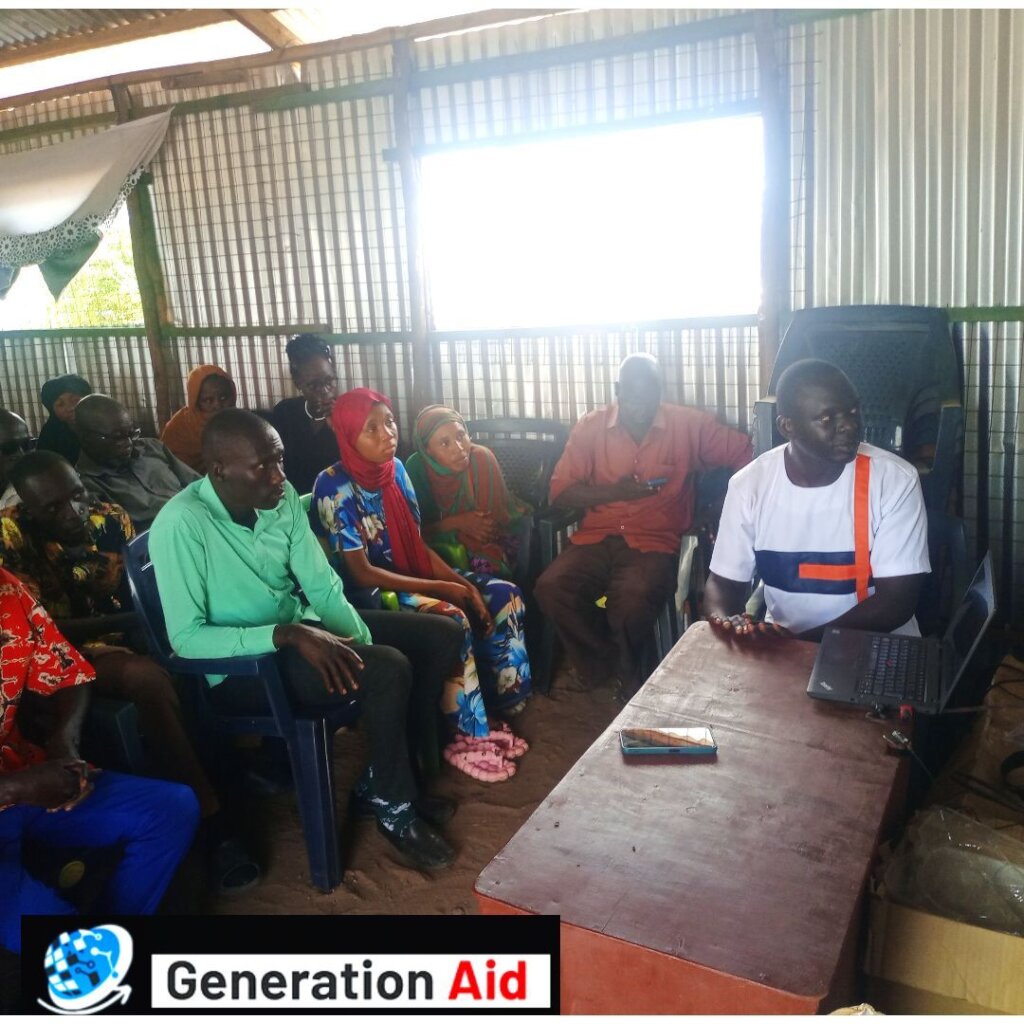
The programs continue to engage refugee youth and women in Kakuma through a combination of digital and vocational training. Participants are gaining practical skills while also developing the confidence and experience needed to pursue employment, freelance work, and entrepreneurship. These activities provide an important foundation for tracking longer-term outcomes, including employment, income generation, and business development.
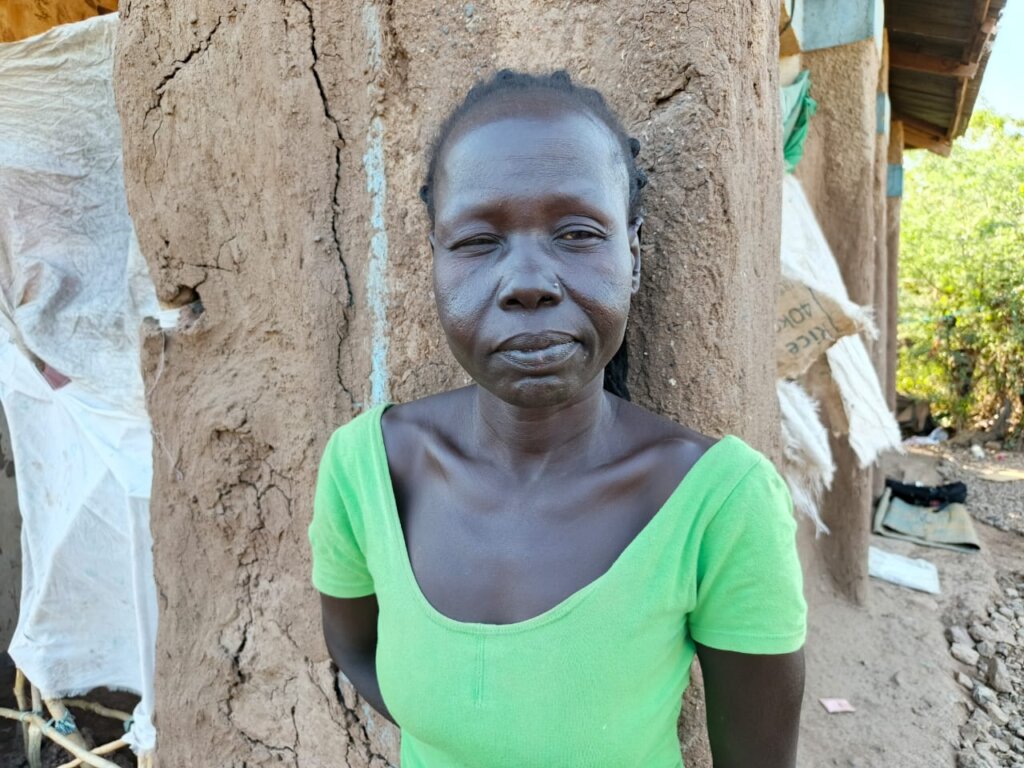
One young woman participating in the program described how the training has changed her outlook on her future. Before joining, she had limited access to employment opportunities, computer training, and few ways to develop skills that could generate an income. She writes, "“My favorite part of the [digital literacy] course is gmail and email communication, rapid typing, google drive and file management and google slides. These skills have been really useful to me especially in my current work. The knowledge and confidence I gained from these courses have helped me secure a Job as a Curriculum Associate at Konexio Africa. I now use these digital skills in my daily work. My favorite part of the course was learning about Gmail, email communication, and email setup. These skills have helped me become more confident and professional when communicating at work. I learned how to set up and manage my email, send professional emails, organize messages, and communicate effectively with colleagues. I now use these skills regularly in my current role as a Curriculum Associate at Konexio Africa."
Access to reliable internet connectivity, computers, and other digital equipment remains one of the main challenges to expanding the program. Demand for training also continues to exceed the number of available spaces, demonstrating the strong need for employment-focused skills development in the community. To respond to these challenges, Generation Aid is optimizing training schedules, rotating access to available equipment, and seeking additional resources that will allow more participants to benefit from the programs.
In the coming quarter, Generation Aid will focus on:
Expanding digital training into advanced remote-work skills, online job platforms, and professional portfolio development.
Building relationships with online employment and freelance platforms to create clearer pathways from training to income-generating opportunities.
Increasing enrollment capacity, with continued priority given to vulnerable youth and women.
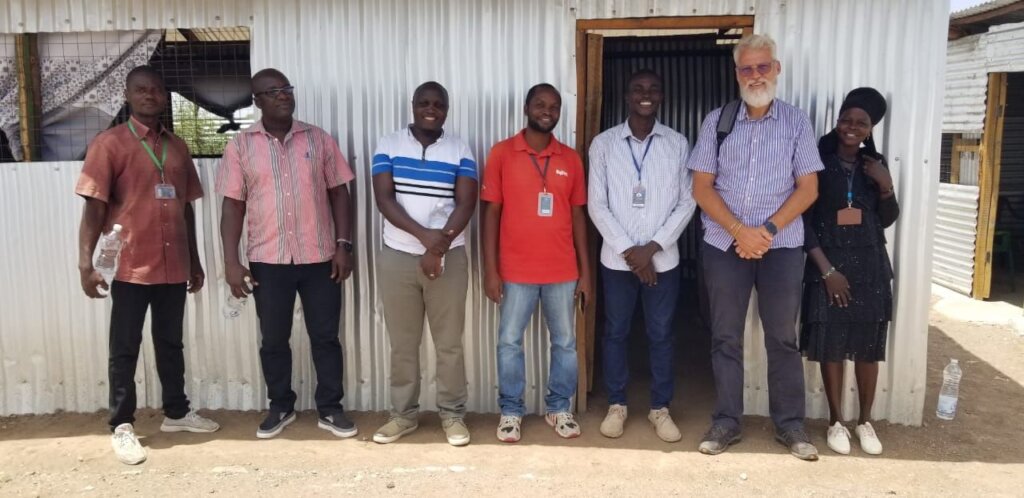
Broading the newly estbalished international internship program, bringing in volunteers from different countries to support with training, teaching, and momentum building.
By Hubert Senga | Executive Director
By Hubert Senga | Executive Director
Project reports on GlobalGiving are posted directly to globalgiving.org by Project Leaders as they are completed, generally every 3-4 months. To protect the integrity of these documents, GlobalGiving does not alter them; therefore you may find some language or formatting issues.
If you donate to this project or have donated to this project, you can receive an email when this project posts a report. You can also subscribe for reports without donating.



Support this important cause by creating a personalized fundraising page.
Start a Fundraiser