By Regina N. Muhasa | Executive Director
RAVENS FOUNDATION (RAF)
REPORT FOR THE PERIOD: FEBRUARY – MAY 2026
SUBMITTED TO GLOBALGIVING ACCELERATOR
By REGINA N. MUHASA - Executive Director
EXECUTIVE SUMMARY
During the reporting period of February–May 2026, Ravens Foundation (RAF) continued implementing its women’s economic empowerment and menstrual health initiative aimed at improving the livelihoods and wellbeing of vulnerable women and girls in Uganda.
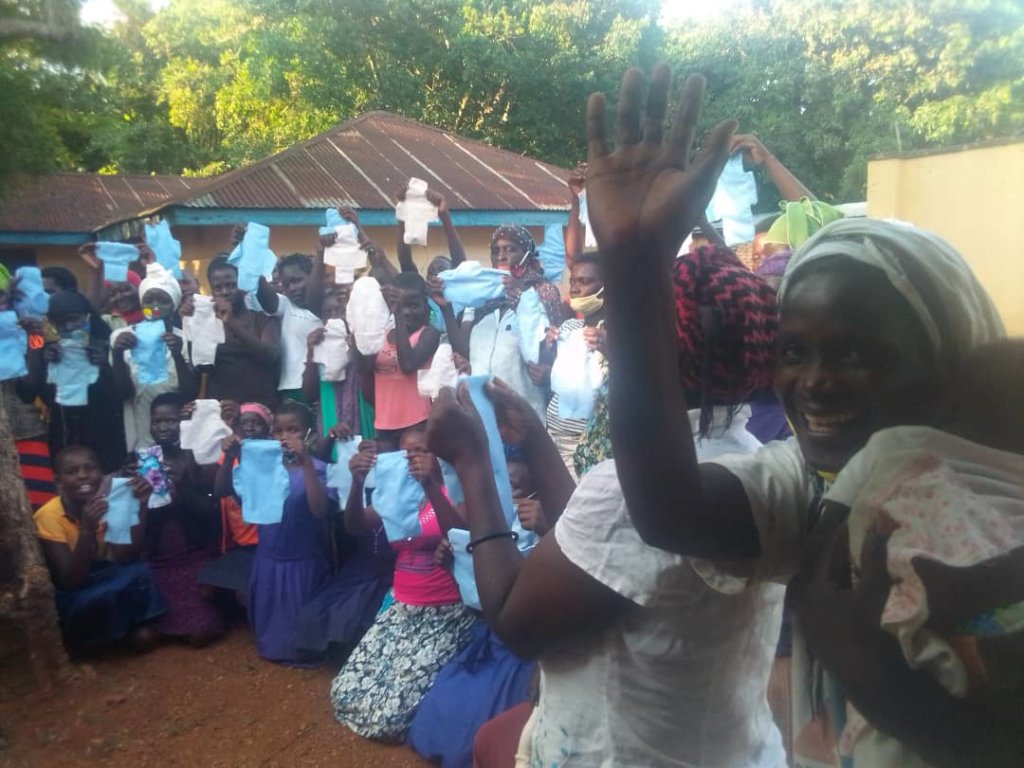
The project provided vocational skills training to at least 10 women, equipping them with practical skills in the production of handbags, school bags, and reusable sanitary pads using affordable and locally available materials. Through hands-on training, participants gained technical skills, increased confidence, and enhanced opportunities for income generation and self-employment.
The initiative contributes to RAF’s broader goal of promoting dignity, economic resilience, and improved menstrual hygiene management among women and girls. Despite financial and infrastructure challenges, the project demonstrated the potential of community-based vocational training to create sustainable livelihood opportunities and strengthen household resilience.
ABOUT RAVENS FOUNDATION (RAF)
Ravens Foundation (RAF) is an indigenous community-based organization established in 2018 to advance transformational development among women, girls, and their communities in Uganda. The organization focuses on addressing challenges related to menstrual hygiene management, education, health, and economic empowerment.
Vision: Fanning the Wisdom of Motherhood and the Nobility of Womanhood.
This vision reflects RAF’s belief that empowered women and mothers are catalysts for healthy families, stronger communities, and sustainable social transformation.
Mission: To empower women and girls to manage personal hygiene with dignity while promoting health, education, and economic opportunities through counseling, skills training, mentorship, and advocacy.
RAF works to create sustainable impact by equipping women and girls with practical skills, knowledge, and resources that enhance their health, confidence, and economic independence.
BACKGROUND
Women in many low-income communities across Uganda face significant economic challenges, including limited access to employment opportunities, vocational training, and financial resources. At the same time, they carry substantial responsibilities for household welfare, childcare, and community development.
Recognizing these challenges, Ravens Foundation implements skills-development programmes that enable women and girls to acquire practical livelihood skills while promoting menstrual health and personal dignity. By building local capacity for production of reusable sanitary pads, handbags, and school bags, the project helps participants improve household incomes, reduce vulnerability, and strengthen community resilience.
ACTIVITIES IMPLEMENTED (FEBRUARY – MAY 2026)
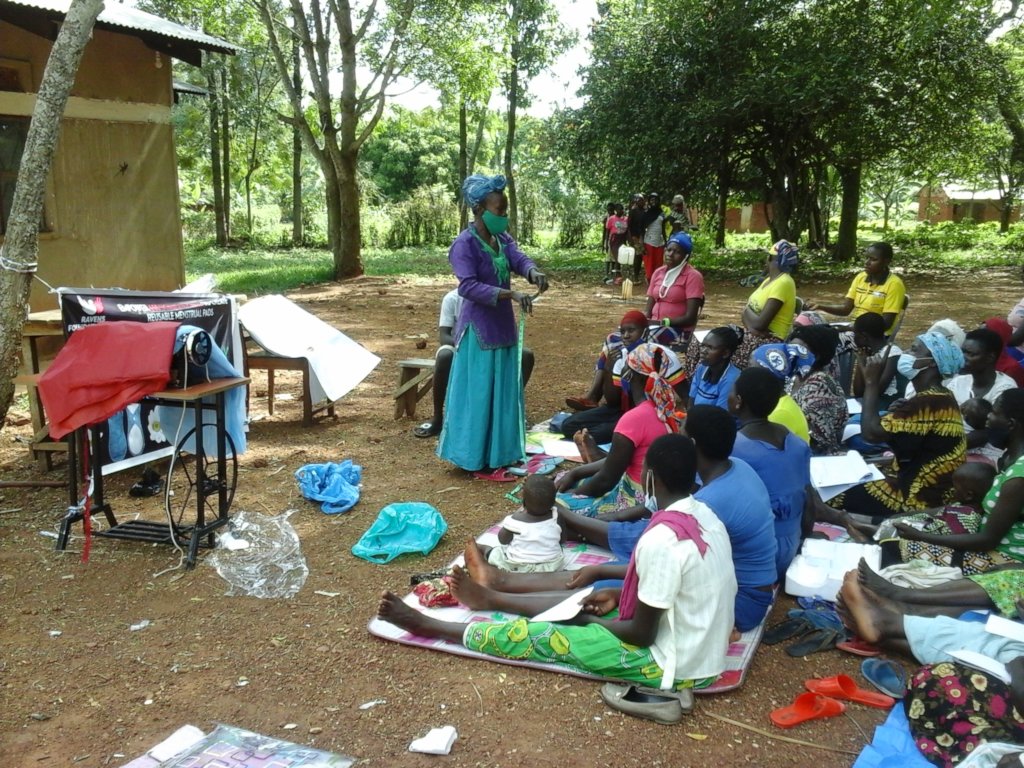
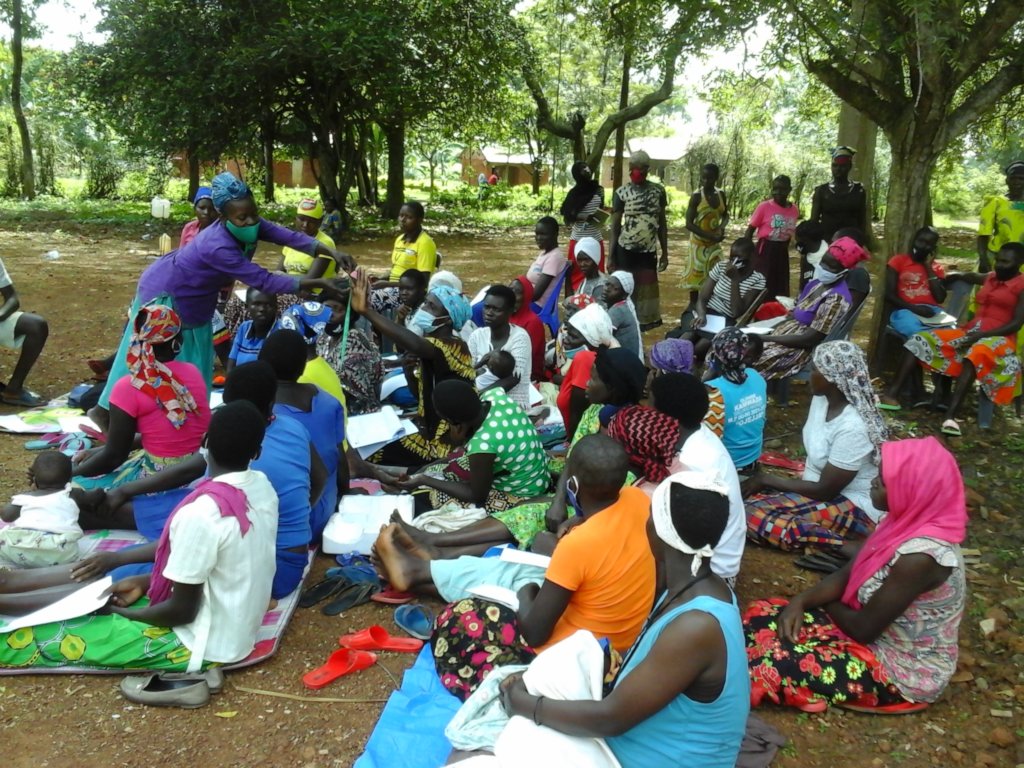
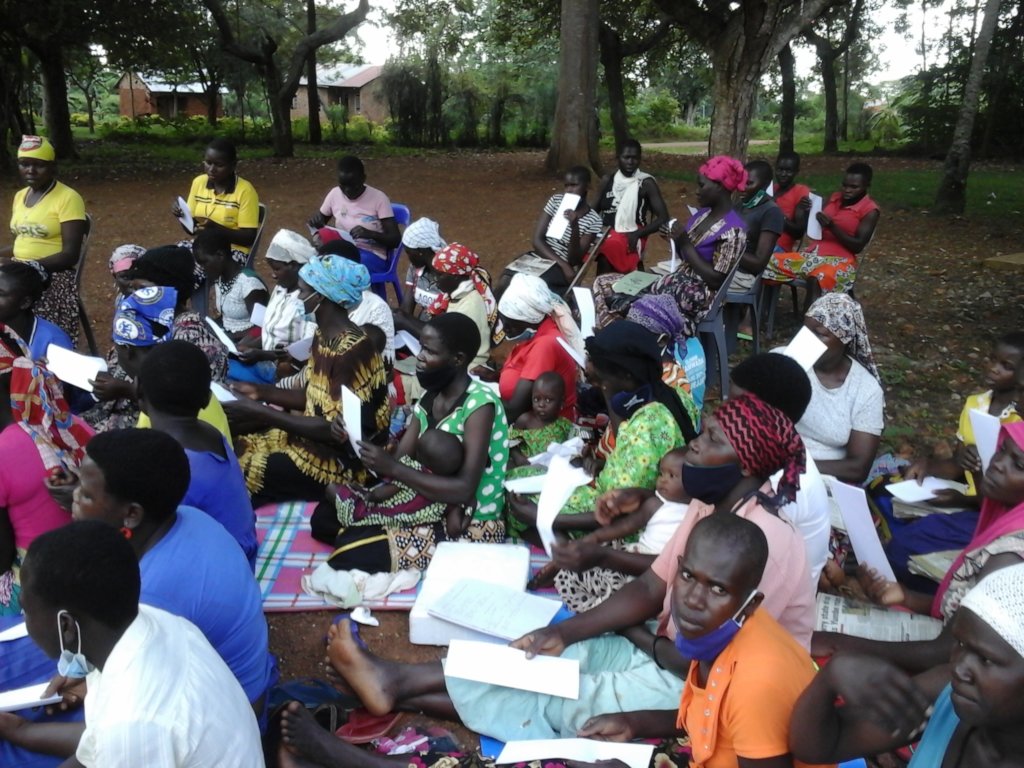
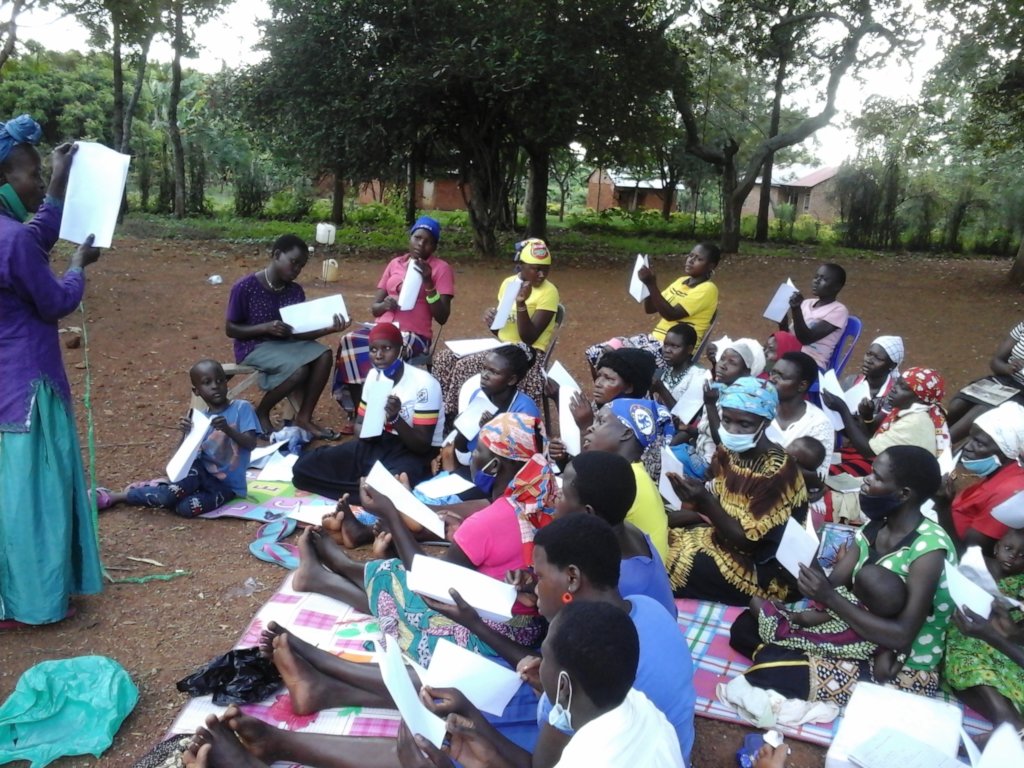
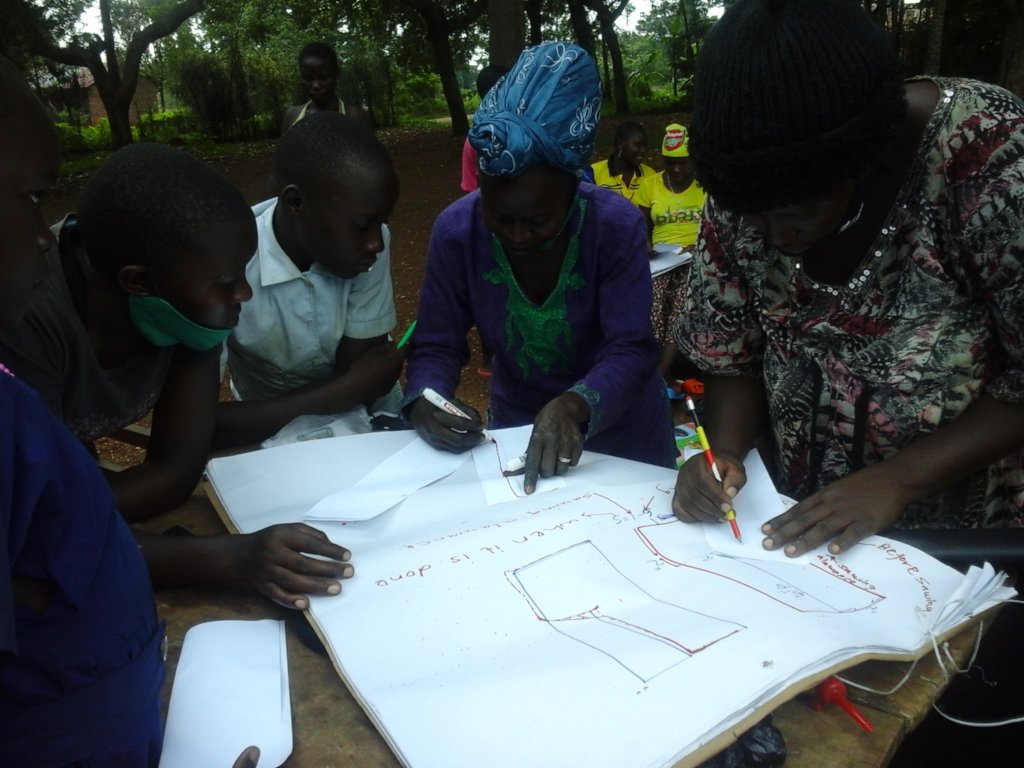
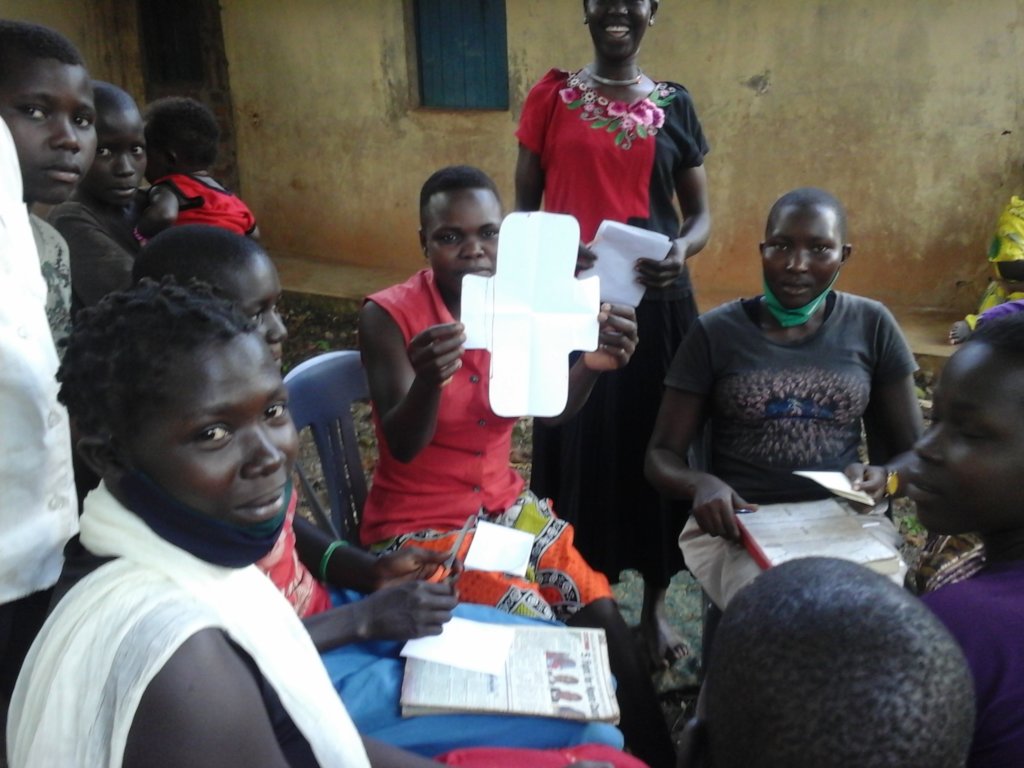
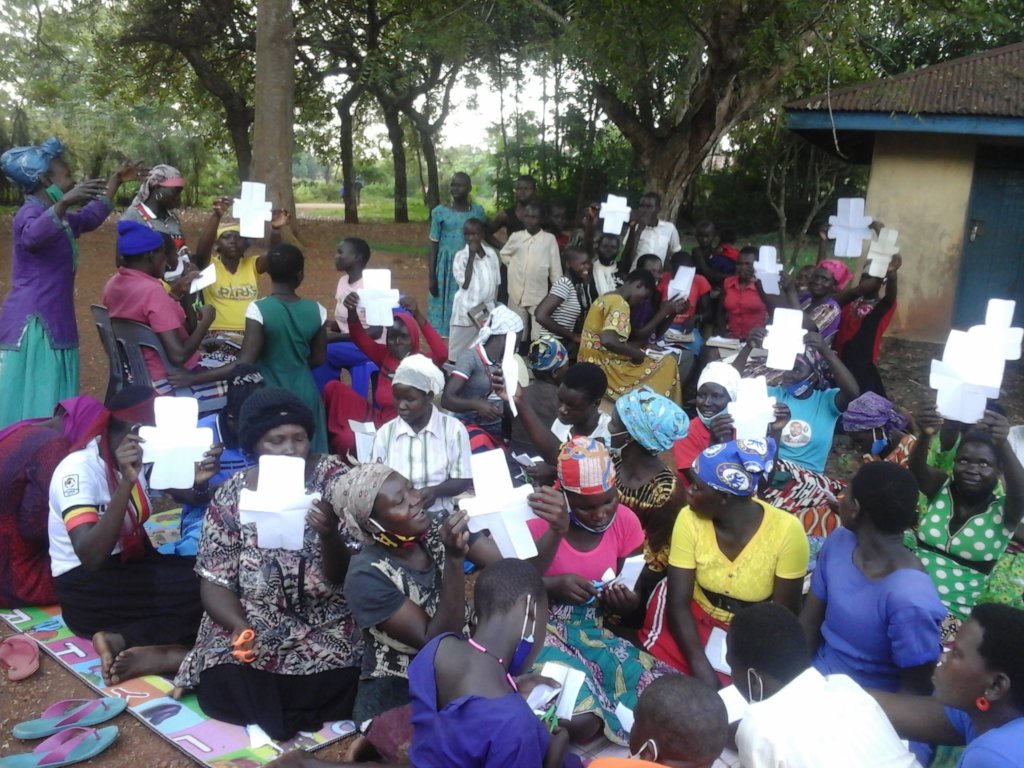
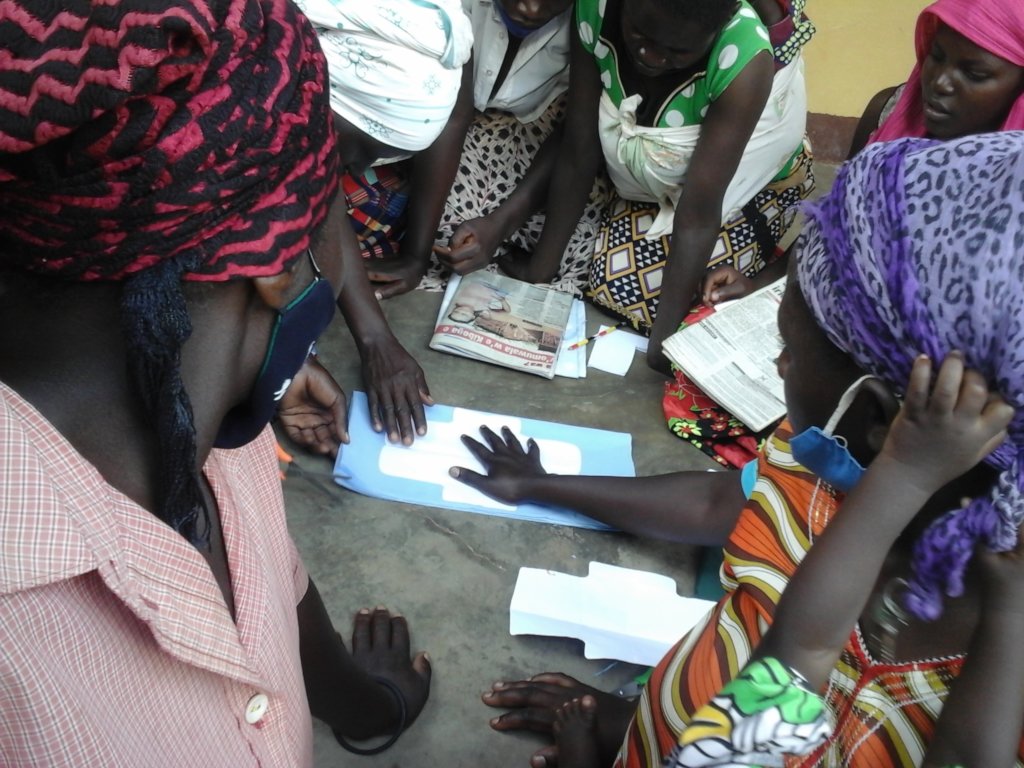
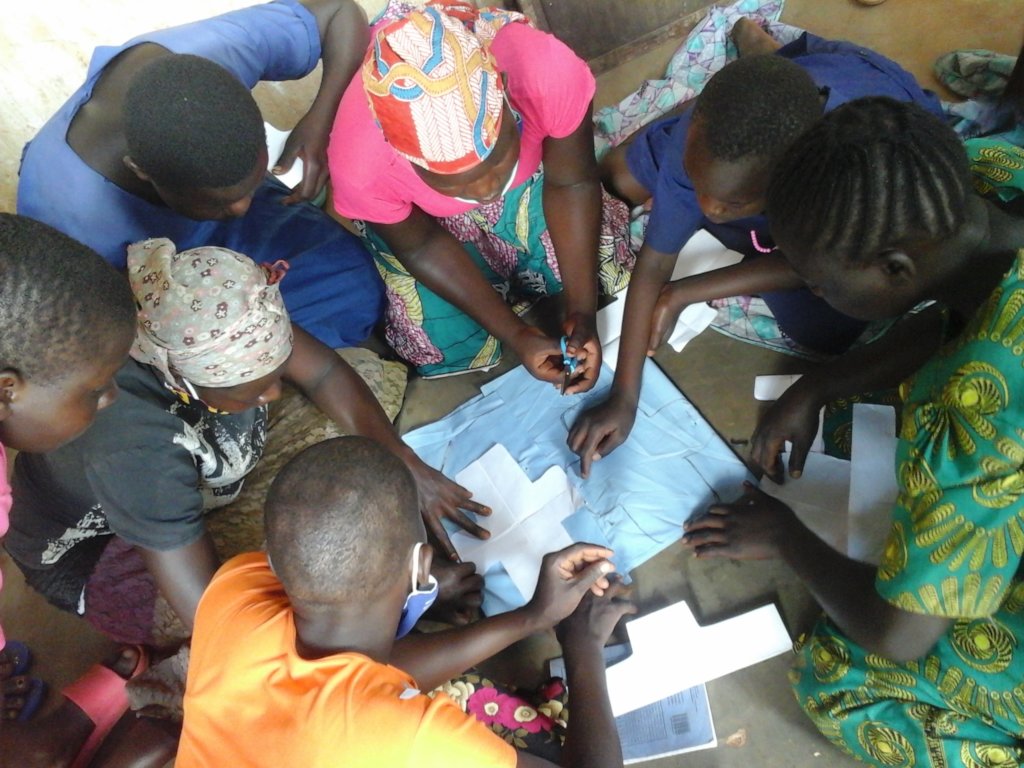
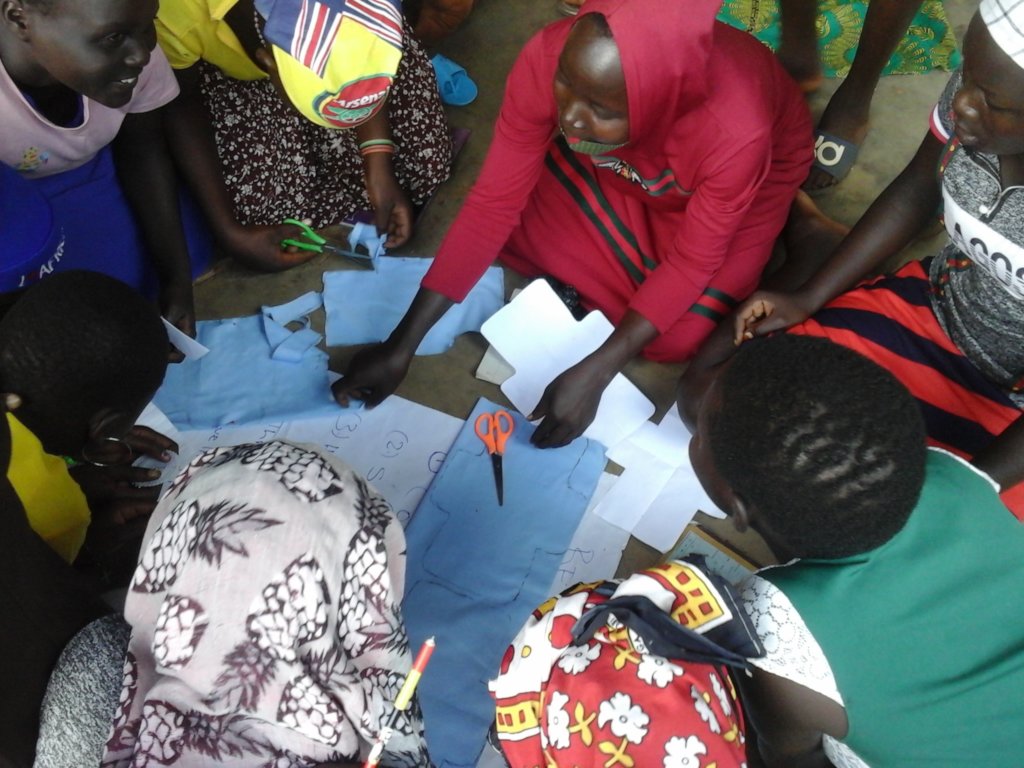
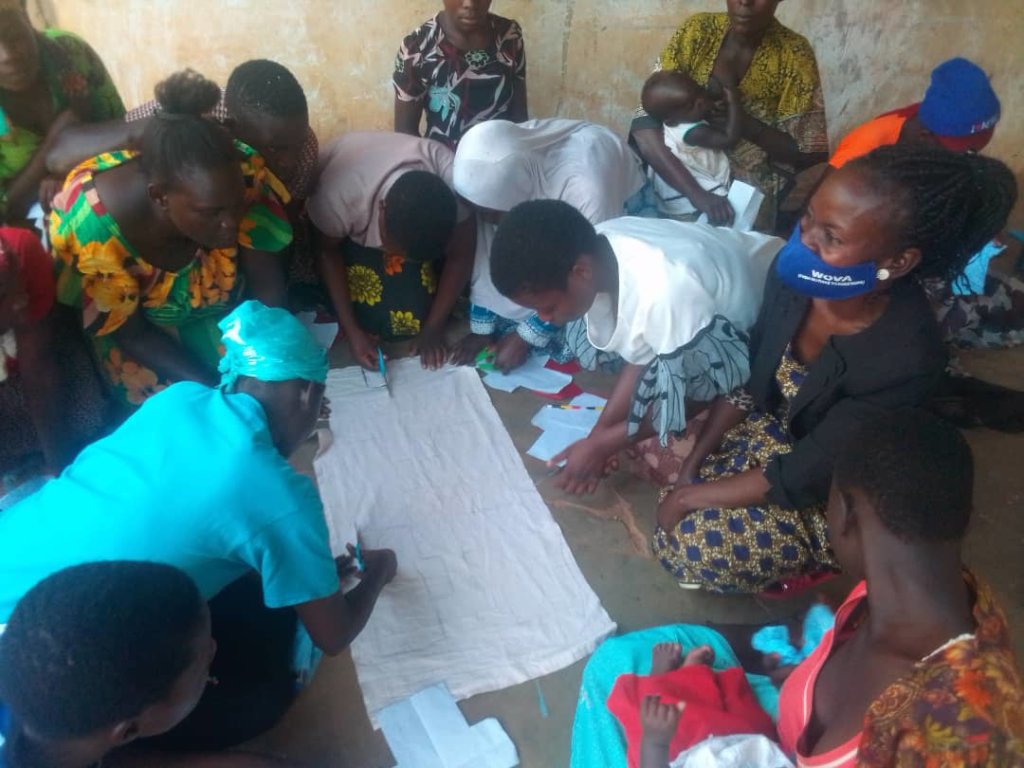
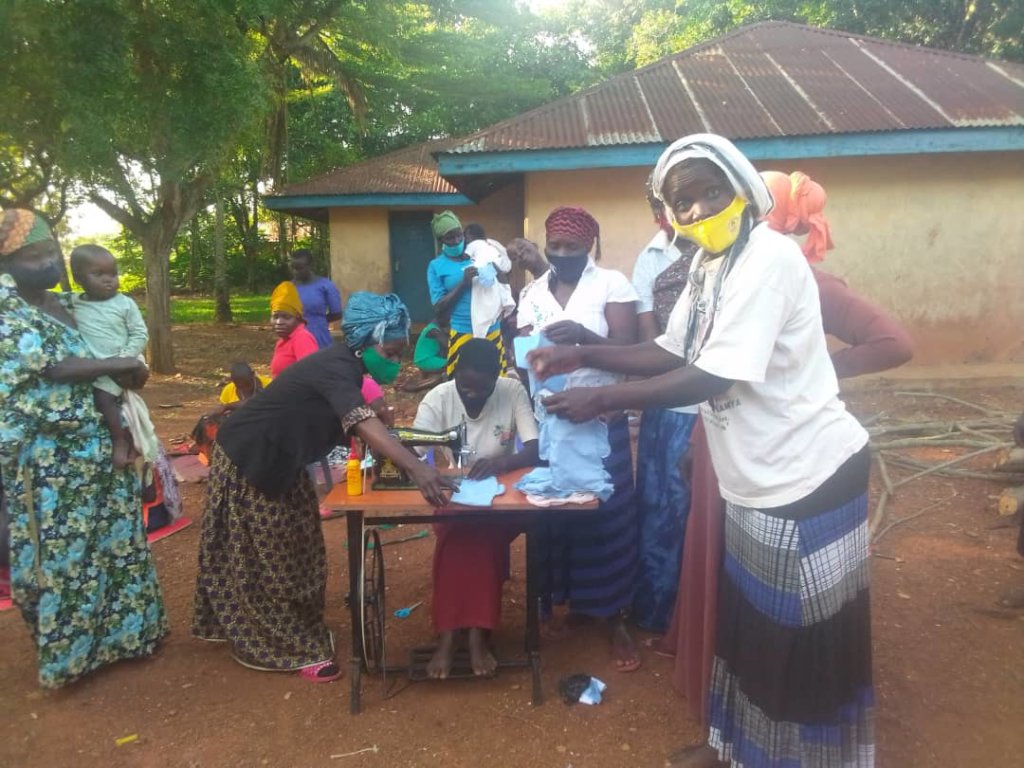
During the reporting period, RAF conducted practical vocational training sessions focused on the design and production of handbags, school bags, and reusable sanitary pads using locally available and affordable materials.
Participants received hands-on instruction in:
The training emphasized both technical competence and entrepreneurship, encouraging participants to produce high-quality, marketable products for household use and local sale.
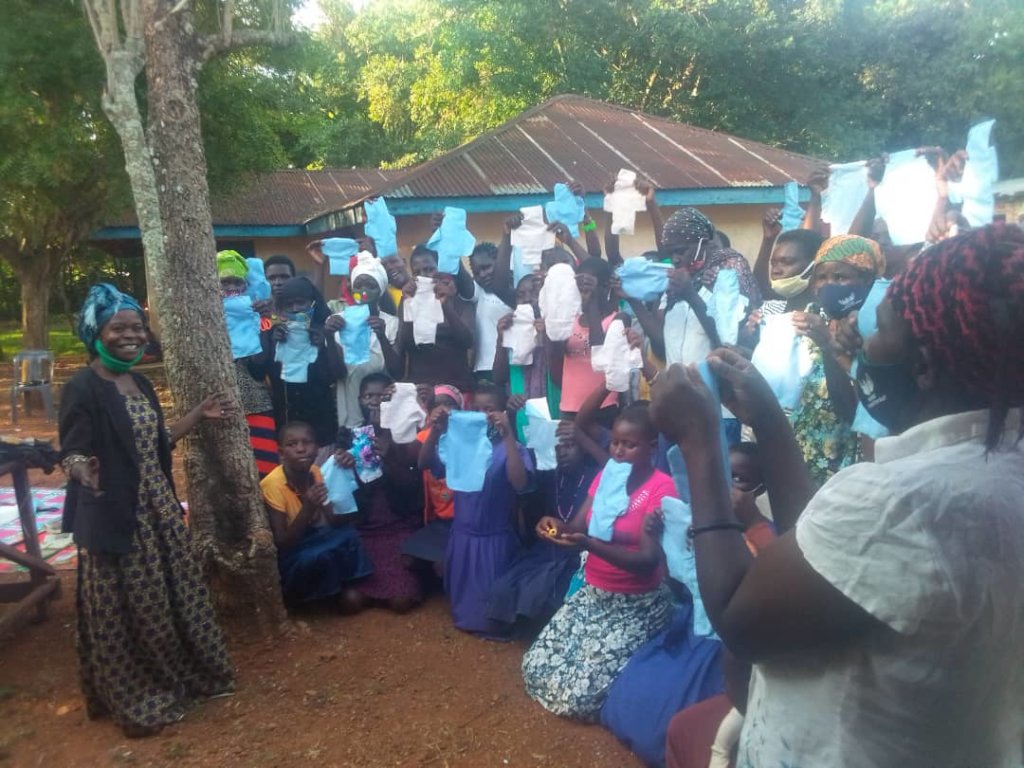
Women actively participated in practical production exercises and successfully completed a range of products, demonstrating increased confidence and improved vocational skills.
Picture 1: A completed handbag produced by project participants using locally available materials.
Picture 2: another handbag designed and produced during the vocational skills training programme.
PROJECT IMPACT AND RESULTS
The handbag-making training has enabled participants to acquire marketable skills that can improve household incomes and strengthen economic resilience. The products demonstrate the creativity and craftsmanship developed through the programme and highlight the potential for small-scale enterprise development among women in the community.
The project contributed to improved economic empowerment among participating women by providing practical, income-generating skills that can be applied immediately within their communities.
KEY ACHIEVEMENTS
The training equipped women with practical bag-making skills that can be used for household income generation and small business development.
Participants learned how to combine fabric selection, stitching, finishing, and branding techniques to create marketable products.
Increased awareness of opportunities for self-employment and small-business development.
Strengthened participants’ confidence, creativity, and entrepreneurial potential.
The products created during the training demonstrate the skills acquired by participants and highlight the potential for establishing small-scale enterprises capable of generating supplementary household income.
Beyond economic benefits, the programme fostered social support networks among participants and encouraged women to share newly acquired skills within their families and communities.
CHALLENGES ENCOUNTERED
Despite the positive outcomes achieved, several challenges continue to affect programme implementation and expansion.
Limited Financial Resources: Financial constraints remain one of RAF’s most significant challenges. As a grassroots organization, RAF relies heavily on volunteer contributions and community support. Limited funding restricts the organization's ability to expand training opportunities, provide adequate training materials, conduct follow-up support, and reach more beneficiaries.Volunteer Retention: Many volunteers face economic pressures that require them to seek paid employment opportunities. This affects volunteer availability and can limit programme continuity and community outreach efforts.Lack of a Permanent Training Centre: RAF currently operates without a permanent training facility. The absence of a dedicated training centre limits the organization's capacity to:
A permanent training centre would significantly enhance programme efficiency, sustainability, and outreach.
FUTURE PRIORITIES
To build on the progress achieved, RAF aims to:
Continued donor support will enable RAF to scale these interventions and create greater social and economic impact for vulnerable women and girls.
CONCLUSION
During the February–May 2026 reporting period, Ravens Foundation successfully equipped women with practical vocational skills in handbag making, school bag production, and reusable sanitary pad manufacturing. These skills contribute directly to economic empowerment, improved household resilience, and enhanced dignity for women and girls.
RAF remains deeply grateful for the support of GlobalGiving and other partners whose contributions make these life-changing interventions possible. With continued partnership and investment, RAF is well positioned to expand its reach and create lasting impact in the communities it serves.
Project reports on GlobalGiving are posted directly to globalgiving.org by Project Leaders as they are completed, generally every 3-4 months. To protect the integrity of these documents, GlobalGiving does not alter them; therefore you may find some language or formatting issues.
If you donate to this project or have donated to this project, you can receive an email when this project posts a report. You can also subscribe for reports without donating.



Support this important cause by creating a personalized fundraising page.
Start a Fundraiser