By Anna Demchenko | Grant writer
This report covers the implementation of the Emergency Backpack programme from May through early September 2026. During this period, the Blagomay Charity Fund concentrated its resources on preparing children in institutional and family-based care for the 2026–2027 academic year, addressing verified material needs in schools, rehabilitation centres, and family-type children's homes across Ukraine.
The reporting period coincided with pre-school-year preparation, during which demand for clothing, footwear, bedding, and basic equipment is at its highest. Assistance was provided exclusively on the basis of written, itemised requests submitted by receiving institutions and verified by the Fund's programme team.
Quantitative results
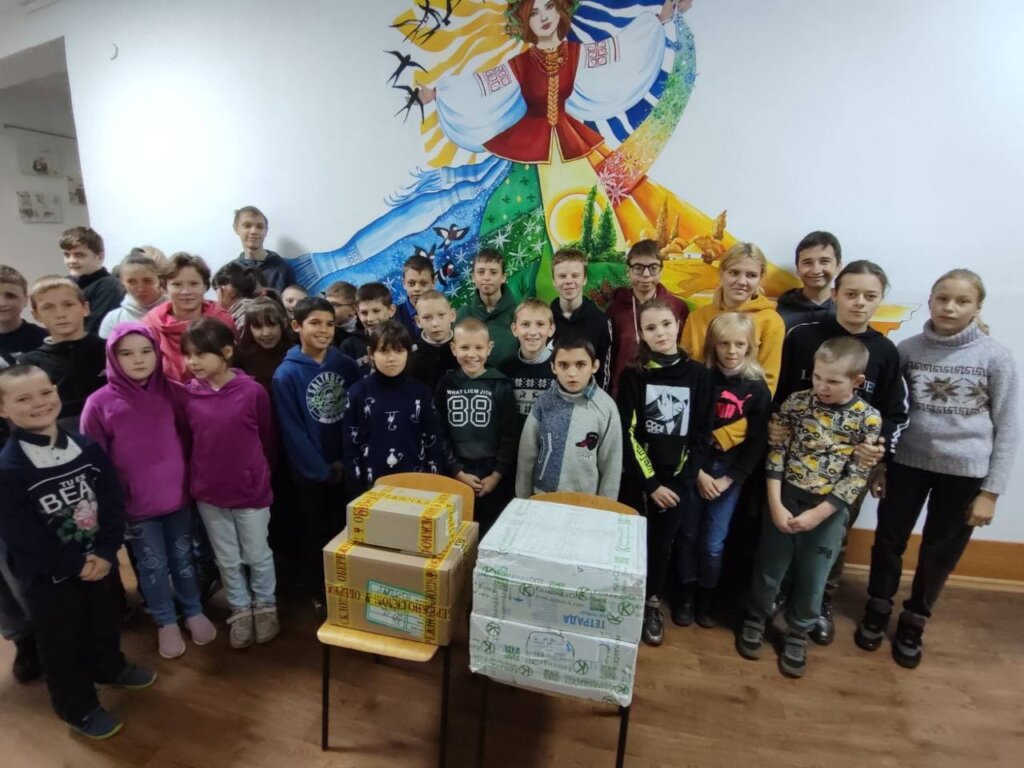
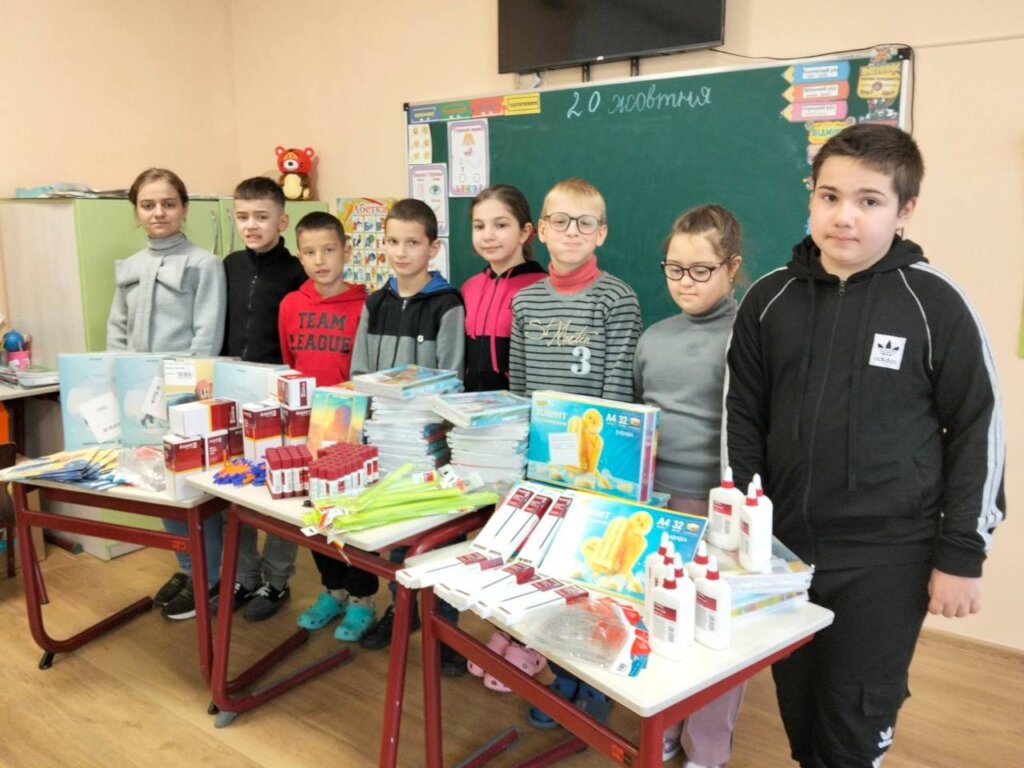
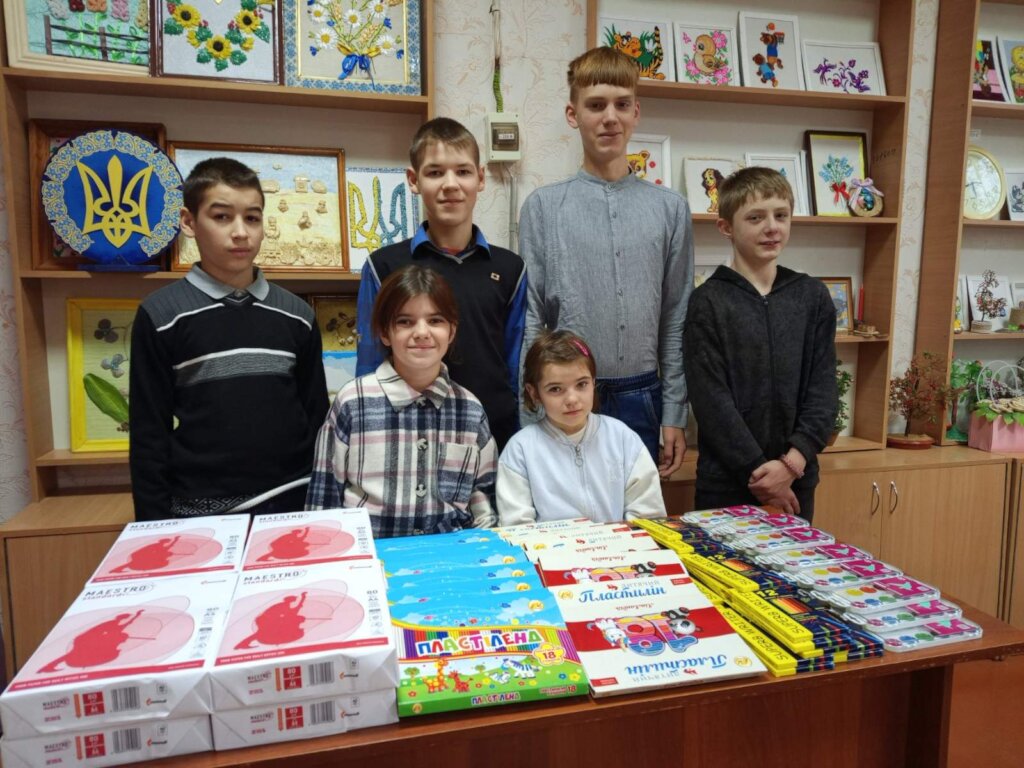
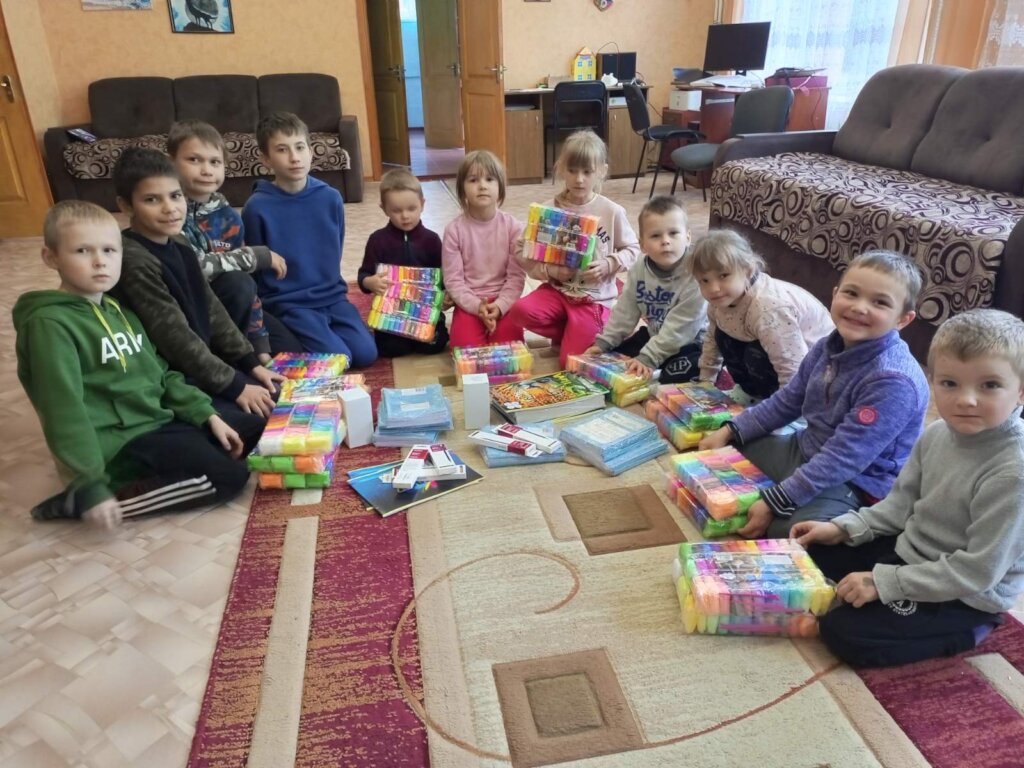
During the reporting period, the Fund delivered 78 individual assistance packages to 58 institutions and family-type homes with a combined population of over 1,870 children. The total value of assistance amounted to approximately USD 56,000. Seventeen internally displaced families were among the recipients.
Recipients comprised 39 family-type children's homes (DBST), caring for orphans and children deprived of parental care, and 19 specialised schools, educational-rehabilitation centres, and residential institutions.
Geographic coverage included the Sumy, Chernihiv, Cherkasy, Kyiv, Vinnytsia, Kirovohrad, Mykolaiv, Kharkiv, Dnipropetrovsk, and Chernivtsi regions. Recipient families included those displaced from Kramatorsk, Lyman, Sloviansk, Bilozerske, Beryslav, Oleshky, Marhanets, and Zaporizhzhia.
Categories of assistance delivered
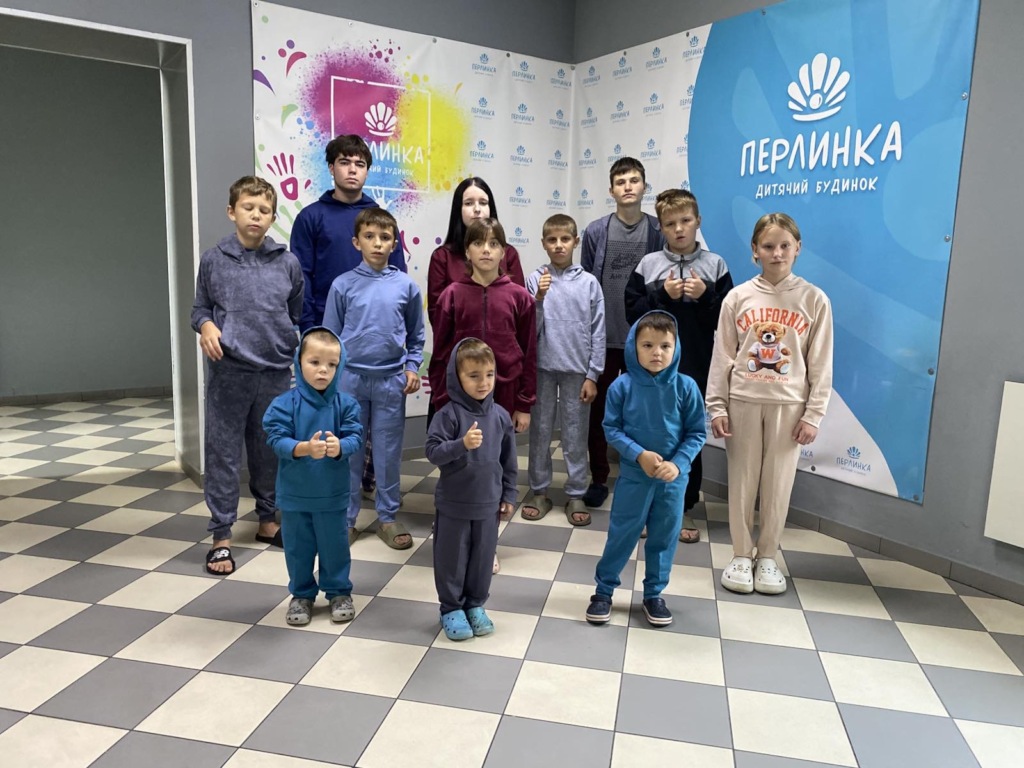
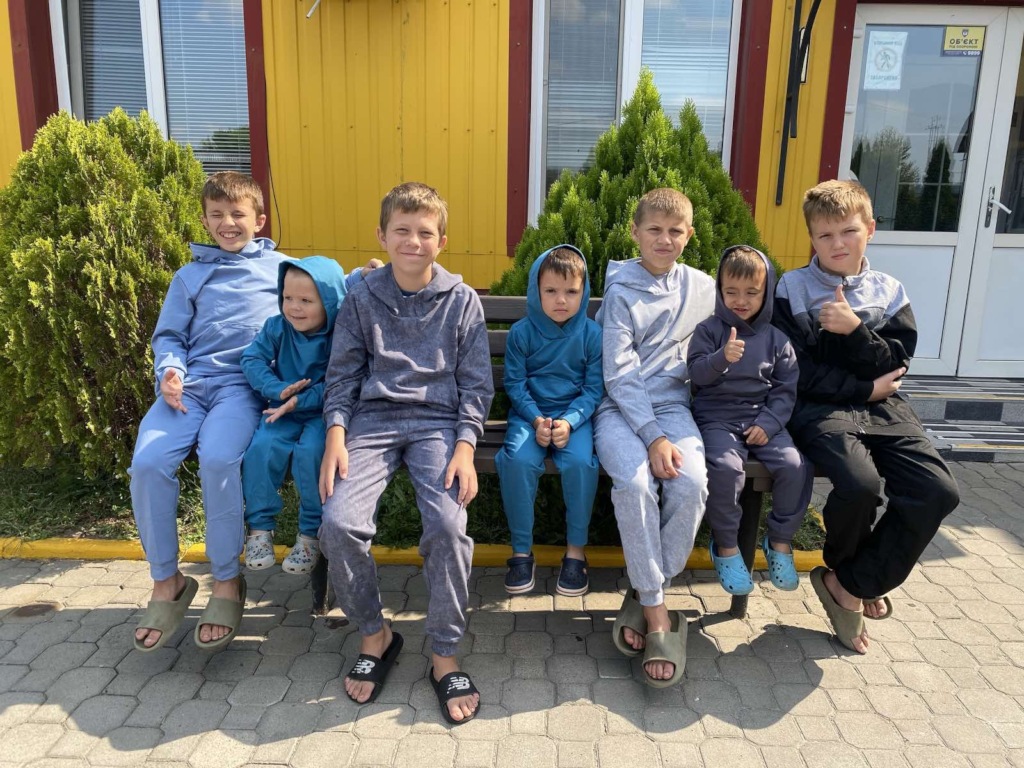
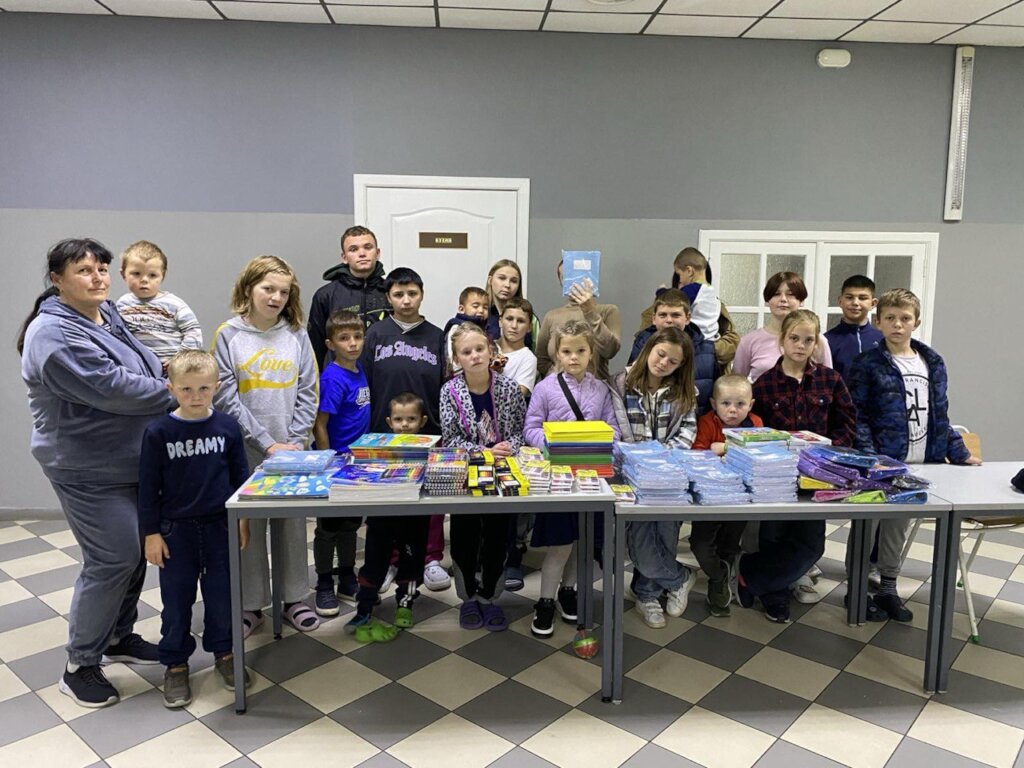
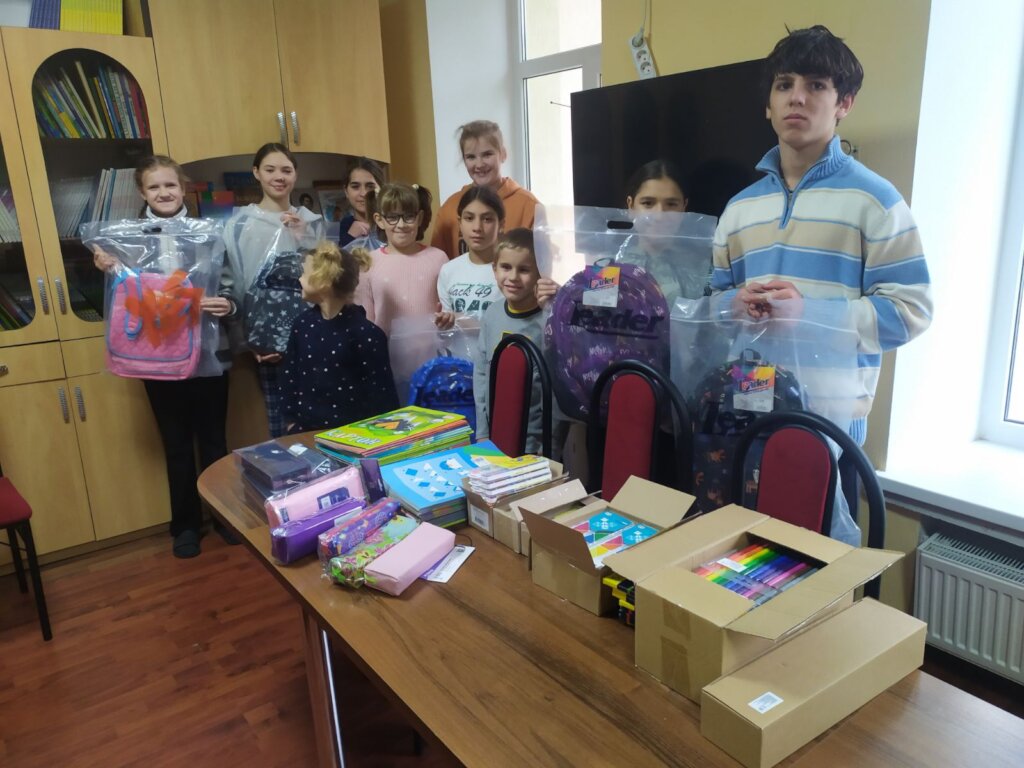
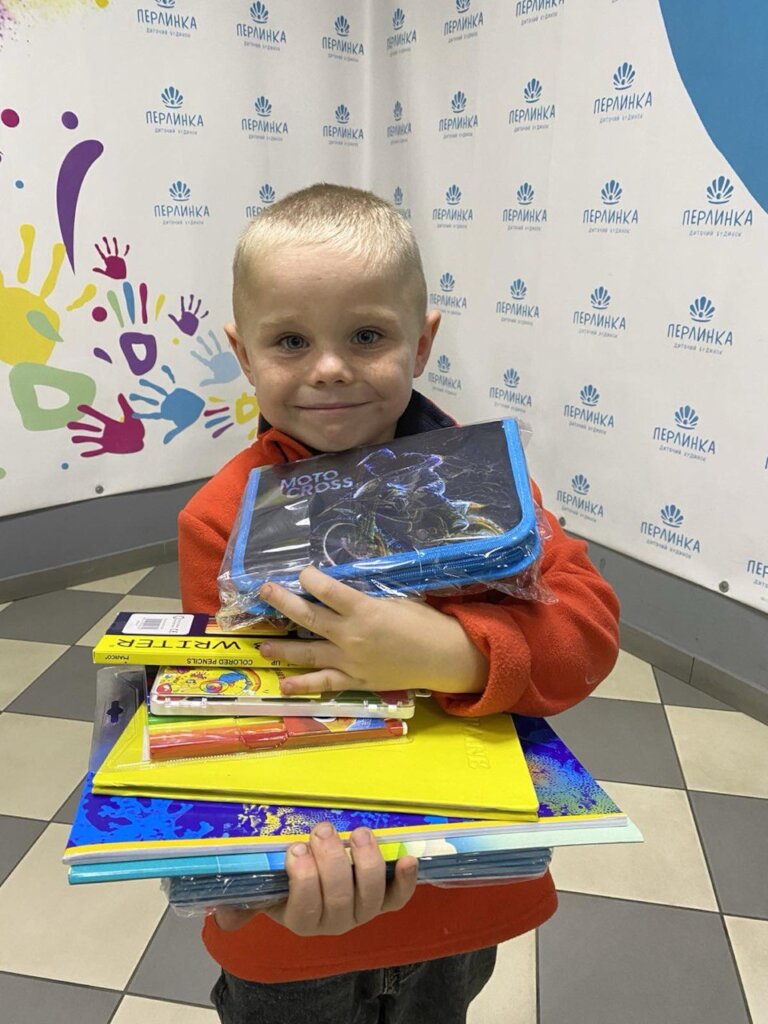
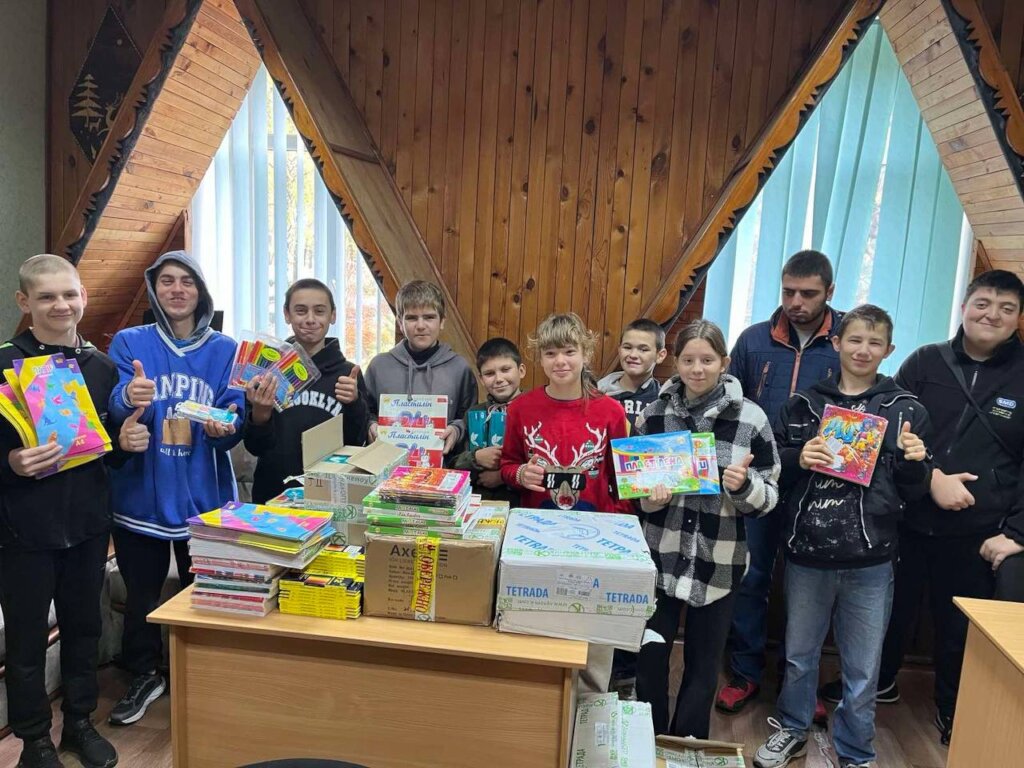
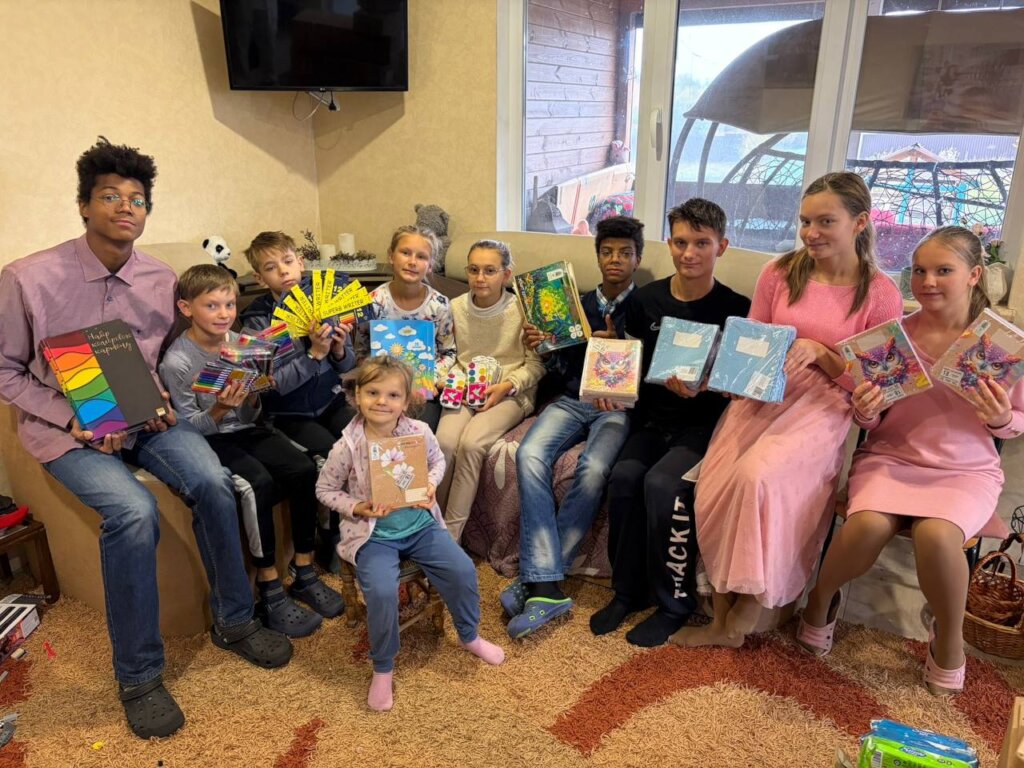
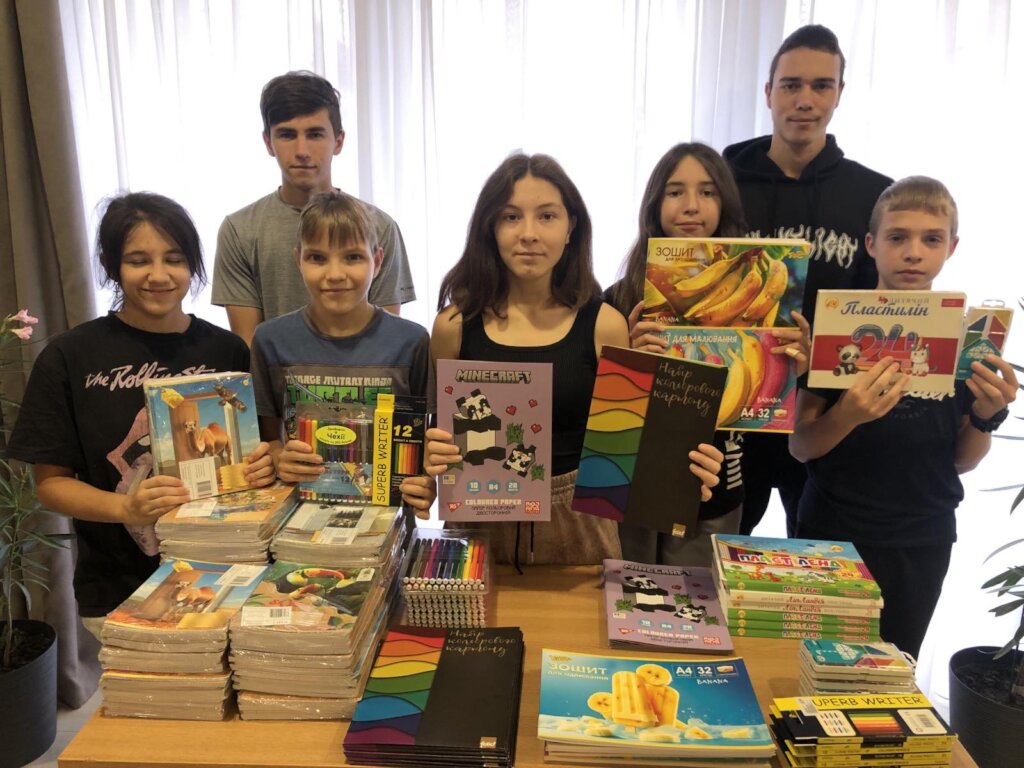
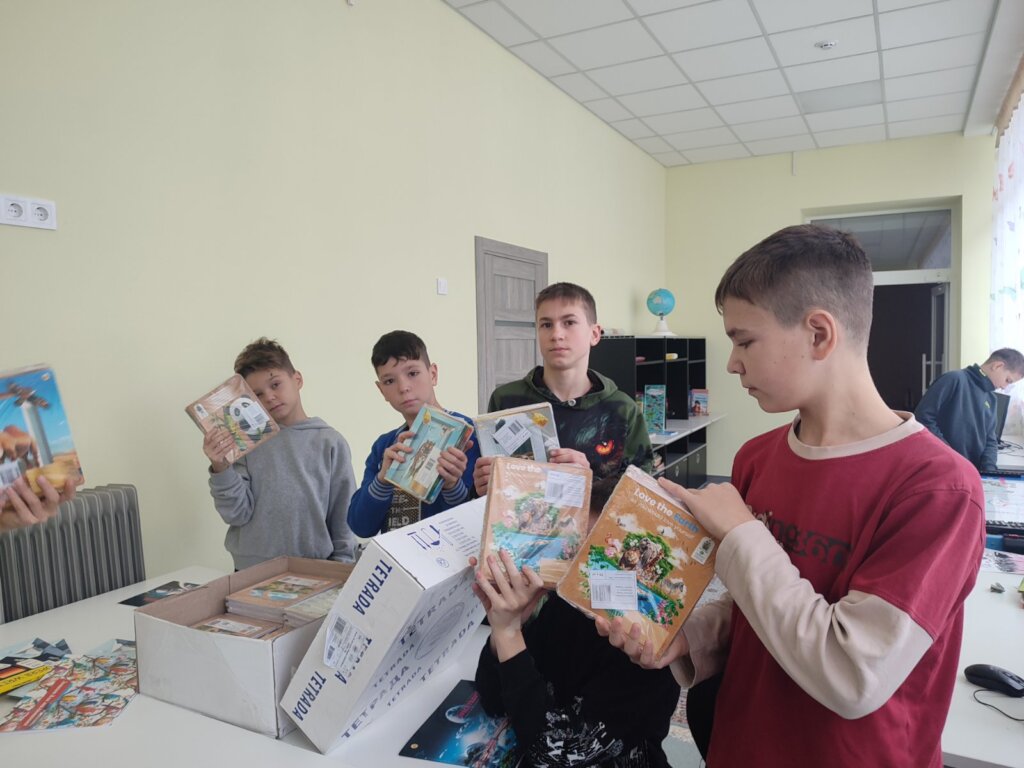
School preparation items. Tracksuits, demi-season footwear, hoodies, jackets, socks, and sleepwear were supplied ahead of the academic year. Institutions receiving cohort-level clothing support included Ulianivska Special School (Sumy region), Voznesenska Special School, Pershotravneva Special School, and Boyarska Specialised School.
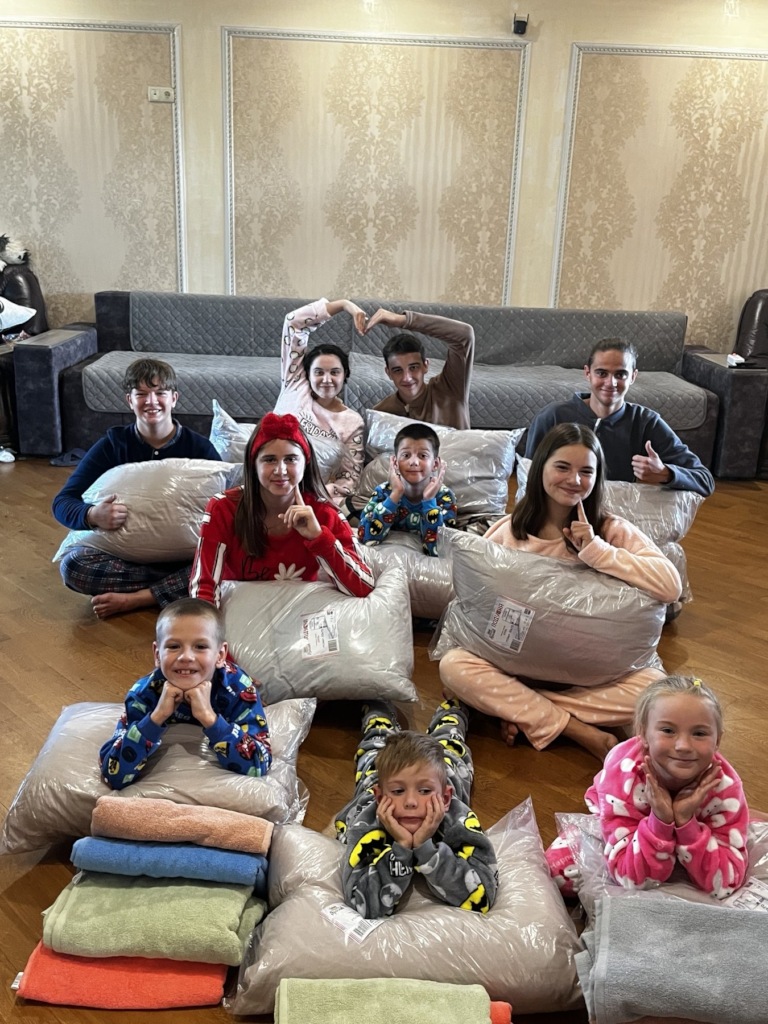
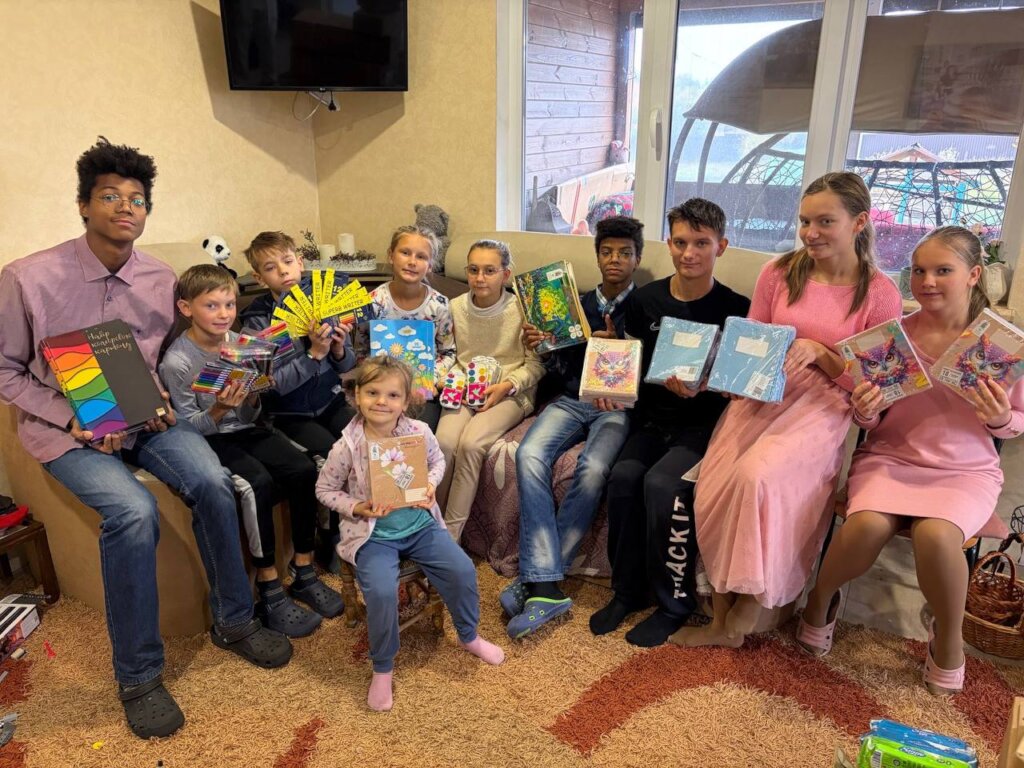
Bedding and household items. More than thirty deliveries included pillows, mattresses, bed linen sets, warm blankets, fleece throws, and towels. Major recipients included the Chernihiv Centre for Social and Psychological Rehabilitation of Children, the Pryluky Educational-Rehabilitation Centre, the Pishchanka Educational-Rehabilitation Centre, Znamianka Special School, and Mahala Children's Home. One family-type home additionally received a 100-litre water heater to resolve a documented lack of hot water supply.
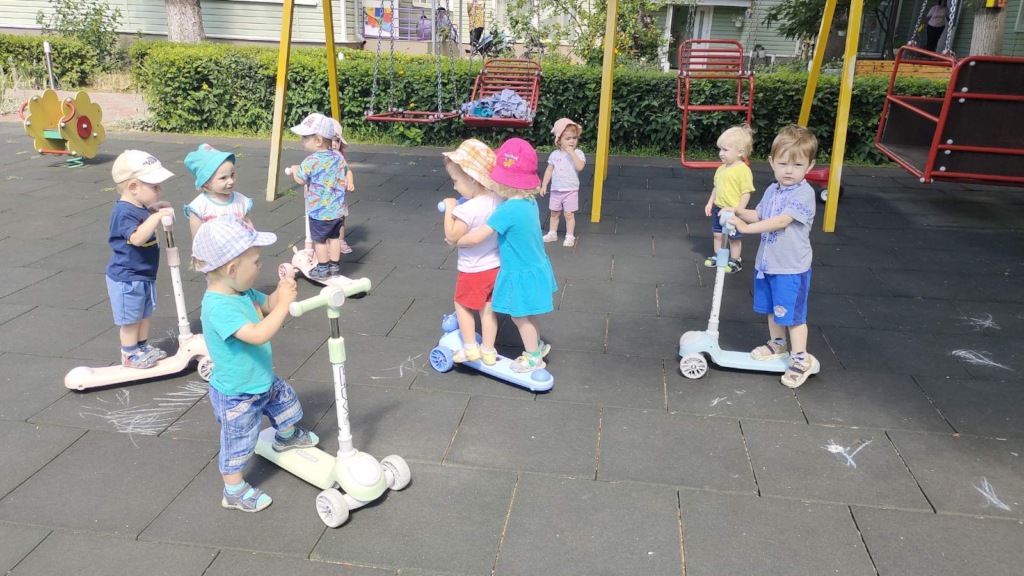
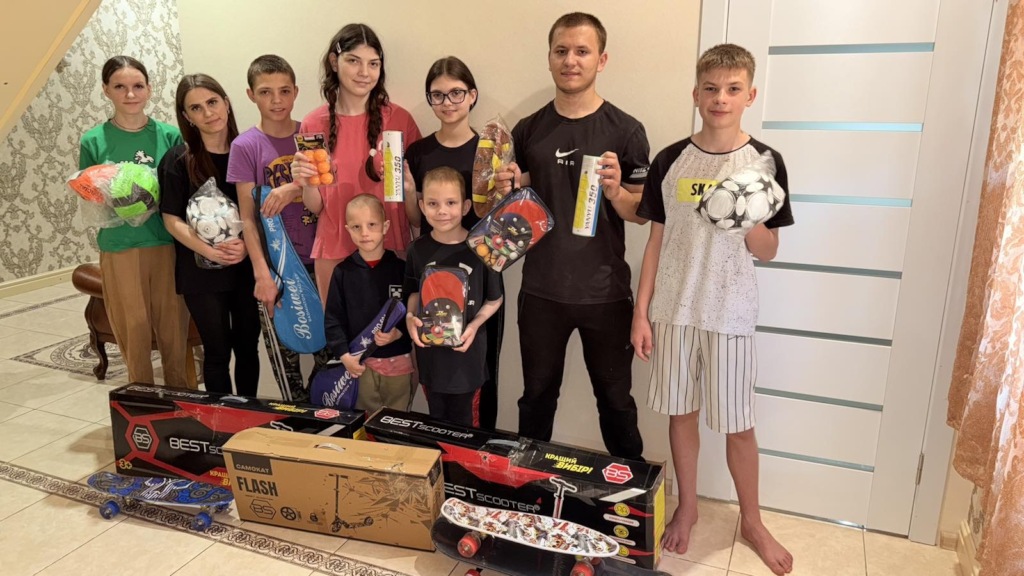
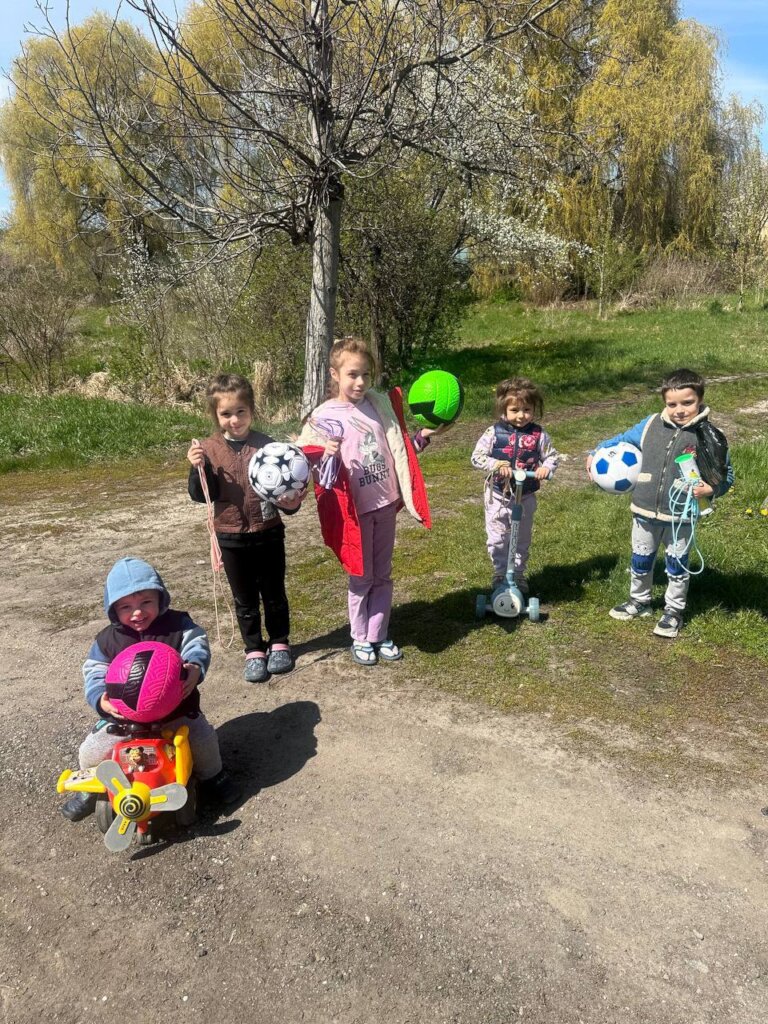
Sports and recreational equipment. Deliveries included bicycles, scooters, footballs, volleyballs, basketballs, badminton and table tennis sets, skateboards, roller skates, and skipping ropes. This component supports the physical activity and psychosocial rehabilitation objectives of the programme, particularly for displaced children adapting to new communities.
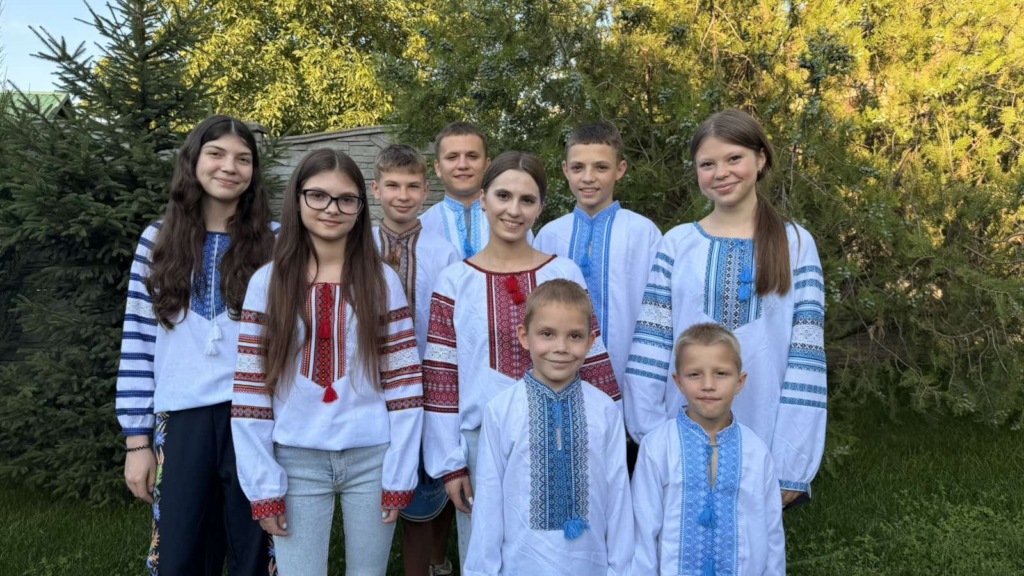
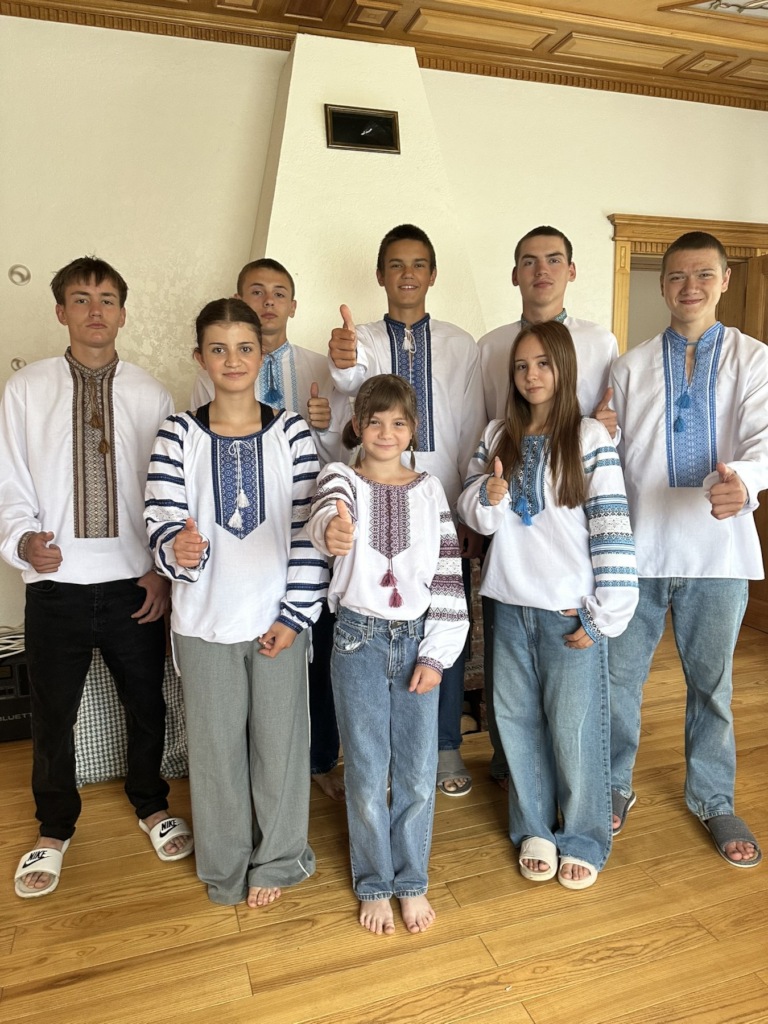
Cultural component. In late June, in advance of Vyshyvanka Day, 96 children in 13 displaced family homes received traditional embroidered shirts in individually fitted sizes. This component was funded by UkrSibbank and supports the cultural identity and social inclusion of displaced children.
Case study: comprehensive support for children with disabilities
The largest single intervention of the reporting period was a comprehensive assistance package for the NGO "Nasha Mriya," which supports 32 children with cerebral palsy and other disabilities. Delivered across five separate procurements between 6 and 7 August 2026, the package provided each child with a complete set of towels, fleece blankets, demi-season footwear, socks, hats, jackets, sleepwear, tracksuits, and hoodies, together with five bicycles including adapted sizes.
Children with disabilities are systematically underserved in humanitarian response owing to more specific requirements and greater procurement complexity. The Fund prioritised this intervention accordingly. Funding was provided by KWS Group Ukraine.
Qualitative outcomes
Feedback from receiving institutions indicates three consistent outcomes. First, institutions were able to begin the academic year without diverting limited operational budgets to basic material needs. Second, children in residential care entered the school year with adequate seasonal clothing and footwear, a factor directly linked to attendance and participation. Third, family-type homes caring for displaced children reported reduced financial pressure at the point in the year when costs are highest.
All deliveries are documented through signed acceptance acts, supplier invoices, and photographic reports retained by the Fund and available for donor review.
Partners and funding sources
Assistance during this period was financed by: Dow Europe, KWS Group Ukraine, Oleksandr Katsuba, Mondelez Ukraine, Magnat Jewelry, UkrSibbank, Olha Honchar Law Firm, Artem Atepalikhin, Customertimes LLC, Yana Kytaieva and Method.clinic, Atis Pharma, Silpo, Denys Shulha, and individual contributors, including the GlobalGiving donor community.
Planned activities for the next reporting period
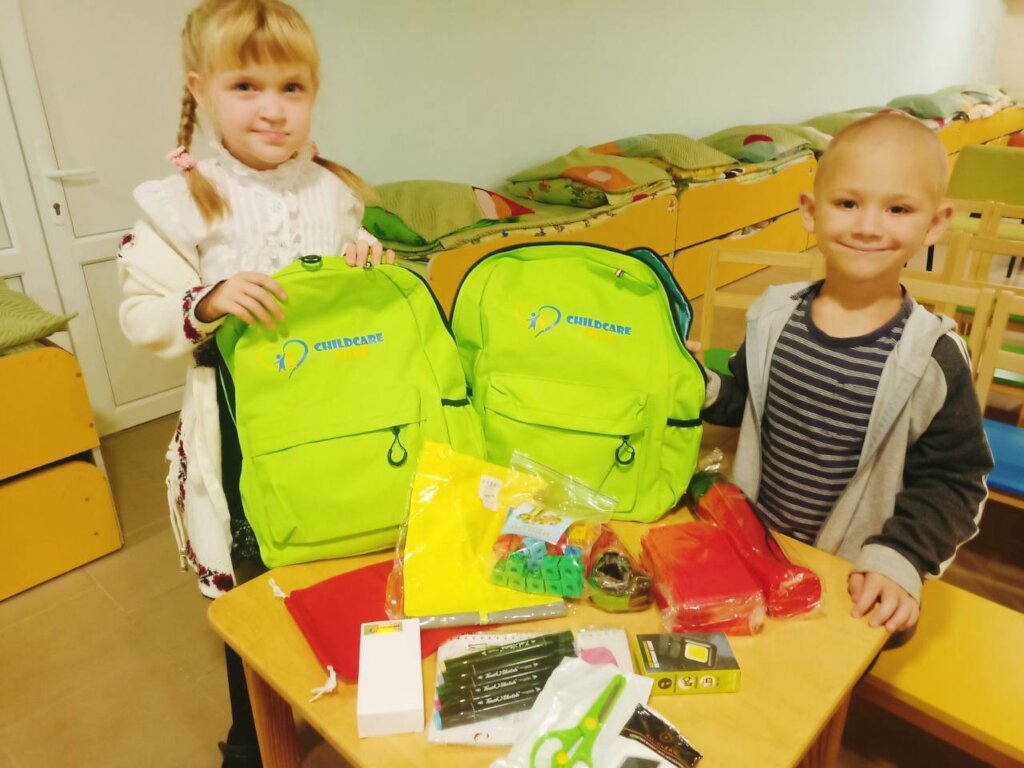
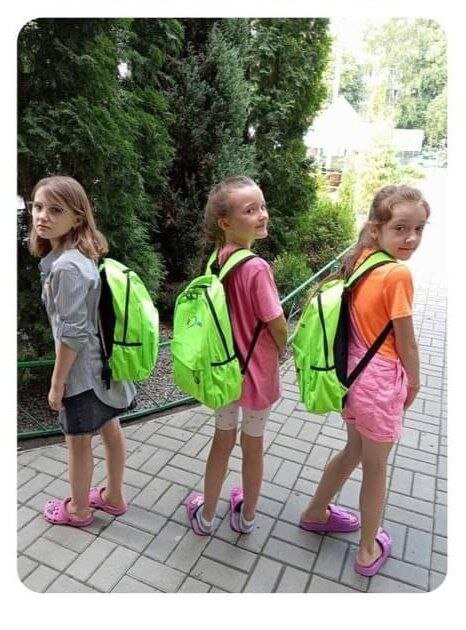
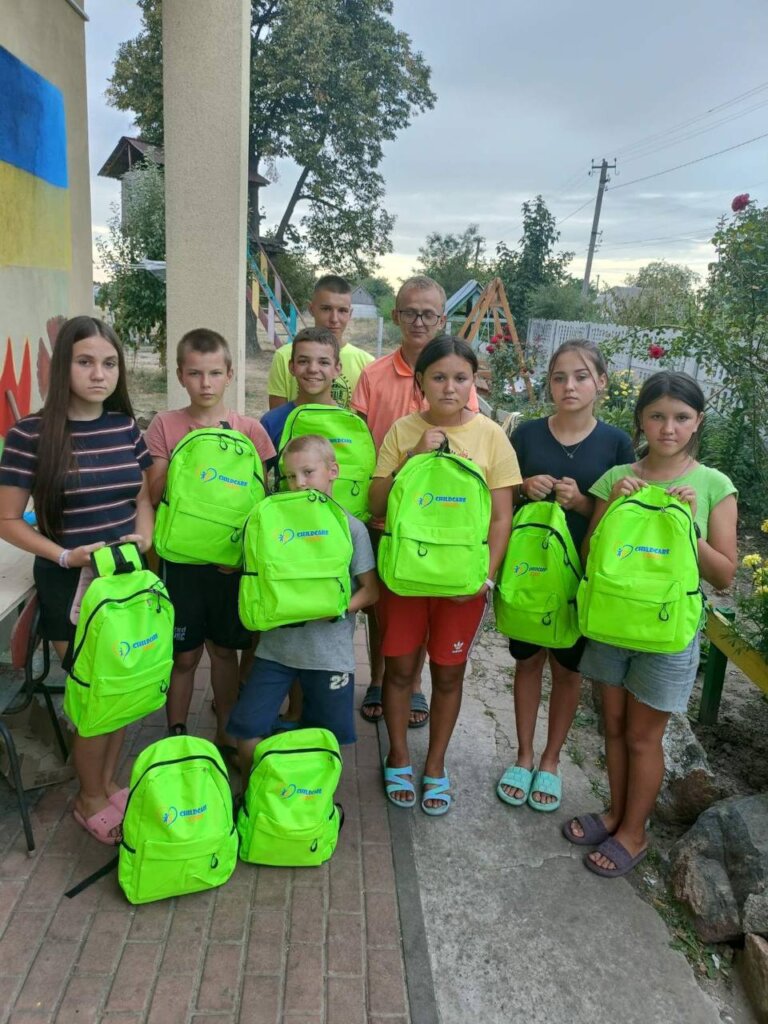
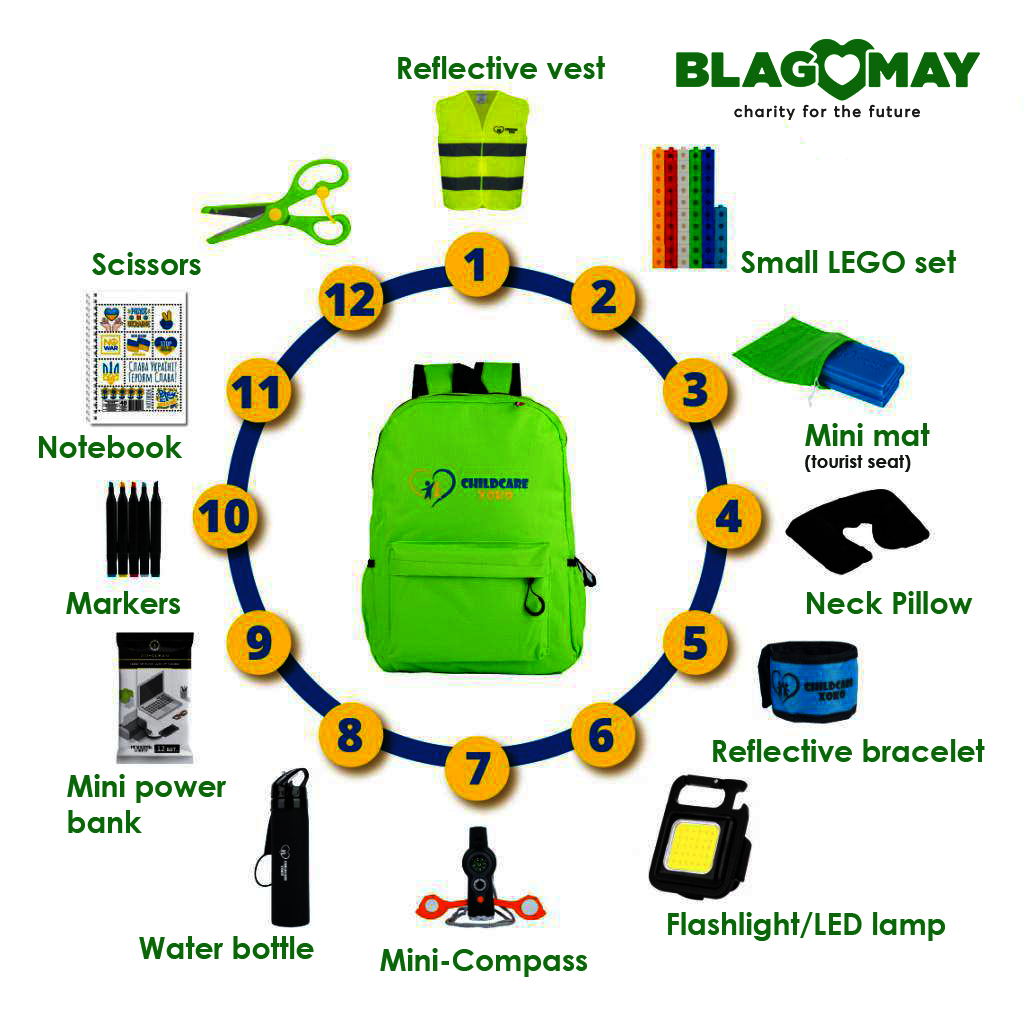
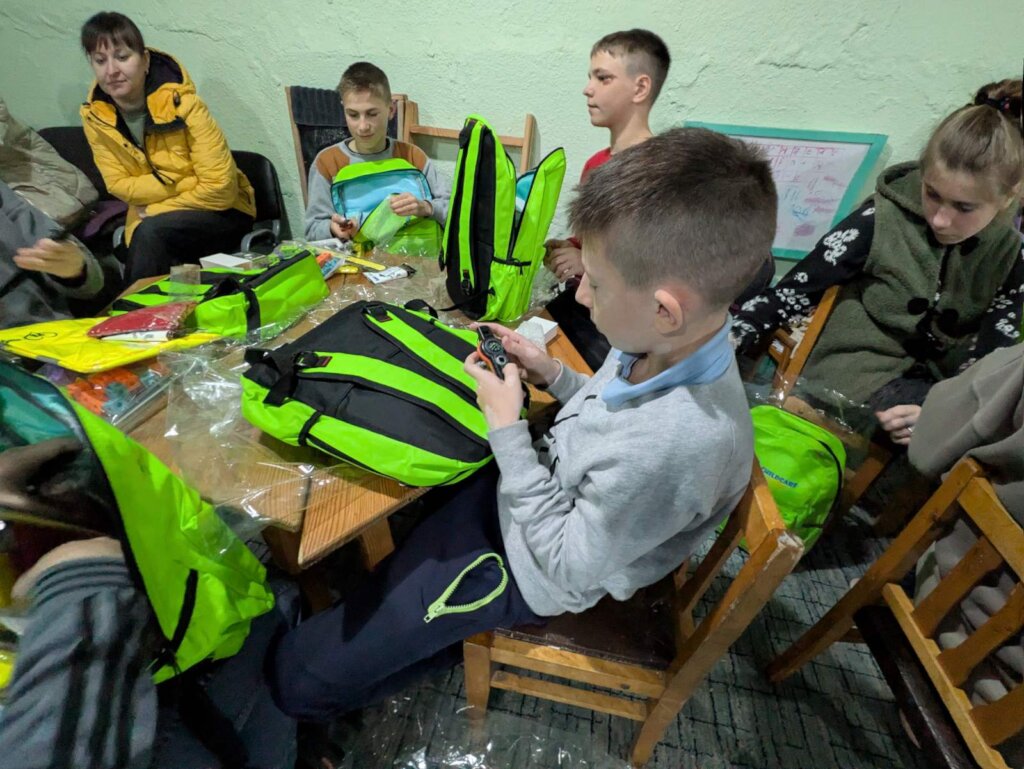
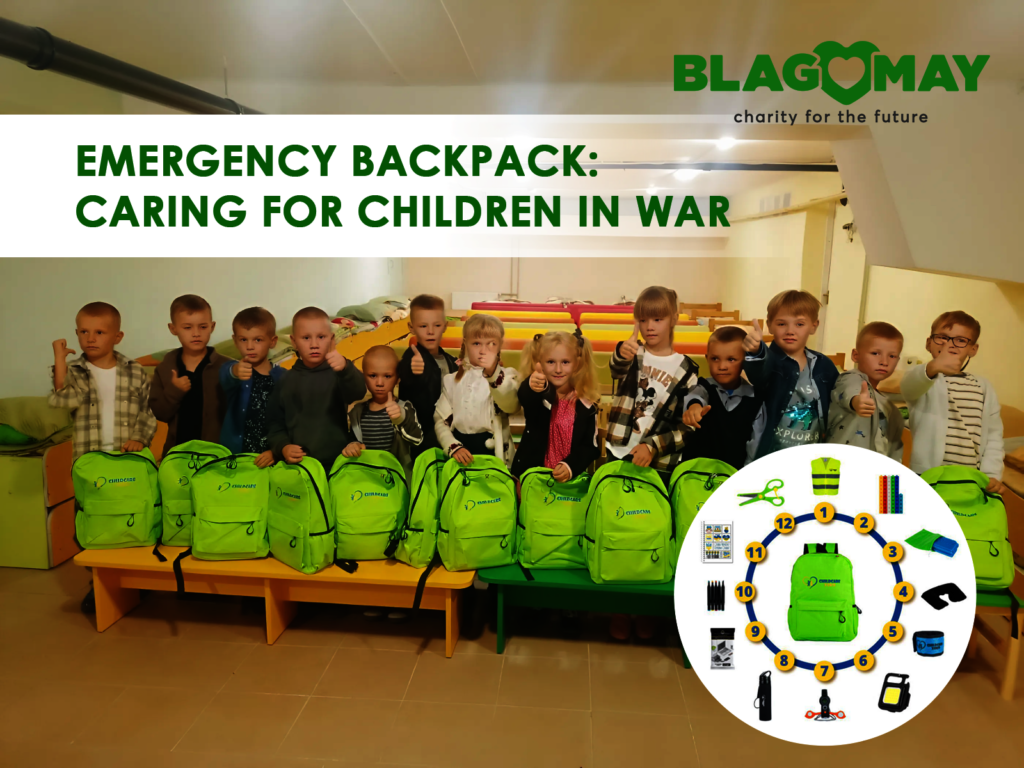
Priorities for the coming months include completion of winter-readiness packages for institutions and family-type homes within the existing partner network; continued prioritisation of children with disabilities and internally displaced families; expansion of emergency backpack distribution ahead of the winter period, when air-raid alerts and power disruptions are most frequent; and ongoing needs assessment and verification with partner institutions.
Acknowledgement and appeal
The Fund expresses its gratitude to the GlobalGiving community and to all corporate and individual donors whose contributions made this work possible. The support provided during this period addressed documented, immediate needs for nearly 1,900 children.
Requirements for the coming winter remain substantial. Continued attacks on energy infrastructure, sustained displacement, and pressure on institutional budgets mean that demand for assistance is expected to increase. We invite donors to continue supporting this project, and note that recurring monthly contributions are particularly valuable, as they enable the Fund to respond to urgent institutional requests within days rather than weeks.
Contributions to this project can be made directly through the GlobalGiving project page.
By Anna Demchenko | Grant writer
By Kira Syrotenko | CEO
Project reports on GlobalGiving are posted directly to globalgiving.org by Project Leaders as they are completed, generally every 3-4 months. To protect the integrity of these documents, GlobalGiving does not alter them; therefore you may find some language or formatting issues.
If you donate to this project or have donated to this project, you can receive an email when this project posts a report. You can also subscribe for reports without donating.



Support this important cause by creating a personalized fundraising page.
Start a Fundraiser