By Brittany John | Health, Hunger, & Education Program Manager
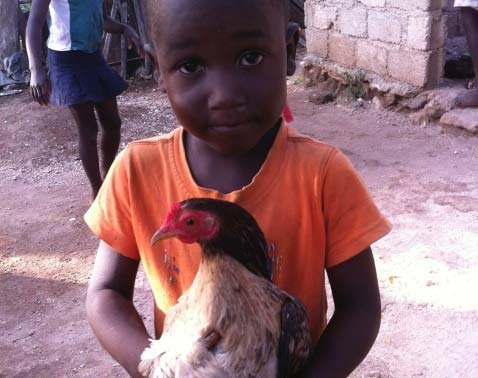
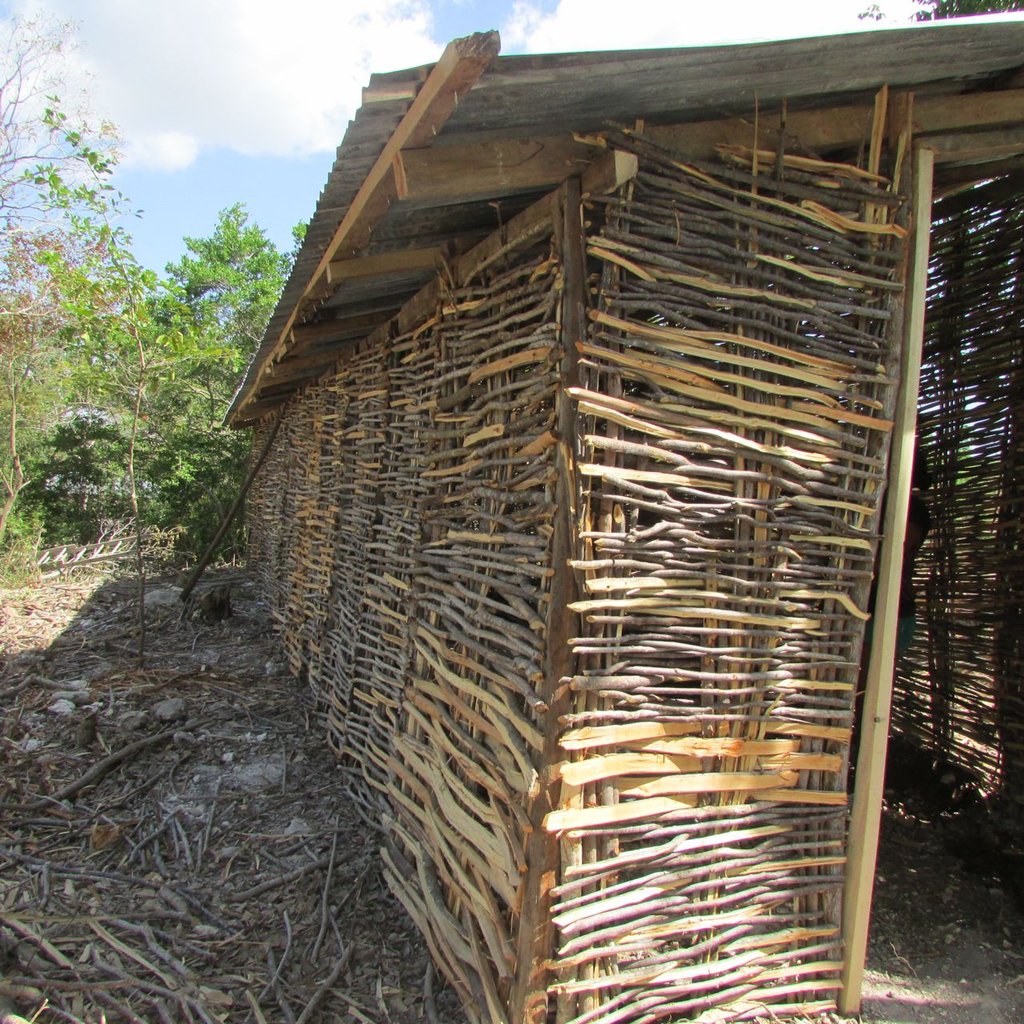
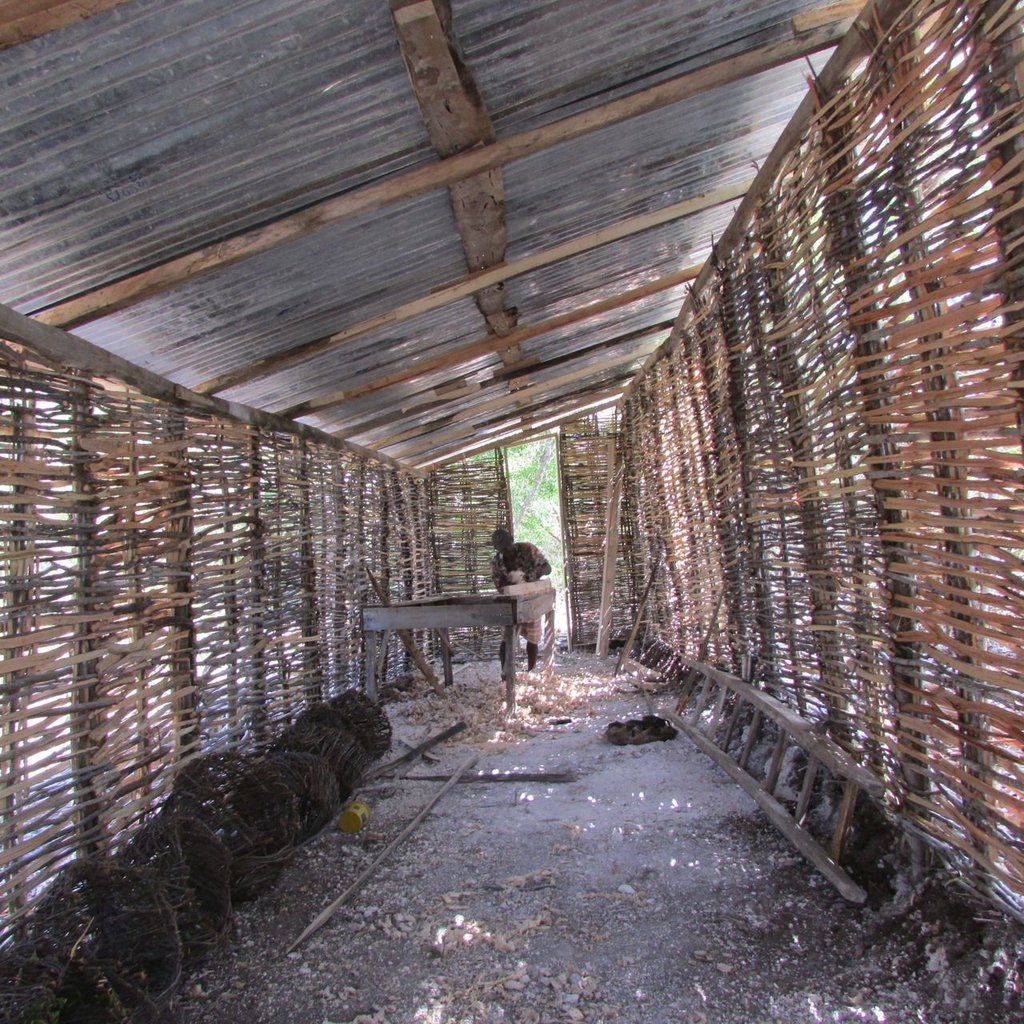
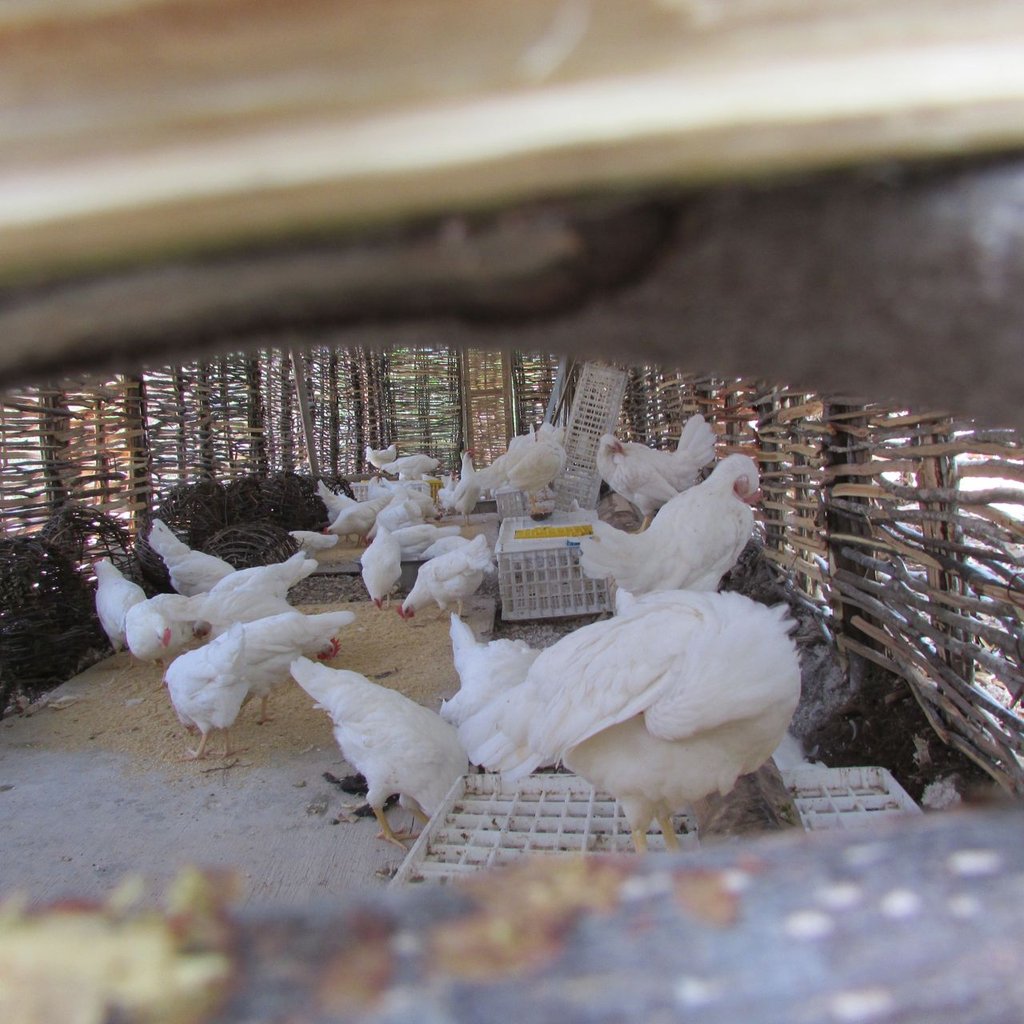
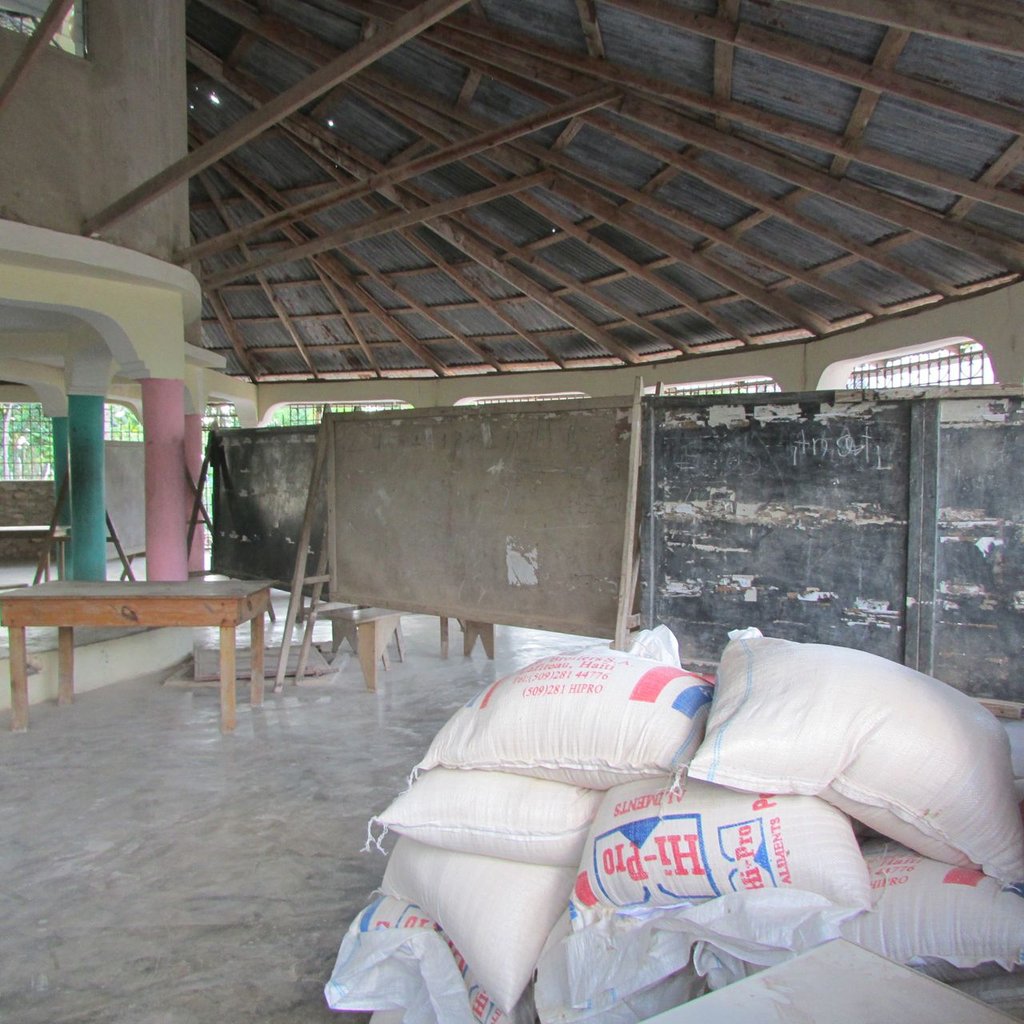
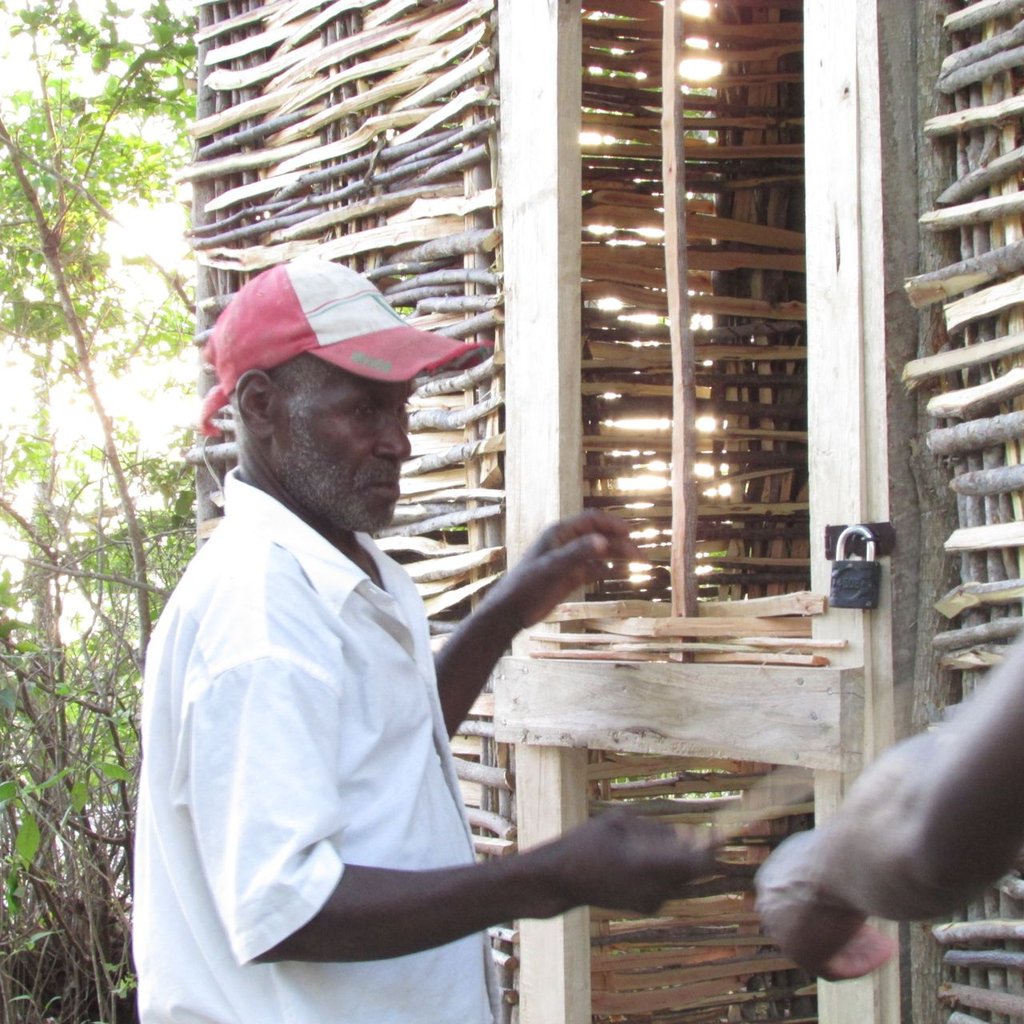
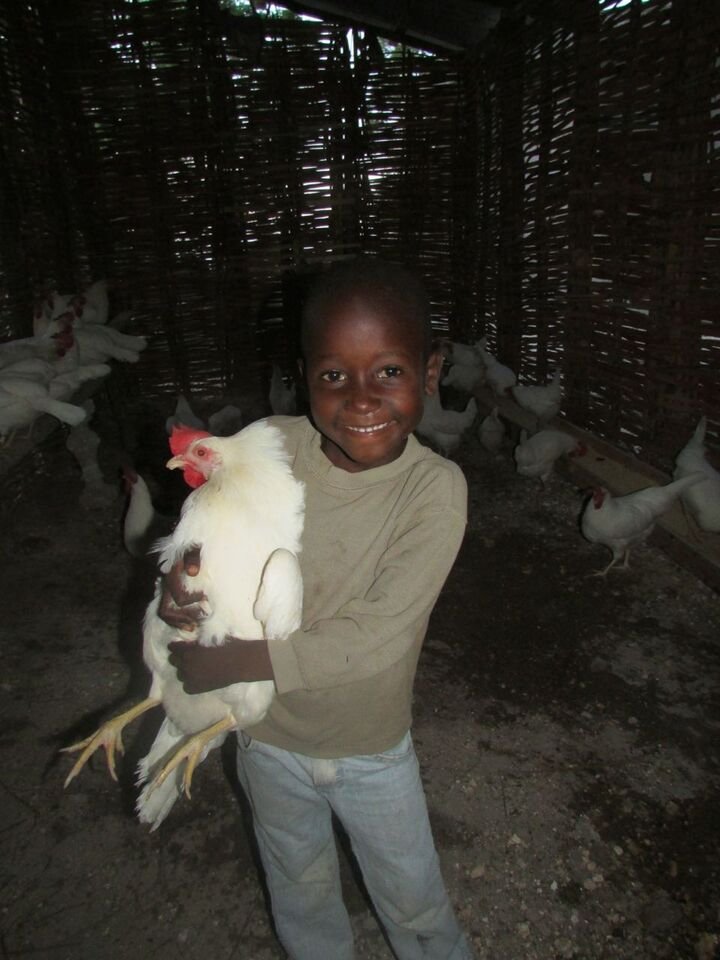
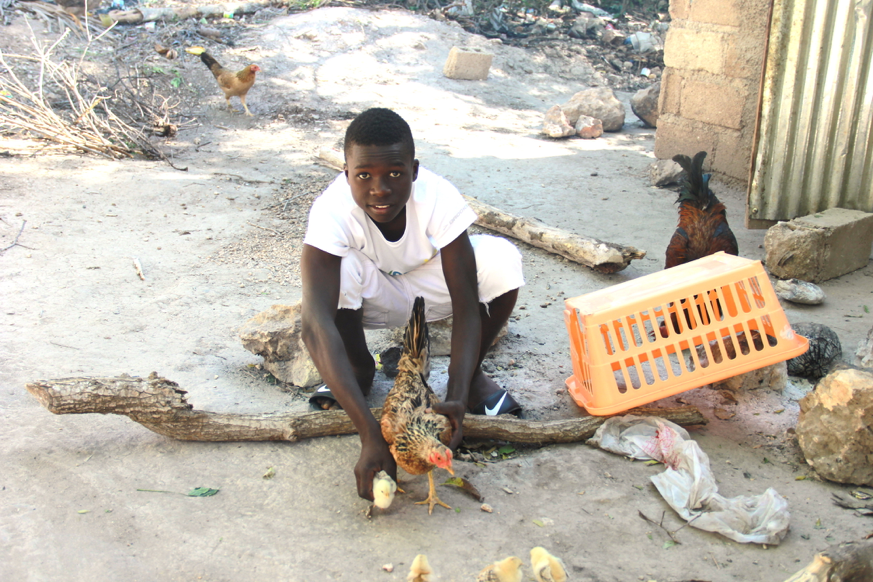
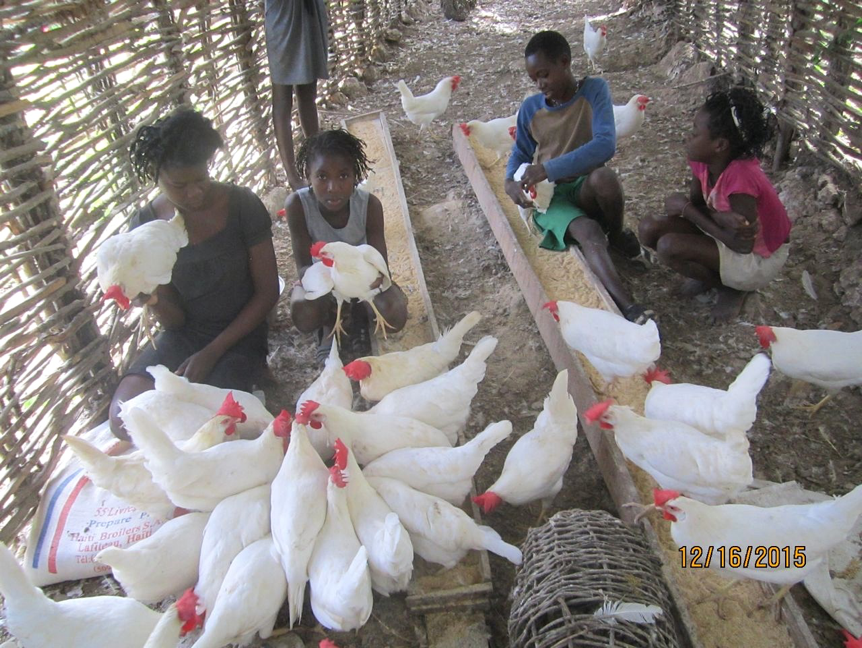
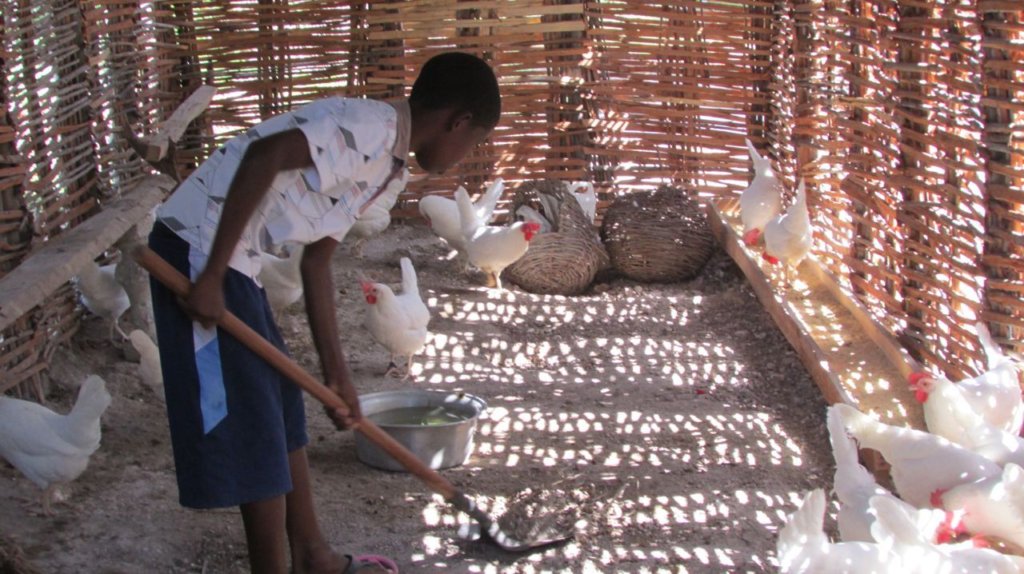
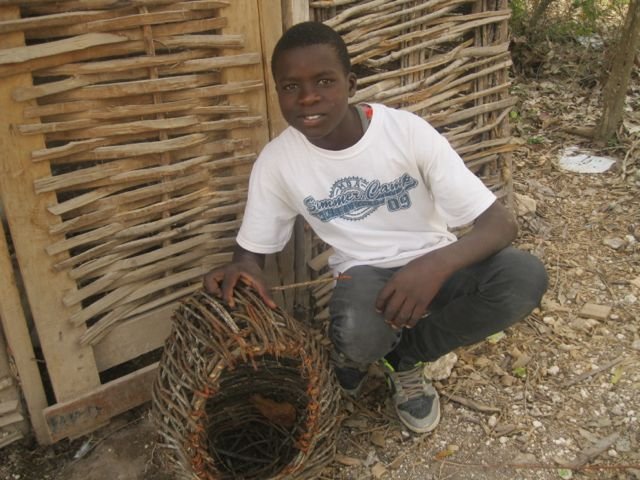
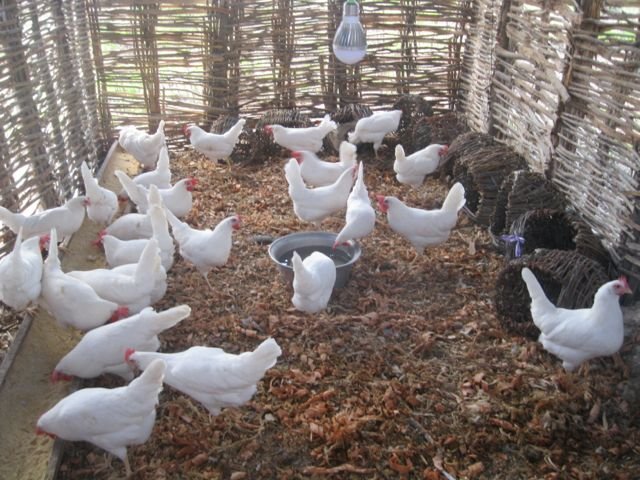
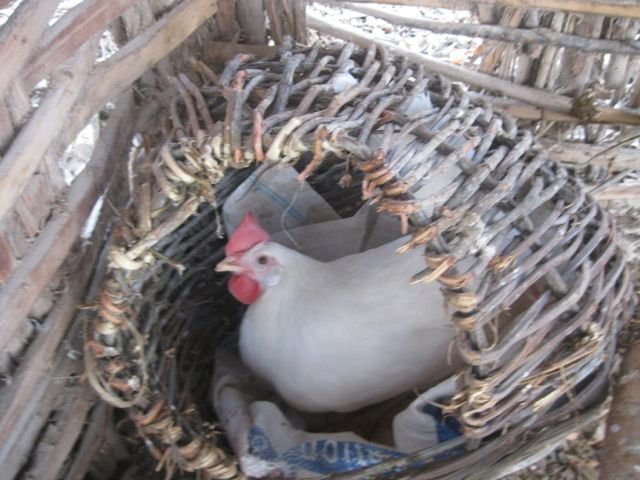
Hundreds of children continue to reap the benefits of improved nutrition through the chicken and egg program! In order to improve malnutrition among our students this project takes a multi-layered approach. Student's not only receive boiled eggs during the day at school, but the community also built a chicken coop on the school grounds and are taught how to care for the hens at school before they are given one to take home and care for. Our goal is to ensure that every student is prepared to take home one chicken per household.
So far we have distributed local hens to 259 students (115 to secondary students & 144 to primary students), these students come from 141 different families. This means since our last report in September, we have distributed hens to 60 additional families. We are incredibly close to meeting our immediate goal of distributing 1 hen per family, and we only need to distribute 20 more hens to primary school families to meet this goal. After this goal is met, we will consider distributing and additional hen per family. Our hope is that the chickens provide a) a source of protein and b) enable families to diversify their income through hen & chicken production.
Why is this important
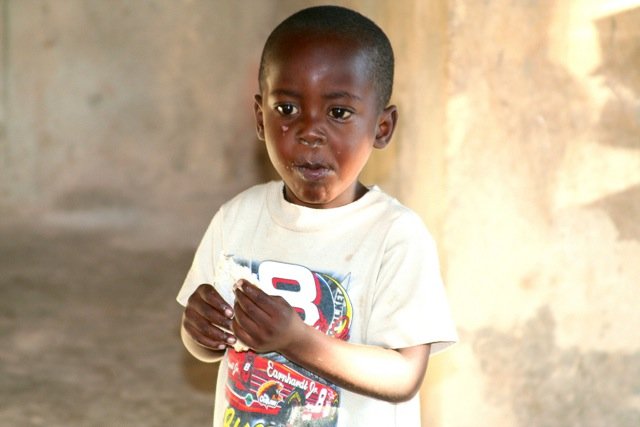
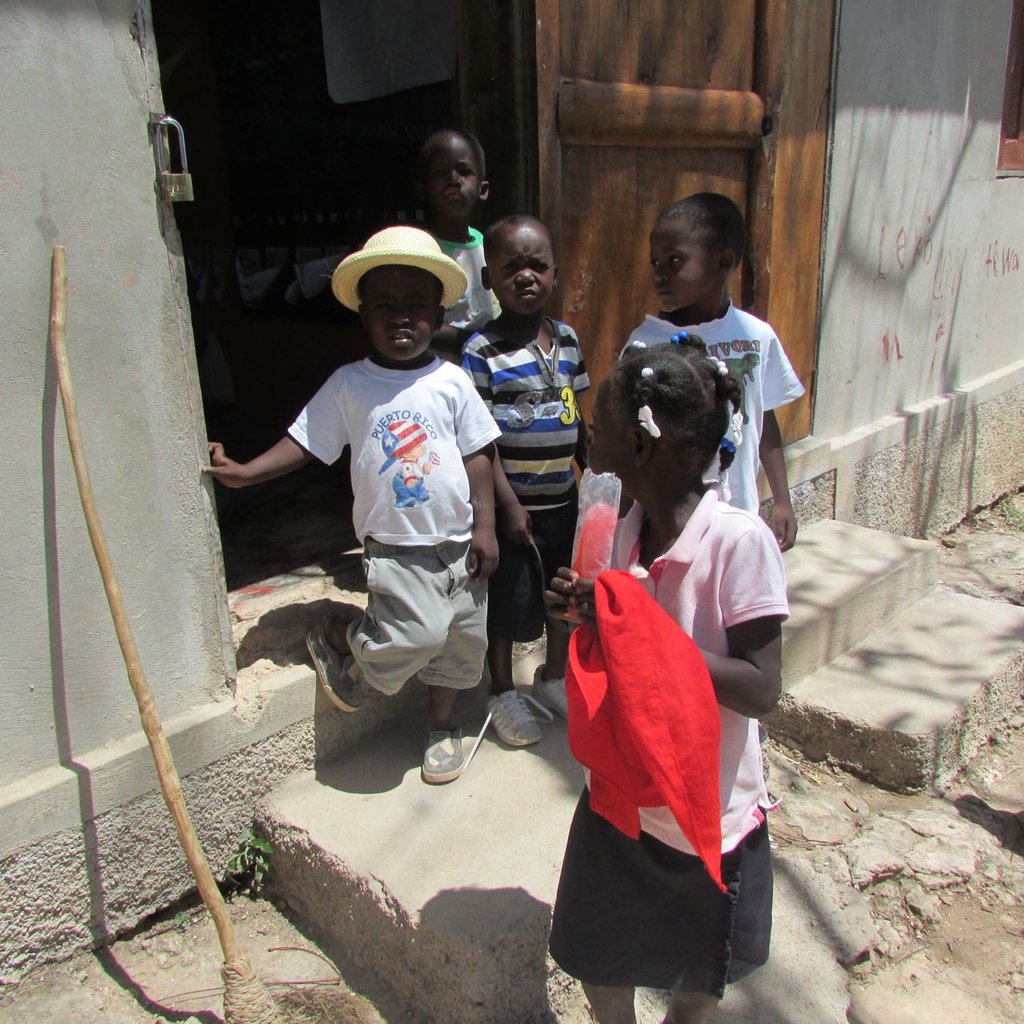
According to a study we did with the students at our school, over 70% of students had someone in their household who felt hungry or who went without eating for the whole day because there was no food available. Though we are pleased that enrollement rates continue to rise, it is difficult for children to engage in learning when they are malnourished. Haiti is the poorest country in the Northern Hemisphere, with 2.5 million people living in extreme poverty (less than $1.25/day). Additionally 100,000 children under five years of age suffer from acute malnutrition, while one in three children are developmentally stunted, or irreversibly short for their age (World Food Program, 2015). In response, this hen project directly contributes to the specific needs of this malnourished community. Interviews conducted last spring indicate that hunger, illness, lack of opportunities, and financial instability are common problems in Matenwa households. A particularly severe drought this summer exacerbated these problems. According to the World Bank, it is typical for Hatian families to spend up to 60% of their already meager income on the schooling of their children, paying for high tuition fees, textbooks and other scholastic materials (World Bank, 2014). With your help we can continue to support quality education, mitigate the financial burden on households, and improve child nutrition rates through this hen project.
By Brittany John | Health, Hunger, & Education Program Manager
By Denise Bash | Director of Special Projects
Project reports on GlobalGiving are posted directly to globalgiving.org by Project Leaders as they are completed, generally every 3-4 months. To protect the integrity of these documents, GlobalGiving does not alter them; therefore you may find some language or formatting issues.
If you donate to this project or have donated to this project, you can receive an email when this project posts a report. You can also subscribe for reports without donating.