By Brittany John | Health, Hunger, & Education Program Manager
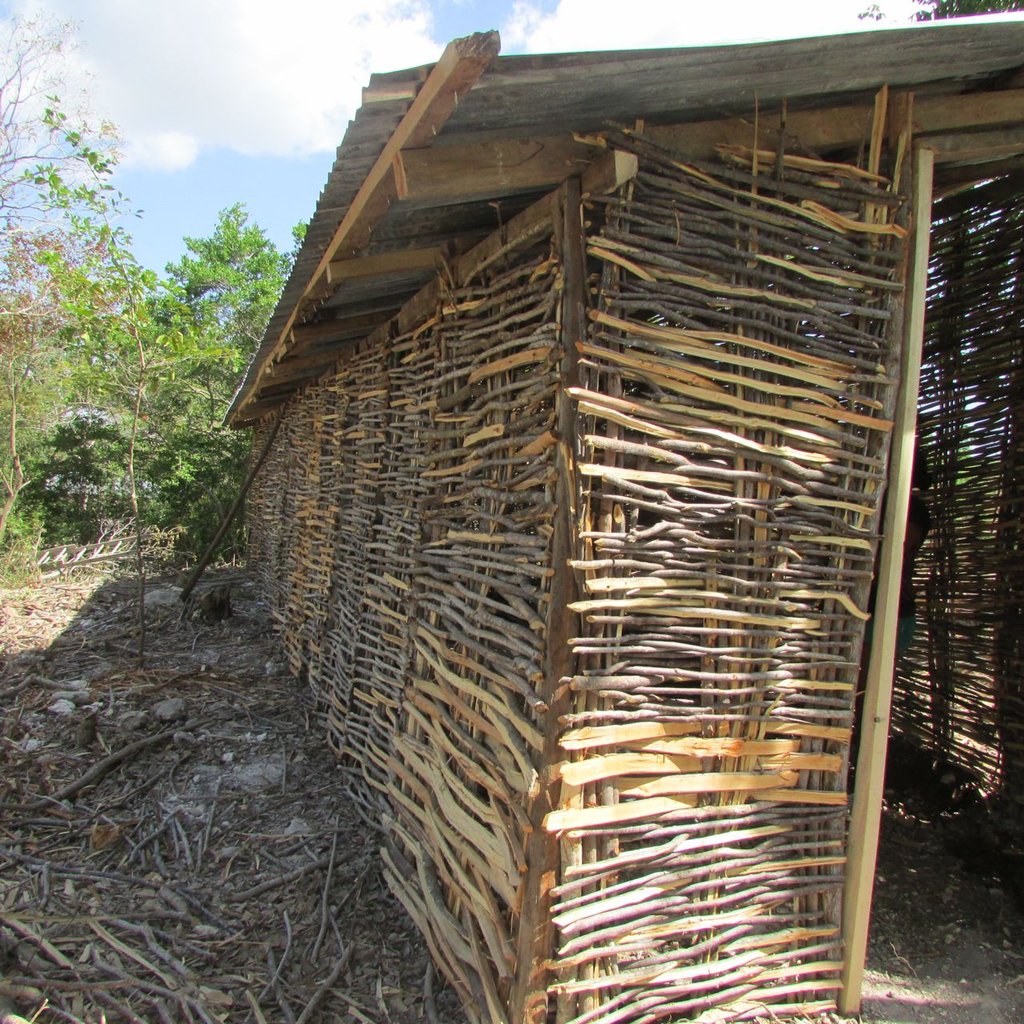
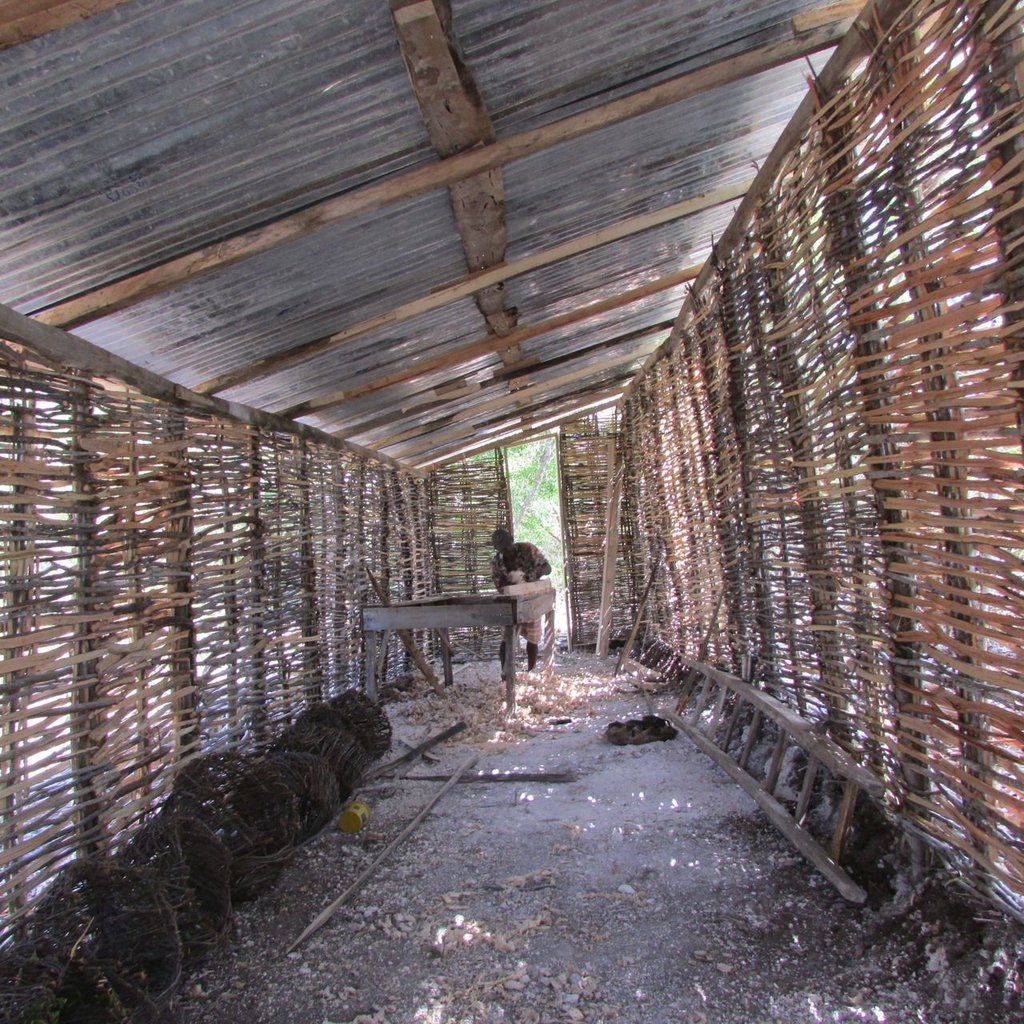
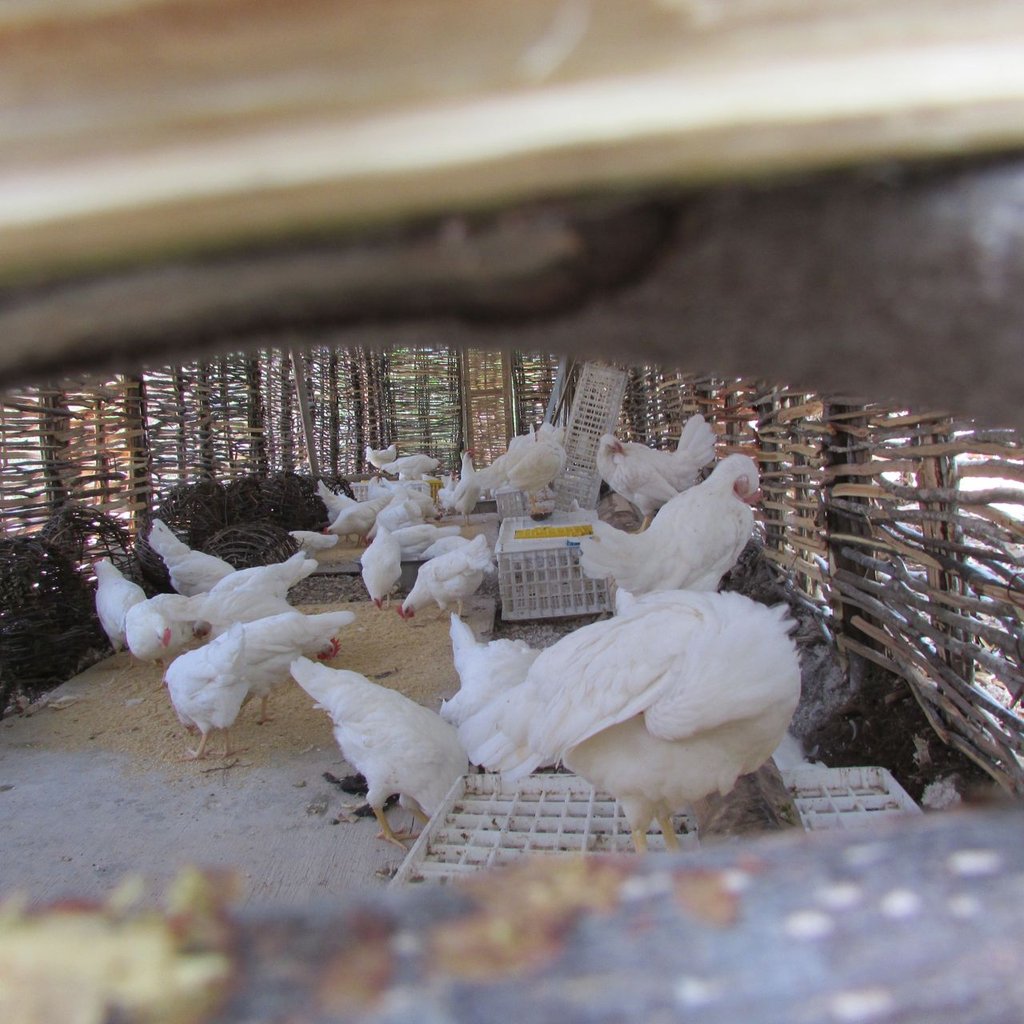
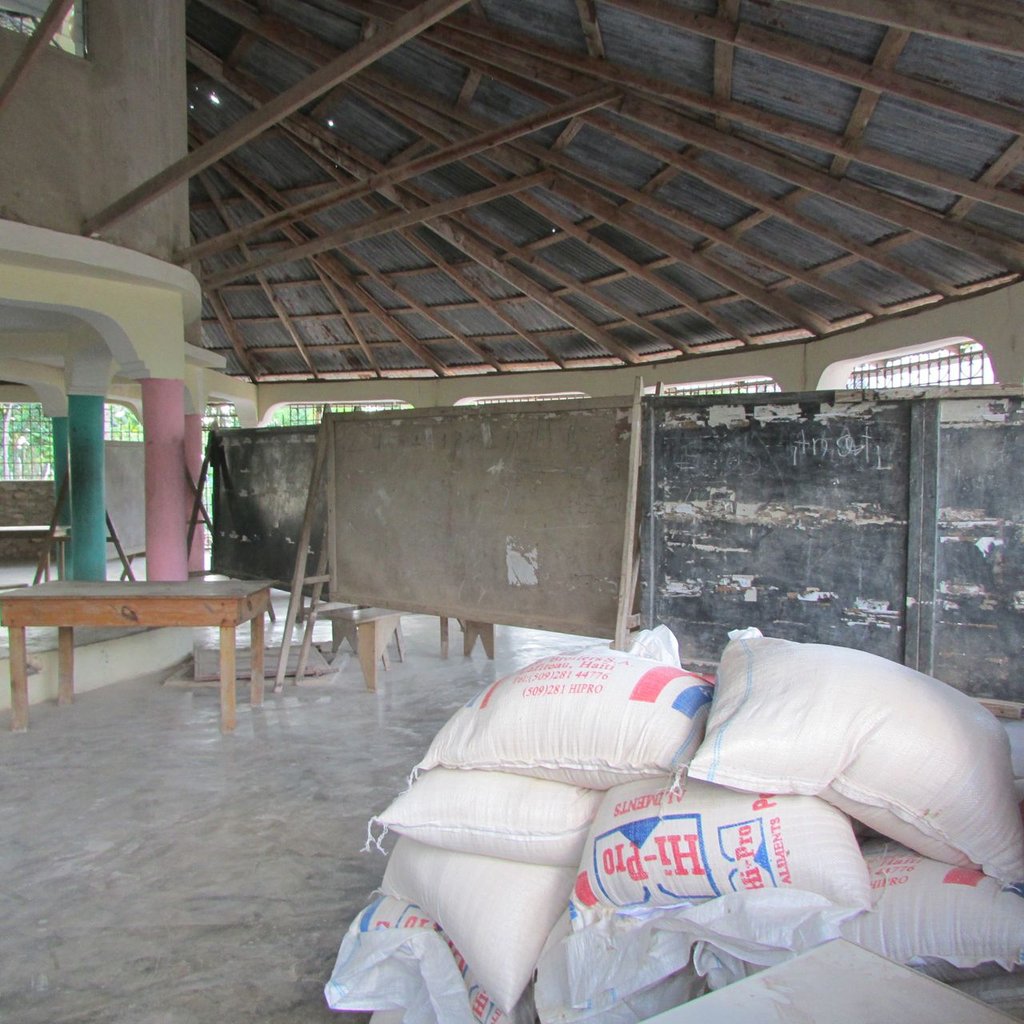
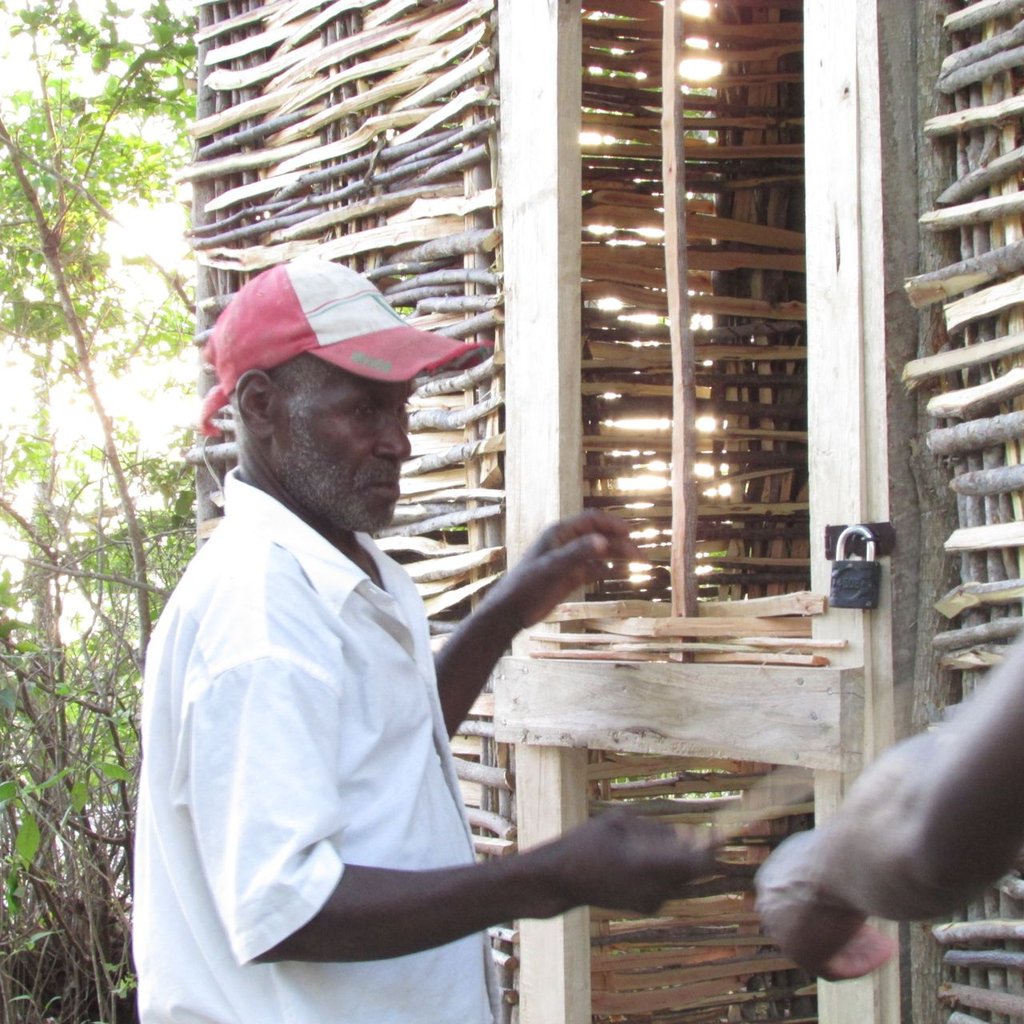
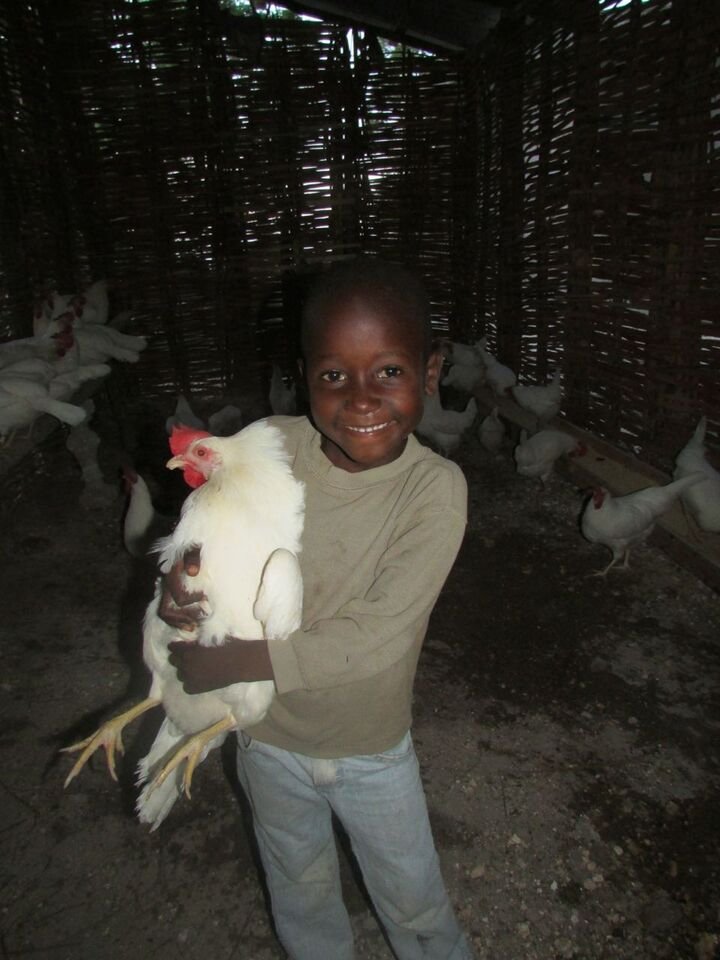
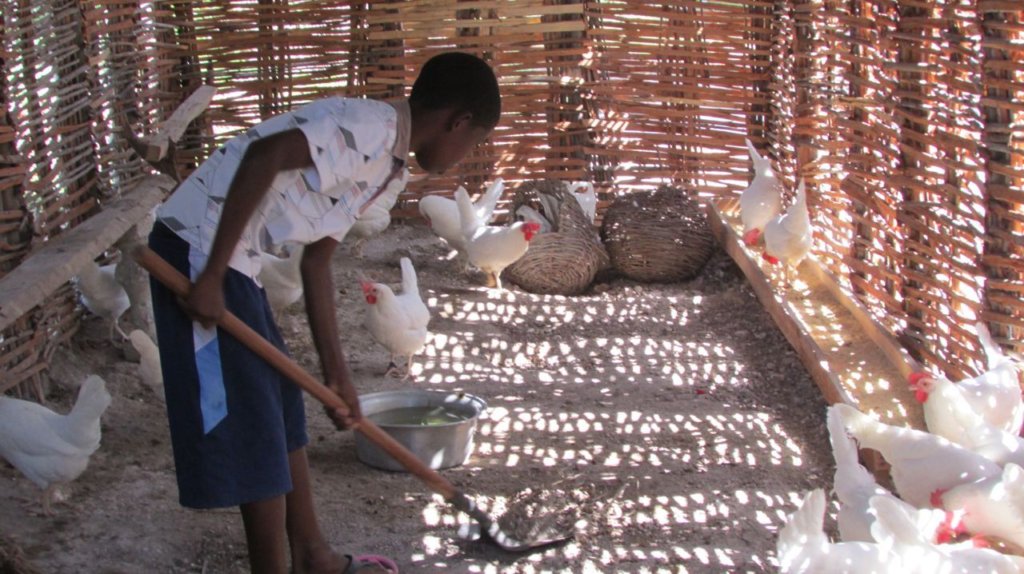
Hundreds of children continue to reap the benefits of improved nutrition through the chicken and egg program! In order to improve malnutrition among our students this project takes a multi-layered approach. Student's not only receive boiled eggs during the day at school, but the community also built a chicken coop on the school grounds and added more hens to the flock. Our goal is to ensure that every student is prepared to take home one chicken per household.
In-school protein improvement
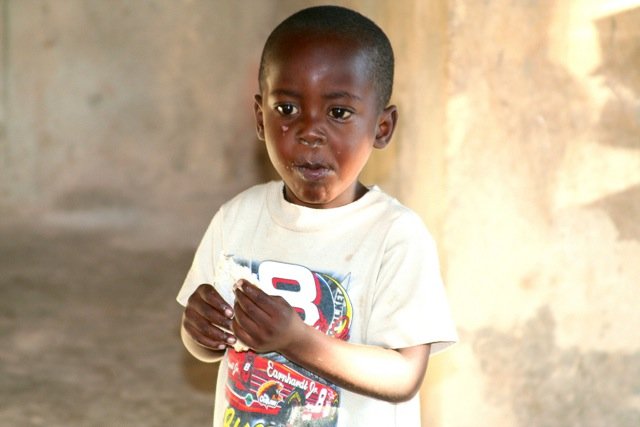
Through this program we were able to provide 278 boiled eggs to our students; 166 to primary school and 112 to secondary school students.
In-home protein improvement
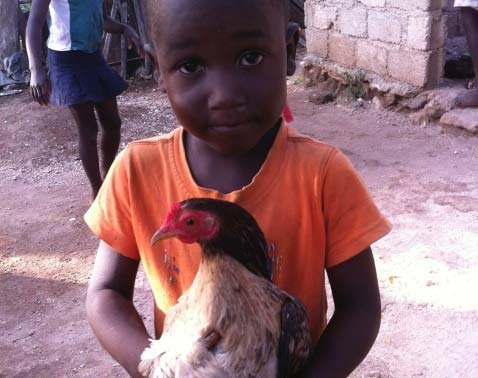
We expanded the hen program by purchasing and distributing local hens to students. Out of 112 secondary students that come from 81 families, we were able to distribute 81 hens (one hen per family) as of September 30th, 2015. We hope to continue our distribution to the primary school: distributing one hen per family, going down a grade each week. Before each distribution, students are trained on how to feed and care for their hens at home. Students and their families will now get to eat more eggs at home, thus adding more protein to their diet
Why this is important
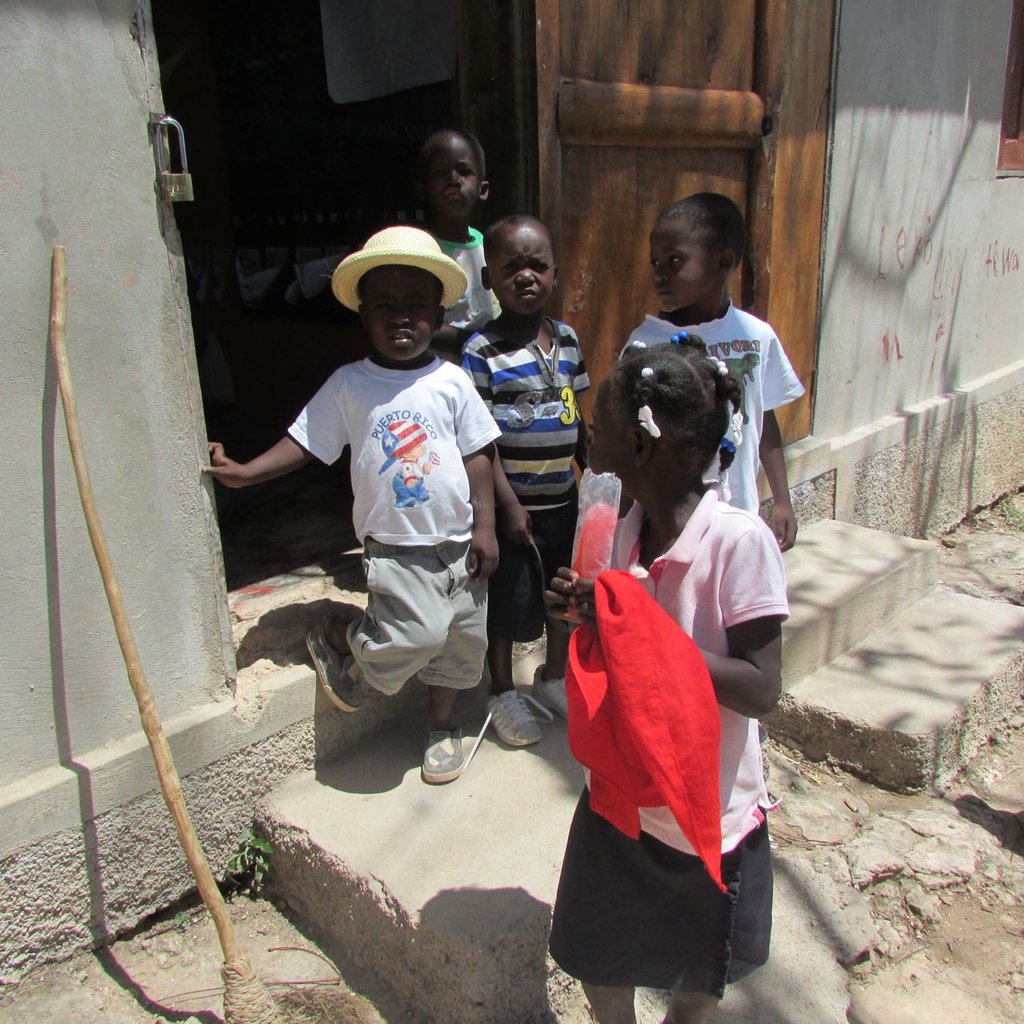
Though we are pleased that enrollement rates continue to rise, it is difficult for children to engage in learning when they are malnourished. Haiti is the poorest country in the Northern Hemisphere, with 2.5 million people living in extreme poverty (less than $1.25/day). Additionally 100,000 children under five years of age suffer from acute malnutrition, while one in three children are developmentally stunted, or irreversibly short for their age (World Food Program, 2015). In response, this hen project directly contributes to the specific needs of this malnourished community. Interviews conducted last spring indicate that hunger, illness, lack of opportunities, and financial instability are common problems in Matenwa households. A particularly severe drought this summer exacerbated these problems. According to the World Bank, it is typical for Hatian families to spend up to 60% of their already meager income on the schooling of their children, paying for high tuition fees, textbooks and other scholastic materials (World Bank, 2014). With your help we can continue to support quality education, mitigate the financial burden on households, and improve child nutrition rates through this hen project.
Project reports on GlobalGiving are posted directly to globalgiving.org by Project Leaders as they are completed, generally every 3-4 months. To protect the integrity of these documents, GlobalGiving does not alter them; therefore you may find some language or formatting issues.
If you donate to this project or have donated to this project, you can receive an email when this project posts a report. You can also subscribe for reports without donating.