By Brittany John | Health, Hunger, & Education Program Manager
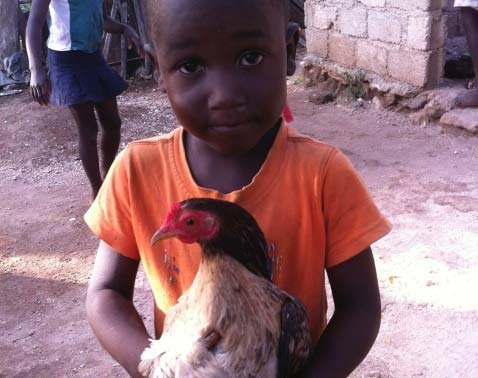
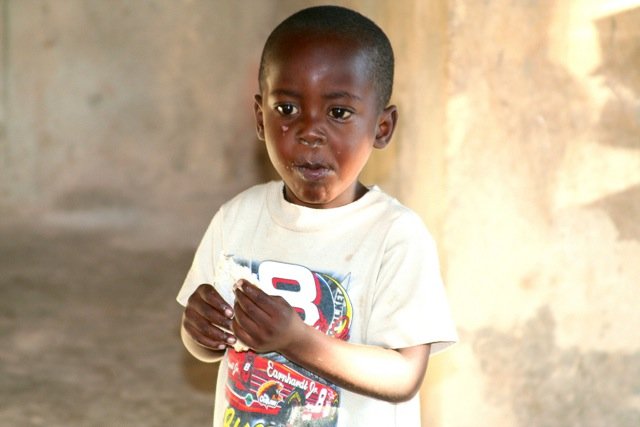
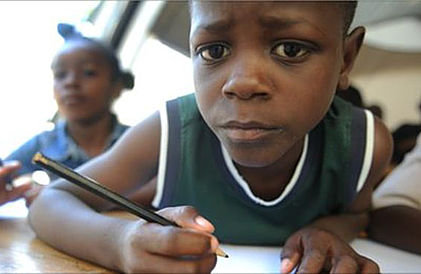
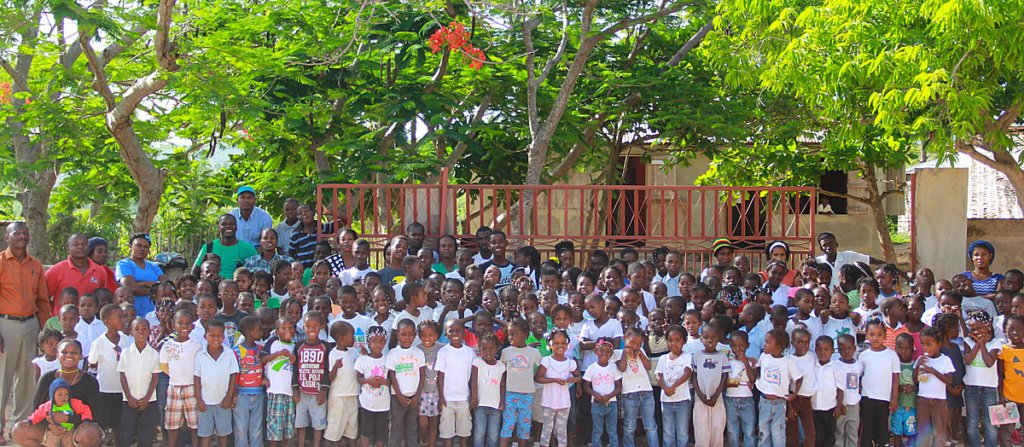
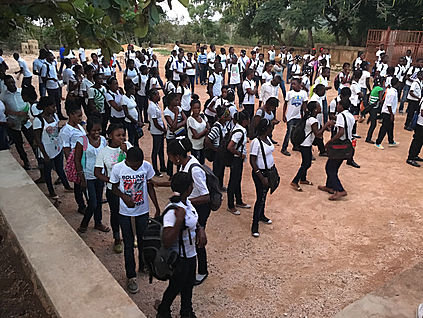
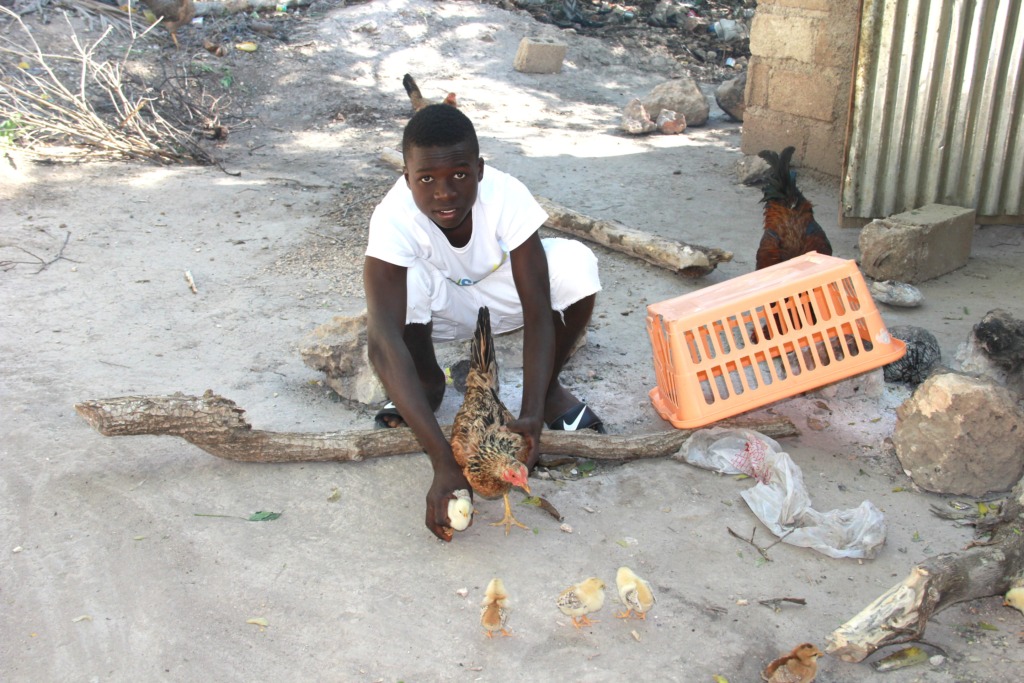
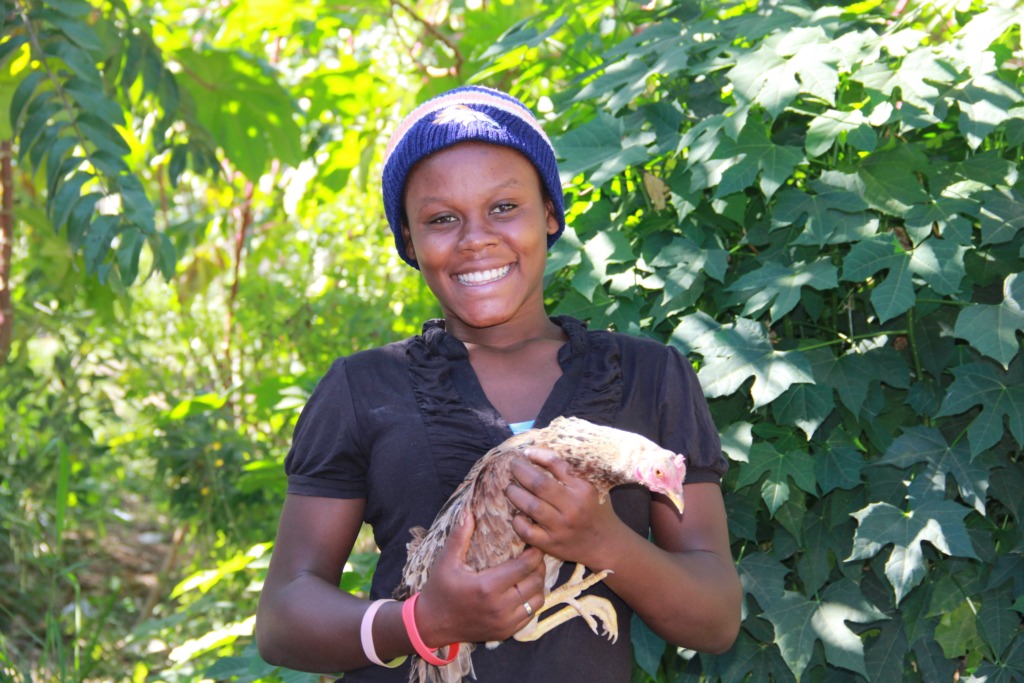
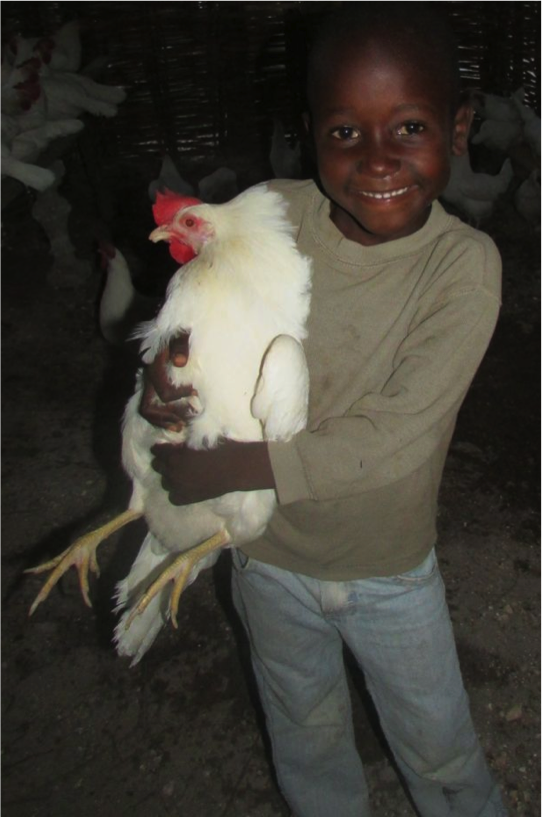
During this past year we served a total of 279 children at the Matenwa Community Learning Center on the Island of La Gonave, in Haiti and each student was able to eat three eggs per week. This year we met our goal of distributing one hen per student after integrating proper hen care into the curriculum at school. Additionally we are committed to build out the school by adding one additional grade per year; initially the school only went up to grade 9, it now goes up to grade 11 and over the next two years we will be building out grades 12 and 13 to complete the first ever secondary school on the island.
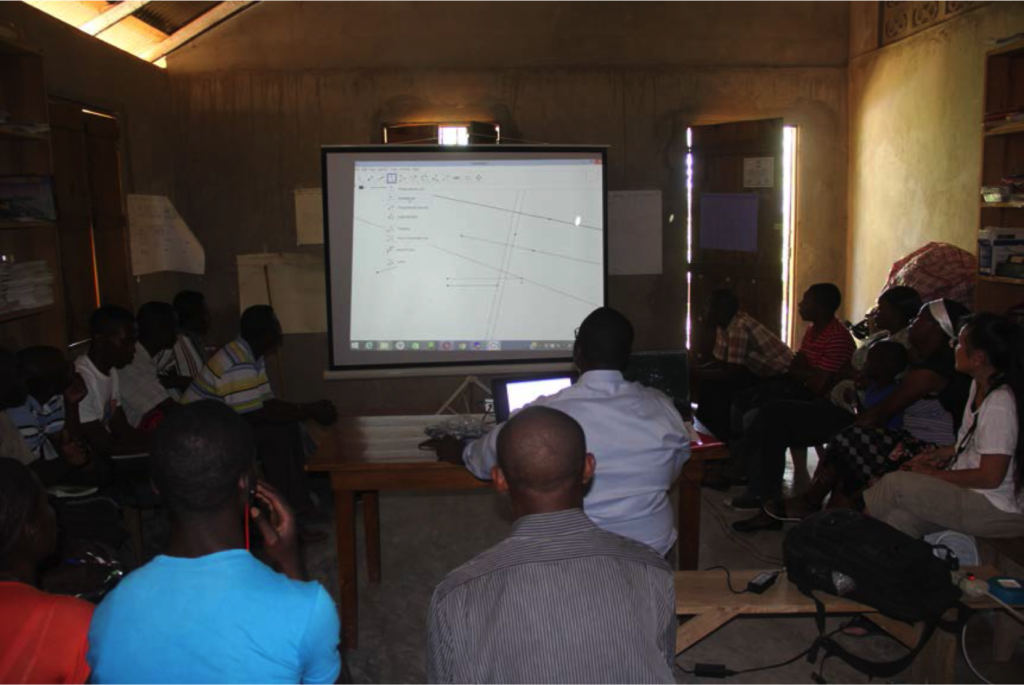
Thanks to your generous support 279 hens were distributed to 279 Haitian students (164 primary and 115 secondary). Integrated learning is thriving at MCLC! Learning through dialogues in an environment of mutual respect is very important to MCLC, which is not the norm in Haiti. Using agricultural activities, such as hen care, to teach subjects such as math, science, language and art has become an integral part of the learning process. In the secondary school, the 8th graders studied some of the similarities and differences between the school’s indigenous and laying hens.
Unfortunately after our initial distribution, 95 of the hens died: 61 due to Newcastle Disease, a viral poultry disease that is very contatious and 34 unhoused young hens were eaten by other animals at students homes. We wanted to be sure students continued to receive boiled eggs during the day at school, participate in caring for the school hens and take home a hen once they have demonstrated their ability to care for them at school.
Thanks to your generous contributions we were able to replaced the lost or deceased hens.
Why is this Important
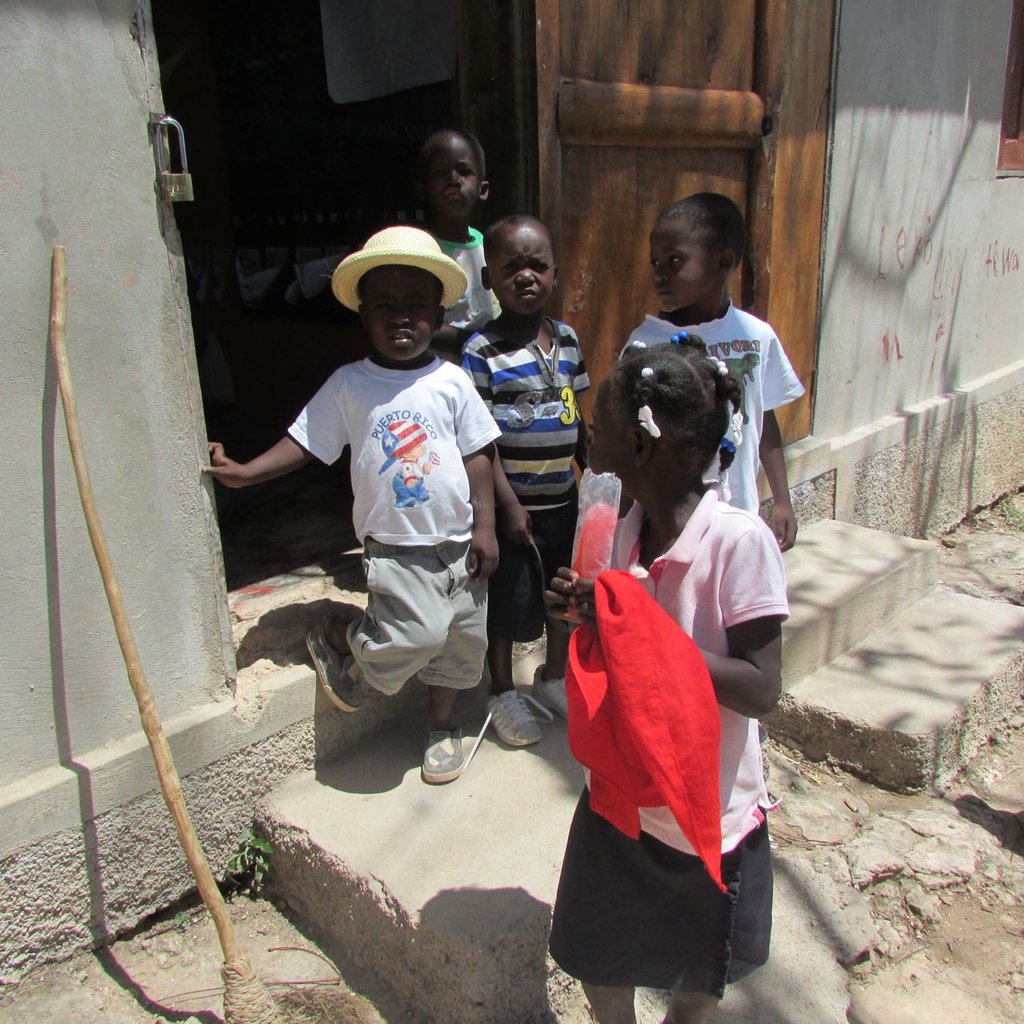
According to a study we did with the students at our school, over 70% of students had someone in their household who felt hungry or who went without eating for the whole day because there was no food available. It is important to note that this hen project is being conducted at the first ever secondary school on the Island of Gonave in Haiti. Though we are pleased that enrollement rates continue to rise, it is difficult for children to engage in learning when they are malnourished. Haiti is the poorest country in the Northern Hemisphere, with 2.5 million people living in extreme poverty (less than $1.25/day). Additionally 100,000 children under five years of age suffer from acute malnutrition, while one in three children are developmentally stunted, or irreversibly short for their age (World Food Program, 2015). In response, this hen project directly contributes to the specific needs of this malnourished community. Interviews conducted last spring indicate that hunger, illness, lack of opportunities, and financial instability are common problems in Matenwa households. A particularly severe drought this summer exacerbated these problems. According to the World Bank, it is typical for Hatian families to spend up to 60% of their already meager income on the schooling of their children, paying for high tuition fees, textbooks and other scholastic materials (World Bank, 2014). With your help we can continue to support quality education, mitigate the financial burden on households, and improve child nutrition rates through this hen project.
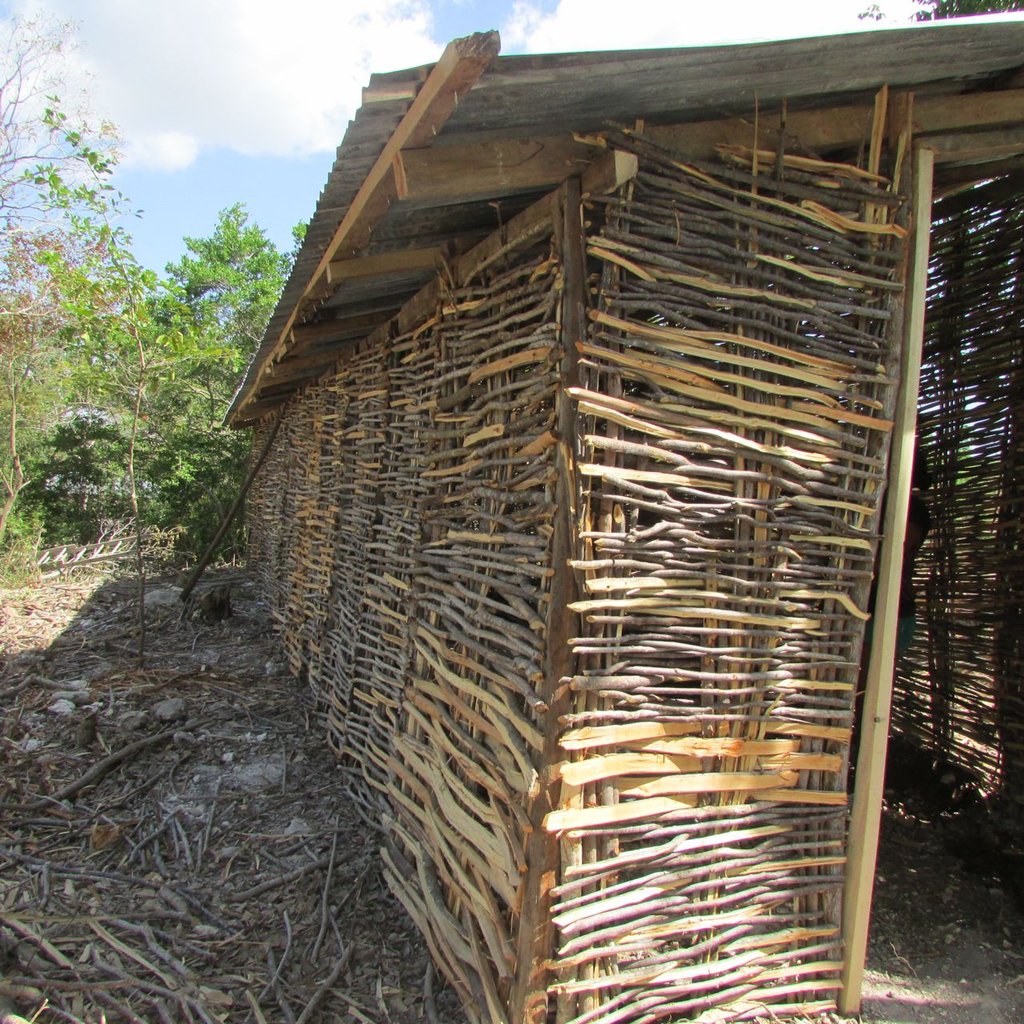
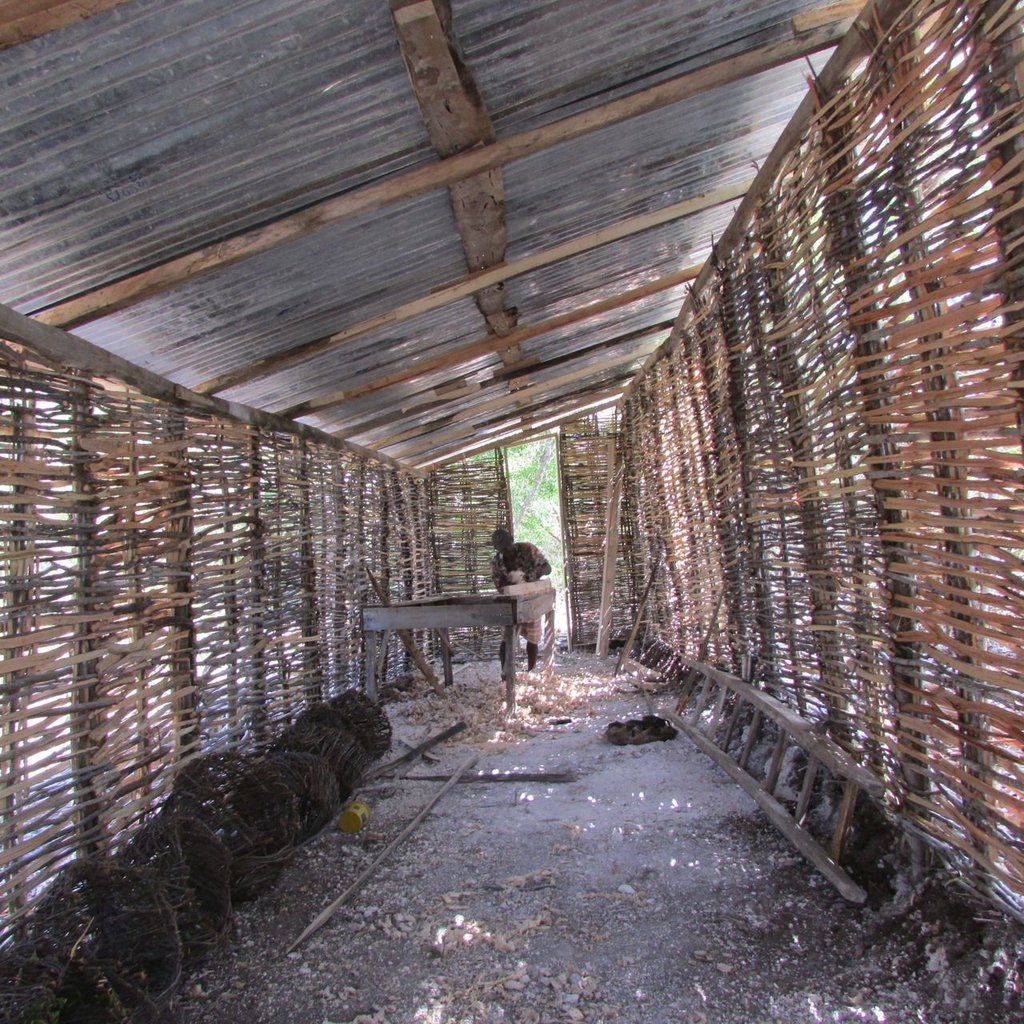
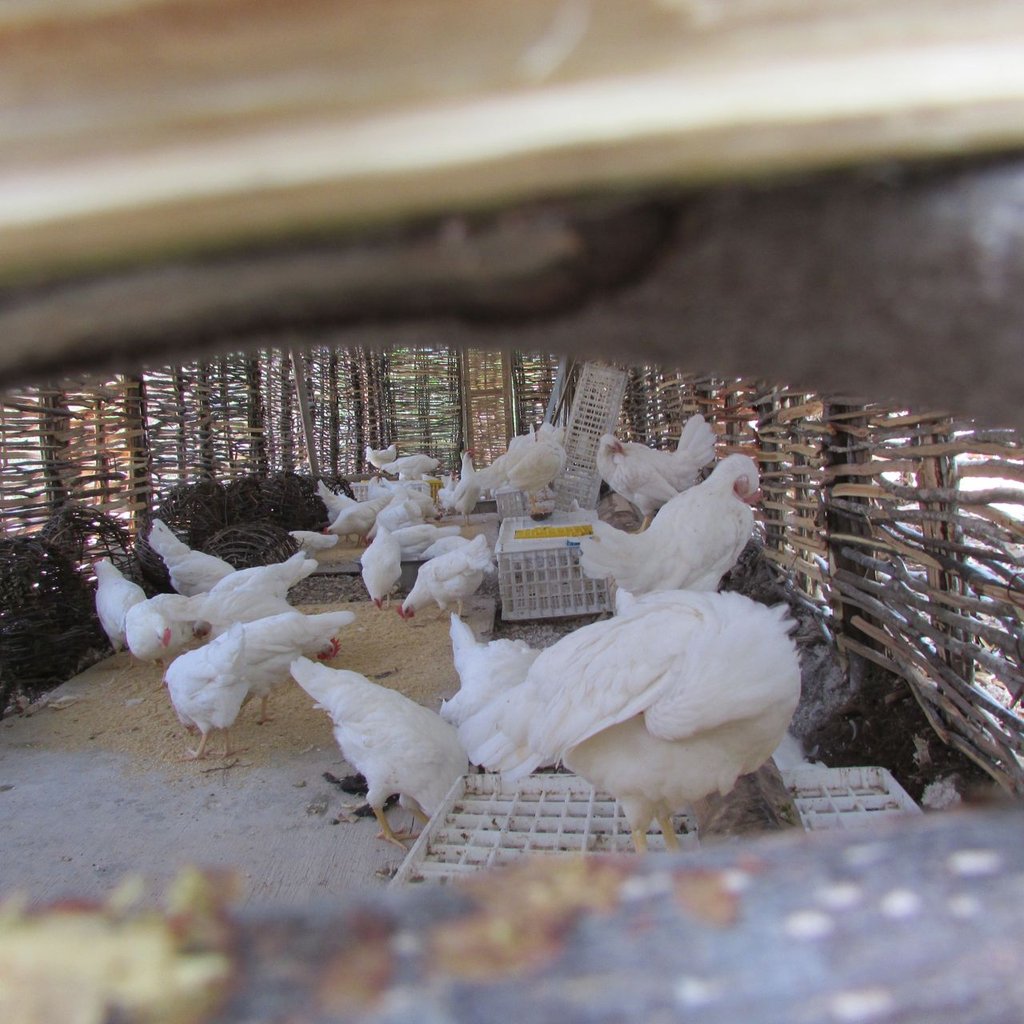
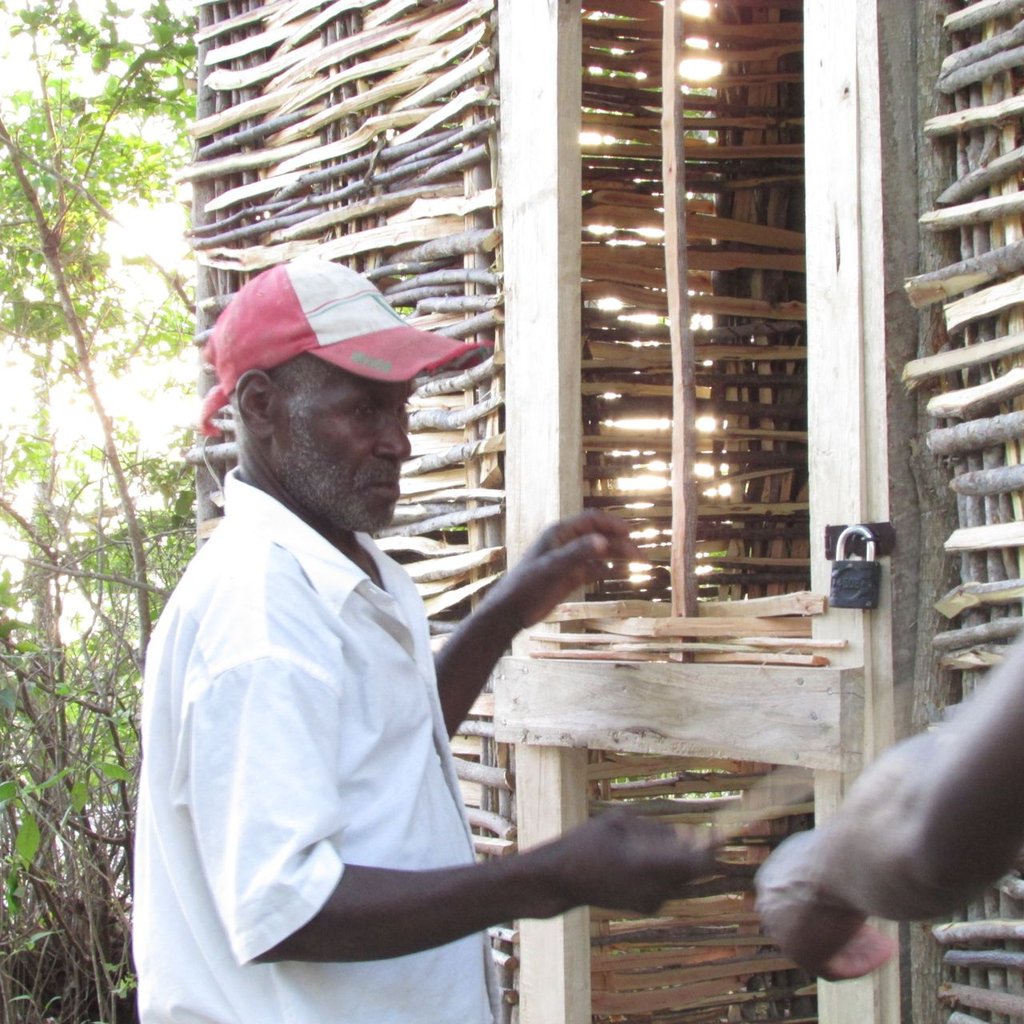
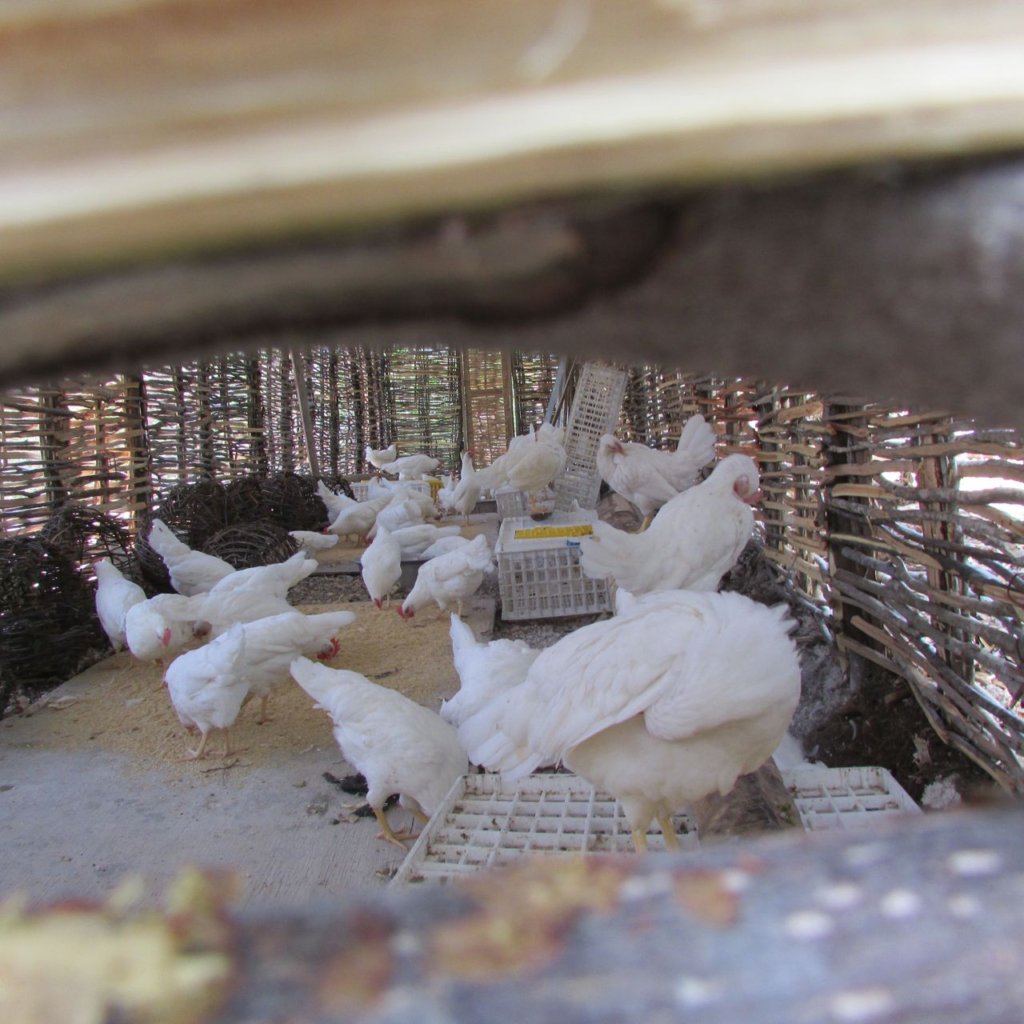
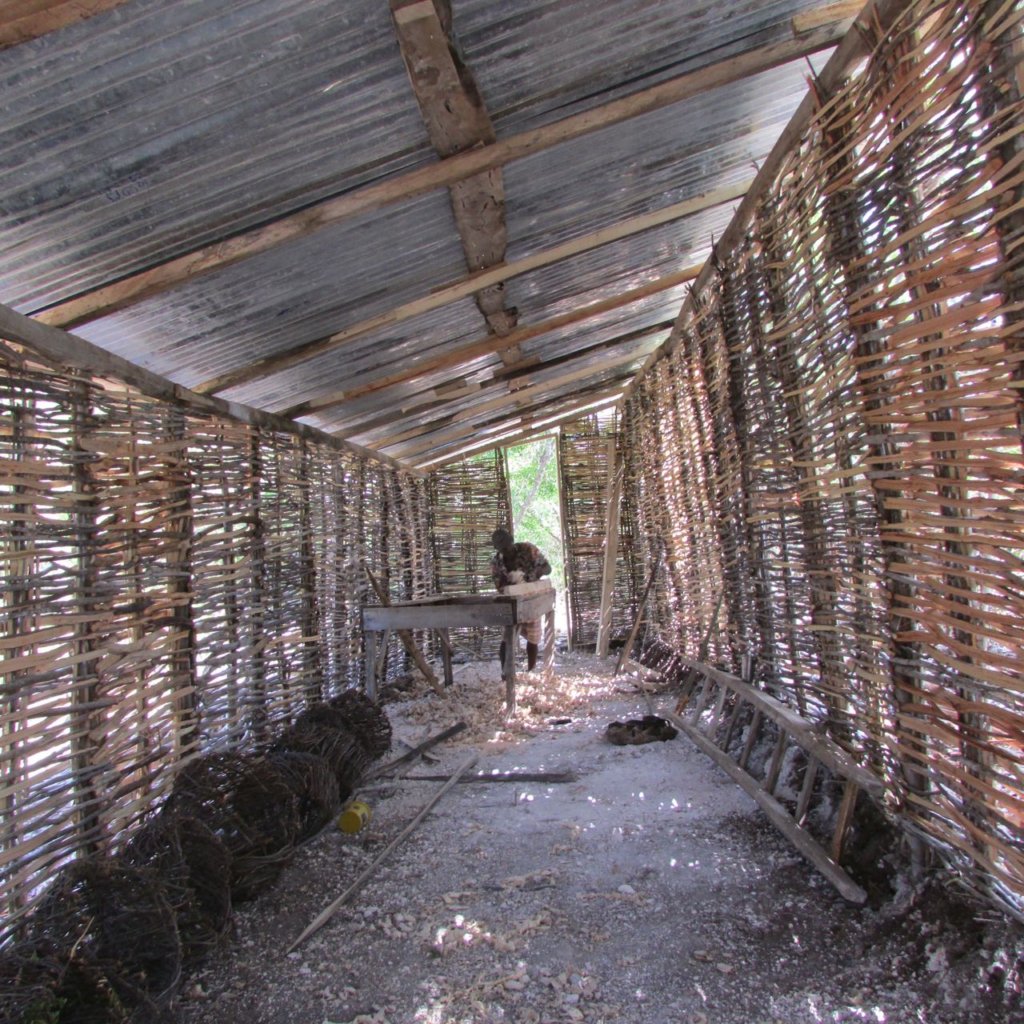
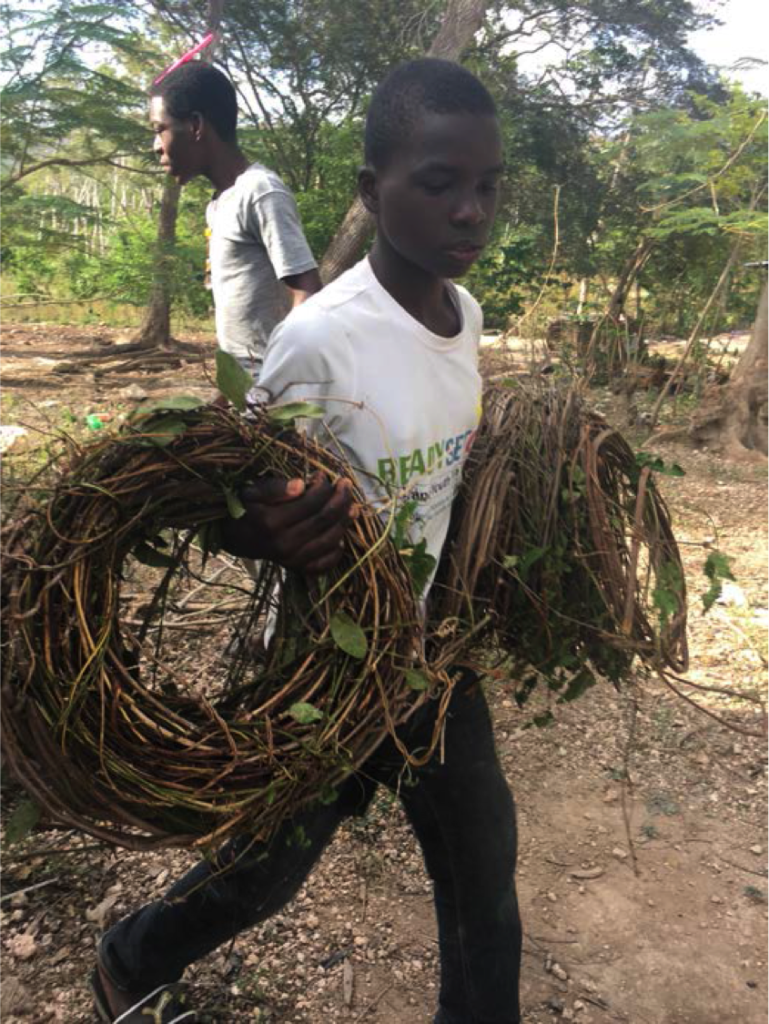
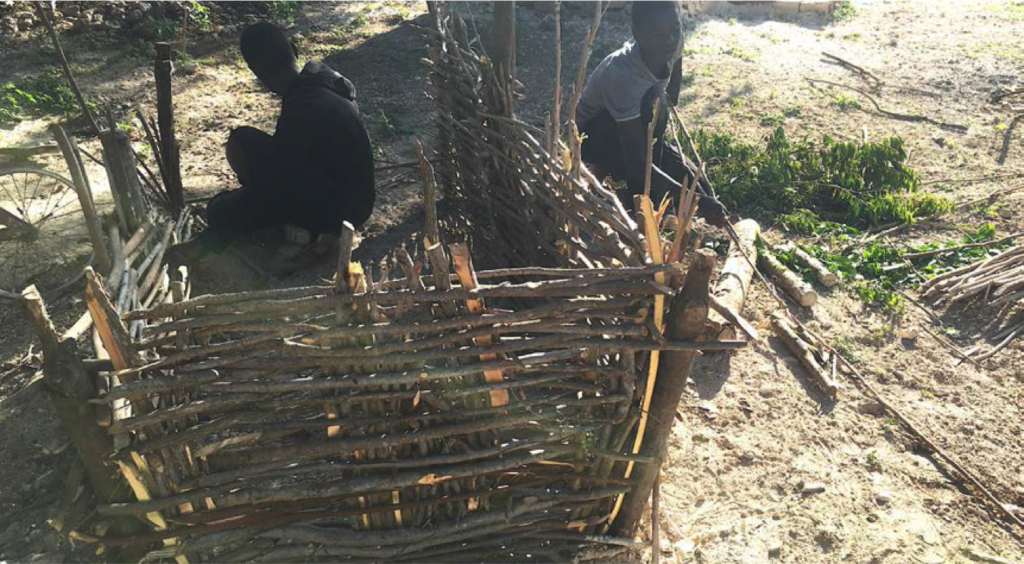
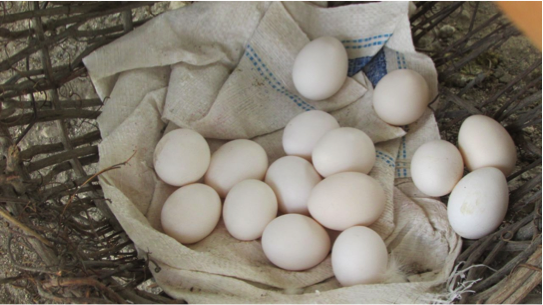
Last year we finished building the exploratory chicken coop, contracting 16 builders. We also contracted an expert basket weaver to teach several of the secondary school students how to weave baskets for the hens to lay their eggs. When we have to repair, or make new nests in the future, we now have students who are capable of this skill. Students have now gained a specialized skill that will not only be useful in the school setting, but also personally. This technical skill will provide students opportunities to create inexpensive sellable products that can help generate income. The next step is to have the secondary school students teach the upper primary school students how to weave. All of the hens have nests to lay their eggs in now which also provides more protection for the eggs. There are 16 baskets in each coop.
By Brittany | Health, Hunger & Education Program Manager
By Brittany John | Health, Hunger & Education Program Manager
Project reports on GlobalGiving are posted directly to globalgiving.org by Project Leaders as they are completed, generally every 3-4 months. To protect the integrity of these documents, GlobalGiving does not alter them; therefore you may find some language or formatting issues.
If you donate to this project or have donated to this project, you can receive an email when this project posts a report. You can also subscribe for reports without donating.