Project Report
| Jun 9, 2020
Help 20 students with low school performance
By Andres Gomez | Fidelia Mares
COVID-19 is an historic event of unparalleled proportions that have direct impact on nearly every life. With no vaccine and no cure, the pandemic has killed people in every mexican state. The necessary isolation it imposes has robbed the bereaved of proper goodbyes and the comfort of mourning rituals.
Since march, we have only free on line activities.Many people in Mexico City is talking about heartbreak, divorce, struggles over identity and belonging, and questions of sex, sexism, friendship and family.
We tried to support all of them, but we have only one telephone line and only have twenty four hours per day. Children and its parents are our priority.
By the way, the school program is finishing in june month.
Links:
![Share on Twitter]()
![Share on Facebook]()
Feb 13, 2020
ATTENTION IN PROGRESS
By Andres Gomez | Fidelia Mares
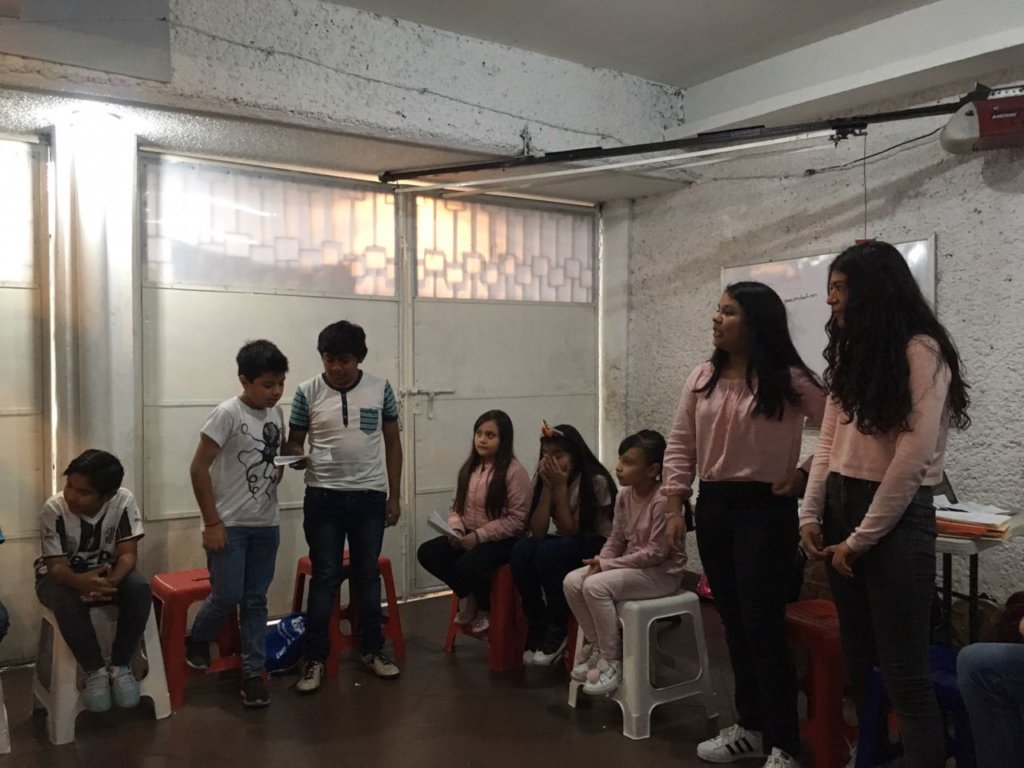
![Trabajo en equipo]()
Trabajo en equipo
We Continue working with Isaac, whi is the Student selected for receiving emotional psychological therapies, support with additional classes in order to increase his school performance, frecuent pedagogic evaluations.
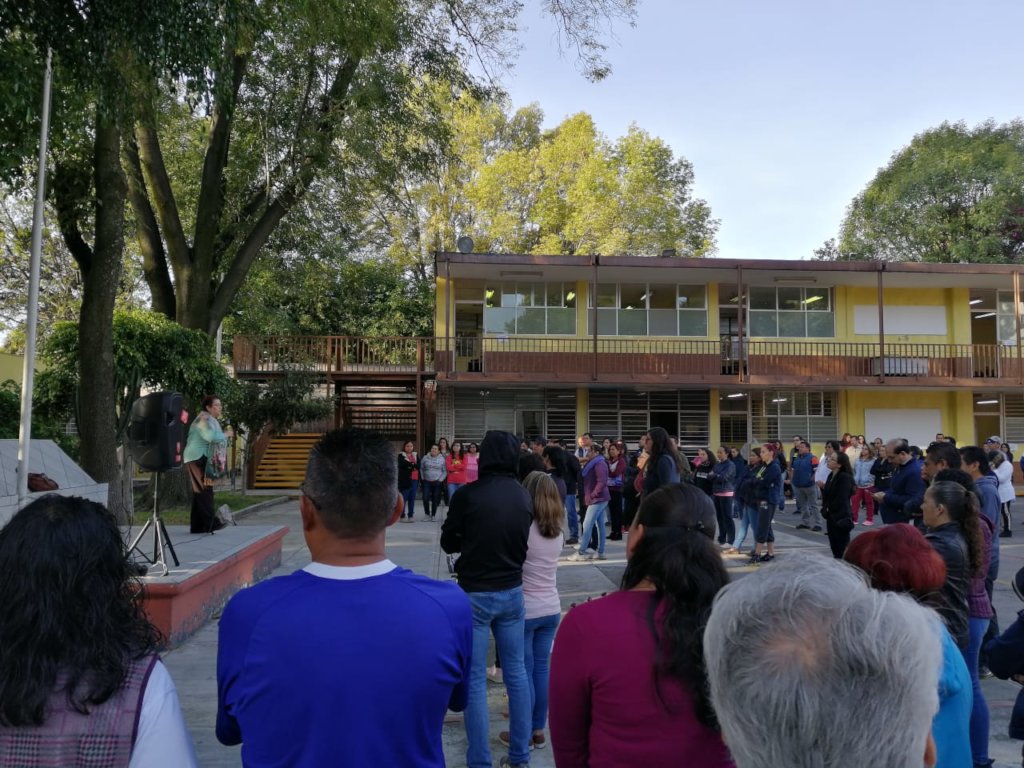
In the meanwhile, we organize some workshops about ADHD charateristics for training teachers, parents and students. Peoples with ADHD often lack focus, wander off task, talk excessively, fidget and act impulsively, also has academic difficulties.
We pretend that the people around ADHD students has enought information because this disorder is often misunderstood by others. People who don't understand the symptoms may label students with ADHD as unmotivated, lazy, or problem persons.This students are bulling by the others.
Some instructions for teachers, family and classmates are:
- Classroom rules should be clear and concise and reviewed regularly with the student. It is helpful to have the child repeat back rules, expectations or other instructions to make sure they are understood. These rules should be posted prominently in the classroom.
- Because students with ADHD are susceptible to distractions, seat the student close to the teacher. Make sure he or she is seated away from easy distractions, such as doors, windows, cubby areas or pencil sharpeners.
- Give the student frequent and immediate feedback or consequences about behaviors.
- Catch the student being good and give him immediate praise. Ignore negative behaviors that are minimal and not disruptive.
- Use rewards and incentives before punishment to motivate the student and to help keep school feeling like a positive place. Change up the rewards frequently to help prevent the student from becoming bored.
- Allow student frequent physical breaks to move around (to hand out or collect materials, run errands to the office or other areas in the school building, erase the board, get a drink of water at the water fountain, etc.).
- Allow some restlessness at work area. Allow students to stand up at his desk if it helps him stay on task.
- Tape an index card to the student’s desk with written class rules. Help him keep track of the schedule by reviewing it with him at various times during the day and prepare him for each transition.
- Limit distractions, excessive noise, distracting visual stimuli, clutter, etc. (For some kids with ADHD listening to “white noise” or soft background music can help concentration and focus.)
- Reduce the student’s total workload. Break work down into smaller sections.
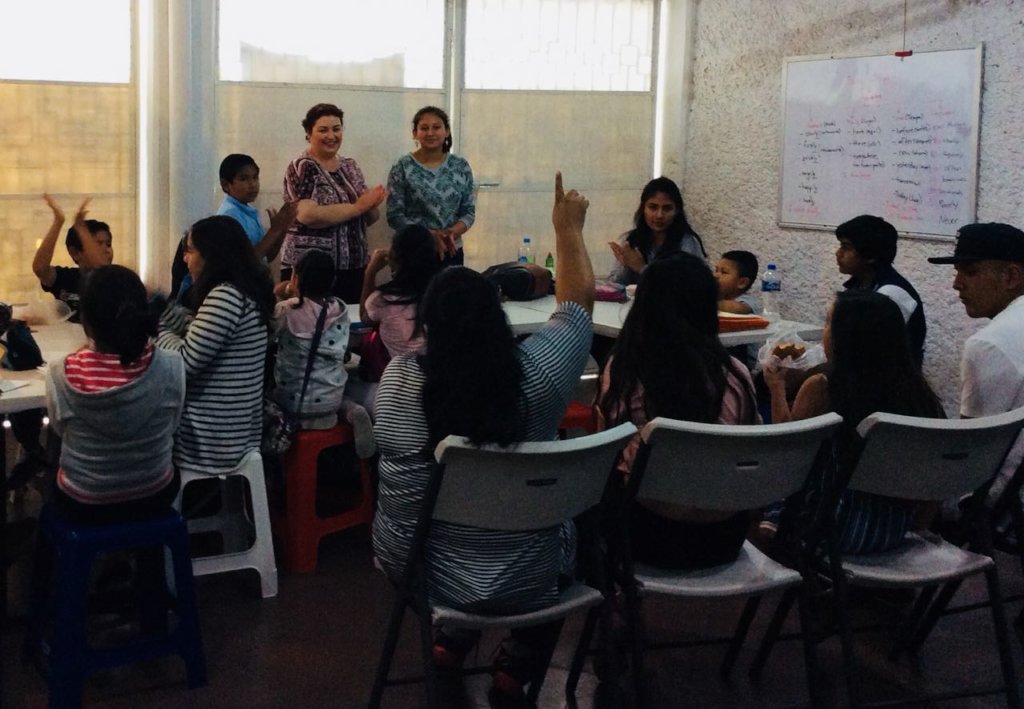
![Dibujando la vida]()
Dibujando la vida
![Enfocando la atencion]()
Enfocando la atencion
![Juntos y Felices]()
Juntos y Felices
![Share on Twitter]()
![Share on Facebook]()
Nov 19, 2019
ISAAC ACCOMPANIMENT
By ANDRES GOMEZ | FIDELIA MARES
![vOLUNTEERS & ISAAC]()
vOLUNTEERS & ISAAC
We started in October the attention to the selected child, we wanted to cover a group of 20 students, but it was not possible, because we only obtained financial resources for only one child. The selected child is named Isaac, he is a fourth grade student, he is a very intelligent child, who is ADHD and Asperger. The sequence of attention to Isaac, is first to make a pedagogical evaluation to know the state in which he begins his treatment, second, to provide all the Psychological and Psychiatric support that the child could request. As there is progress we will be showing in this medium
![CHILDRENS DAY]()
CHILDRENS DAY
![2019 VOLUNTEERS]()
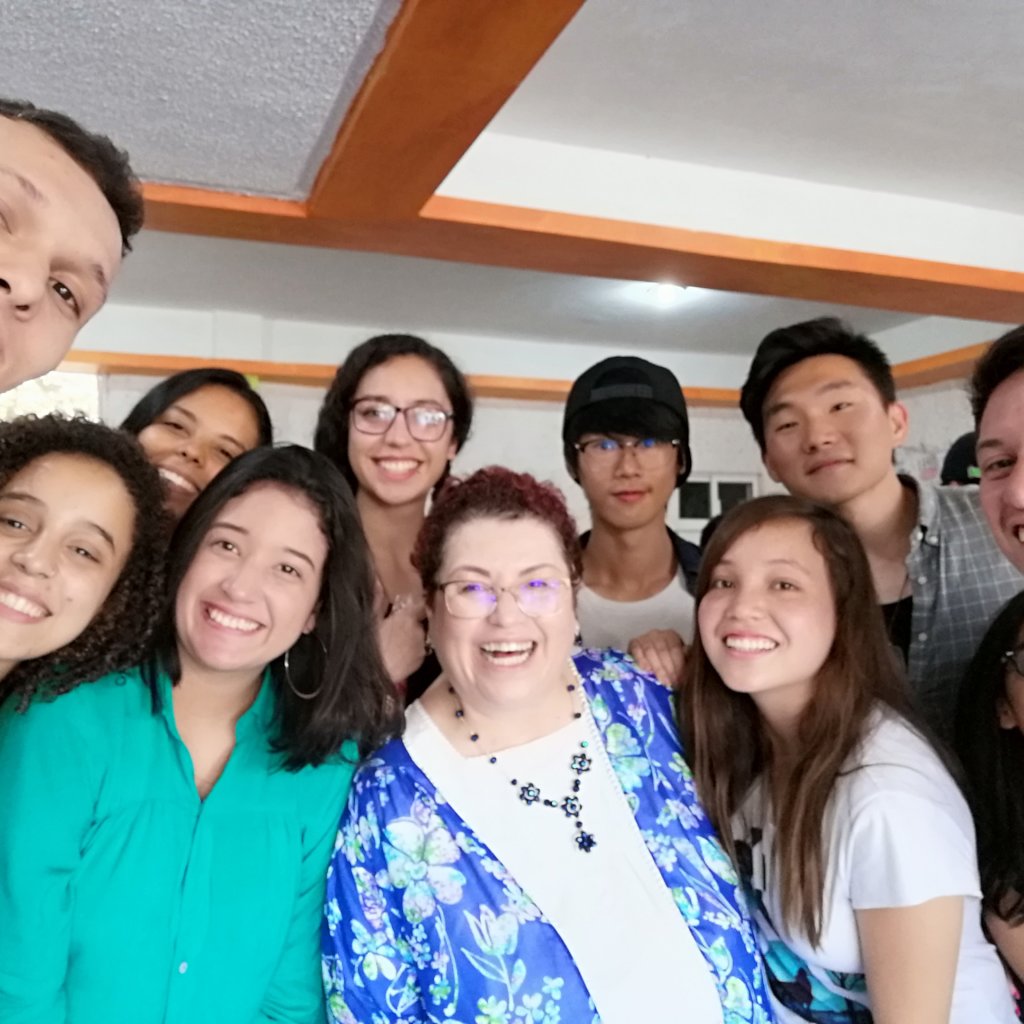
2019 VOLUNTEERS
![HELLO]()
HELLO
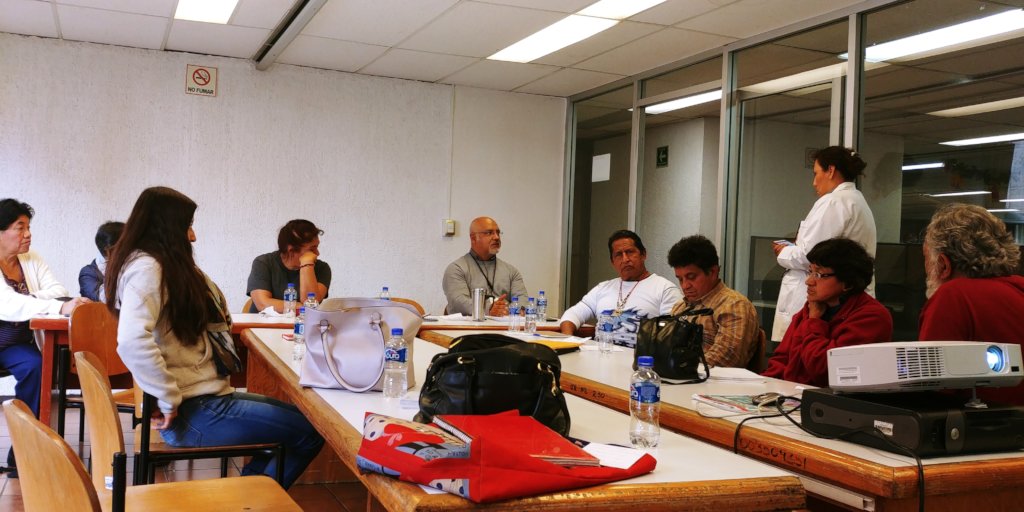
![TRAINING TEACHERS]()
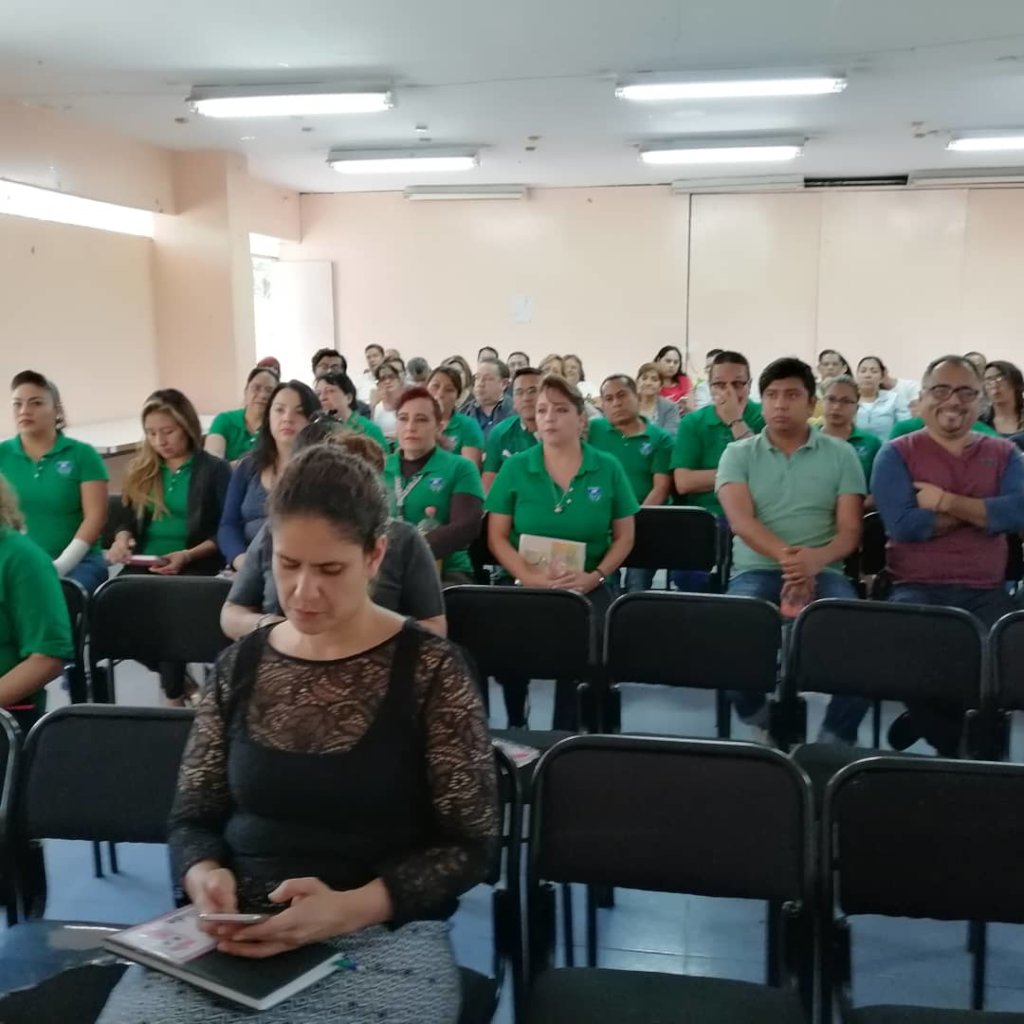
TRAINING TEACHERS
![TRAINING FAMILY PARENTS]()
TRAINING FAMILY PARENTS
![Share on Twitter]()
![Share on Facebook]()