By Alexa Telano | Associate Director
July 30 marked the World Day Against Trafficking in Persons, established to raise awareness of and strengthen global efforts to prevent human and sex trafficking. Trafficking does not exist in isolation. It can be a weapon of war and a mechanism of genocide. The 2014 genocide against the Yazidi people in northern Iraq is one of the clearest examples. When ISIS attacked Sinjar, thousands of Yazidi women and girls were systematically kidnapped, raped, sold, and subjected to sexual slavery. Tragically, August 3rd marks the day in 2014 when ISIS launched its brutal assault on the Yazidi community.
We want to revisit this history and the voices of the women who survived it. In February 2019, 3 Generations traveled to Toronto with our team to meet and interview Yazidi survivors of the 2014 genocide. This work was facilitated by Project Abraham, a Toronto-based nonprofit organization established to help Yazidi refugees resettle in Canada. These interviews can be viewed here.
As Debbie Rose, Executive Director of Project Abraham, told 3 Generations, “The younger ones were made to be sexual slaves. They were raped daily, by many. They were sold multiple times.” Rose, whose organization has supported highly vulnerable Yazidi refugees rebuilding their lives in Canada, also described women who endured repeated sexual violence for years. Sheikh Mirza Ismail, Yazidi religious leader, human rights activist, and founder and president of the Yezidi Human Rights Organization-International, described the system even more starkly: “Some of them were like sex slaves; they were being raped by 4, 5, 6, 7, 10 men a day.” He described the trafficking as a business, explaining that Yazidi women and girls were sold across borders. These accounts make clear that the sexual enslavement of Yazidi women was not incidental to the genocide. It was part of the machinery of violence and exploitation used against an entire people.
3G Board Chair Nadia Zilkha joined 3 Generations in Toronto. This is her account.
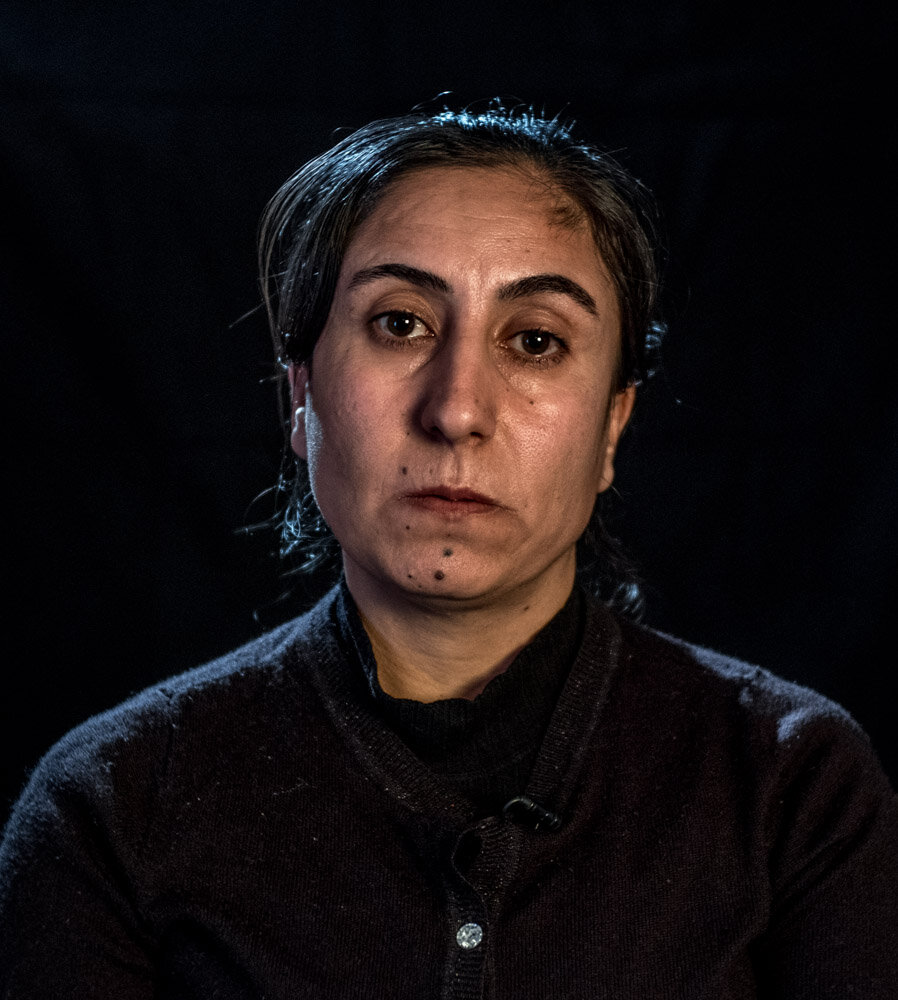
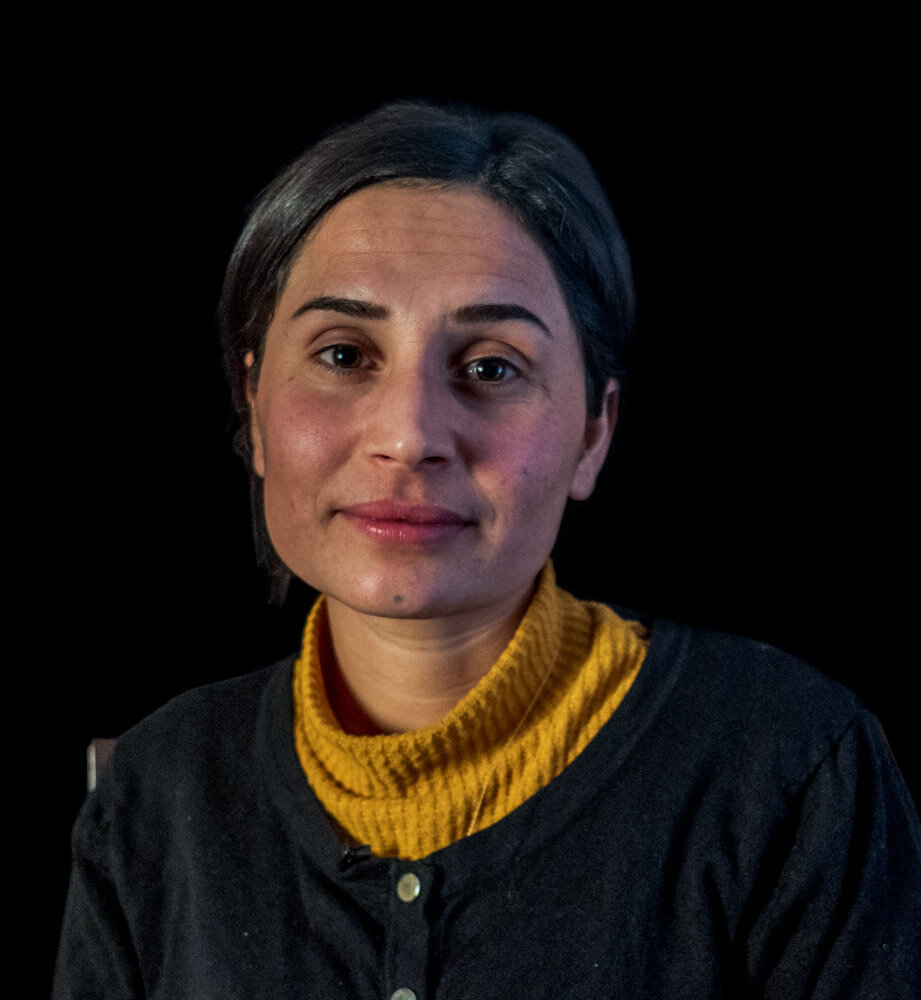
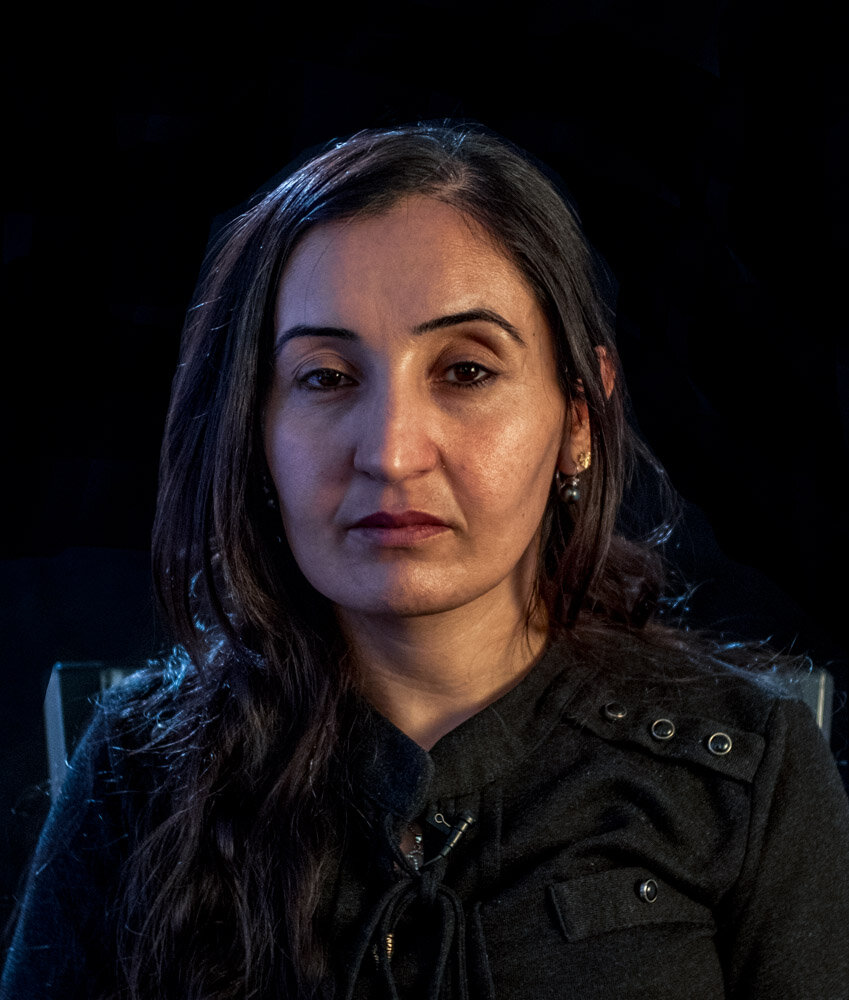
“Each Yazidi female victim of ISIS interviewed by 3 Generations in Toronto last month told her unique horrific story with the same fierce intensity and precision. The details varied, but they all spoke of their captors’ extraordinary brutality, their own vital will to carry on and their unifying luck. Each emphasized the goodness of the group, Project Abraham, now helping them resettle in Canada.
In 3 Generations’ most recent project, I’d felt more compelled than ever to join Jane Wells to meet and interview some of the Yazidi survivors living in Toronto: women who were kidnapped and sold into sexual slavery by ISIS after the genocide in their home of Sinjar. Because of my own family’s hasty escape from Iraq in 1927 (as the Black Hand Society was hunting down my grandfather), I had felt a particular affinity with the Yazidis.
I quickly learned, however, that my family history had not equipped me to fathom the atrocities and hardships these women had endured at the hands of ISIS. It made me truly confront the terror that in our modern era, genocide continues unabated.
The women were all wearing black, against our dark backdrop. The only color in the room was the survivors’ red-painted fingernails. Their faces filled with pain as the horrors spilled out in their native Kumanji dialect. They spoke of their journey, traversing from Northern Iraq to Syria and back again. But Jane and I understood that their survival rested purely upon their own wits, bravery, and outsmarting their captors.
Before and after they shared their stories, they were eager to make us welcome. They had prepared food -- Middle Eastern dishes that would have made my grandmother pause in rapture, including sesame date pastries and burnt rice. These feasts were accompanied by tea, served in small glass cups. I felt transported back in time, to visits at my grandparents when I was little.
These Yazidi women have already lived in Canada for 18 months. Their children can now speak and read English with confidence and independence. As with so many children of immigrants, they are helping their parents navigate this new life. But the Yazidis still maintain their traditions and cultural identity. They come together to celebrate weddings and new births. This frequent connection to community helps ground them in their newfound and strange surroundings. There is discussion that inviting more of their closer relatives to join them in Canada will help them heal and reduce their sense of isolation.
What is many times forgotten is that it requires more than money to settle the Yazidis into their new life. And the Project Abraham volunteers have offered many other kinds of help to fill in those gaps. Many of them are the children of Holocaust survivors, who had immigrated to Canada themselves following genocide. Now their adult children have the opportunity to give back. Witnessing this kindness and commitment of strangers who have adopted the Yazidis was moving.
The volunteers see protecting the Yazidis as a near-full-time venture. Theirs is an emotional, as well as physical, commitment. It was heartwarming to watch as the Yazidi women communicated to their adopted second families through broken English and sign language. In the age of Trump, I was struck by the sharp contrast between the United States and Canada in addressing the humanitarian crisis. In the bitter cold of Toronto, the Yazidi tale was one of resilience and endurance.
Filmmaking is a slow process. I am grateful to have helped record and document these crimes against humanity. I believe 3 Generations’ mission of lending a voice to victims of human genocide and atrocities gives them dignity as well as the chance to be heard.”
— Nadia Zilkha
New York City, February 1, 2019
The story of the Yazidi women reminds us that trafficking and genocide are deeply interconnected. The women we met in Toronto were not simply victims of history. They were survivors who had endured unimaginable violence. Yet, they continue to reclaim their lives. Their stories are precisely why bearing witness matters. 3 Generations continues to support reproductive health and rights, and to bear witness to women’s suffering and resilience. For information about the issues we support and to watch our films, please visit 3 Generations, follow us on social media @3_generations, and connect with us via email. We thank you for your support. We could not continue to hear these stories, preserve them, and demand change without YOU.
By Alexa Telano | Associate Director
By Alexa Telano | Manager of Development
Project reports on GlobalGiving are posted directly to globalgiving.org by Project Leaders as they are completed, generally every 3-4 months. To protect the integrity of these documents, GlobalGiving does not alter them; therefore you may find some language or formatting issues.
If you donate to this project or have donated to this project, you can receive an email when this project posts a report. You can also subscribe for reports without donating.



Support this important cause by creating a personalized fundraising page.
Start a Fundraiser