By Mexico Marine Conservation team | Mexico Project Team
Introduction
We apprectiate your ongoin support in addressing coral reef conservation and restoration.
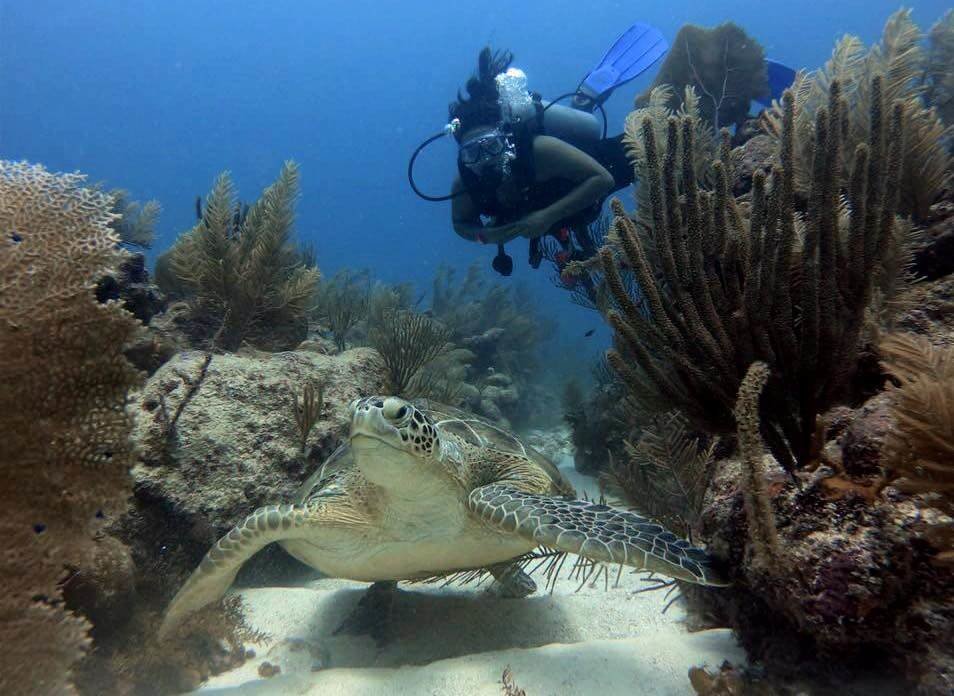
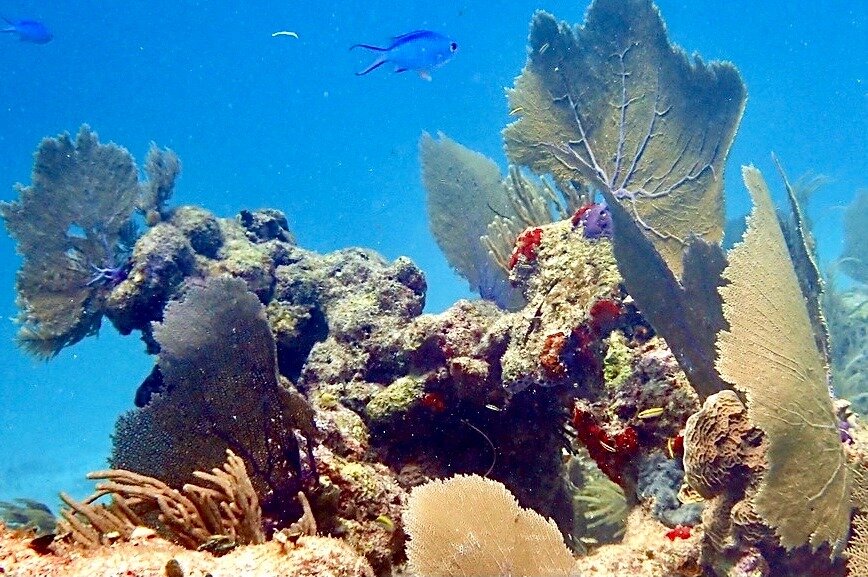
The Mesoamerican coral reef system, also known as the Great Mayan Reef, is the second largest barrier reef system in the world and spans over 1, 000 Km. It's is home to more than 500 species of fish and 65 species of stony coral.
Unfortunately, the Mesoamerican coral reef system is currently facing many threats, including climate change, overfishing, pollution and costal development.
Several initiatives and strategies have been implemented to restore the reef system. These include: coral gardening, reef restoration and monitoring programs, fisheries management, and addressing ´polluting and coastal development.
Restoring the Mesoamerican coral reef system requires a multifaceted approach that involves collaboration between local communities, NGOs, government agencies and other stakeholders, including the work we are able to do on this project.
Coral nursery
The end of last year and the start of 2023 have been tough years for the coral conservation and restoration in Puerto Morelos, Mexico. Our main partners, who lead the coral restoration project, had their budget cut which led to several challenges.
One challenges was that in February, all the coral colonies had to be transplanted to the coral nursery in the reef and surrounding areas. Currently the nursery has over 300 elkhorn coral (Acropora palmata) colonies growing plus over 350 coral fragments of other coral species that were given asylum. Also, mature coral colonies of several coral species were transplanted in the area surrounding the nursery as a temporary site for them.
Besides the relocation of the corals, the team continued carrying out activities to assist on the main objective of the restoration and conservation of this magnificent ecosystem.
Reef monitoring
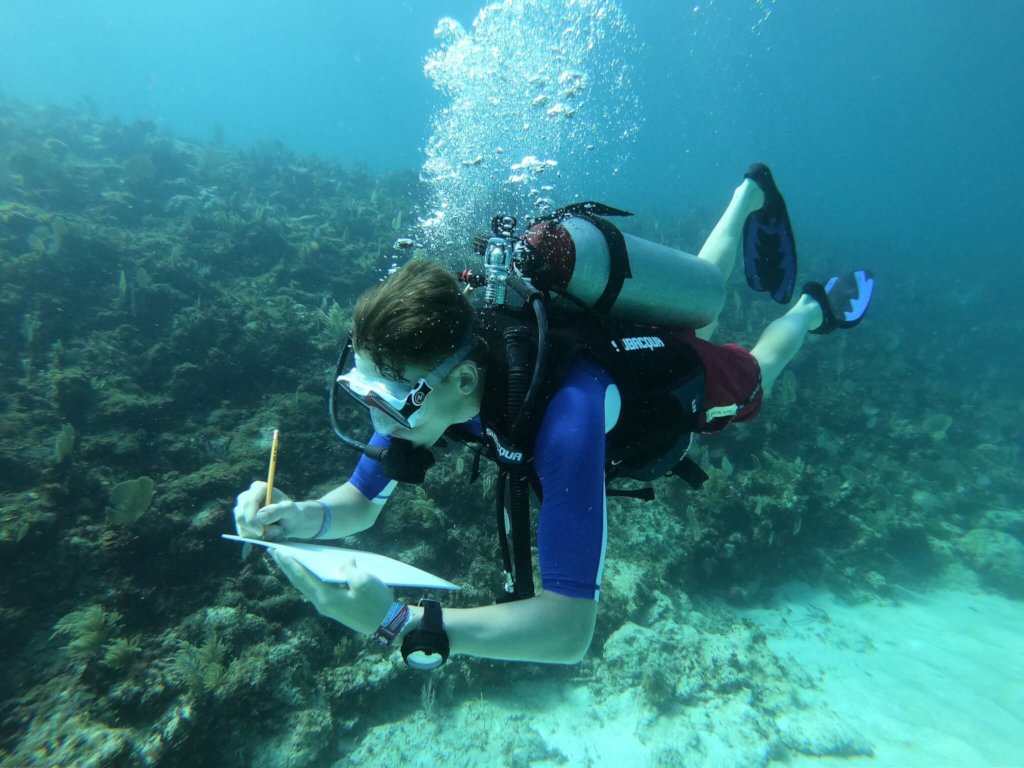
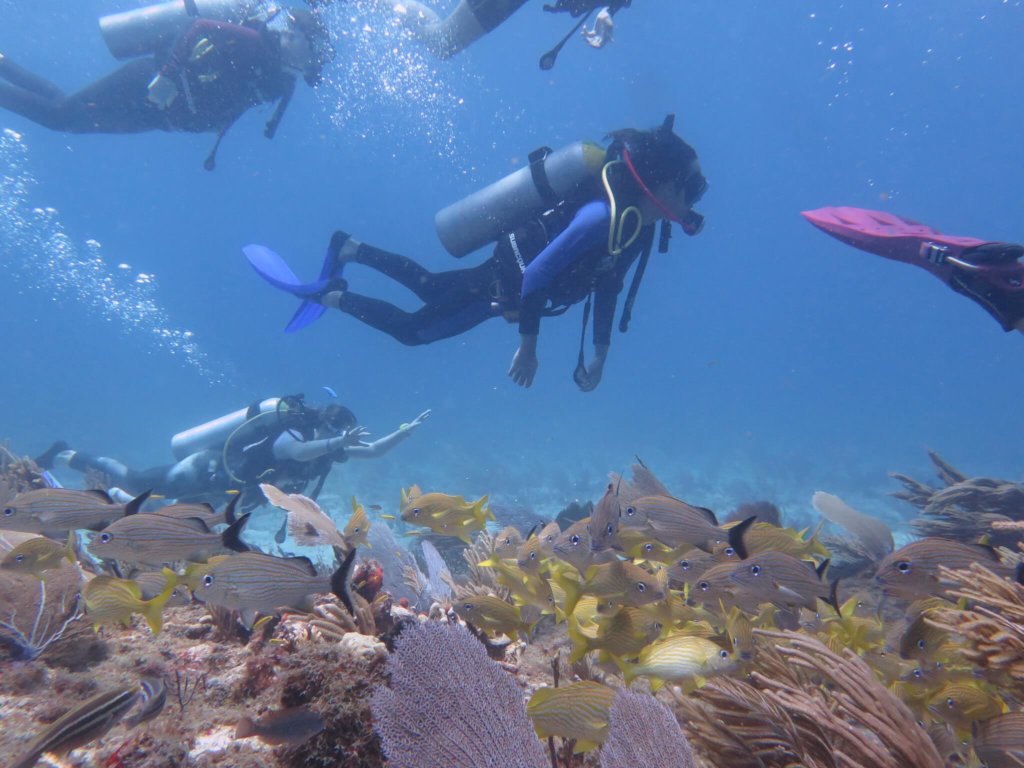
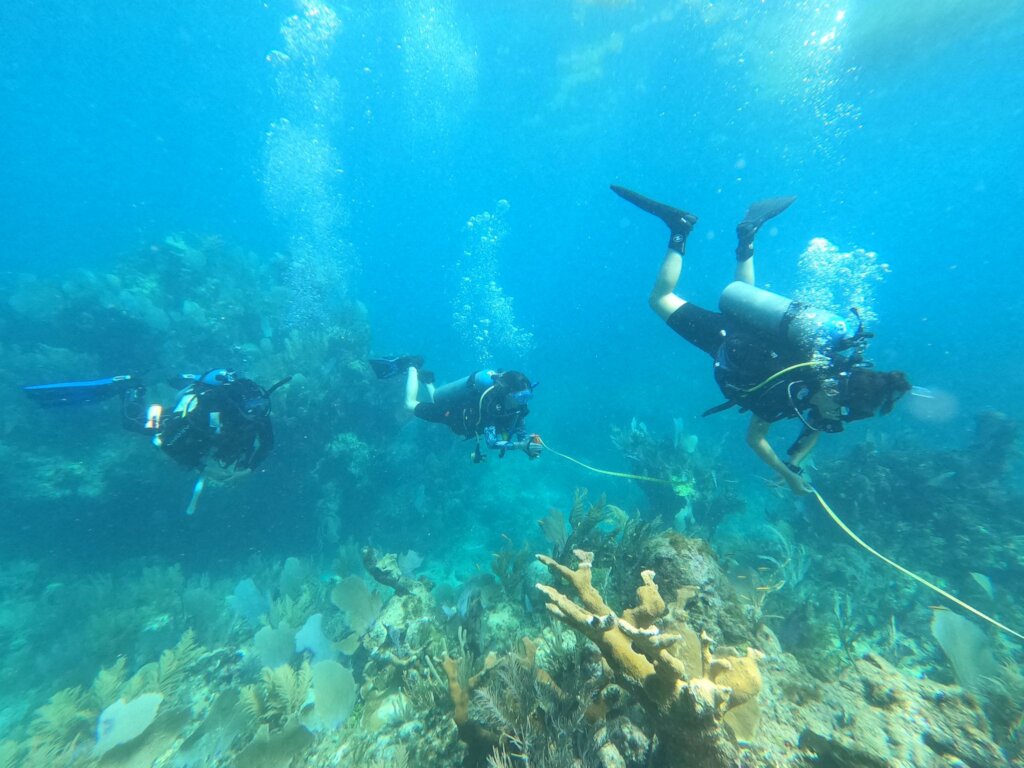
From December to March, we had 29 volunteers assisting in the field. Training in Atlantic and Gulf Rapid Reef Assessment Methodology and preparing to gather date on the health of the reef. Undertaking 7 monitoring dives for doing citizen science (coral watch, fish refuge monitoring and invertebrate monitoring). Carrying out 10 maintenance dives for in the coral nursery, cleaning the corals, removing dead colonies and collecting data on the evolution of the corals on the nursery as well.
Besides the coral nursery, the team was busy doing three monitoring dives in the site where the ´1,500 colonies of staghorn coral (Acropora cervicornis and prolifera ) were transplanted last year, thus doing 36 benthic transects in the site during the three months. This dives, even though they are in shallow waters, do test the training and physical aptitudes of the team. Doing two dives, spending a little over 3 ours underwater. Death rate for the corals in this site has been difficult to determine due to the fact that coral colonies growing out have fused between them. Then again this is a good sign, since growing colonies indicate good environmental conditions.
Coastal Dune restoration
Our team undertook a special task this year. Coastal dunes and coral reefs are interconnected ecosystems that can have a significant impact on one another. Coastal dunes provide a natural buffer between the land and the sea, protecting coastline from erosion and storm surges. They also play a crucial role in filtering and purifying freshwater before it enters the ocean, which can help reduce the amount of pollution and sediments that reaches the coral reef.
The health of coastal dunes and coral reefs is closely linked, and disturbances in one ecosystem can have a negative impact on the other. Protecting coastal dunes and coral reefs is critical for maintaining the health and resilience of coastal ecosystems and for the well-being of the communities that depend on them.
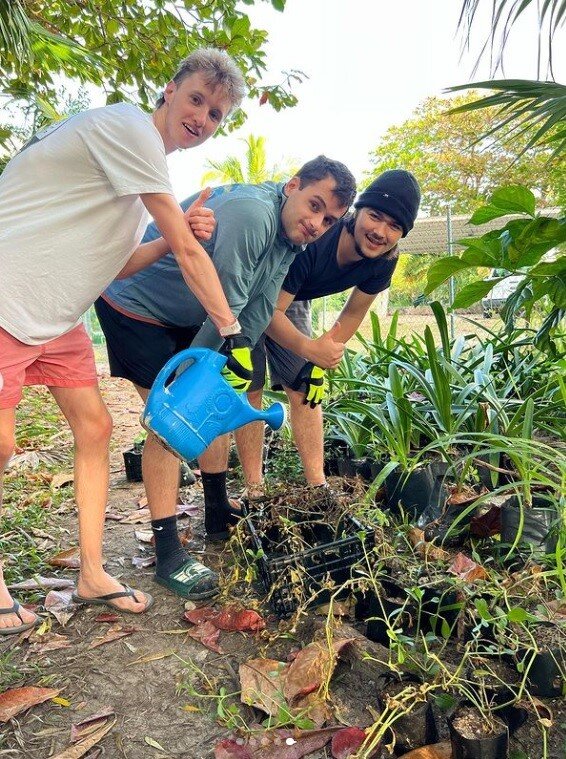
GVI Puerto Morelos team was asked to participate in January for 8 days in a coastal dune reforestation project in the National Park of the Reefs of Puerto Morelos. Planting on the dunes hundreds of native coastal plants on the dunes that help stabilize the system thus indirectly lending a hand in the conservation of the near reef.
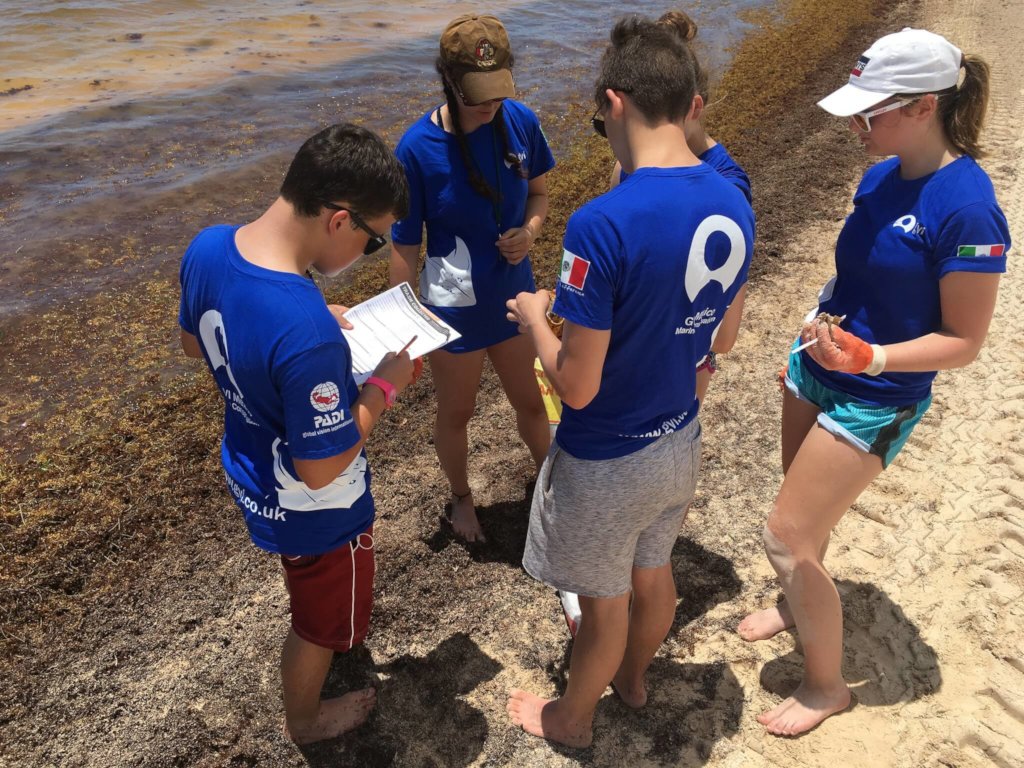
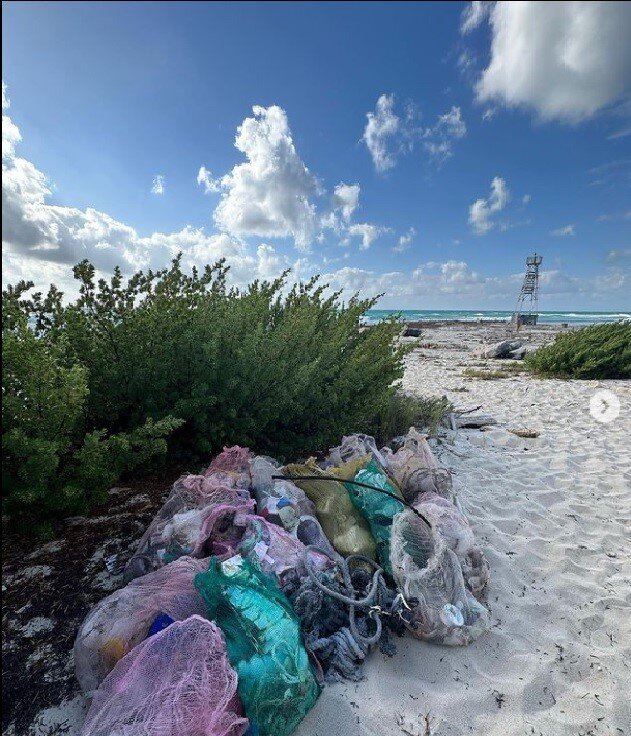
And, as always, carrying out beach cleans on several beaches inside the park. Assisting in the recollection of rubbish, separating it into different categories and sending all that is reusable to our local partners for its proper treatment. Over 210 kilograms of refuse ( recyclable and nonrecyclable) were removed from the beach.
Summary
The goal objective for our project of 265 thousand new coral colonies by 2022 has come and gone, and sadly due to diverse factors the goal has not been achieved. So far over 48 thousand colonies of corals of 12 different species have been produced in the laboratory. And of those, over 24,396 of them were transplanted back into the reef in 20 different sites along the Mexican Caribbean. Challenges have arisen and will be surpassed.
With the generous help from our supporters and donors we can continue working on the conservation, restauration and sustainable use of the coral reefs in the Mexican Caribbean for the enjoyment of future generations.
As always, all of this wonderful work couldn’t have been accomplished without the help of our supporters and supporters, a great shout out to you all!!!
Thank you!!!
By Miguel Angel Lozano | Project Leader
By Mexico marine team | Project team
Project reports on GlobalGiving are posted directly to globalgiving.org by Project Leaders as they are completed, generally every 3-4 months. To protect the integrity of these documents, GlobalGiving does not alter them; therefore you may find some language or formatting issues.
If you donate to this project or have donated to this project, you can receive an email when this project posts a report. You can also subscribe for reports without donating.



Support this important cause by creating a personalized fundraising page.
Start a Fundraiser