By Miguel Angel Lozano | Project Leader
The Mesoamerican reef system, the second largest coral reef system in the world, is under severe stress from different factors. This ecosystem has evolved from a reef health index (RHI) of 2.3 in 2006 to a better RHI of 2.8 in 2018. Showing a slow but steady improvement in the health condition of the reef. Sadly, this ended in 2021 when the last surveys showed a RHI of 2.3 again. At the moment only 5% of the coral reef ecosystem is classified as it being in a good or very good state. With 31% of the ecosystem now being classified as in a critical condition.
But we are still making light at the end of the tunnel.
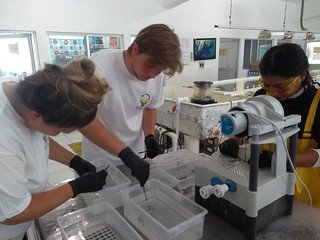
In 2022, we have continued assisting our partners with the coral reef restoration project, not only in the laboratory and tanks but also with the installation and maintenance of in reef coral nursery and the follow up monitoring of a transplant of coral fragment to new site.
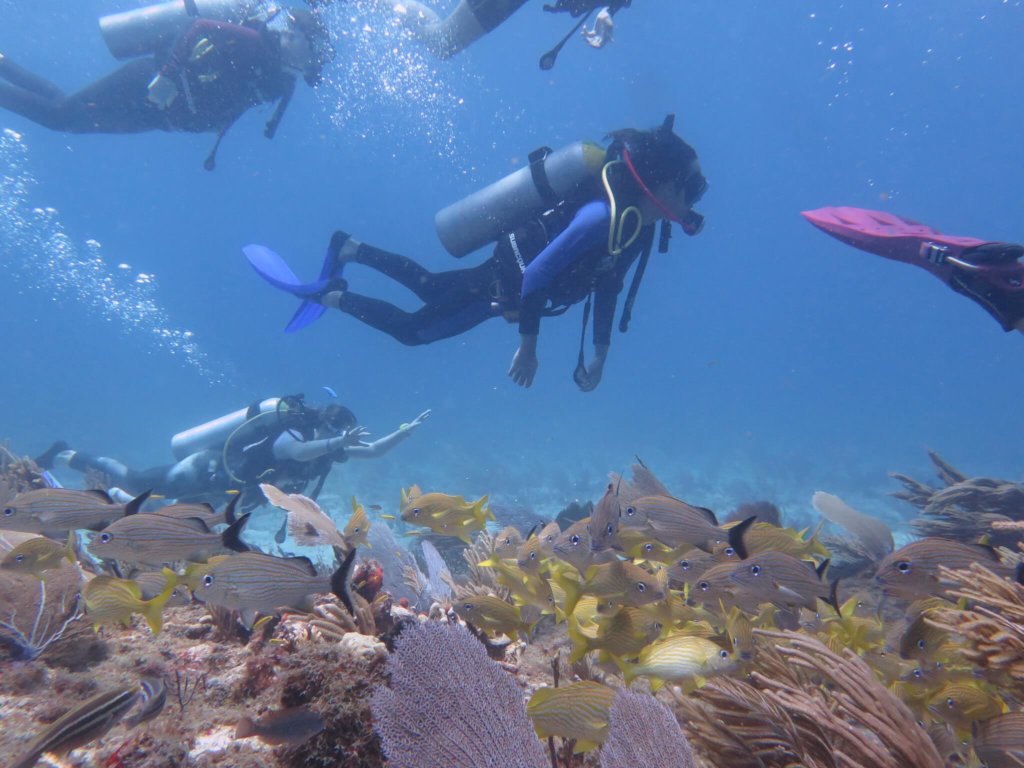
The in reef coral nursery started was started in April 2022 with an initial 299 coral fragments of Acropora palmata from 6 different genotype pools. Our team has been undertaking weekly maintenance dives of the in reef nursery and collected data on the evolution of the young coral colonies at the same time. The results of the evolution of the coral fragments in the nursery have been so positive that the site currently has over 500 coral fragments from different species.
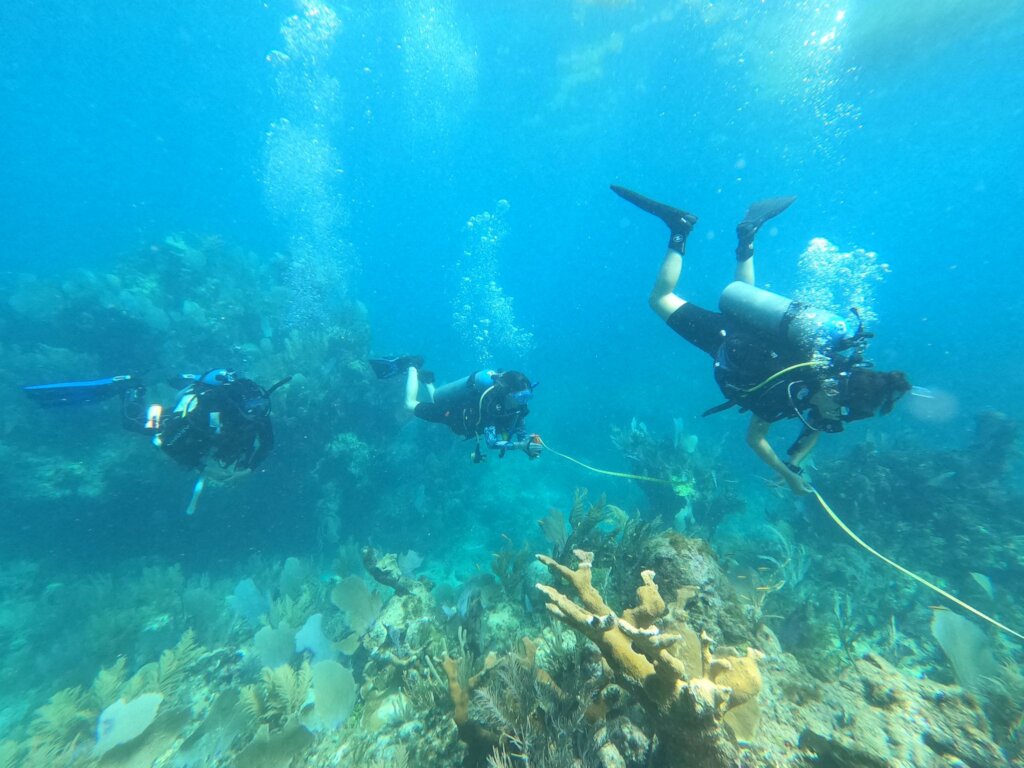
In 2021, 1´500 coral fragments of two species, Acropora cervicornis and Acropora prolifera were transplanted into a new site. Monitoring and maintenance to his site has been carried out by our team every two weeks. Cleaning the coral fragments from algae, collecting data relevant to their development and removing algae predator ( Hermodice carunculate : fireworms). On the last monitoring of the site, 295 coral clusters were reported. Even though at first site it might look like a sever diminishing of the total number of coral clusters, it actually is a good number. Many of the coral colonies have grown big enough for fusion with each other generating a bigger coral colony.
At the same time, we are continuing with the marine aquaculture program focused on incrementing the presence of the Maguimithrax spinosissimus, or Caribbean King Crab, in the coral reef. Specifically in the sites where coral restorations activities are being carried out.
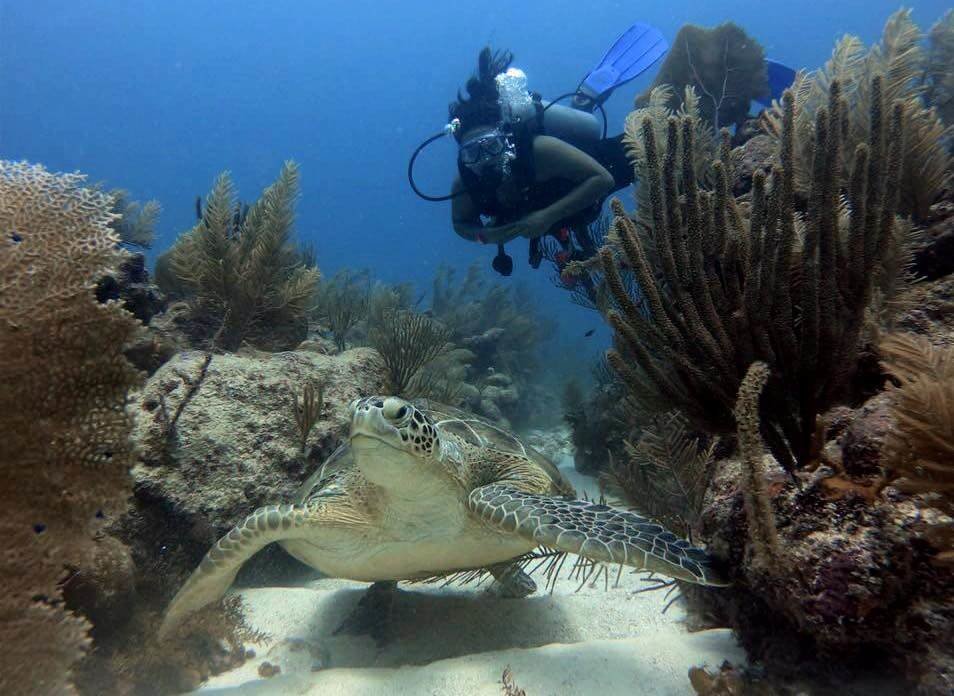
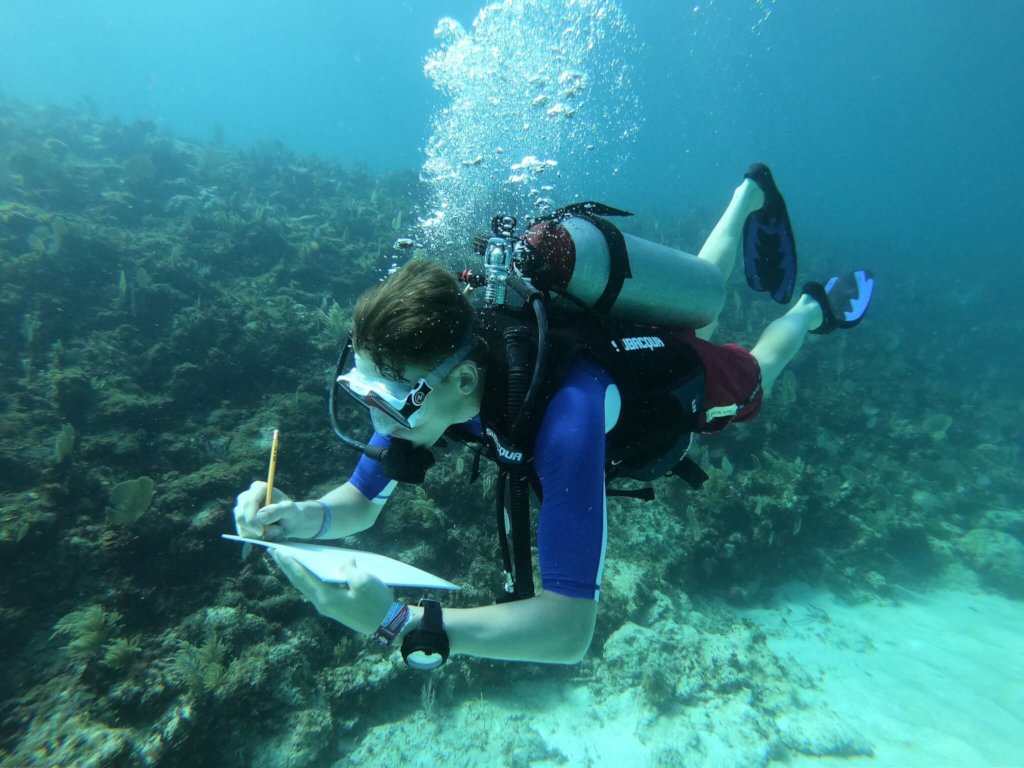
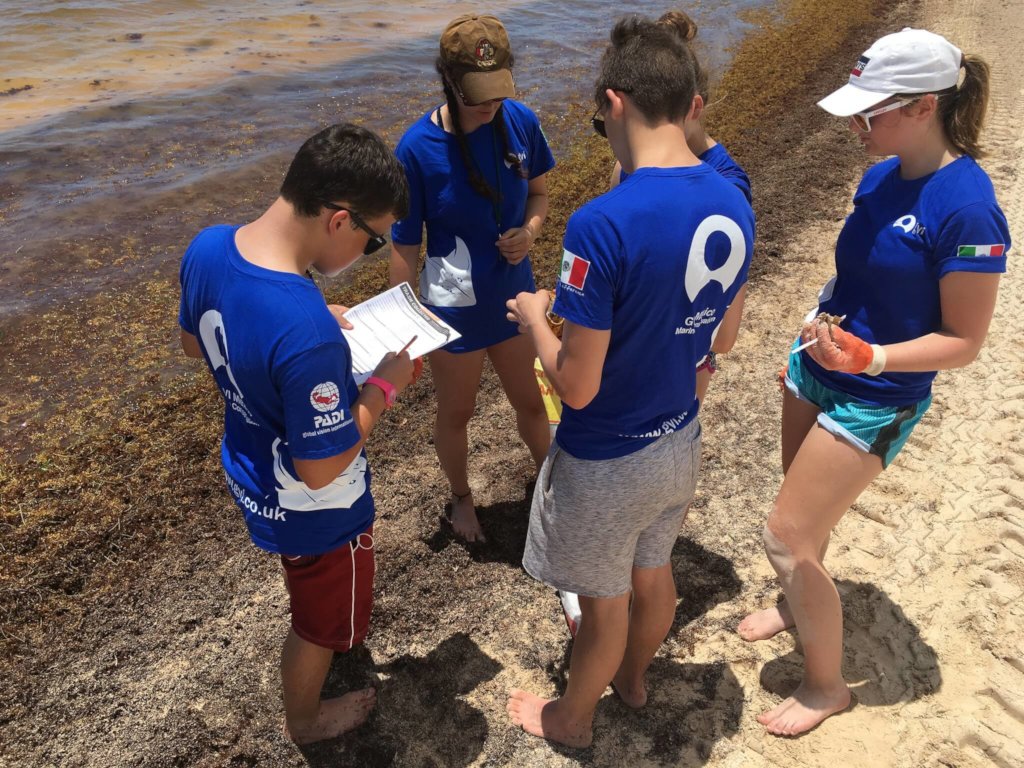
As far as the monitoring of the health of the reef, we continue to train participants in reef monitoring techniques following the Atlantic and Gulf Rapid Reef Assessment Protocol. From August to November, 2022, 69 new reef monitors have been trained. Getting them to fine tune their diving skills and learning about the reef ecosystem, the interaction with other ecosystems and the different species that inhibit them. So far two different sites have been monitored, collecting data on the health of the reef and shared it with our different partners so they can use it to determine proper paths to follow for the conservation of the reef.
With more than four years already under the bridge since the start of the coral restoration project, doing coral cloning through coral fragmentation and assisted fertilization. The objective of 265 thousand new corals in the reef by 2022 was not achieved for many different reasons. But support for the project has continued and through the positive results generated so far, authorities and supports have extended their commitment to the conservation and restoration of the coral reef ecosystem. With your help, this project continues to grow and allowing an opportunity for the conservation and restoration of this magnificent an unique ecosystem.
As always with the huge help from your support, GRACIAS!!!!!!
Project reports on GlobalGiving are posted directly to globalgiving.org by Project Leaders as they are completed, generally every 3-4 months. To protect the integrity of these documents, GlobalGiving does not alter them; therefore you may find some language or formatting issues.
If you donate to this project or have donated to this project, you can receive an email when this project posts a report. You can also subscribe for reports without donating.



Support this important cause by creating a personalized fundraising page.
Start a Fundraiser