Below is a well-structured project report based on the information you shared. If you would like, I can also format this into a PDF, Word Doc, or PowerPoint for professional presentation.
PROJECT REPORT: Community Nutrition Gardens Initiative 1. Project Title
Community Nutrition Gardens for Improved Health and Food Security
2. Project Summary
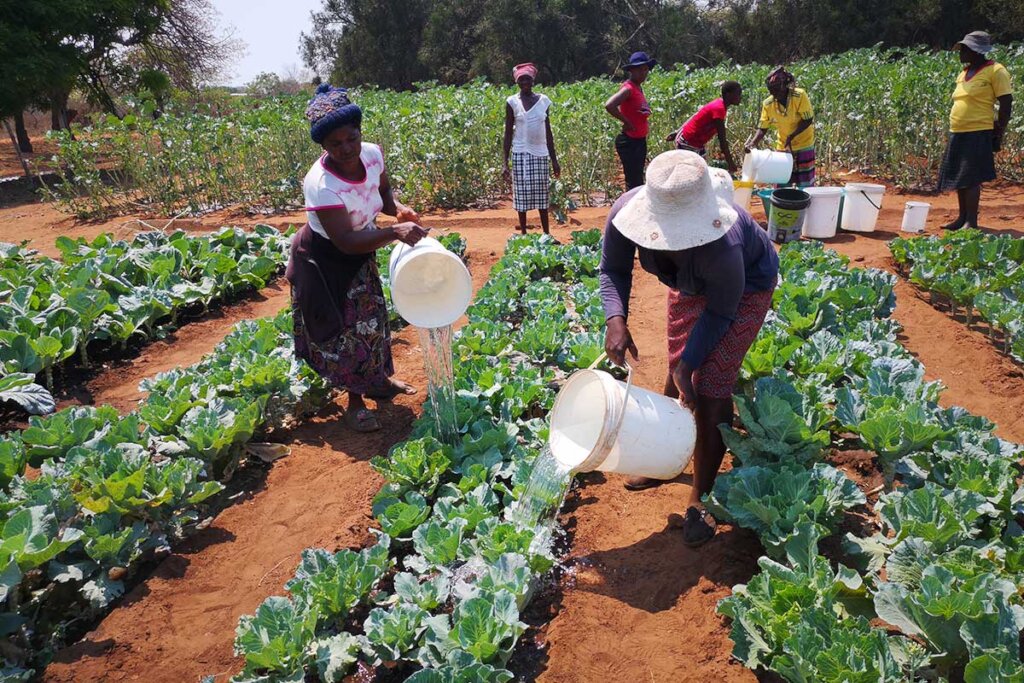
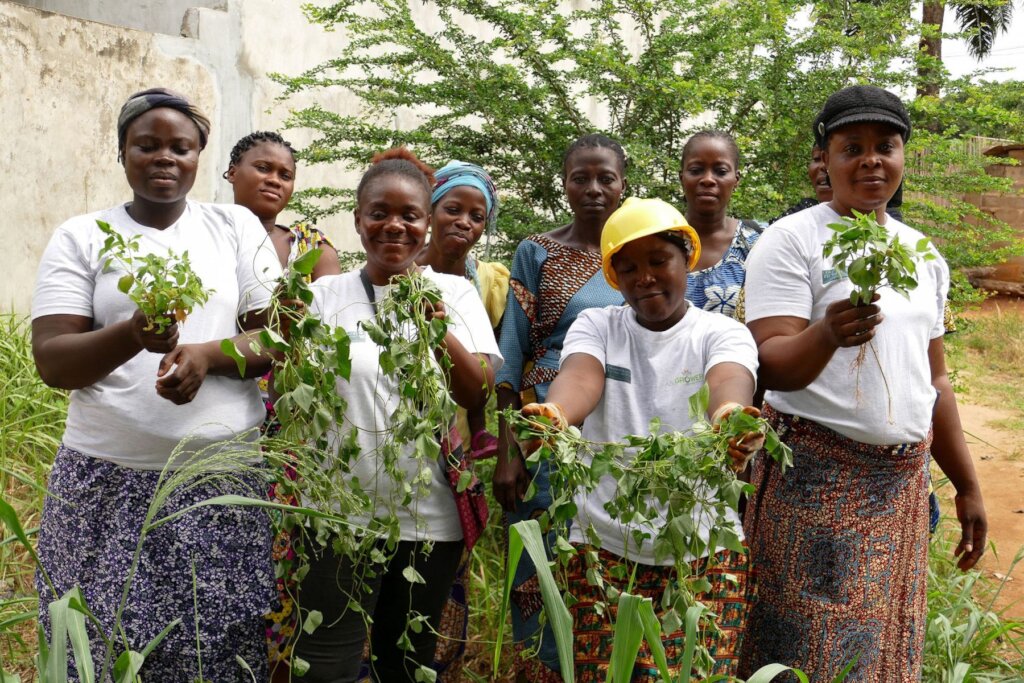
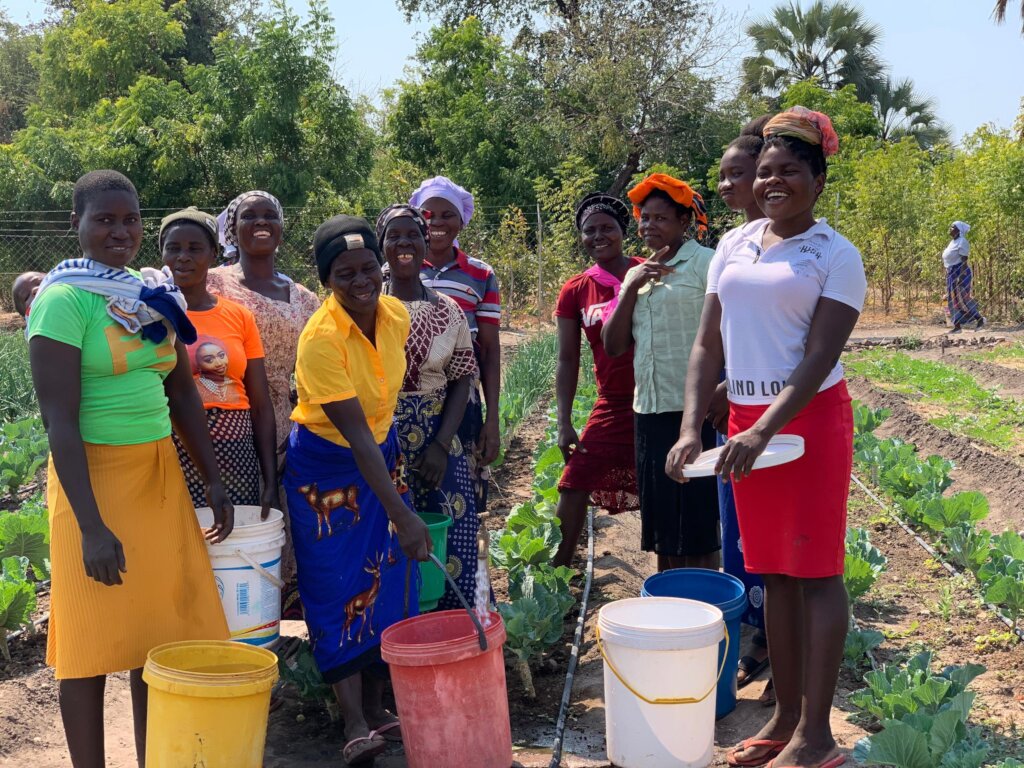
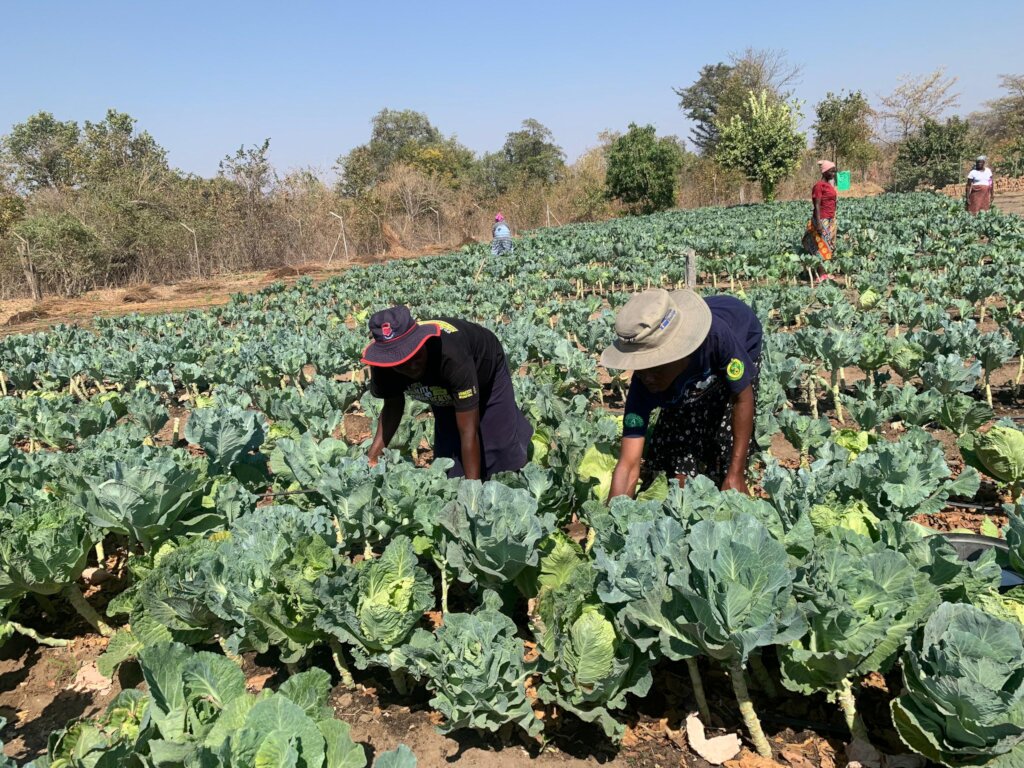
This project aims to reduce malnutrition and improve health outcomes among underserved communities by establishing community-based nutrition gardens in homes, schools, and clinics. Through the provision of seeds, gardening tools, and practical training, families and youth will be empowered to cultivate nutrient-rich vegetables and herbs using sustainable and low-cost agricultural methods. In addition, beneficiaries will receive nutrition education to encourage healthy dietary habits.
The project targets the establishment of 100 nutrition gardens within the first year, directly benefiting over 800 individuals.
- Total Budget: €60,380
- Amount Raised So Far: €17
- Balance Remaining: €60,363
- Donors: 1
- Monthly Donors: 0
- Implementation Timeline: 5 months (Year 1)
3. Problem Statement / Challenge
Malnutrition remains a significant challenge in underserved and low-income communities, particularly affecting children and vulnerable households. Limited access to affordable and nutritious food forces families to depend heavily on starchy staples or highly processed foods, resulting in:
- Nutrient deficiencies
- Weak immune systems and frequent illness
- Stunted growth and poor cognitive development in children
- Poor school performance and attendance
- Limited awareness about balanced nutrition and healthy eating
The absence of nutrition education and practical knowledge on food production aggravates the problem, leaving communities dependent on unhealthy food options.
4. Project Objectives
The project seeks to:
- Establish 100 nutrition gardens in homes, schools, and community health centers.
- Increase access to fresh vegetables and herbs for at least 800 beneficiaries in the first year.
- Provide training on sustainable gardening and composting techniques to promote self-reliance.
- Deliver nutrition education workshops to improve dietary choices and reduce malnutrition.
- Promote environmentally friendly agriculture practices within the community.
5. Project Activities (Planned Interventions)ActivityDescriptionBaseline assessmentSelection of participants, schools, and vulnerable householdsTraining sessionsPractical training on sustainable gardening, composting, and water-saving techniquesDistribution of garden starter kitsSeeds, gardening tools, watering cans, organic fertilizer inputsEstablishment of gardensSupervised garden set-up in targeted homes and schoolsNutrition & cooking classesWorkshops on balanced diets, food hygiene, and meal planning using harvested produceMonitoring and supportRegular follow-ups, mentorship, and progress evaluation
6. Expected Results
- 100 functional nutrition gardens established
- Increased intake of vegetables in children and households
- Reduced cases of nutrient deficiency–related illnesses
- Improved awareness of healthy eating and sustainable farming
- Community-driven efforts towards food self-sufficiency
7. Long-Term Impact
The long-term impact of the project includes:
- Improved Community Health & Reduced Malnutrition: Consistent access to fresh produce will enhance family health and reduce preventable diseases caused by poor diets.
- Food Security & Self-Reliance: Families will gain the skills to produce food independently, decreasing reliance on external food sources and reducing hunger.
- Educational Impact on Children: Well-nourished children perform better in school, with improved concentration, growth, and attendance.
- Environmental Sustainability: Adoption of eco-friendly gardening practices (such as composting and organic farming) will promote environmental stewardship.
- Scalable Community Model: The project can be expanded to neighboring communities and replicated as a sustainable model of community-led food production.
8. Budget Summary (Detailed budget can be provided upon request) Item Estimated Cost (€) Garden Starter Kits (100 households/schools) €24,000 Training Workshops & Trainers’ Fees €12,000 Nutrition Education Materials & Sessions €6,300 Monitoring & Evaluation €5,280 Project Coordination & Staffing €9,800 Total Estimated Budget €60,380
9. Sustainability Plan
To ensure continuity beyond the first year:
- Beneficiaries will be trained to produce their own seeds and organic fertilizers.
- School gardens will be integrated into school feeding programs and agricultural clubs.
- Formation of local garden support groups for knowledge sharing and peer mentoring.
- Partnerships with local stakeholders, agricultural extension services, and community-based organizations.
10. Conclusion
The Community Nutrition Gardens Initiative is a sustainable and impactful approach to addressing malnutrition and promoting good health in underserved communities. By empowering families and schools to grow their own vegetables and understand healthy nutrition practices, the project fosters long-term resilience, health, and food security. Support for this initiative will contribute to transforming lives, improving child development, and strengthening community well-being.
![Share on Twitter]()
![Share on Facebook]()