By Ekabole Joy | CEO/Founder
Below is a well-structured project report based on the information you shared. If you would like, I can also format this into a PDF, Word Doc, or PowerPoint for professional presentation.
PROJECT REPORT: Community Nutrition Gardens Initiative 1. Project Title
Community Nutrition Gardens for Improved Health and Food Security
2. Project Summary
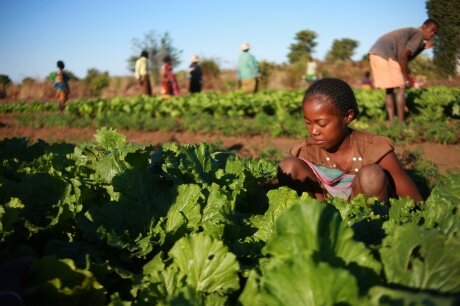
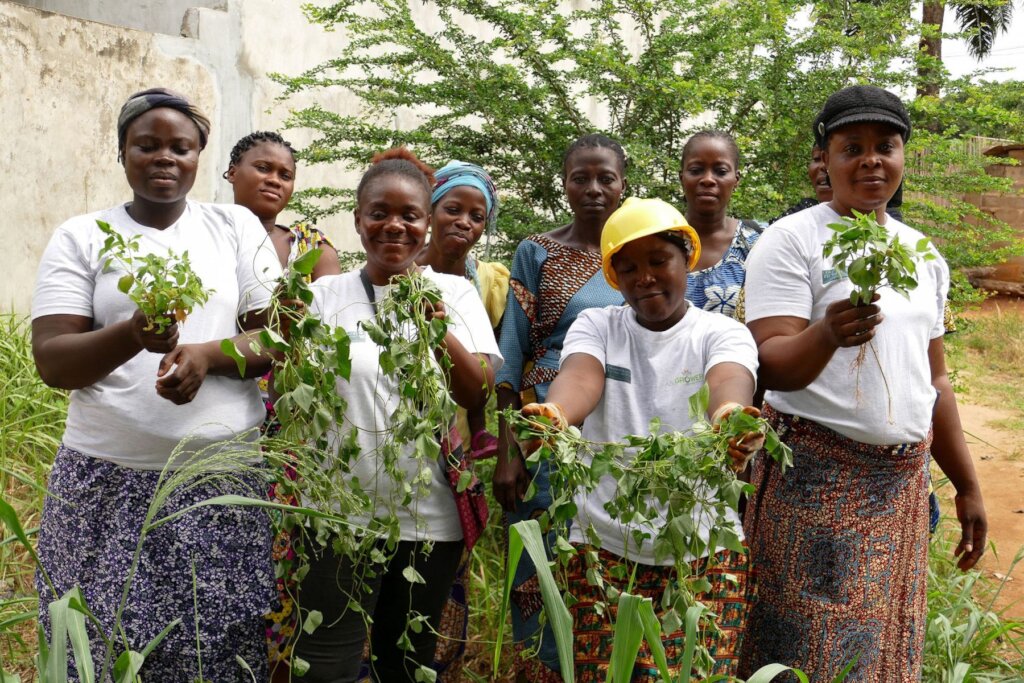
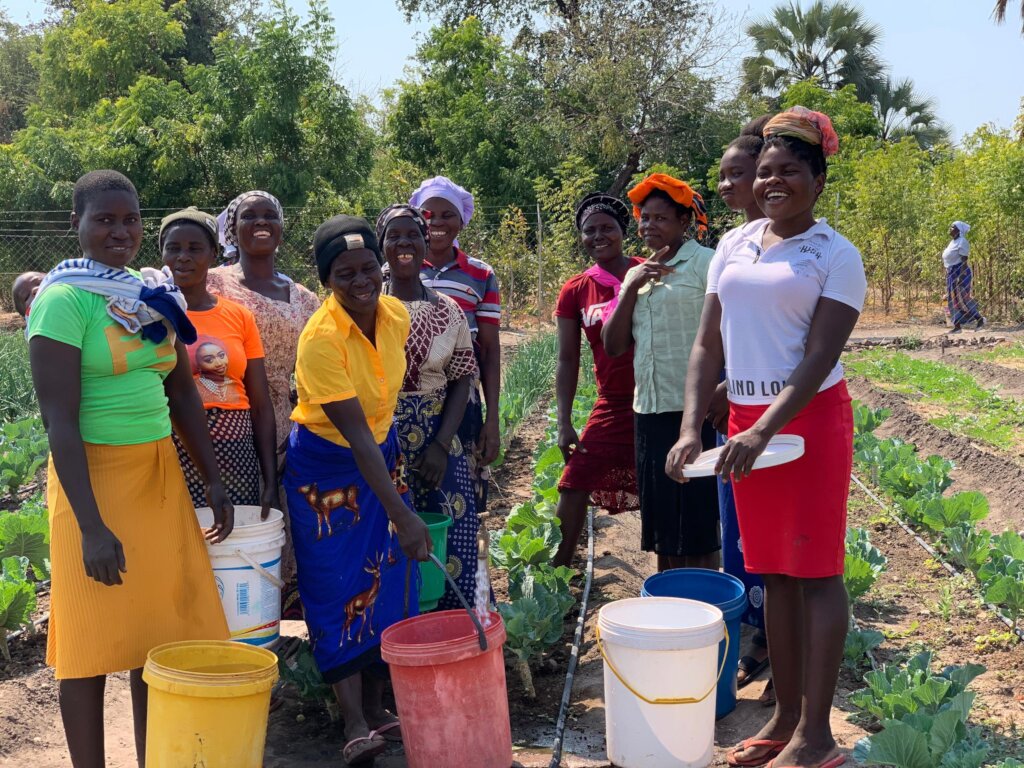
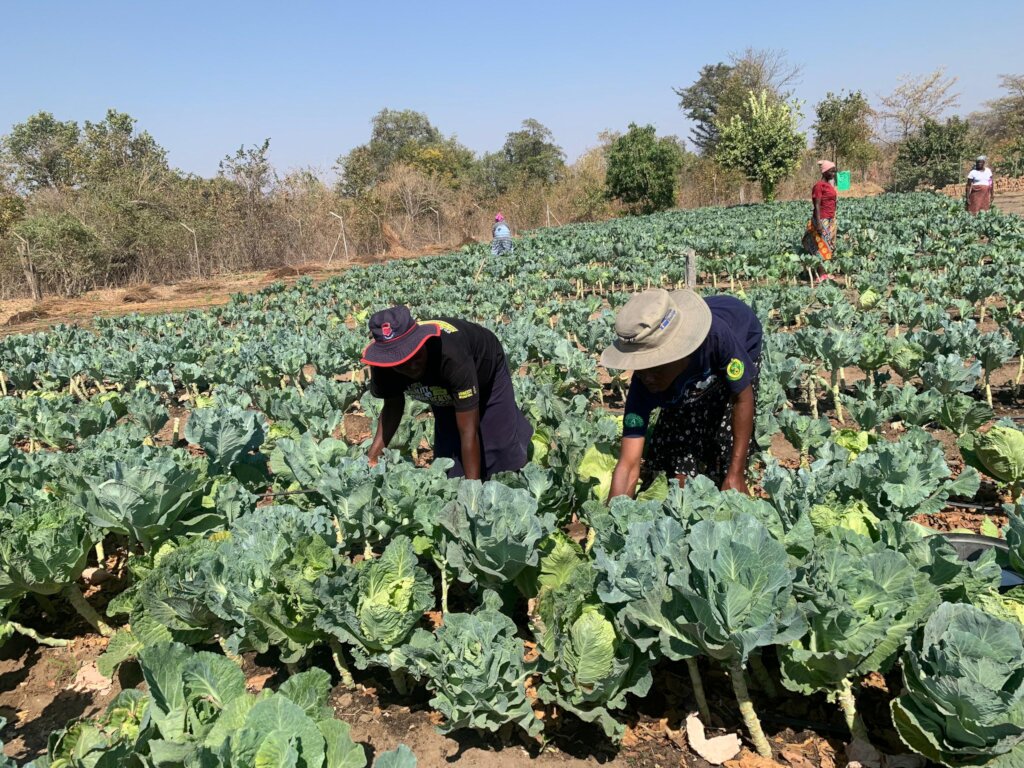
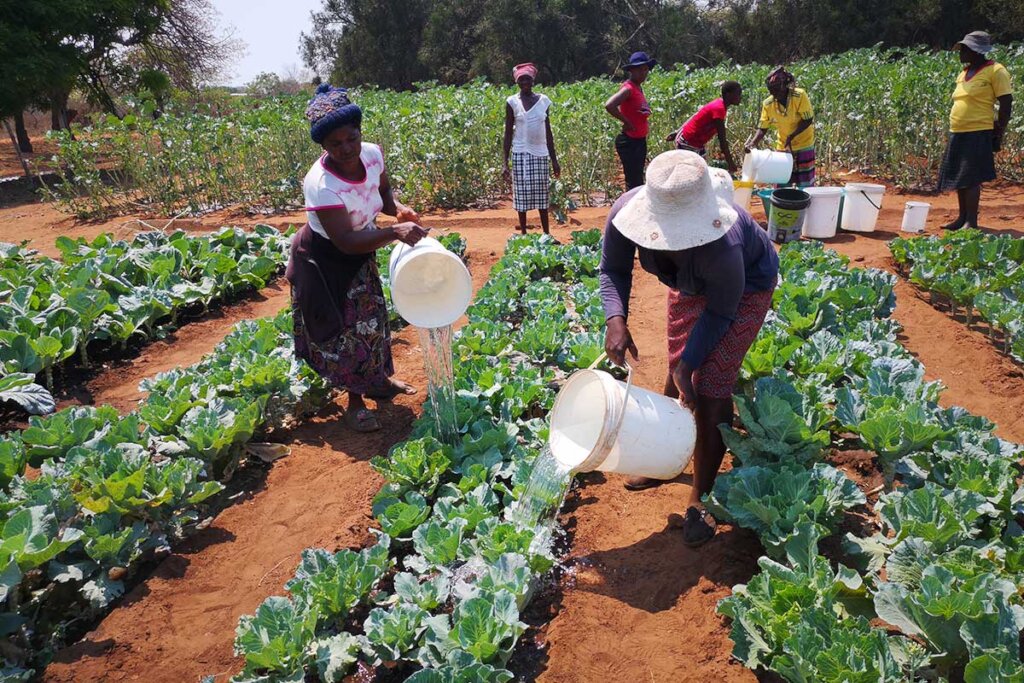
This project aims to reduce malnutrition and improve health outcomes among underserved communities by establishing community-based nutrition gardens in homes, schools, and clinics. Through the provision of seeds, gardening tools, and practical training, families and youth will be empowered to cultivate nutrient-rich vegetables and herbs using sustainable and low-cost agricultural methods. In addition, beneficiaries will receive nutrition education to encourage healthy dietary habits.
The project targets the establishment of 100 nutrition gardens within the first year, directly benefiting over 800 individuals.
3. Problem Statement / Challenge
Malnutrition remains a significant challenge in underserved and low-income communities, particularly affecting children and vulnerable households. Limited access to affordable and nutritious food forces families to depend heavily on starchy staples or highly processed foods, resulting in:
The absence of nutrition education and practical knowledge on food production aggravates the problem, leaving communities dependent on unhealthy food options.
4. Project Objectives
The project seeks to:
5. Project Activities (Planned Interventions)ActivityDescriptionBaseline assessmentSelection of participants, schools, and vulnerable householdsTraining sessionsPractical training on sustainable gardening, composting, and water-saving techniquesDistribution of garden starter kitsSeeds, gardening tools, watering cans, organic fertilizer inputsEstablishment of gardensSupervised garden set-up in targeted homes and schoolsNutrition & cooking classesWorkshops on balanced diets, food hygiene, and meal planning using harvested produceMonitoring and supportRegular follow-ups, mentorship, and progress evaluation
6. Expected Results
7. Long-Term Impact
The long-term impact of the project includes:
8. Budget Summary (Detailed budget can be provided upon request) Item Estimated Cost (€) Garden Starter Kits (100 households/schools) €24,000 Training Workshops & Trainers’ Fees €12,000 Nutrition Education Materials & Sessions €6,300 Monitoring & Evaluation €5,280 Project Coordination & Staffing €9,800 Total Estimated Budget €60,380
9. Sustainability Plan
To ensure continuity beyond the first year:
10. Conclusion
The Community Nutrition Gardens Initiative is a sustainable and impactful approach to addressing malnutrition and promoting good health in underserved communities. By empowering families and schools to grow their own vegetables and understand healthy nutrition practices, the project fosters long-term resilience, health, and food security. Support for this initiative will contribute to transforming lives, improving child development, and strengthening community well-being.
Project reports on GlobalGiving are posted directly to globalgiving.org by Project Leaders as they are completed, generally every 3-4 months. To protect the integrity of these documents, GlobalGiving does not alter them; therefore you may find some language or formatting issues.
If you donate to this project or have donated to this project, you can receive an email when this project posts a report. You can also subscribe for reports without donating.



Support this important cause by creating a personalized fundraising page.
Start a Fundraiser