By Ekabole Joy | CEO/Founder
Project Report
Community Health Through Local Nutrition Gardens
Organization: Community Echoe Responder (COMERES)
Project Location: South West Region, Cameroon
Project Goal: Improve community health and food security through sustainable local nutrition gardens.
1. Overview
The Community Health Through Local Nutrition Gardens project was launched to address malnutrition, food insecurity, and preventable health challenges affecting vulnerable households in our community. Rising food costs, displacement, and limited access to nutritious food have made it difficult for many families to maintain balanced diets.
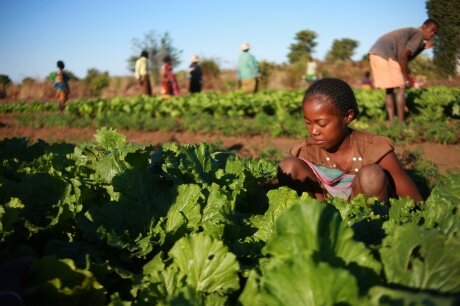
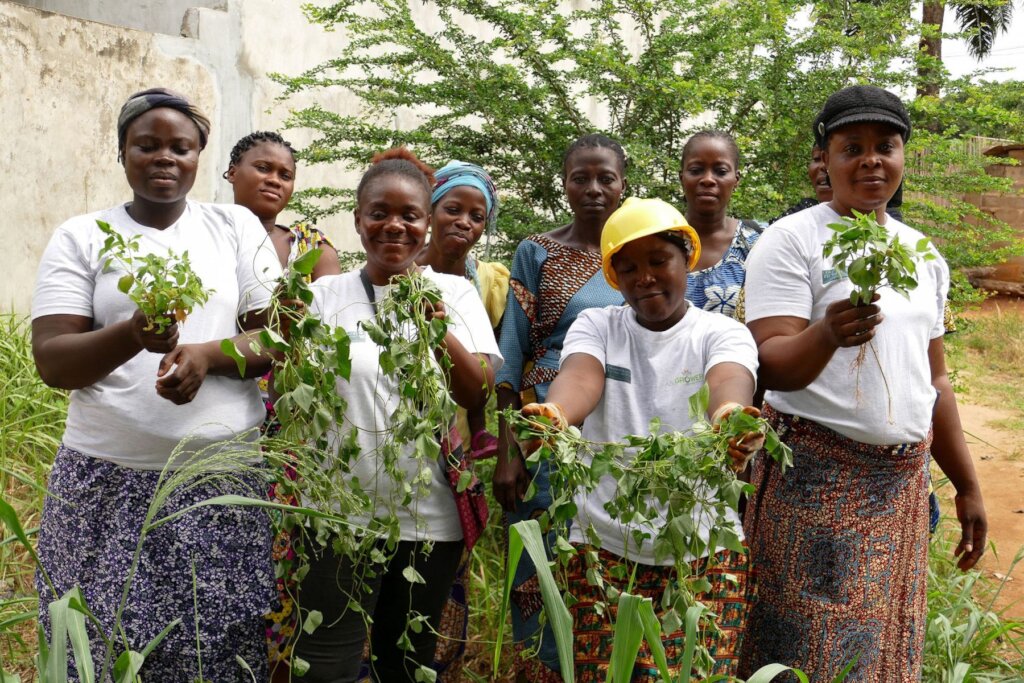
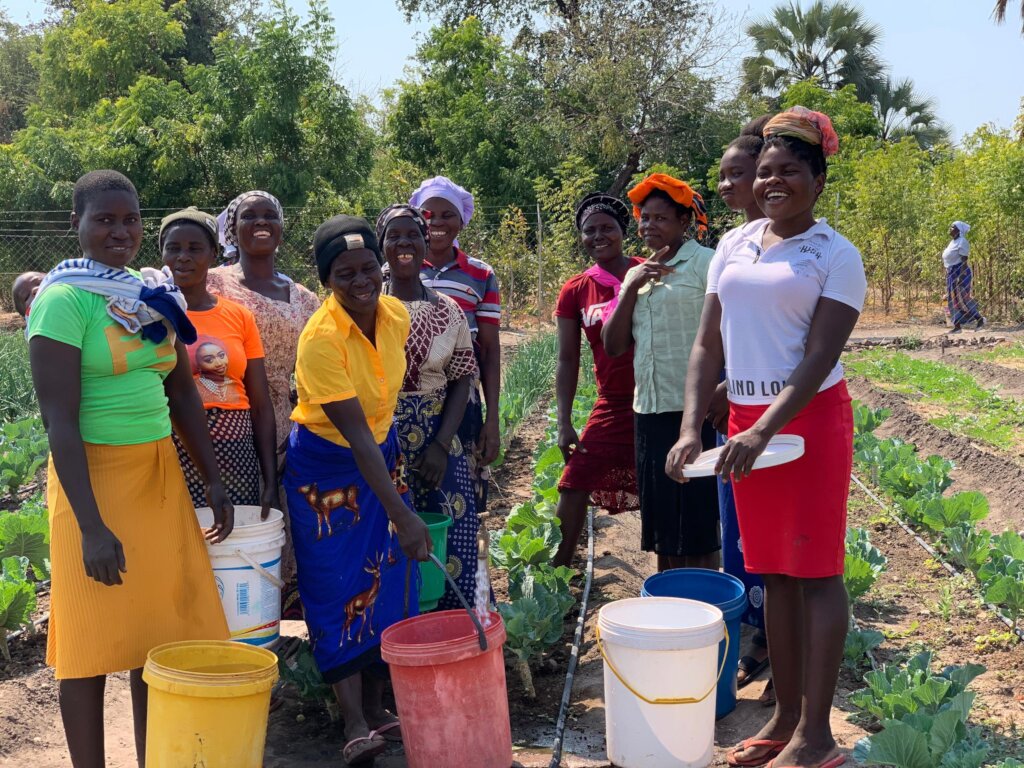
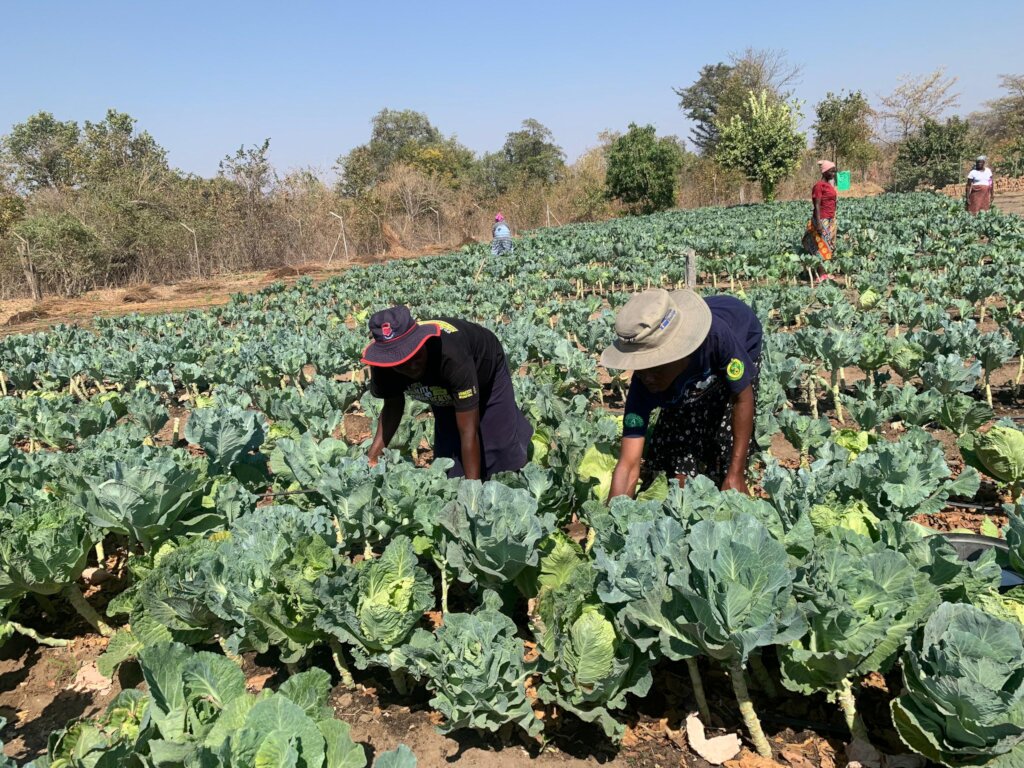
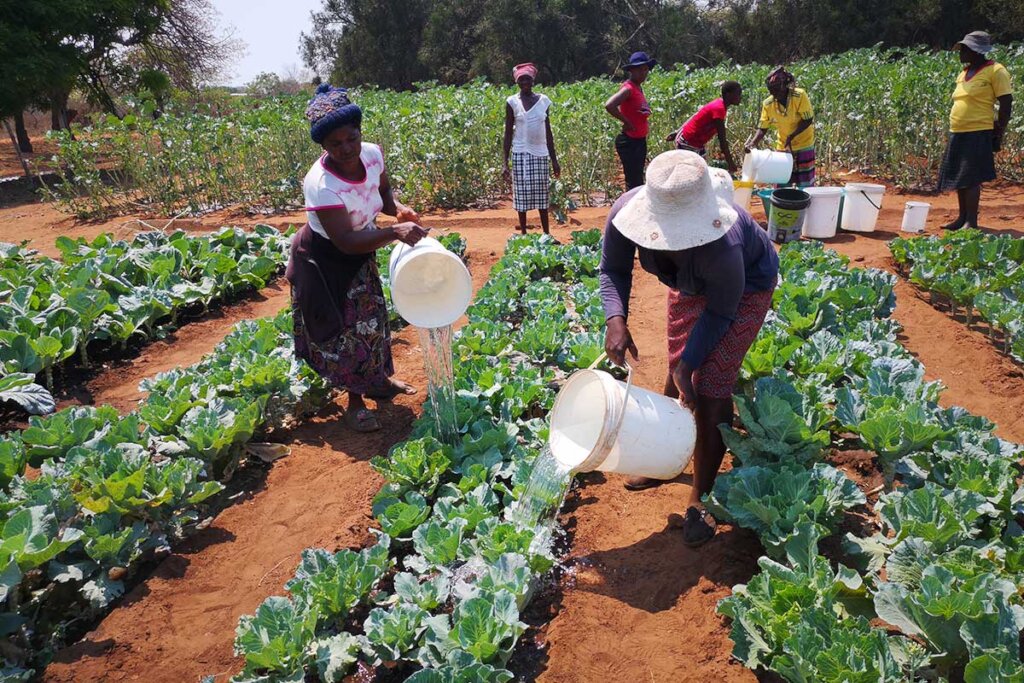
Through this initiative, COMERES supported households—especially women and youth—to establish small-scale nutrition gardens that provide access to fresh vegetables, improve dietary diversity, and promote sustainable agricultural practices.
2. Project Objectives
The main objectives of this project are to:
Improve household access to nutritious vegetables
Reduce malnutrition among children and pregnant women
Train families in sustainable gardening techniques
Promote preventive health through proper nutrition
Strengthen community resilience and self-reliance
3. Activities Implemented
During this reporting period, the following activities were completed:
a) Community Mobilization and Selection
Identified and registered 50 vulnerable households.
Priority was given to internally displaced families, female-headed households, and families with children under five.
b) Nutrition and Health Education Workshops
Conducted 3 training sessions on:
Balanced diets and micronutrient importance
Child and maternal nutrition
Hygiene and food safety practices
82 community members participated (60 women, 22 men).
c) Establishment of Nutrition Gardens
Distributed vegetable seeds (spinach, okra, tomatoes, carrots, and leafy greens).
Provided basic tools and organic fertilizer.
Demonstrated proper spacing, composting, and natural pest control methods.
d) Monitoring and Support Visits
Conducted follow-up visits to ensure proper garden management.
Provided technical guidance to improve yield and sustainability.
4. Results and Impact
The project has achieved measurable and meaningful outcomes:
50 functional household nutrition gardens established
Increased access to fresh vegetables for over 250 direct beneficiaries
Improved knowledge of balanced diets among participants
Early reports of improved child feeding practices
Families have reported:
Reduced food expenses
Improved meal quality and diversity
Increased confidence in growing their own food
One participant shared:
“Before, we could not afford vegetables regularly. Now we harvest from our own garden and feed our children better.”
5. Challenges Faced
Irregular rainfall affected some early planting.
Limited water access in certain areas.
Rising transportation costs for materials.
Despite these challenges, strong community participation ensured successful garden establishment.
6. Lessons Learned
Combining health education with food production increases long-term impact.
Women’s involvement is key to household nutrition improvement.
Continuous monitoring improves sustainability and productivity.
7. Financial Summary (Brief Overview)
Funds were allocated to:
Purchase of seeds and farming tools
Training materials and workshop logistics
Transportation for field monitoring
Organic fertilizers and compost supplies
All expenditures were managed in accordance with transparency and accountability standards.
8. Next Steps
Expand to 100 additional households
Introduce small-scale irrigation solutions
Train youth groups in nutrition-based agribusiness
Conduct nutritional assessment surveys to measure long-term health impact
9. Gratitude to Donors
We extend our sincere appreciation to our GlobalGiving donors and partners. Your support is transforming lives by strengthening community health through sustainable, locally driven solutions.
Because of you, families are eating healthier, children are growing stronger, and communities are becoming more resilient
Project reports on GlobalGiving are posted directly to globalgiving.org by Project Leaders as they are completed, generally every 3-4 months. To protect the integrity of these documents, GlobalGiving does not alter them; therefore you may find some language or formatting issues.
If you donate to this project or have donated to this project, you can receive an email when this project posts a report. You can also subscribe for reports without donating.



Support this important cause by creating a personalized fundraising page.
Start a Fundraiser