By Shimona Chadha | Fundraising and Communications
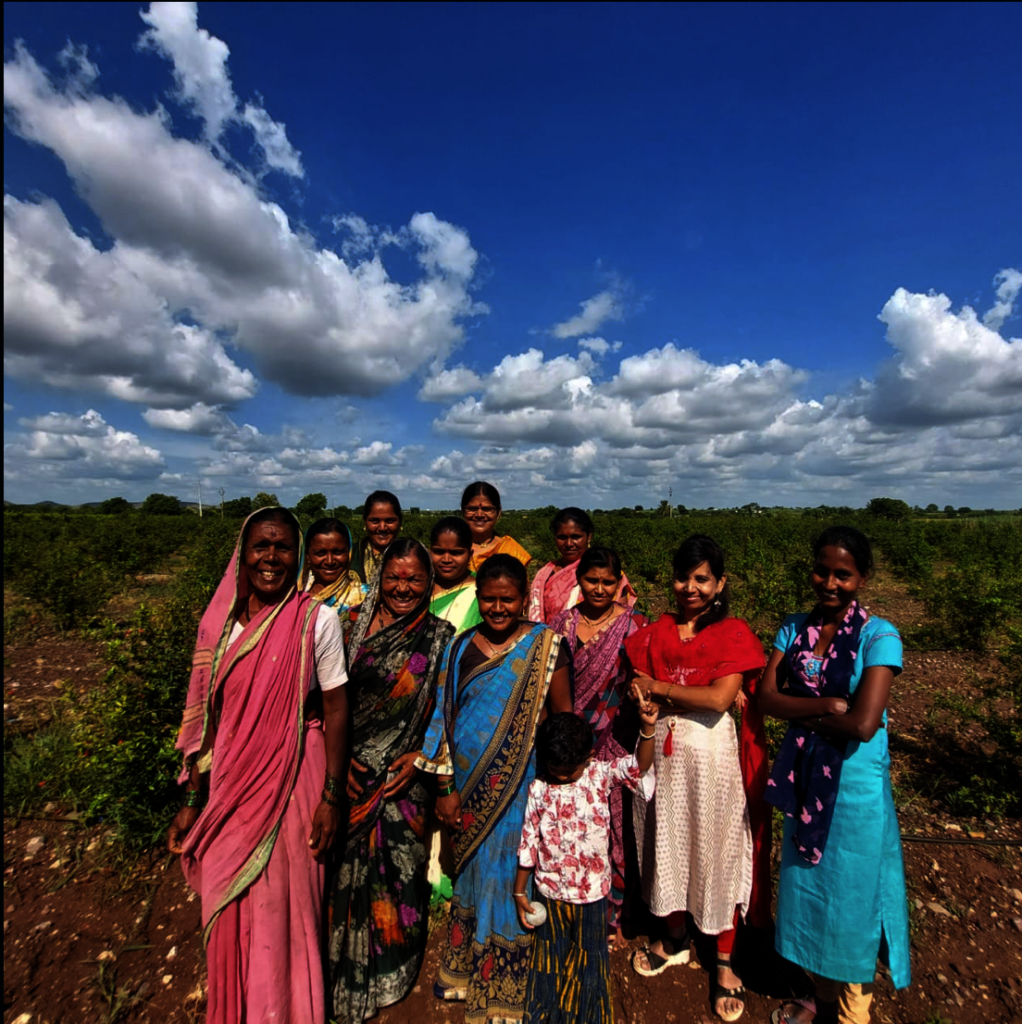
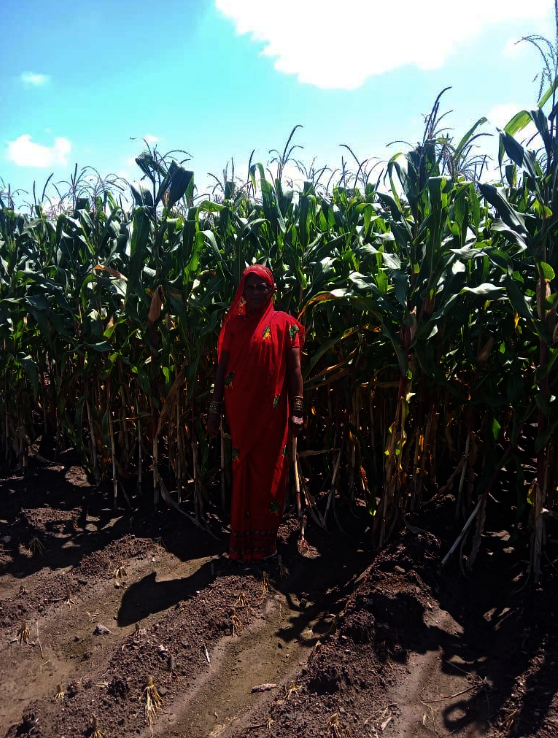
During the last quarter, the project reached 3,483 farmers across the intervention areas. A total of 379 soil samples were collected and analysed to assess soil health, identify nutrient deficiencies, and provide farmers with crop-specific scientific recommendations.
Through soil testing, agronomic guidance, and improved crop management practices, farmers were supported to make more informed decisions on fertilizer application, irrigation, and crop care. These interventions contributed to improved productivity, more efficient use of agricultural inputs, reduced cultivation costs, and the adoption of more sustainable farming practices.
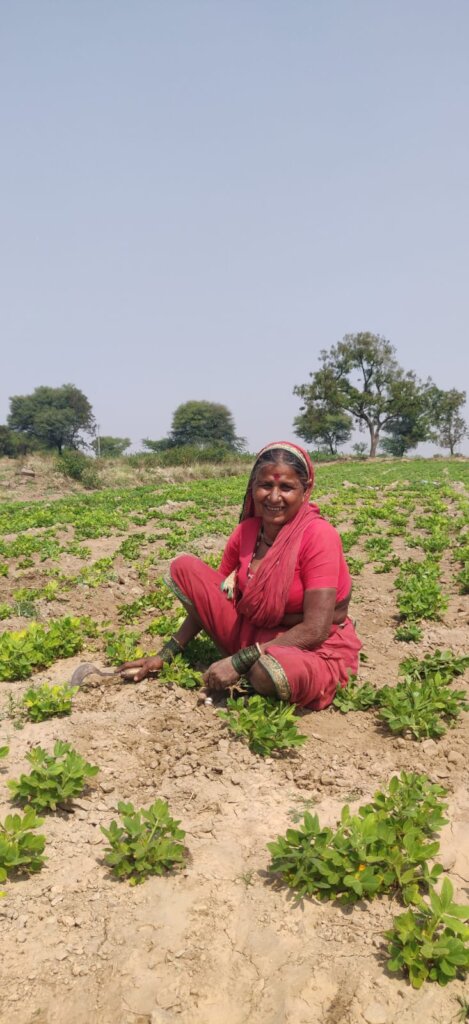
Farmer Success StoriesFrom Soil Testing to Higher Returns: Jayashree
Jayashree owns 18 gunthas of land. She previously cultivated wheat, spending approximately 3,000 on cultivation and earning around 6,000. She felt that the returns did not adequately reflect the effort and resources invested.
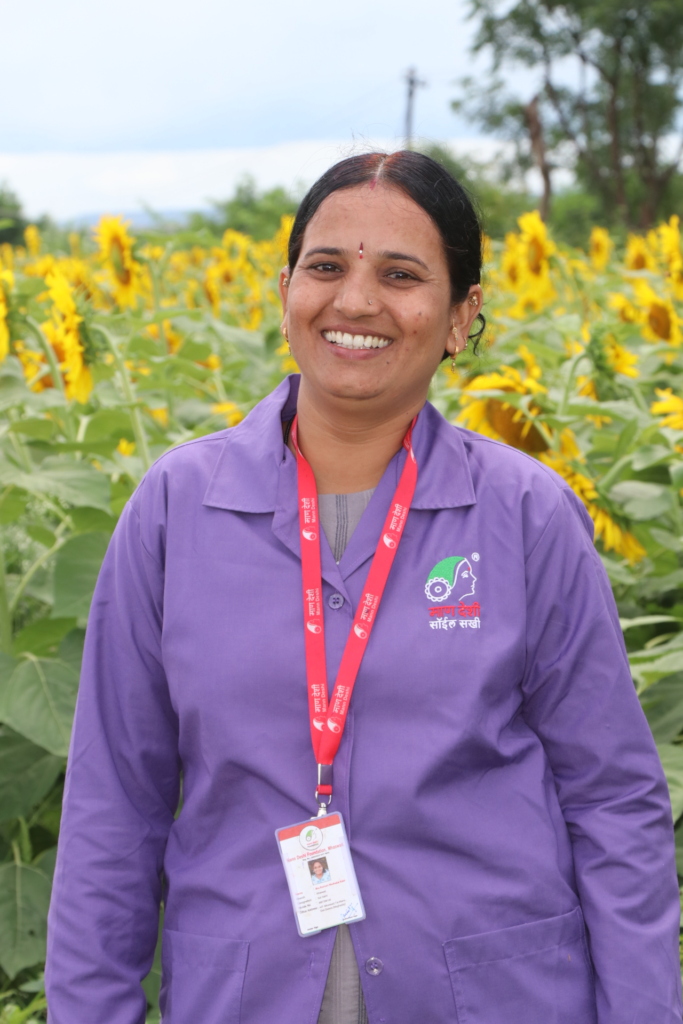
Her approach began to change when a Soil Sakhi visited her farm, assessed the field conditions, and discussed her farming practices. She encouraged Jayashree to undertake soil testing to understand the nutrient status of her soil.
Based on the soil test results, Jayashree received guidance on fertilizer application, irrigation, and crop management. With a better understanding of her soil and crop requirements, she was able to plan her cultivation more scientifically.
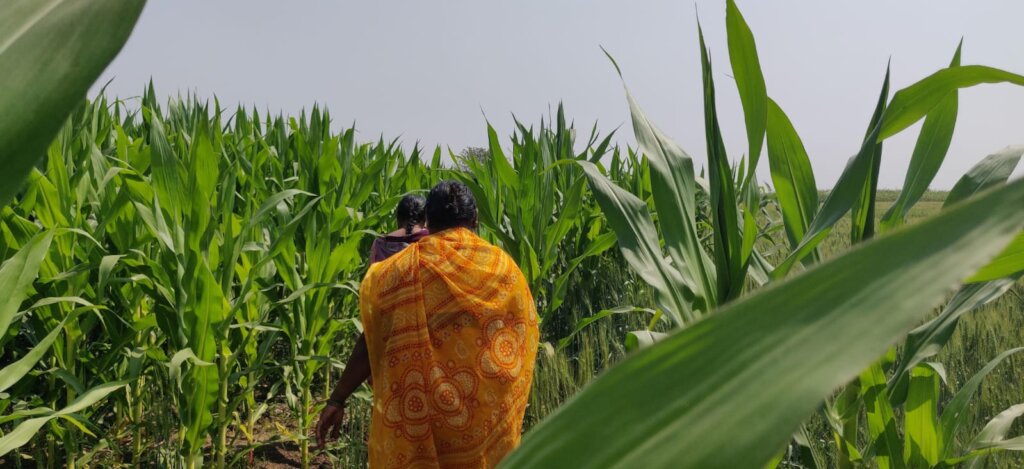
She later decided to cultivate Bajra (pearl millet). Her total cultivation cost was approximately 2,500, and with improved planning and crop management, she harvested 7 quintals, generating an income of approximately 21,000.
“Today, I can confidently say that soil testing and technical guidance make farming more profitable and efficient.”
Jayashree credits the timely guidance provided by the Soil Sakhi and Agronomist teams for helping her make more informed farming decisions and improve the profitability of her farm.
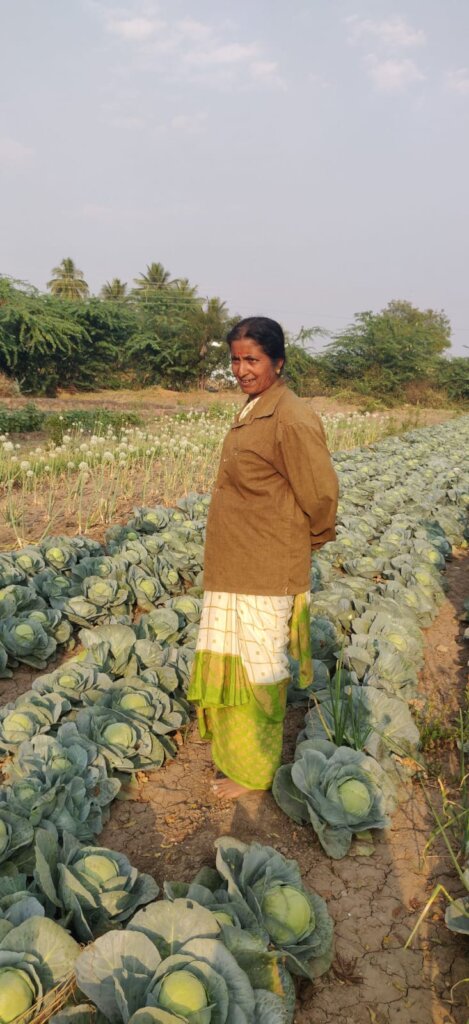
Improving Onion Productivity Through Scientific Crop Management
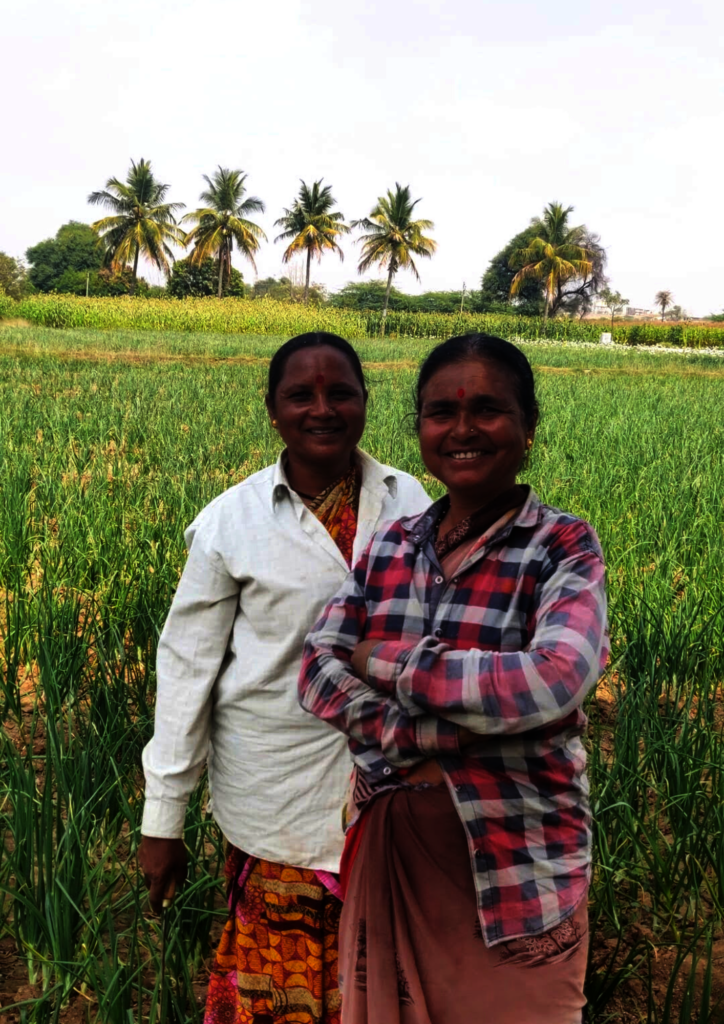
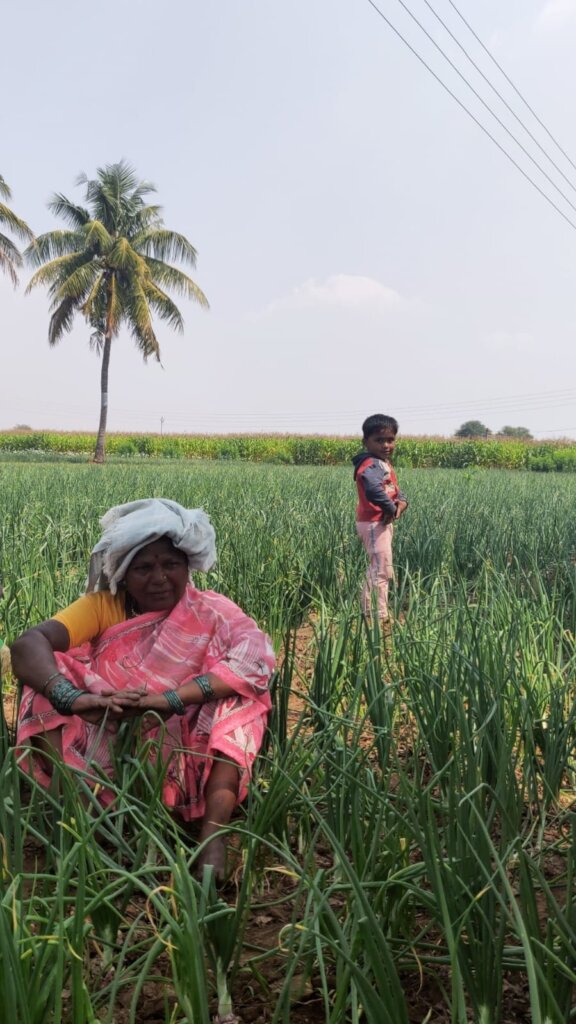
Madhuri cultivates onion on 1 acre of land. Before undertaking soil testing, she faced challenges related to limited information about soil nutrients and fertilizer management, which affected crop growth and productivity. She typically harvested around 250 bags of onions per acre.
Through the Mann Deshi Agriculture Soil and Water Testing Center, Madhuri conducted soil testing for the first time. The results provided a clear understanding of the nutrient status of her soil and helped the team develop a balanced fertilizer management plan and crop-specific nutrition schedule. She also received regular guidance and field visits from an agronomist.
By adopting these recommendations, Madhuri saw a significant improvement in her onion production. Her yield increased from 250 bags to 390 bags per acre, an increase of 140 bags. With the market rate at 900 per bag, her income increased from approximately 2,25,000 before soil testing to 3,51,000 after adopting the recommended practices. This resulted in an additional income of approximately 1,26,000.
Her experience demonstrates how soil testing, balanced fertilizer application, and crop-specific scheduling can contribute to measurable improvements in farm productivity and income.
Abundant Ginger Production Through Soil Testing
Rupali Ramesh Pawar, a farmer cultivated ginger on 12 gunthas of land. This year, she conducted soil testing for the first time through the Soil Sakhi initiative.
Following the soil test, Rupali received a soil health report and crop-specific fertilizer schedule. Based on the recommendations, she adjusted her fertilizer application and adopted appropriate plant protection and crop management practices.
The scientific guidance helped her better understand the nutrient requirements of her soil and apply fertilizers according to the crop’s needs. Timely and appropriate crop management supported healthy plant growth and contributed to improved productivity. Rupali achieved a production of 10 cartloads of ginger from her 12-guntha plot.
Rupali shared that soil testing and scientific guidance enabled her to achieve abundant production even on a small landholding. Her experience has encouraged her to recommend soil testing and scientific farming practices to other farmers in her community.
Links:
By Shimona Chadha | Fundraising and Communications
By Shimona | Fundrasing and Communications
Project reports on GlobalGiving are posted directly to globalgiving.org by Project Leaders as they are completed, generally every 3-4 months. To protect the integrity of these documents, GlobalGiving does not alter them; therefore you may find some language or formatting issues.
If you donate to this project or have donated to this project, you can receive an email when this project posts a report. You can also subscribe for reports without donating.



Support this important cause by creating a personalized fundraising page.
Start a Fundraiser