By Mrs. Woderyelesh Ashebir | Executive Director
Project Report: Clean Water: for 10,000 Rural Ethiopia (73139)
No One Down Relief Organization (NODRO)
Addis Ababa, Ethiopia
Registration No: 7509
Our Ref No: NODRO/Global/July/2026/L.No.16
Date: July 8, 2026
Dear GlobalGiving Community,
Warm greetings from No One Down Relief Organization (NODRO).
We are delighted to share the latest progress report for our project, "Clean Water: for 10,000 Rural Ethiopia." We sincerely thank GlobalGiving and our generous supporters for making this life-changing initiative possible.
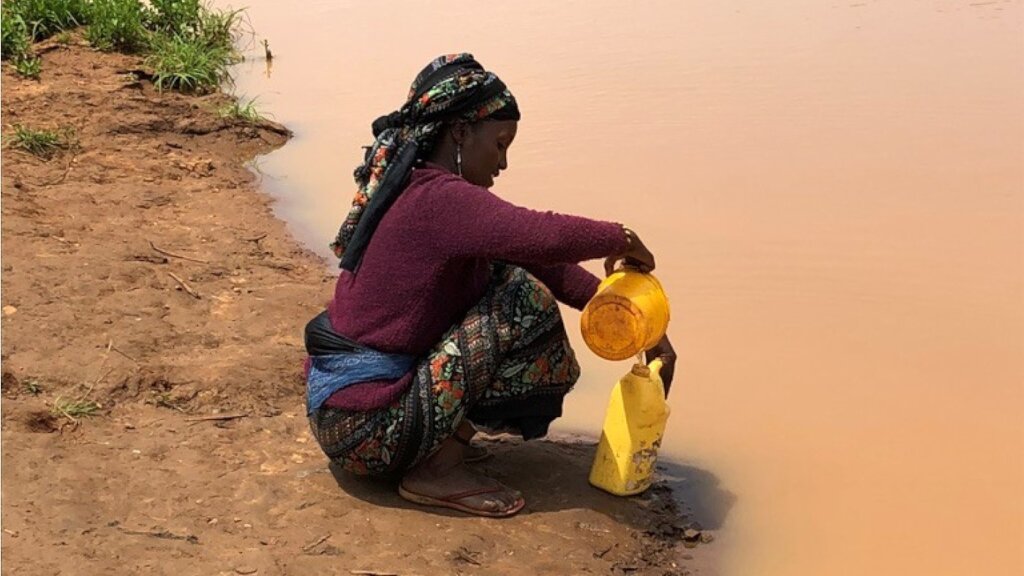
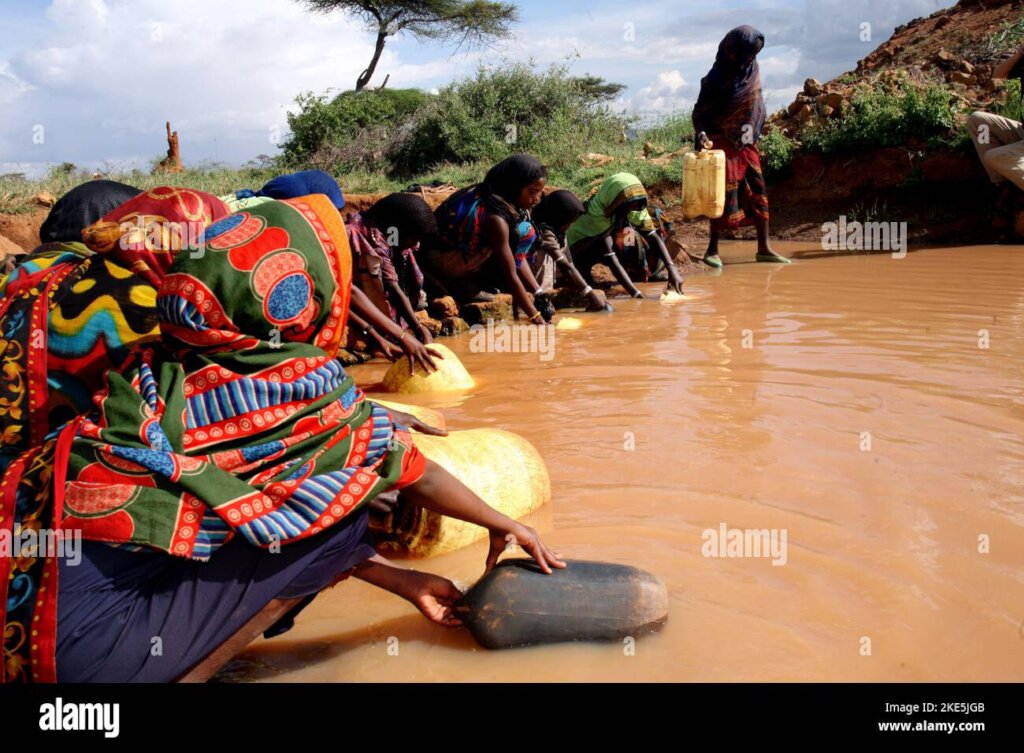
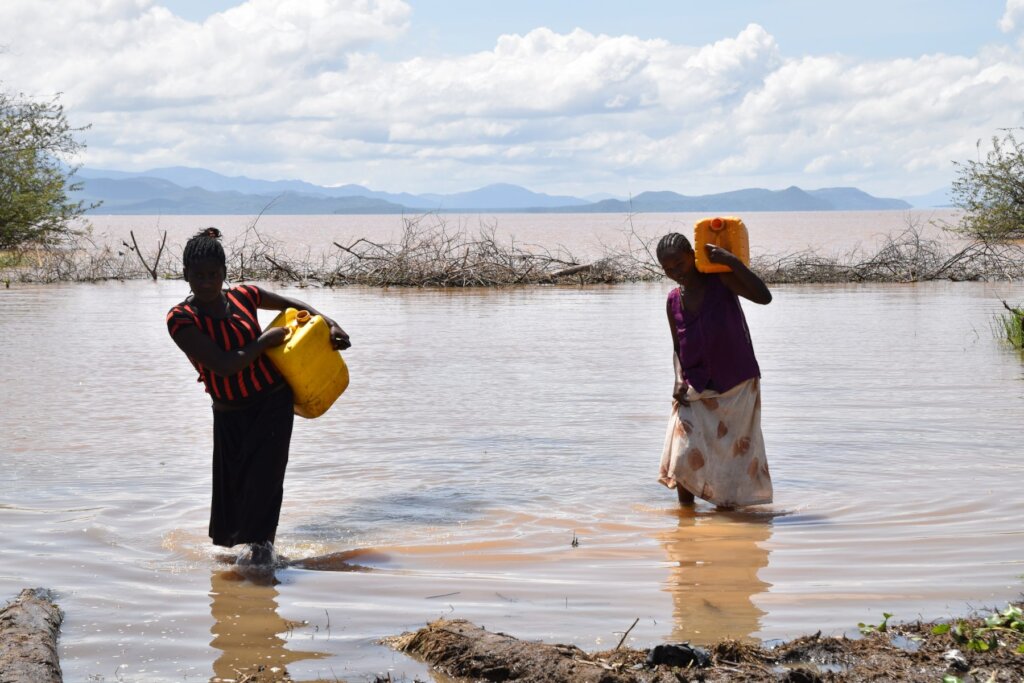
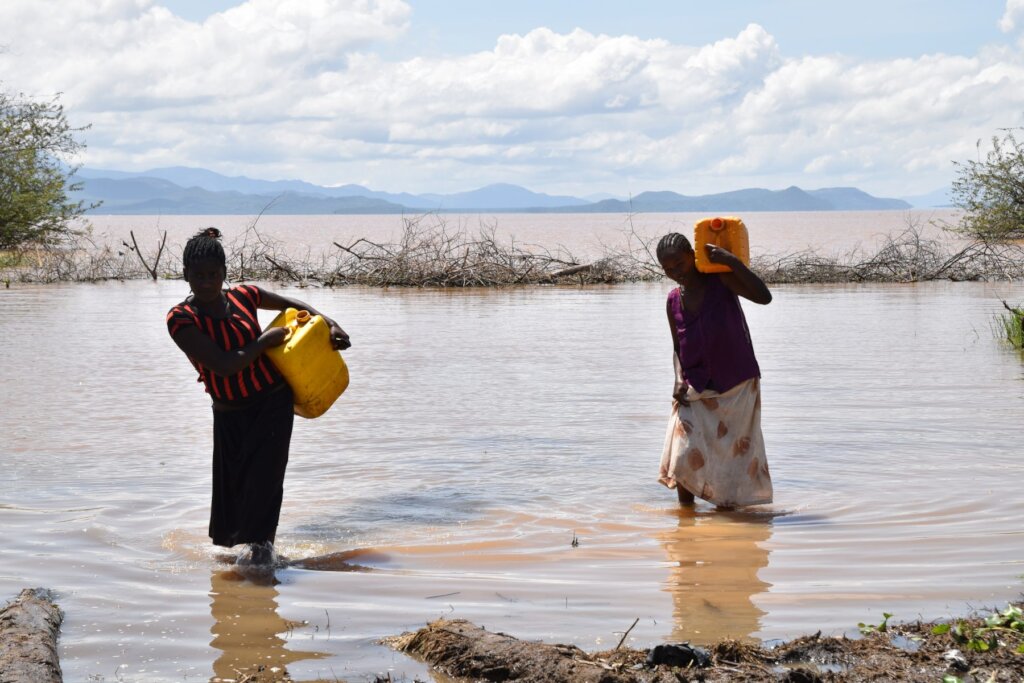
Access to safe and clean drinking water remains one of the greatest humanitarian challenges facing rural communities across Ethiopia. Conflict, prolonged drought, climate change, and limited infrastructure have left thousands of families dependent on unsafe water sources, increasing the risk of waterborne diseases and limiting opportunities for education, livelihoods, and healthy living.
Through this project, NODRO is working hand in hand with local communities to improve sustainable access to safe water while strengthening hygiene practices, sanitation awareness, and community resilience.
During this reporting period, encouraging progress has been achieved toward improving water security for vulnerable households.
Project Overview
The Clean Water: for 10,000 Rural Ethiopia project seeks to improve access to reliable, safe, and sustainable drinking water for rural communities affected by poverty, displacement, drought, and conflict.
The project focuses on:
• Rehabilitation of community water points
• Construction of protected water sources
• Installation of hand pumps and water supply systems
• Distribution of safe water storage containers
• Community-led water management committees
• Hygiene and sanitation education
• Protection of women, children, older persons, and persons with disabilities through improved water access
• Promotion of long-term community water sustainability
Key Challenges Addressed
The project responds to several urgent humanitarian needs, including:
• Limited access to safe drinking water
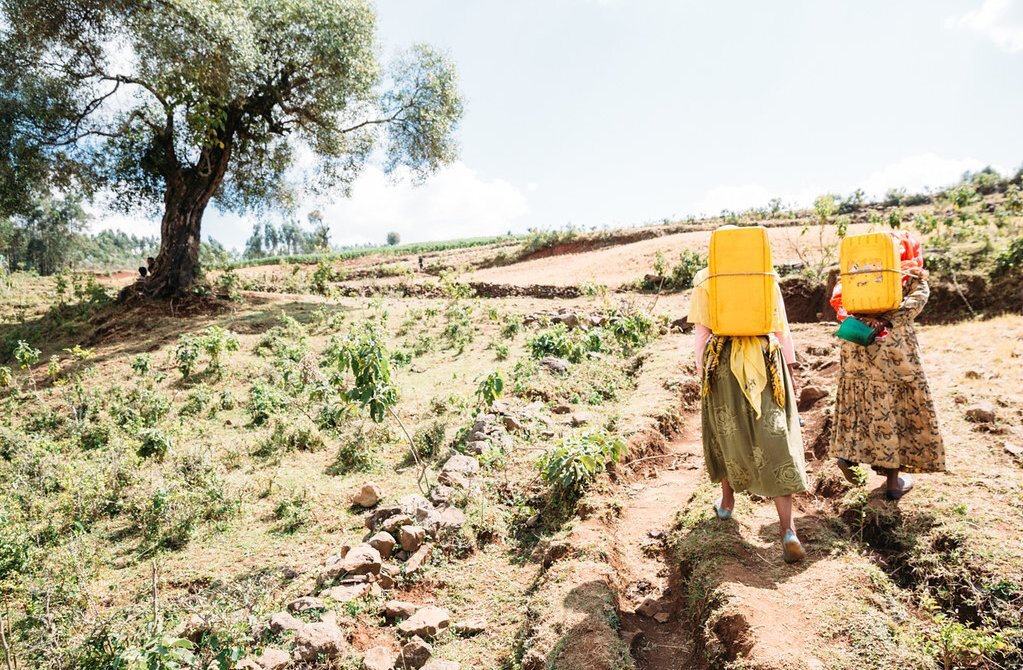
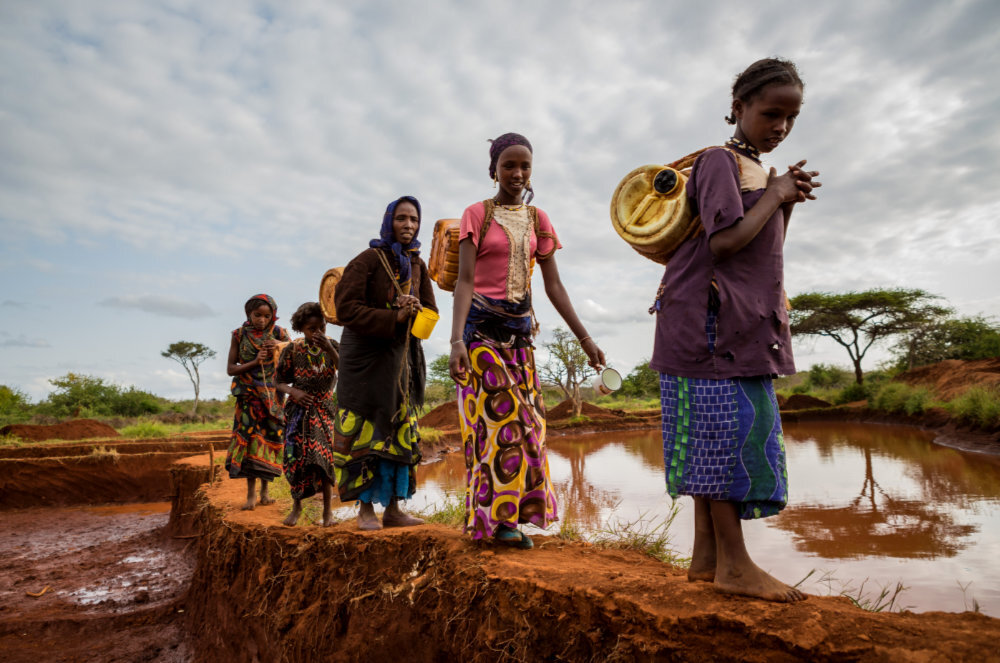
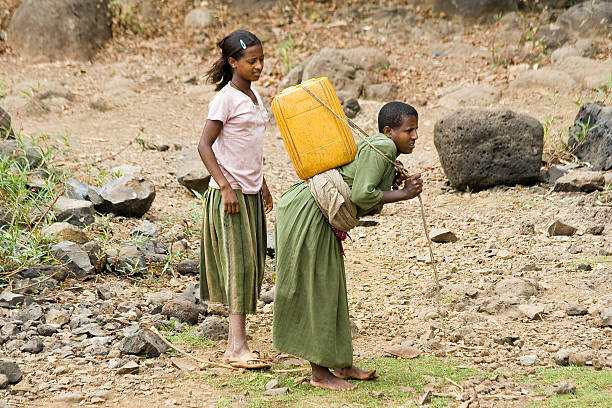
• Long walking distances to collect water
• High prevalence of waterborne diseases
• Poor sanitation and hygiene practices
• Increased protection risks for women and girls during water collection
• Drought-related water shortages
• Limited community capacity to manage water infrastructure
Key Achievements (April – June 2026)
During this reporting period, NODRO achieved the following:
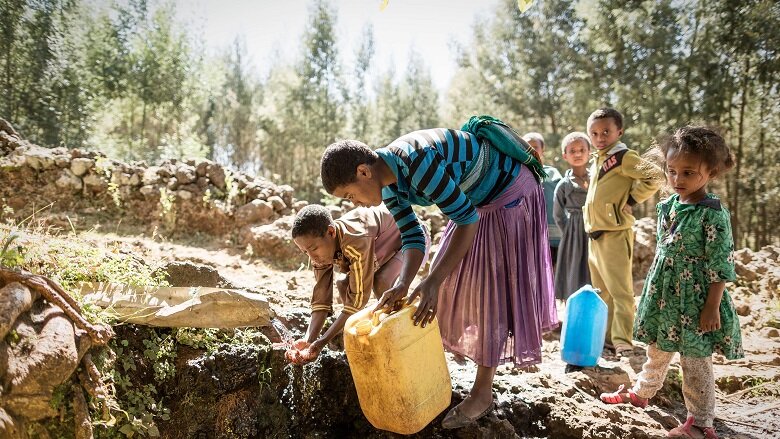
• Rehabilitated 8 community water points serving rural villages.
• Installed 5 new hand pumps in underserved communities.
• Improved access to safe drinking water for more than 2,350 people.
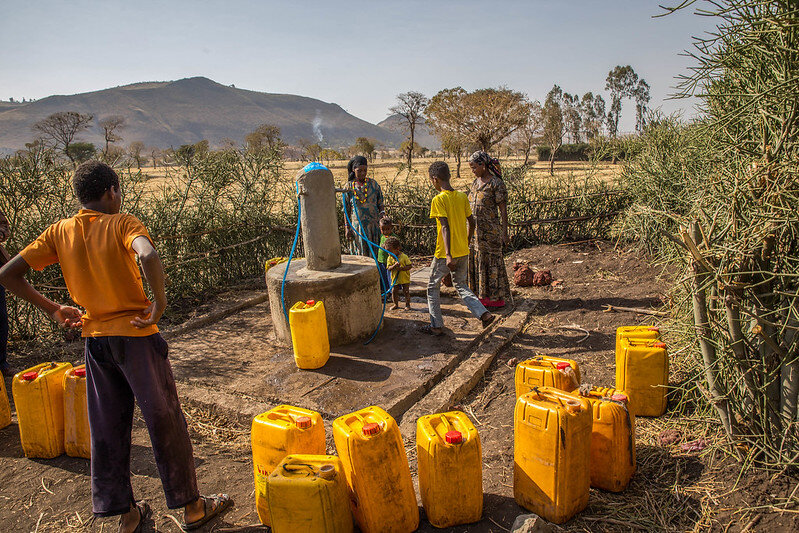
• Distributed 420 safe household water storage containers to vulnerable families.
• Trained 310 community members on safe water handling, sanitation, and hygiene promotion.
• Established and strengthened 12 community Water Management Committees responsible for operation and maintenance.
• Conducted hygiene awareness campaigns reaching 1,700 community members, with particular focus on women, children, and schools.
• Supported local volunteers in monitoring water quality and promoting safe water practices.
Early Impact & Beneficiary Story Clean Water Brings New Hope
A mother of four from a rural community in the Oromia Region shared:
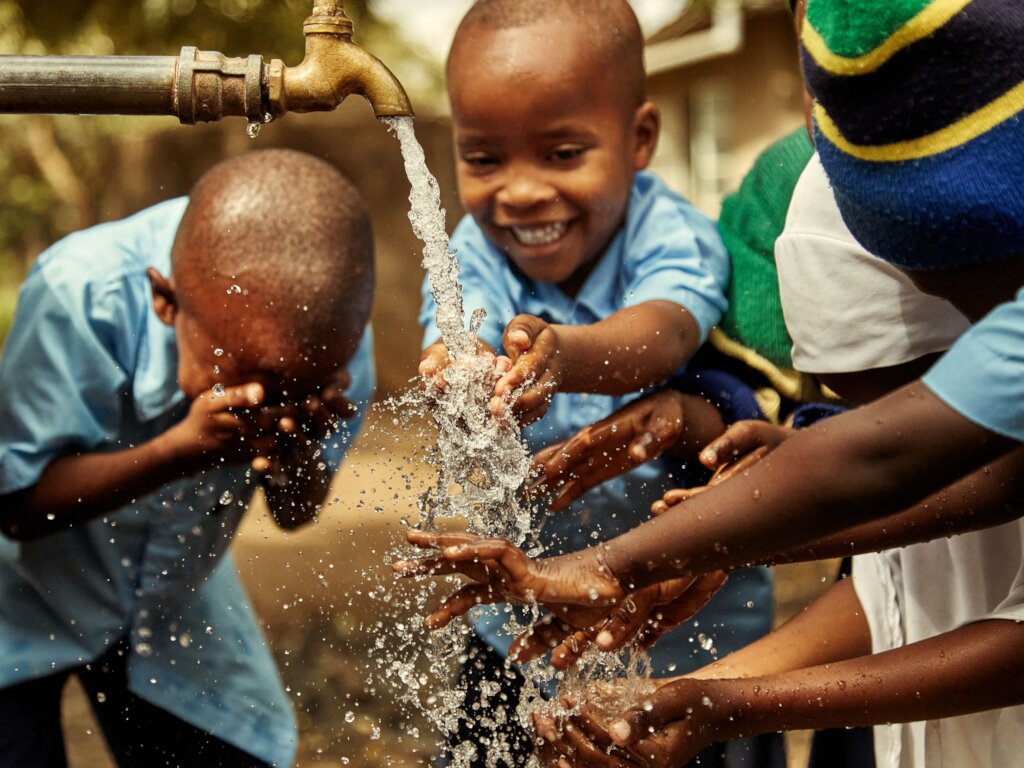
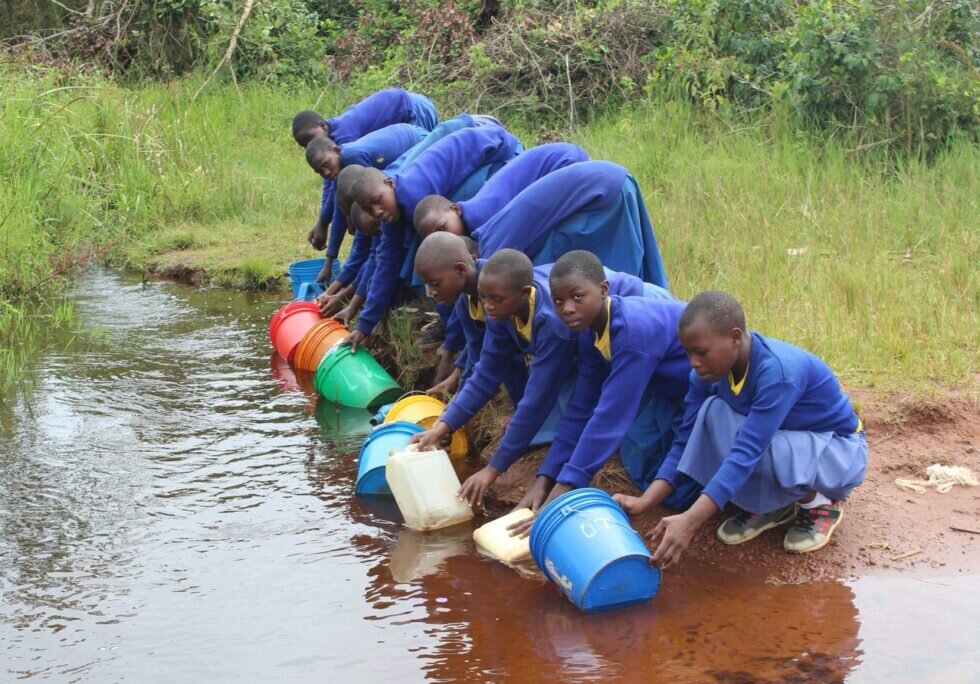
"Before the rehabilitation of our village water point, we walked nearly three hours every day to fetch unsafe water from a river. Our children were frequently sick, and we often missed school and work. Today, clean water is available close to our homes. Our children are healthier, and we now spend more time earning income and caring for our families. This project has truly transformed our lives."
Observed Changes
The project has already contributed to important improvements within participating communities:
• Increased access to safe and reliable drinking water.
• Reduced cases of water-related illnesses.
• Improved household hygiene practices.
• Reduced time spent collecting water, especially for women and girls.
• Increased school attendance due to better water availability.
• Enhanced community ownership of water facilities.
• Strengthened resilience against drought and water scarcity.
• Improved dignity and quality of life for vulnerable households.
Community Participation
Community ownership remains central to project implementation.
Throughout the reporting period:
• Community leaders participated in identifying priority water needs.
• Water Management Committees supervised rehabilitation activities.
• Local technicians assisted with installation and maintenance.
• Community members contributed voluntary labor during construction.
• Women actively participated in hygiene promotion and water governance.
• Beneficiaries provided regular feedback through community meetings and accountability mechanisms.
This participatory approach strengthens sustainability, transparency, and long-term community ownership.
Challenges Encountered
Despite encouraging progress, implementation faced several challenges:
• Rising costs of construction materials and fuel.
• Difficult transportation to remote rural communities.
• Seasonal drought reducing groundwater availability.
• Limited availability of spare parts for water systems.
• Security concerns affecting access to some operational areas.
• Growing demand for water services beyond available resources.
Response Measures
To overcome these challenges, NODRO has:
• Improved procurement planning and supply chain management.
• Strengthened collaboration with local government water offices.
• Increased preventive maintenance for water facilities.
• Expanded community training on water system management.
• Promoted water conservation and efficient usage.
• Continued mobilizing additional funding to expand clean water services.
Monitoring & Accountability
NODRO continues to maintain strong monitoring and accountability systems through:
• Routine technical inspections of water facilities.
• Water quality testing and monitoring.
• Beneficiary registration and verification.
• Community feedback and complaints mechanisms.
• Household satisfaction surveys.
• Regular project performance reviews.
• Documentation of infrastructure progress and project outcomes.
Current Key Performance Indicators
• 8 community water points rehabilitated.
• 5 new hand pumps installed.
• 2,350+ people now accessing safe drinking water.
• 420 water storage containers distributed.
• 310 community members trained in hygiene and sanitation.
• 12 Water Management Committees established and strengthened.
• 1,700 people reached through hygiene awareness campaigns.
What's Next? (July – October 2026)
During the next reporting period, NODRO plans to:
• Rehabilitate additional rural water sources.
• Install more community hand pumps.
• Expand hygiene promotion activities in schools and villages.
• Increase household access to safe water storage.
• Strengthen water quality monitoring systems.
• Support Water Management Committees through advanced maintenance training.
• Enhance collaboration with humanitarian and government water partners.
• Expand clean water services to additional vulnerable communities.
Long-Term Vision
NODRO envisions rural communities where every family has sustainable access to safe, affordable, and reliable drinking water.
Through this initiative, we aim to:
• Improve public health and reduce waterborne diseases.
• Increase resilience to drought and climate change.
• Empower communities to sustainably manage water resources.
• Improve educational opportunities by reducing time spent collecting water.
• Protect women and girls from water-related protection risks.
• Promote long-term rural development and community well-being.
Why Your Support Matters
Your generosity provides far more than clean water—it restores health, dignity, opportunity, and hope for thousands of vulnerable families.
Impact of Your Donation
• $30 provides safe water storage containers for a vulnerable household.
• $75 supports hygiene education materials for community training.
• $150 contributes toward rehabilitation of a community water point.
• $500 helps install a hand pump serving hundreds of people.
• $5,000 enables NODRO to expand sustainable clean water access to additional rural communities across Ethiopia.
Closing Appreciation
We extend our heartfelt appreciation to GlobalGiving and every generous donor supporting this important initiative.
Because of your partnership, thousands of vulnerable families are gaining access to one of life's most basic human rights—clean and safe water.
Together, we are improving health, protecting children, empowering women, strengthening communities, and creating lasting hope for rural Ethiopia.
Thank you for standing with us as we work toward a future where every family has access to safe, reliable, and sustainable clean water.
With sincere gratitude,
Mrs. Woderyelesh Ashebir Belay
Executive Director
No One Down Relief Organization (NODRO)
Addis Ababa, Ethiopia
Email: nodeethiopia.org@gmail.com
Tel: +251-967-105-147
By Mrs. Woderyelesh Ashebir Belay | Executive Director
Project reports on GlobalGiving are posted directly to globalgiving.org by Project Leaders as they are completed, generally every 3-4 months. To protect the integrity of these documents, GlobalGiving does not alter them; therefore you may find some language or formatting issues.
If you donate to this project or have donated to this project, you can receive an email when this project posts a report. You can also subscribe for reports without donating.



Support this important cause by creating a personalized fundraising page.
Start a Fundraiser