![]()
Recently a well-known Russian philanthropy web-portal miloserdie.ru published an article titled “Comfortable schools for children with autism. Best projects in Moscow”.
Therefore, leaders of our inclusion project gave interviews for this article:
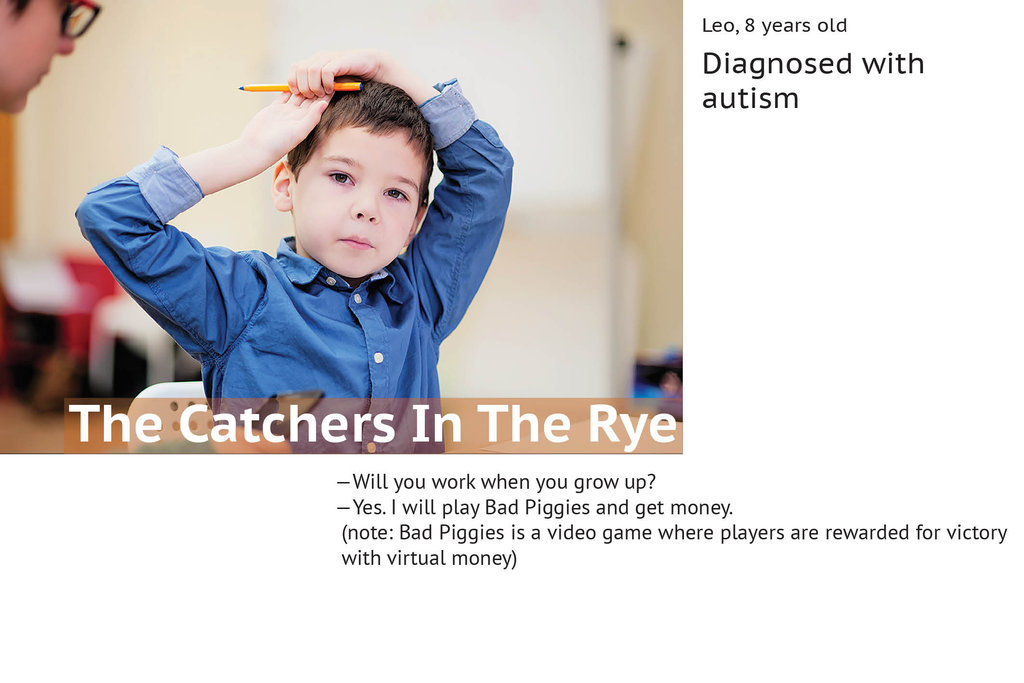
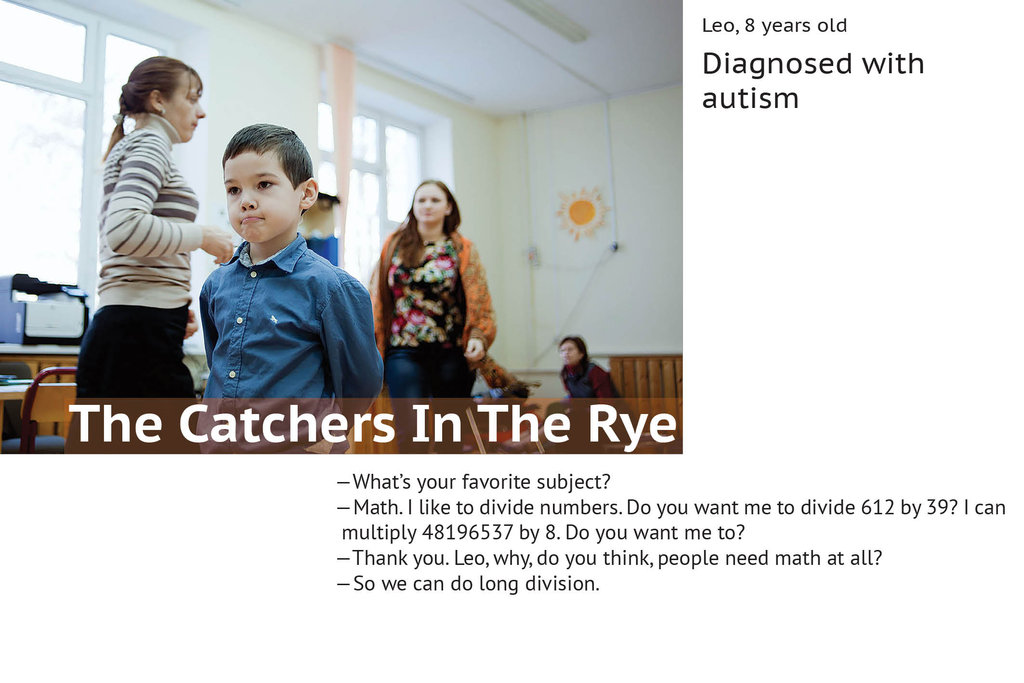
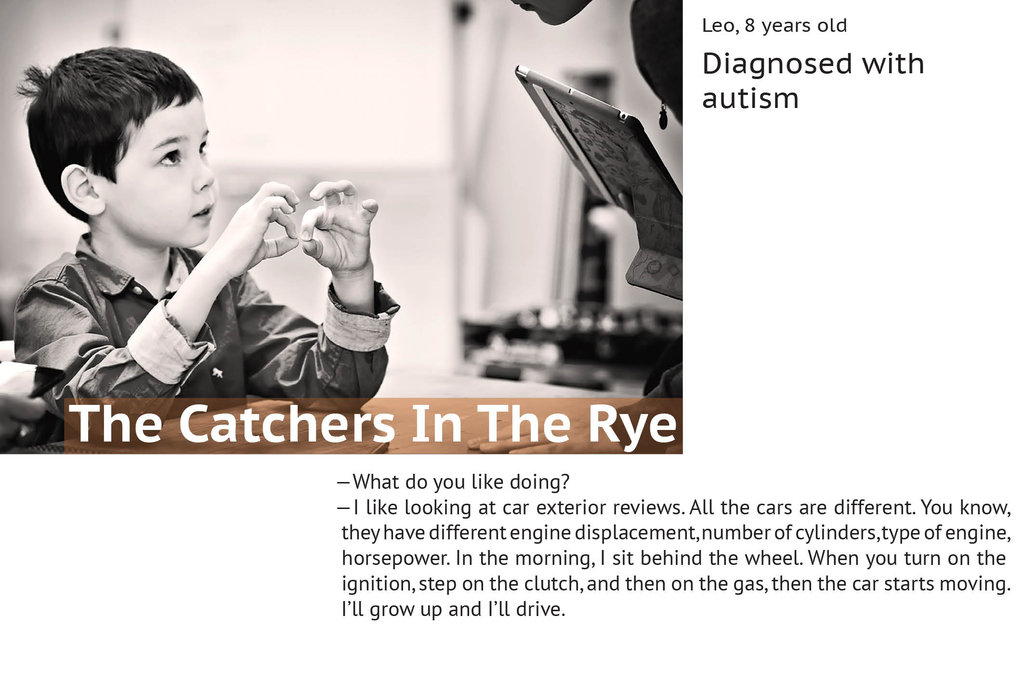
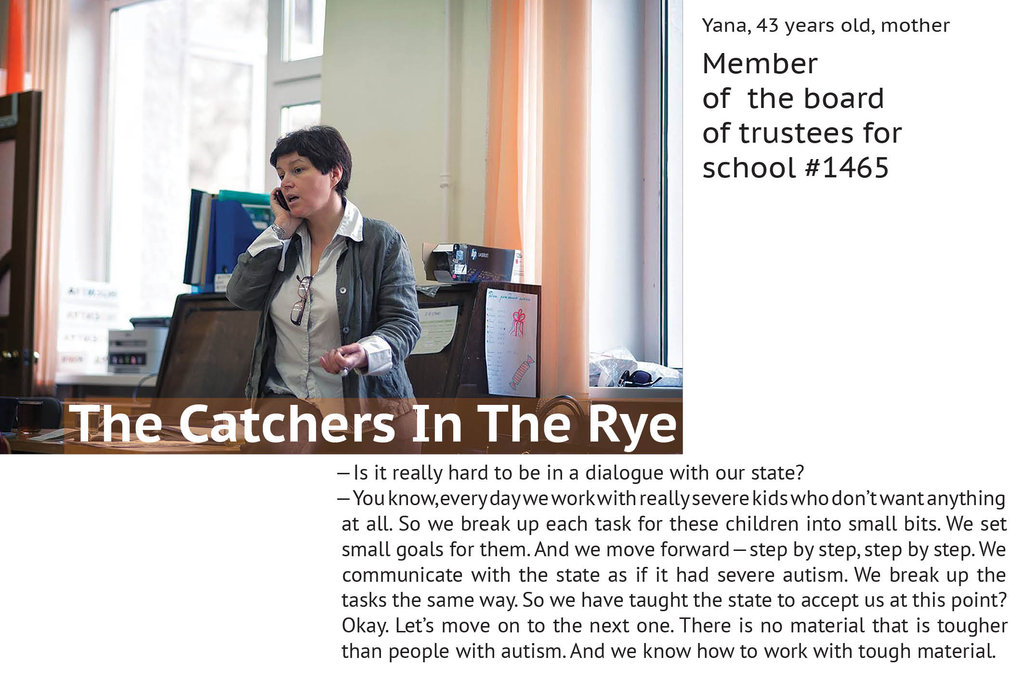
“Inclusive education of deeply autistic children in Moscow started in school 1465,” noted Ekaterina Men, head of Autism Challenge Center. “We looked at what has been accomplished in other countries, chose the most suitable model for Russia and acquainted teachers and parents about it.”
When parents of autistic kids got familiar with this model at work, they increased their efforts to replicate it in other schools. Trying to facilitate this process we developed a training course “Include me,” which is appreciated by teachers from many parts of Russia.”
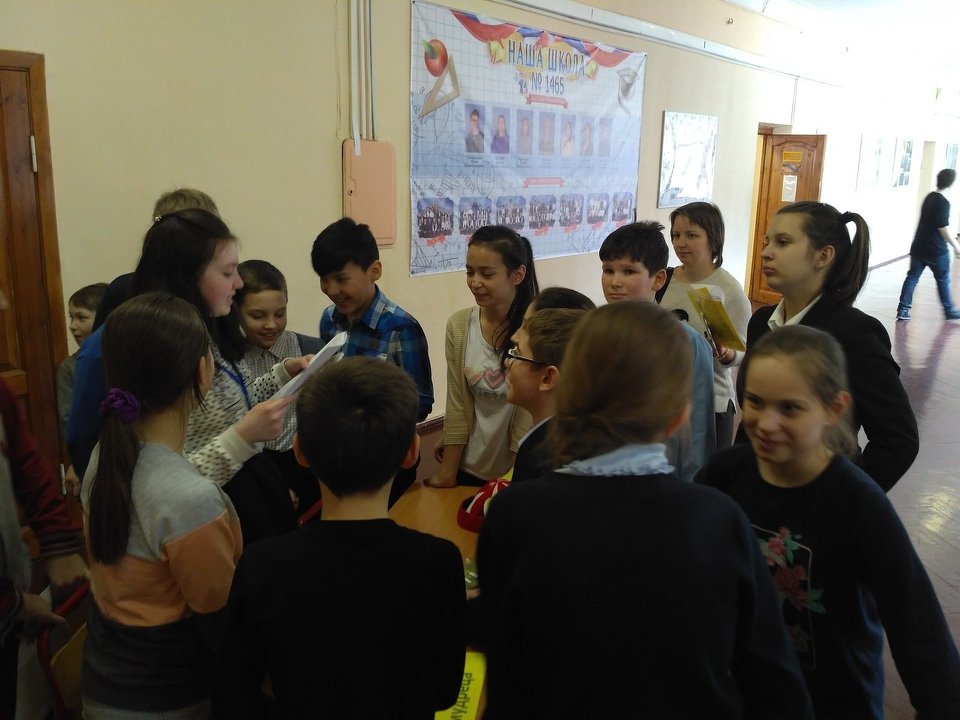
“Inclusion project has been implemented in our school since 2013,” said Arthur Lutsishin, the principal of school # 1465.
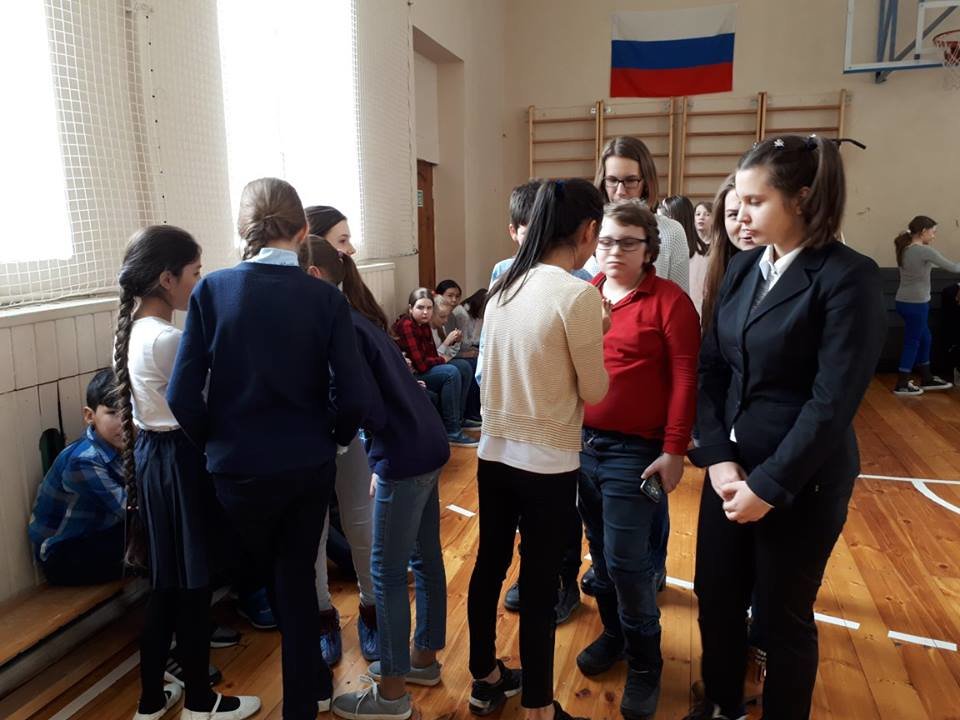
“We see the successful socialization of children, who had communication and behavioral deficits in the first grade. Now some of them attend classes without the tutor, and most of them attend practically all classes – something we could only dream of in the beginning. of the project.”
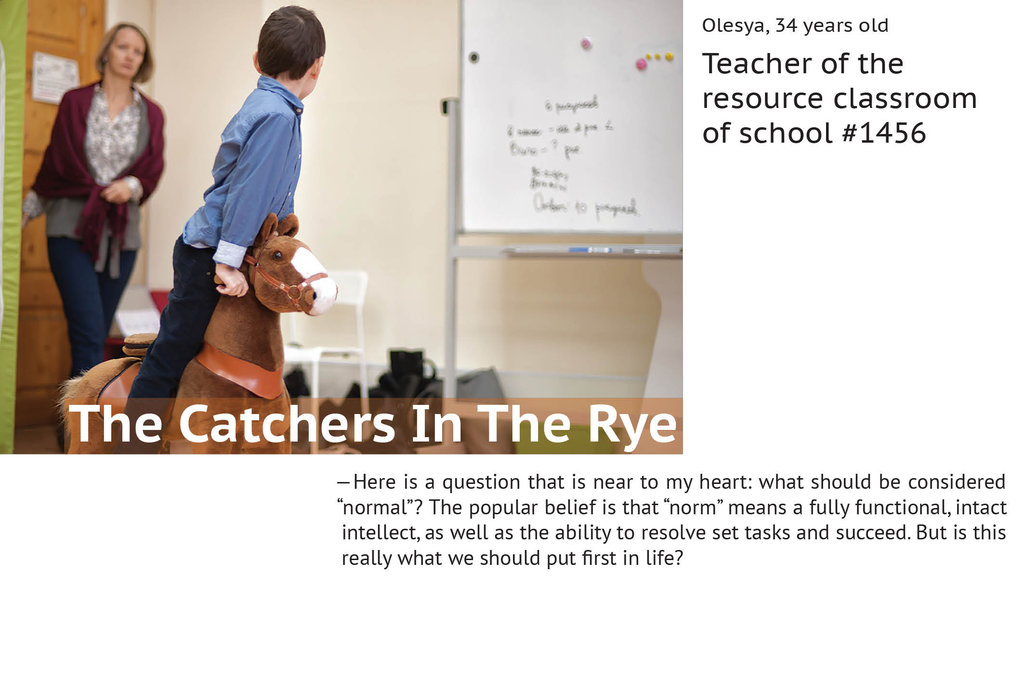
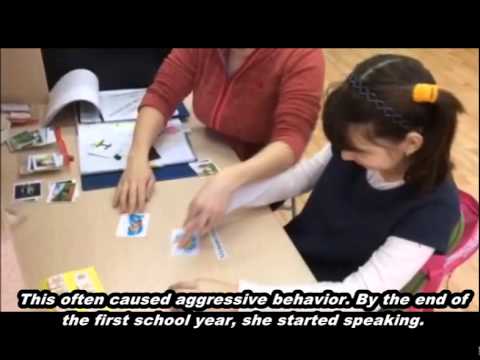
The model is based on a resource class or a resource zone. It is a specially equipped accommodation, where specialists (tutors) prepare children with us or neurology development disorders for inclusion into the general education process.
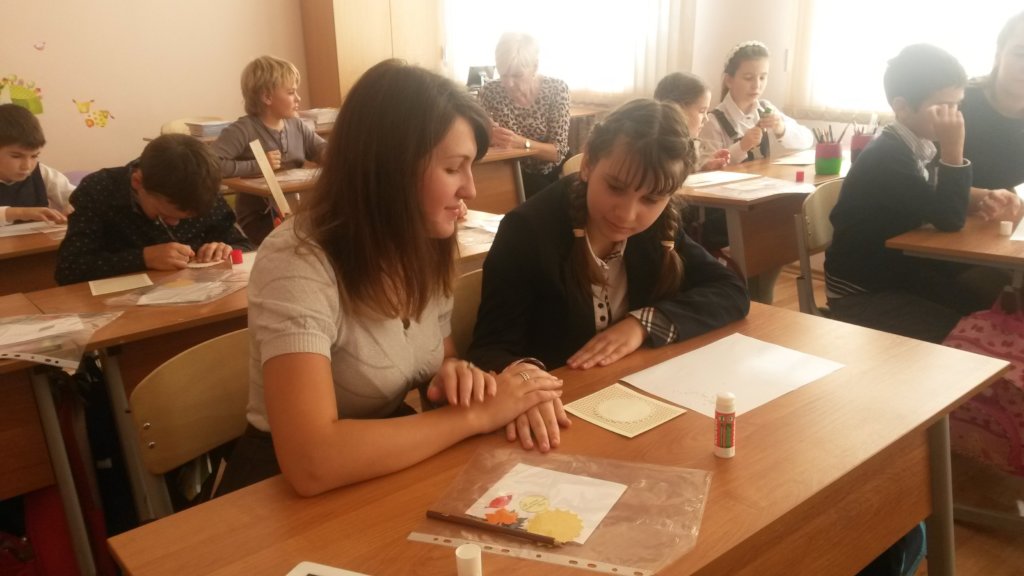
Each of these students attends general classes with the tutor.
Methods of structured education and ABA (Applied Behavior Analysis) are the fundamental parts of this model.
“It’s a general technology. It suits all children with all kinds of disorders – behavioral, intellectual, mobility impairment,” said Ekaterina Men.
“Resource class is a transitional facility.”
The resource class is a place to develop the foundation for academic, communication and social skills.
In the beginning, students attend general classroom for 10-15 minutes, gradually expanding this time span. First-graders with autistic spectrum disorder spend almost 90% of the time in the resource zone, joining the general class only for some events.
“Coming to the class with the tutor and adapting to the demands of general education teacher, they gradually spend more and more time in general class, returning to the resource zone only when necessary.
“This technology prevents any problems during general class hours,” adds Ekaterina Men. “An autistic kid might have behavior issues or meltdowns. In such cases, we bring him back to the resource zone and work on his behavior so that he can return to the class later.”
“It is important to realize that resource class is a transitional facility, a place you need to leave. It’s like in the airport. We can do a lot of things in the airport: eat, read or buy something. But it is not the purpose.
Our goal is a specific destination. In our model, the target is general education. Resource zone - including special education teachers, tutors, supporting materials, didactics, augmentative and alternative communication – gives these kids the opportunity to prepare as much as possible and come out to the general education class.”
![]()
![]()
![Share on Twitter]()
![Share on Facebook]()