By Maria Christine Saplala | Project Leader
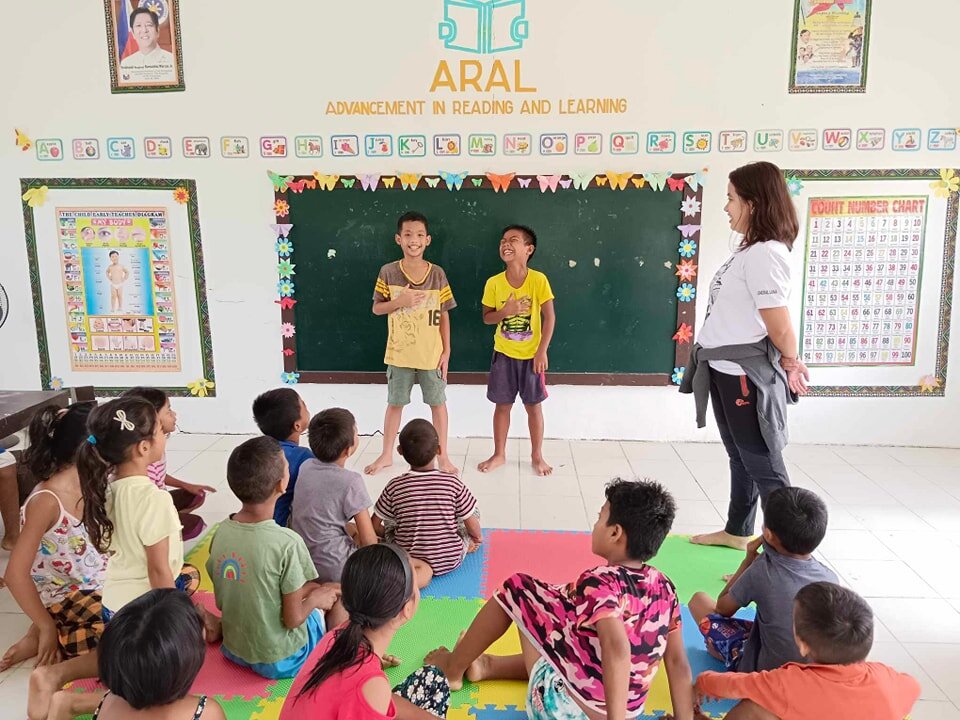
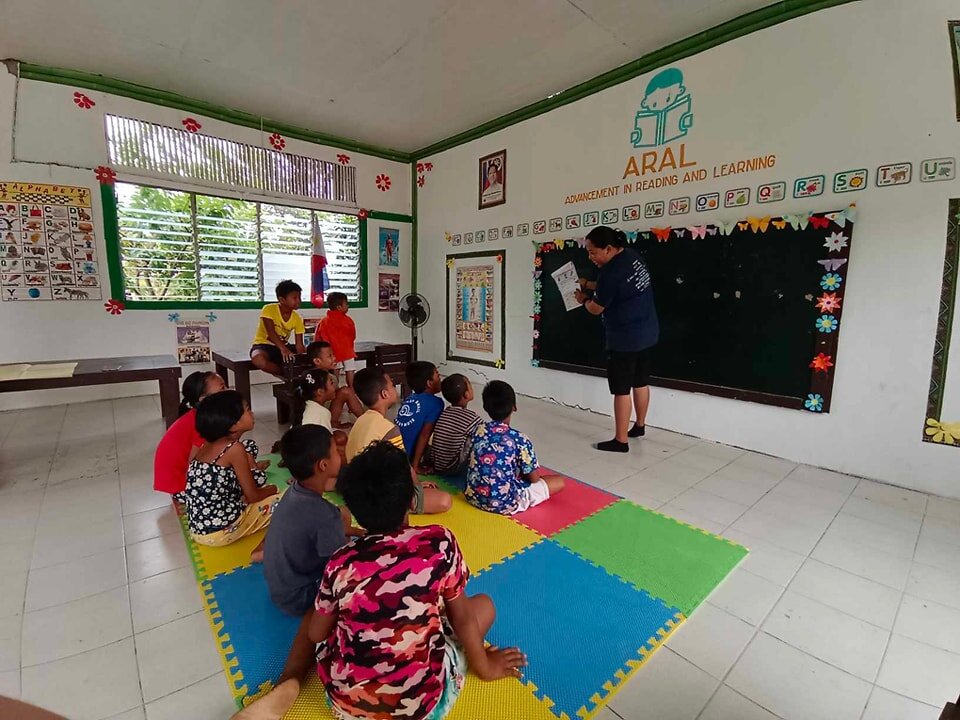
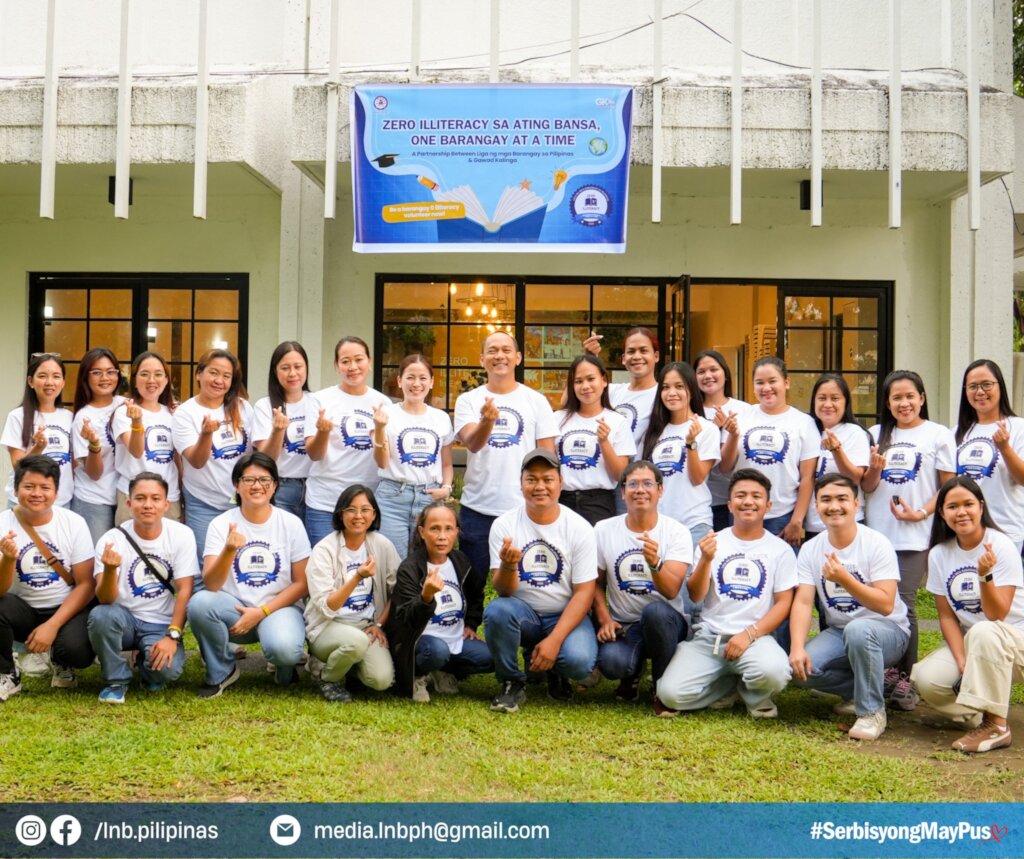
From July 2024 to April 2025, the READ (Reading for Excellence and Development) program continued its mission to help children in underserved communities build strong foundational reading skills. Implemented across Gawad Kalinga communities in partnership with local schools, volunteers, and parents, READ creates supportive learning spaces where children can practice reading regularly and regain confidence in their ability to learn.
READ strengthens community-based literacy by mobilizing teachers, youth volunteers, and parents to support struggling readers through guided reading sessions and learning activities. Beyond improving reading skills, the program nurtures a culture where learning becomes a shared responsibility within the community.
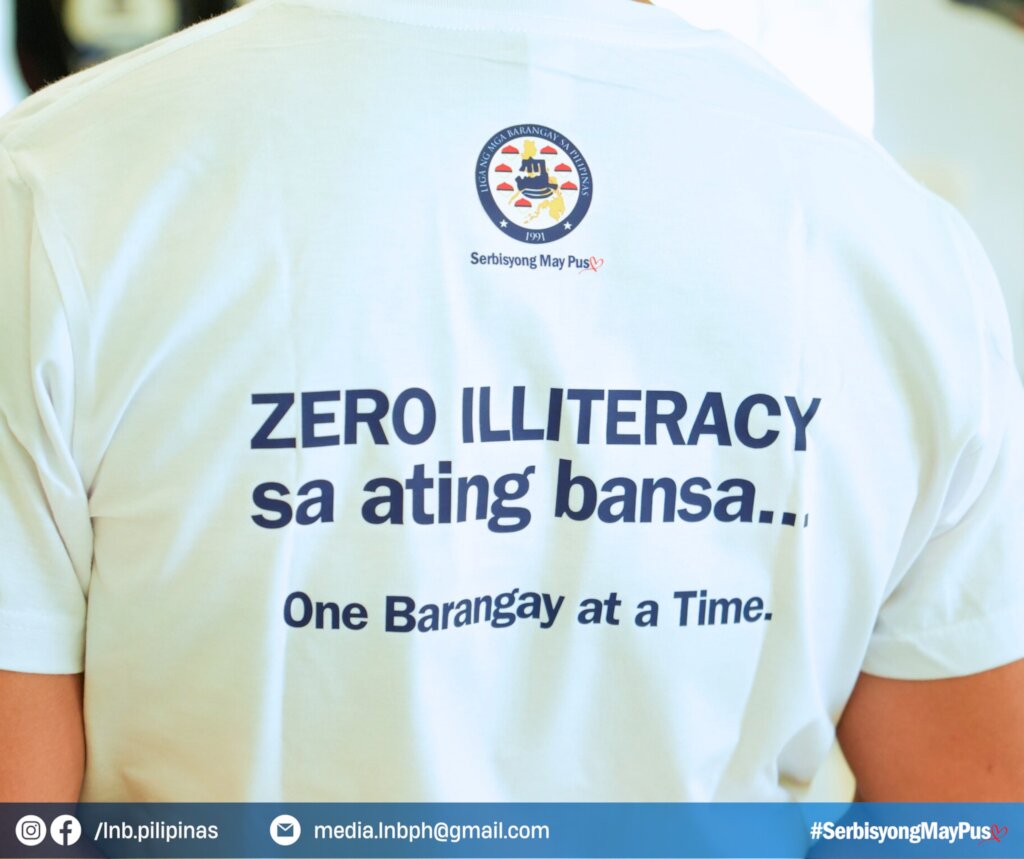
The program’s long-term goal remains clear: to help communities move closer to zero illiteracy by ensuring every child develops the ability to read, understand, and learn independently.
Key Progress
During this reporting period, READ expanded and strengthened literacy activities across participating communities through consistent reading sessions, volunteer-led tutorials, and parent-supported learning initiatives.
Program efforts included:
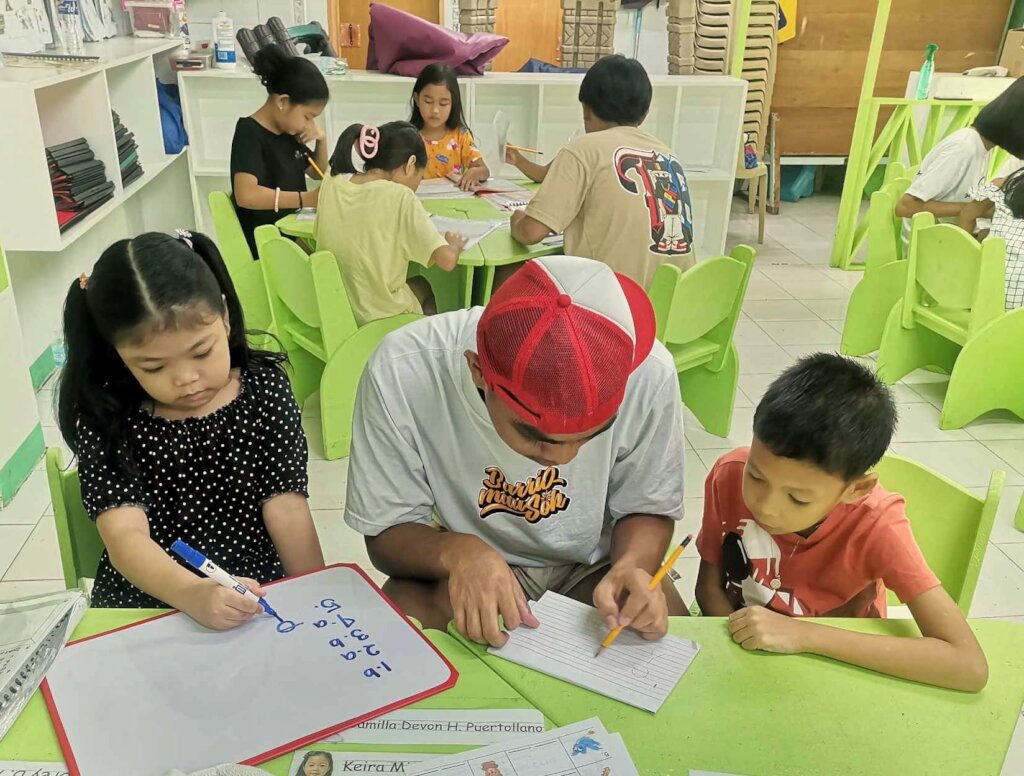
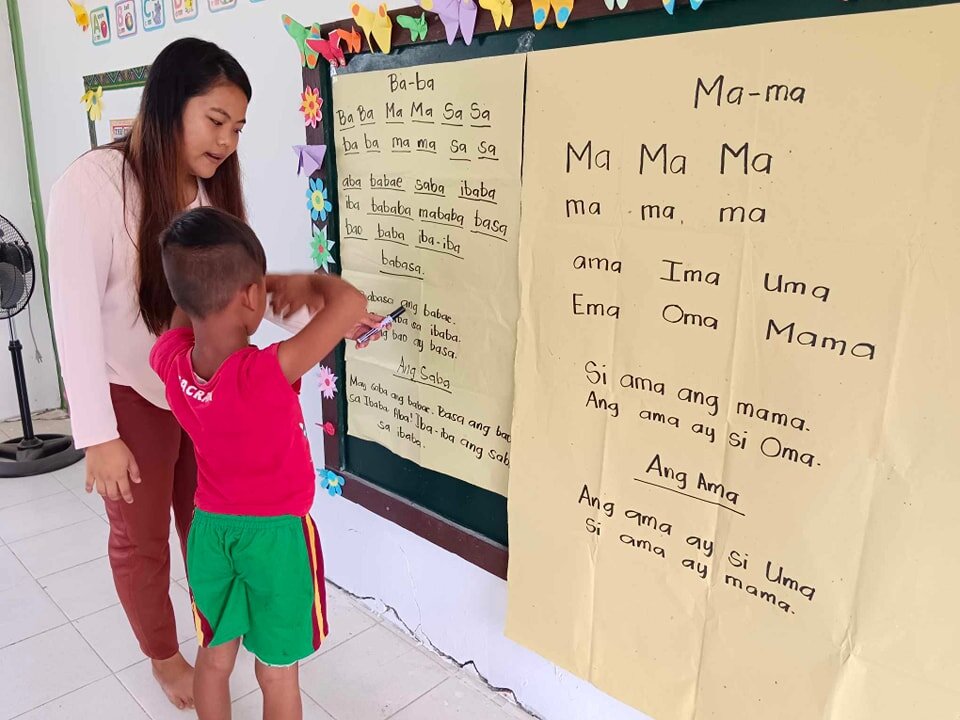
• Regular guided reading sessions facilitated by trained volunteers and teachers
• Small group reading circles where learners practiced comprehension and fluency
• Parent engagement activities that encouraged reading support at home
• Monitoring of learners’ reading confidence and participation in learning activities
These sessions helped children gradually build reading fluency while rediscovering the joy of storytelling and learning.
Just as importantly, READ reinforced a core principle of the Gawad Kalinga community model: education thrives when the entire community participates.
Challenges and Adaptations
One of the challenges in literacy work is maintaining consistent participation, particularly in communities where families face economic pressures and children often balance school responsibilities with household tasks.
To address this, the READ program strengthened coordination with local leaders and schools to ensure reading sessions were scheduled at convenient times for learners and volunteers. Parent volunteers were also encouraged to participate, which helped build stronger support systems for the children.
Sustaining volunteer engagement was another challenge. This was addressed by recognizing volunteers during community gatherings and sharing program milestones to highlight the impact of their contributions.
Stories from the Community
The real impact of READ is best seen through the individuals who make the program possible.
In Lucena City, Quezon Province, Donabel Armando, a teacher from the GK Sibol program in Mayao Crossing, has been guiding young learners who need extra reading support. Her dedication has helped many children overcome their hesitation to read aloud and gain confidence in the classroom.
In Trinidad, Bohol, Kristine Espinal, a Grade 6 learner from Purok 4 in Banlasan, became one of the students who rediscovered her interest in reading through the program. With regular practice and encouragement, she gradually improved her reading confidence and began participating more actively in school.
Meanwhile in San Francisco, Agusan del Sur, Erna T. Libor, a parent volunteer from Barangay Pisaan, stepped forward to help facilitate reading sessions. Her involvement encouraged other parents to support literacy activities, proving that when families take part in learning, children benefit the most.
These stories reflect how READ is more than a literacy intervention. It is a community movement where teachers, parents, and children work together to open doors to learning.
Use of Donations
Support from GlobalGiving donors continues to make the READ program possible. Contributions have helped provide:
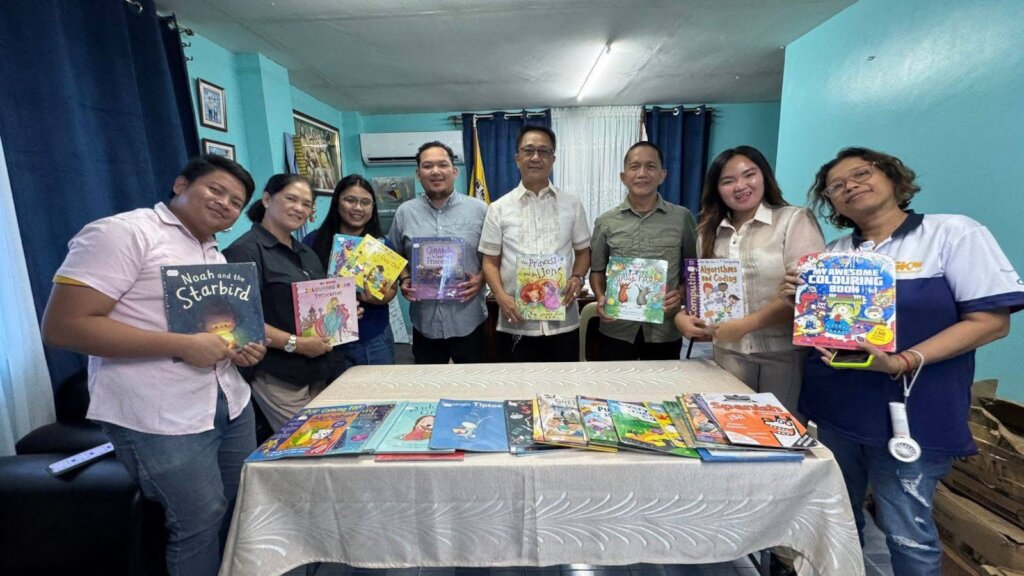
• Reading and learning materials used during sessions
• Volunteer coordination and training
• Community literacy activities for children
• Monitoring and documentation of learner progress
Every donation helps ensure that children who struggle with reading receive the guidance, time, and encouragement they need to succeed.
Looking Ahead
The progress achieved this year shows that community-driven literacy programs can create meaningful change.
Moving forward, READ aims to strengthen volunteer networks, engage more parents in home-based reading support, and expand literacy sessions to additional communities where children need extra help in developing foundational reading skills.
With continued support, READ will keep working toward a shared vision: a future where every Filipino child can read with confidence and where communities can proudly say that illiteracy is no longer part of their story.
By Chrissie Saplala | Grant Officer, GKCDFI
By Chrissie Saplala | Grant Officer, GKCDFI
Project reports on GlobalGiving are posted directly to globalgiving.org by Project Leaders as they are completed, generally every 3-4 months. To protect the integrity of these documents, GlobalGiving does not alter them; therefore you may find some language or formatting issues.
If you donate to this project or have donated to this project, you can receive an email when this project posts a report. You can also subscribe for reports without donating.



Support this important cause by creating a personalized fundraising page.
Start a Fundraiser