By Chrissie Saplala | Grant Officer, GKCDFI
Overview
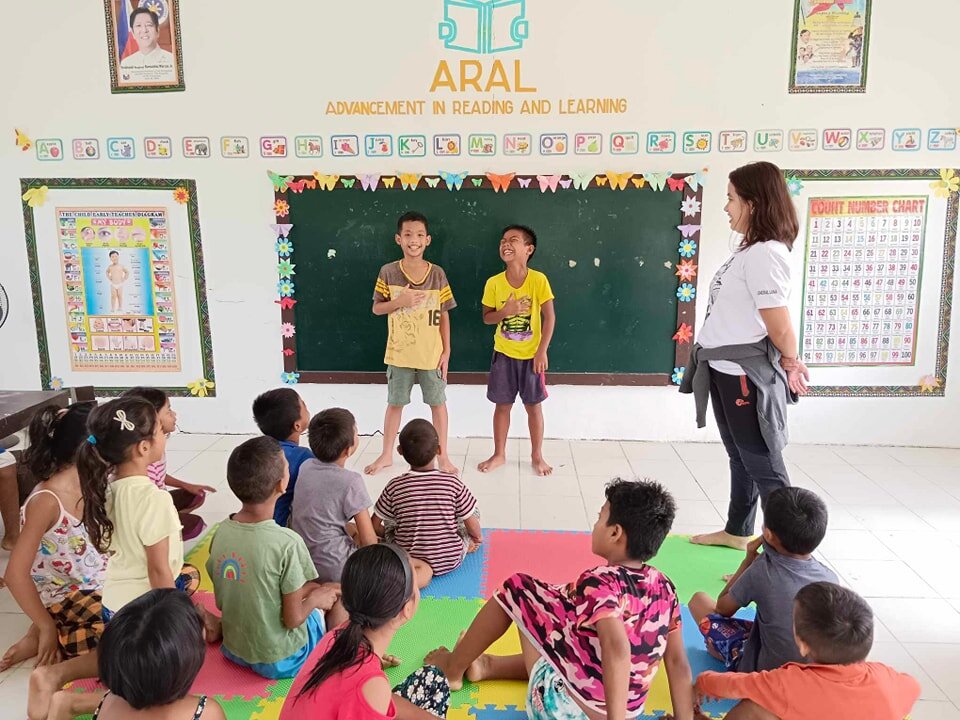
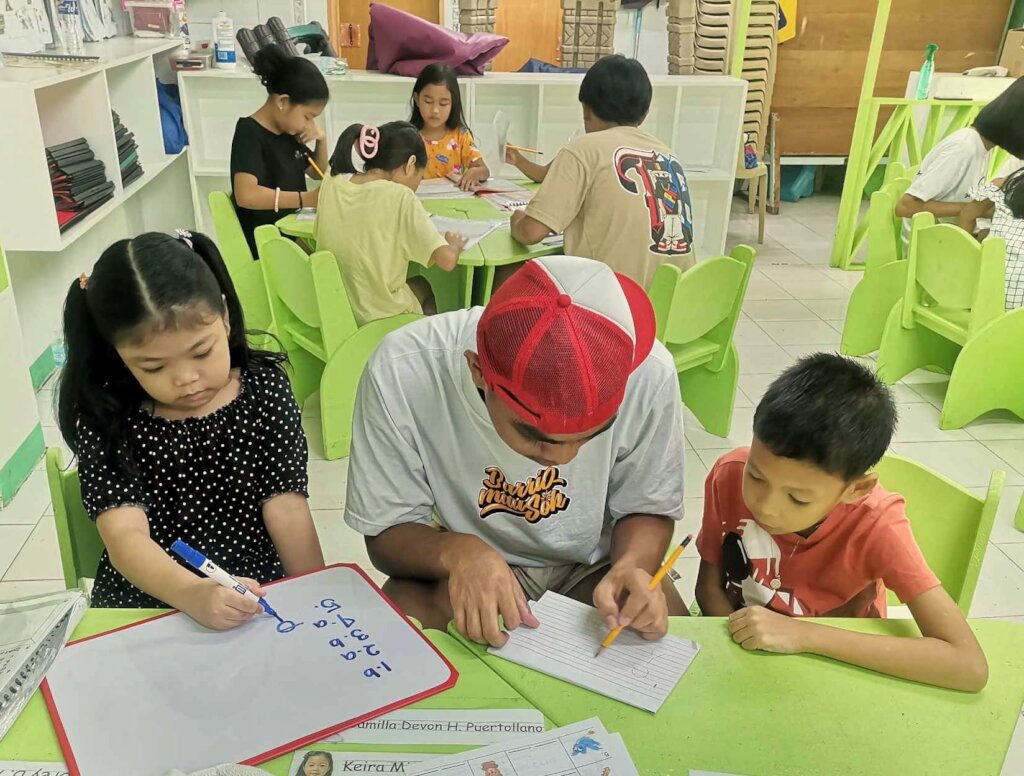
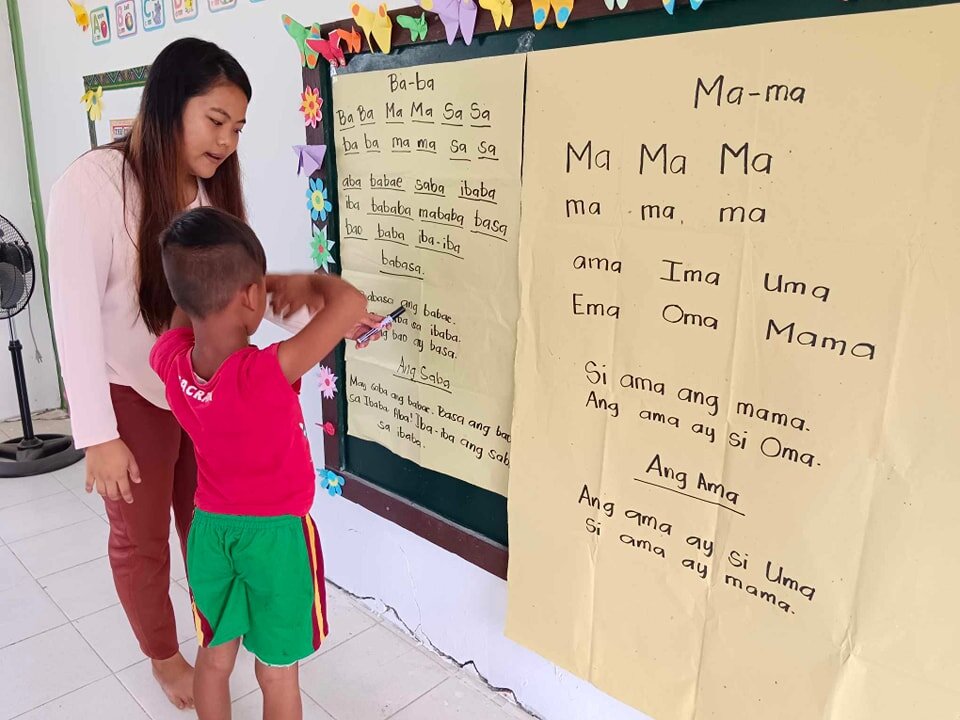
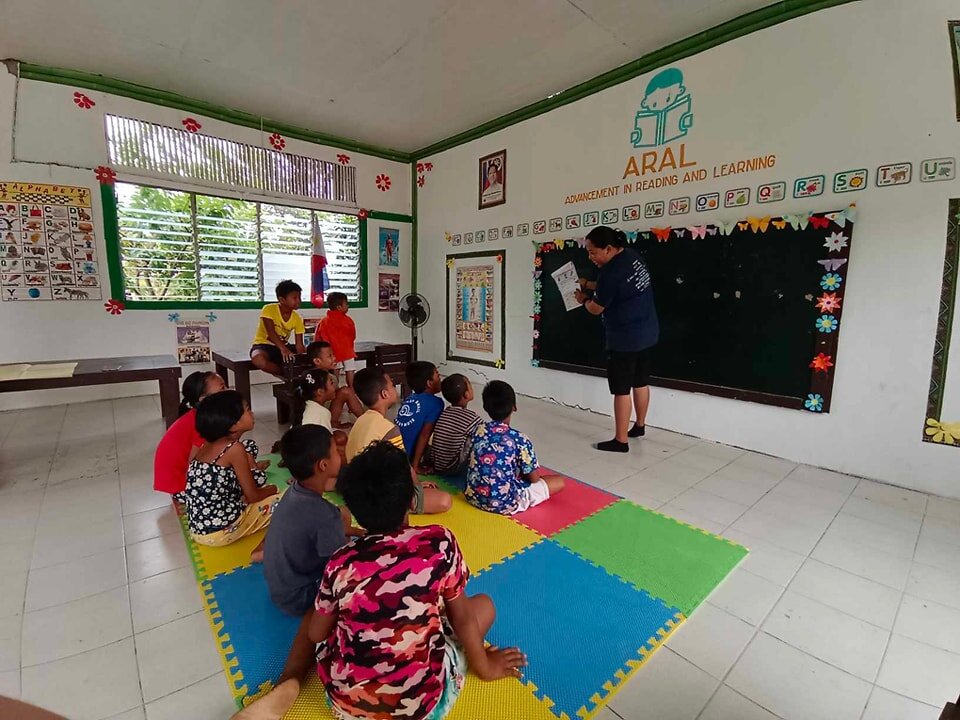
Since its inception in September 2023, the ARAL (Advancing Reading and Literacy) program has reached 3,529 children across 74 school communities in the Philippines. Designed to address foundational literacy gaps among underserved children, ARAL offers a community-driven approach to remedial reading through the mobilization of volunteers, educators, and local government partners.
As of July 2024, 3,309 children have successfully completed the program, with 67 school communities hosting culminating activities to celebrate the students’ progress. With valuable learnings from this pilot phase, ARAL is now poised for broader roll-out in the upcoming school year (2024–2025), in alignment with the Department of Education (DepEd) calendar.
Key Outcomes
To measure ARAL’s impact, we tracked 1,106 learners using tools such as the Revised Philippine Informal Reading Inventory (Phil-IRI), the Comprehensive Rapid Literacy Assessment (CRLA), and the Functional Literacy Assessment Tool (FLAT). The results were compelling:
86% (950 learners) improved their reading levels.
66% of learners advanced by 2–3 levels from their starting point.
Among non-readers (Level 0), 62% progressed by 3 levels; 10% advanced by 4.
Instructional readers (Level 4) also showed growth, with 34% reaching Level 5 (Independent Readers).
These numbers reflect not only the effectiveness of ARAL’s tailored modules but also the dedication of community volunteers and local partners who ensured every child was supported through the journey.
Challenges and Solutions
A primary challenge was synchronizing ARAL implementation with school schedules amid academic calendar shifts. By closely coordinating with DepEd and adopting a more institutional approach, we were able to align timelines and maximize participation.
Another hurdle was volunteer fatigue in some areas with limited manpower. We addressed this by enhancing volunteer training, rotating responsibilities, and recognizing their contributions during community events, fostering a deeper sense of ownership and fulfillment.
Stories from the Ground
While metrics are vital, the heart of ARAL lies in the human stories behind the numbers.
In one barangay in Northern Mindanao, a shy 9-year-old named "Jessa" entered the program unable to recognize the alphabet. After 10 weeks, she was reading simple paragraphs aloud to her grandmother. “I cried the first time I heard her read me a bedtime story,” her grandmother shared. “We used to skip storytime because we had no books and she couldn’t read. Now, it's our favorite part of the day.”
Elsewhere, a father in a fishing village volunteered daily as a reading assistant. “I never finished school,” he said, “but if my child and others can, I will show up every day.” His commitment inspired other parents, proving that when a whole community embraces learning, children thrive.
Use of Donations
Thanks to your support, GlobalGiving donations have directly enabled:
Monitoring and evaluation tools, including CRI assessments
Nutritional support and snacks for learners during sessions
Transportation support for volunteers in remote areas
Each dollar has gone toward making literacy a shared responsibility and a reality for children who once had little to no access to reading support.
Looking Ahead
As we transition to the Roll-Out Phase in SY 2024–2025, we aim to expand ARAL to 100 school communities, increase the number of CRI-certified readers, and integrate parent-led sessions to reinforce literacy at home. With your continued partnership, we believe every child—regardless of their background—can become a confident, joyful reader.
Thank you for believing in the power of education and in the promise of every Filipino child.
Links:
Project reports on GlobalGiving are posted directly to globalgiving.org by Project Leaders as they are completed, generally every 3-4 months. To protect the integrity of these documents, GlobalGiving does not alter them; therefore you may find some language or formatting issues.
If you donate to this project or have donated to this project, you can receive an email when this project posts a report. You can also subscribe for reports without donating.



Support this important cause by creating a personalized fundraising page.
Start a Fundraiser