By Ziyad Dede | CEO
Project Overview
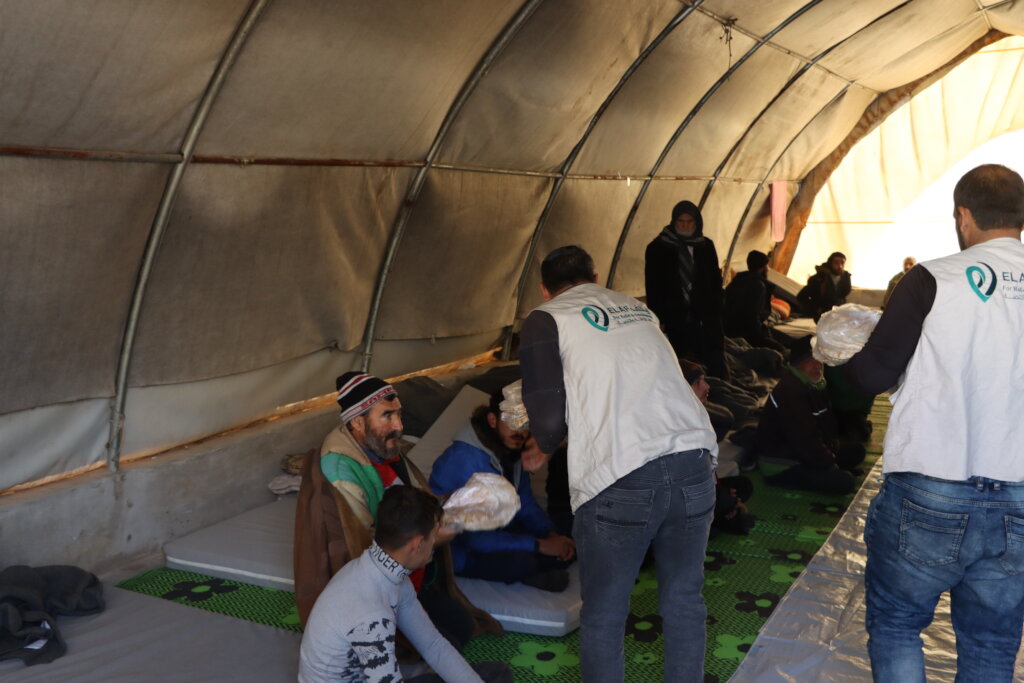
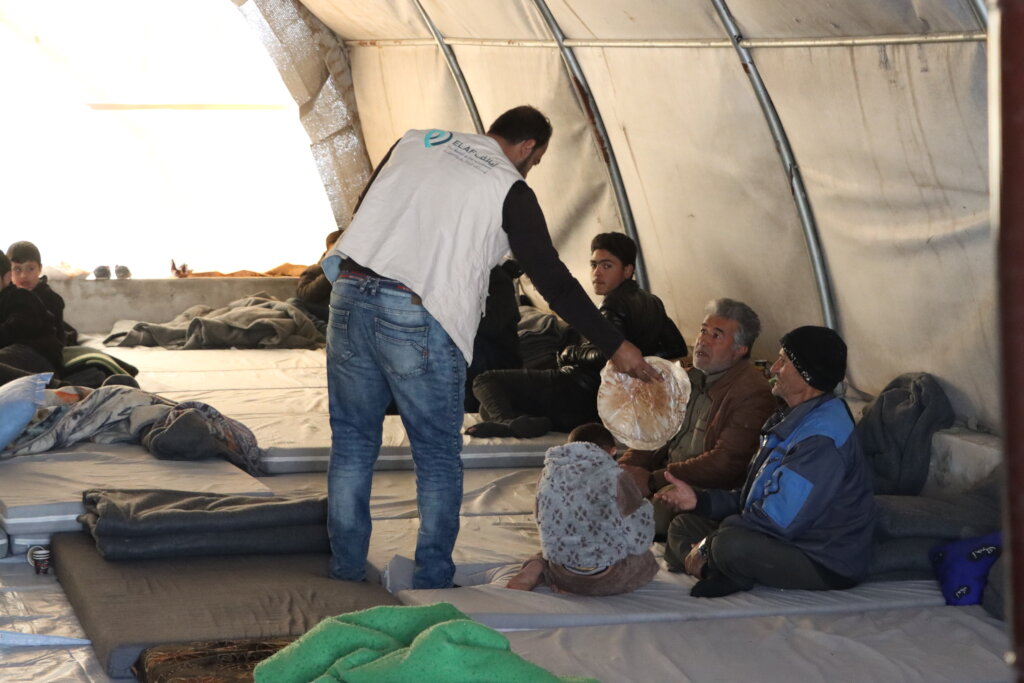
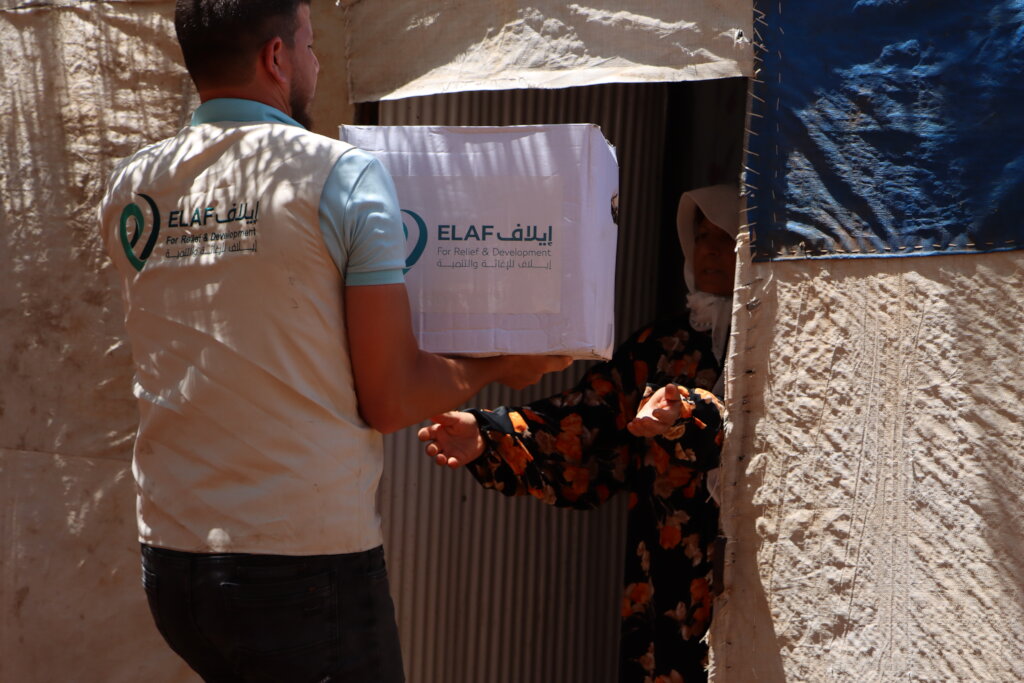
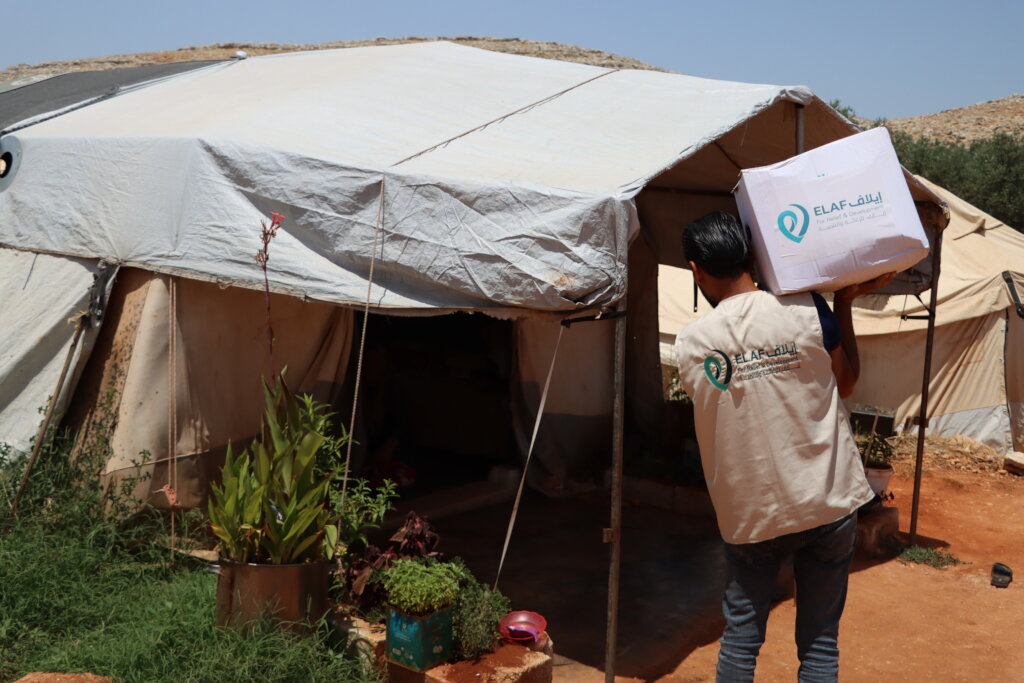
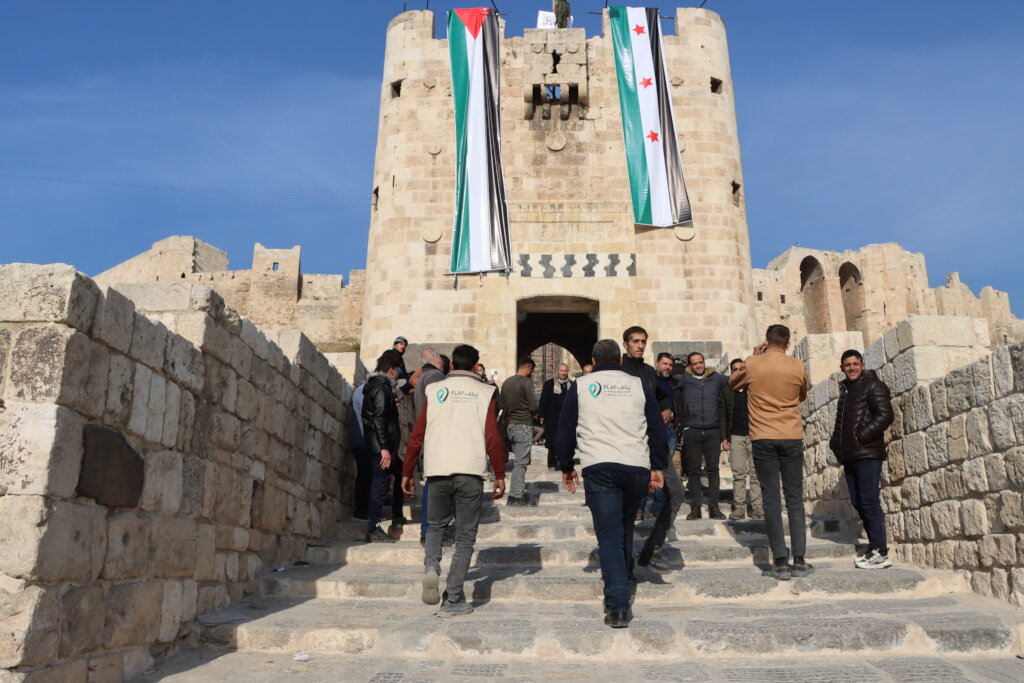
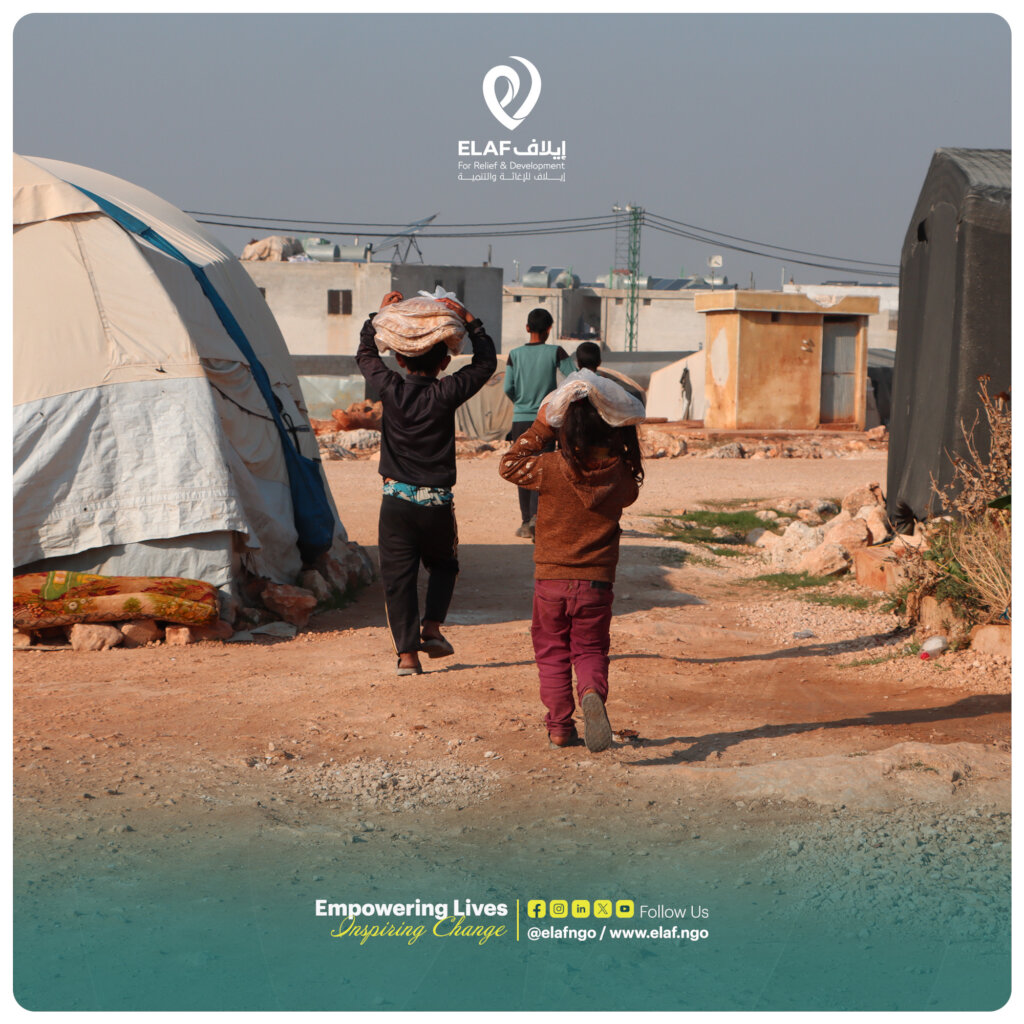
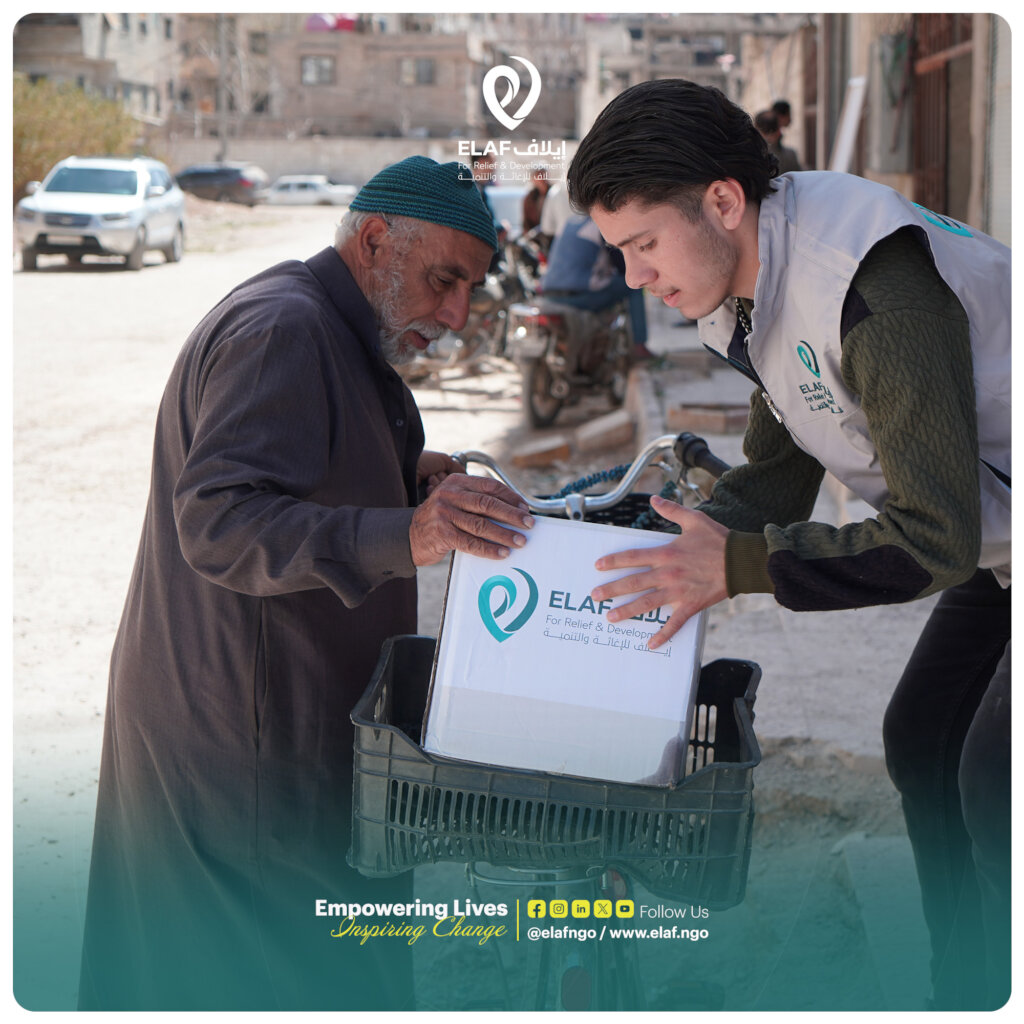
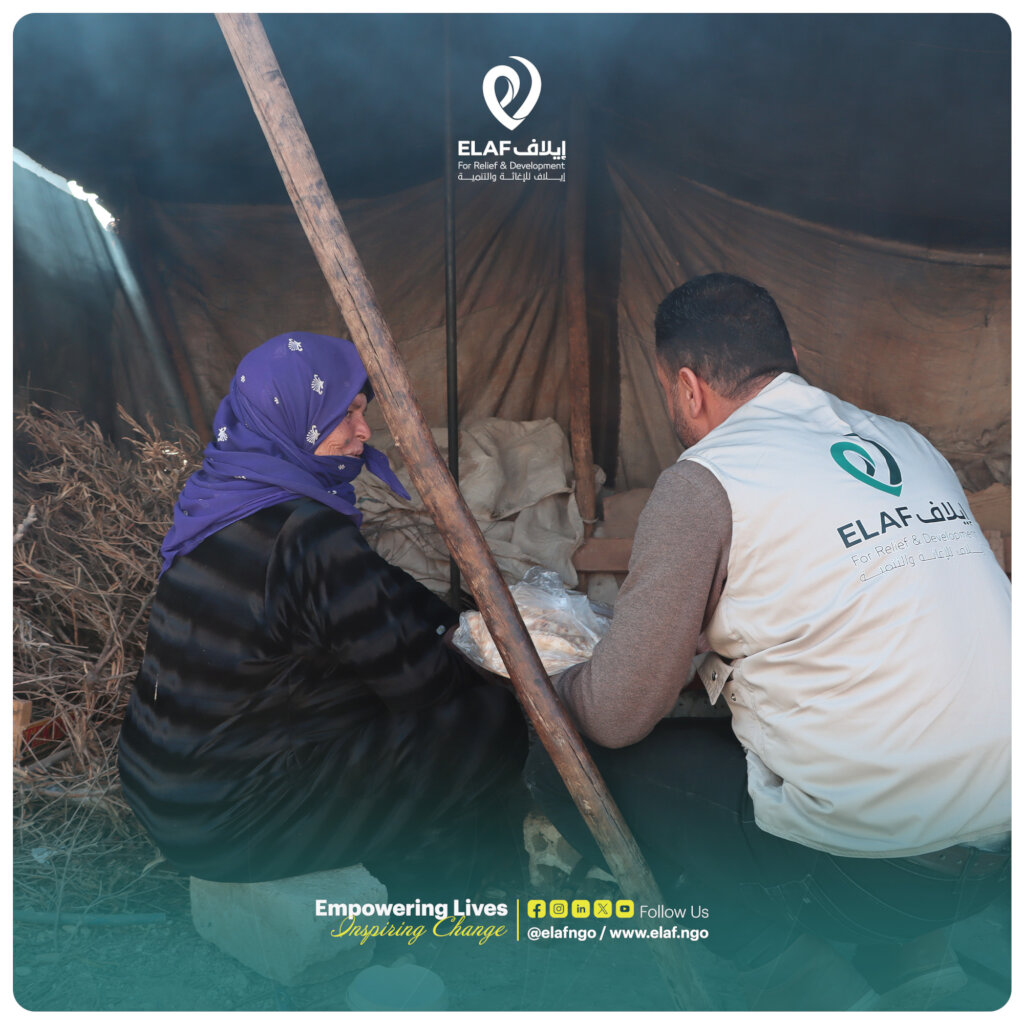
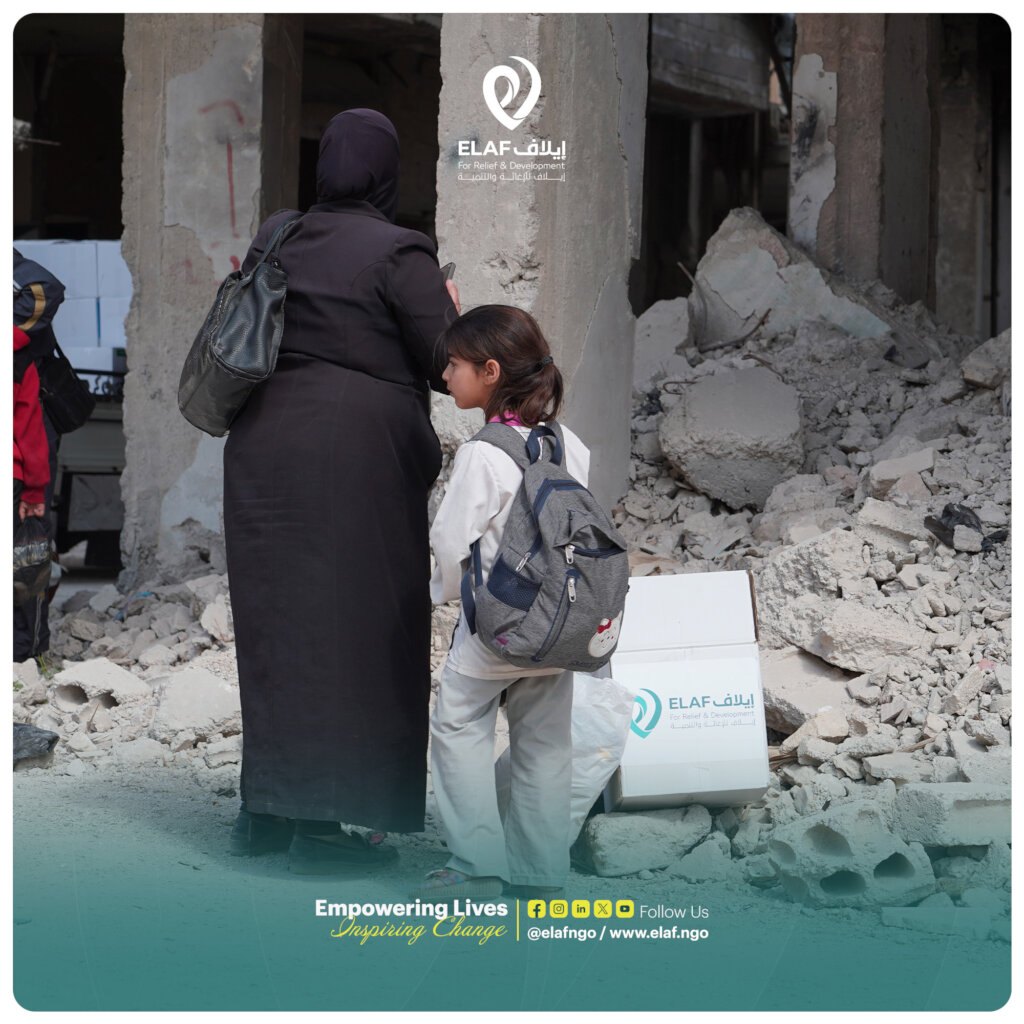
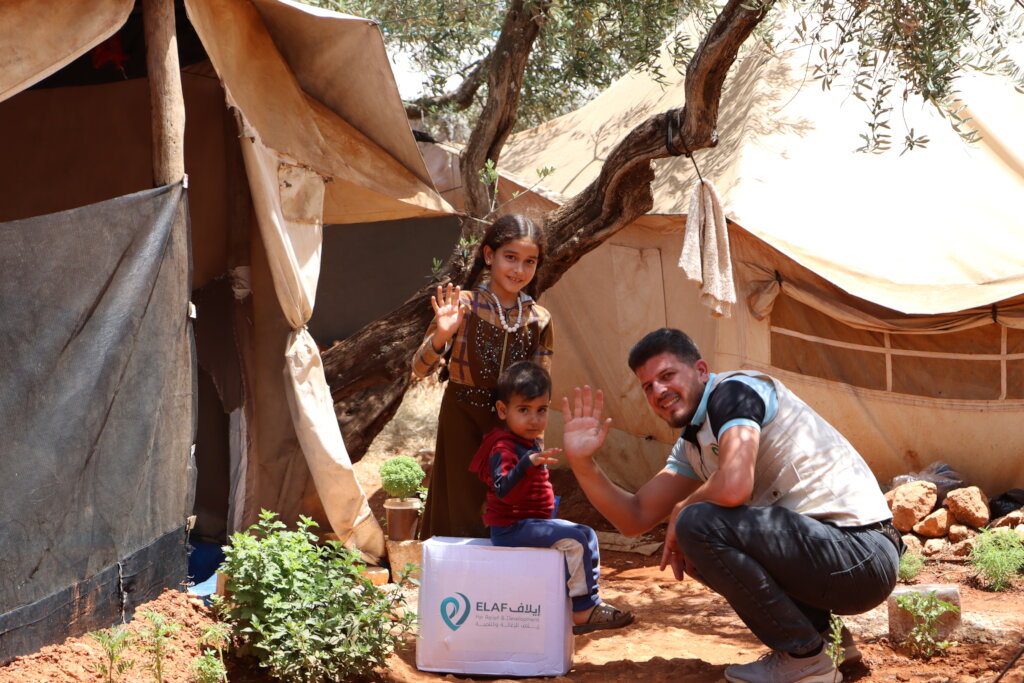
The project "Provide 3,000 Families in Aleppo with Ready-to-Eat Food" aims to deliver immediate food assistance to vulnerable households in Aleppo by distributing ready-to-eat food baskets. These baskets contain essential nutritional items such as canned food, grains, and oils to support families facing severe food insecurity. The initiative responds to the ongoing humanitarian crisis exacerbated by prolonged conflict and economic instability.
Funding Status
As of March 30, 2025, the project is actively seeking funding to achieve its target budget of $120,000. Currently, only $100 has been raised, leaving a significant funding gap of $119,900. The success of the initiative is contingent upon securing additional financial support to ensure the provision of critical food assistance to those in need.
Context and Needs Assessment
Aleppo governorate continues to experience acute food shortages due to disrupted local markets, displacement, and limited economic opportunities. Thousands of families are struggling to meet their daily nutritional needs, particularly displaced populations who have lost access to stable livelihoods. The provision of ready-to-eat food baskets is essential in addressing immediate hunger and preventing further deterioration in the health and well-being of affected communities.
Implementation Strategy
Target Beneficiaries: 3,000 vulnerable households, prioritizing women-headed families, children, elderly individuals, and persons with disabilities.
Food Basket Composition: Each basket includes staple food items such as canned goods, grains, oils, and other non-perishable products to ensure a balanced diet.
Monitoring and Evaluation: Regular monitoring will be conducted to ensure transparency, efficiency, and alignment with humanitarian standards. Beneficiary feedback mechanisms will be established to assess the impact of food assistance.
Challenges and Mitigation Measures
Funding Shortfall: Efforts are ongoing to secure additional donor support and engage potential partners to bridge the funding gap.
Logistical Constraints: The project will work closely with local authorities and humanitarian agencies to overcome transportation and security challenges in food distribution.
Rising Food Prices: Procurement strategies will be adapted to source cost-effective food supplies without compromising quality.
Conclusion and Next Steps
The project remains a critical intervention in addressing food insecurity in Aleppo. While significant challenges persist, SEVGI YARDIMLASMA DERNEGI is committed to mobilizing resources and ensuring the successful implementation of the initiative. Immediate efforts will focus on fundraising, beneficiary identification, and logistical preparations to facilitate timely food distribution. Continued support from donors and humanitarian partners is essential to achieving the project's objectives and alleviating hunger among the most vulnerable families in Aleppo.
Links:
Project reports on GlobalGiving are posted directly to globalgiving.org by Project Leaders as they are completed, generally every 3-4 months. To protect the integrity of these documents, GlobalGiving does not alter them; therefore you may find some language or formatting issues.
If you donate to this project or have donated to this project, you can receive an email when this project posts a report. You can also subscribe for reports without donating.



Support this important cause by creating a personalized fundraising page.
Start a Fundraiser