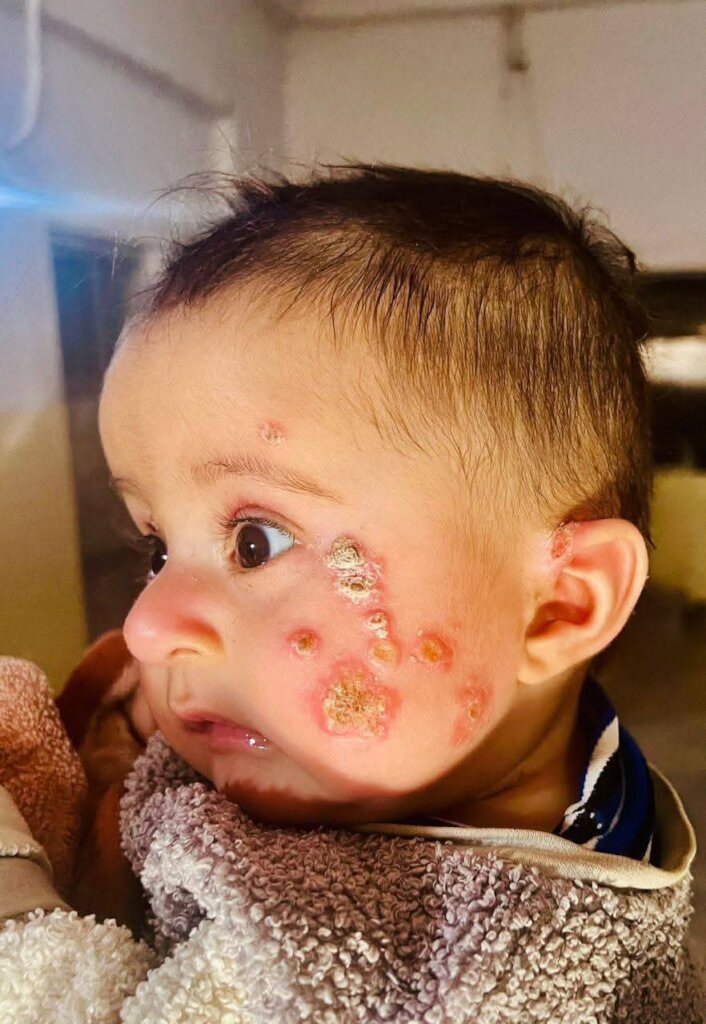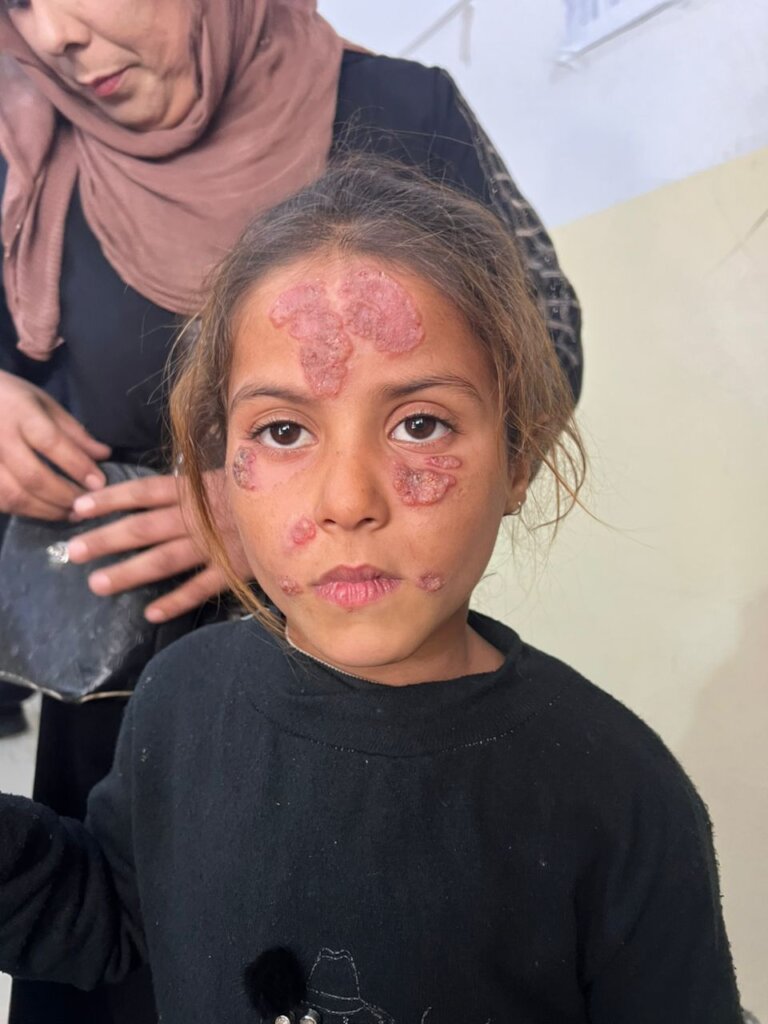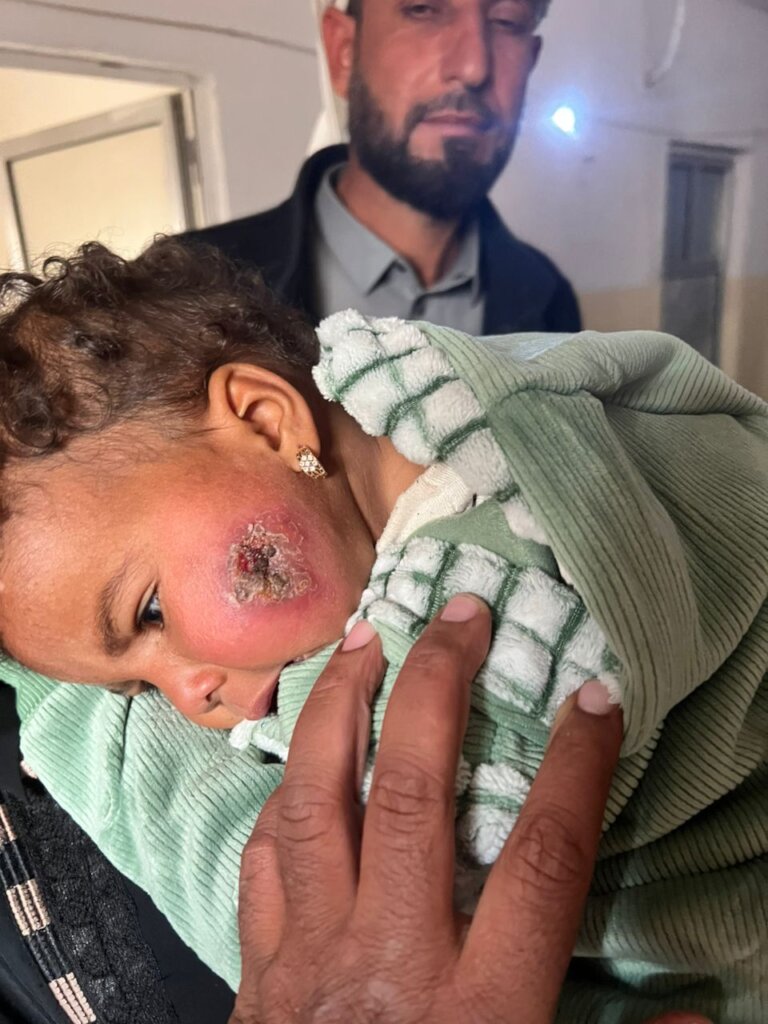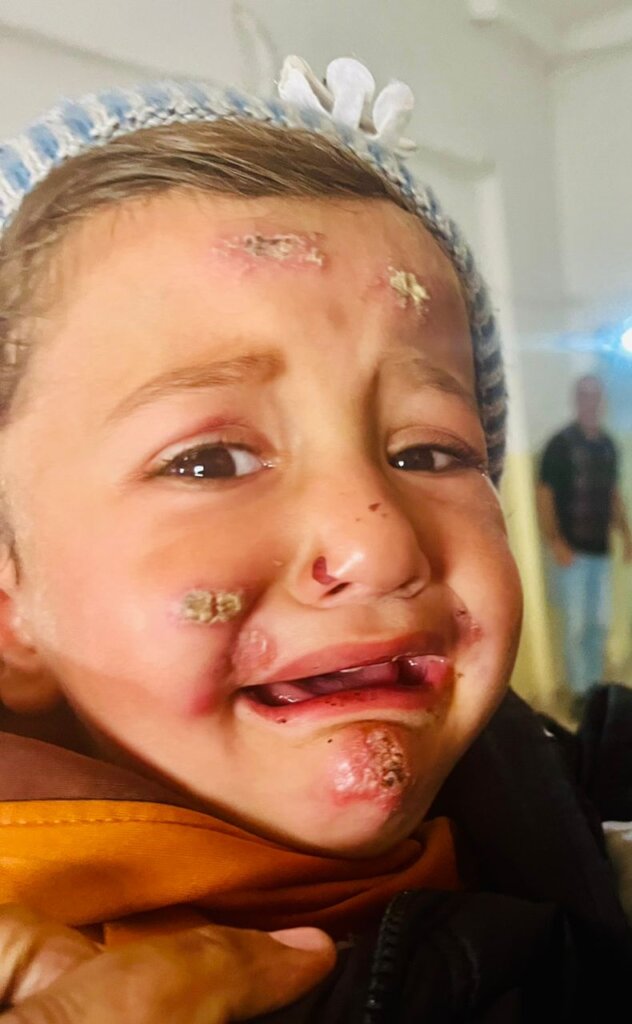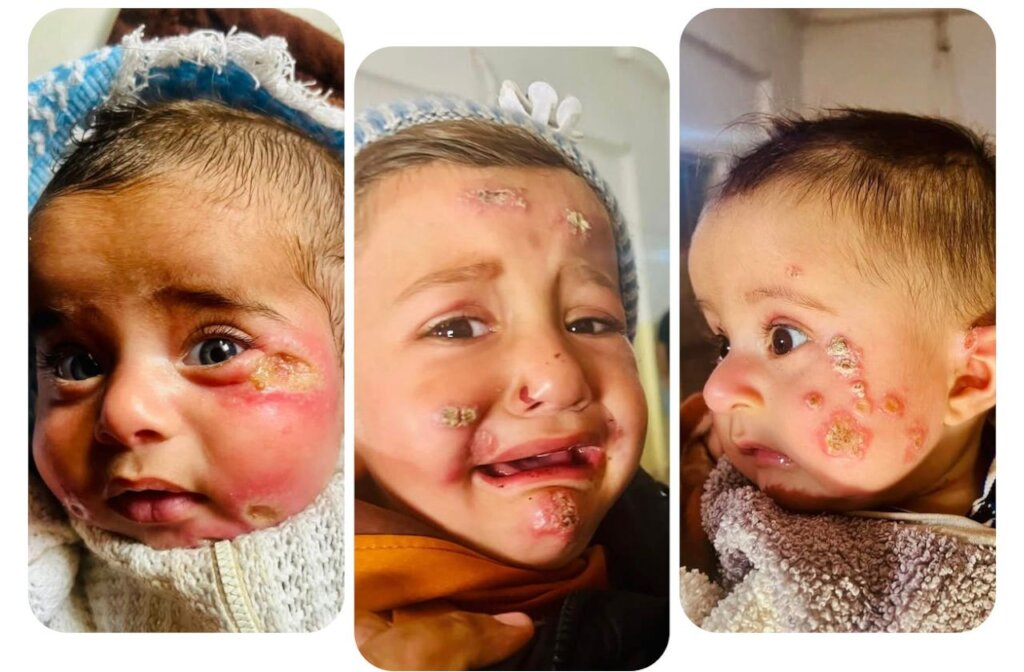
Leishmaniasis cases are rising in Al-Hisha district in Al-Raqqa Governorate due to weakened health services, poor environmental conditions, and limited vector control. This project will reduce disease transmission and improve community health by strengthening local health facilities, supporting diagnosis and treatment, and implementing targeted vector control measures. Through community awareness, environmental clean-up campaigns, and capacity building of health workers and community volunteers.
Leishmaniasis is rapidly increasing in Syria, driven by poor environmental conditions, stagnant water, and weakened health services after years of conflict. Many health facilities lack the medicines, equipment, and trained staff needed to diagnose and treat the disease. As a result, patients especially children, women, and displaced families face delayed treatment, severe complications, and social stigma limited vector control measures allow the diseaseto spread unchecked.
This project will strengthen local health services by providing medicines, diagnostic tools, and training for healthcare workers to ensure early detection and effective treatment of leishmaniasis. It will implement vector control measures, including spraying and environmental clean-up, to reduce transmission. Community volunteers will raise awareness, promote prevention practices, and refer suspected cases, improving access to care and reducing disease spread.
The project will lead to sustained reductions in leishmaniasis cases in Al-Hisha by strengthening local health systems and community-based prevention. Improved access to treatment, trained health workers, and increased awareness will enable early detection and response. Communities will adopt safer environmental practices, reducing vector breeding. Over time, this will enhance public health resilience and protect thousands of vulnerable people from future outbreaks.



Support this important cause by creating a personalized fundraising page.
Start a Fundraiser